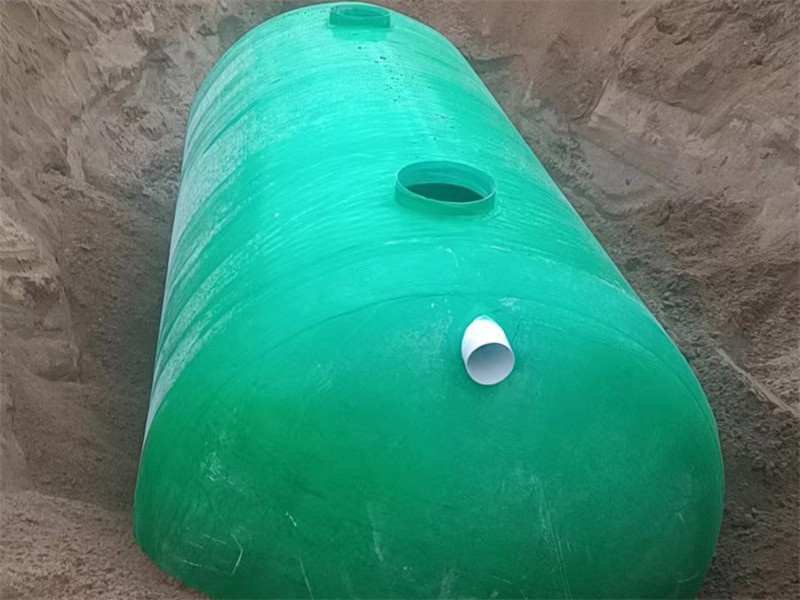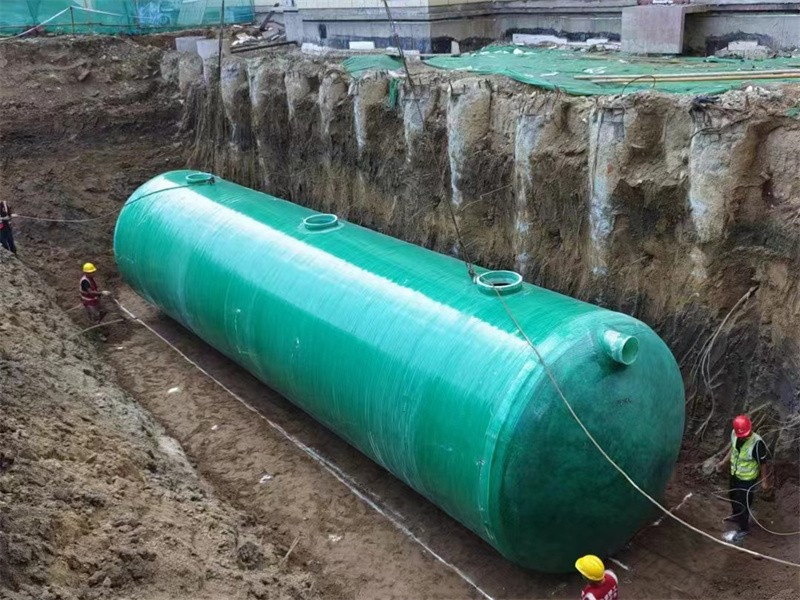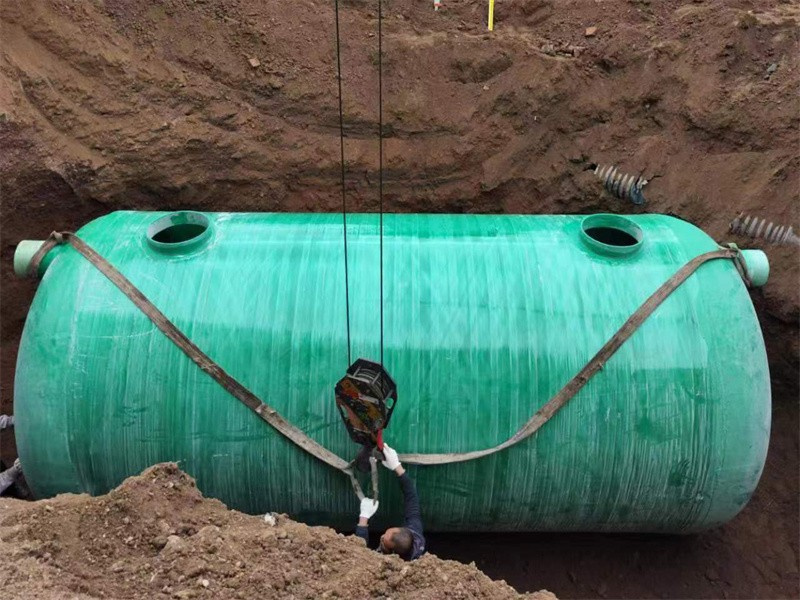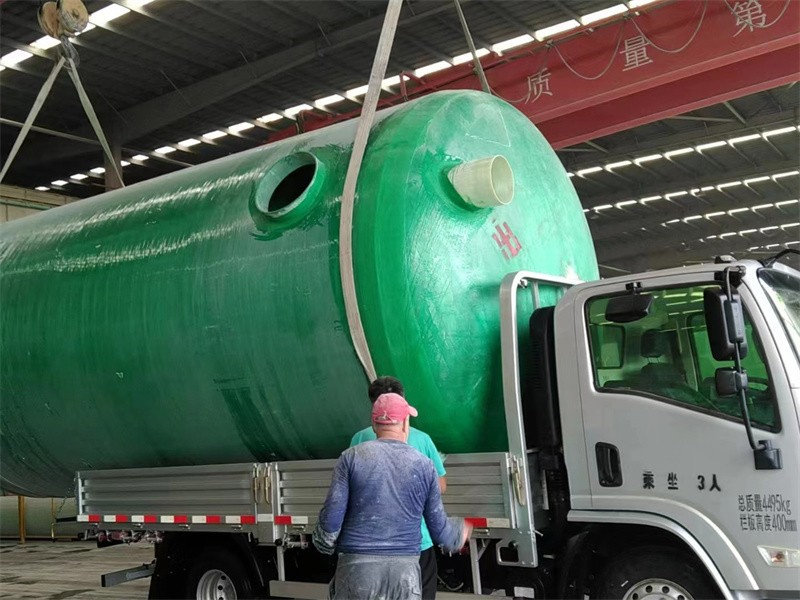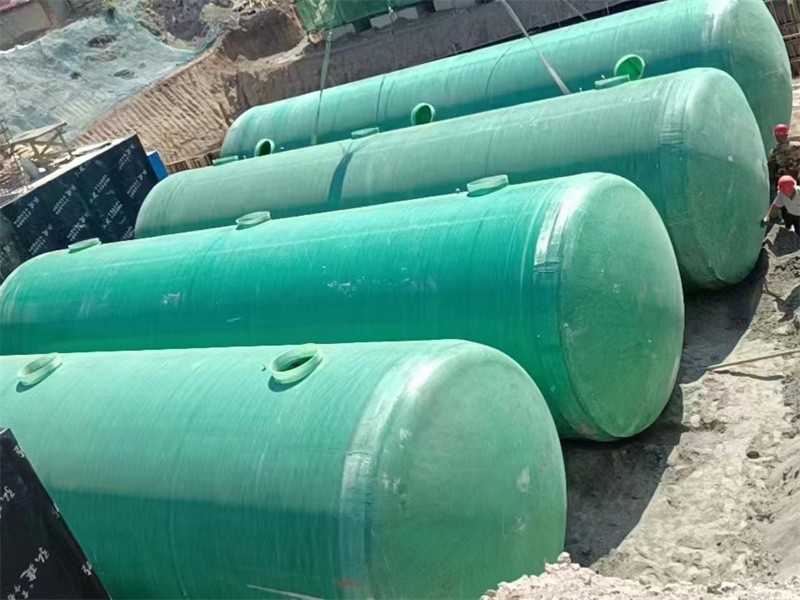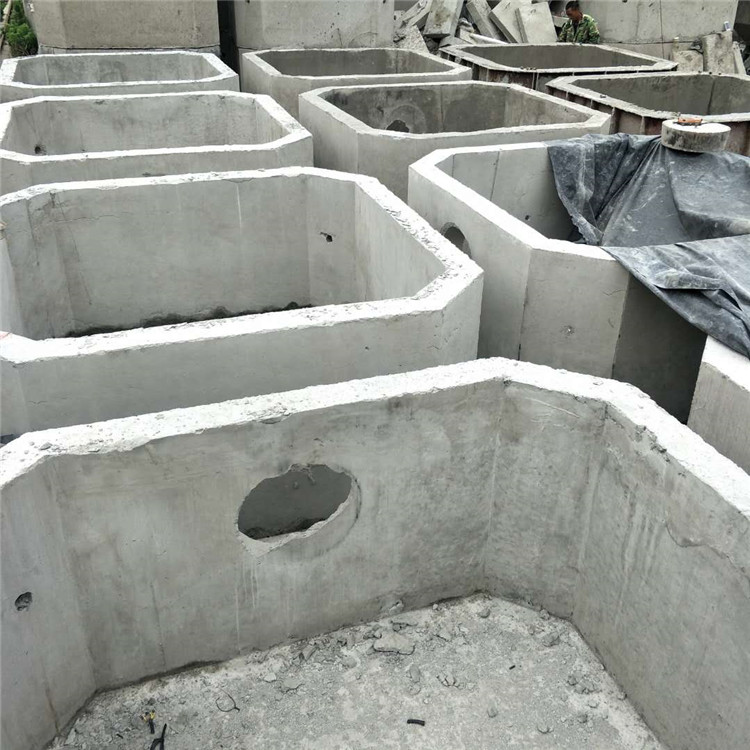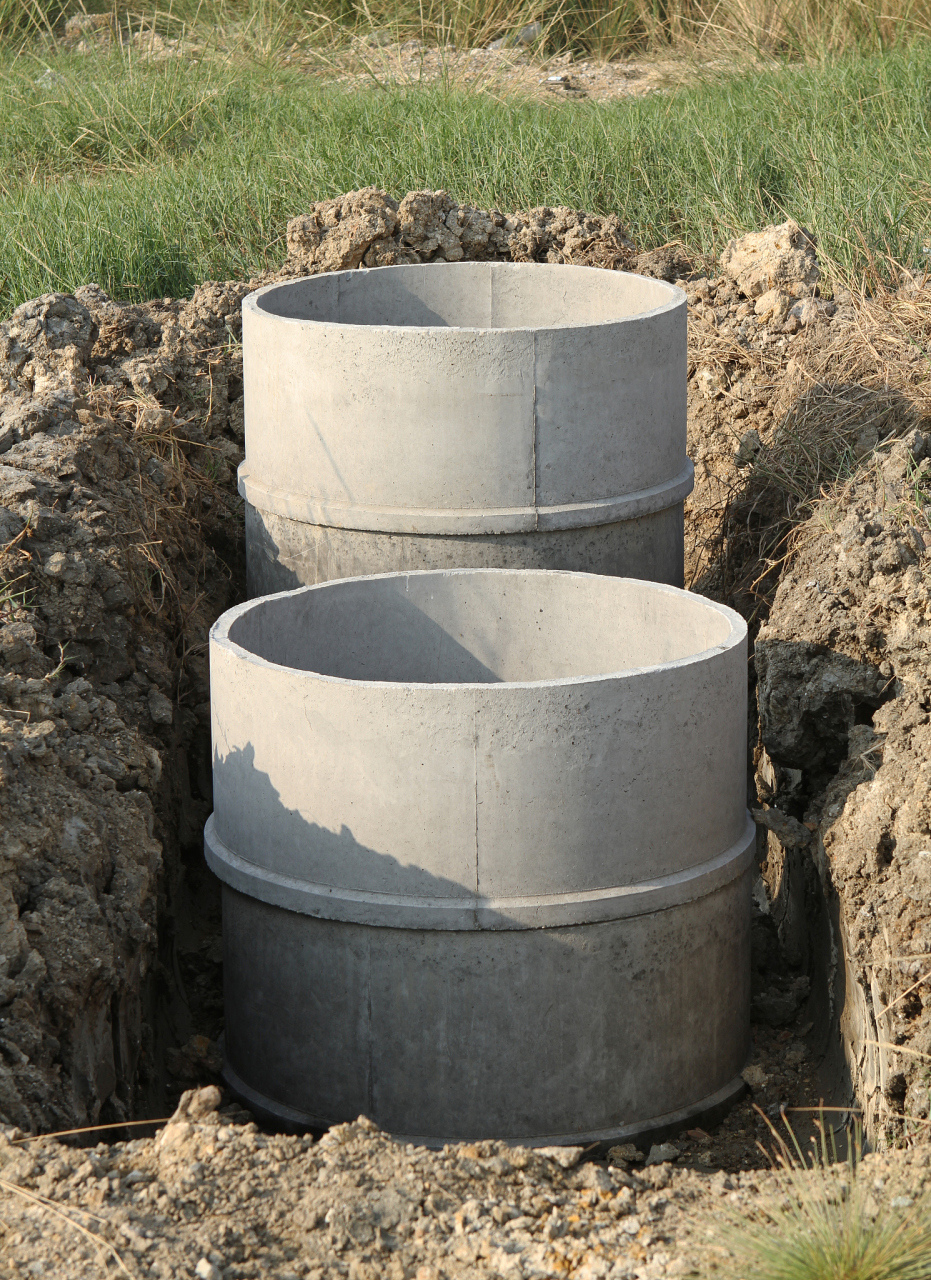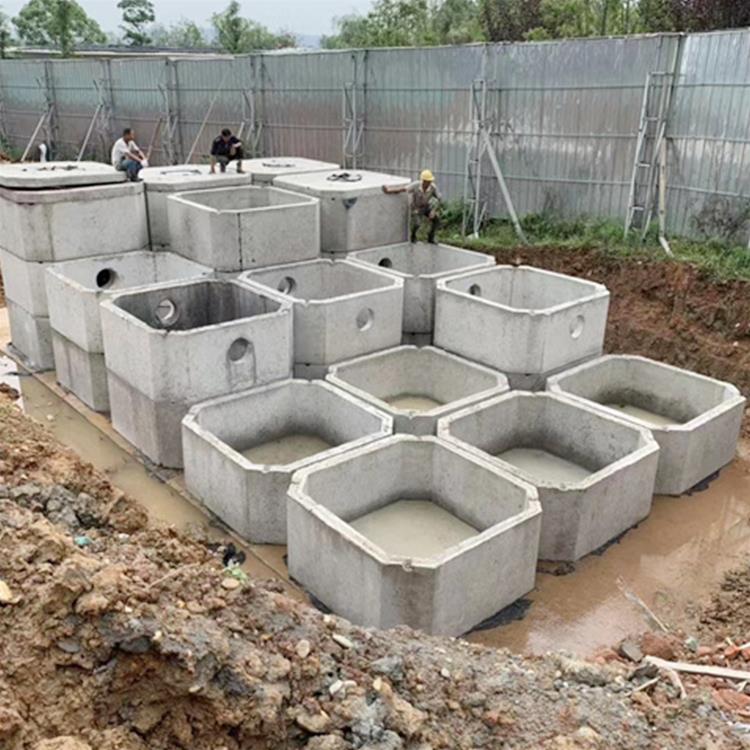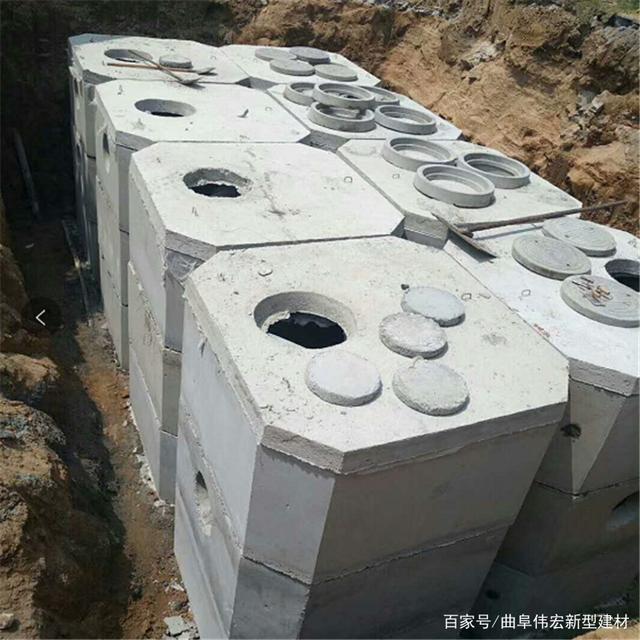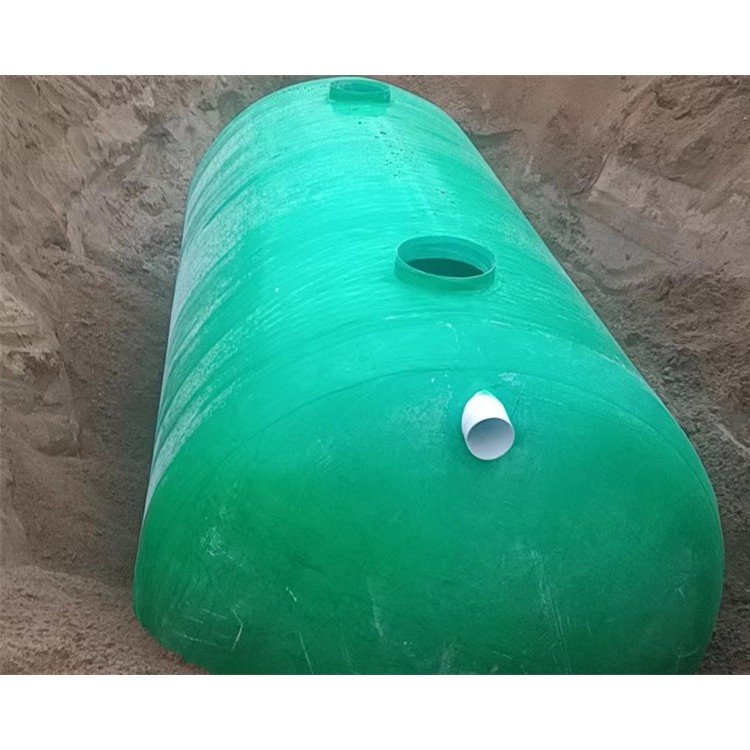
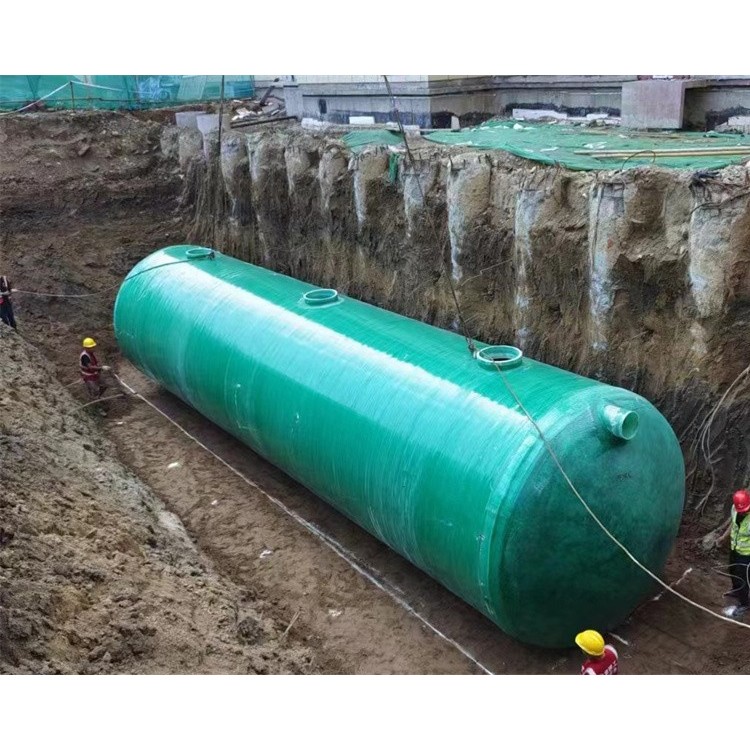
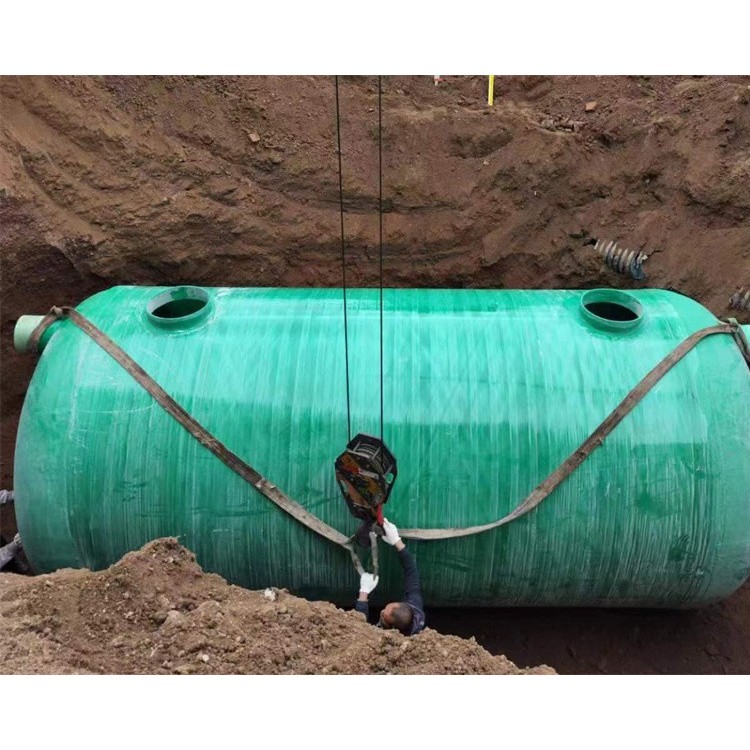
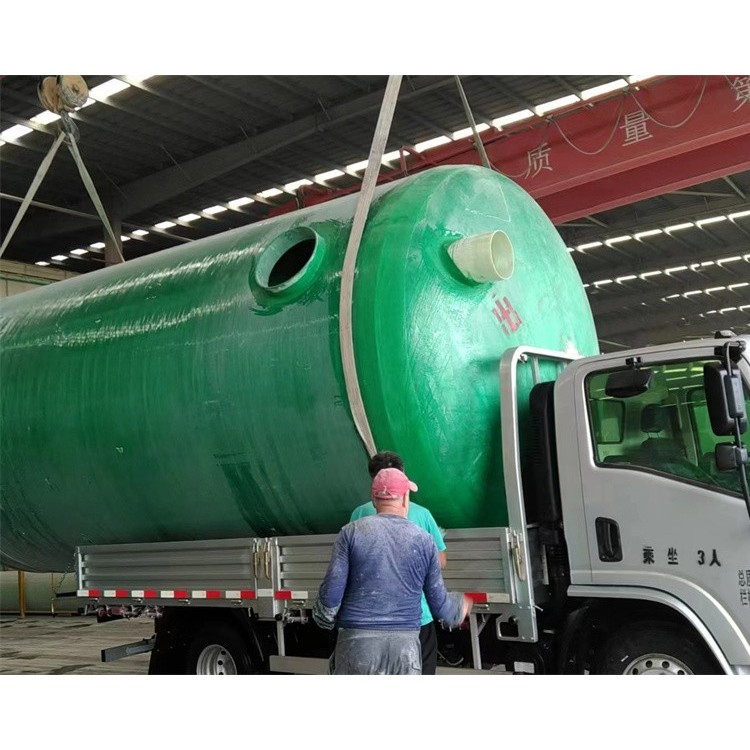
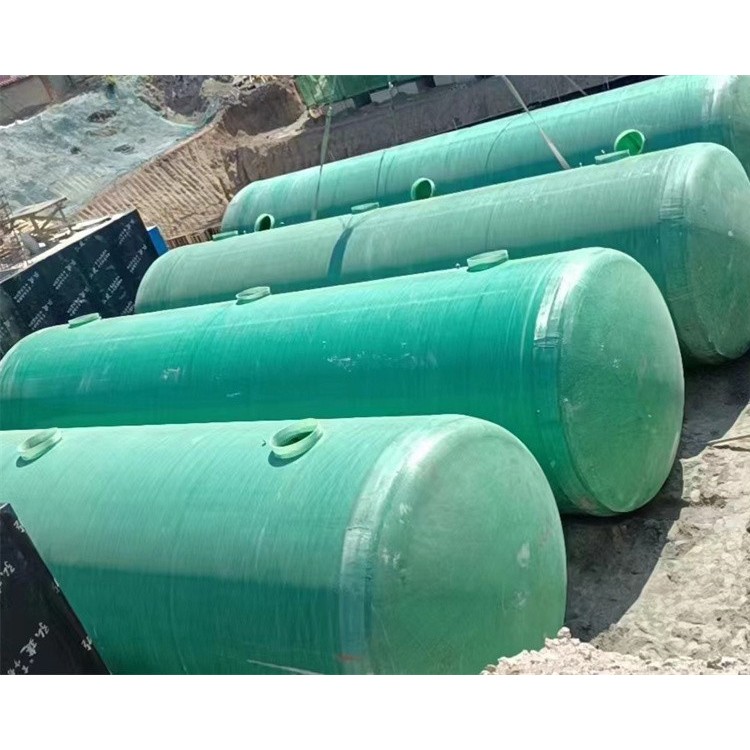







A septic tank is a treatment facility that utilizes sedimentation and anaerobic fermentation principles to remove suspended organic matter from domestic wastewater, and it is classified as a primary transitional treatment structure. Domestic wastewater contains a large amount of feces, paper debris, pathogenic parasites... The concentration of suspended solids is 100~350 mg/L, and the concentration of organic matter is
CODCR is between 100~400 mg/L, with the concentration of suspended organic matter BOD5 ranging from 50~200 mg/L. Sewage entering the septic tank undergoes 12~24 hours of sedimentation, which can remove 50%~60% of the suspended solids. The sludge settled out is then decomposed by anaerobic fermentation for over 3 months, converting the organic matter in the sludge into
Stable inorganic matter, easily converting raw sludge into stable mature sludge, altering the sludge structure and reducing its moisture content. Regularly remove and transport sludge for landfilling or use as fertilizer. Requirements: The calculated volume of the sedimentation and digestion sections of the septic tank should comply with the "Design Standards for Building Water Supply and Drainage."
The "Code for Design of Urban Wastewater Treatment Plants" (GB50015-2003) Article 4.8.4 to 4.8.7 determines that the detention time of sewage in septic tanks should be between 12 to 36 hours. For wastewater treatment systems without sludge disposal, the septic tank volume should also include the storage volume for sludge.
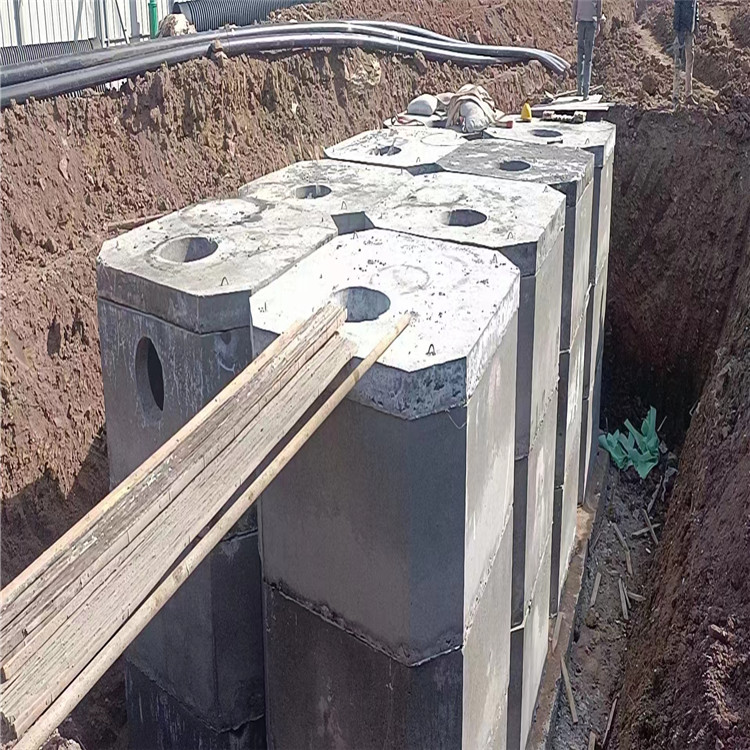
The actual test data of septic tank effluent water quality, impurity removal rate, and treatment effectiveness are not as comprehensive as the test data for water and wastewater treatment facilities. It should be selected in various regions to represent different types of buildings, and comprehensive tests should be conducted on the water quality in and out of the septic tank, as well as the treatment effectiveness, at different times of the day across various seasons.
Regular testing of the composition changes in domestic wastewater is conducted to enrich and perfect the design documentation, guiding engineering design.
Cleaning Cycle
The septic tank cleaning cycle is related to the temperature of fecal wastewater, ambient temperature, building characteristics, and the quality and volume of drainage water. If the designed cleaning cycle is too short, the concentration of fecal slurry in the septic tank will be too high, significantly differing from the actual cleaning cycle, which can affect normal fermentation and wastewater treatment effectiveness, and even lead to overflow of the slurry, impacting the environment.
Sanitation. If the cleaning cycle is too long in design, the septic tank volume will be excessive, increasing the cost. The "Code for Design of Water Supply and Drainage of Buildings" (GBJ15-88) (hereinafter referred to as the "Code") requires a cleaning cycle of 3 to 12 months, with most actual designs opting for 3 to 9 months, while the acid fermentation period in the acidic fermentation stage is 3 months.
In the month, the acid reduction period is about 5 months. Practical evidence shows that the determination of the cleaning cycle should take into account three factors: the treatment effect of wastewater, construction cost, and management. Generally, the cleaning cycle should not be less than 12 months. The Shangyuamen Waterworks dormitory area has a common septic tank, serving 200 people, with standard domestic wastewater.
Each person generates 30L/day of sludge, with an average sludge volume of 0.4L/day per person. The fresh sludge moisture content entering the septic tank is set at 95%, and after fermentation, the sludge moisture content is 90%. The design cleaning cycle is selected as 12 months, resulting in a calculated septic tank volume of 21m³.
Dwell Time
The detention time in septic tanks is a crucial indicator related to the effectiveness of wastewater treatment and the volume and cost of the septic tanks. If the detention time is too short, the wastewater treatment effectiveness is poor; if it's too long, it increases the volume and cost of the septic tanks, and also makes the arrangement difficult. The determination of the detention time should take into account both the effectiveness of wastewater treatment and the construction cost.
The price takes into account two factors: the impact of fermentation bubbles on the laminar flow state required for sedimentation, the negative effect of multiple streamline turns in the septic tank on sedimentation, and the significant instantaneous changes in domestic wastewater discharge on the uniformity of incoming flow rate. The retention time in the septic tank should allow for some leeway. The "Regulation" requires: the retention time
Retrieval interval: 12 to 24 hours. Practice has proven that the retention time should not be less than 12 hours to ensure effective wastewater treatment. The septic tank in the dormitory area of the Shangyuamen Waterworks has a retention time of 24 hours.