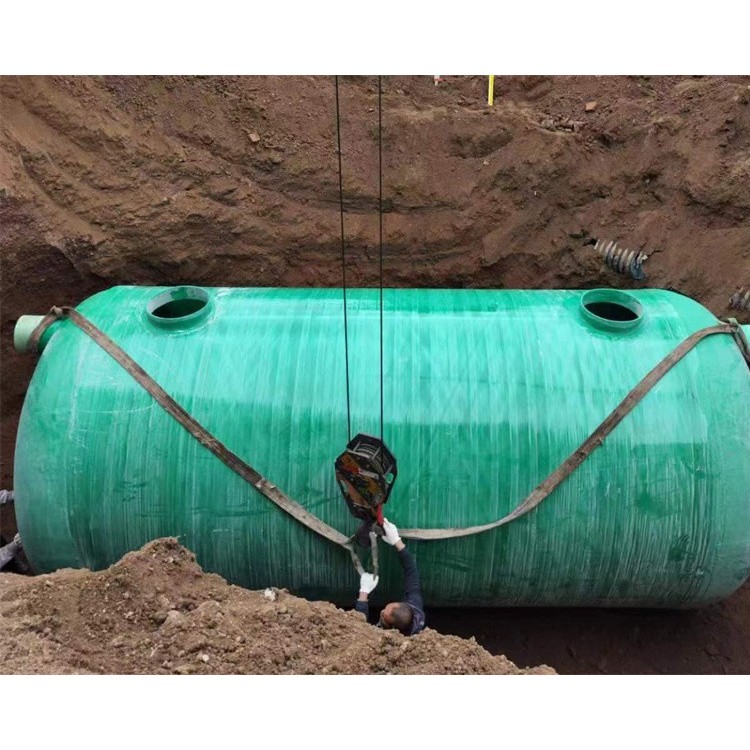
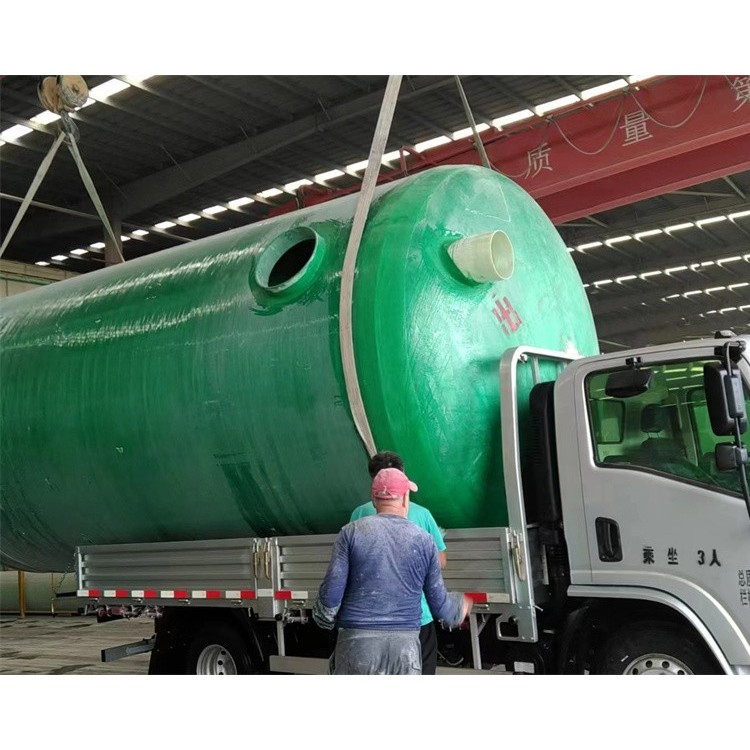
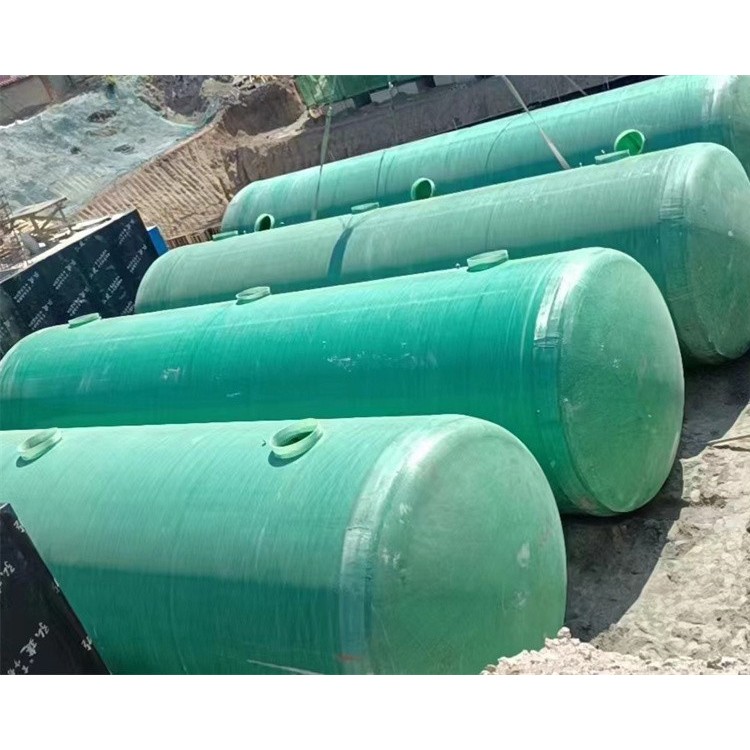







Wastewater sludge disposal issue
According to the technical standards for septic tanks, the sludge removal time for septic tanks is generally 90 days, 180 days, or 360 days. [3] The removed sludge can be used as organic fertilizer or disposed of in a harmless manner. However, with the widespread use of chemical fertilizers and the development of society, the use of fecal fertilizer is becoming less and less.
At the same time, China's sludge disposal industry is severely lagging behind. The harmless treatment of fecal sludge is insufficient. With a population of 1.36 billion, China generates over 100 million tons of fecal sludge annually. According to statistics, only 8.01 million tons of fecal sludge were treated harmless in 2012. The large-scale removal and transfer of fecal sludge has caused secondary pollution.
Pollution. Therefore, if the issue of non-hazardous disposal of septic tank sludge cannot be resolved, the sludge will become a source of water pollution. The septic tank problem is an environmental issue related to the effectiveness of water pollution control. [2] [3]
Septic tank clogging issue
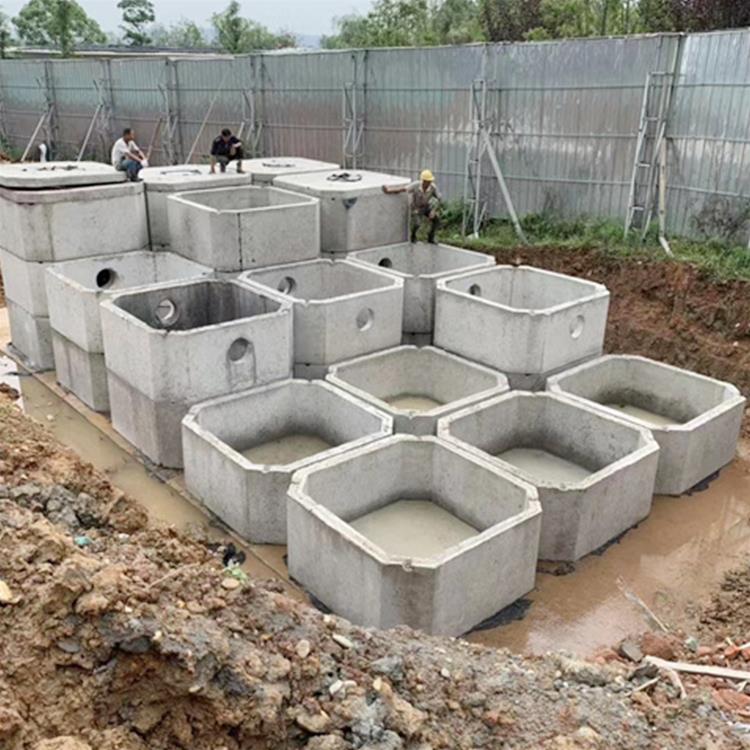
Sewage treatment tank sedimentation sludge consists of bottom sludge, floating sludge on the surface, and suspended sludge and wastewater in between. The tank is divided into two or three compartments by partition walls, with overflow openings on the partition walls located in the middle. If the tank is not cleaned out in a timely manner, when the sludge settles...
Excess sludge accumulates above the overflow opening, causing it to block the opening and leading to a septic tank blockage. Septic tank blockages severely disrupt normal daily life for users and are urgent issues in the application of septic tanks that need to be addressed.
Trends in Development - Report
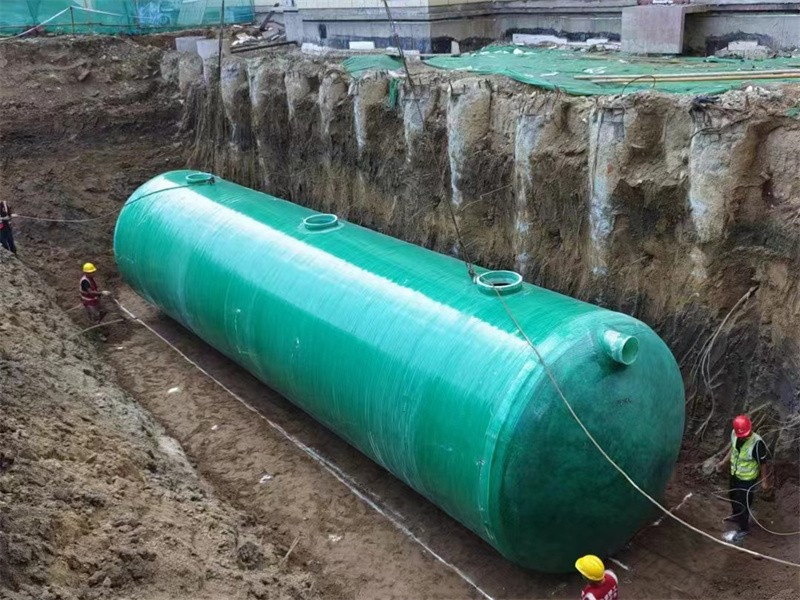
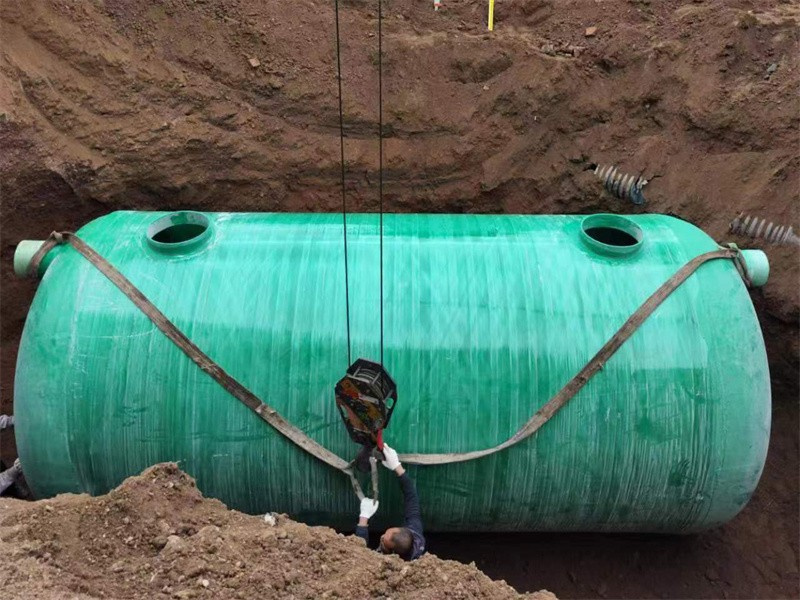
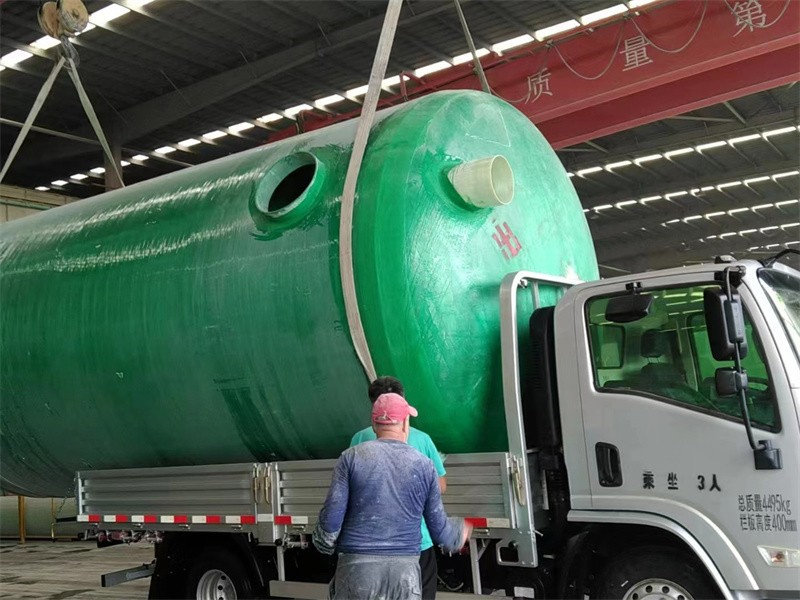
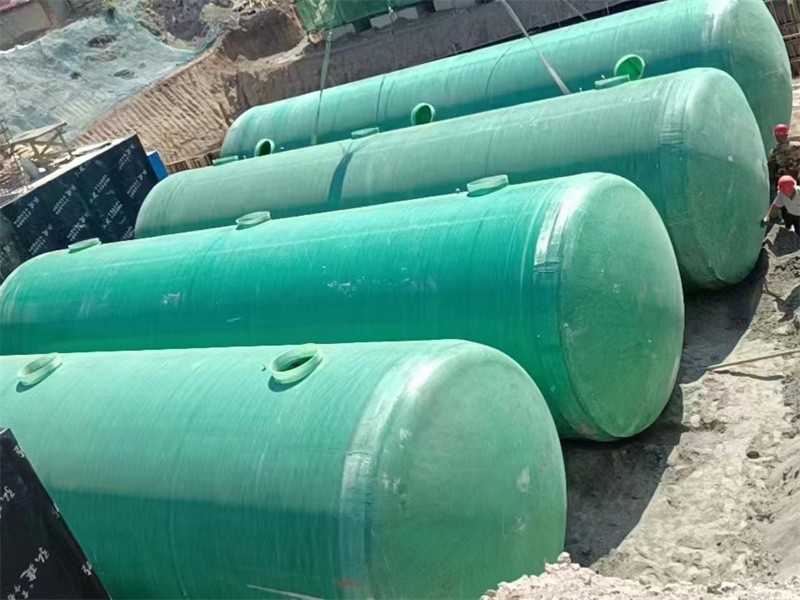
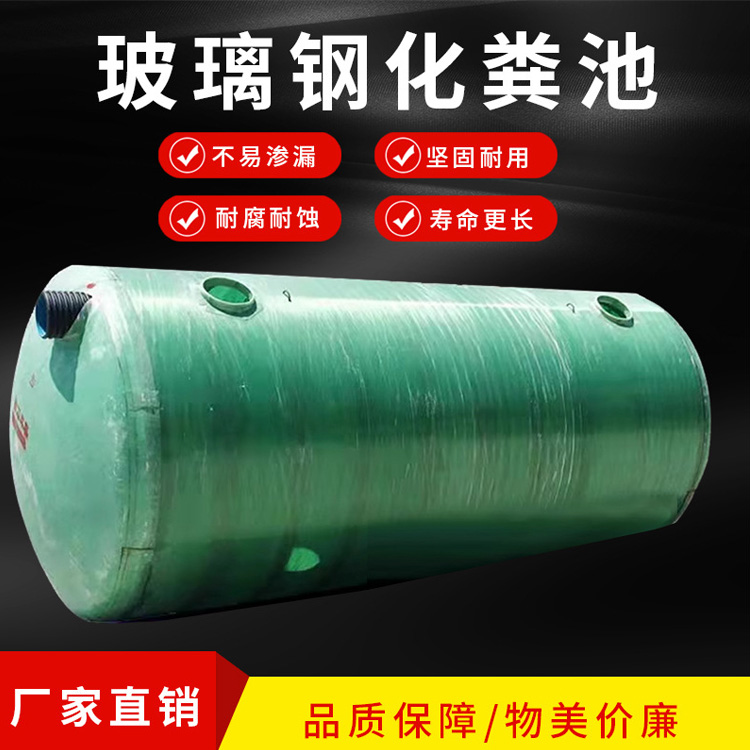
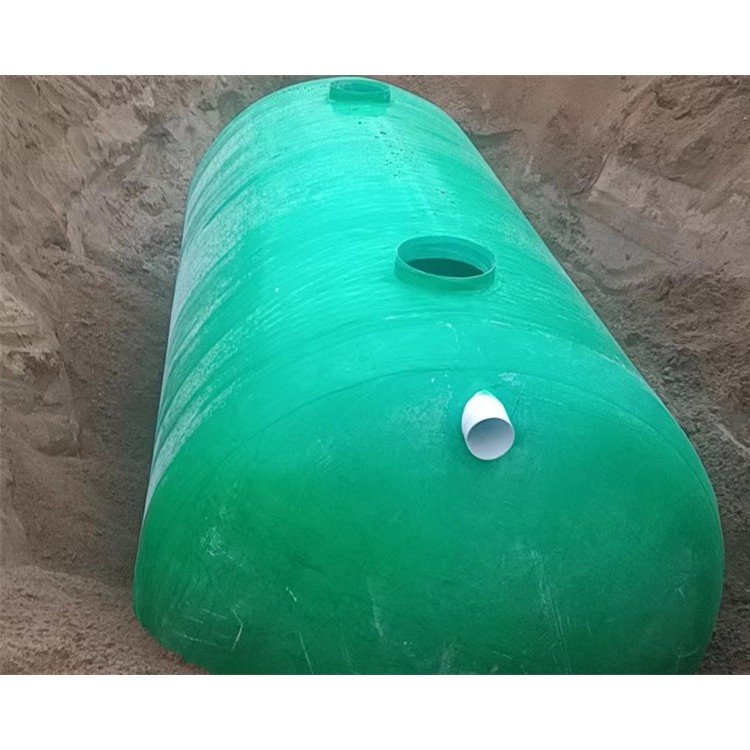
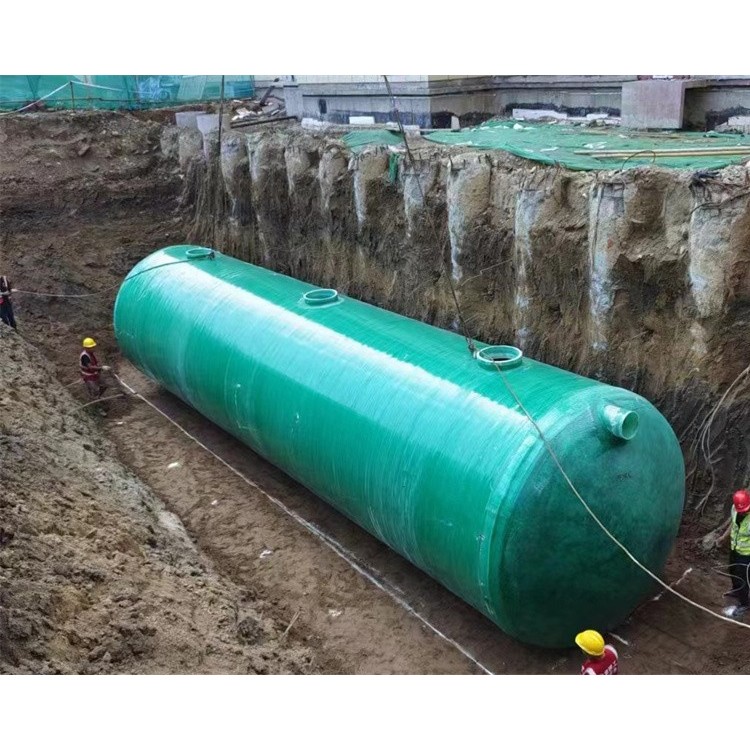
The pollution caused by domestic wastewater in daily life is increasingly severe. This product, based on the summary of foreign imported domestic wastewater treatment processes and combined with scientific research and engineering practice, utilizes high polymer composite materials for factory production. It is an efficient, energy-saving, lightweight, and cost-effective domestic wastewater treatment equipment that successfully replaces traditional treatment methods.
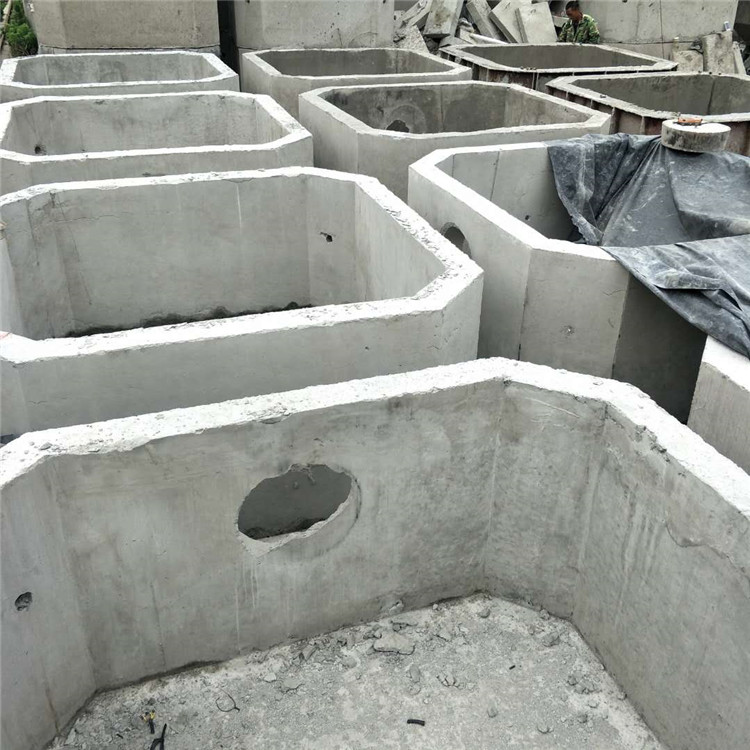
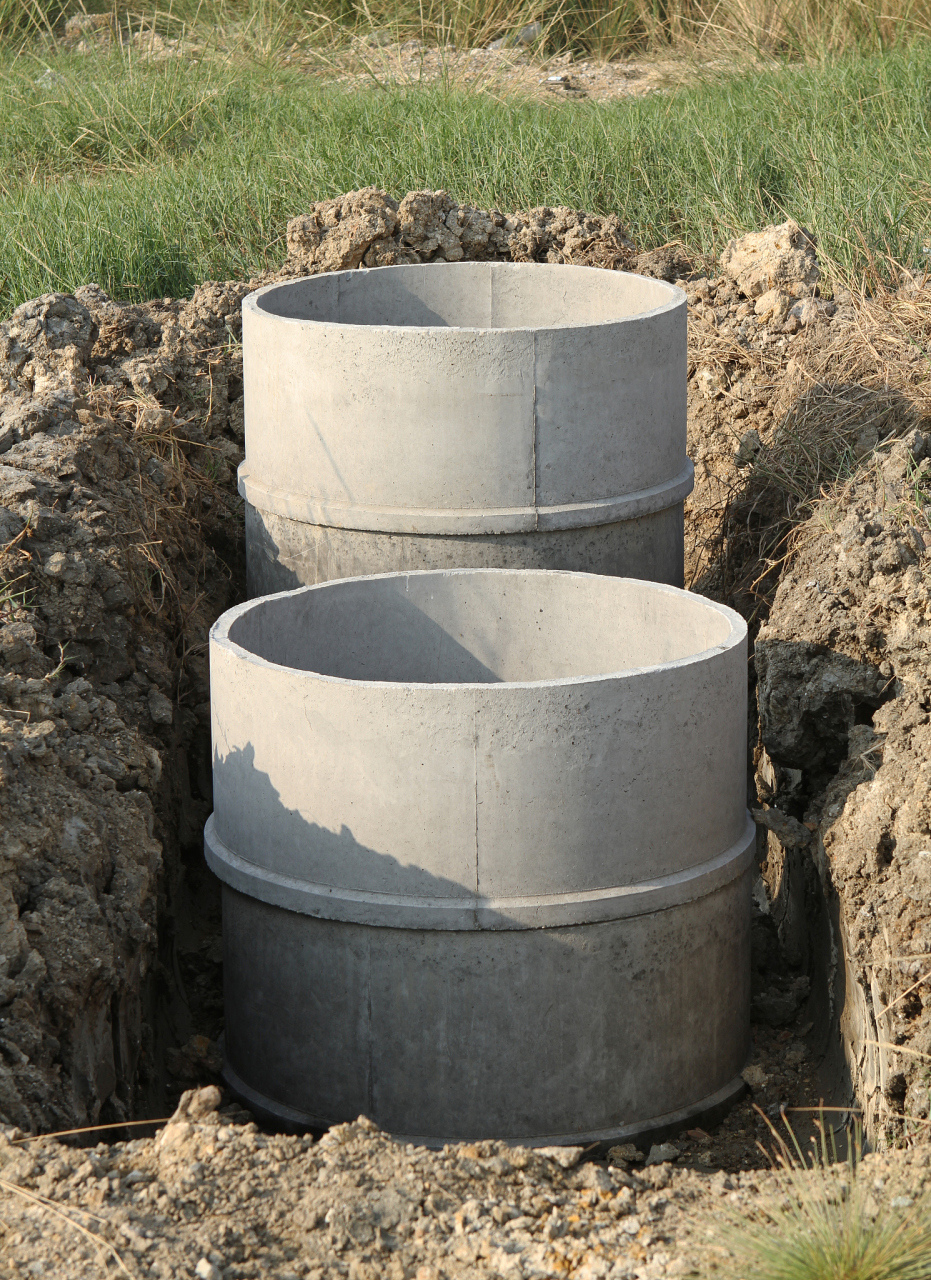
Traditional brick-and-mortar septic tanks and concrete ones, due to leakage and poor operating conditions, have polluted groundwater quality and affected the safety of surrounding buildings. This product utilizes the gravitational flow of water, requires no external power or operating costs, saving energy and being easy to manage. It offers significant social, environmental, and economic benefits.
Benefit.
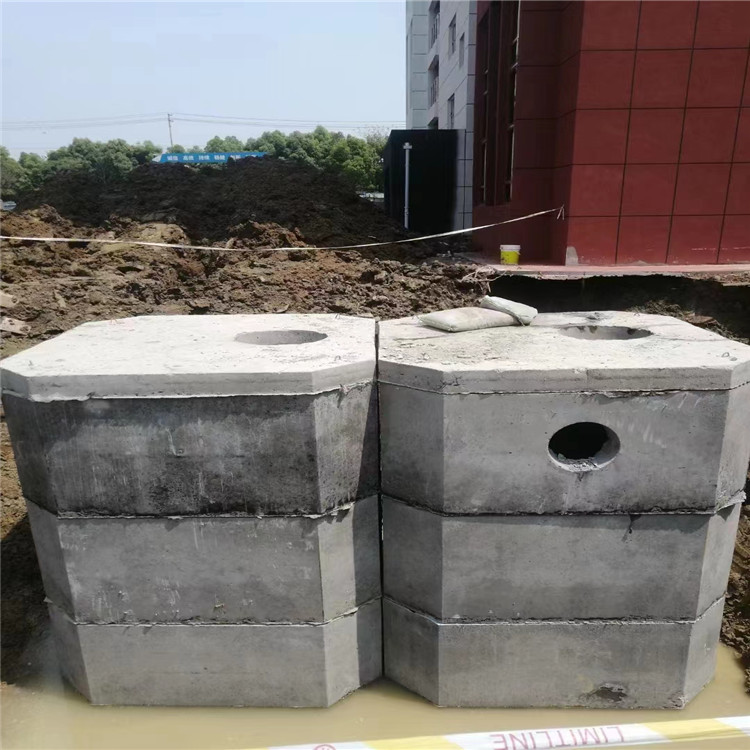
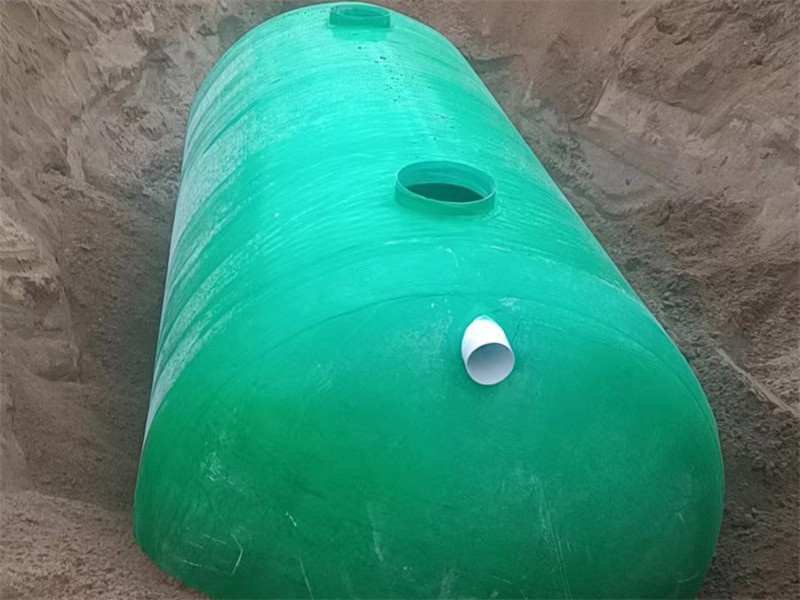
Septic tanks are treatment equipment that utilizes sedimentation and anaerobic fermentation principles to remove suspended organic matter from domestic wastewater. The high-efficiency corrugated fiberglass septic tank is internally equipped with baffles, with holes on the baffles misaligned vertically, preventing short-circuiting and dividing the entire tank into three sections: the primary anaerobic chamber, the secondary anaerobic chamber, and the clarification section.
Rooms, the first and second-grade anaerobic rooms are interconnected at the bottom, and are internally equipped with "MDS Special-Type Filler." This partitioning reduces the contact time between wastewater and sludge, ensuring that the acidic fermentation and alkaline fermentation processes do not interfere with each other. Additionally, the presence of the filler increases the contact surface area between wastewater and sludge, significantly...
Enhanced response efficiency.