






Mud and water mixture
The traditional septic tank has been in use for over a century. Its technological approach involves the contact between wastewater and sludge. The deposited sludge undergoes digestion and degradation, producing biogas, carbon dioxide, and other digestate gases. The buoyant action of the digestate gases disturbs the sludge, and this disturbance facilitates the mixing of sludge with
The mixture of microbial communities is more thorough, aiding in digestion and degradation. However, the bottom sludge rises with the digestate gases, and after the bubbles escape, the sludge settles back down, re-polluting the wastewater.
Under the technological mode where septic tank waste water and sludge come into contact and mix, the sedimentation and effluent water quality of the septic tank are affected. To improve the sedimentation effect and effluent water quality, the wastewater retention time needs to be extended, typically to 12-24 hours.
Three-phase Separation
The Three-Phase Separation Septic Tank technology retains the advantages of the mud-water mixture in traditional septic tanks, and incorporates a technological enhancement for the separation of "sewage, sludge, and digester gas" into three phases. It features a three-phase separation unit at the outlet end of the septic tank, thereby separating the sludge and digester gas from the sewage treatment process.
To avoid the interference of gas flotation phenomena on wastewater treatment, the sedimentation tank at the effluent end should be in accordance with the technical standards of the horizontal sedimentation pond, with a wastewater sedimentation time of within 2 hours.
Technical Comparison
The septic tank volume consists of waste water and sludge compartments. In a three-phase separated septic tank, the waste water retention time is 4-6 hours, compared to 12-24 hours in a mixed sludge-water septic tank. By reducing the waste water retention time, the effective volume is saved, allowing for more waste storage.
Mud.
Wastewater sludge disposal issue
According to the technical standards for septic tanks, the污泥 removal time for septic tanks is generally 90 days, 180 days, or 360 days. [3] The sludge removed can be used as organic fertilizer or disposed of in a non-hazardous manner. However, with the widespread use of chemical fertilizers and societal development, the use of fecal fertilizers has decreased accordingly.
Simultaneously, the sludge disposal industry in our country is seriously lagging behind, with insufficient harmless treatment of fecal sludge. With a population of 1.36 billion, our country produces over 100 million tons of fecal sludge annually. According to statistics, only 8.014 million tons of fecal sludge were treated harmlessly in 2012. The large-scale cleaning and transfer of fecal sludge has caused secondary...
Pollution. Therefore, if the problem of harmless disposal of septic tank sludge cannot be resolved, the sludge will become a source of water pollution. The septic tank issue is an environmental problem related to the effectiveness of water pollution control. [2] [3]
Septic tank clog issue
Sewage treatment tank sedimentation sludge consists of bottom sediment, surface floating sludge, and suspended sludge with wastewater in between. The tank is divided into two or three compartments by partition walls, with the overflow openings on the partition walls located in the middle. If the tank is not cleaned in a timely manner, the sedimentation...
Excess sludge accumulating above the overflow opening can block the opening, leading to a septic tank blockage. Septic tank blockages severely impact the normal lives of users and are urgent application issues for septic tanks.
Trends and Developments Editor Reporting
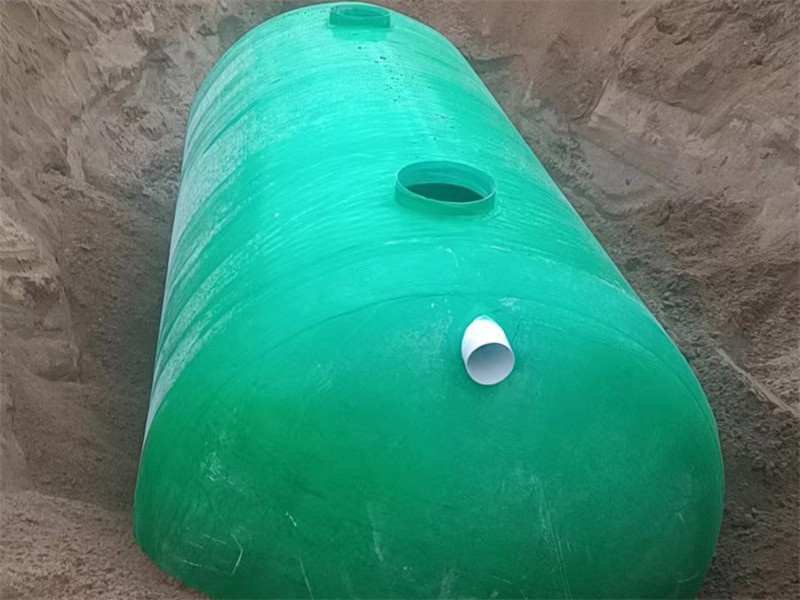
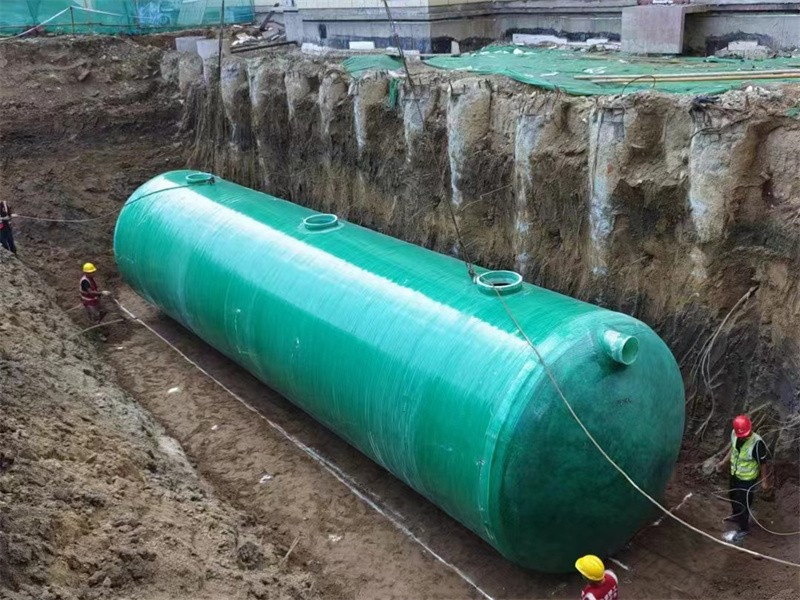
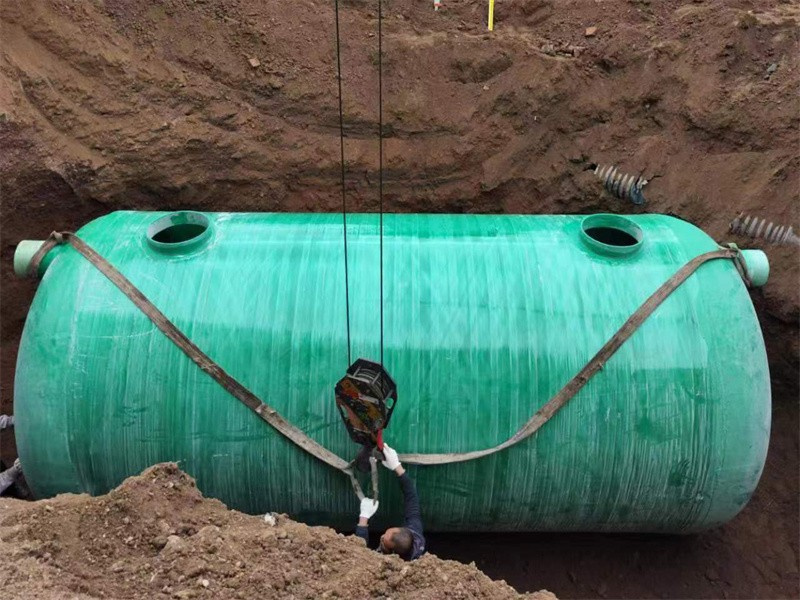
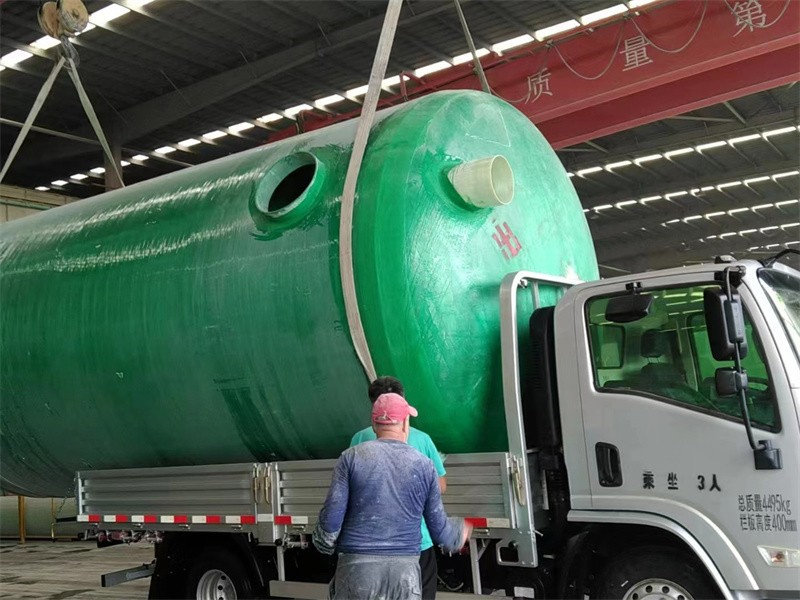
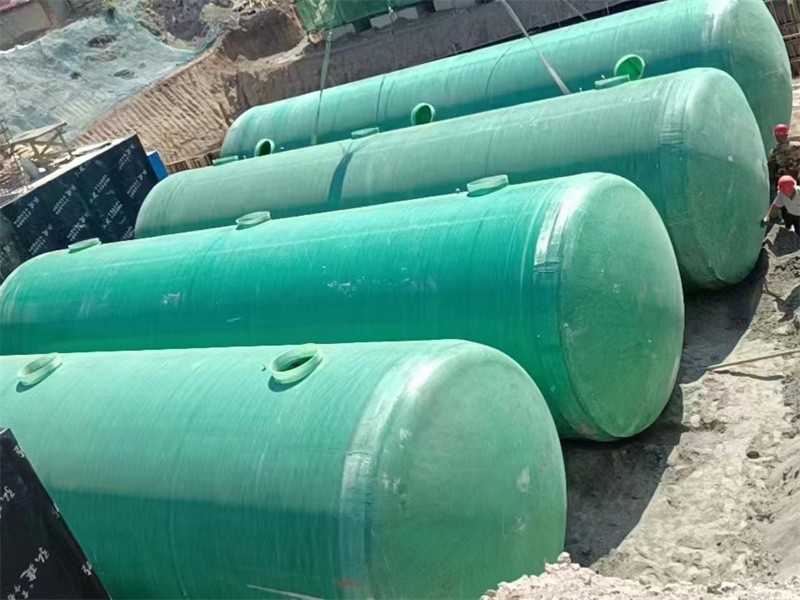
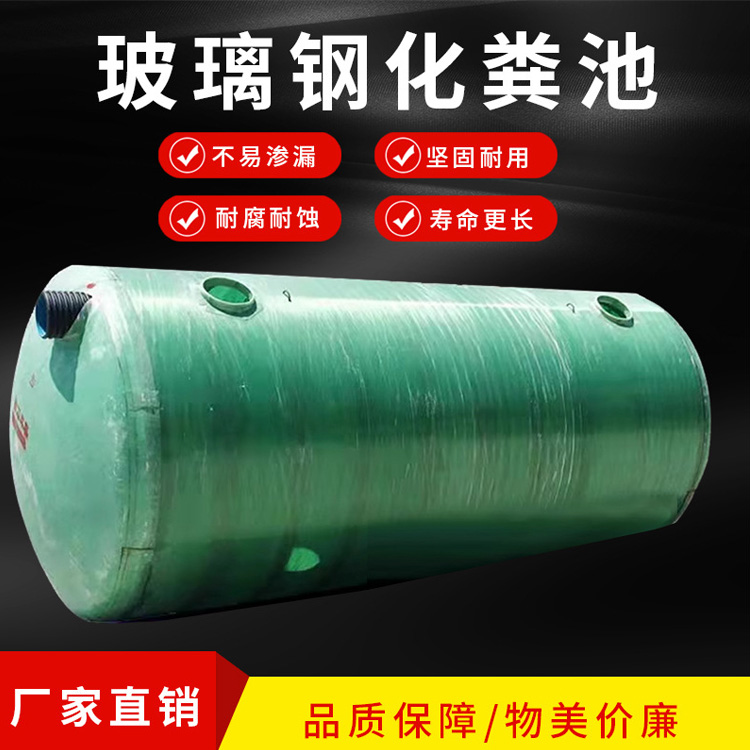
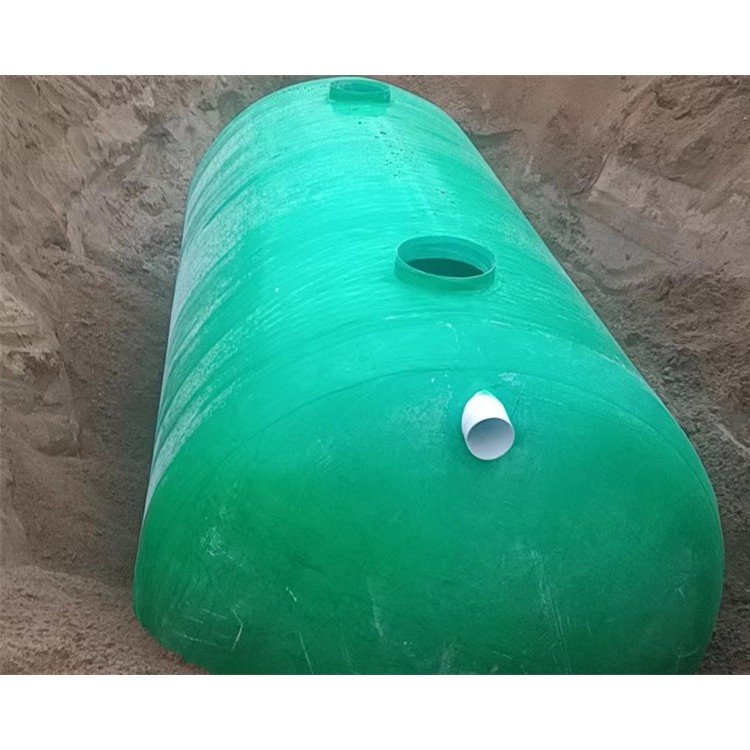
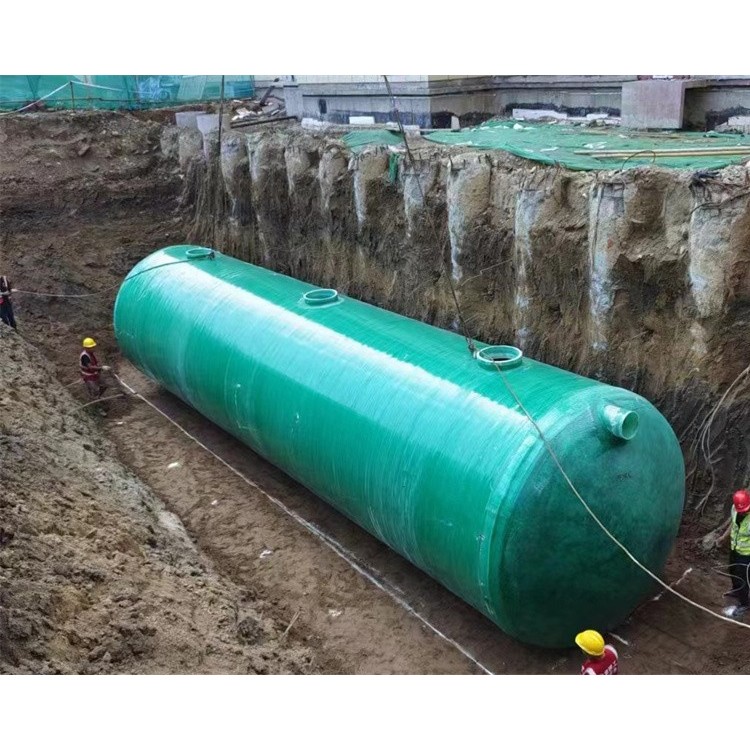
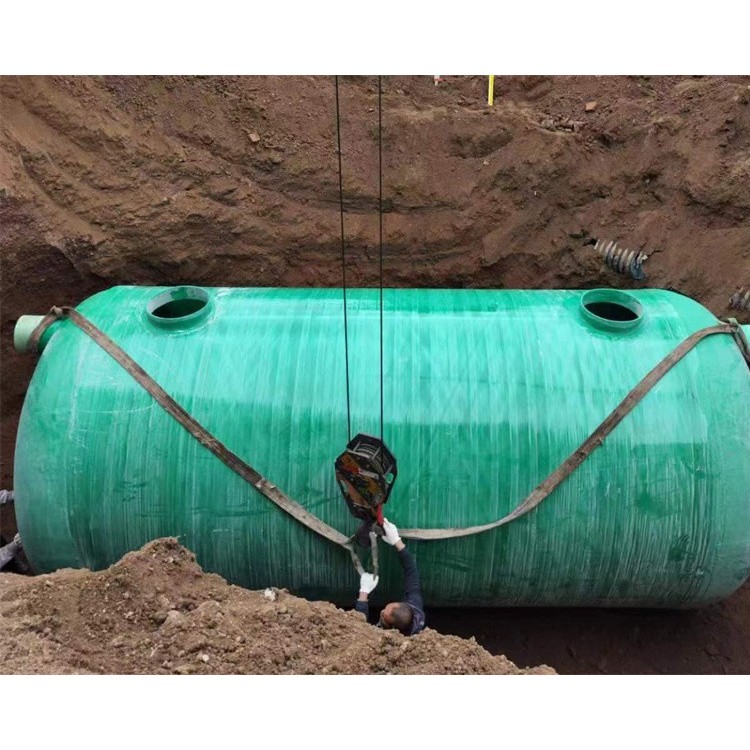
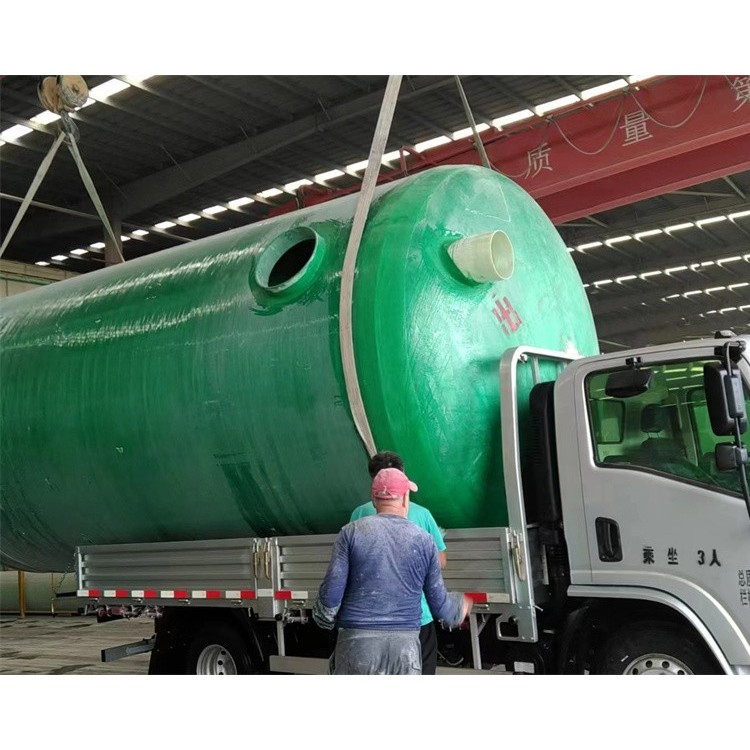
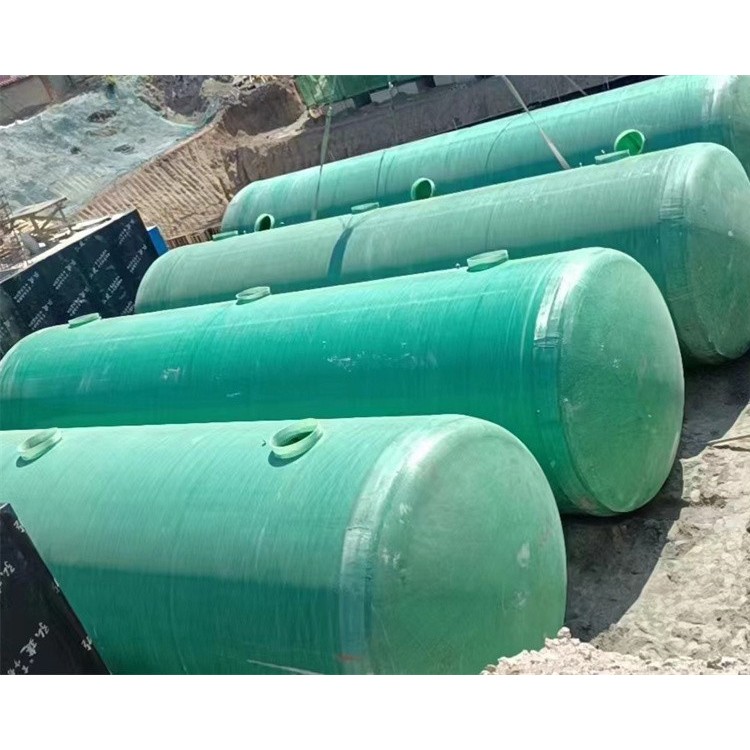
Wastewater pollution in daily life is increasingly serious. This product, based on the summary of imported foreign domestic wastewater treatment technologies, combined with scientific research achievements and engineering practices, uses high polymer composite materials, is factory-produced, and is an efficient, energy-saving, lightweight, and cost-effective domestic wastewater treatment equipment. It successfully replaces...
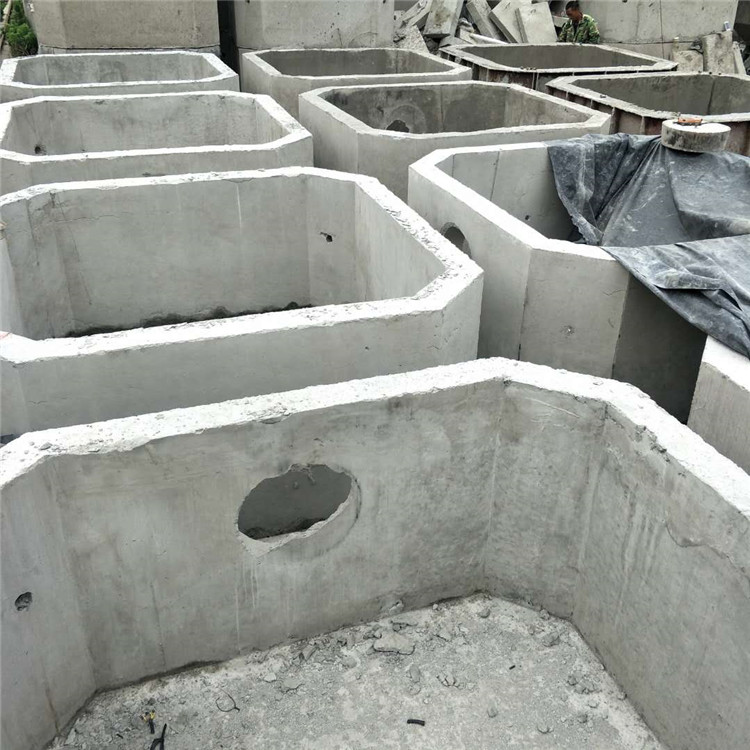
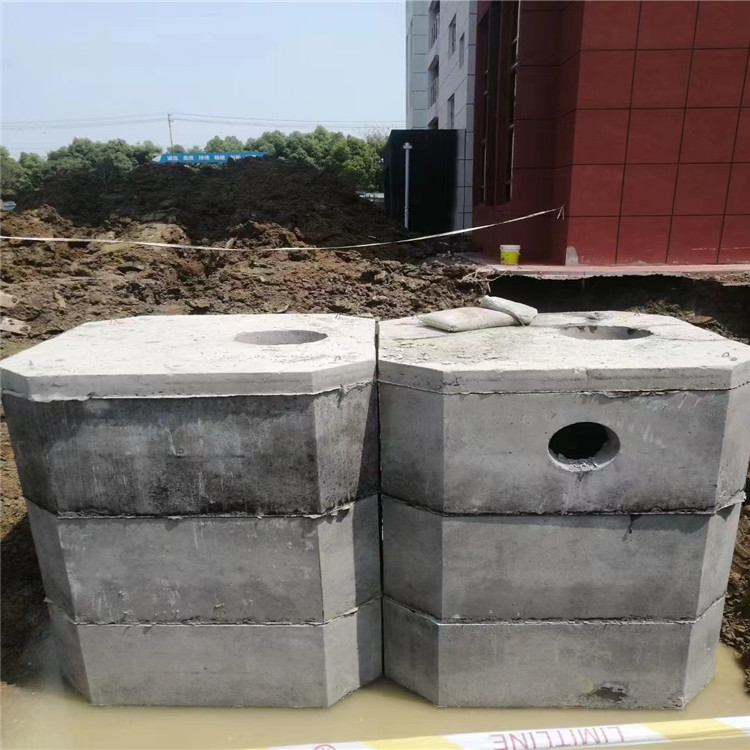
Traditional brick-and-mortar septic tanks and concrete mixed septic tanks have caused underground water contamination and compromised the safety of surrounding buildings due to leakage and poor operating conditions. This product utilizes the gravity flow of water, requires no external power or operational costs, saving energy and simplifying management. It offers significant social, environmental, and economic benefits.
Benefit.