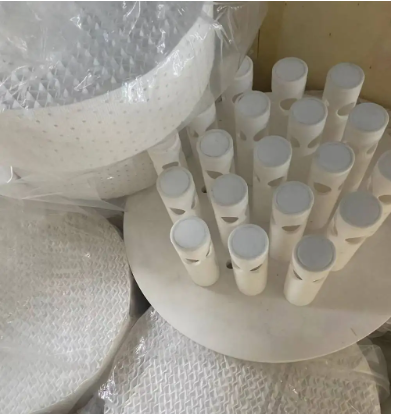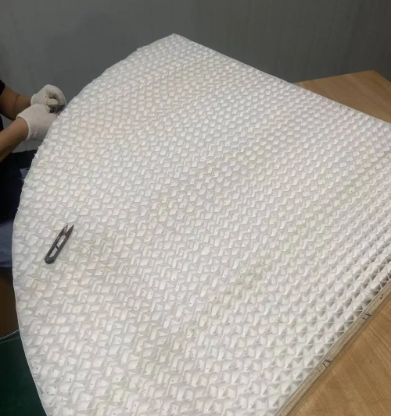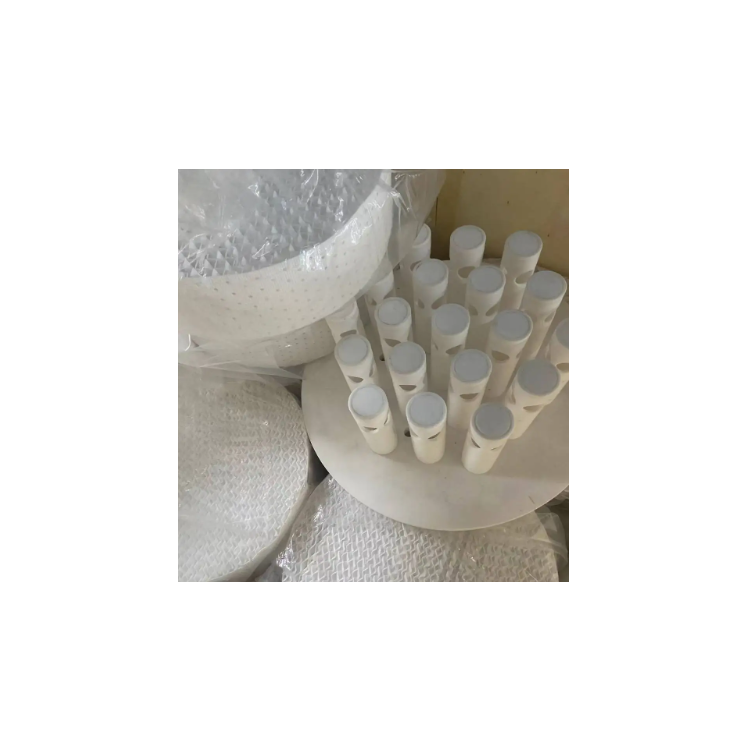

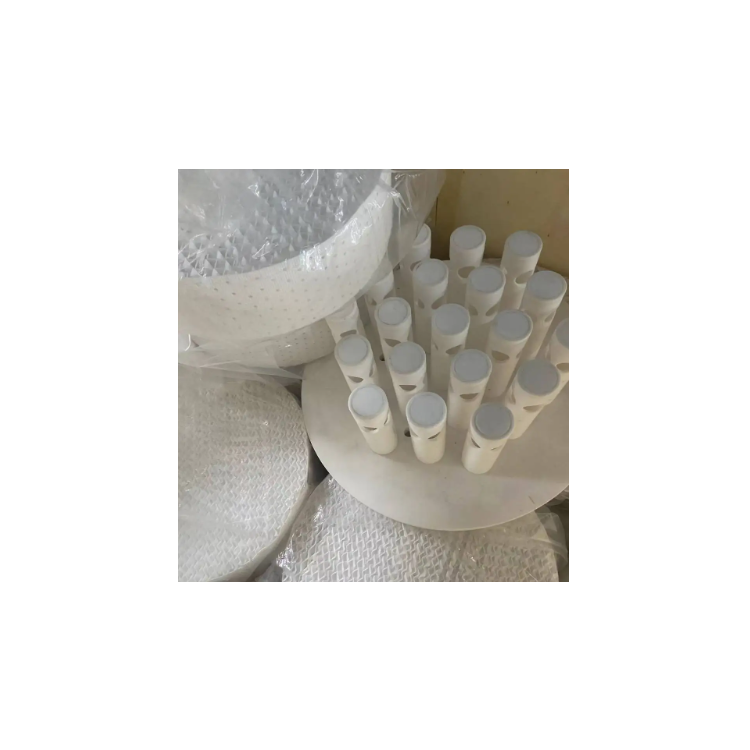
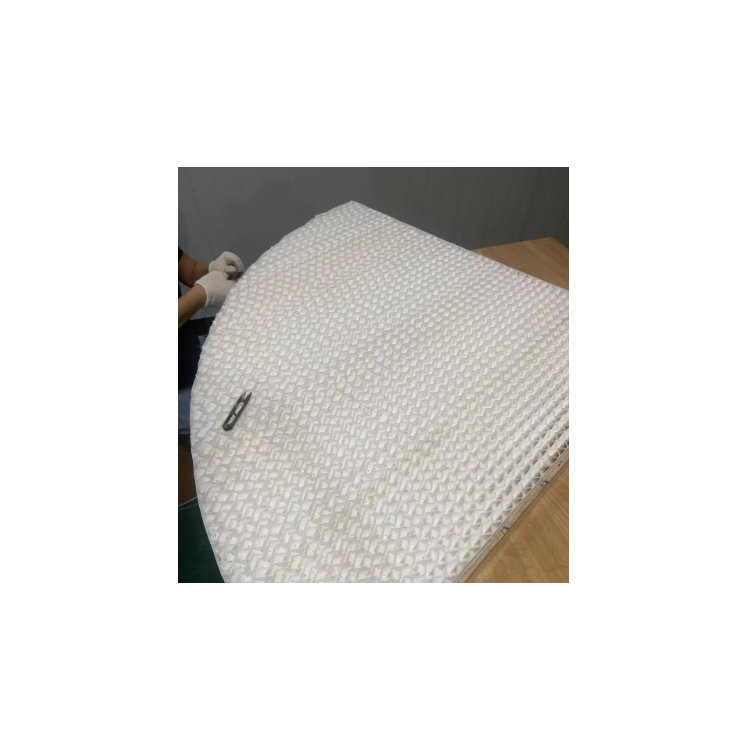
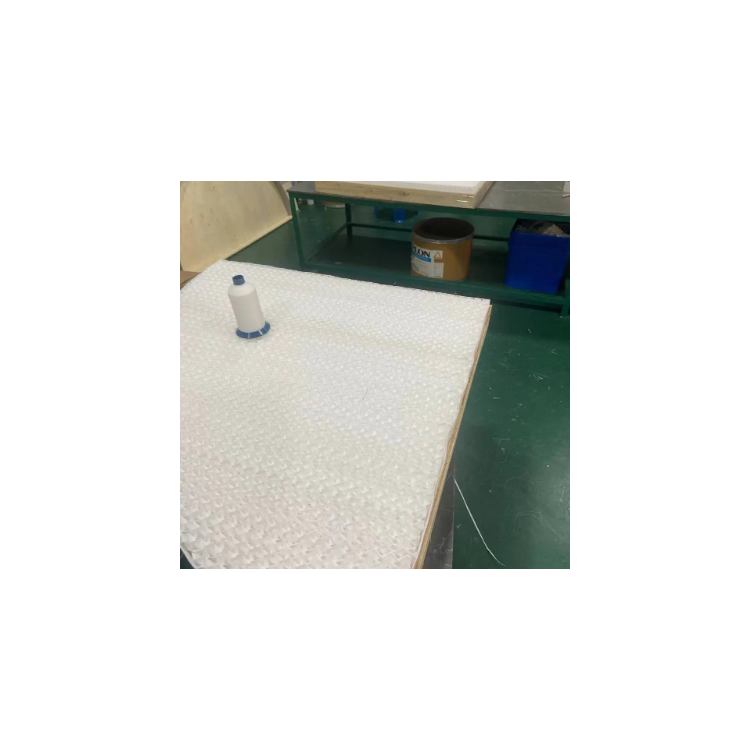












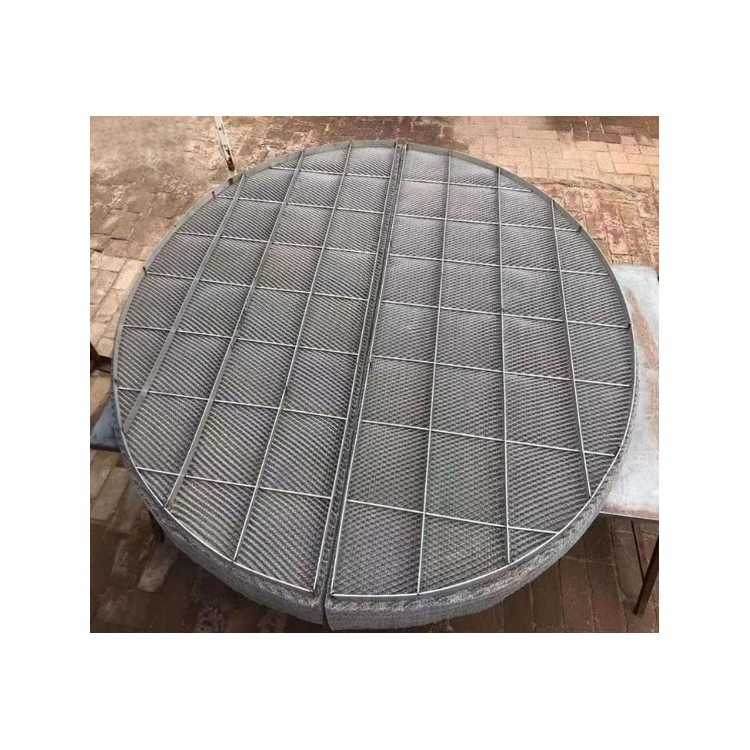
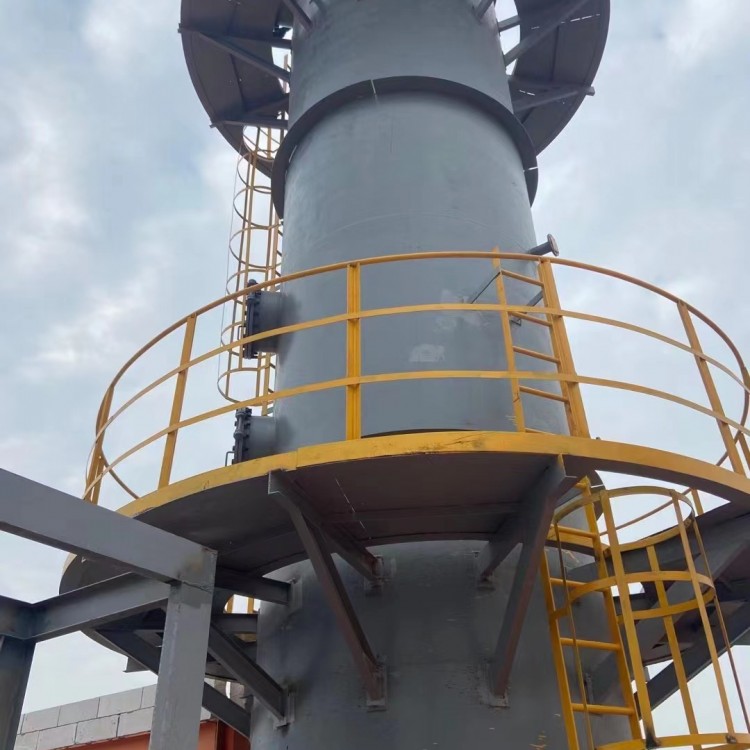
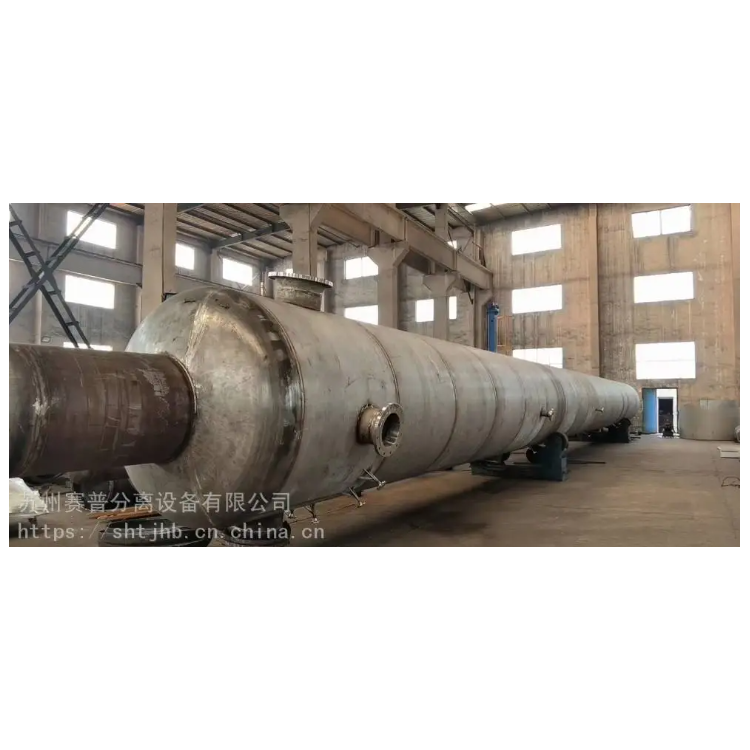
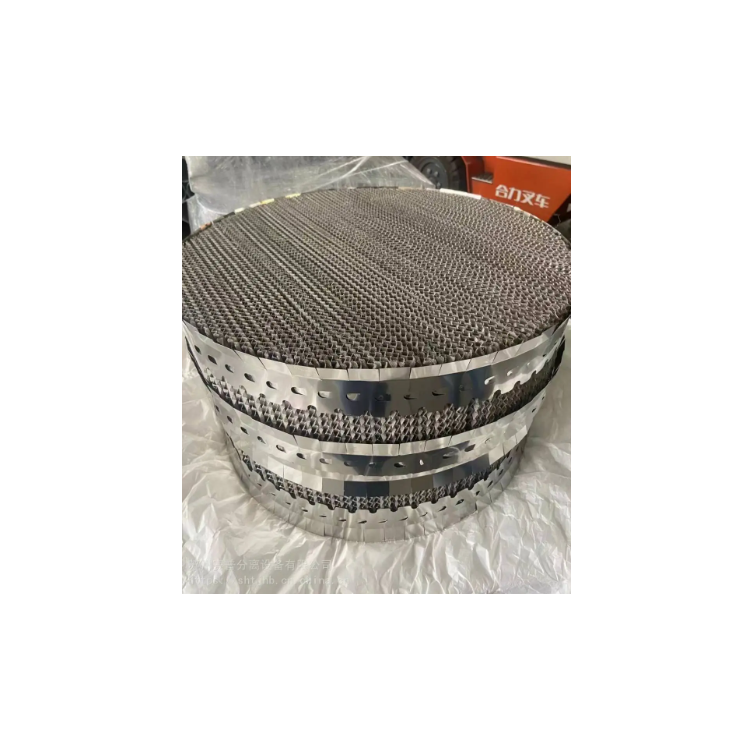
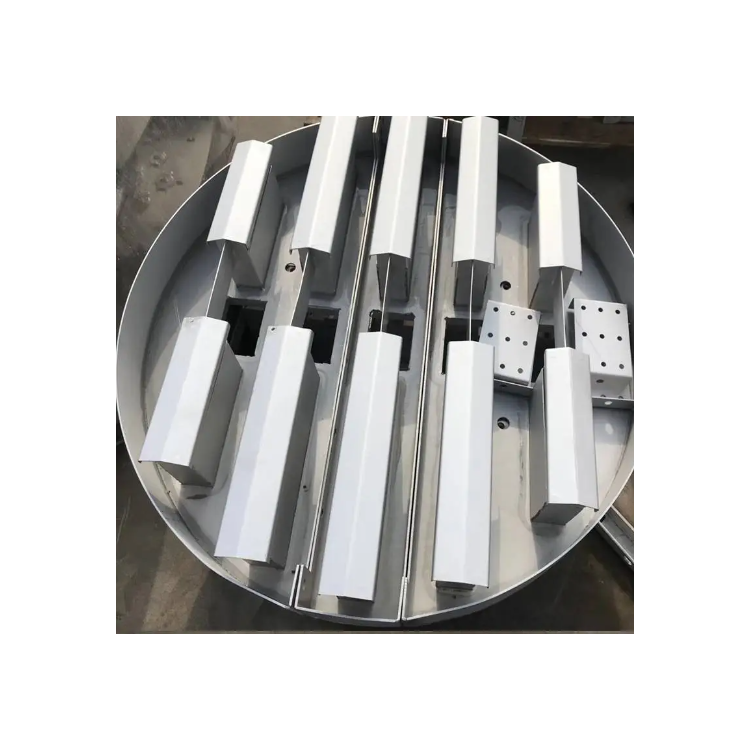
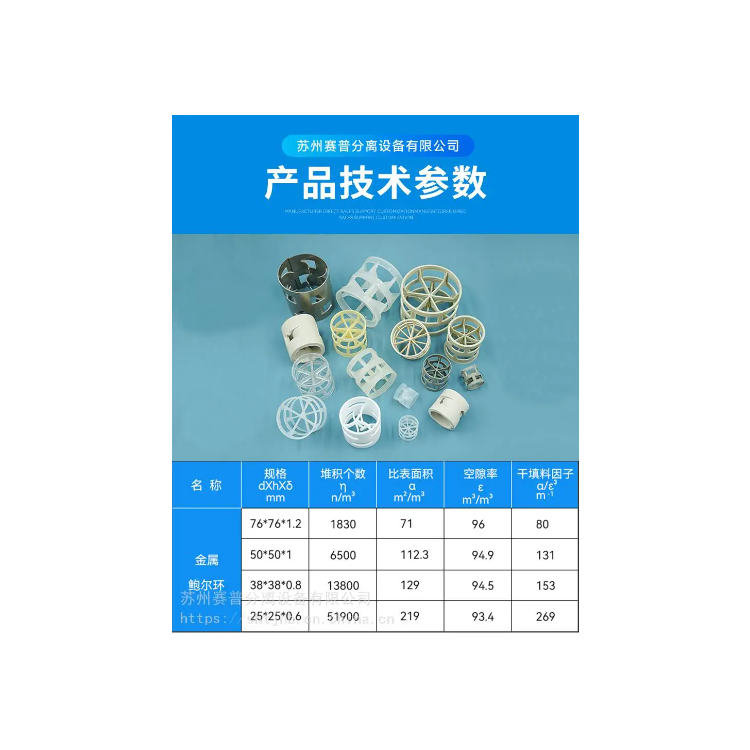
In chemical engineering, packing refers to inert solid materials placed inside a packed tower, whose function is to increase the gas-liquid contact surface and enhance their intense mixing. There are two types: dispersed packing and structured packing. Dispersed packing includes materials like鲍尔环(Ball Rings) and拉西环(Raschig Rings). Structured packing is arranged in a specific geometric configuration and neatly stacked. There are many types of structured packing, which can be categorized based on their geometric structure into ladder-type packing, corrugated packing, and pulsating packing, among others. Corrugated packing is a round-shaped packing composed of many corrugated thin plates, with the angle of inclination to the tower axis being either 30° or 45°. During assembly, adjacent corrugated plates are overlapped in reverse. The individual packs are vertically installed inside the tower, and the two adjacent packs are arranged at a 90° angle to each other. Corrugated packing can be divided into two main categories based on its structure: mesh corrugated packing and plate corrugated packing. The materials used include metals, plastics, and ceramics, with metal plate corrugated packing being a primary form. This packing has many small holes pressed into the corrugated plates, which distribute the liquid over the plates and enhance lateral mixing. The fine grooves rolled onto the corrugated plates further help in the fine distribution of the liquid and improve the surface wettability. Metal perforated plate corrugated packing is strong and suitable for large-diameter towers and applications with heavy gas-liquid loads. However, due to the relatively low corrosion resistance of metal, especially for the transfer of strongly acidic substances, it is typically necessary to shut down and replace the packing every two to three months, which can cause significant losses for the enterprise.