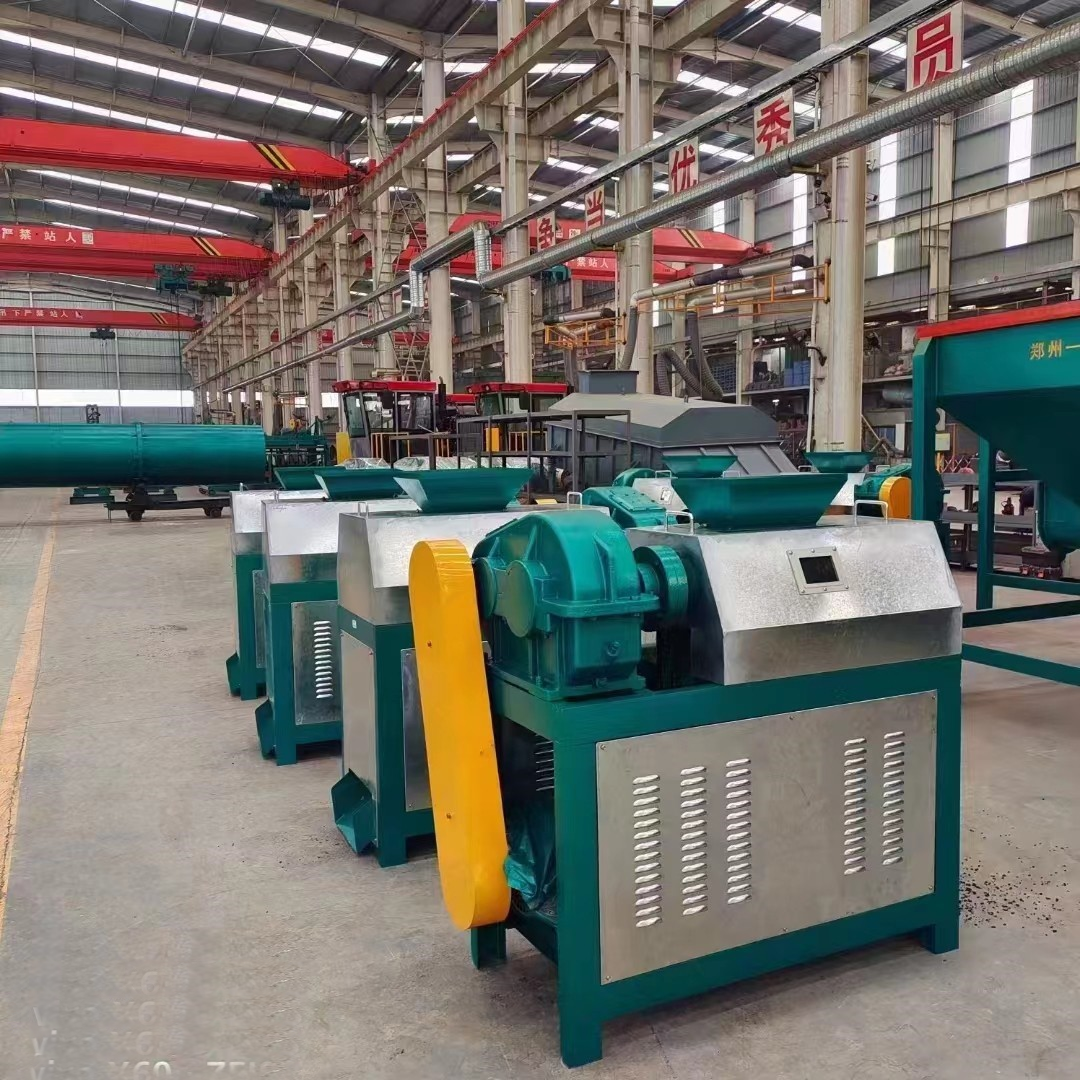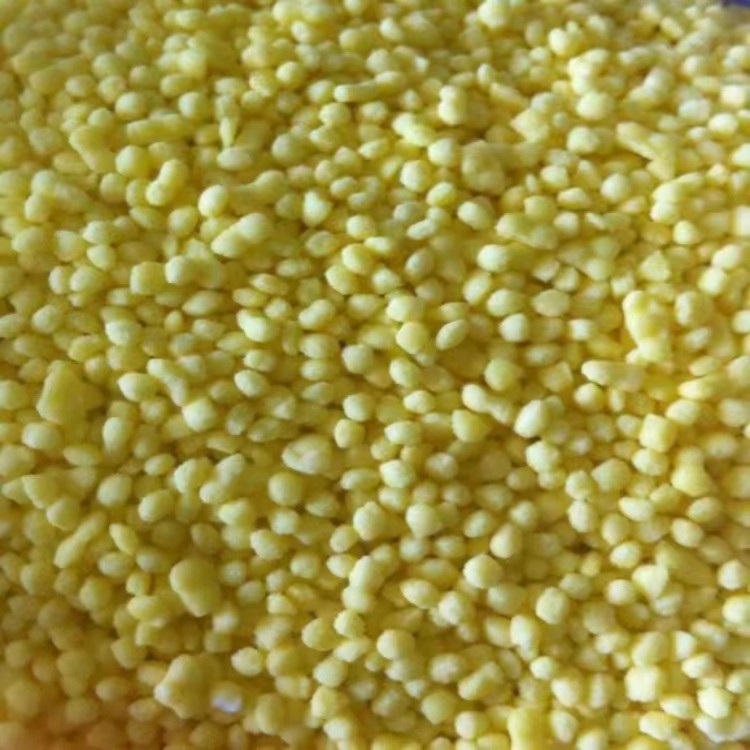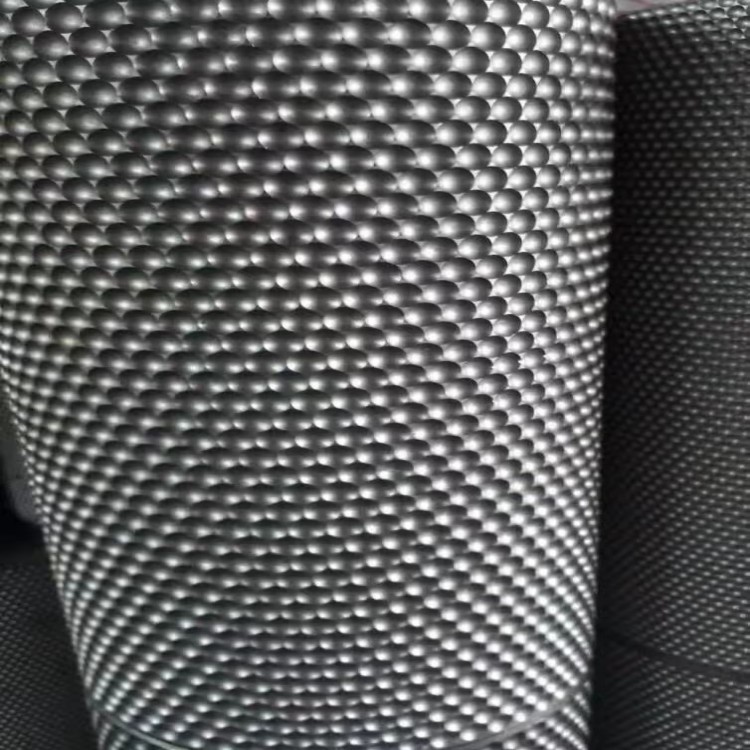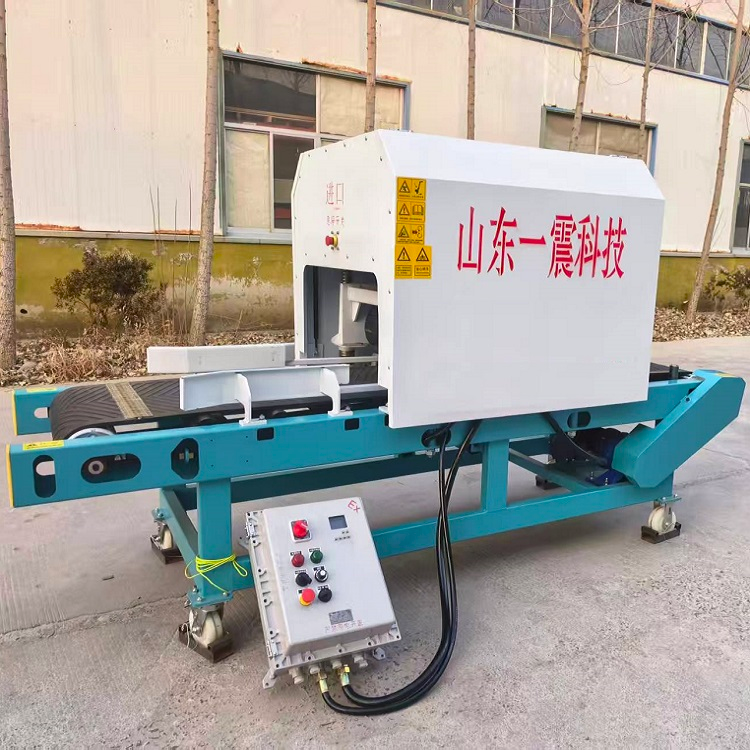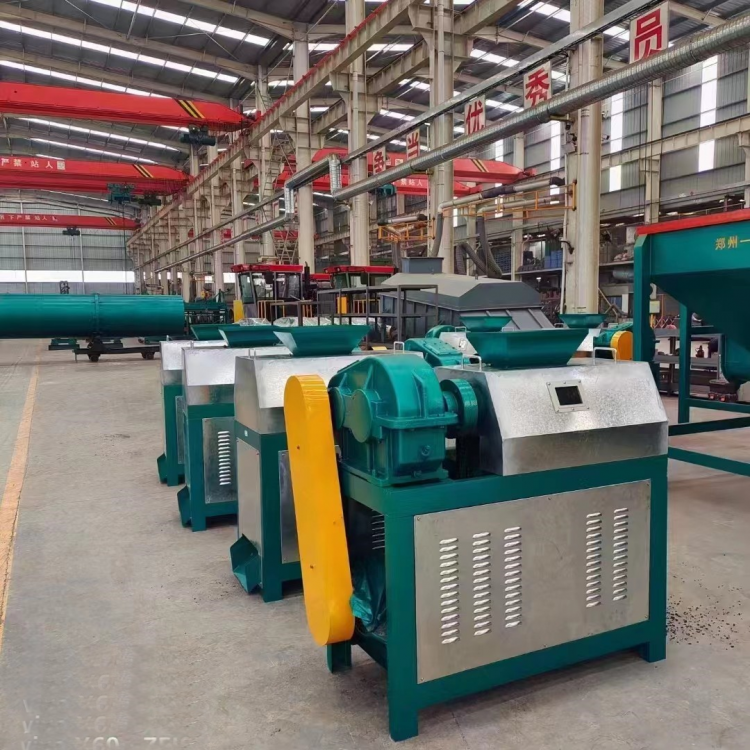


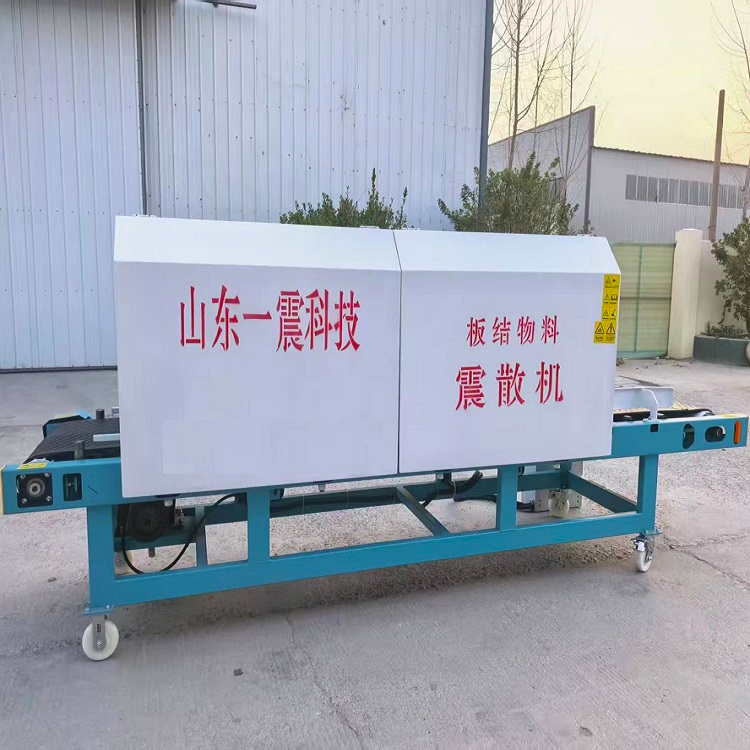
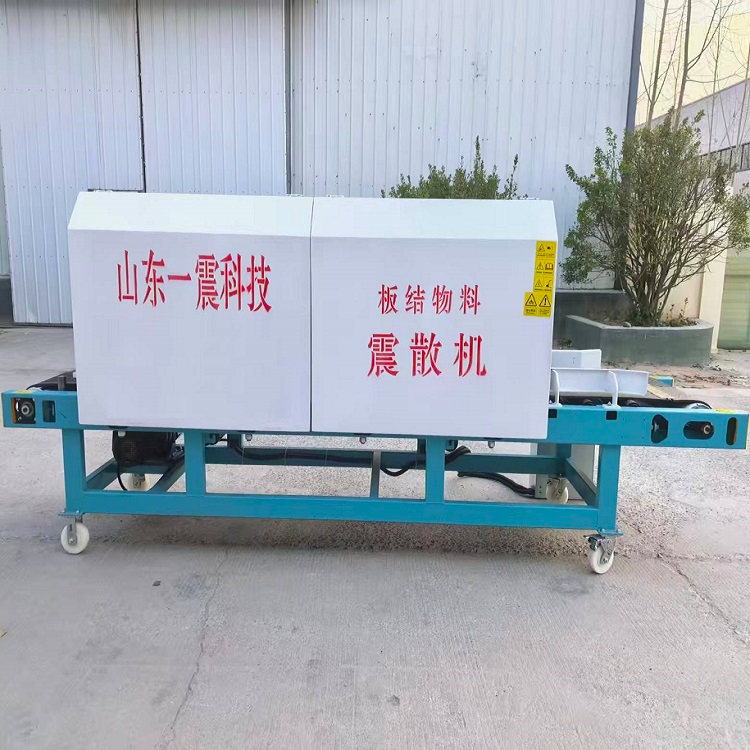
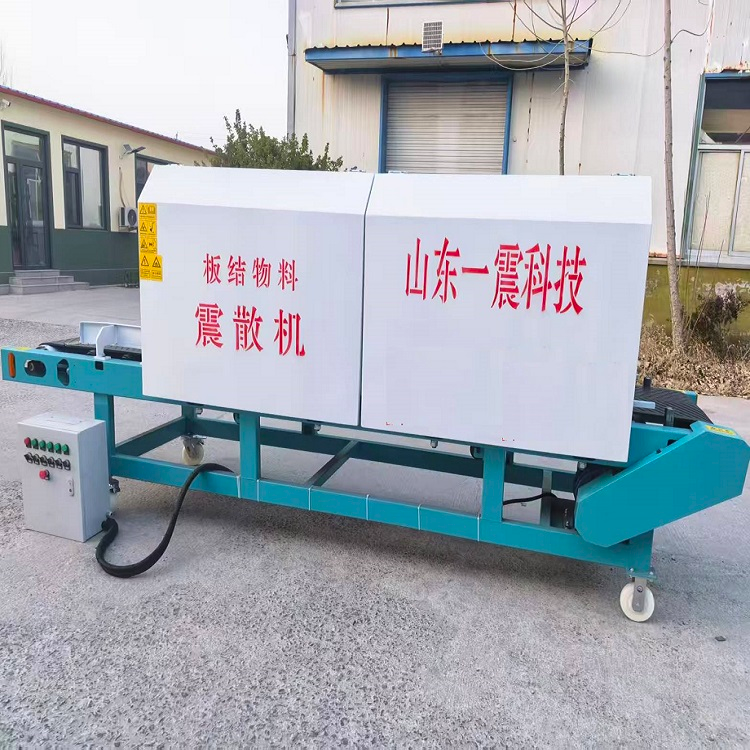





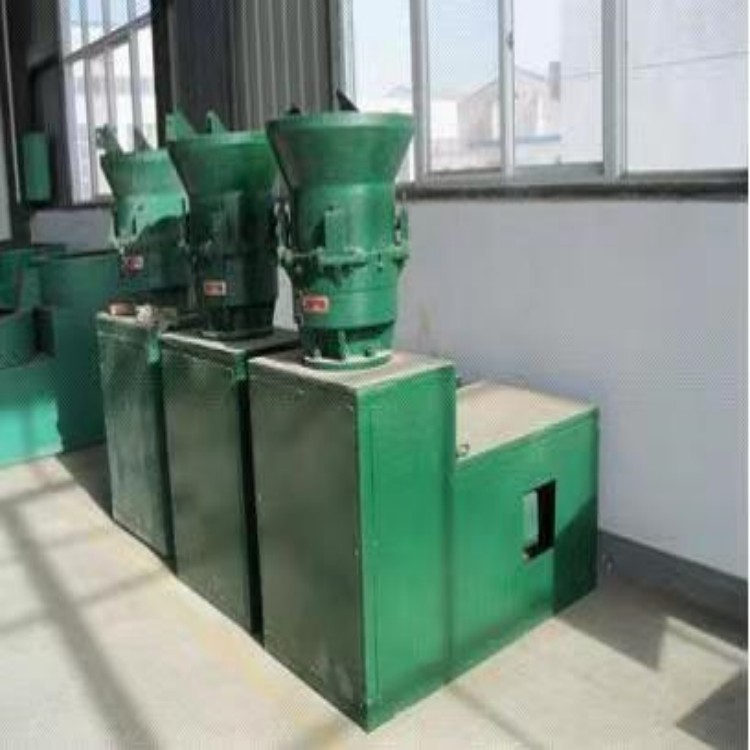

Principle of extrusion granulation:
The dry material agglomerates into dense, hard lumps (pucks) under pressure, a process called extrusion; the pucks are then crushed and sifted to become granular material, known as granulation. The purpose of extrusion is to expel air between particles and to bring the particles close enough together to generate attractions such as van der Waals forces, adhesion, crystal bridges, and embedded connections. The granules produced by extrusion granulation are primarily formed by the intermolecular forces creating particle strength.
Advantages of Extrusion Granulation:
1) Energy-saving and Consumption Reduction: Granulation by extrusion is performed at room temperature, eliminating the need for fuel, gas, and other drying measures compared to other methods.
2) No additional adhesive required - The domestic method for producing compound fertilizers typically uses steam granulation. Water vapor condenses and crystallizes between the material molecules, acting as an adhesive during the granulation process. However, during the drying process, it is essential to expel moisture from both the interior and surface of the granules to prevent caking during storage. Dry granulation, on the other hand, does not require any additional additives; it merely utilizes the intermolecular forces of the material, simplifying the process and reducing energy consumption.
3) Lower Investment: Due to the elimination of the drying process and a lower return material ratio (about 15% of the total feedstock for the extruder), the production process is simplified, resulting in lower investment.
4) Flexible Raw Material Composition: The granulation production process has a wide range of raw material routes and has successfully been applied to over 20 different materials, including ammonium nitrate, urea, ammonium chloride, calcium nitrate, potassium chloride, potassium sulfate, etc. Additionally, the granulation process allows for flexible changes in product formulations in extremely short timeframes, with a single unit capable of producing over 30 different formulations.
5) Environmentally friendly with no waste emissions, capable of granulating from extrusion, power consumption only, adheres to the national basic policy on environmental protection, and aligns with the company's development strategy of environmentalization.