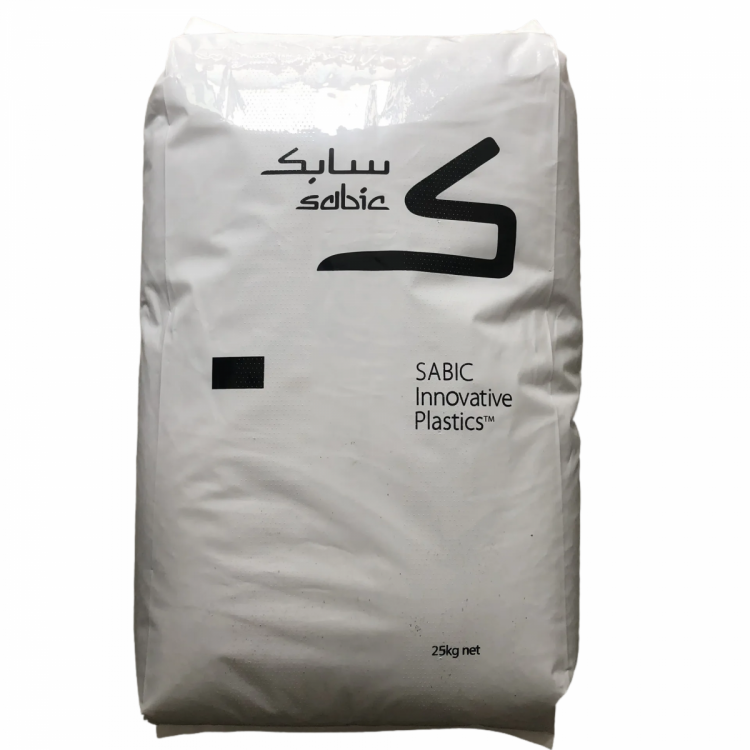
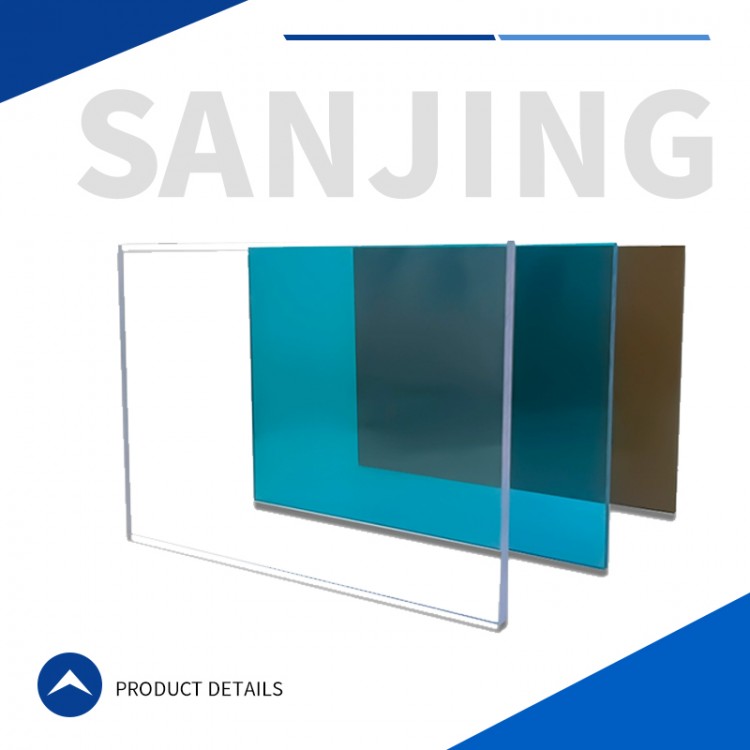
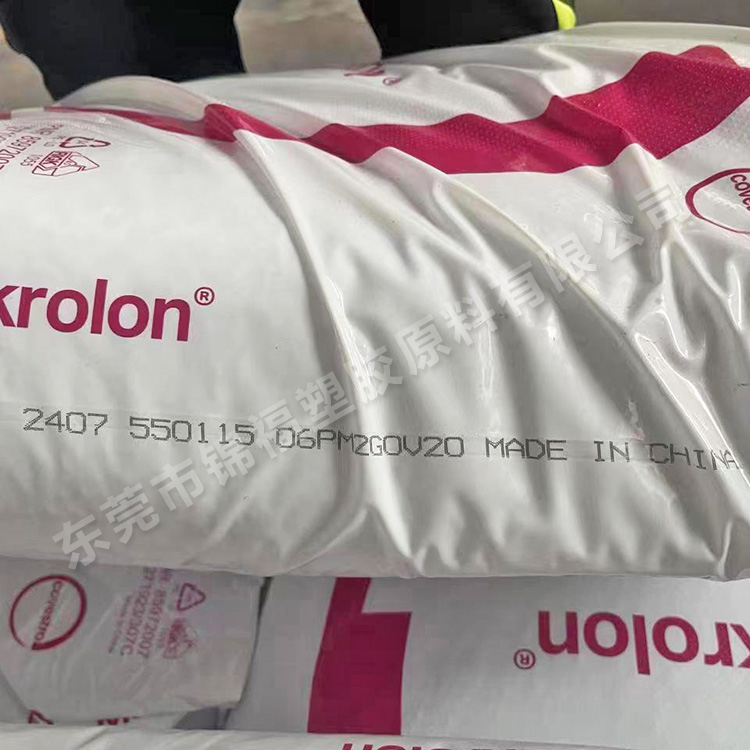







Polycarbonate (PC) is an amorphous thermoplastic engineering plastic. It boasts excellent properties such as toughness, transparency, and high heat deflection temperature. Most applications require at least two of these properties. Other notable characteristics of polycarbonate include dimensional stability, good electrical properties, and flame resistance. Its primary applications are in the automotive, commercial machinery, and instrumentation industries. The annual growth rate of polycarbonate is approximately 6%. Polycarbonate has superior mechanical properties, particularly its impact strength and dimensional stability, which can maintain high mechanical strength over a wide temperature range. Its drawbacks are its poor fatigue resistance and tendency to crack under stress.Polycarbonate exhibits exceptional impact strength among general engineering plastics and even among thermoplastic resins. Its value is similar to that of 45% glass fiber-reinforced polyester PET. The main factors affecting the impact strength of polycarbonate include molecular weight, notch radius, temperature, and additives.
| Physical Properties | Rated Value | Unit System | Testing Method |
Density | 1.20 | g/cm³ | ISO 1183 |
Apparent Density 3 | 0.64 | g/cm³ | ISO 60 |
Melt Flow Rate (Melt Flow Rate) (300°C/1.2 kg) | 10 | g/10 min | ISO 1133 |
Melting Volume Flow Rate (MVR) (300°C/1.2 kg) | 10.0 | cm³/10min | ISO 1133 |
Shrinkage rate | |||
Vertical flow direction | $0.60 to $0.80 | % | ISO 2577 |
Flow Direction | 0.60 to 0.80 | % | ISO 2577 |
Vertical Flow Direction: 2.00 mm 4 | 0.75 | % | ISO 294-4 |
Flow Direction: 2.00 mm 4 | 0.70 | % | ISO 294-4 |
Absorption rate | ISO 62 | ||
Saturated, 23°C | 0.30 | % | |
Balance, 23°C, 50% RH | 0.12 | % | |
| Hardness | Rated Value | Unit system | Testing Method |
Ball indentation hardness | 115 | MPa | ISO 2039-1 |
| Mechanical properties | Rated Value | Unit System | Testing Method |
Tensile Modulus (23°C) | 2400 | MPa | ISO 527-2/1 |
Tensile stress | ISO 527-2/50 | ||
Yield, 23°C | 66.0 | MPa | |
Fracture, 23°C | 70.0 | MPa | |
Tensile strain | ISO 527-2/50 | ||
Yield, 23°C | 6.2 | % | |
Fracture, 23°C | 130 | % | |
Nominal Tensile Fracture Strain (23°C) | > 50 | % | ISO 527-2/50 |
Tensile Creep Modulus | ISO 899-1 | ||
1 hr | 2200 | MPa | |
1000 hr | 1900 | MPa | |
Bending Modulus 5 (23°C) | 2400 | MPa | ISO 178 |
Bend Stress 5 | ISO 178 | ||
3.5% tolerance, 23°C | 74.0 | MPa | |
23°C | 98.0 | MPa | |
Flexural Strain at Flexural Strength 6 (23°C) | 7.1 | % | ISO 178 |