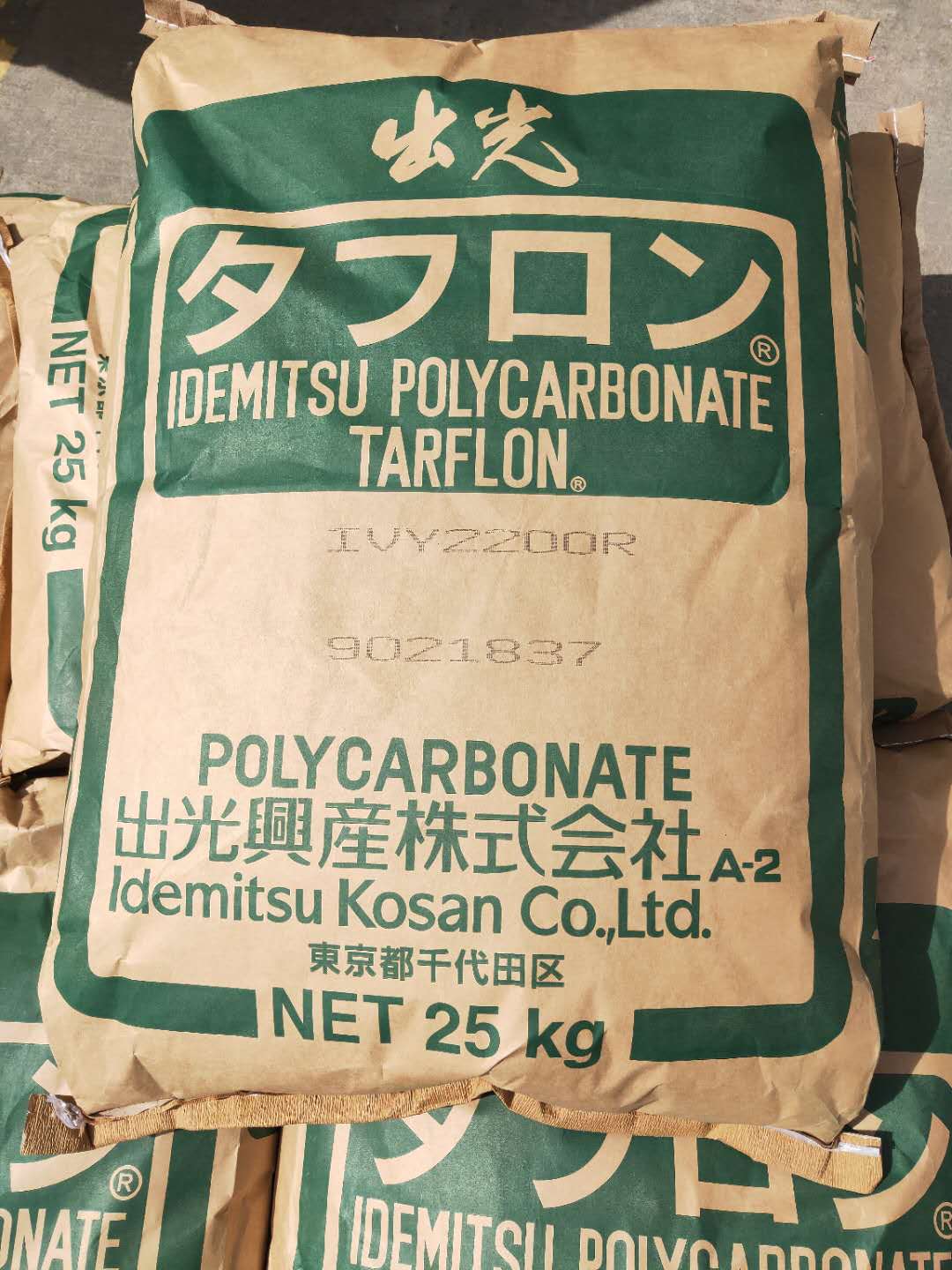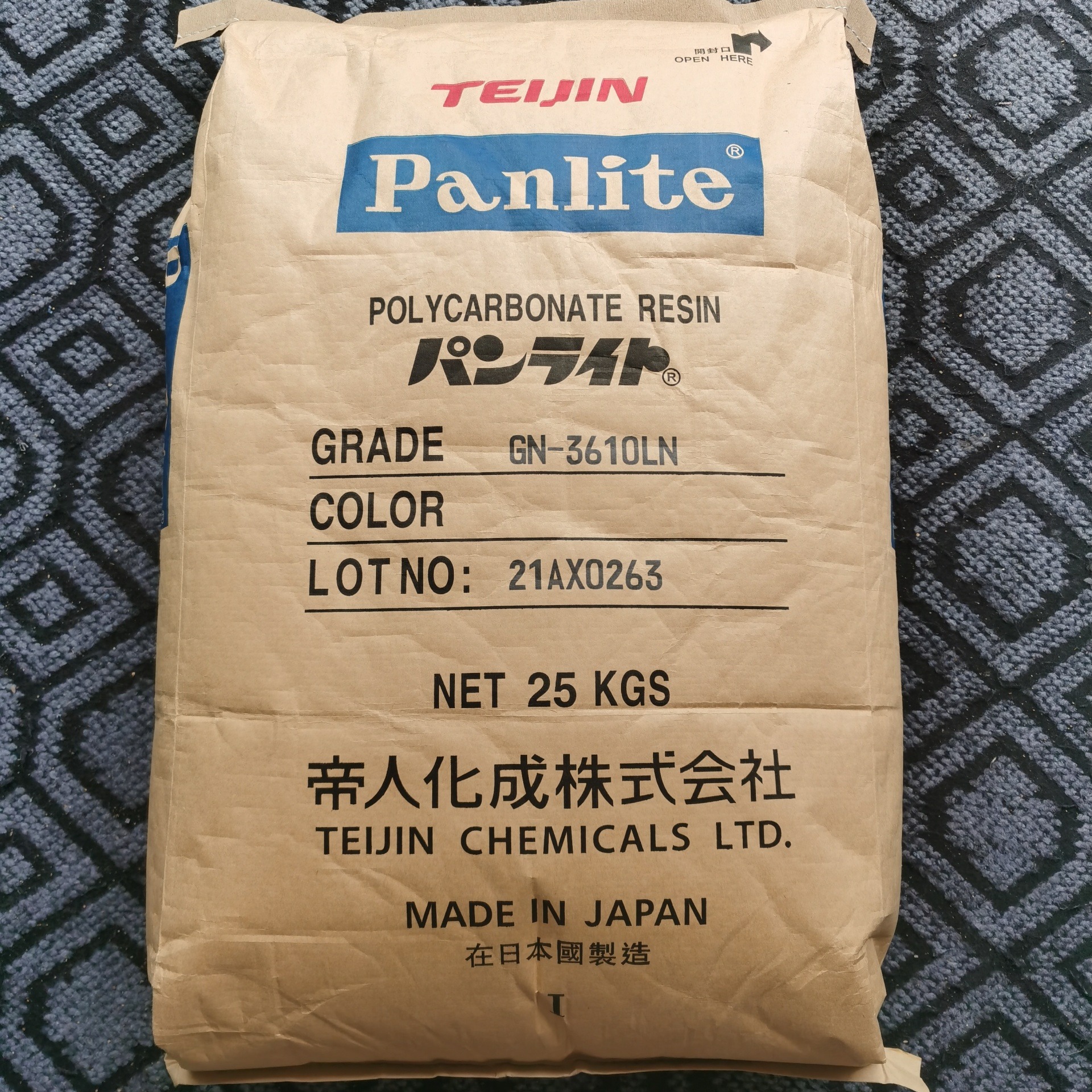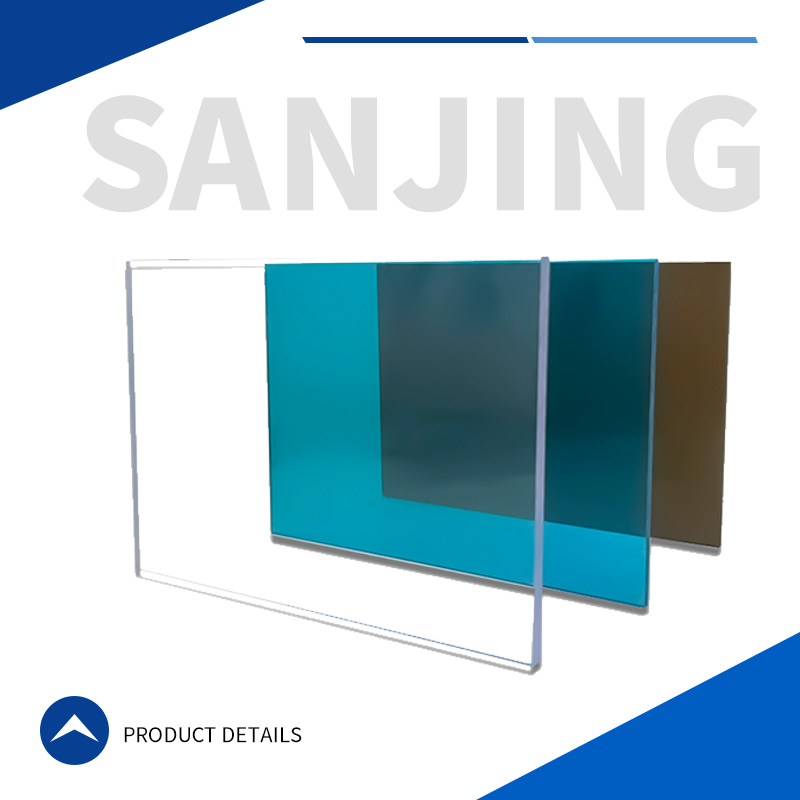
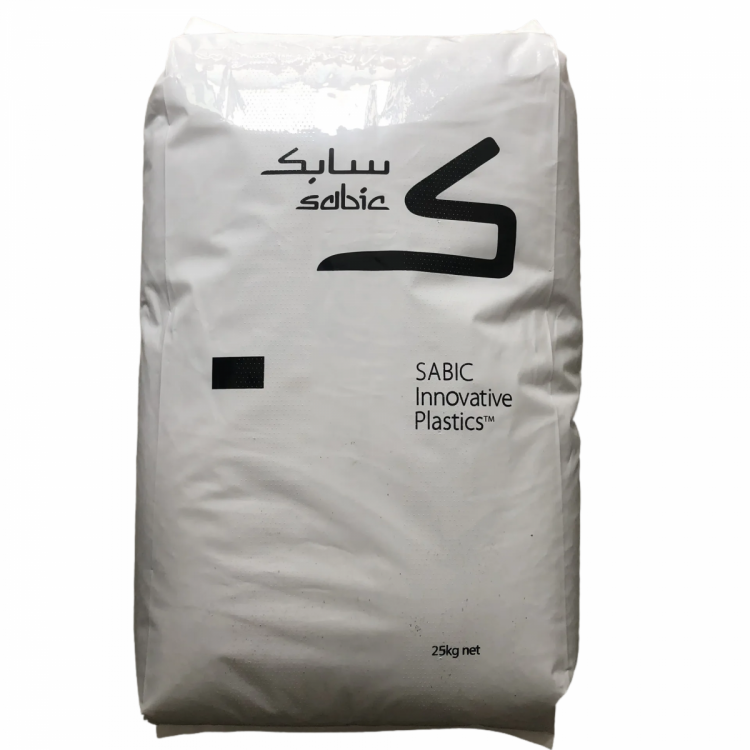
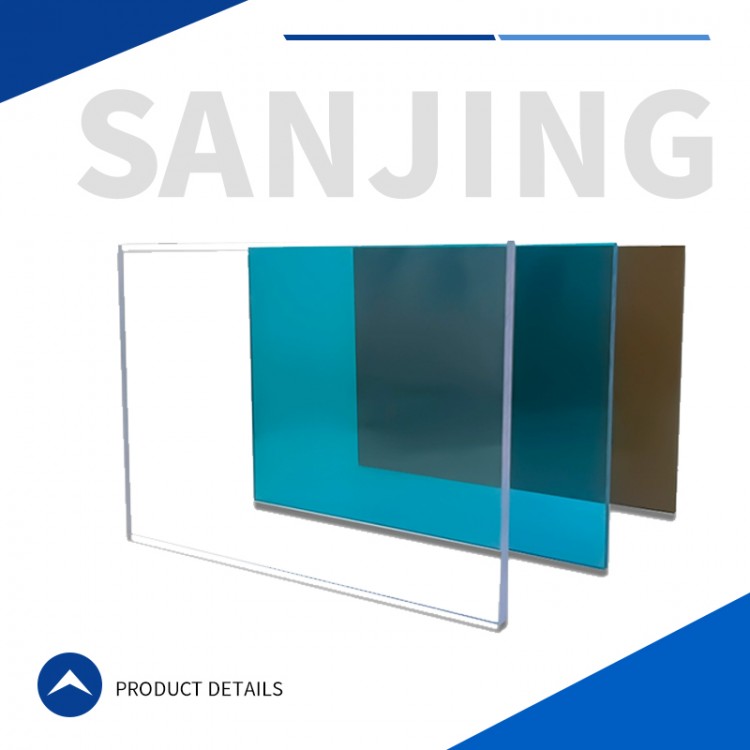
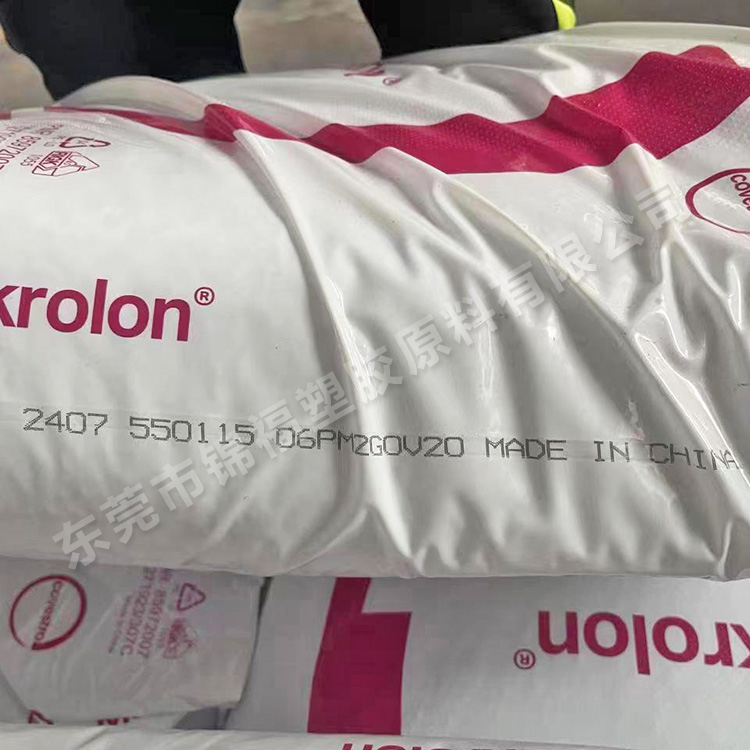







Polycarbonate is an amorphous thermoplastic material, boasting excellent heat resistance, good transparency, and very high impact strength, among its physical and mechanical properties.PC is a non-crystalline engineering material with exceptional impact strength, thermal stability, luster, antibacterial properties, flame retardancy, and resistance to contamination. The PC's notched Izod impact strength is very high, and its shrinkage rate is low, typically ranging from 0.1% to 0.2%. PC boasts excellent mechanical properties, but poor flow characteristics, making injection molding with this material more challenging.Used for manufacturing various gears, racks, worm gears, worm shafts, bearings, cams, bolts, levers, crankshafts, ratchets, and also serves as parts for some mechanical equipment, such as casings, covers, and frames.Cups, tubes, bottles for medical use, dental instruments, pharmaceutical containers, surgical instruments, and even artificial organs like artificial kidneys and lungs.
| Physical Properties | Rated Value | Unit system | Test Method |
Density | 1.20 | g/cm³ | ISO 1183 |
Apparent Density 3 | 0.64 | g/cm³ | ISO 60 |
Melt Flow Rate (Melt Flow Rate) (300°C/1.2 kg) | 10 | g/10 min | ISO 1133 |
Melting Volume Flow Rate (MVR) (300°C/1.2 kg) | 10.0 | cm³/10min | ISO 1133 |
Shrinkage rate | |||
Vertical flow direction | $0.60 to $0.80 | % | ISO 2577 |
Flow Direction | 0.60 to 0.80 | % | ISO 2577 |
Vertical Flow Direction: 2.00 mm 4 | 0.75 | % | ISO 294-4 |
Flow Direction: 2.00 mm 4 | 0.70 | % | ISO 294-4 |
Absorption rate | ISO 62 | ||
Saturated, 23°C | 0.30 | % | |
Balanced, 23°C, 50% RH | 0.12 | % | |
| Hardness | Rated Value | Unit System | Testing Method |
Ball indentation hardness | 115 | MPa | ISO 2039-1 |
| Mechanical Properties | Rated Value | Unit System | Testing Method |
Tensile Modulus (23°C) | 2400 | MPa | ISO 527-2/1 |
Tensile stress | ISO 527-2/50 | ||
Yield, 23°C | 66.0 | MPa | |
Fracture, 23°C | 70.0 | MPa | |
Tensile strain | ISO 527-2/50 | ||
Yield strength, 23°C | 6.2 | % | |
Fracture, 23°C | 130 | % | |
Nominal Tensile Fracture Strain (23°C) | > 50 | % | ISO 527-2/50 |
Tensile Creep Modulus | ISO 899-1 | ||
1 hr | 2200 | MPa | |
1000 hr | 1900 | MPa | |
Bend Modulus 5 (23°C) | 2400 | MPa | ISO 178 |
Bending Stress 5 | ISO 178 | ||
3.5% Tolerance, 23°C | 74.0 | MPa | |
23°C | 98.0 | MPa | |
Flexural Strain at Flexural Strength 6 (23°C) | 7.1 | % | ISO 178 |