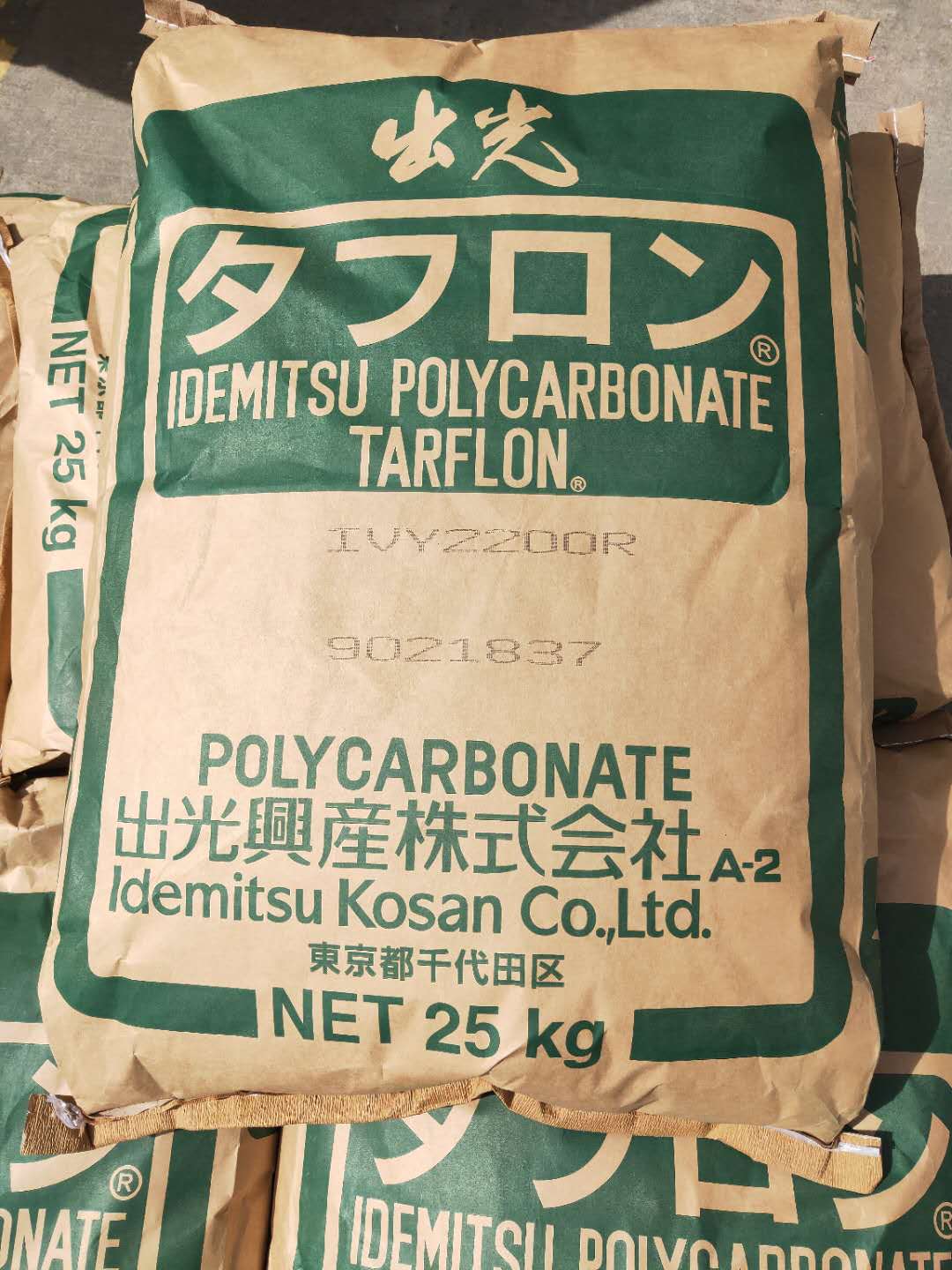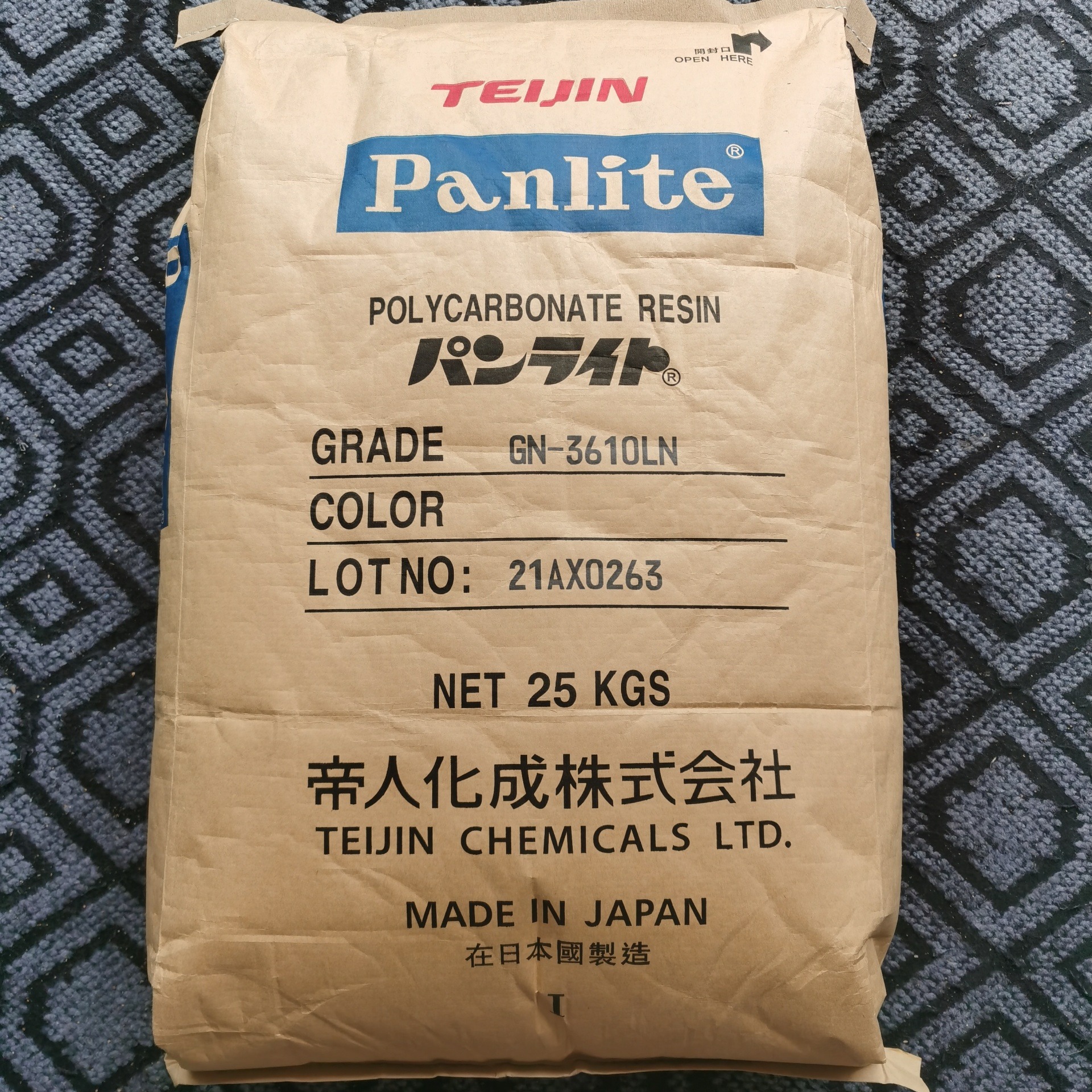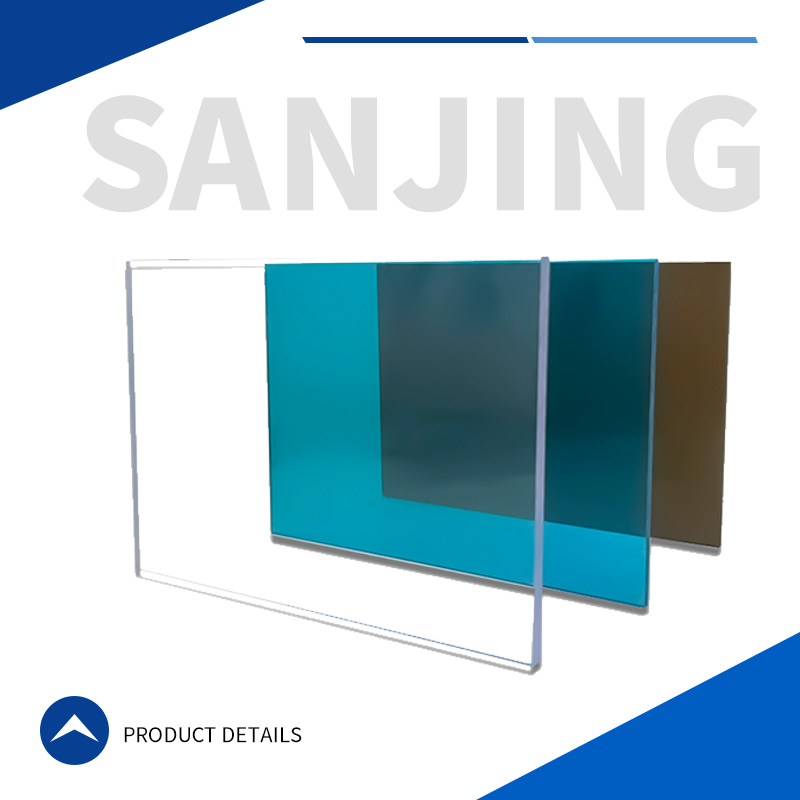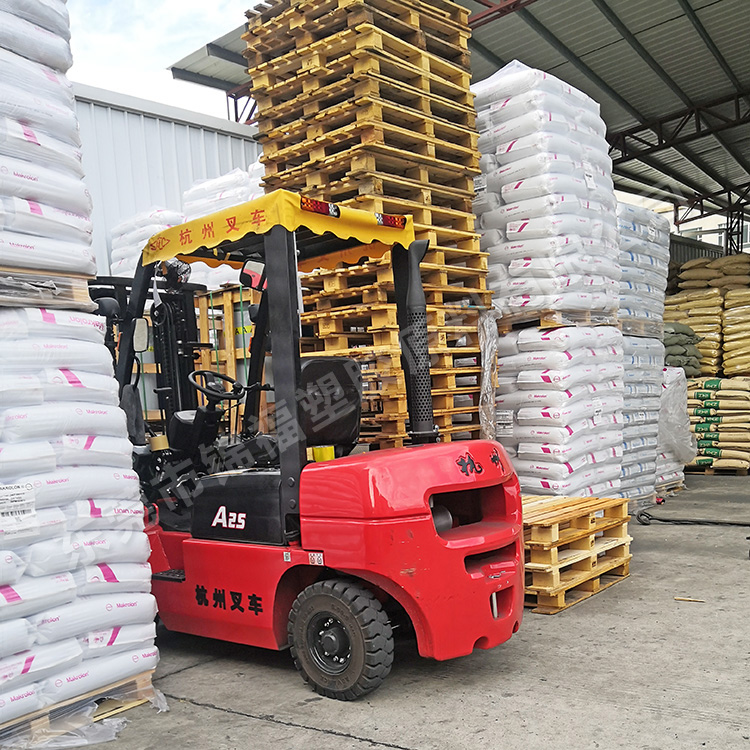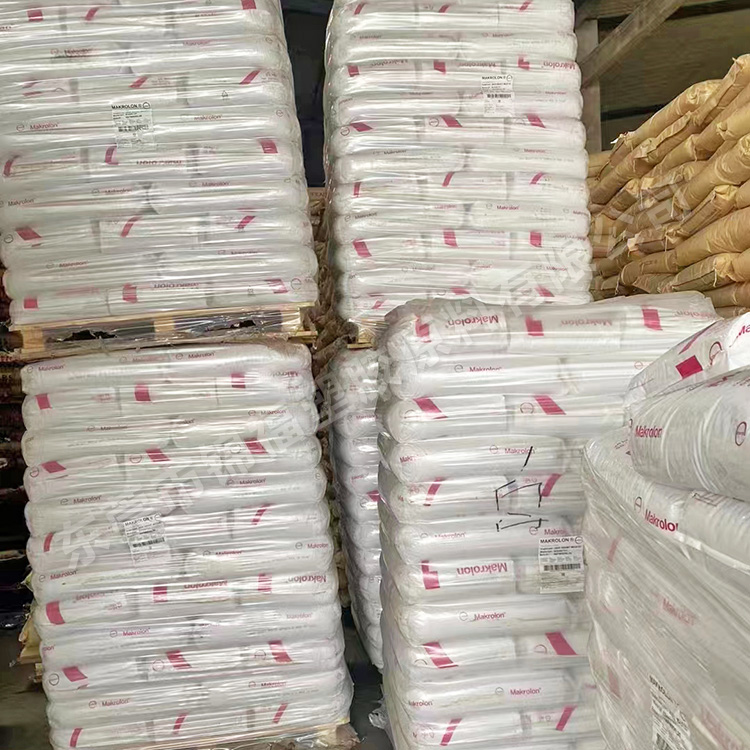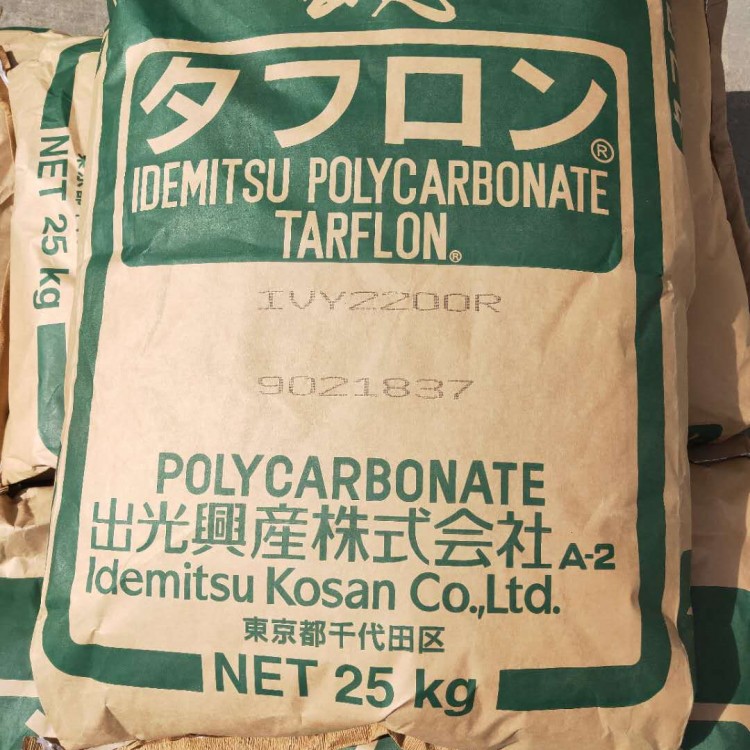
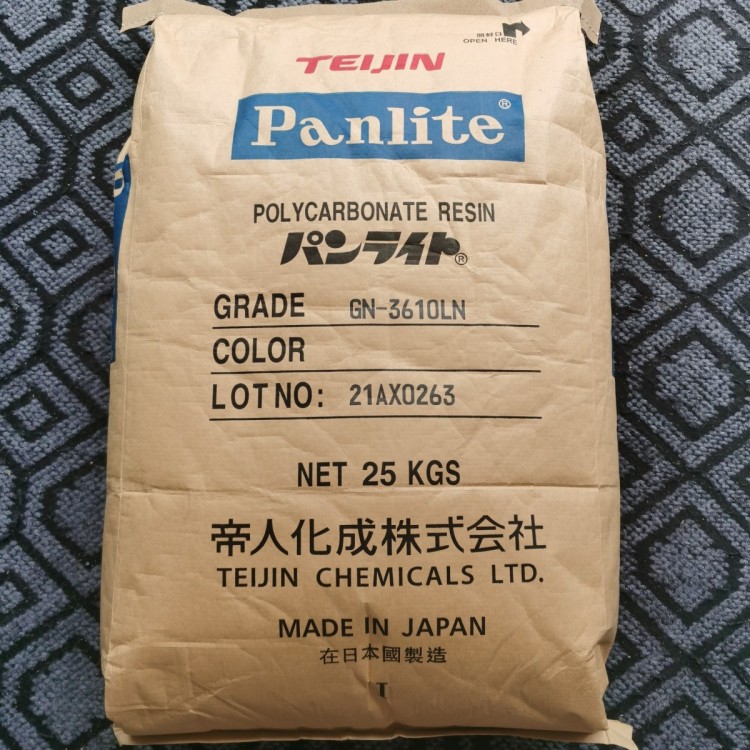







PCPolycarbonate, commonly known as PC, is so named for its excellent mechanical properties, colloquially referred to as "rubber." It is an amorphous thermoplastic. PC plastic raw material is a new type of thermoplastic with a transparency of up to 90%, hailed as "transparent metal." It is rigid yet flexible, boasts high impact strength, excellent dimensional stability, a wide range of operating temperatures, good electrical insulation properties, heat resistance, and is non-toxic. It can be processed through injection molding and extrusion. PC plastics have superior thermal properties, can be used over a long period between -100℃ and 130℃, and its brittle temperature is below -100℃.The water absorption rate of PC plastic raw materials is high; it must be preheated and dried before processing. Pure PC should be dried at 120°C, while modified PC typically requires drying at 110°C for over 4 hours. The drying time should not exceed 10 hours. Generally, the air extrusion method can be used to determine if the drying is sufficient. The usage ratio of recycled material can reach 20%. In some cases, 100% recycled material can be used, with the actual amount depending on the quality requirements of the product. Recycled material should not be mixed with different color masterbatches simultaneously, as it can severely damage the properties of the finished product.
| Physical Properties | Rated Value | Unit system | Testing Method |
Specific Gravity | ASTM D792 | ||
-- | 1.21 | g/cm³ | |
-- | 1.22 | g/cm³ | |
Specific volume | 0.835 | cm³/g | ASTM D792 |
Melt Flow Rate (Melt Flow Rate) (300°C/1.2 kg) | 10 | g/10 min | ASTM D1238 |
Shrinkage - Flow (3.20 mm) | $0.50 to $0.70 | % | Internal Method |
Absorption rate | ASTM D570 | ||
24 hr | 0.15 | % | |
Balance, 23°C | 0.35 | % | |
Balance, 100°C | 0.58 | % | |
Outdoor suitability | f1 | UL 746C | |
| Hardness | Rated Value | Unit System | Testing Method |
Rockwell hardness | ASTM D785 | ||
M Grade | 70 | ||
R-rated | 118 |
| Mechanical properties | Rated Value | Unit system | Testing Method |
Tensile strength 3 | ASTM D638 | ||
Yield | 62.1 | MPa | |
Fracture | 55.8 | MPa | |
elongation 3 | ASTM D638 | ||
Yield | 7.0 | % | |
Fracture | 90 | % | |
Bend Modulus 4 (50.0 mm Span) | 2240 | MPa | ASTM D790 |
Bend Strength 4 (50.0 mm Span, Yield) | 91.0 | MPa | ASTM D790 |
TaiBo Abrasion Resistance (1000 Cycles, 1000 g, CS-17 Wheel) | 10.0 | mg | ASTM D1044 |