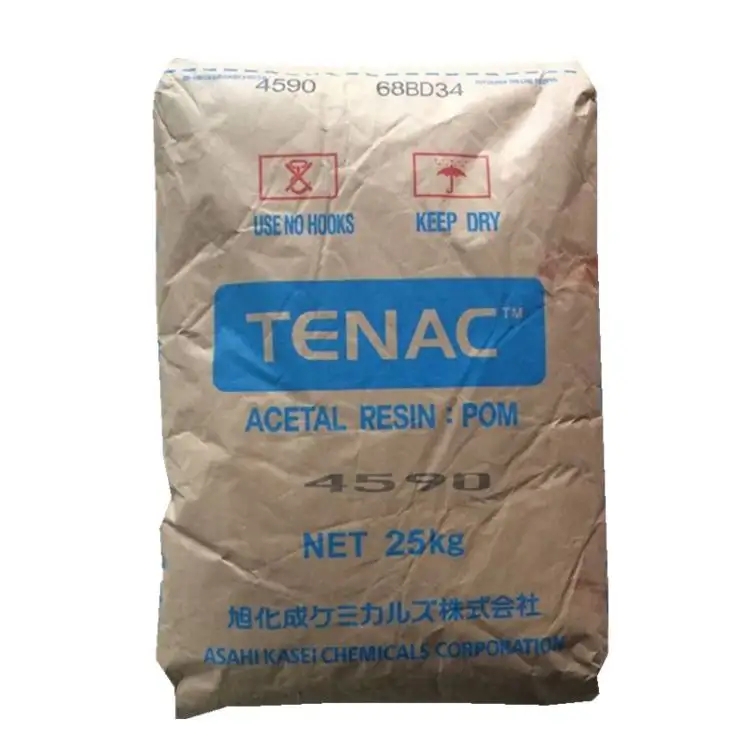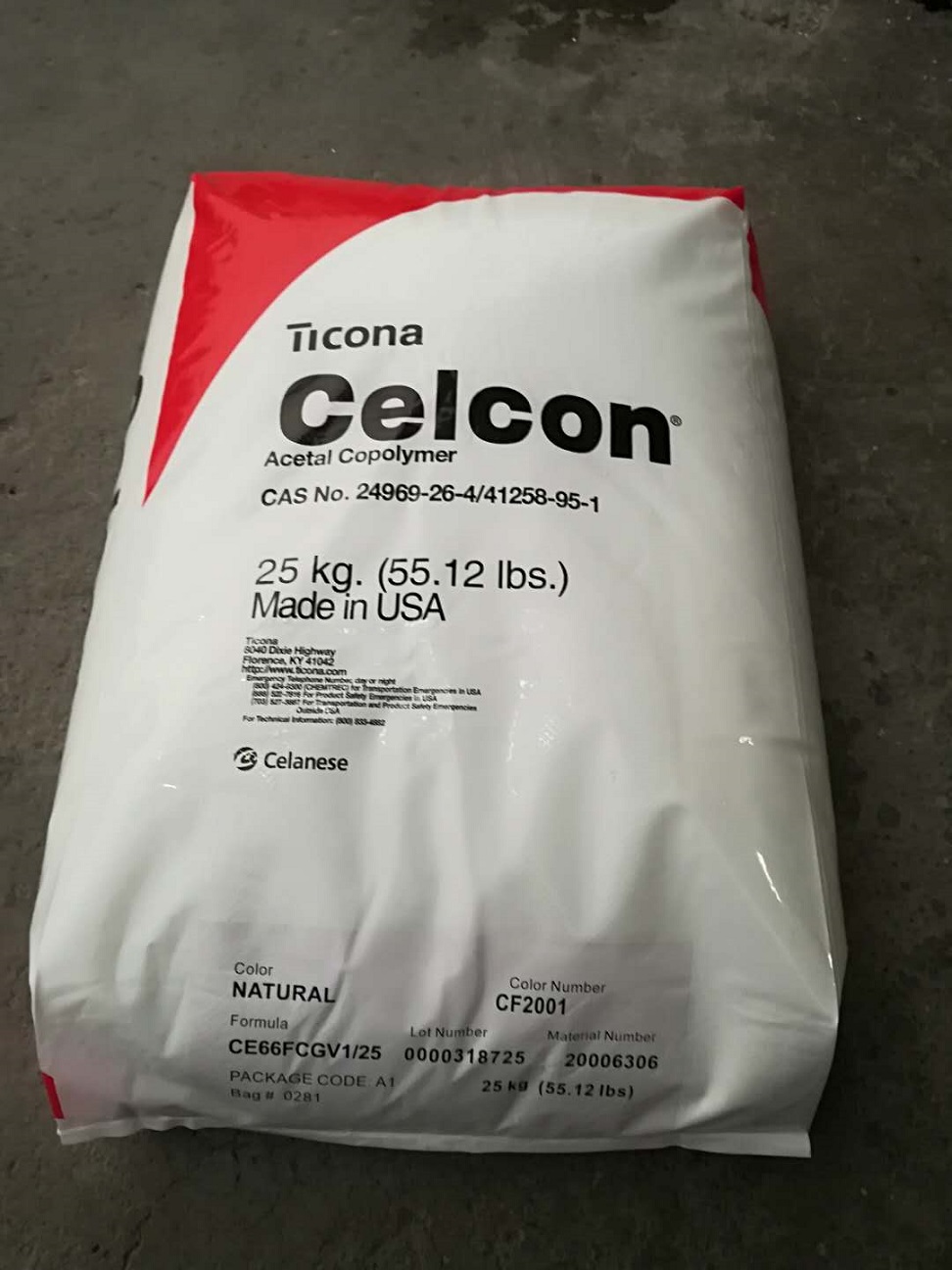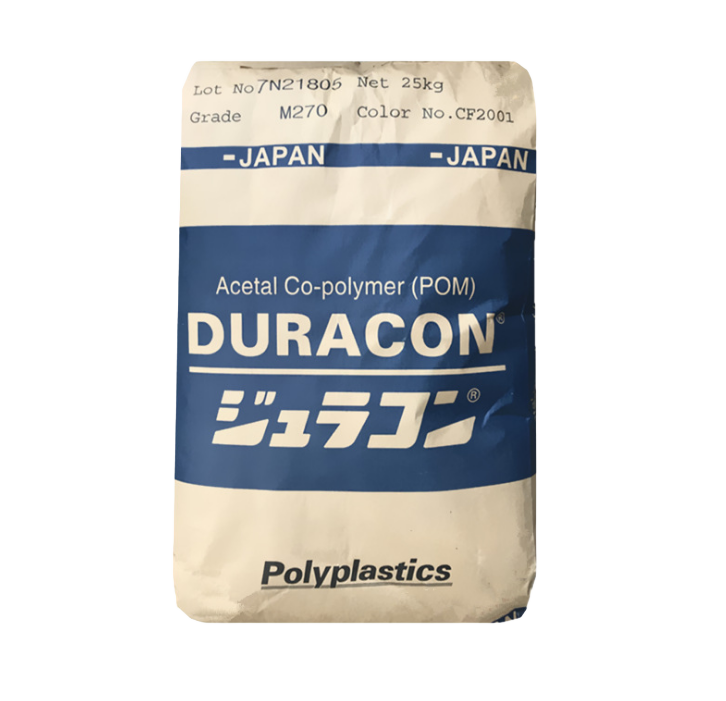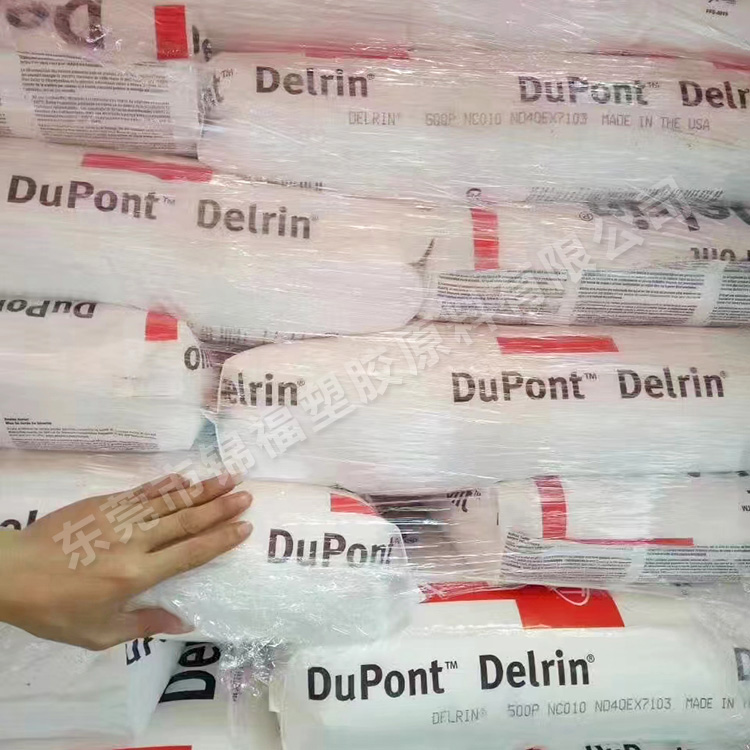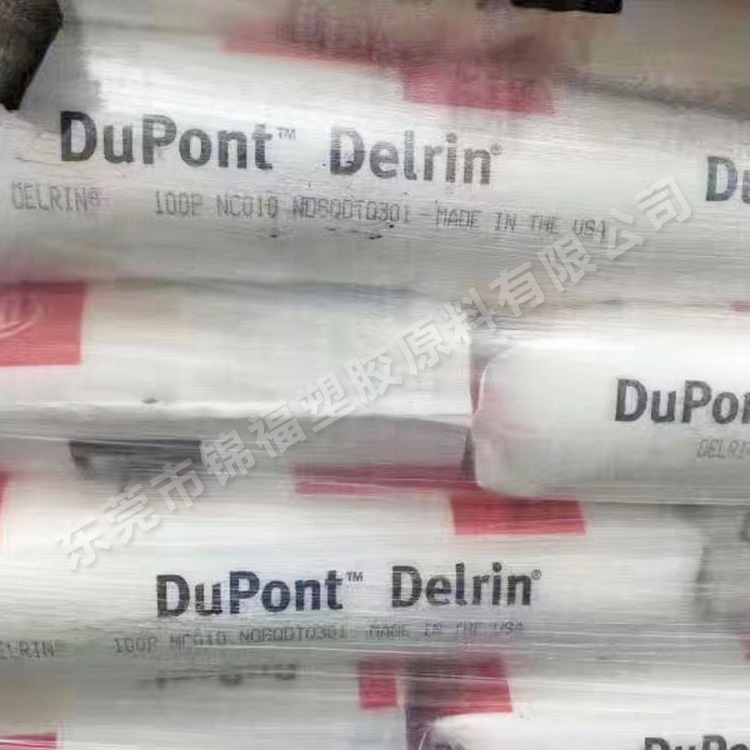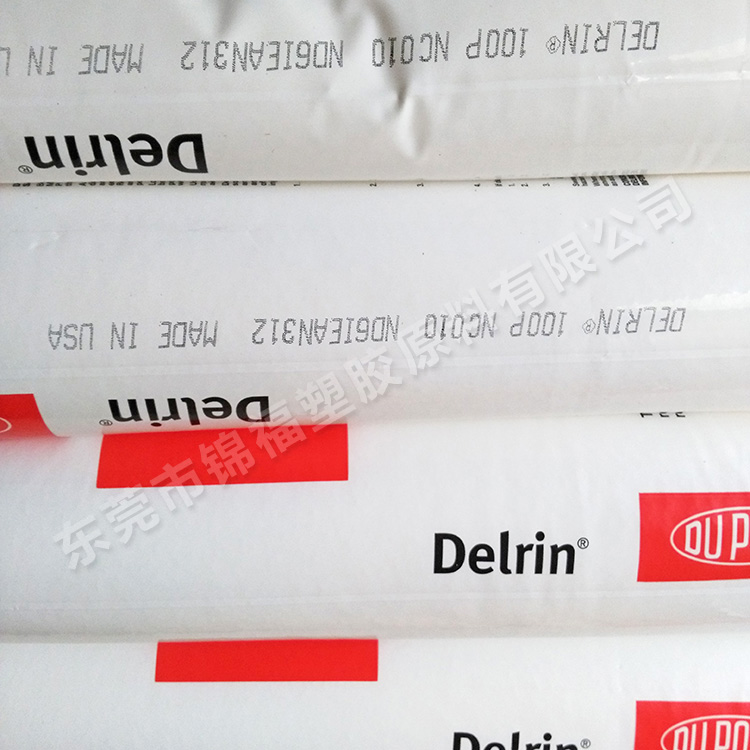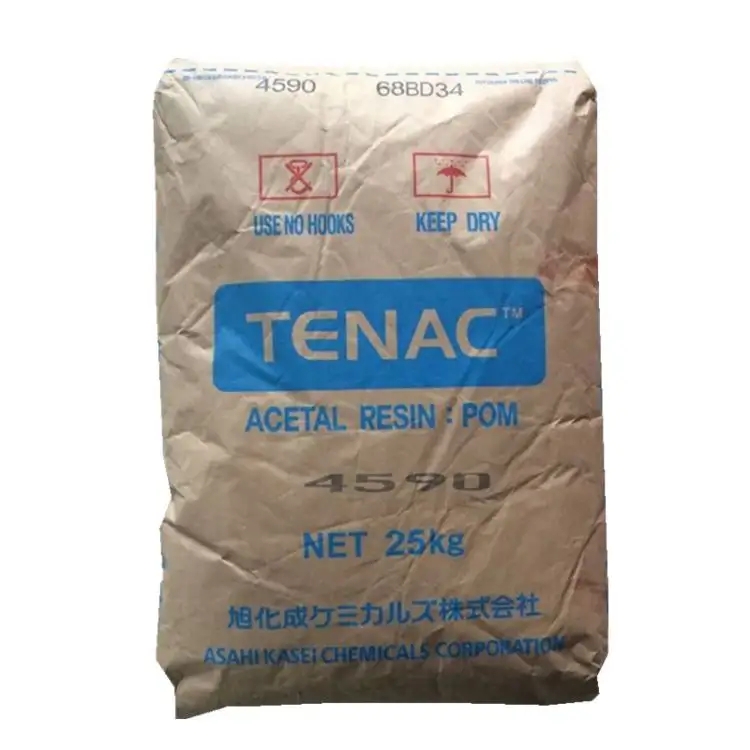
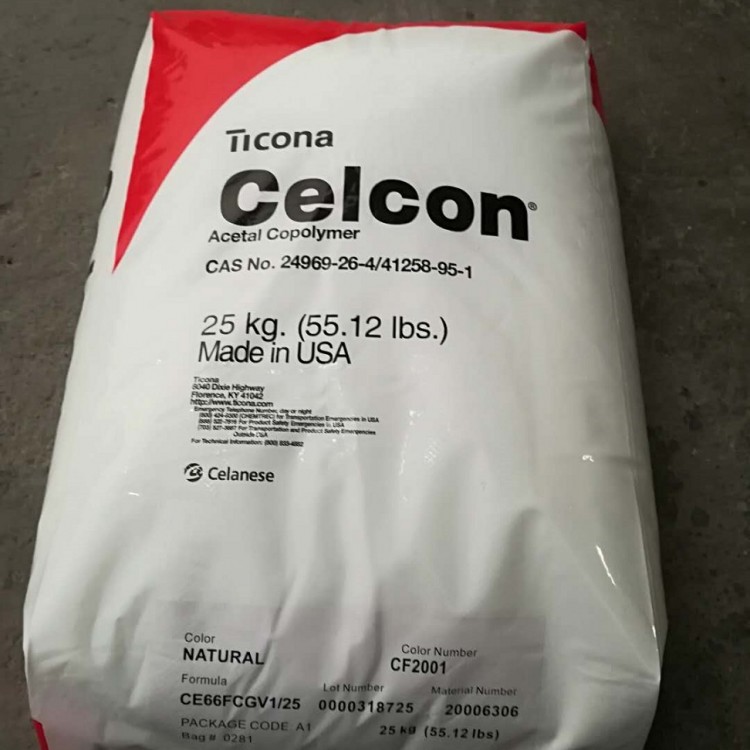
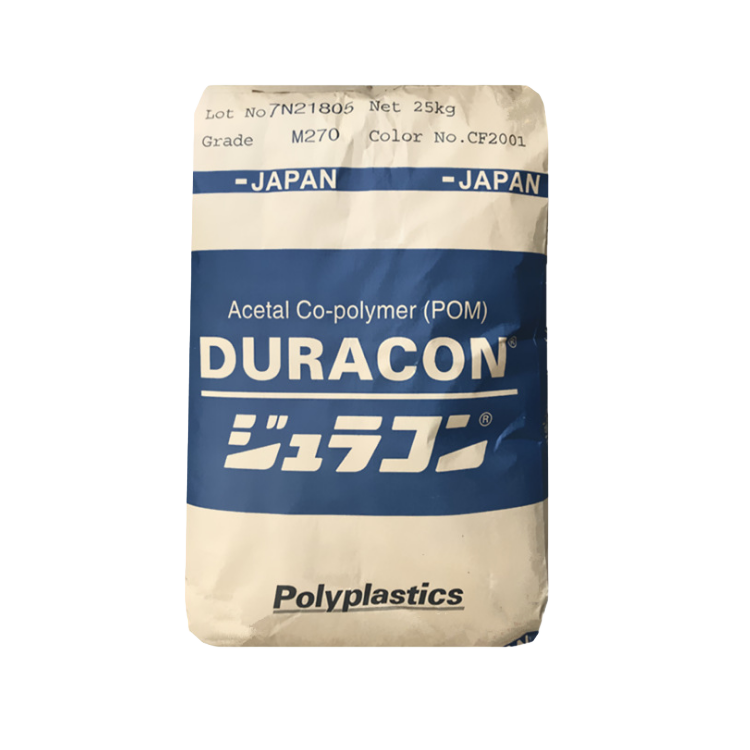
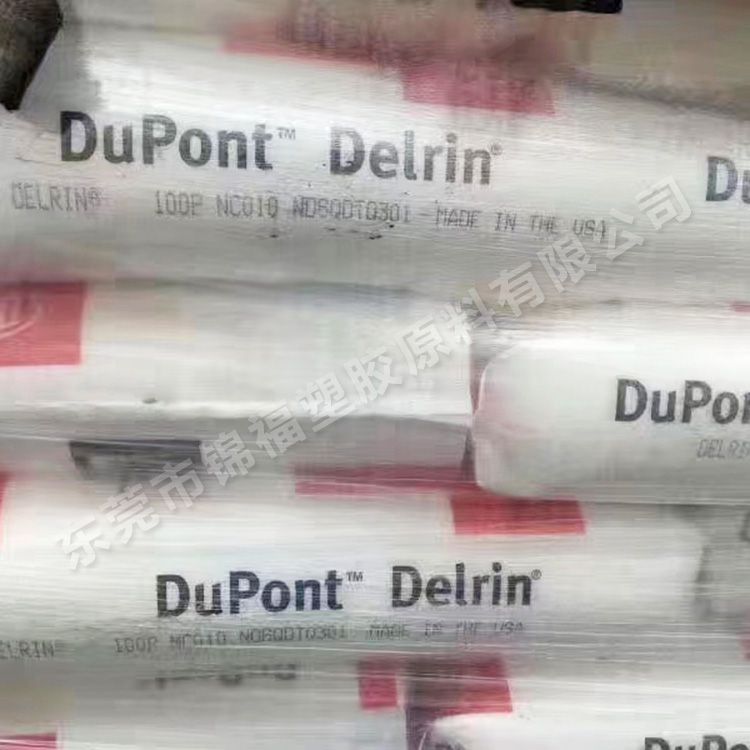







Polymethyl methacrylate (POM) is a white powder, generally opaque, with good coloring properties. Its density ranges from 1.41 to 1.43 g/cm³, with a shrinkage rate of 1.2-3.0% during molding. The molding temperature is between 170-200°C, and the drying condition is 80-90°C for 2 hours. While POM has moderate long-term heat resistance, it can reach up to 160°C in the short term, with homopolymer POM having a higher short-term heat resistance by 10°C compared to copolymer POM. However, the long-term heat resistance of copolymer POM is approximately 10°C higher than that of homopolymer POM. It can be used over a long period at temperatures ranging from -40°C to 100°C. POM is highly susceptible to decomposition at 240 degrees Celsius. Decomposition produces刺激性 and corrosive gases, so it is advisable to use corrosion-resistant materials for mold steel.POM is a crystalline plastic with a density of 1.42 g/cm³, known for its excellent rigidity, often referred to as "skeletal steel." It boasts excellent properties such as fatigue resistance, creep resistance, wear resistance, heat resistance, and impact resistance, with a low coefficient of friction and good self-lubricating capabilities. POM has low moisture absorption, with a water absorption rate of 0.22-0.25%, maintaining good dimensional stability in humid environments. Its shrinkage rate is 2.1% (relatively high), making it challenging to control dimensions during injection molding. The thermal deformation temperature is 172°C. There are two types of polyoxymethylene: homopolymer and copolymer, which have different properties (homopolymer has better heat resistance).
| Physical Properties | Rated value | Unit System | Testing Method |
Density | 1.46 | g/cm³ | ISO 1183 |
Melt Flow Rate (190°C/2.16 kg) | 6.0 | g/10 min | ISO 1133 |
Melting Volume Flow Rate (MVR) (190°C/2.16 kg) | 5.40 | cm³/10min | ISO 1133 |
Shrinkage - Flow Rate (3.00 mm) | 0.40 | % | |
Absorption rate 3 (Balance, 23°C, 50% RH) | 0.28 | % | ISO 62 |
| Mechanical properties | Rated Value | Unit system | Testing Method |
Tensile Modulus | 17000 | MPa | ISO 527-2 |
Tensile stress (Broken) | 170 | MPa | ISO 527-2 |
Tensile strain (Break) | 2.0 | % | ISO 527-2 |
Bending Modulus | 16000 | MPa | ISO 178 |
Bend Strength | 270 | MPa | ISO 178 |
| Impact Resistance | Rated Value | Unit System | Testing Method |
Simply supported beam notch impact strength (23°C) | 7.0 | kJ/m² | ISO 179 |
Simply Supported Beam Notch Impact Strength (23°C) | 50 | kJ/m² | ISO 179 |
| Thermal performance | Rated Value | Unit System | Testing Method |
Hot deformation temperature | |||
0.45 MPa, annealed | 164 | °C | ISO 75-2/B |
1.8 MPa, Annealed | 162 | °C | ISO 75-2/A |
Melting Temperature | 166 | °C | ISO 11357-3 |
Linear Coefficient of Thermal Expansion | ISO 11359-2 | ||
Flowing | 0.000015 | cm/cm/°C | |
Horizontal | 0.00011 | cm/cm/°C |
| Electrical Performance | Rated Value | Unit System | Testing Method |
Surface Resistivity | 5.0E+5 | ohm | IEC 60093 |
Volume resistivity | 2.0E+5 | ohm·cm | IEC 60093 |