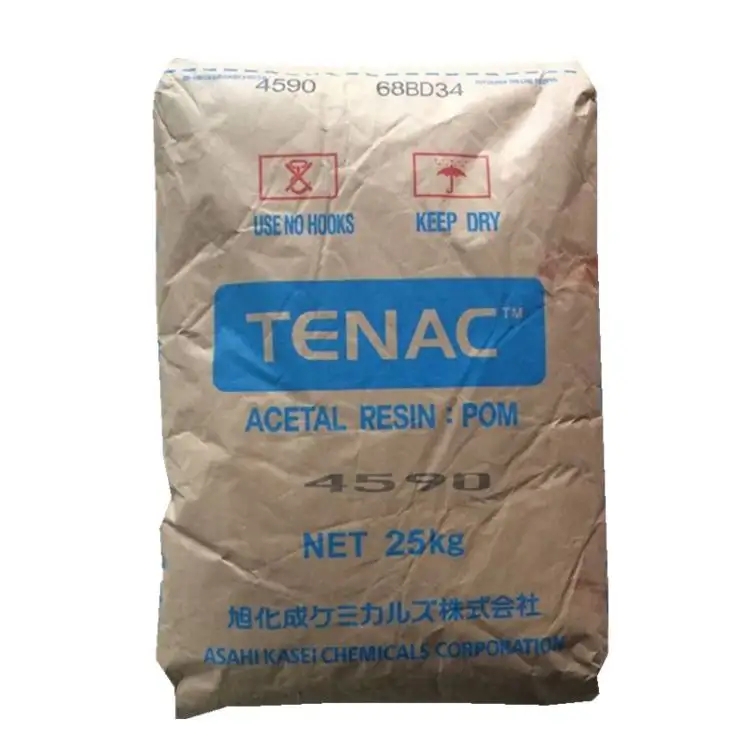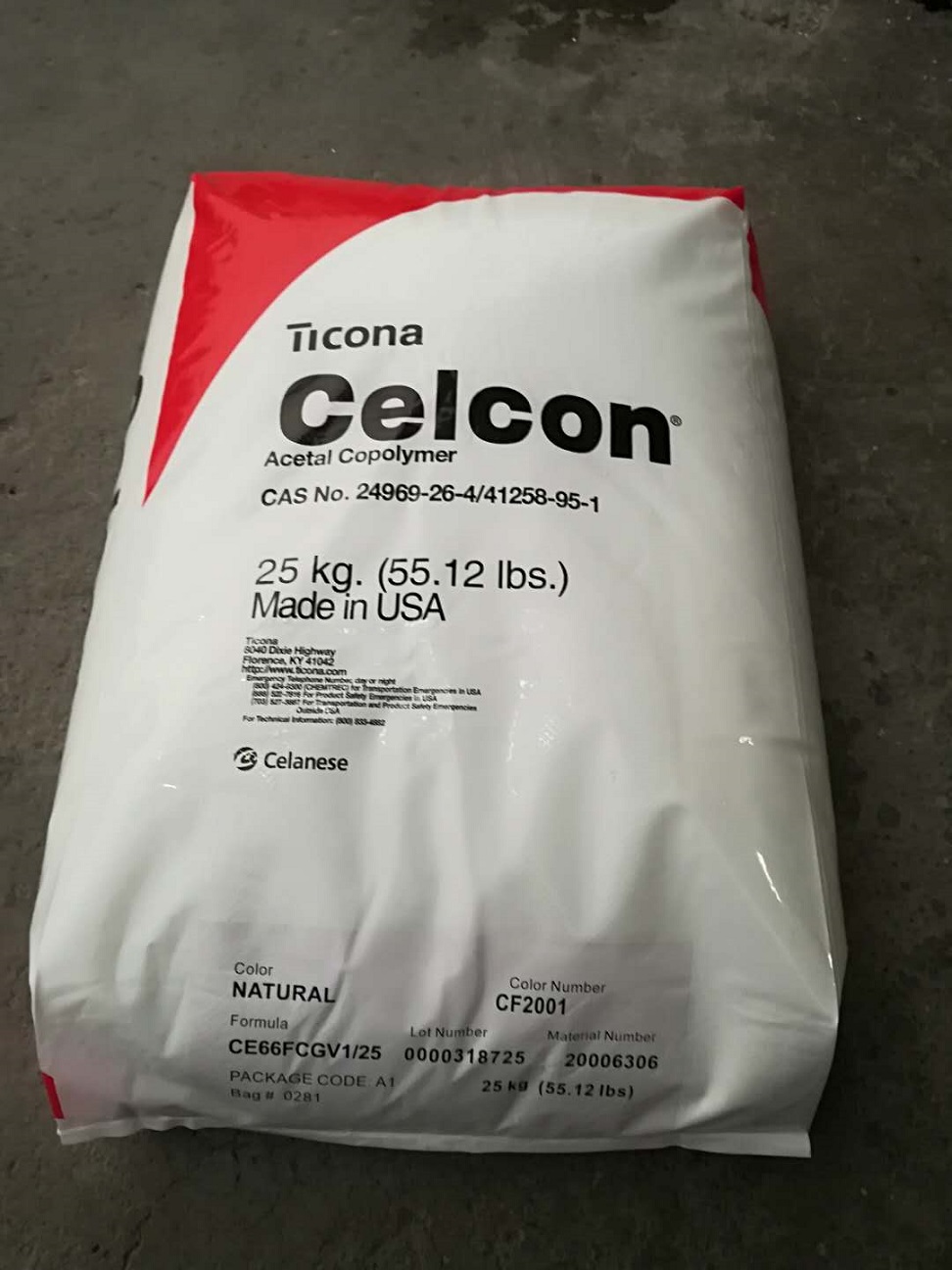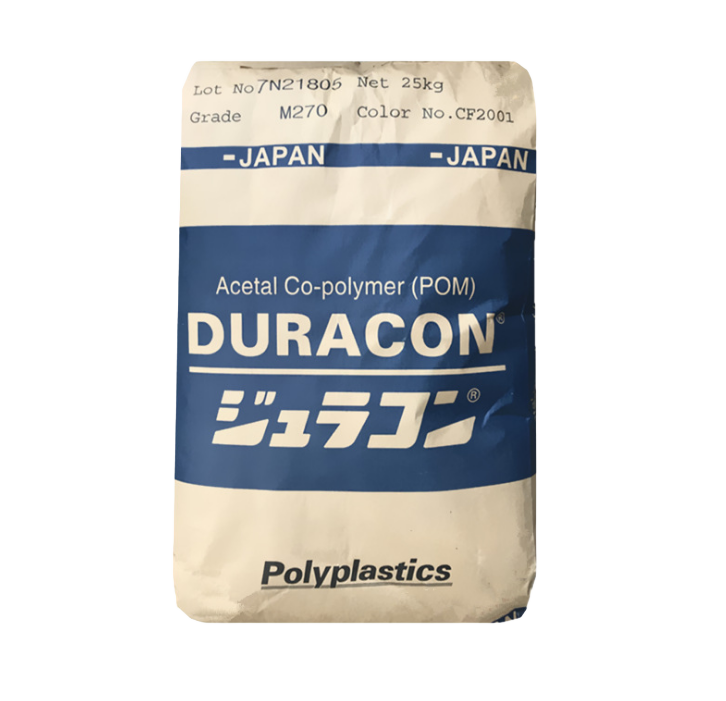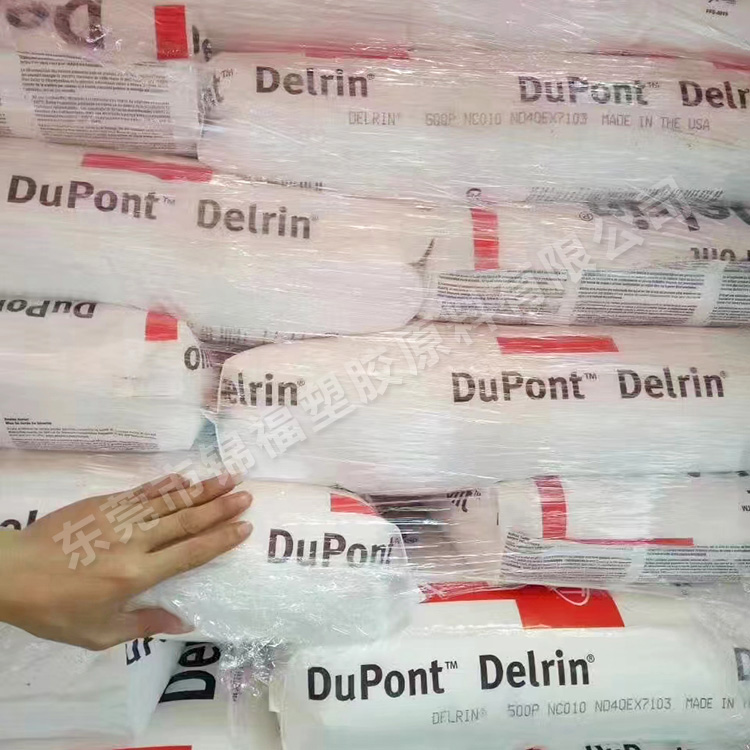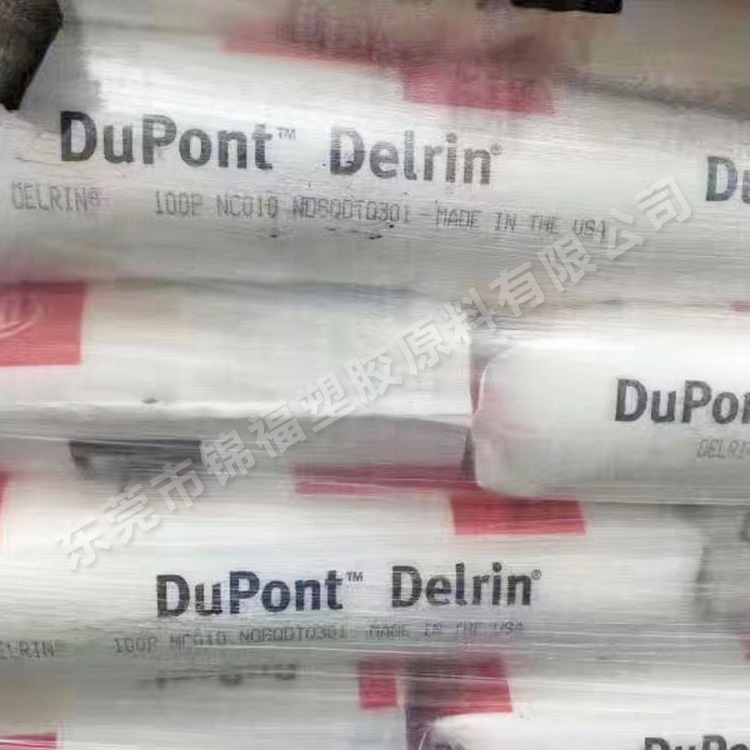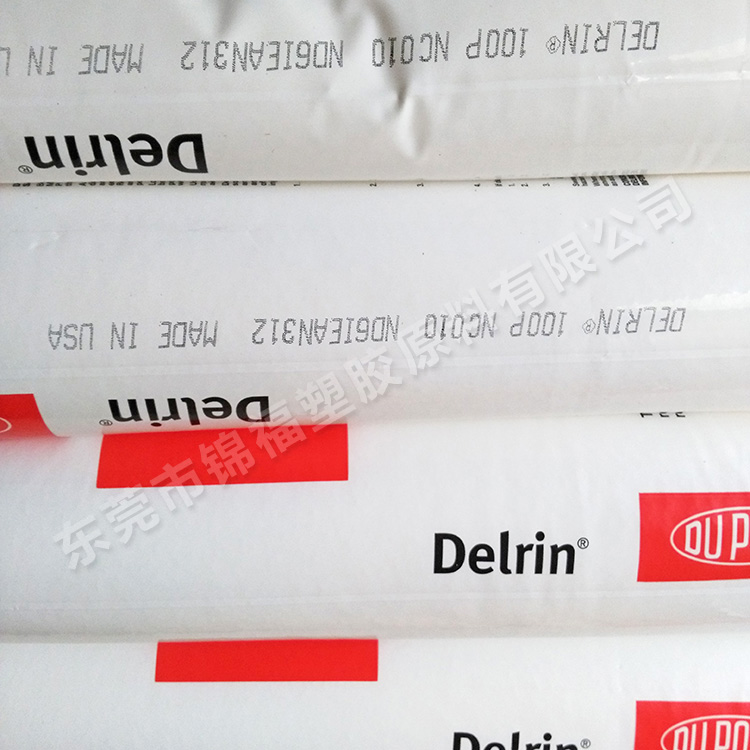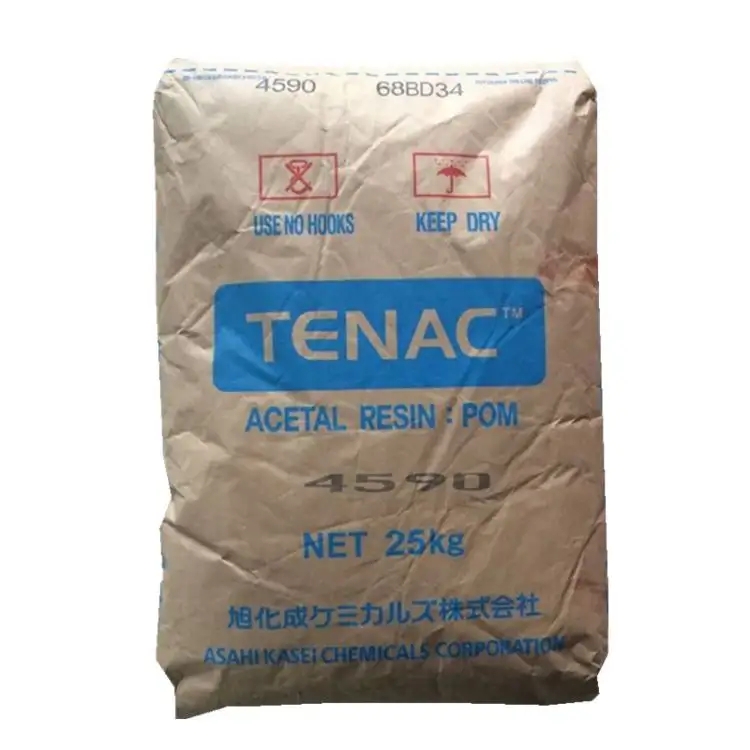
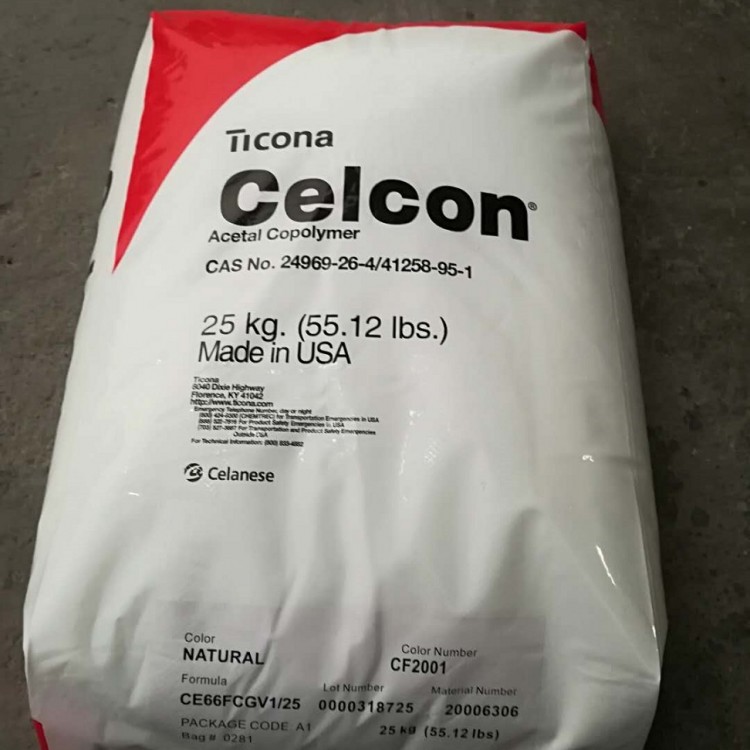
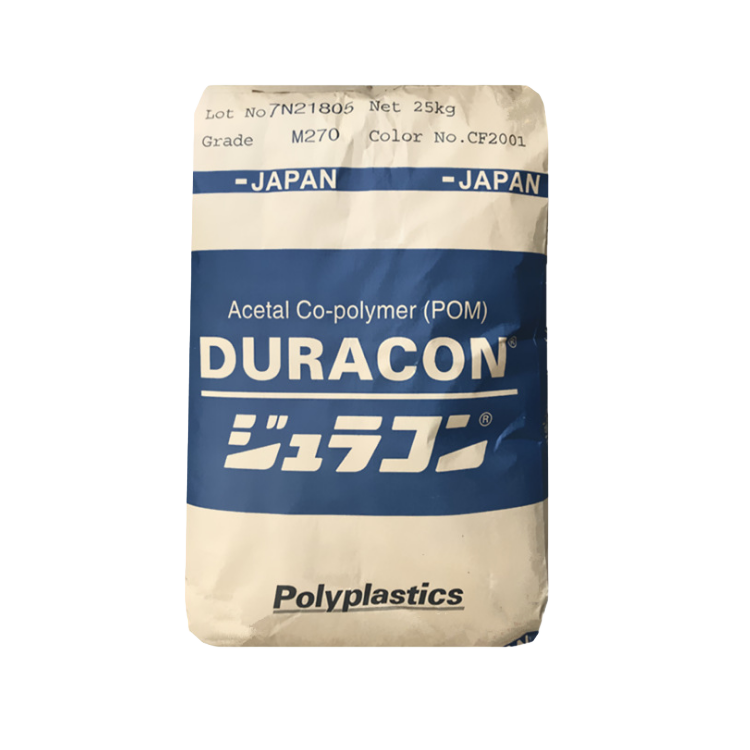
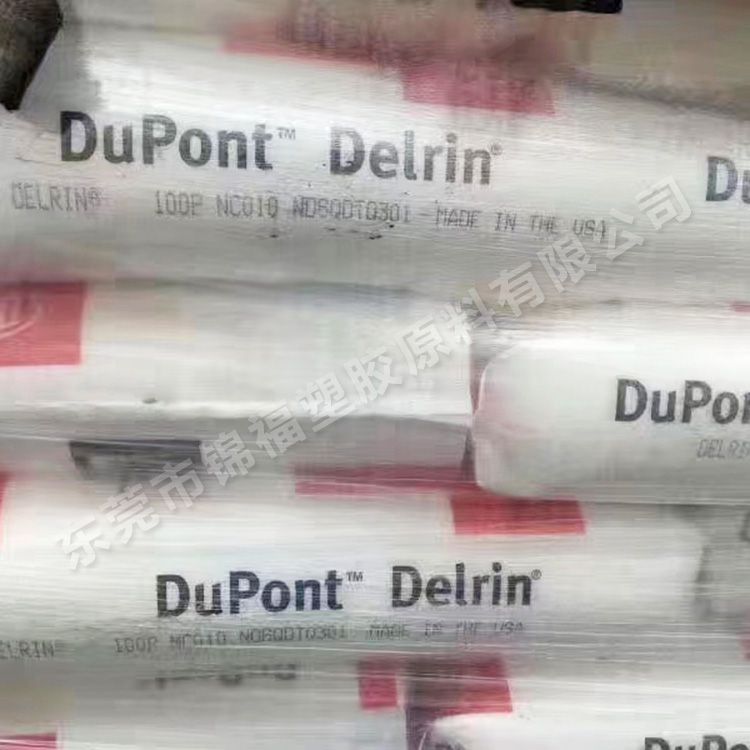







Polymethyl methacrylate end groups contain acetal structures. Upon heating to approximately 100°C, they can gradually depolymerize from the acetal site on the end group, thus exhibiting low heat resistance. When heated to around 170°C, they can undergo automatic oxidation reactions at any point in the molecular chain, releasing formaldehyde. In the presence of high temperature and oxygen, formaldehyde is oxidized to formic acid, which has an automatic catalytic effect on the degradation of polymethyl methacrylate, thereby accelerating the degradation process. Therefore, heat stabilizers, antioxidants, and formaldehyde absorbents are often added to homopolymethyl methacrylate resins to meet the requirements of molding and processing. Due to the presence of a certain amount of C-C bonds in the copolymer methyl methacrylate molecular chain, it can prevent the oxidation degradation of the polymethyl methacrylate molecular chain, making the copolymer much better in terms of heat stability compared to the homopolymer. However, whether it is homopolymethyl methacrylate or copolymer methyl methacrylate, sufficient attention should be given to their poor heat and thermal-oxidative stability during processing and application.主要用于 gear, bearing, automotive parts, machine tools, and instrument interiors as structural components.
| Mechanical properties | Rated Value | Unit system | Testing Method |
Tensile Modulus | 2900 | MPa | ISO 527-2 |
Tensile Stress Submit | 64.0 | MPa | ISO 527-2 |
Tensile strain Submit | 8.5 | % | ISO 527-2 |
Breakage rate | 30 | % | ISO 527-2 |
Bend Modulus | 2600 | MPa | ISO 178 |
Bend Strength | 90.0 | MPa | ISO 178 |
| Impact resistance | Rated Value | Unit system | Testing Method |
Simply Supported Beam Notch Impact Strength (23°C) | 7.0 | kJ/m² | ISO 179 |
Simply supported beam notched impact strength (23°C) | 250 | kJ/m² | ISO 179 |
| Thermal performance | Rated Value | Unit System | Testing Method |
Hot Deformation Temperature | |||
0.45 MPa, Annealed | 156 | °C | ISO 75-2/B |
1.8 MPa, as-annealed | 100 | °C | ISO 75-2/A |
Melting Temperature | 166 | °C | ISO 11357-3 |
Linear Coefficient of Thermal Expansion | ISO 11359-2 | ||
Flowing | 0.00011 | cm/cm/°C | |
Horizontal | 0.00011 | cm/cm/°C |
| Electrical Performance | Rated Value | Unit System | Testing Method |
Surface Resistivity | 1.0E+16 | ohm | IEC 60093 |
Volume resistivity | 1.0E+14 | ohm·cm | IEC 60093 |
Dielectric Strength | IEC 60243-1 | ||
1.00 mm | 32 | kV/mm | |
3.00 mm | 19 | kV/mm | |
Relative Dielectric Constant | IEC 60250 | ||
100 Hz | 3.90 | ||
1 MHz | 3.90 | ||
Dissipation Factor | IEC 60250 | ||
100 Hz | 0.0020 | ||
1 MHz | 0.0070 | ||
Leakage Tracking Index | 600 | V | IEC 60112 |