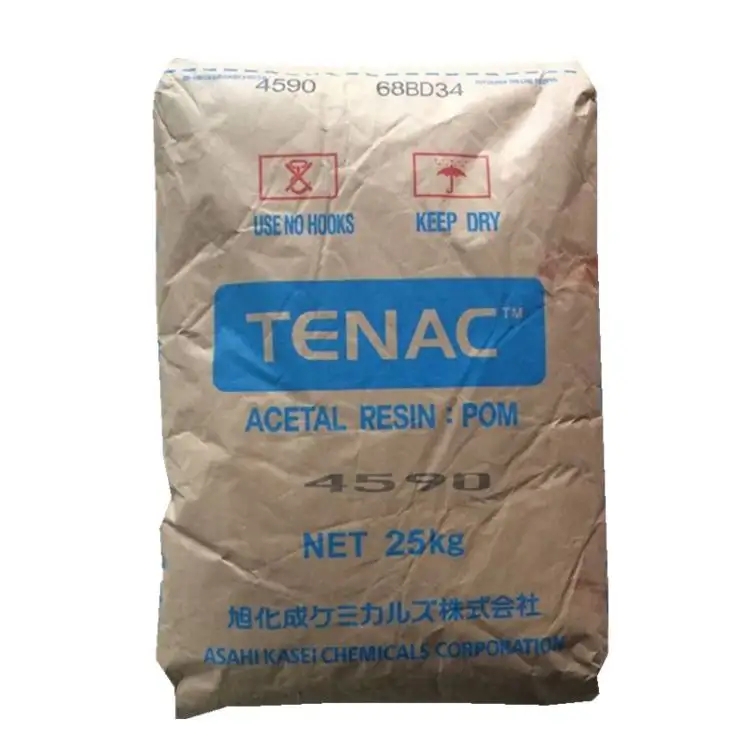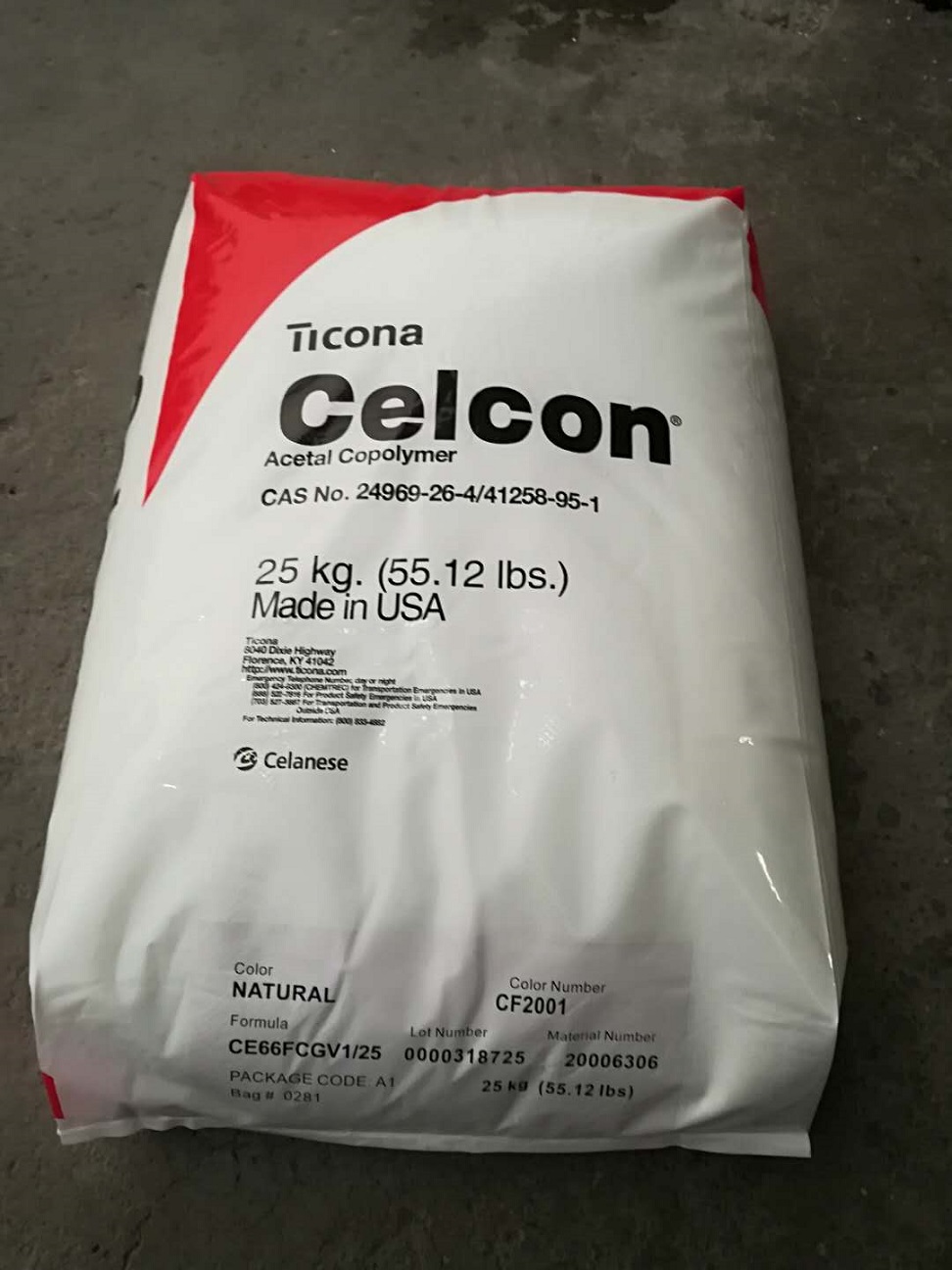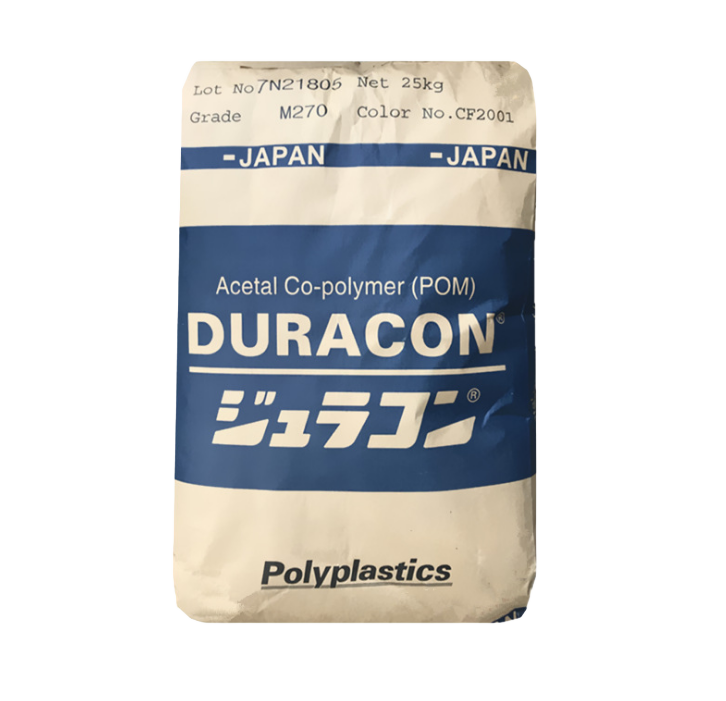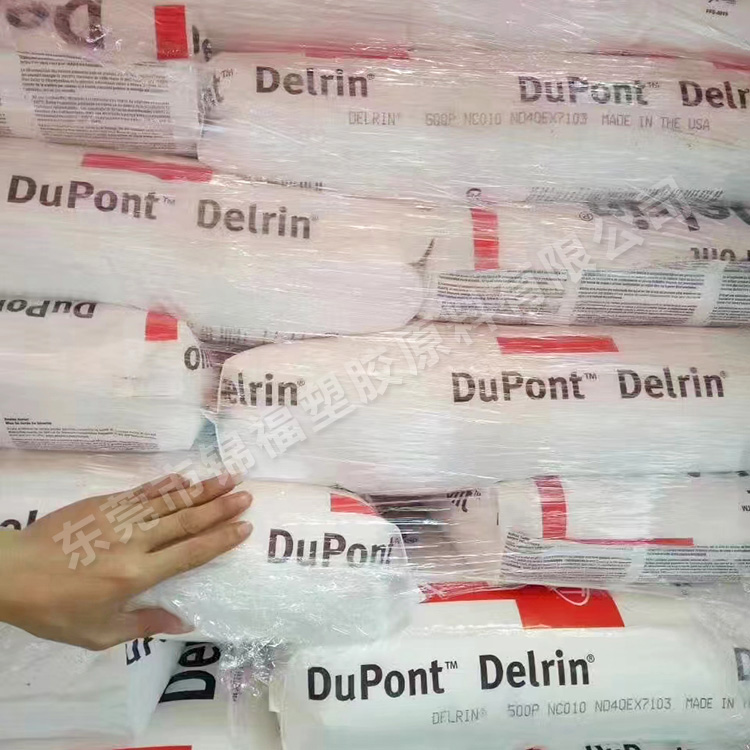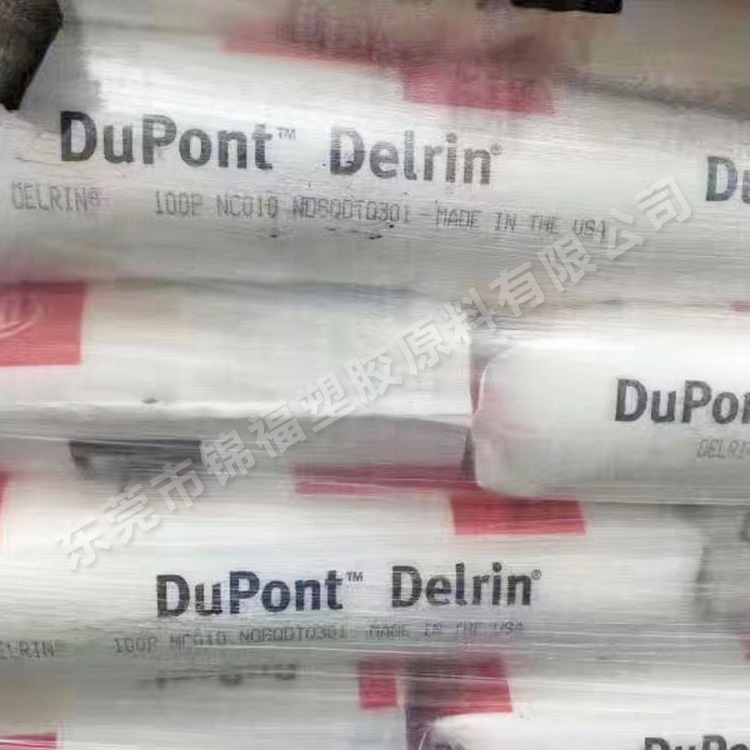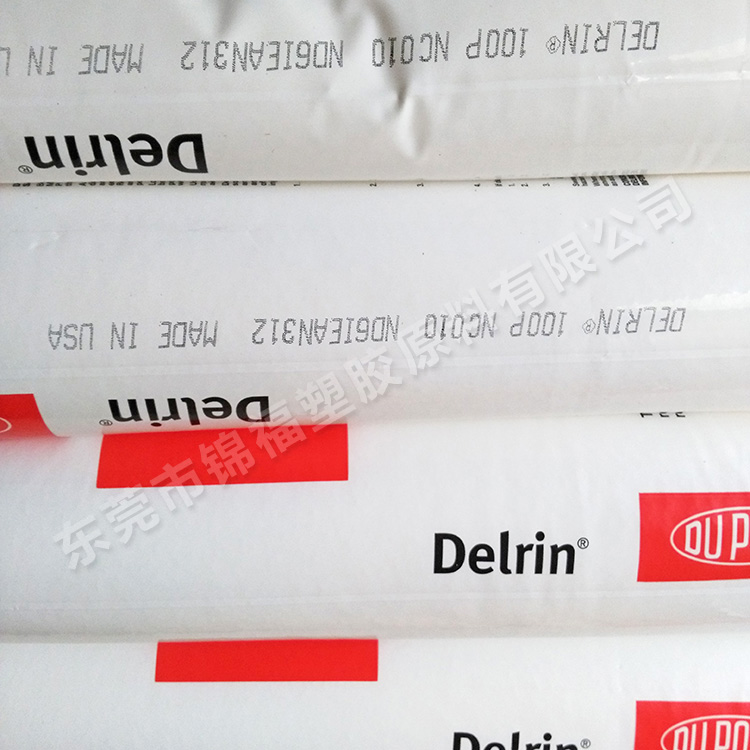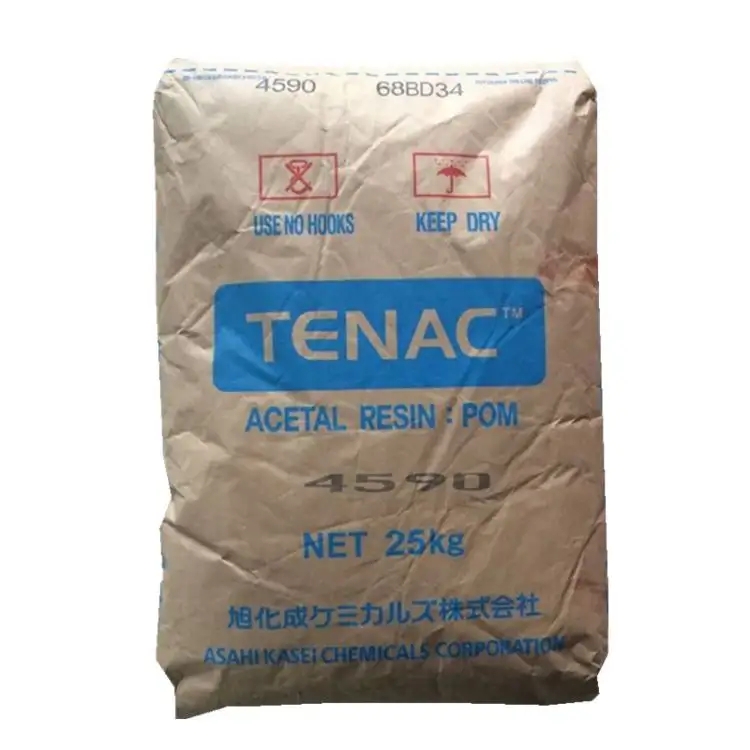
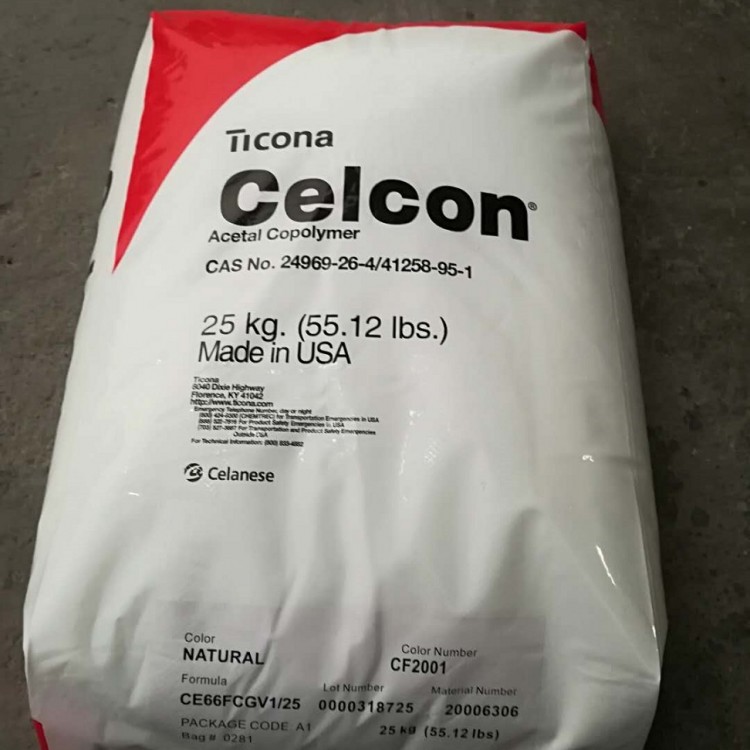
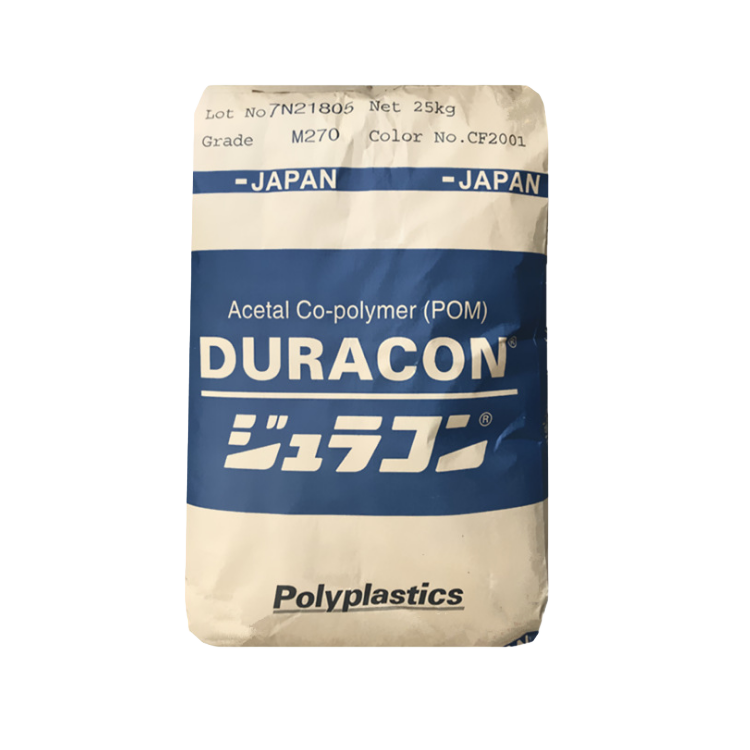
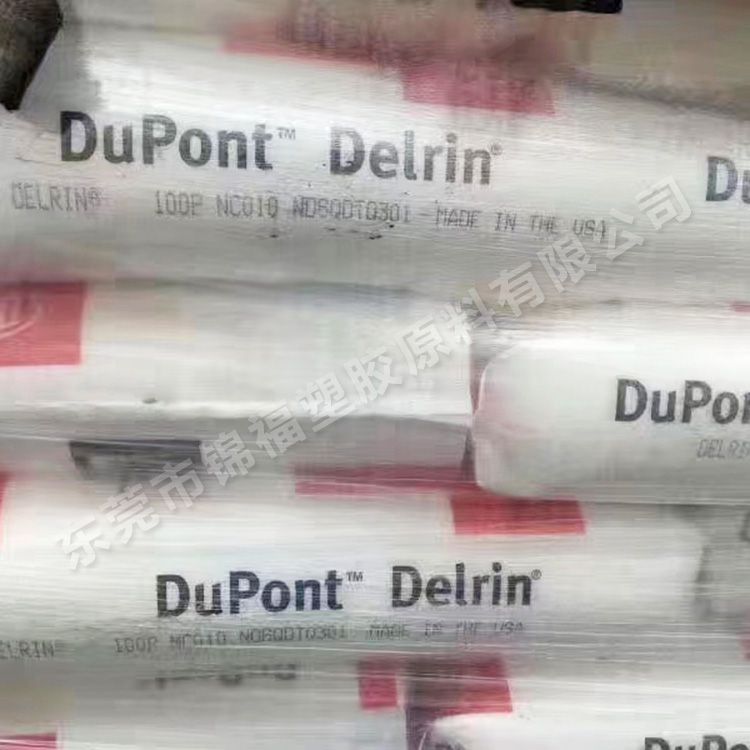







Around 1955, DuPont Corporation in the United States produced formaldehyde homopolymers by polymerizing formaldehyde. Polyoxymethylene is highly crystalline, with a crystallinity exceeding 70%. The melting point of the homopolymers is approximately 180°C.POMIt is another engineering plastic with excellent comprehensive properties following nylon, boasting high mechanical properties such as strength, modulus, wear resistance, toughness, fatigue resistance, and creep resistance. It also features excellent electrical insulation, solvent resistance, and processability, making it one of the five general-purpose engineering plastics.Acetal polymers, also known as polyoxymethylene (POM), are formed by the polymerization of formaldehyde. It was researched as early as the 1920s to prepare polymers from formaldehyde, but heat-stable materials were not produced until DuPont developed Delrin (Dyline) in 1950. Homopolymers are obtained through anionic polymerization of very pure formaldehyde. The formed polymer is insoluble and precipitates out continuously as the polymerization reaction progresses. As formaldehyde is removed and the acetal resin is stretched, thermal degradation occurs. The thermal stability of the polymer can be improved by esterification with acetic anhydride. Another method to improve thermal stability is by copolymerization with a second monomer, such as, where the polymer is prepared by cationic polymerization.