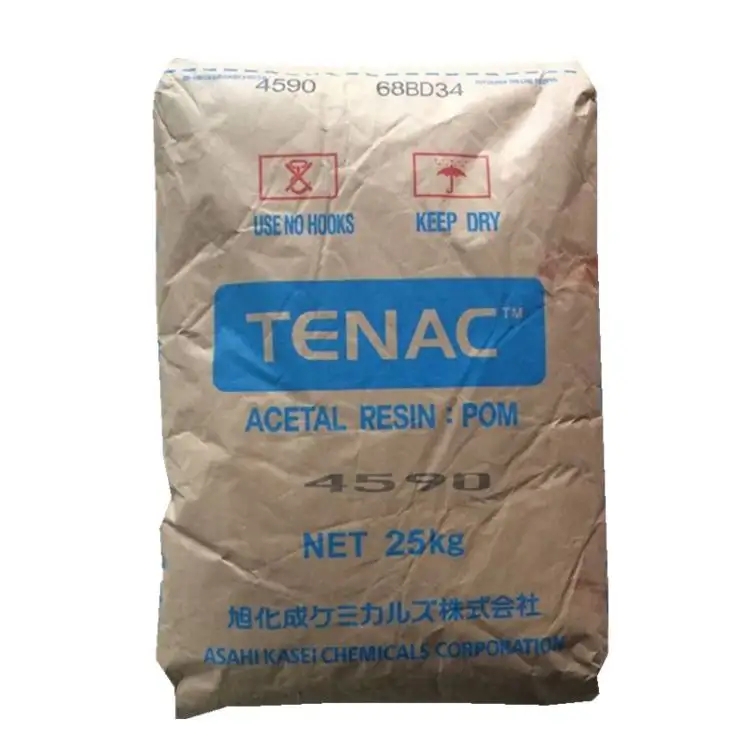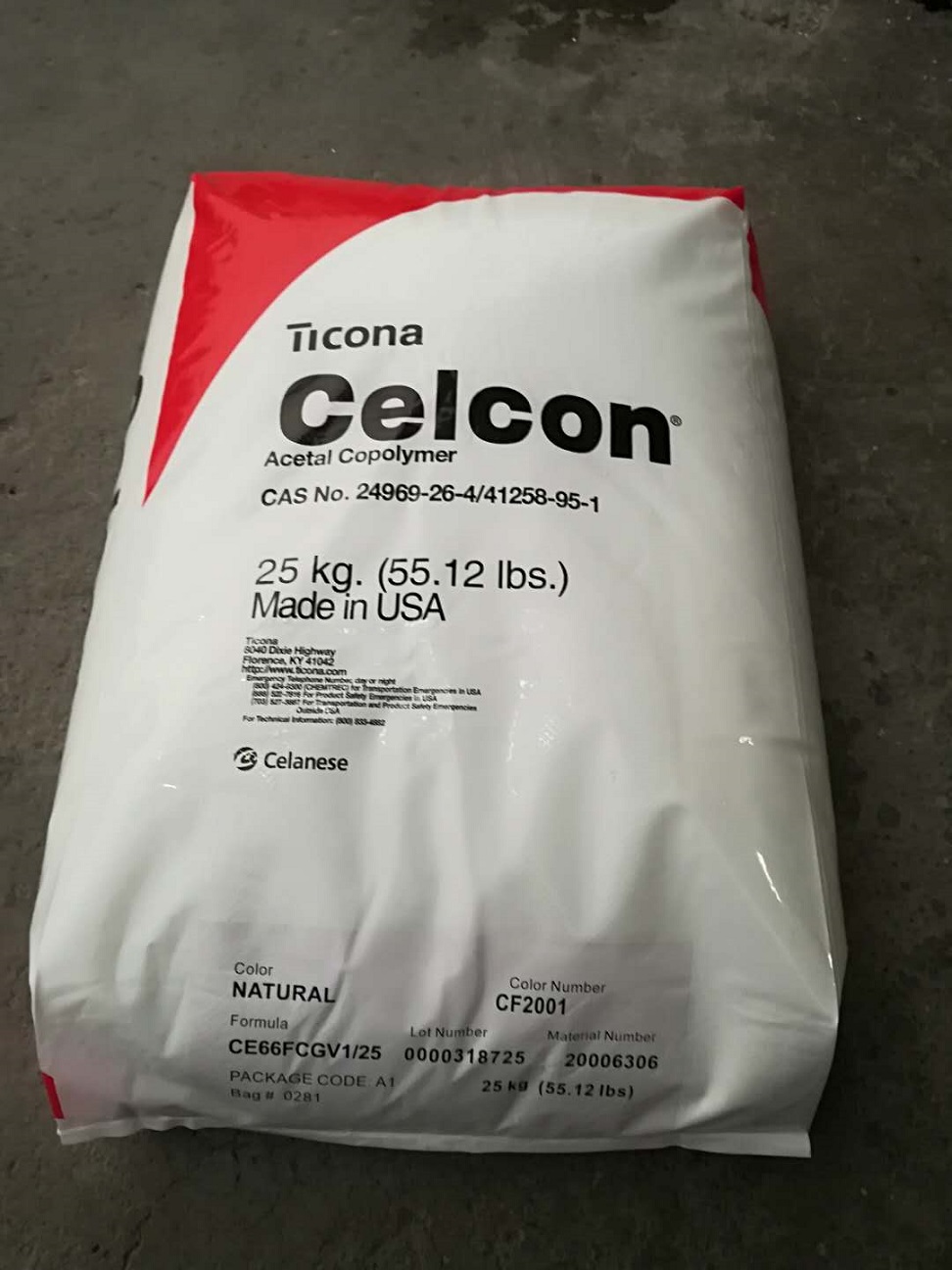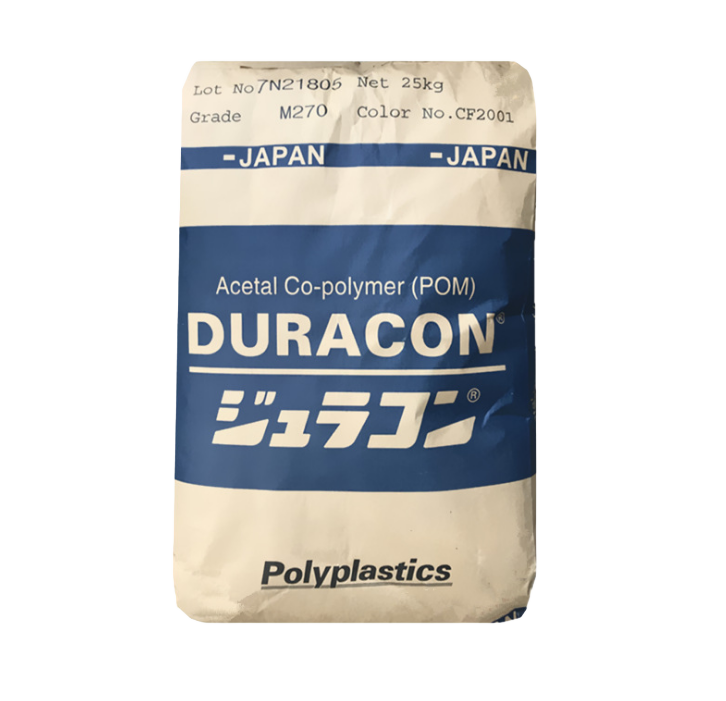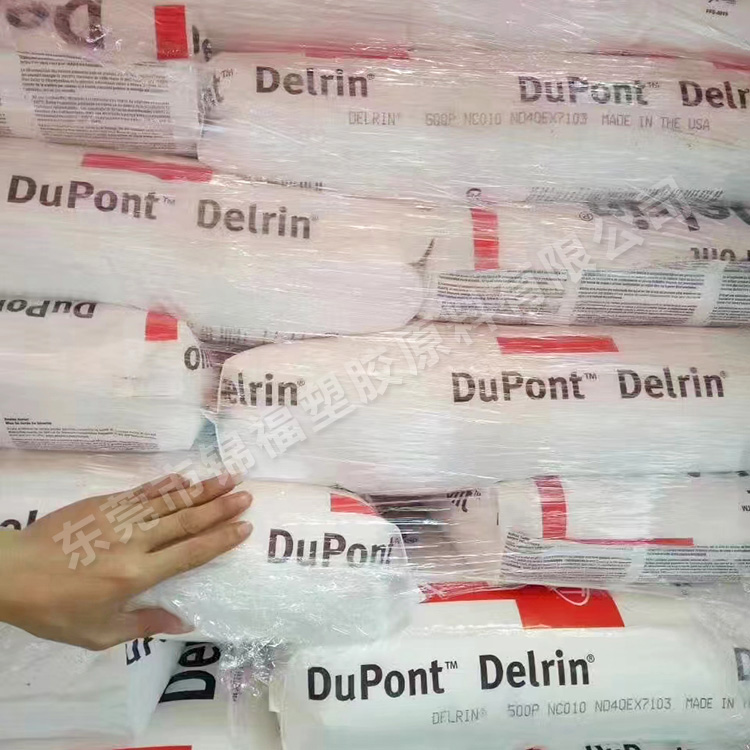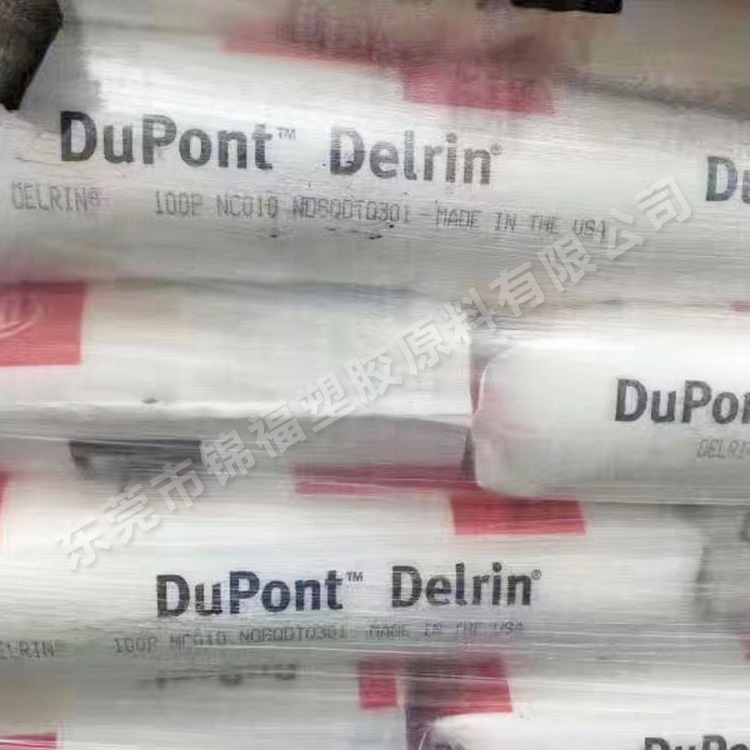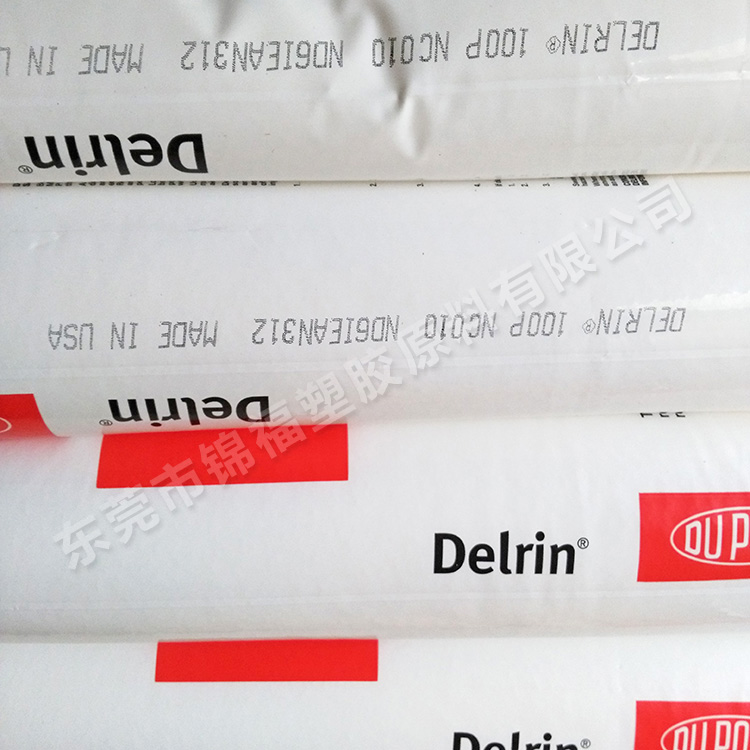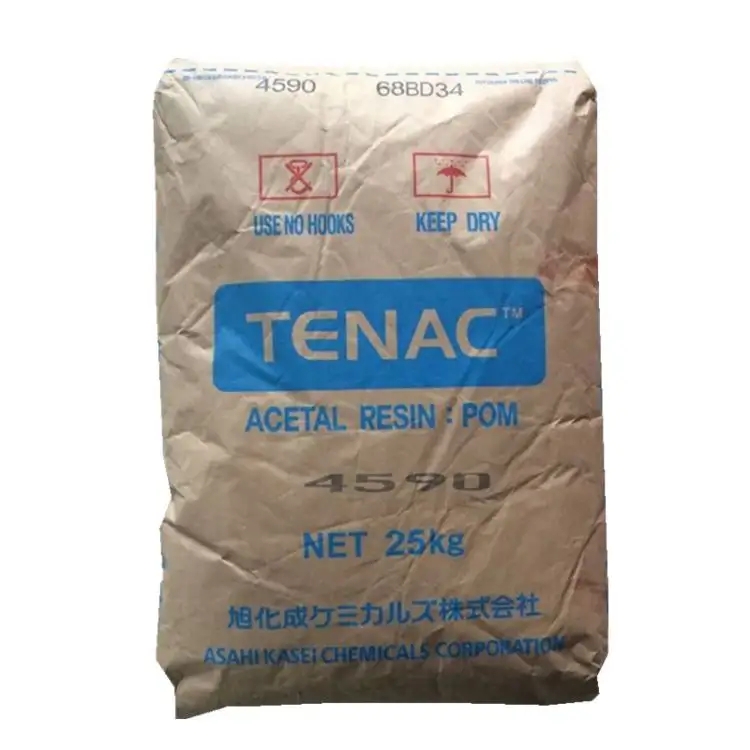
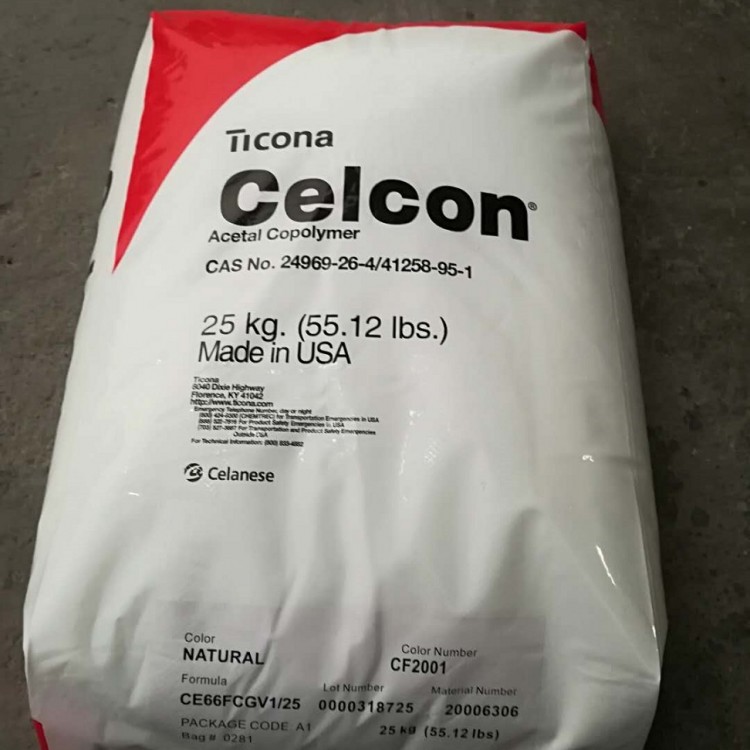
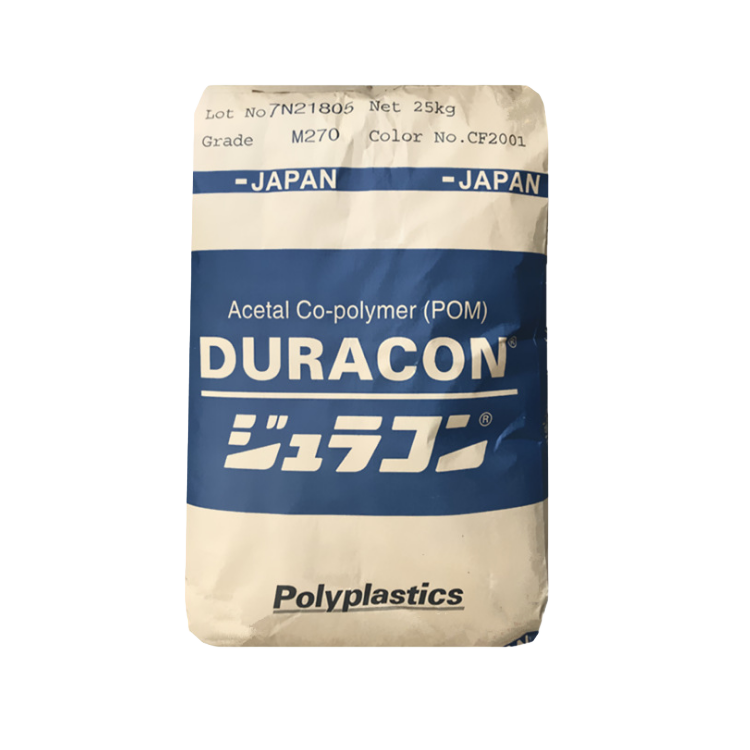
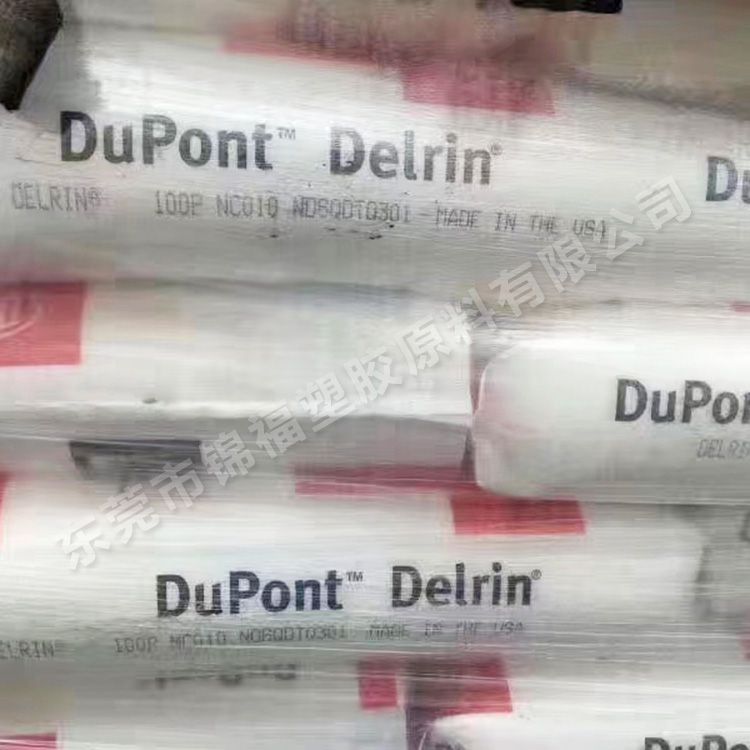







1. POM is a milky white, opaque, crystalline linear thermoplastic resin with excellent comprehensive properties and coloring capabilities. It boasts a high elastic modulus, high rigidity and hardness, and its strength-to-weight and stiffness-to-weight ratios are close to those of metals.
2. POM has excellent tensile strength, flexural strength, resistance to creep and fatigue, resistance to repeated impacts, and good unloaded recovery.Low friction coefficient, low wear, good dimensional stability, excellent surface luster, high adhesively-elasticity, superior electrical insulation, unaffected by temperature; good insulation resistance and unaffected by humidity.
3. POM exhibits excellent chemical resistance: Stable against most chemicals except for strong acids, phenols, and organic halides; oil-resistant; minimal impact of temperature on mechanical properties; high heat deflection temperature.The drawbacks include poor flame retardancy, slow combustion upon contact with fire, a low oxygen index, and even with the addition of flame retardants, satisfactory results are not achieved. Additionally, the weather resistance is not ideal, and stabilizers need to be added for outdoor applications.
4. POM has high crystallinity, offering better mechanical strength, rigidity, and heat deflection temperature compared to copolymer POM. Copolymer POM has a lower melting point, superior heat stability, chemical resistance, flow characteristics, and machinability over homopolymer POM. The newly developed products feature improved flow (rapid molding), impact resistance, reduced mold deposit, and also include inorganic fillers for enhanced grades.
| Physical Properties | Rated Value | Unit system | Test Method |
Density | 1.41 | g/cm³ | ISO 1183 |
Solids Volume Flow Rate (MVR) (190°C/2.16 kg) | 8.00 | cm³/10min | ISO 1133 |
Shrinkage rate | ISO 294-4 | ||
Lateral Flow | 1.8 | % | |
Traffic | 2.0 | % | |
Water Absorption Rate (Saturated, 23°C) | 0.65 | % | ISO 62 |
| Mechanical Properties | Rated Value | Unit System | Testing Method |
Tensile Modulus | 2850 | MPa | ISO 527-2/1A/1 |
Tensile stress Submit | 64.0 | MPa | ISO 527-2/1A/50 |
Tensile strain Submit | 9.0 | % | ISO 527-2/1A/50 |
Breakage rate | 30 | % | ISO 527-2/1A/50 |
Tensile Creep Modulus | ISO 899-1 | ||
1 hr | 2500 | MPa | |
1000 hr | 1300 | MPa | |
| Impact Resistance | Rated Value | Unit System | Testing Method |
Simply supported beam notch impact strength | ISO 179/1eA | ||
-30°C | 6.0 | kJ/m² | |
23°C | 6.5 | kJ/m² | |
Simply Supported Beam Notch Impact Strength | ISO 179/1eU | ||
-30°C | 160 | kJ/m² | |
23°C, Partially fractured | 180 | kJ/m² |
| Thermal performance | Rated Value | Unit System | Testing Method |
Hot Deformation Temperature (1.8 MPa, Annealed) | 104 | °C | ISO 75-2/A |
Melting Point 2 | 166 | °C | ISO 11357-3 |
Linear Coefficient of Thermal Expansion - Flow | 0.00011 | cm/cm/°C | ISO 11359-2 |