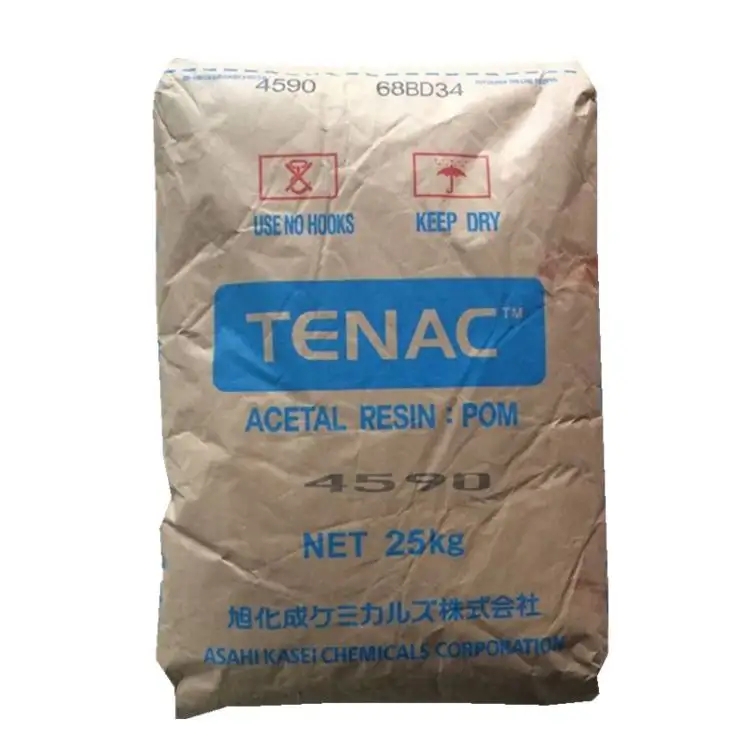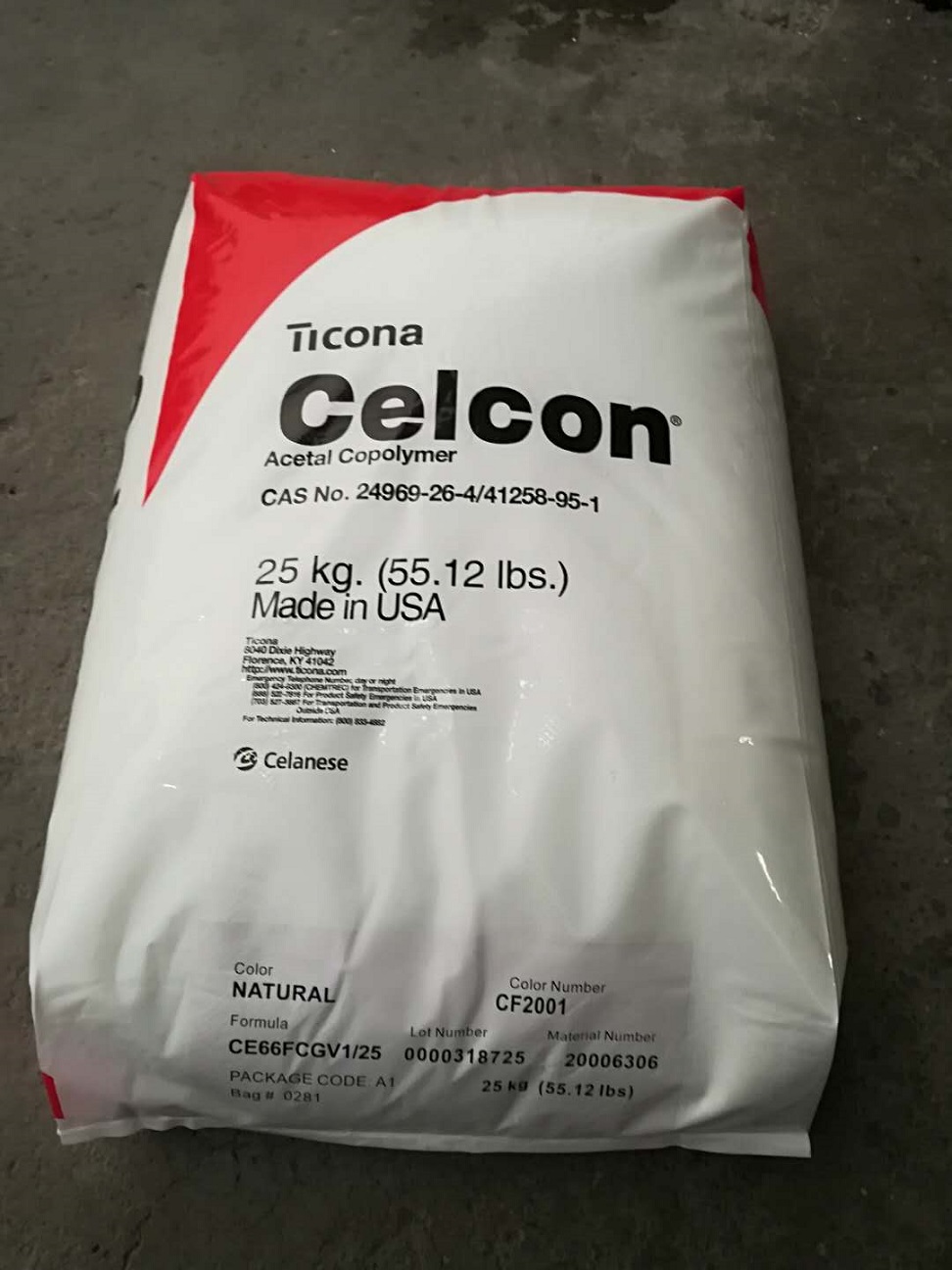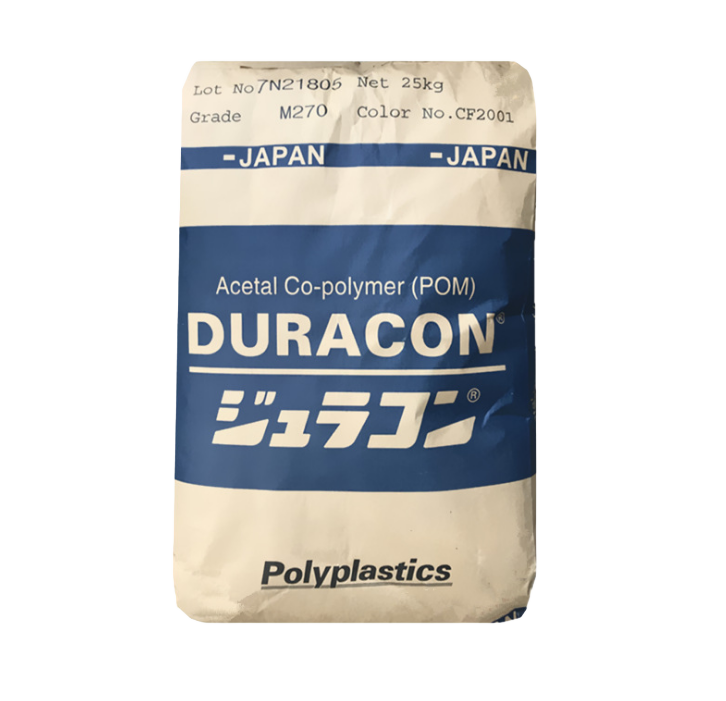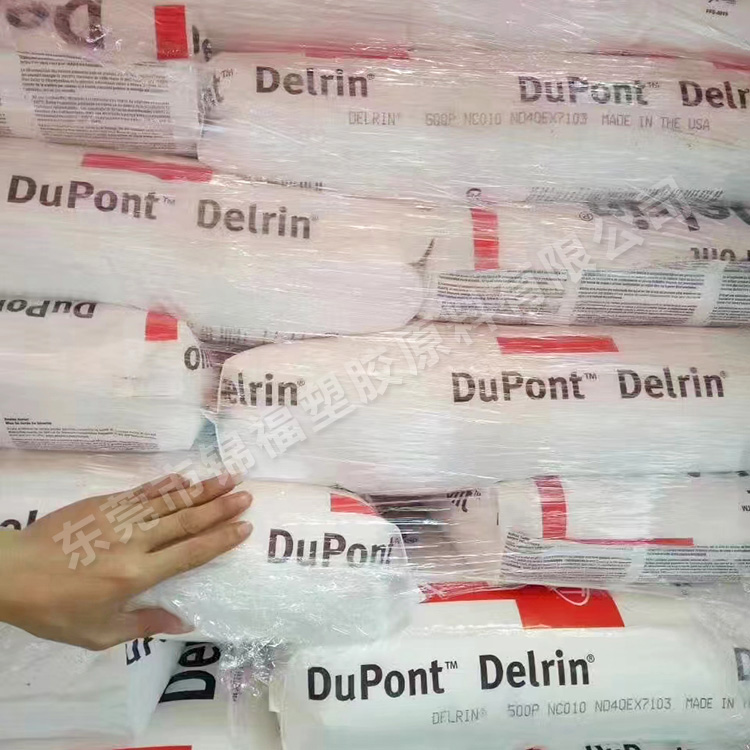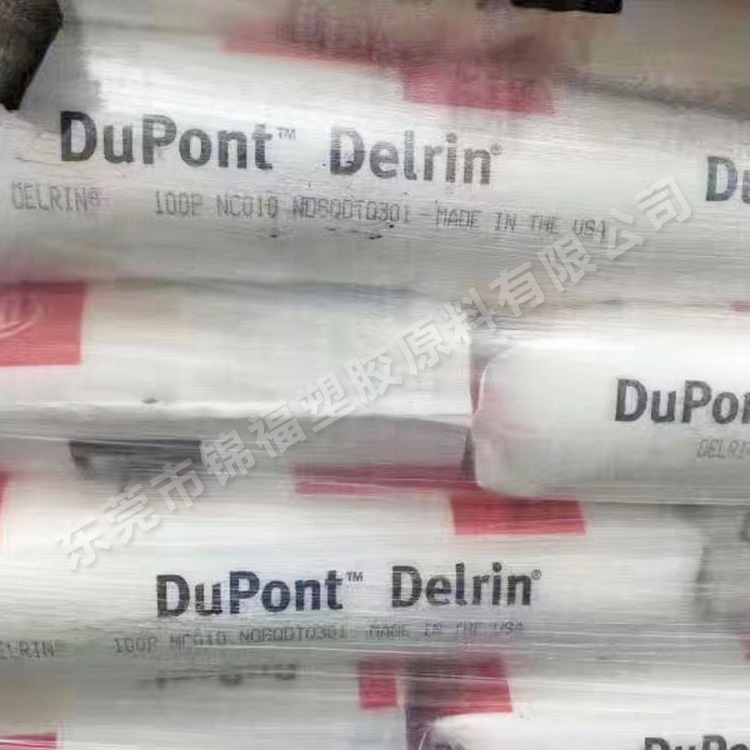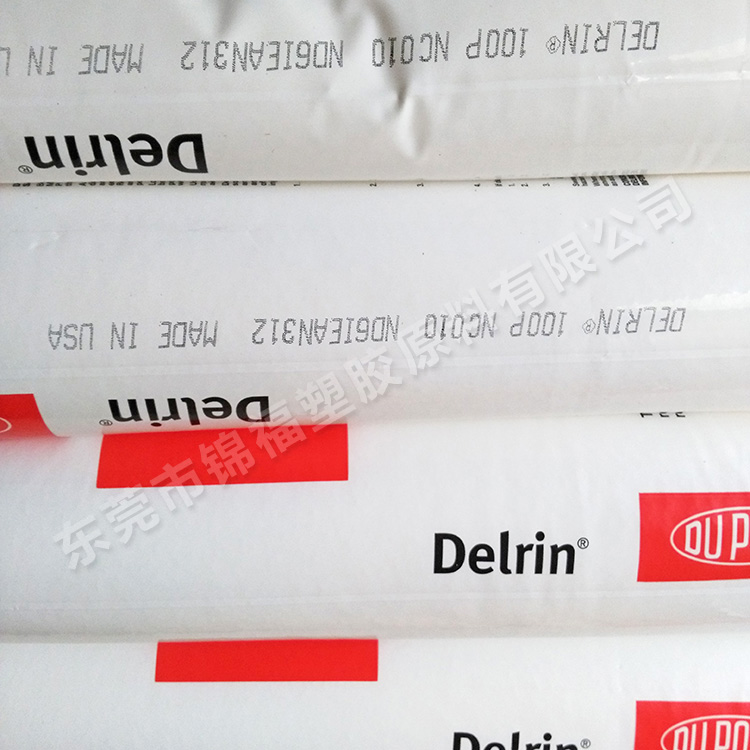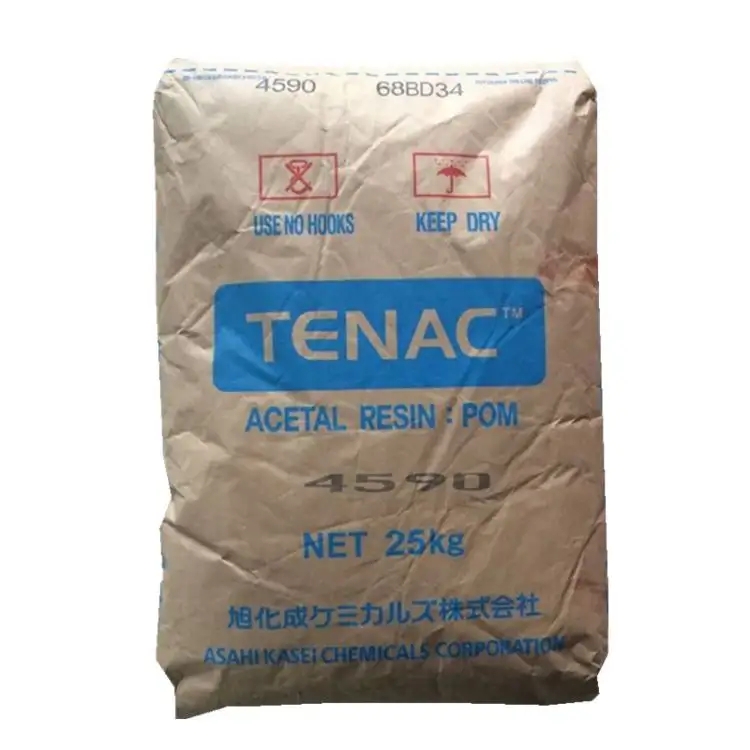
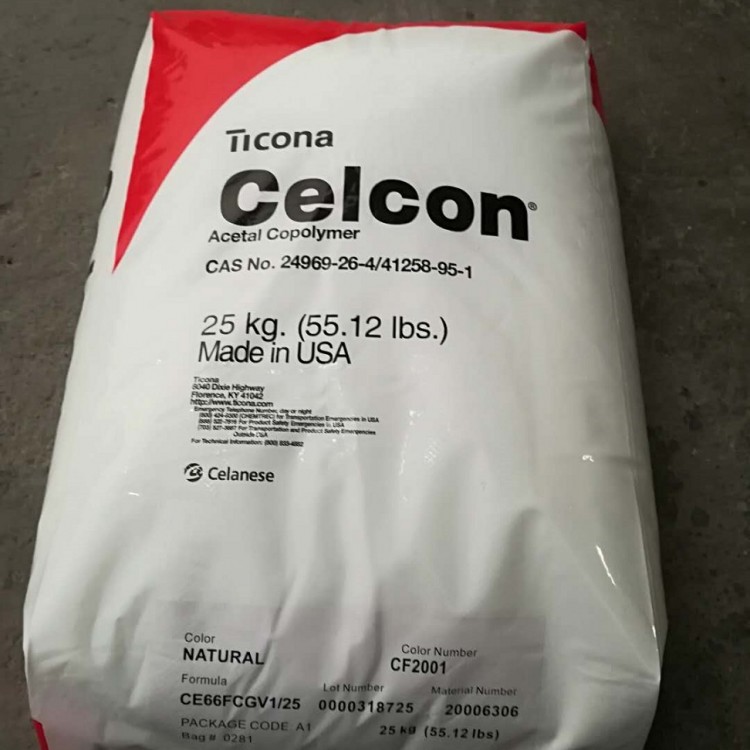
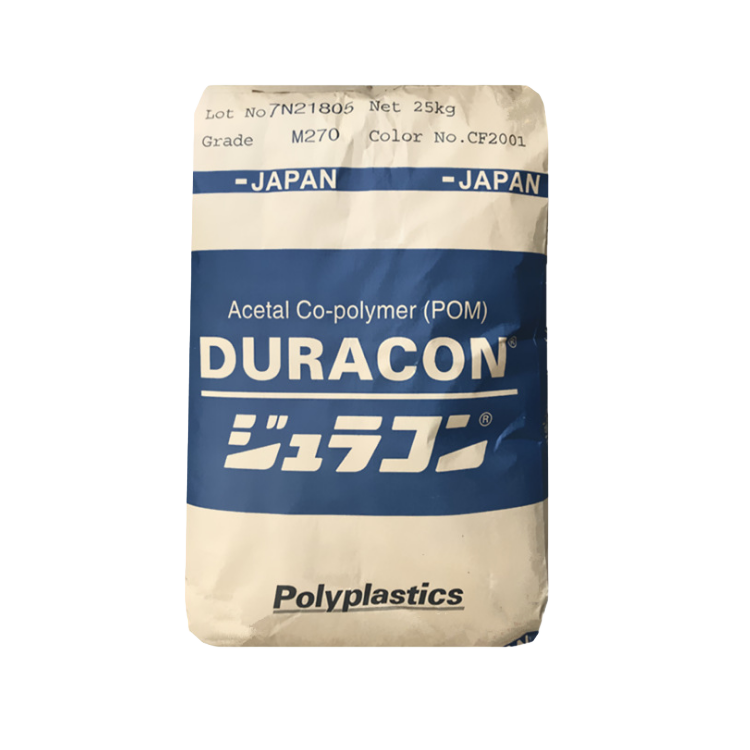
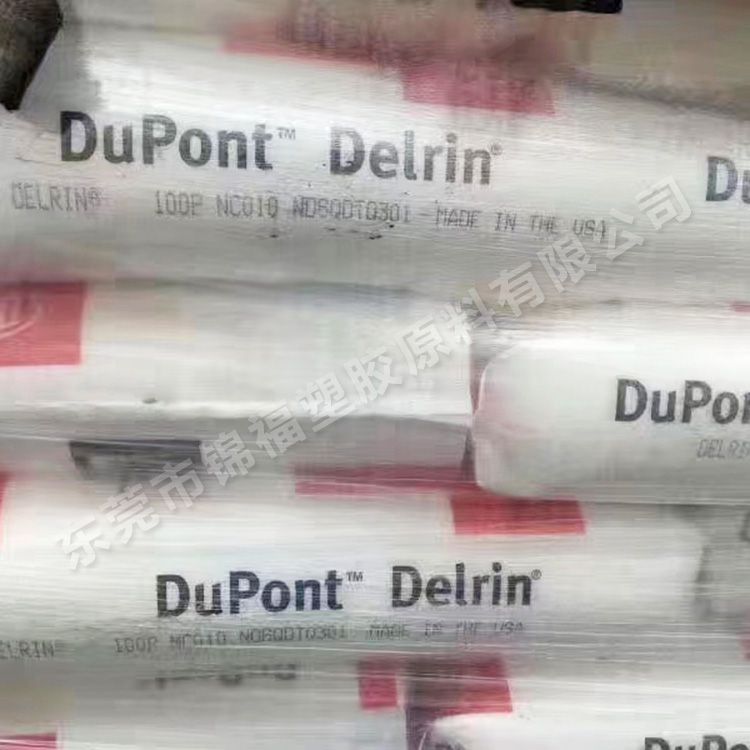







1. POM, commonly known as Polyoxymethylene, is also referred to as Sajing, Sujing, or Teling. It is a crystalline thermoplastic engineering plastic.
2. No need for drying before POM processing; preheat during the process (around 80℃) for better dimensional stability.
3. Processing temperature for POM is very narrow (0-215℃); it will decompose and produce highly刺激性 formaldehyde gas if it stays in the barrel for too long or the temperature exceeds 220℃.
4. During POM material injection molding, the holding pressure should be relatively high (close to the injection pressure) to minimize pressure drop. The screw speed must not be too high, and the residual amount should be minimal.
5. POM products have a higher shrinkage rate, prone to warping or deformation. POM has a higher specific heat, and mold temperature should be kept high (80-100℃). Caution is advised.
6. POM is best processed under "medium pressure, medium speed, low material temperature, and higher mold temperature" conditions. Precision products require controlled mold temperature. It exhibits excellent resistance to fatigue under high mechanical strength and rigidity, good resistance to organic solvents, strong resistance to repeated impacts, good electrical properties, good recovery, self-lubricating, good wear resistance, and excellent dimensional stability.
| Physical Properties | Rated Value | Unit system | Testing Method |
Density | 1.41 | g/cm³ | ISO 1183 |
Melting Volume Flow Rate (MVR) (190°C/2.16 kg) | 24.0 | cm³/10min | ISO 1133 |
Shrinkage rate | ISO 294-4 | ||
Lateral flow | 1.8 | % | |
Traffic | 1.9 | % | |
Absorption rate (Saturated, 23°C) | 0.65 | % | ISO 62 |
| Mechanical properties | Rated Value | Unit System | Testing Method |
Tensile Modulus | 2900 | MPa | ISO 527-2/1A/1 |
Tensile stress Submitting | 65.0 | MPa | ISO 527-2/1A/50 |
Tensile strain Subjection | 7.5 | % | ISO 527-2/1A/50 |
Breakage rate | 17 | % | ISO 527-2/1A/50 |
Tensile Creep Modulus | ISO 899-1 | ||
1 hr | 2500 | MPa | |
1000 hr | 1300 | MPa | |
Bend Modulus (23°C) | 2800 | MPa | ISO 178 |
| Impact Resistance | Rated Value | Unit system | Testing Method |
Simply supported beam notch impact strength | ISO 179/1eA | ||
-30°C | 5.5 | kJ/m² | |
23°C | 5.5 | kJ/m² | |
Simply Supported Beam Notch Impact Strength | ISO 179/1eU | ||
-30°C | 120 | kJ/m² | |
23°C | 120 | kJ/m² |
| Thermal Performance | Rated Value | Unit System | Testing Method |
Hot Deformation Temperature (1.8 MPa, annealed) | 106 | °C | ISO 75-2/A |
Melting Temperature 3 | 166 | °C | ISO 11357-3 |
Linear Coefficient of Thermal Expansion - Flow | 0.00011 | cm/cm/°C | ISO 11359-2 |
| Electrical Performance | Rated Value | Unit System | Testing Method |
Surface Resistivity | 1.0E+14 | ohm | IEC 60093 |
Volume resistivity | 1.0E+14 | ohm·cm | IEC 60093 |
Dielectric Strength | 35 | kV/mm | IEC 60243-1 |
Relative Permittivity | IEC 60250 | ||
100 Hz | 4.00 | ||
1 MHz | 4.00 | ||
Dissipation Factor | IEC 60250 | ||
100 Hz | 0.0025 | ||
1 MHz | 0.0050 | ||
Leakage Tracking Index | 600 | V | IEC 60112 |