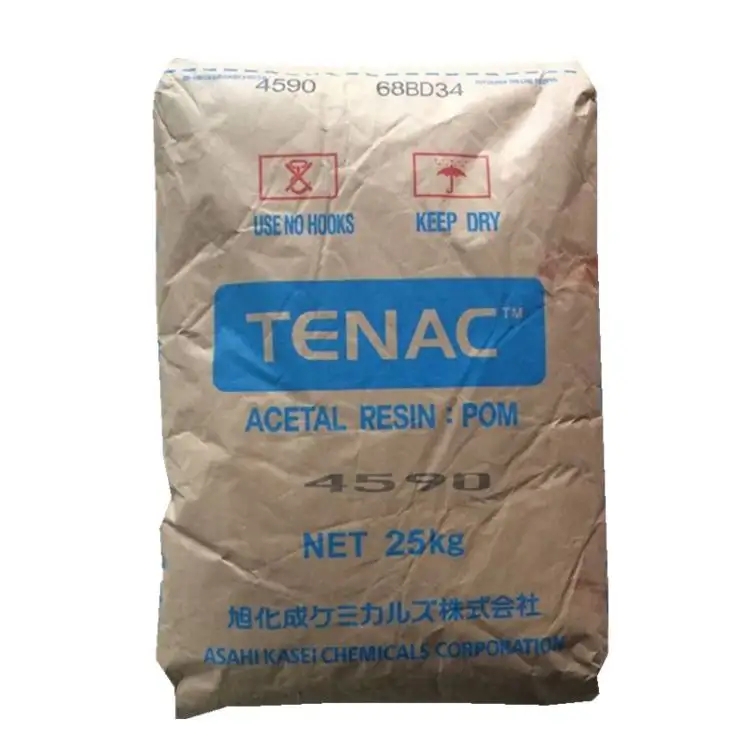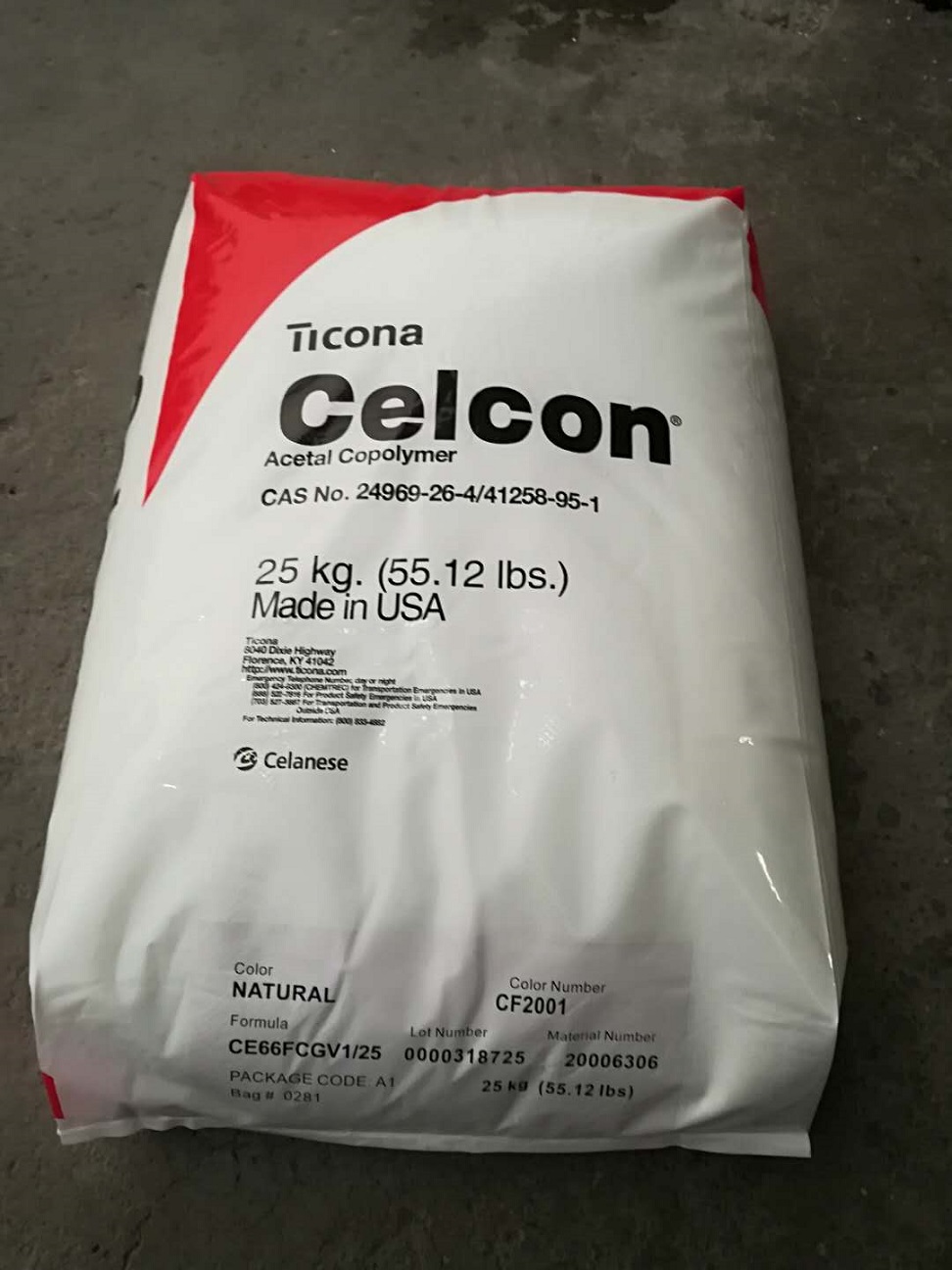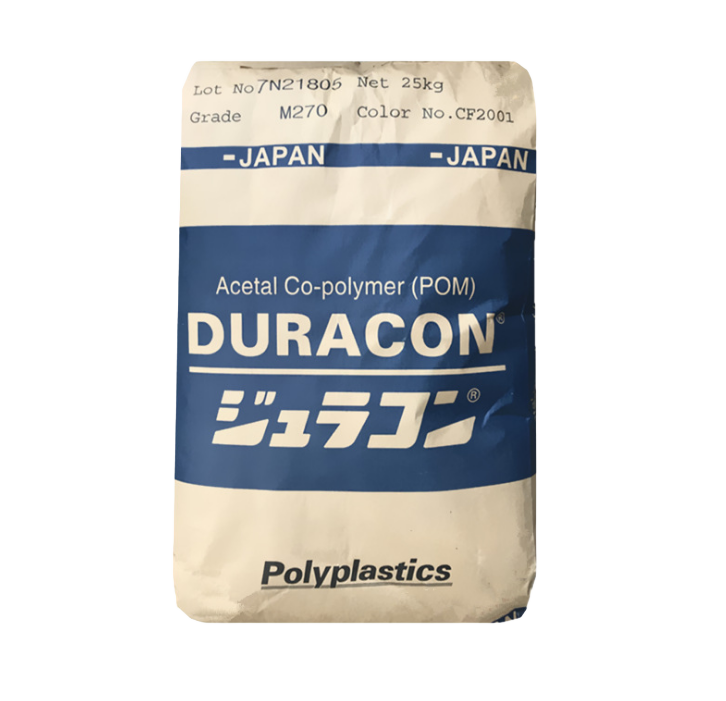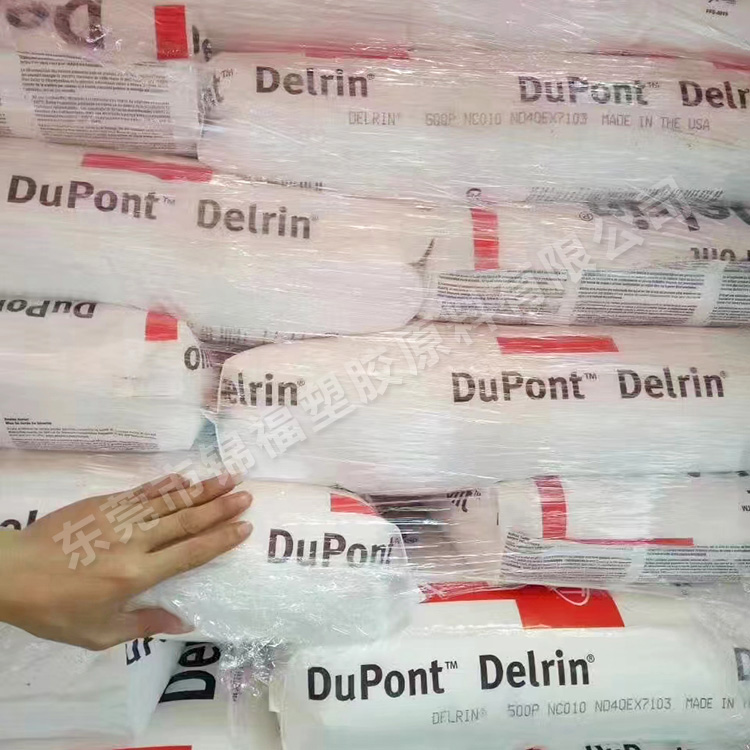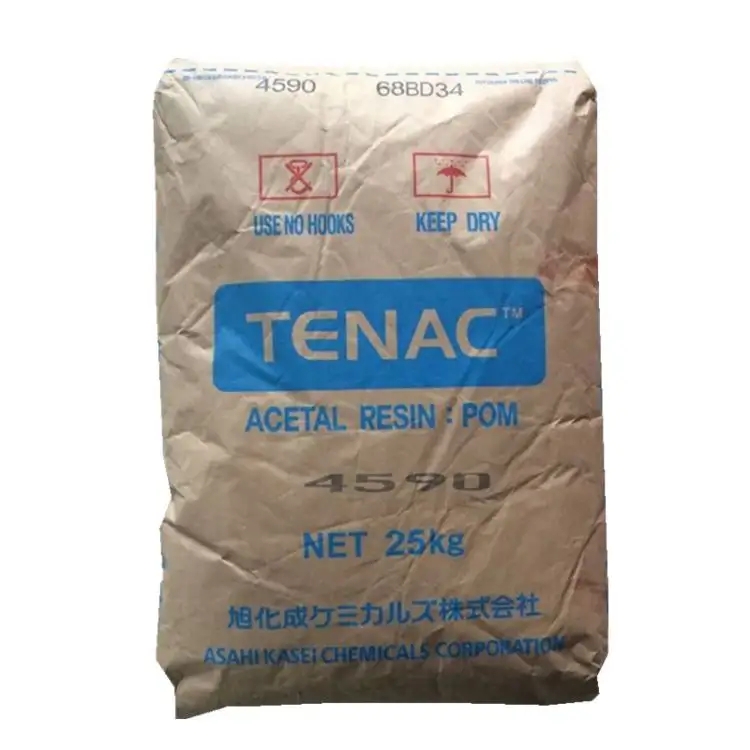
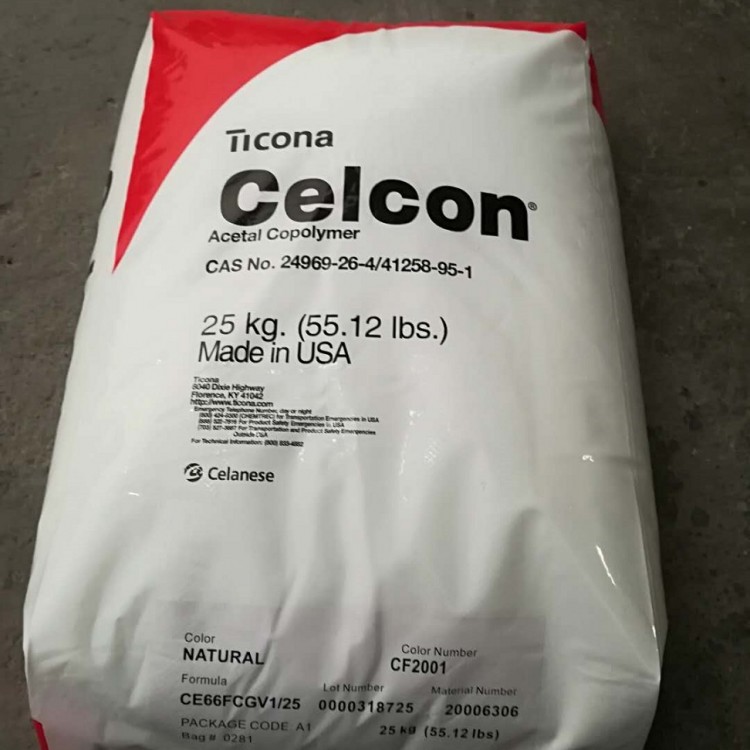
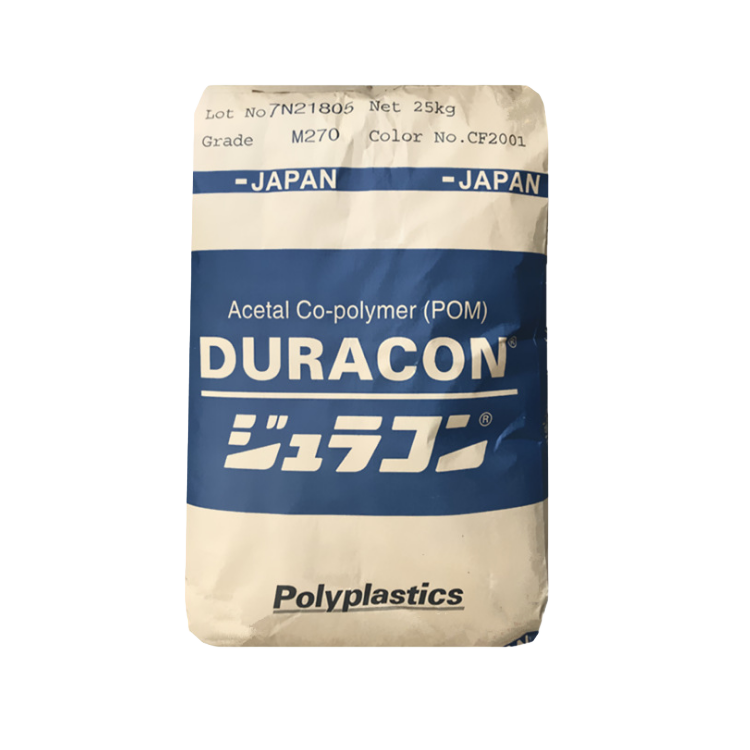
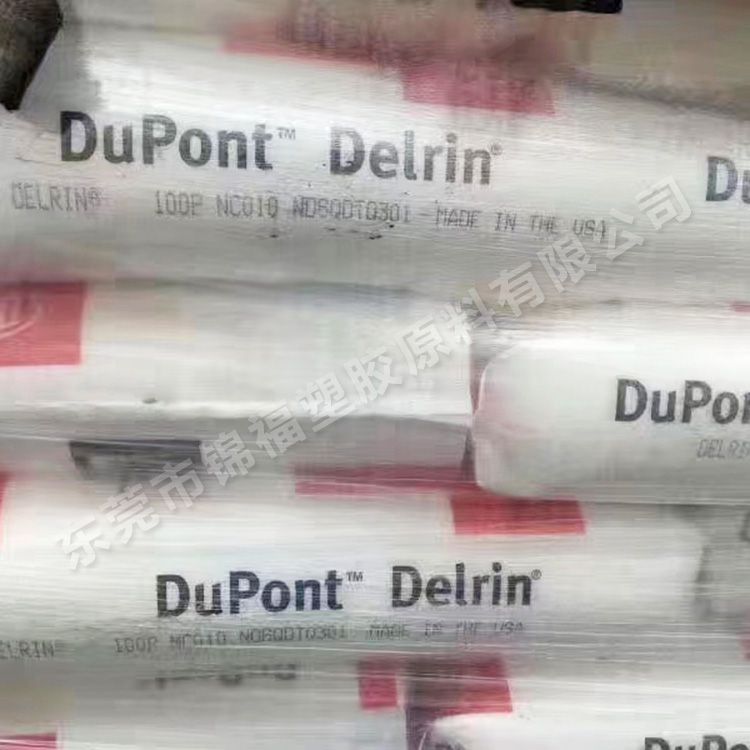







Polyoxymethylene (POM) is a linear polymer with no side chains, high density, and high crystallinity. It can be divided into two types based on the chemical structure of its molecular chains: homopolymer POM and copolymer POM. The key difference between them is that homopolymer POM has higher density, crystallinity, and melting point but poor thermal stability, a narrow processing temperature range (about 10℃), and slightly lower acid-base stability; while copolymer POM has lower density, crystallinity, melting point, and strength, but good thermal stability, is not easily decomposed, has a wide processing temperature range (about 50℃), and better acid-base stability. It is an engineering plastic with comprehensive properties. POM is resistant to strong alkalis and oxidizing agents but has certain stability against carboxylic acids and weak acids. It has good solvent resistance, can withstand hydrocarbons, alcohols, aldehydes, ethers, gasoline, lubricating oils, and weak alkalis, and maintains considerable chemical stability at high temperatures. It has low water absorption and good dimensional stability.Ideal for manufacturing wear-resistant parts, transmission parts, and components for chemicals, instruments, etc. High rigidity and characteristics. Mainly used in products serving as skeletons for gears, bearings, automotive parts, machine tools, and instrument interiors.