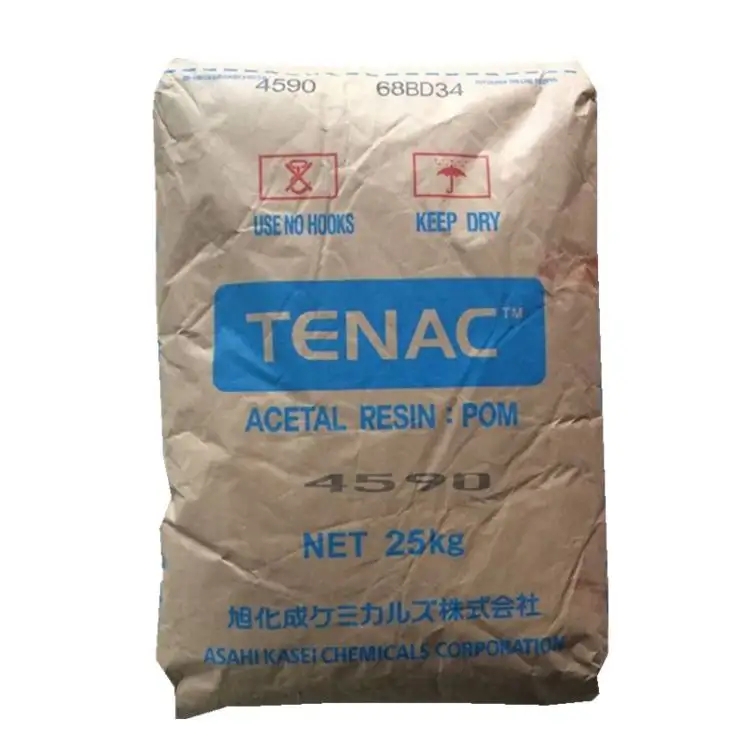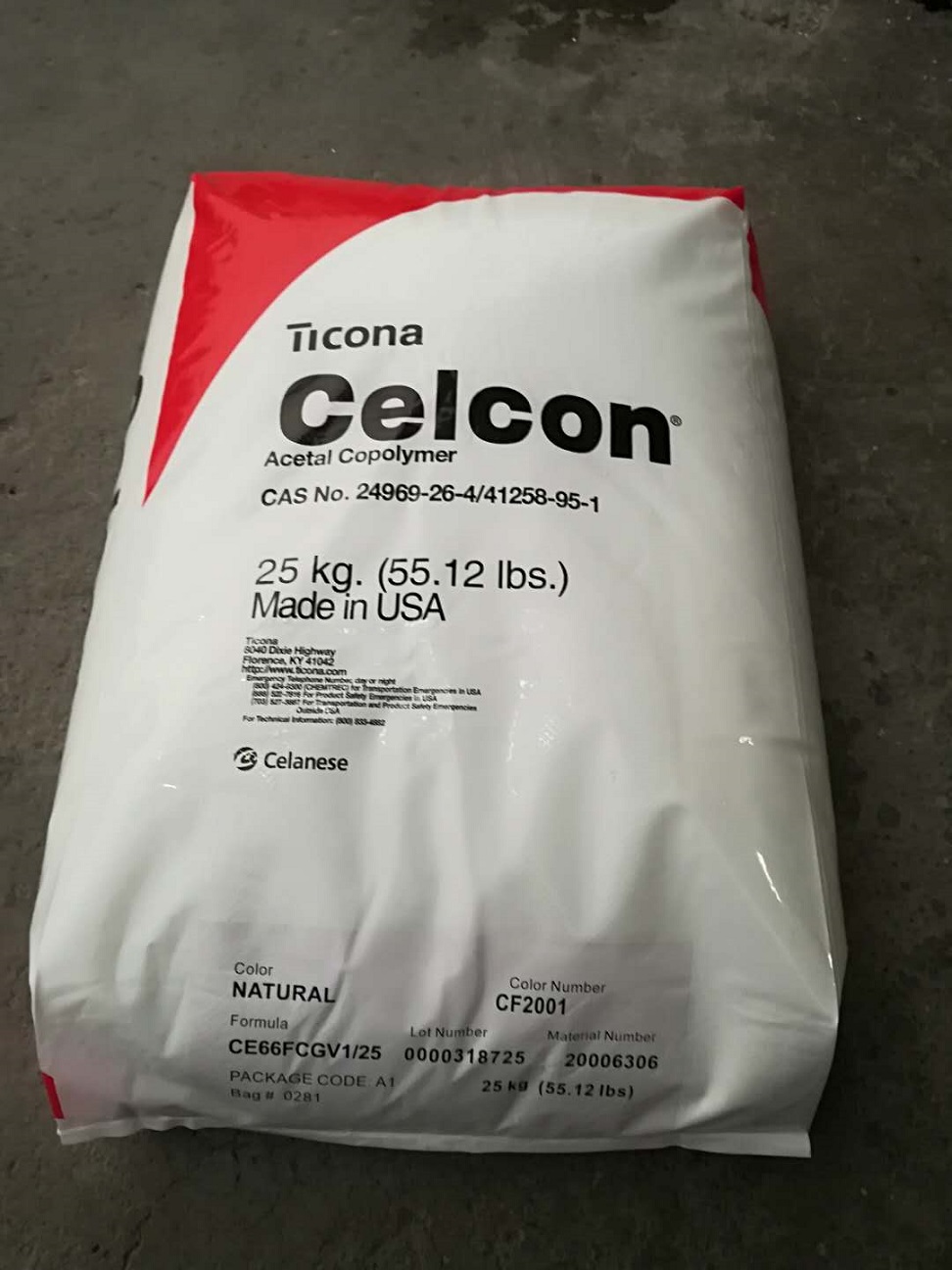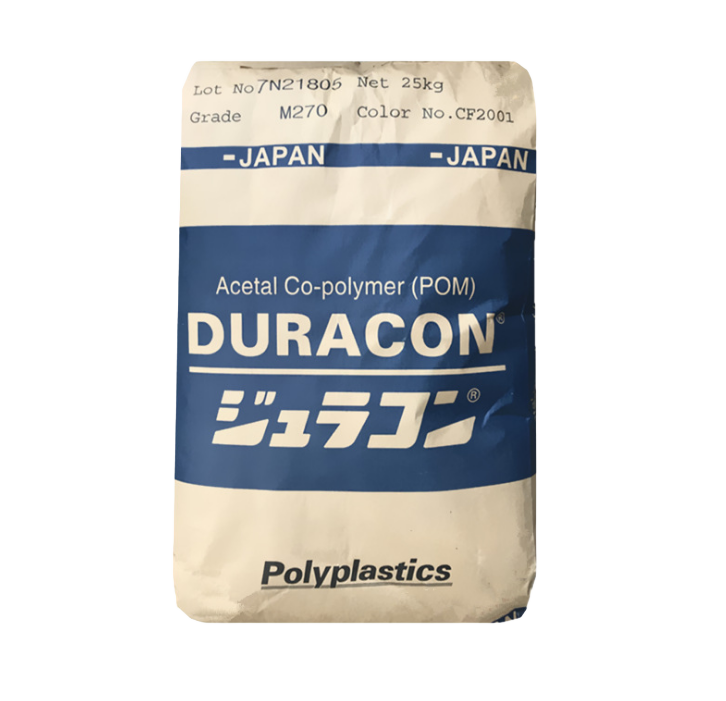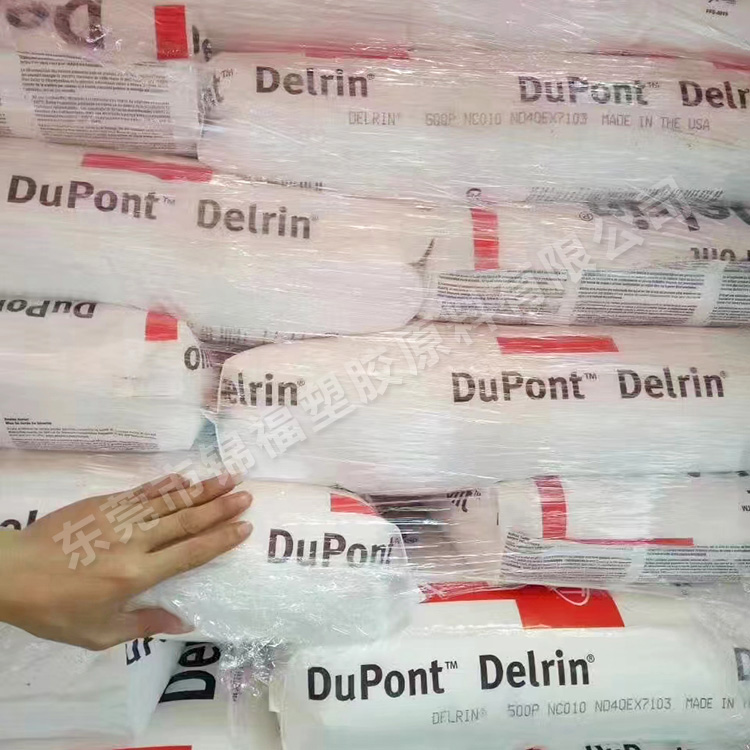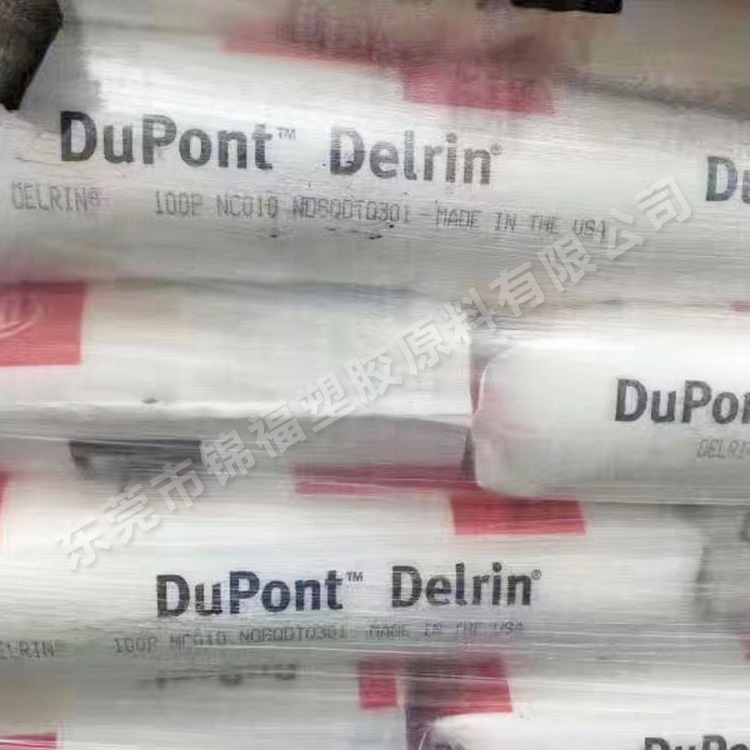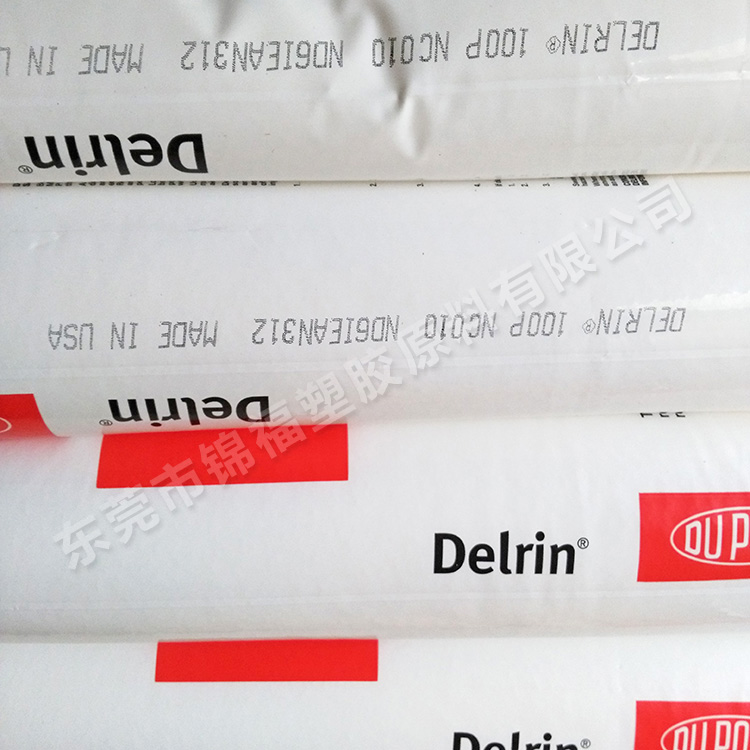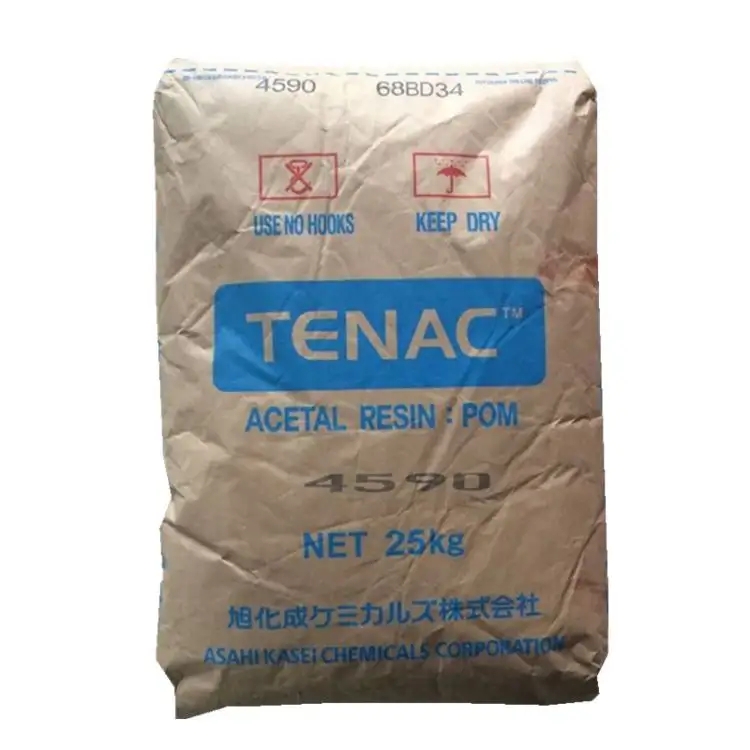
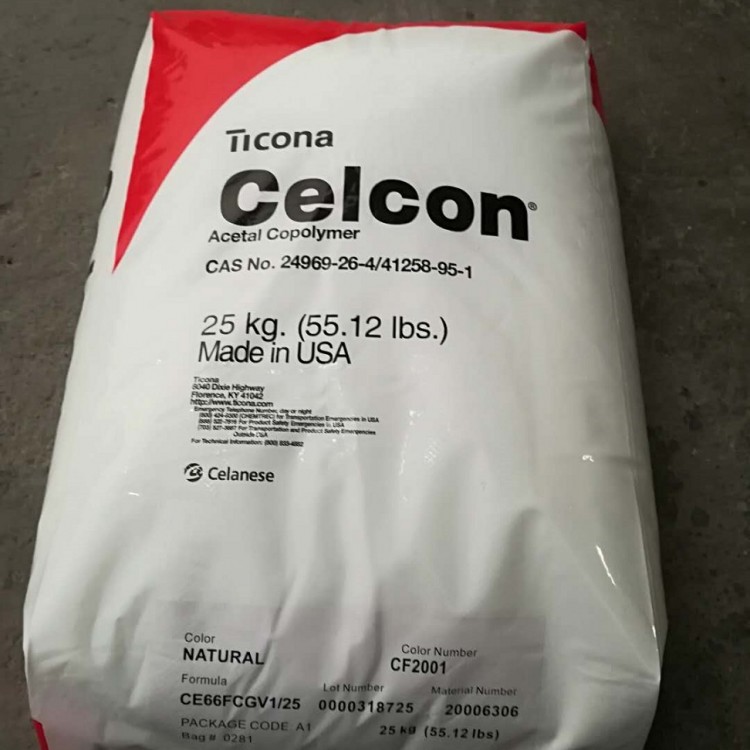
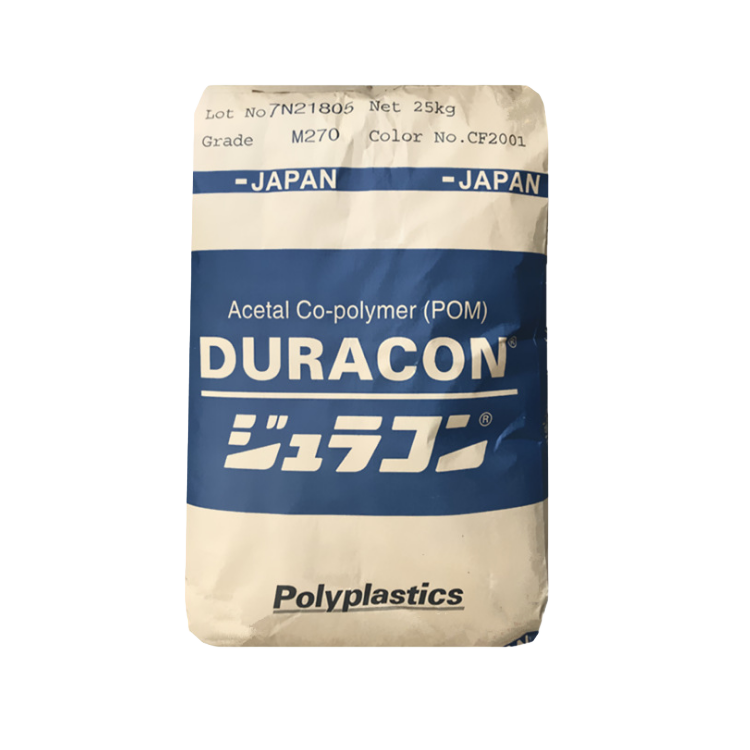
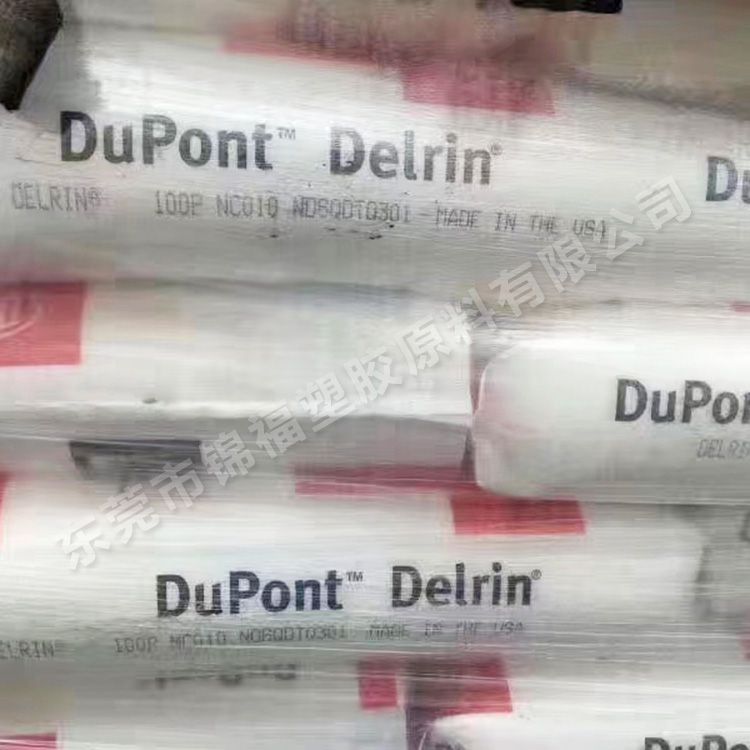







Polymethyl methacrylate (PMMA) is a high-density, high-crystalline linear polymer with no side chains. Due to the shorter bond length of the C-O bond compared to the C-C bond, the packing density along the chain axis of PMMA is greater. Compared to poly, PMMA has shorter carbon-oxygen bonds, higher cohesive energy density, and a higher density. Depending on the chemical structure of the molecular chain, it can be categorized into homopolymer PMMA and copolymer PMMA. The key difference between them is that homopolymer PMMA has higher density, crystallinity, and melting point but poor thermal stability, a narrow processing temperature range (about 10°C), and slightly lower acid-base stability; whereas copolymer PMMA has lower density, crystallinity, melting point, and strength but good thermal stability, is less prone to decomposition, has a wider processing temperature range (about 50°C), and better acid-base stability. It is an engineering plastic with excellent comprehensive properties, featuring good physical, mechanical, and chemical properties, especially superior wear resistance. Commonly known as "SAI steel" or "Duogang," it is the third-largest general-purpose plastic. Suitable for manufacturing parts with wear resistance, transmission parts, as well as components for chemicals, instruments, and more.
| Physical Properties | Rated Value | Unit system | Testing Method |
Density | 1.42 | g/cm³ | ISO 1183 |
Melt Flow Rate | 2.8 | g/10 min | ISO 1133 |
Shrinkage rate | 1.8 to 2.2 | % | Internal methods |
| Mechanical Properties | Rated Value | Unit system | Test Method |
Tensile Modulus | 3000 | MPa | ISO 527-2 |
Tensile stress Submit | 70.0 | MPa | ISO 527-2 |
Tensile strain (Broken) | 50 | % | ISO 527-2 |
Bending Modulus | 2800 | MPa | ISO 178 |
| Impact resistance | Rated Value | Unit System | Testing Method |
Simply Supported Beam Notch Impact Strength | 13 | kJ/m² | ISO 179 |
| Thermal performance | Rated Value | Unit system | Testing Method |
Hot Deformation Temperature | |||
0.45 MPa, as-annealed | 163 | °C | ISO 75-2/B |
1.8 MPa, as-annealed | 100 | °C | ISO 75-2/A |
Linear Thermal Expansion Coefficient - Flow | 0.00010 | cm/cm/°C | ISO 11359-2 |