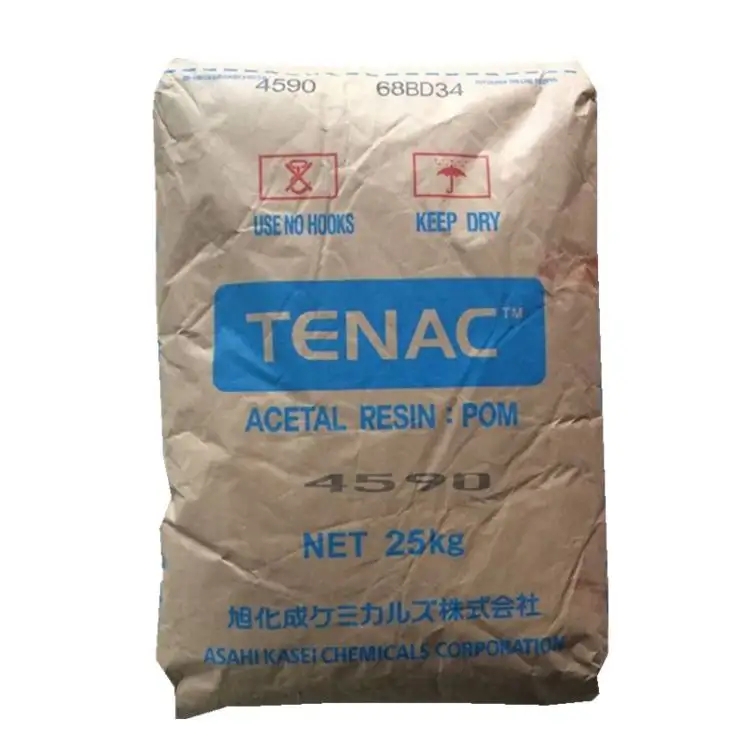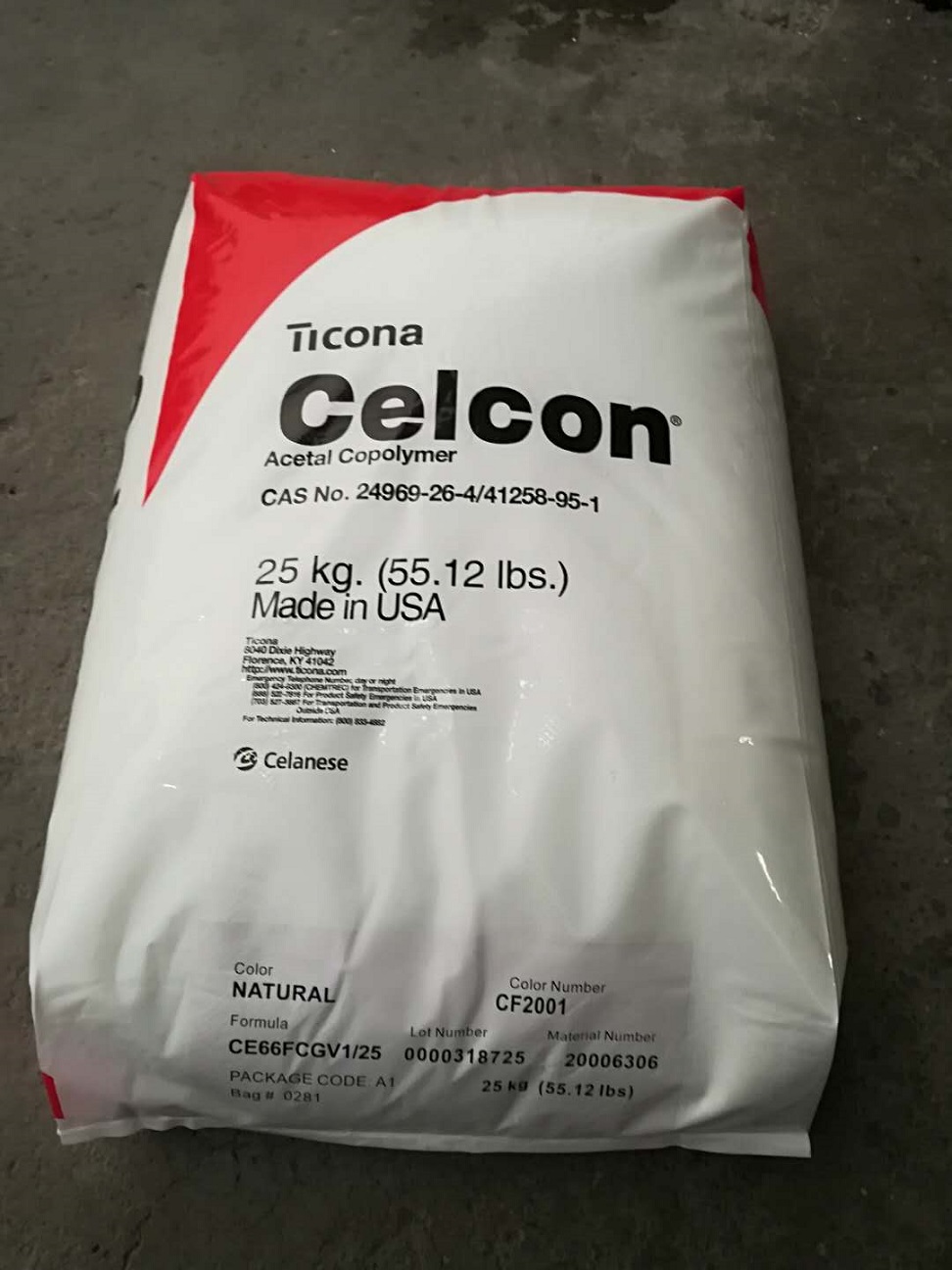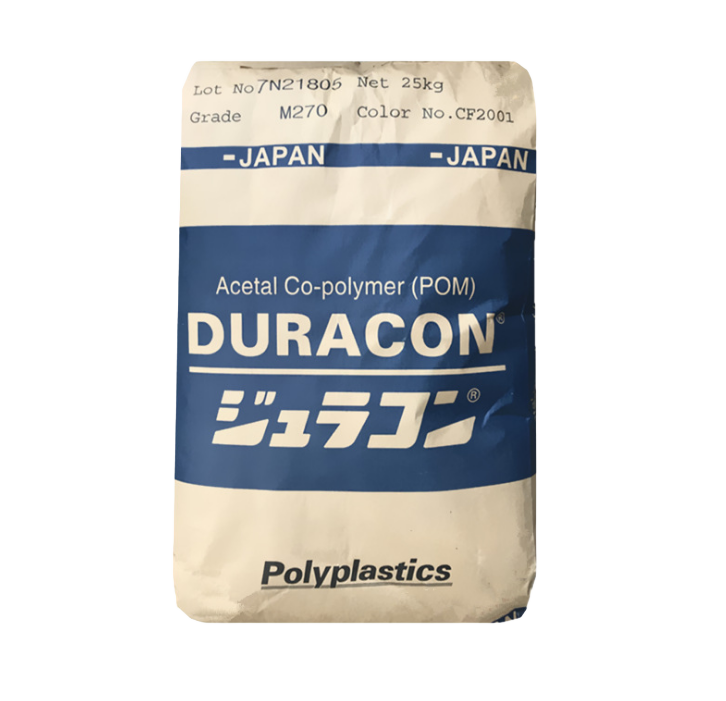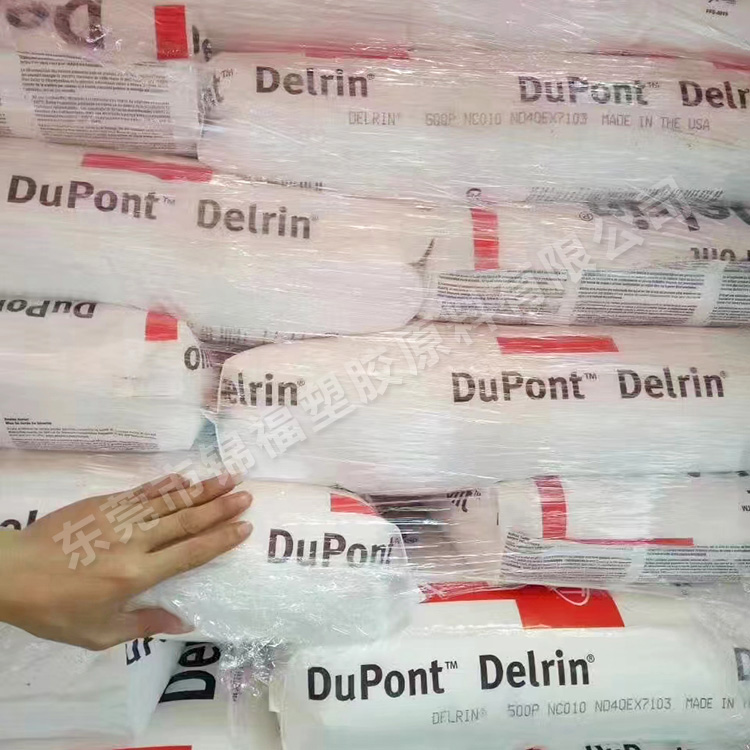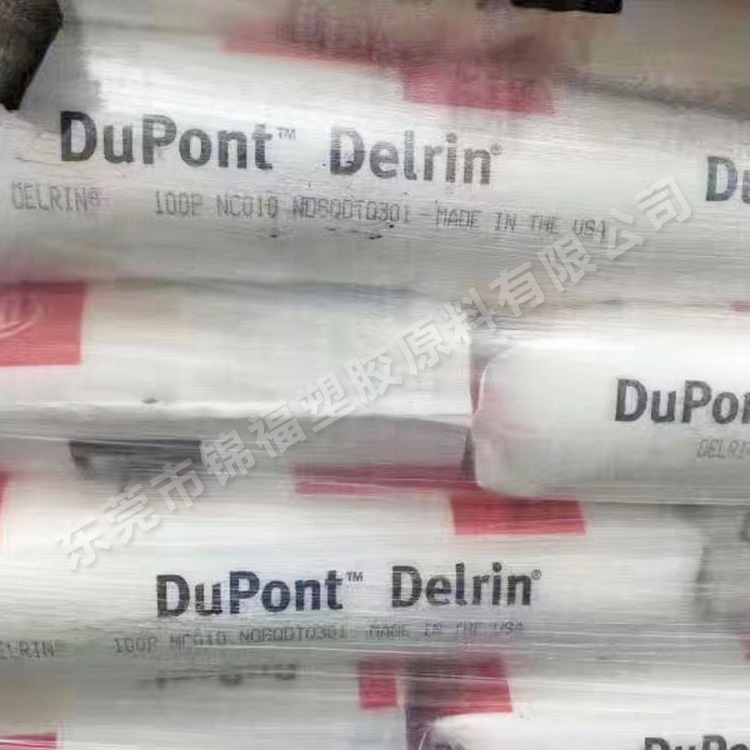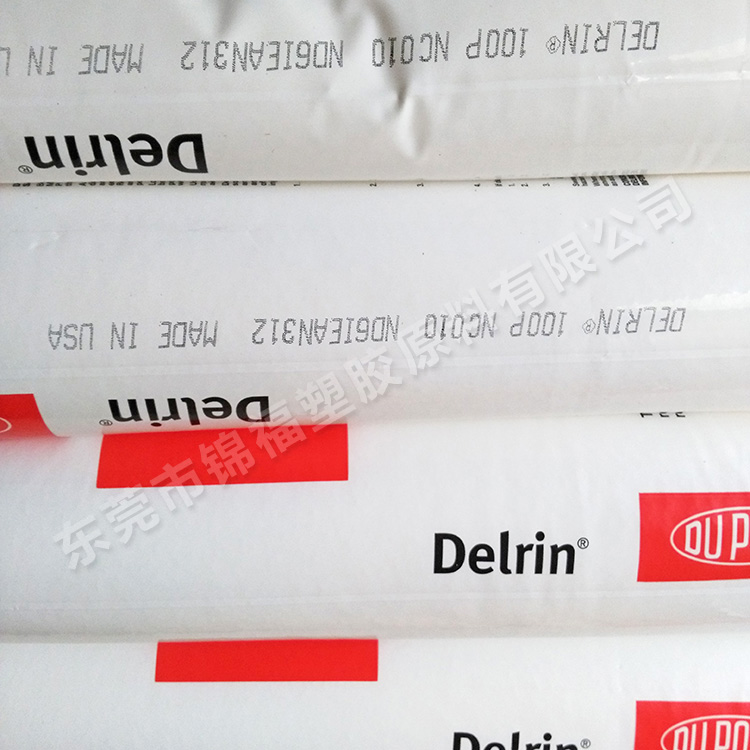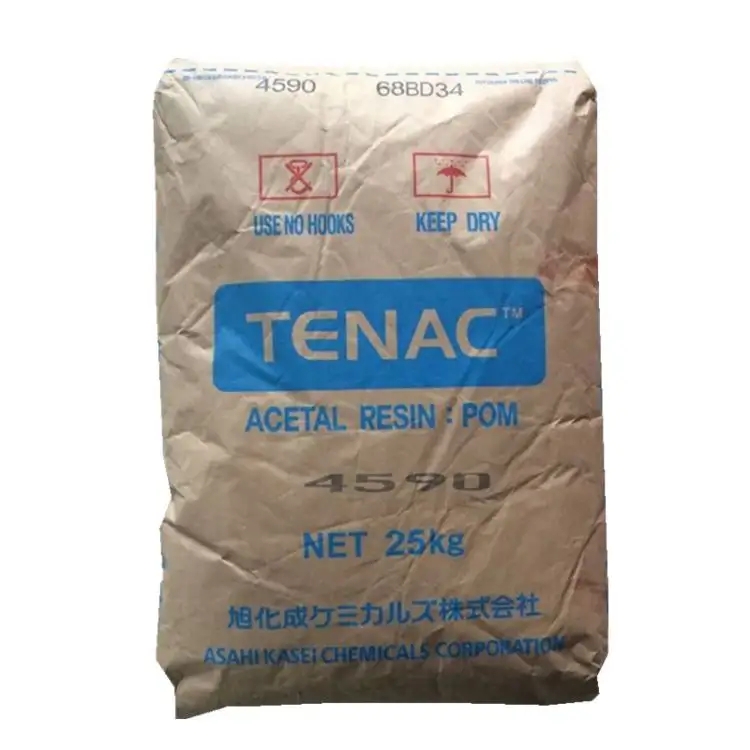
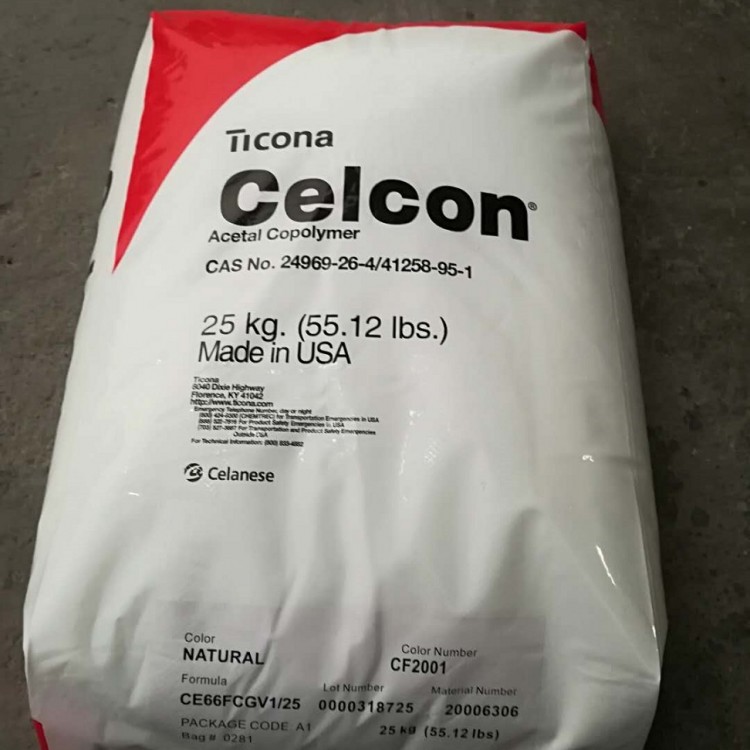
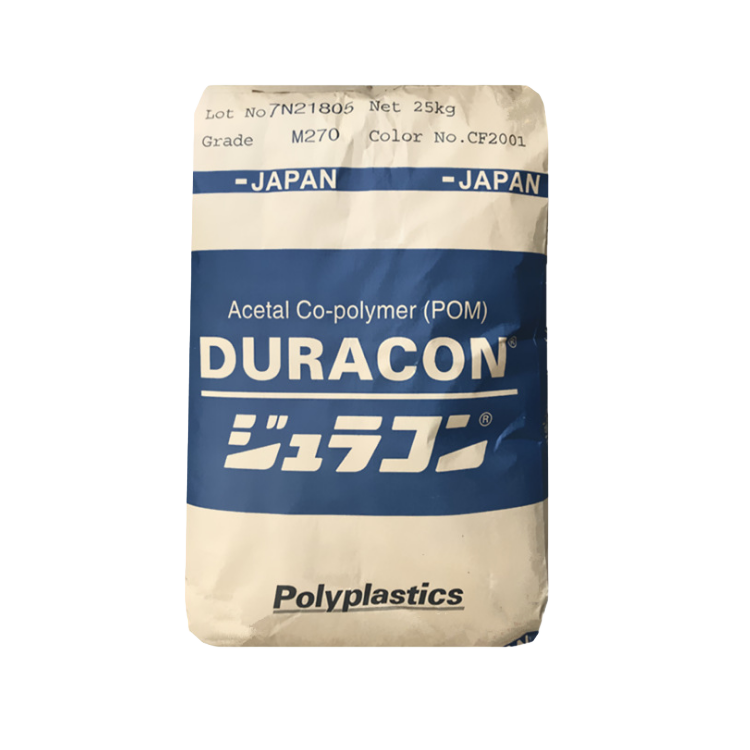
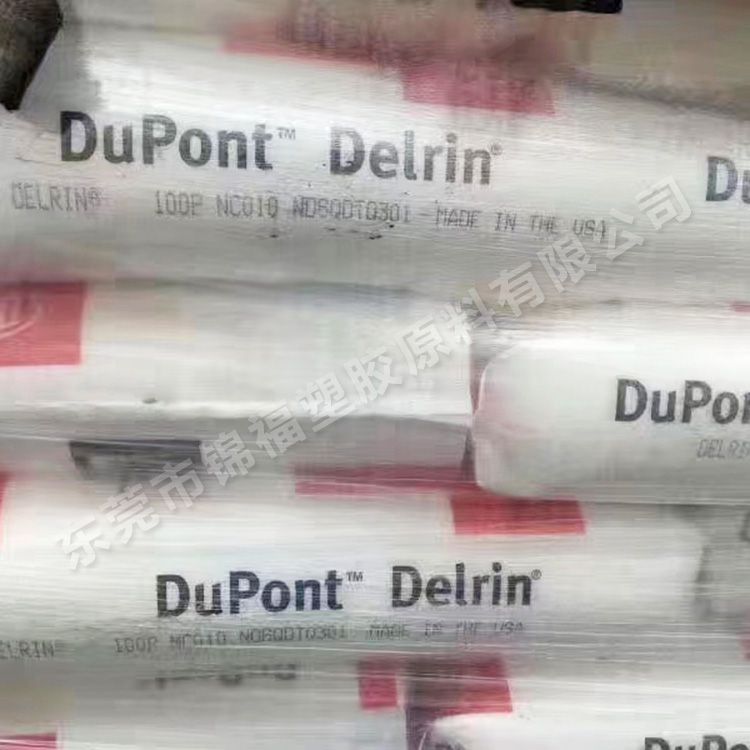







Polyester chips are a hard and high-density raw material with a smooth surface and glossy appearance, ranging from light yellow to milky white with some translucent areas on the thick walls. They are highly flammable, can be reignited after a smoldering phase, and the flames above are pale yellow while those below are sky blue, producing molten droplets. They emit a noticeable刺激性 indoor smell of formaldehyde and fishiness. Polyester chips are in a milky white powder form, generally not fully transparent, with strong coloring properties. Their density is between 1.41-1.43 grams per cubic centimeter, with a shrinkage rate of 1.2-3.0% after forming, and a forming temperature of 170-200°C. The drying standard is 80-90°C for 2 hours.POM has poor long-term temperature resistance, but can reach 160℃ in the short term. In the short term, homopolymer POM is about 10℃ higher than copolymer POM, but over time, copolymer POM can withstand temperatures up to about 10℃ higher than homopolymer POM. It can be used for long-term applications within the temperature range of -40℃ to 100℃. POM is very easy to mold, with a molding temperature of 280℃, and it produces刺激性 gases during the process. Therefore, mold steel should be made from corrosion-resistant materials.
| Physical Properties | Rated Value | Unit system | Testing Method |
Density | 1.45 | g/cm³ | ISO 1183 |
| Mechanical properties | Rated Value | Unit system | Testing Method |
Tensile Stress | 130 | MPa | ISO 527-2 |
Tensile strain (Break) | 1.5 | % | ISO 527-2 |
Bend Modulus | 10000 | MPa | ISO 178 |
Bend Strength | 185 | MPa | ISO 178 |
Coefficient of Friction | JIS K7218 | ||
vs. Unknown - Dynamic 2 | 0.35 | ||
With Steel - Dynamic 3 | 0.27 | ||
Wear Factor | JIS K7218 | ||
0.49 MPa, 0.30 m/sec 4 | 10 | 10^-8 mm³/N·m | |
0.060 MPa, 0.15 m/sec 5 | 200 | 10^-8 mm³/N·m | |
0.49 MPa, 0.30 m/sec 6 | 500 | 10^-8 mm³/N·m | |
0.060 MPa, 0.15 m/sec 7 | 10000 | 10^-8 mm³/N·m | |
| Impact Resistance | Rated Value | Unit system | Testing Method |
Simply supported beam notch impact strength | 4.5 | kJ/m² | ISO 179/1eA |
| Thermal performance | Rated Value | Unit system | Testing Method |
Hot Deformation Temperature (1.8 MPa, as-annealed) | 163 | °C | ISO 75-2/A |
Linear Coefficient of Thermal Expansion | |||
Flow: 23 to 55°C | 0.000010 | cm/cm/°C | |
Horizontal: 23 to 55°C | 0.000090 | cm/cm/°C |
| Electrical Performance | Rated Value | Unit System | Testing Method |
Surface Resistivity | 3.0E+2 | ohm | IEC 60093 |
Volume resistivity | 1.0E+3 | ohm·cm | IEC 60093 |