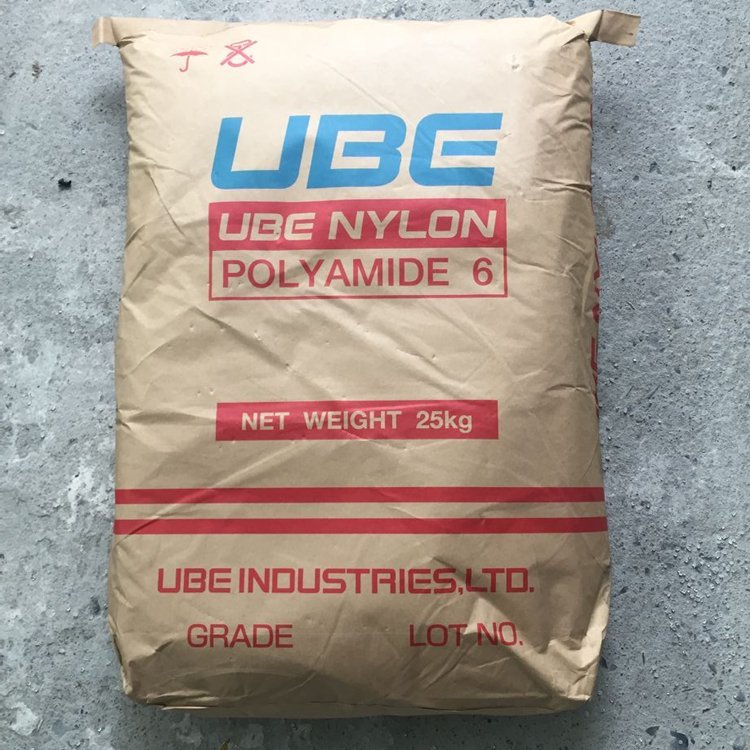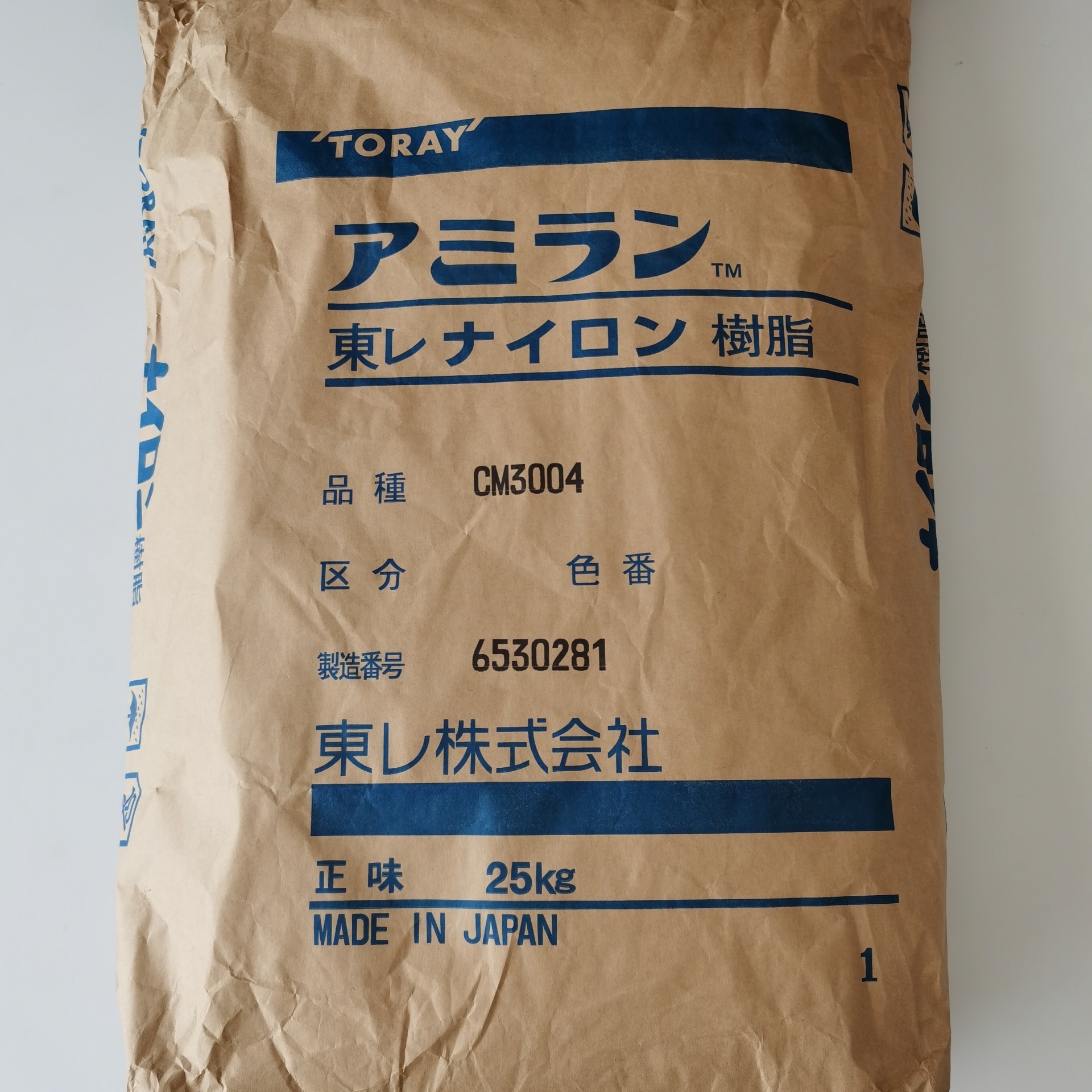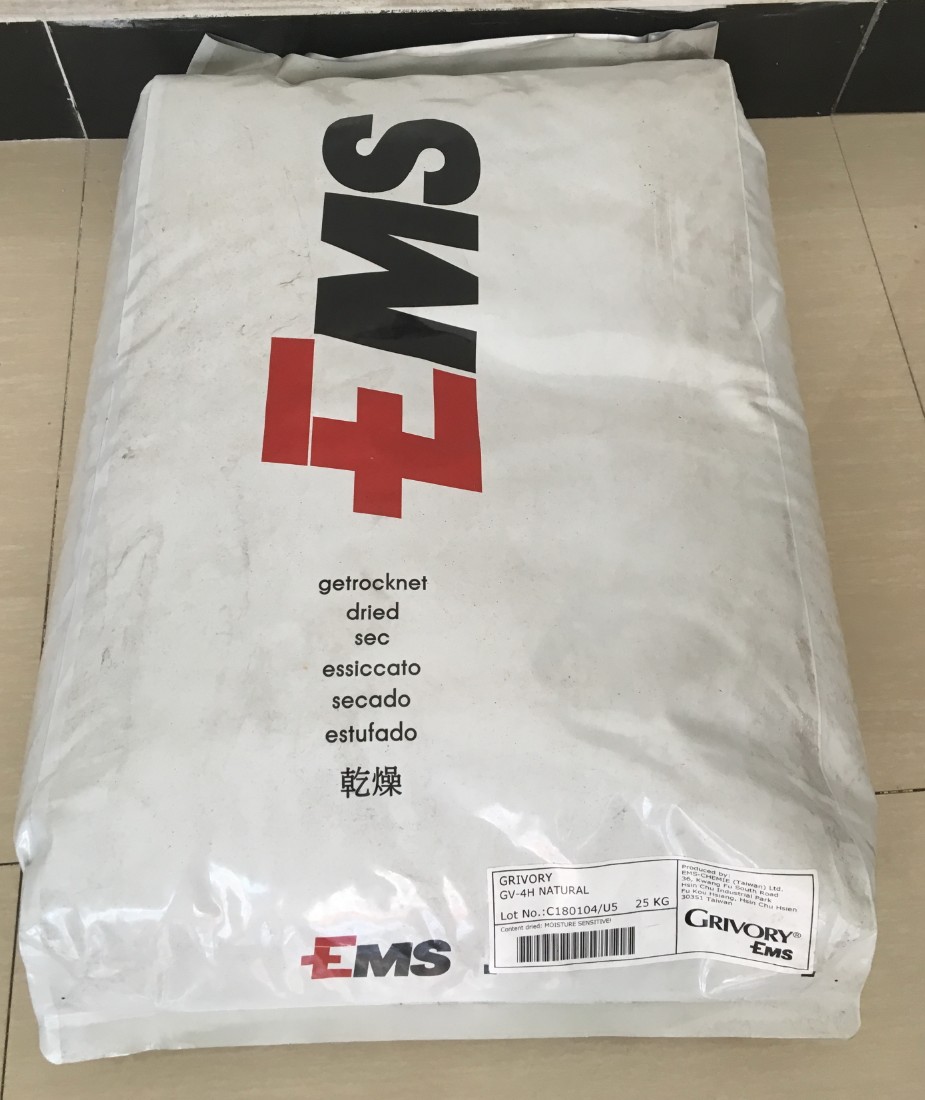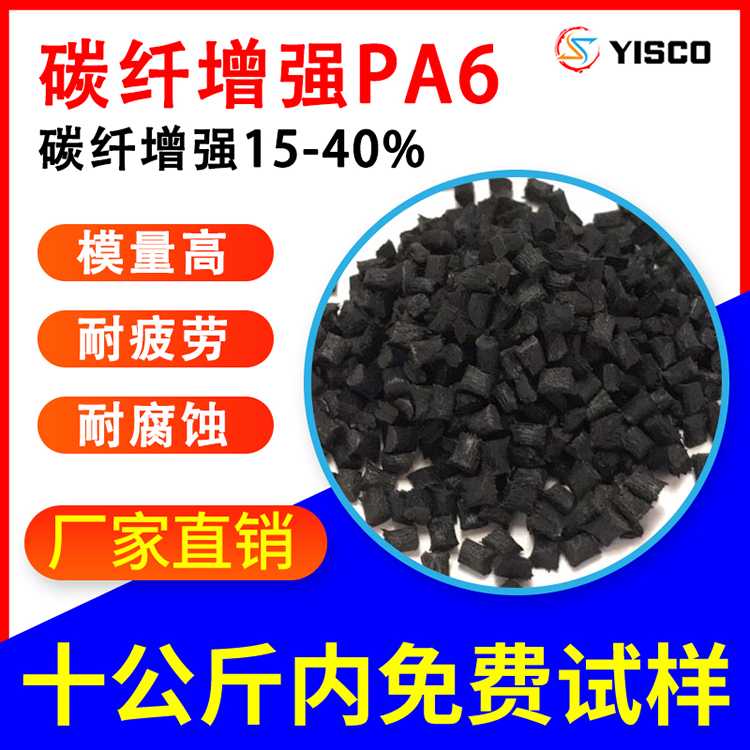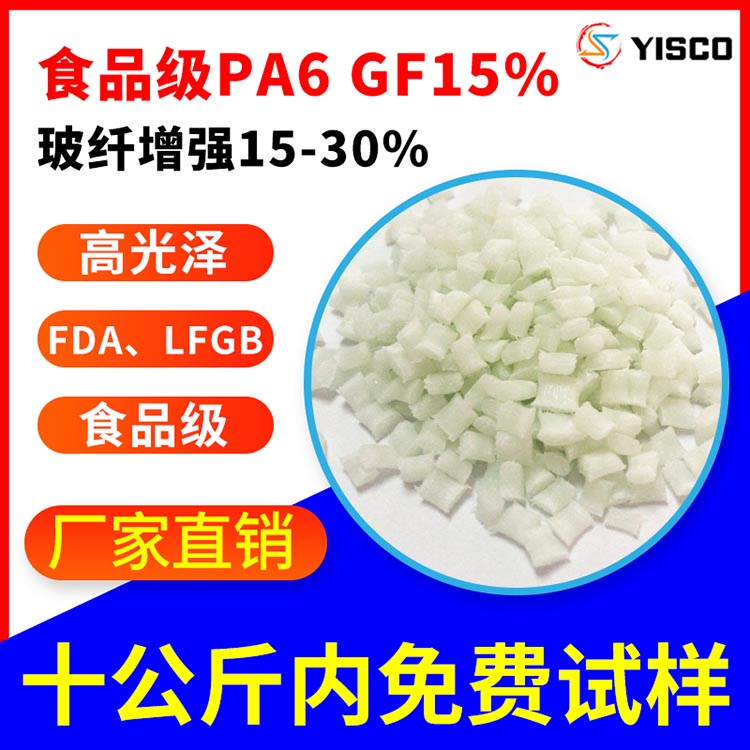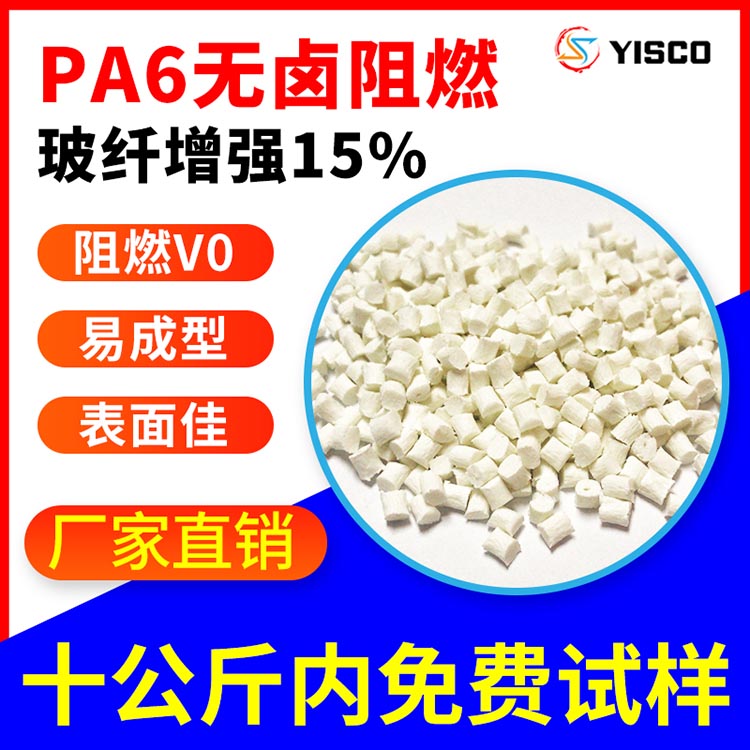
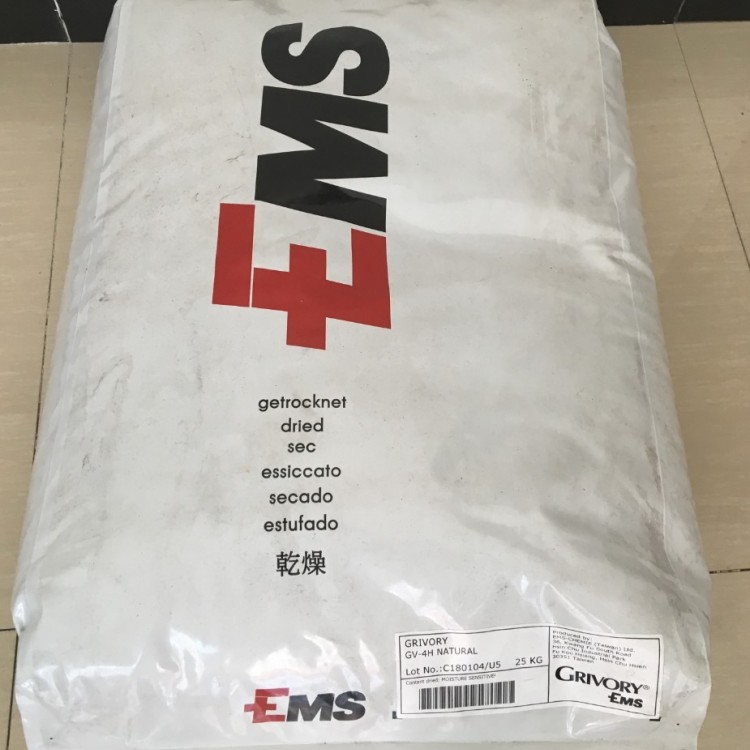
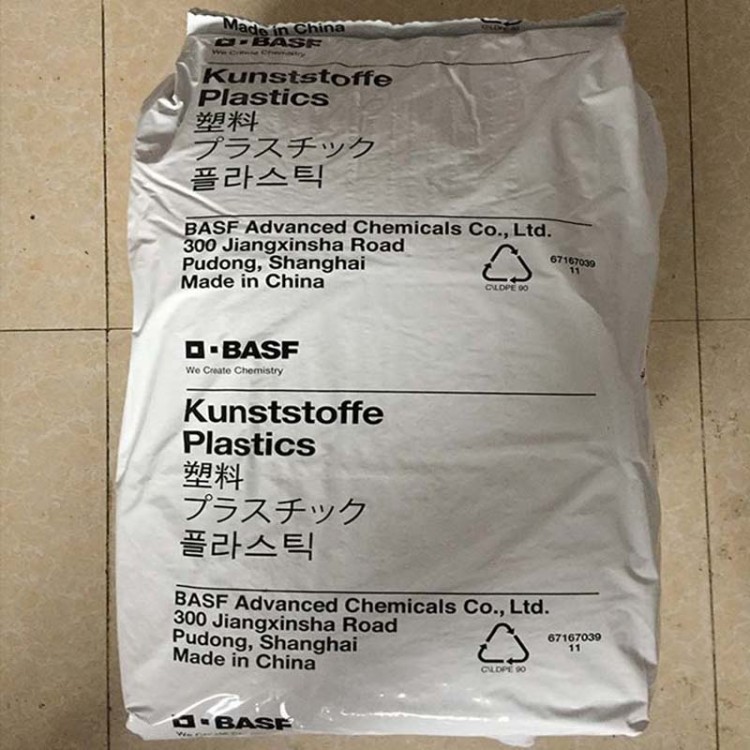







PA6, also known as Nylon 6, is a semi-transparent or opaque, milky white particle with thermoplastic properties, lightweight, good toughness, resistance to chemicals, and excellent durability.Generally used in products such as automotive parts, mechanical components, electronic appliances, and engineering accessories. The chemical and physical properties of PA6 are very similar to those of PA66, but it has a lower melting point and a wider processing range. It offers better impact and solvent resistance than PA66, but also higher moisture absorption. Since many quality characteristics of plastic parts are affected by moisture absorption, this should be fully considered when designing products with PA6. To enhance the mechanical properties of PA6, various modifiers are often added. Glass fiber is the most common additive, and synthetic rubbers like EPDM and SBR are sometimes added to improve impact resistance.
| Overall | |
Material Status |
|
Materials 1 | Processing - Injection Molding (English)Processing - Injection Molding of Glass-reinforced Zytel (English)Typical Processing for DuPont Engineering Polymers (English) |
UL Yellow Card 2 |
|
Search for UL Yellow Card |
|
Supplying Areas | North America, Africa and Middle East, Latin America, Europe, Asia-Pacific region |
Filling Material/Reinforcing Materials |
|
Additive |
|
Performance Features | Ultrasonic weldable rigidity, good luster, high tensile strength, excellent surface smoothness, general-purpose |
Usage | Industrial Applications of High-Gloss Sparkling Point: Home Appliance Parts, Sports Equipment |
RoHS Compliance |
|
Appearance |
|
Form |
|
Manufacturing Process |
|
Multi-point data | Isothermal Stress vs. Strain (ISO 11403-1)Shear Modulus vs. Temperature (ISO 11403-1) |
Part Identification Code (ISO 11469) |
|
Resin ID (ISO 1043) |
|
| Physical Properties | Dry | Adjusted | Unit system | Testing Method |
Density | 1.51 | -- | g/cm³ | ISO 1183 |
Shrinkage rate | ||||
Flow: 1.60 mm | 0.10 | -- | % | Internal methods |
Flow: 3.20 mm | 0.20 | -- | % | Internal methods |
Lateral Flow: 1.60 mm | 1.0 | -- | % | Internal methods |
Horizontal Flow: 3.20 mm | 0.90 | -- | % | Internal Method |
Lateral Flow: 2.00 mm | 0.90 | -- | % | ISO 294-4 |
Flow Rate: 2.00 mm | 0.15 | -- | % | ISO 294-4 |
Absorption rate | ISO 62 | |||
Saturated, 23°C | 4.9 | -- | % | |
Balanced, 23°C, 50% RH | 1.5 | -- | % |