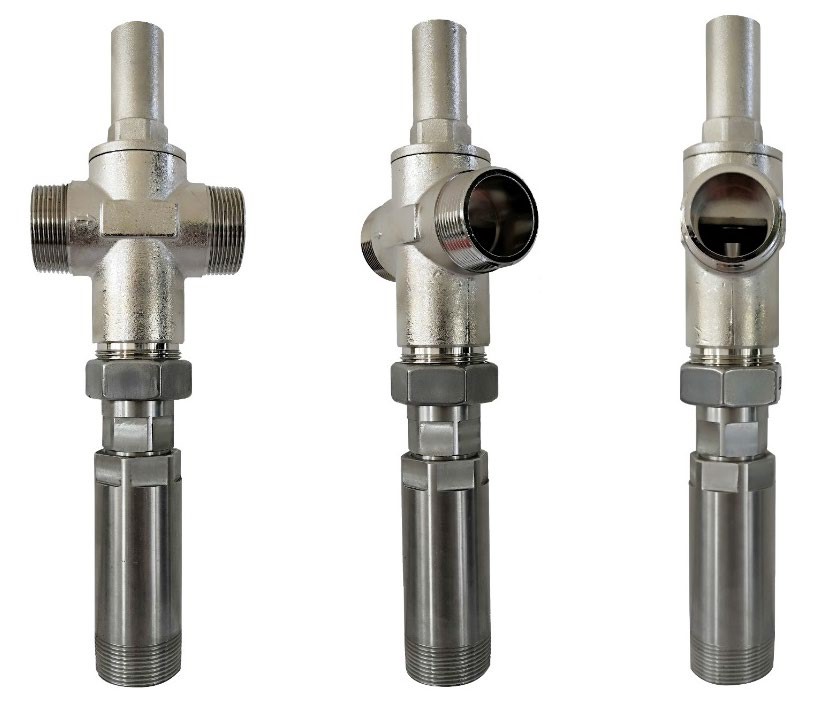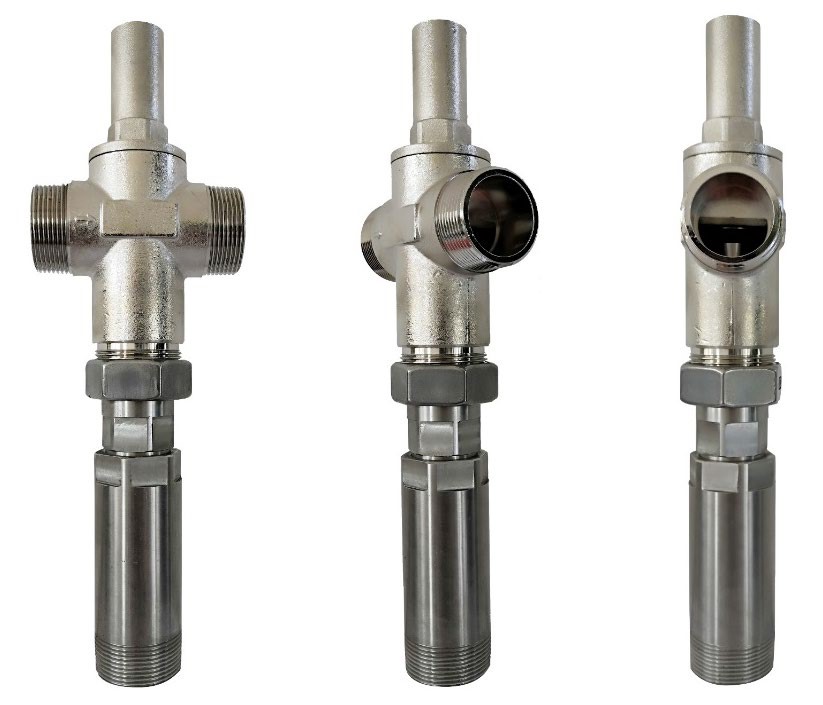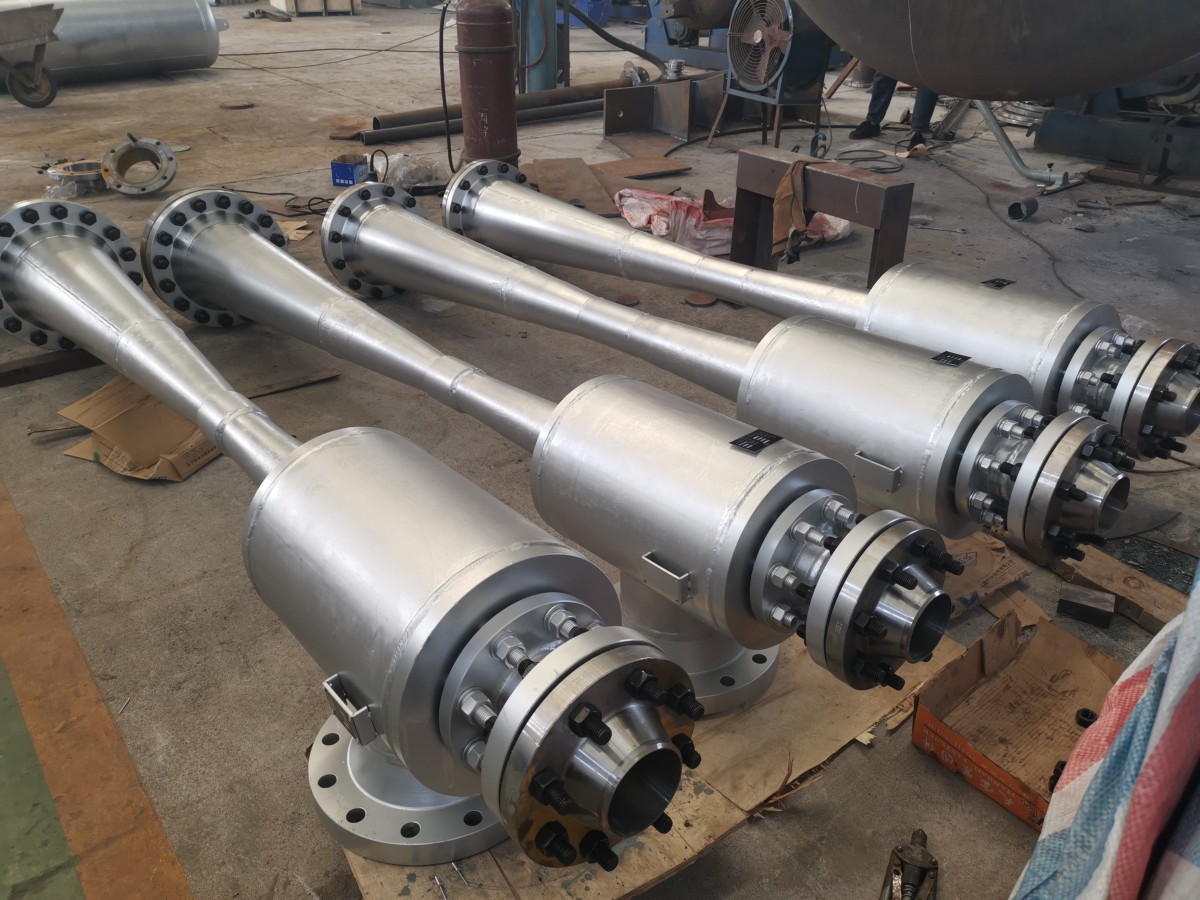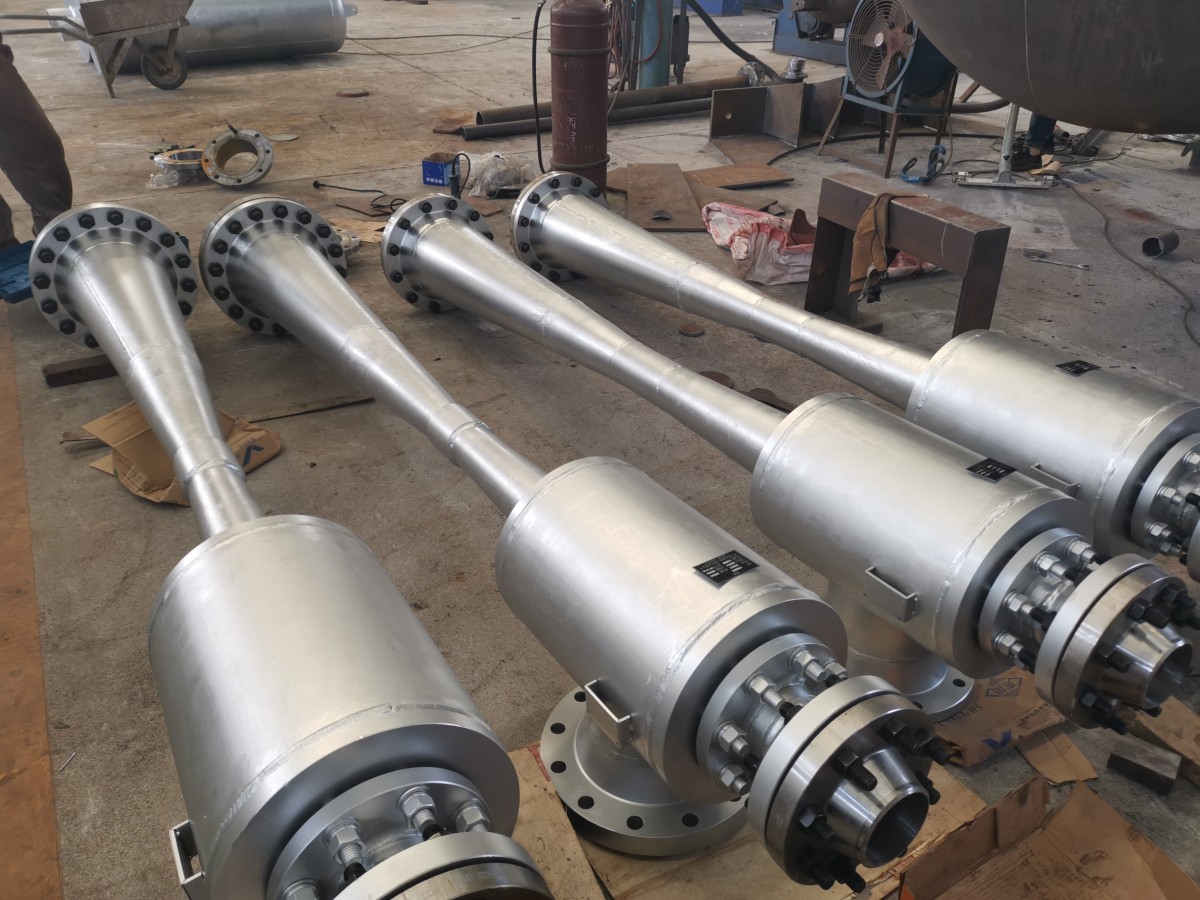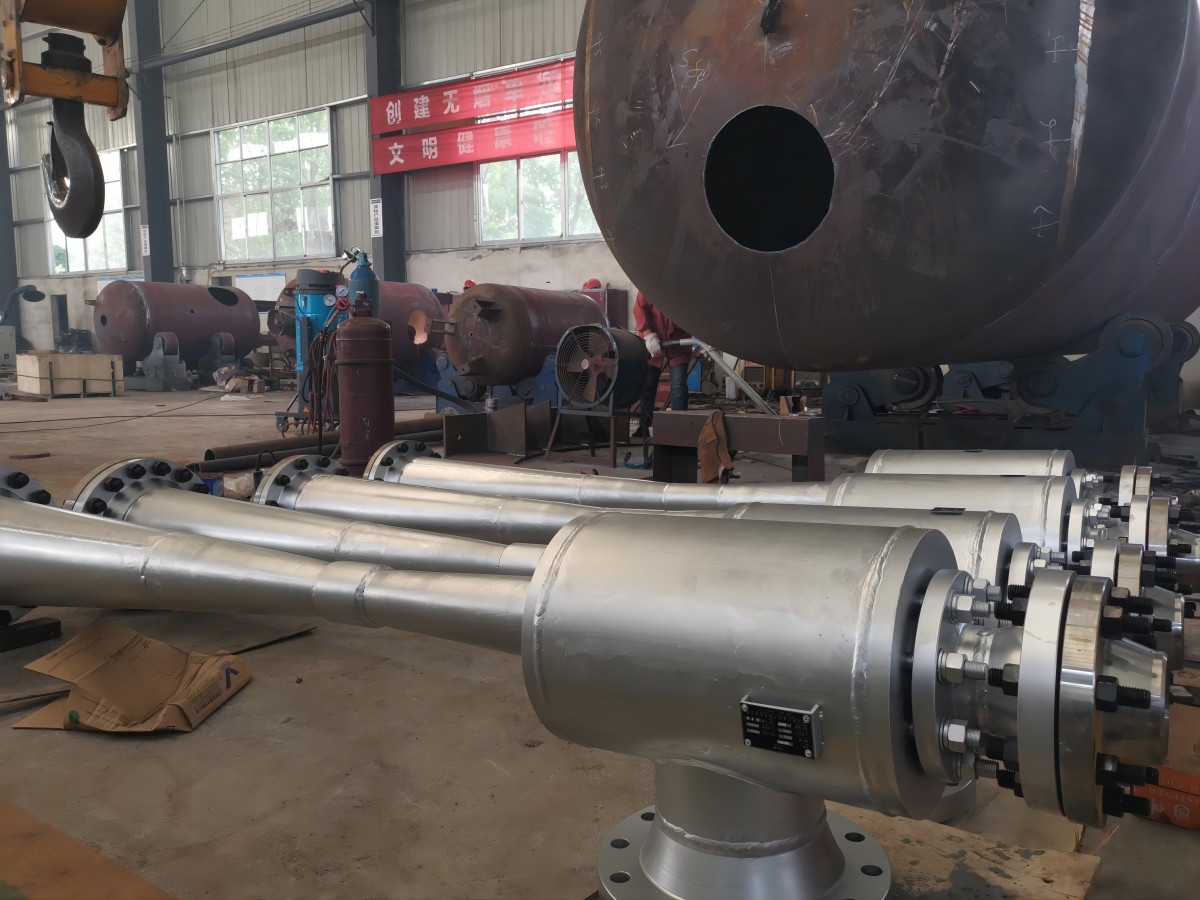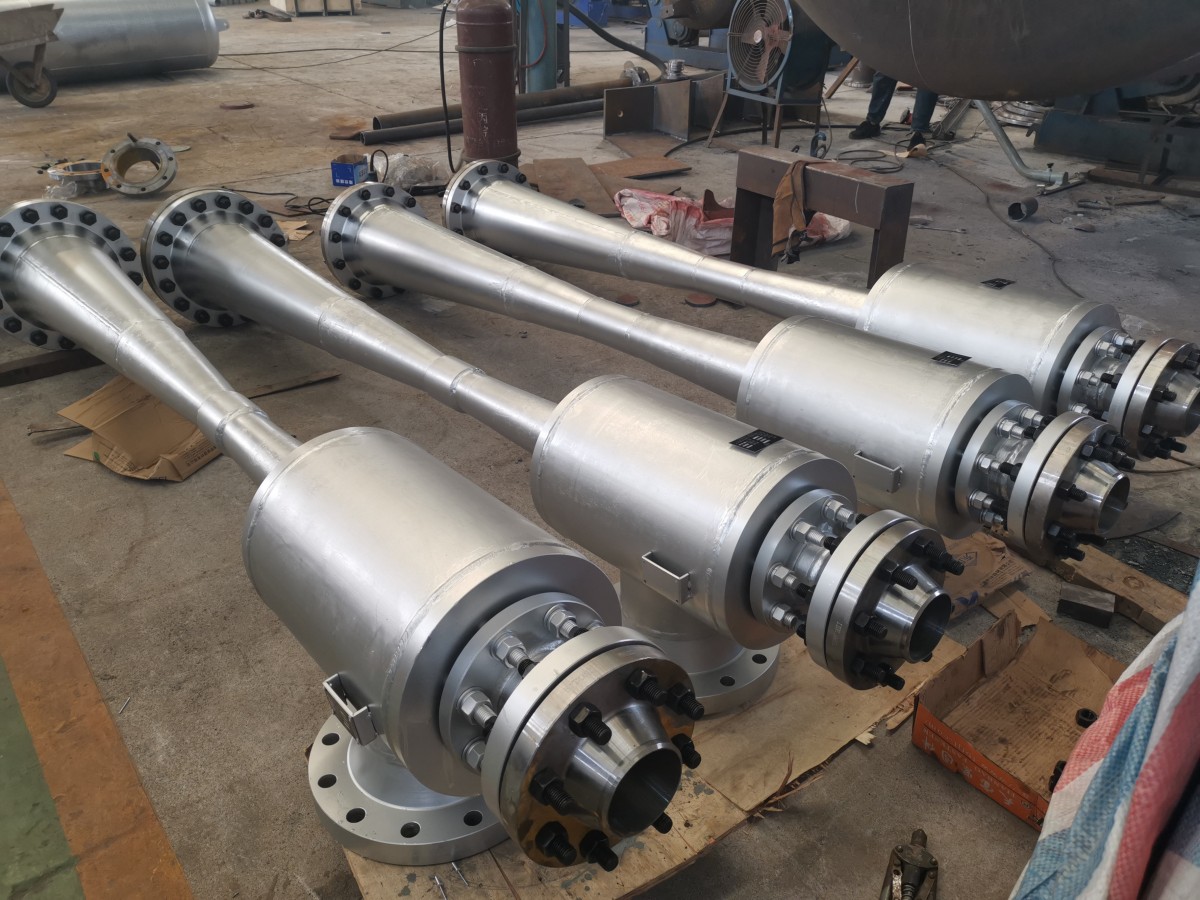


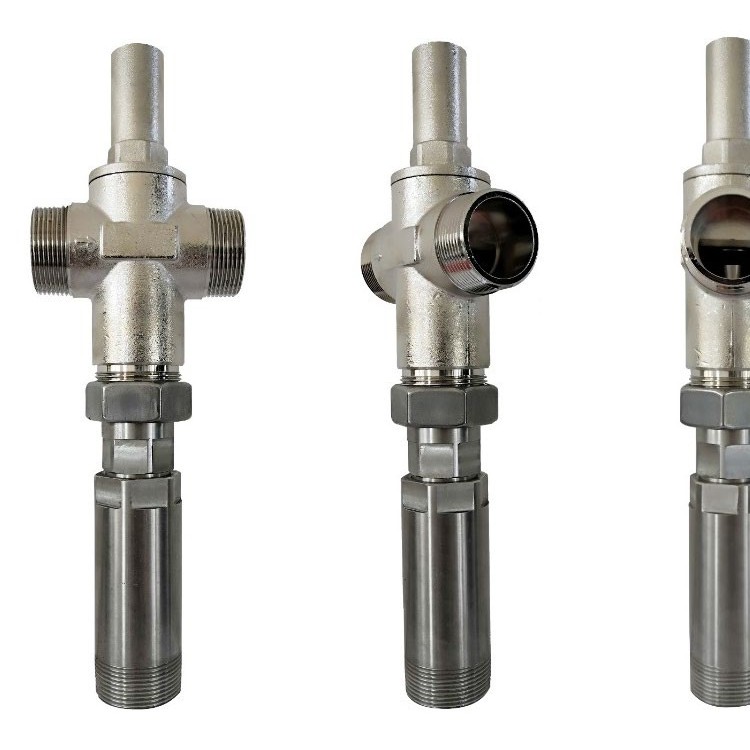


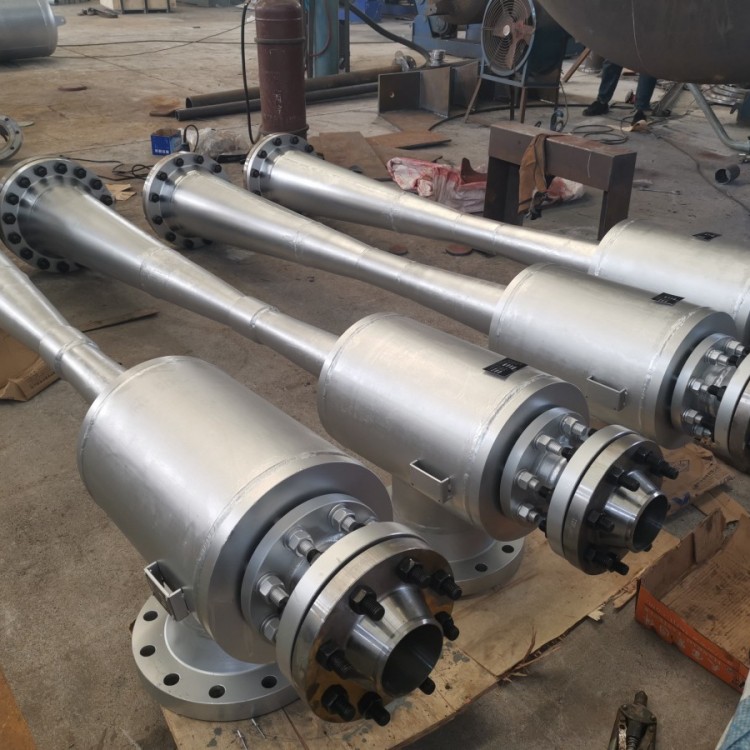
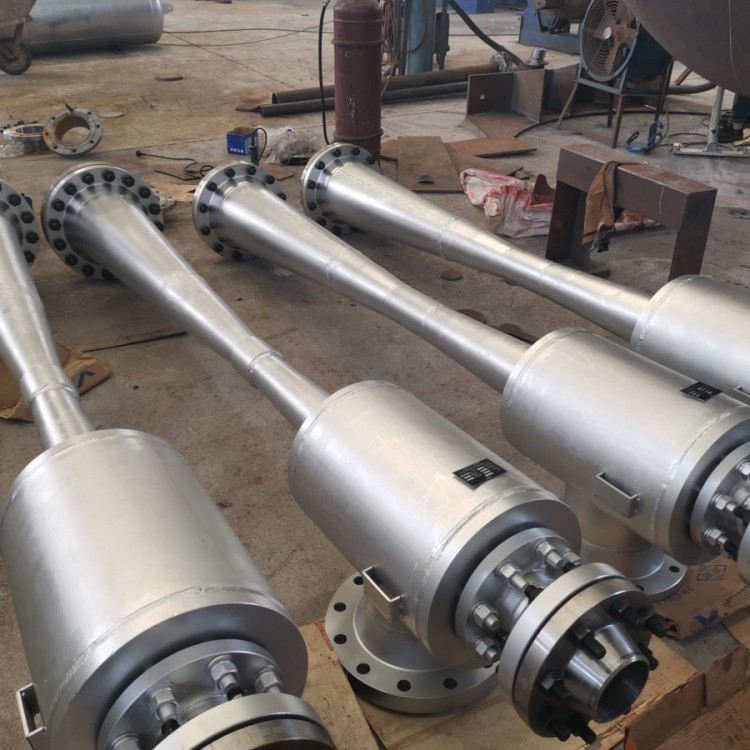
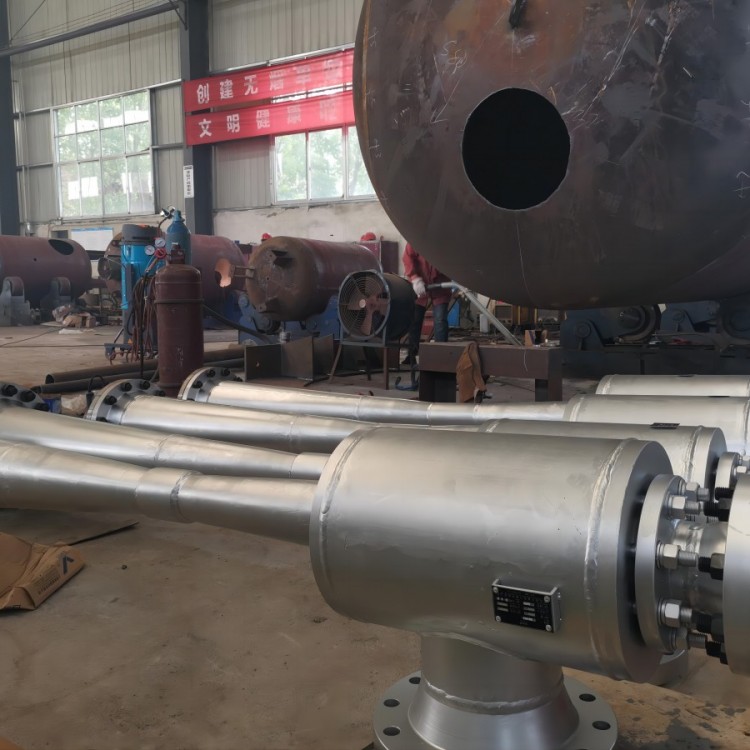
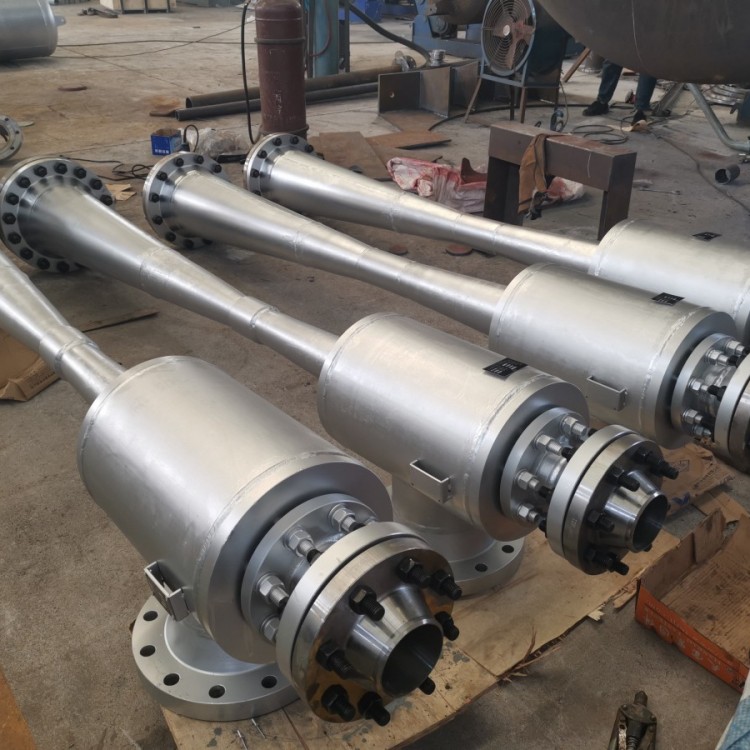






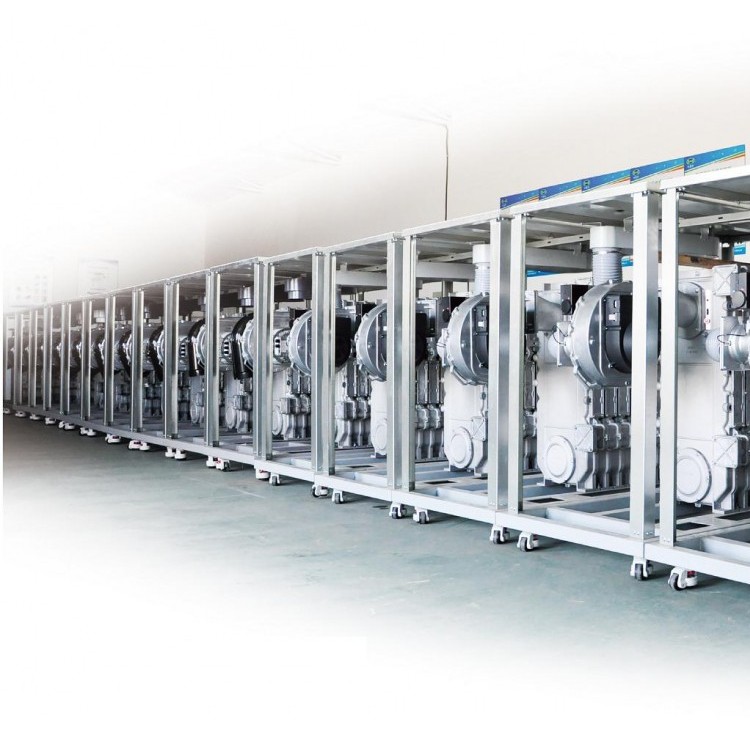
Minot International's Second Heating Network Regulation - Jet Pump
Heating systems typically consist ofHeat sources, heat networks, heat usersThree parts, with the main energy consumption occurring at the thermal user end. The high energy consumption at the thermal user end is primarily due to the hydraulic imbalance issues commonly found in the secondary heating network to varying degrees. This leads to higher room temperatures for nearby thermal users and lower temperatures for those further away. To meet the heating standards for the unfavorable loop thermal users, heating providers are forced to increase the overall heating temperature and flow rate of the secondary network, resulting in excessively high thermal and electrical specific energy consumption. The main reasons for the unbalanced hydraulic conditions in the heating network are the comprehensive causes at the design, construction, and operation stages.

Illustration of working water pressure in energy-saving devices and traditional balancing systems secondary network
(System hydraulic stability coefficient = (ΔPy / (ΔPw + ΔPy))^1/2)
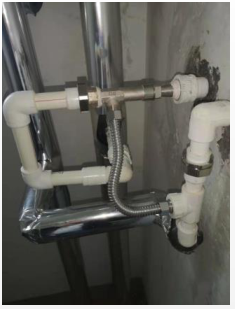
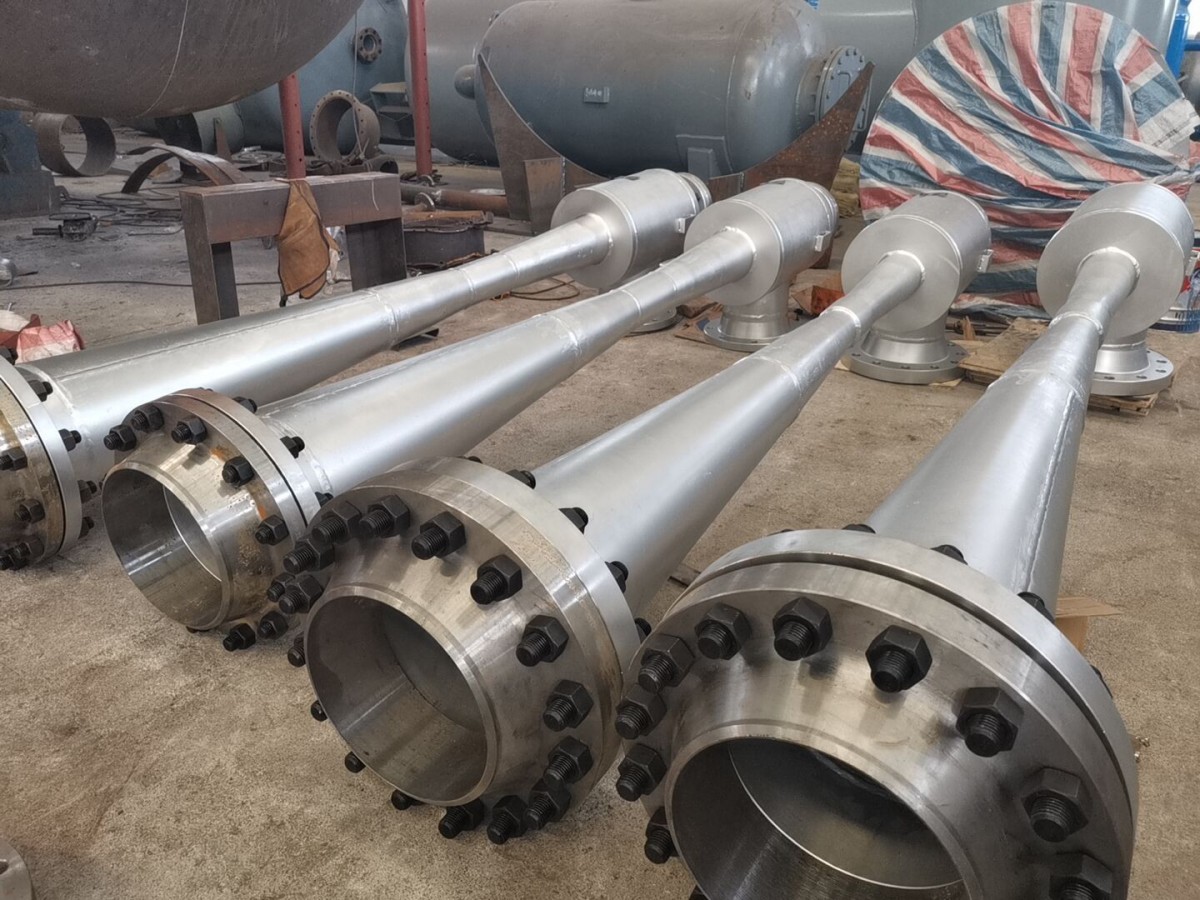
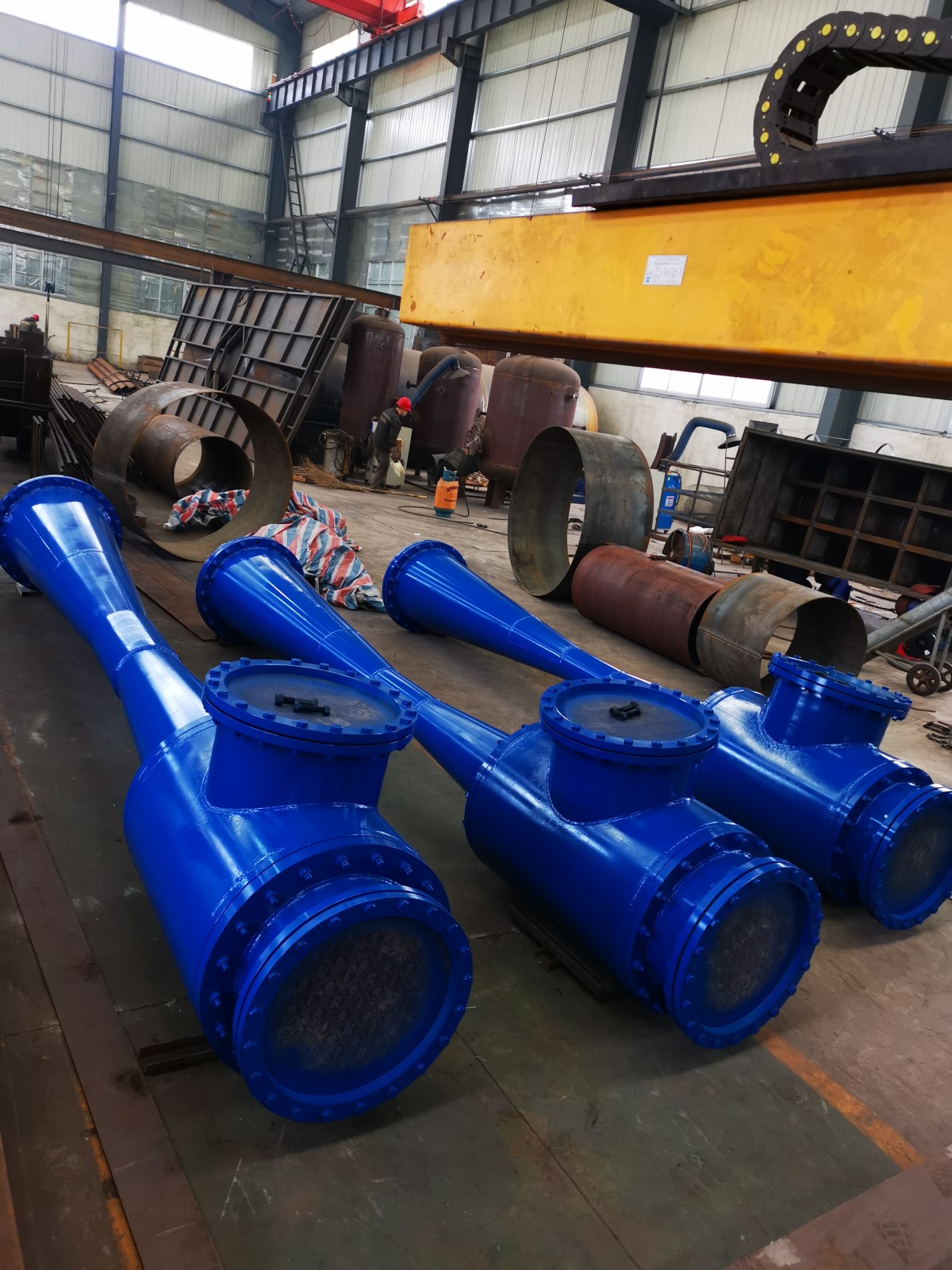
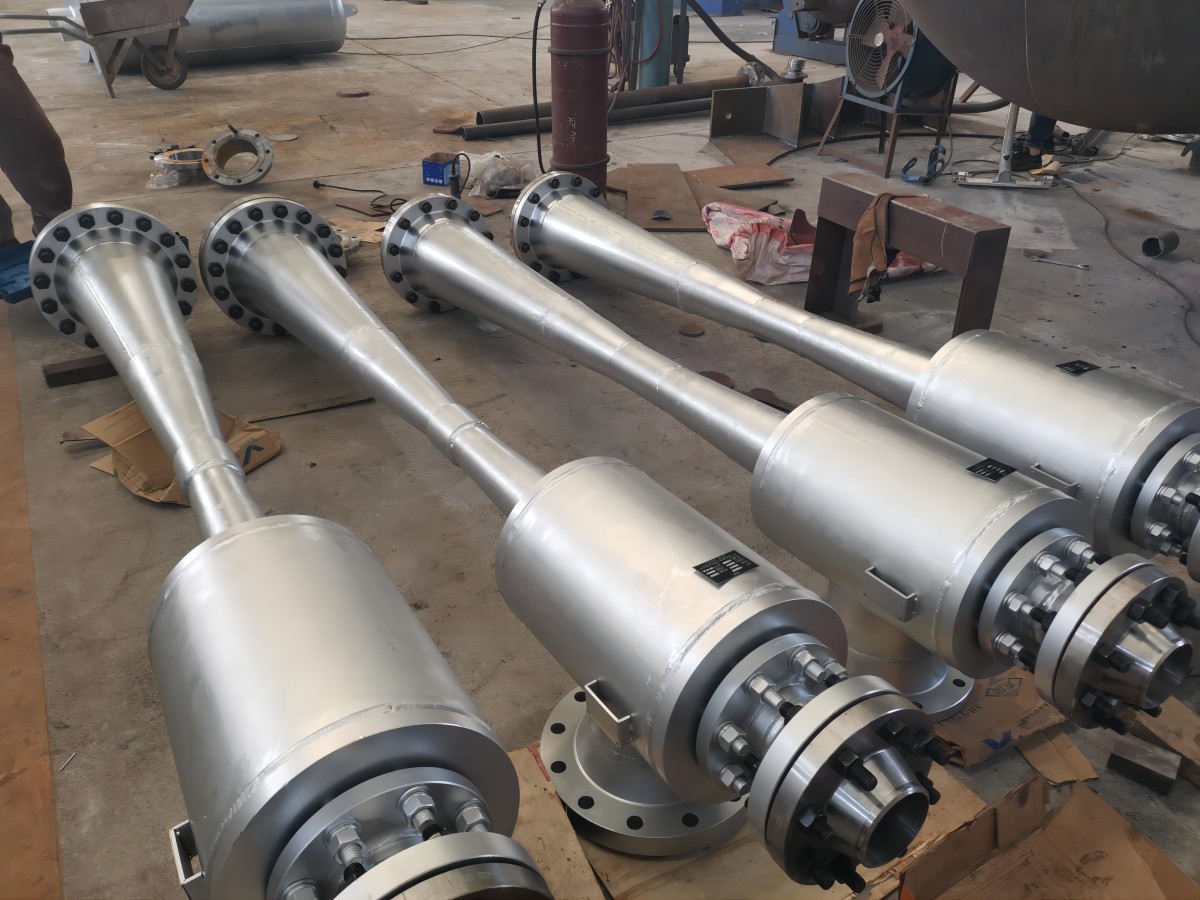
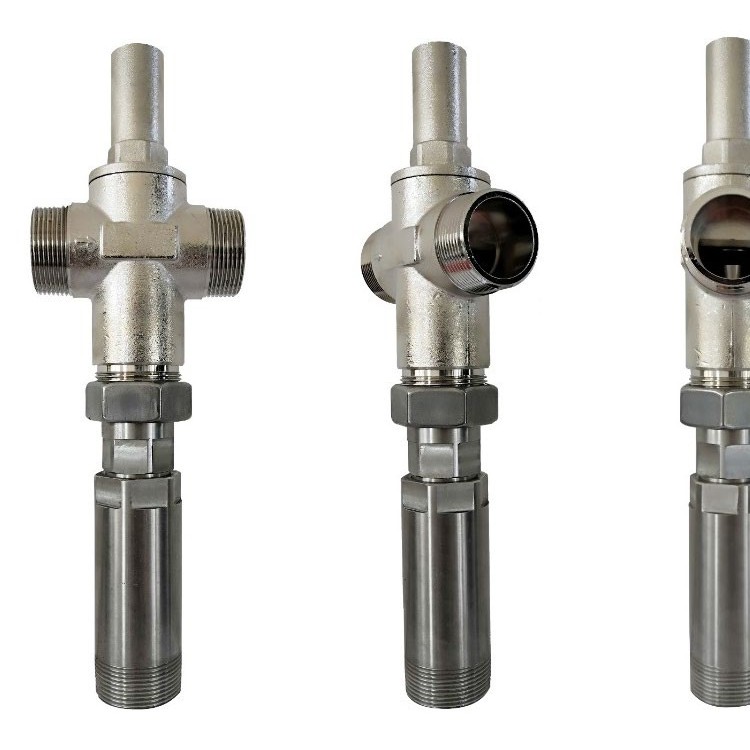
Principle of Energy Saving: The jet pump is a mixed water device that utilizes "excess head" to draw back water. The jet pump system has very high hydraulic stability, eliminating the distinction between "remote" and "near" heat users. Therefore, it is simple to adjust and can basically solve the hydraulic imbalance between floors completely, while also eliminating unnecessary overheat losses, achieving heat saving between floors. After the jet pump is put into operation, the original courtyard pipeline network is conceptually divided into a secondary network and a tertiary network. The secondary network operates under the condition of "low flow rate, high temperature difference"; the heat users in the tertiary network operate under the condition of "high flow rate, low temperature difference," ensuring the circulation water volume on the user side.
Operational Advantages:
(1) Jet pumps and high-precision regulating valves can automatically regulate the hydraulic balance of the secondary heating network in district heating, including vertical temperature equalization within buildings and hydraulic balance between buildings.
(2) Reducing the flow in heat exchange stations and secondary networks, significantly lowering the resistance in these systems, can increase the heating radius of the heat network.
(3) Reduce the flow of the thermal station and the second network, saving 30-50% of the circulating pump's electrical consumption.
(4) Improve the secondary network balancing valve to reduce excessive heating, achieving a 5-30% energy saving.
Minot International Energy Services (Beijing) Co., Ltd., a wholly-owned subsidiary of Minot-Zhenlan Group investing in China, has been committed to thermal measurement services since 2007. It is also a member of the China Energy Conservation Association and the China Building Energy Conservation Association. Since its establishment, the company has participated in heating measurement transformation projects covering over 15 million square meters. Through thermal measurement, it has accumulated extensive practical experience in energy-saving transformation.
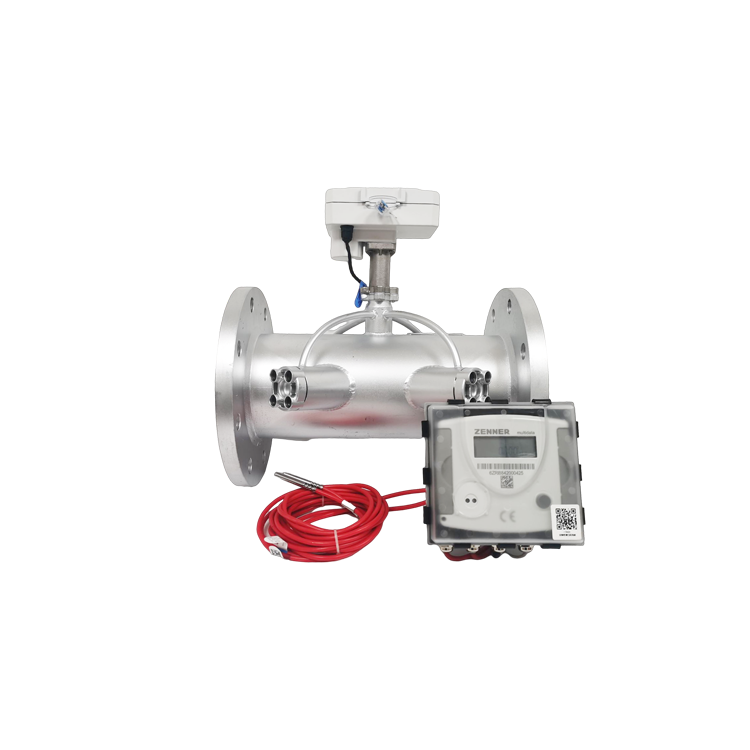
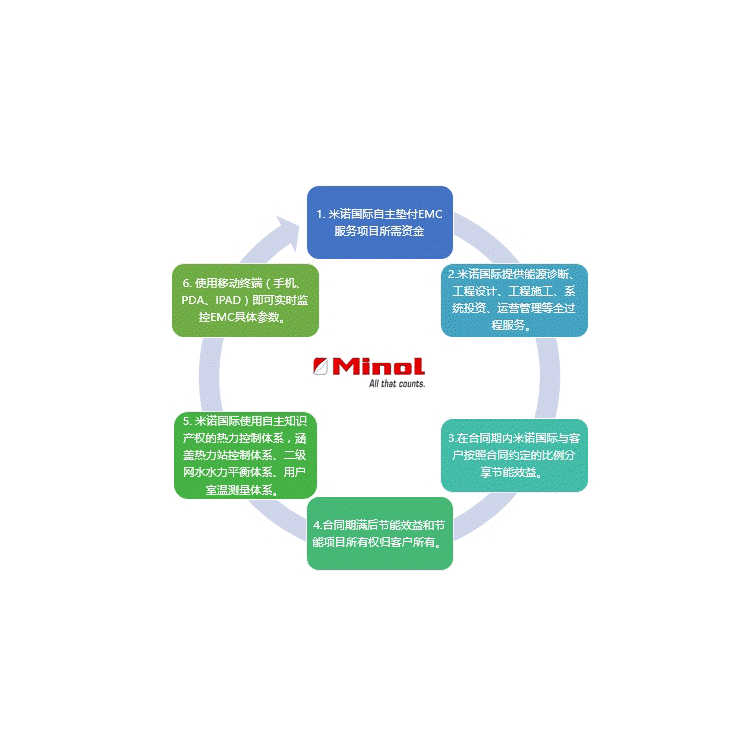
MinO International offers rigorous energy audit services, along with diverse and effective energy-saving retrofitting, contract energy management, and is committed to the sale of metering equipment, construction projects, energy audits, Energy Performance Contracting (EPC), Energy Management Contract (EMC), heating and cooling metering, energy-saving retrofits, heating operation (BOT), and comprehensive energy-saving solutions for water, electricity, gas, and heat.
Please call directly for inquiries or to request product information.010-88575406Please call for inquiries.
All intellectual property rights of this product are reserved by Minno International Energy Service (Beijing) Co., Ltd.