










Product Details
I. Features
During the boiler start-up process and when the steam turbine is heated by the steam, more steam will enter the condenser. If a certain vacuum is not established in the condenser, the entry of steam and water into the condenser will cause the condenser to develop positive pressure, damaging the equipment. The establishment of vacuum in the condenser is an indispensable condition for the steam turbine to start up. Condenser and some low-pressure equipment (like condensate pumps, drainage pumps, and some low-pressure heaters, etc.) are in a vacuum state internally during normal operation. Due to the loose pipes and casings, air leaks in, thereby破坏ing the vacuum of the condenser and posing a risk to the safe and economic operation of the steam turbine. At the same time, the partial pressure of air in the condenser increases, leading to a higher dissolved oxygen content in the condensate, which exacerbates corrosion of the thermal equipment and pipes. The presence of air also increases the heat transfer resistance in the steam separator, affecting the cooling of the steam turbine exhaust by the circulating cooling water, and increases the power consumption of the plant. Therefore, it is necessary to continuously extract air from the condenser during its operation.
In summary, the vacuum system's function is:①Establish condenser vacuum at the early stage of the unit start-up②Maintain the condenser vacuum during normal unit operation to ensure the unit's safe and economic operation. The main vacuum equipment for the condenser includes vacuum pumps and vacuum ejectors. The water jet vacuum ejector system is widely used in domestic large and medium-sized units due to its simple design and reliable operation.
Section 2: Structure and Working Principle of Water Jet Vacuum Pump
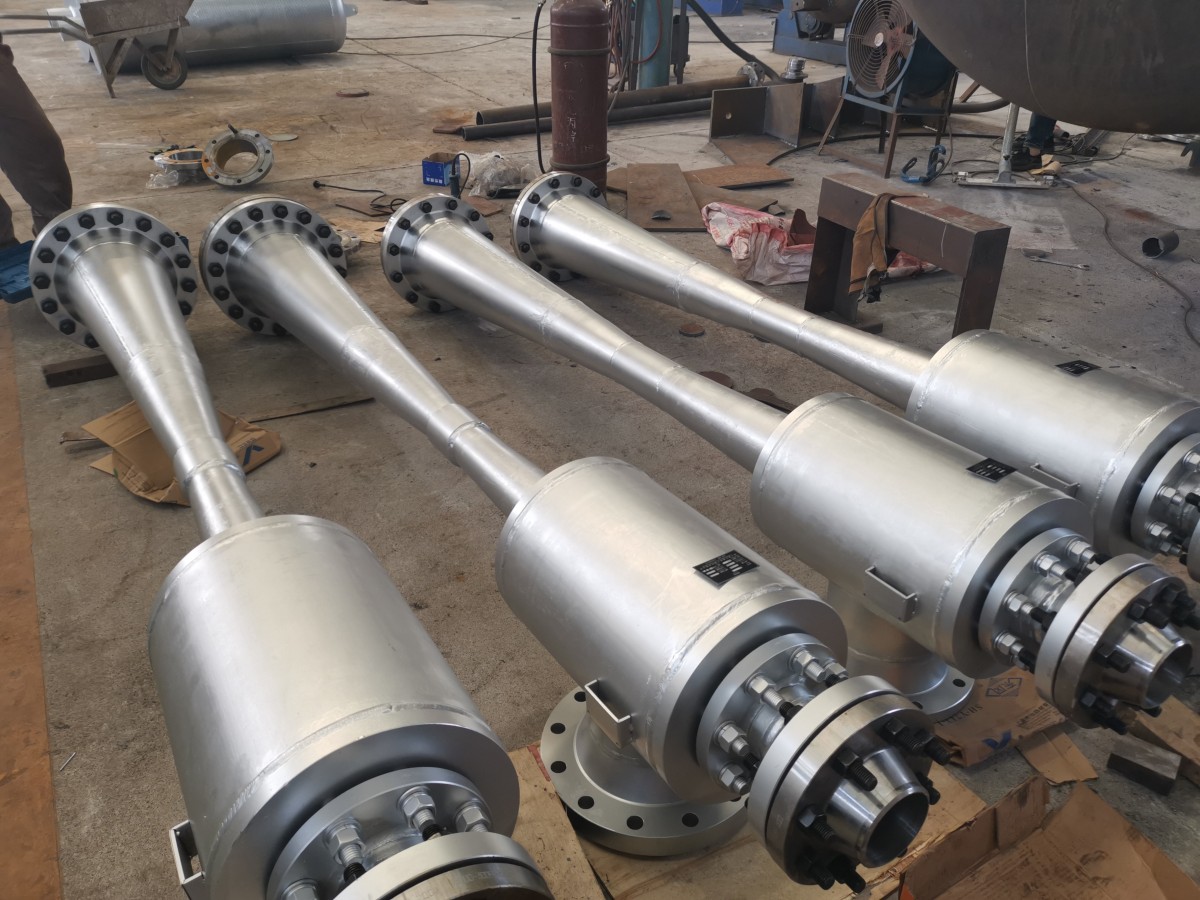
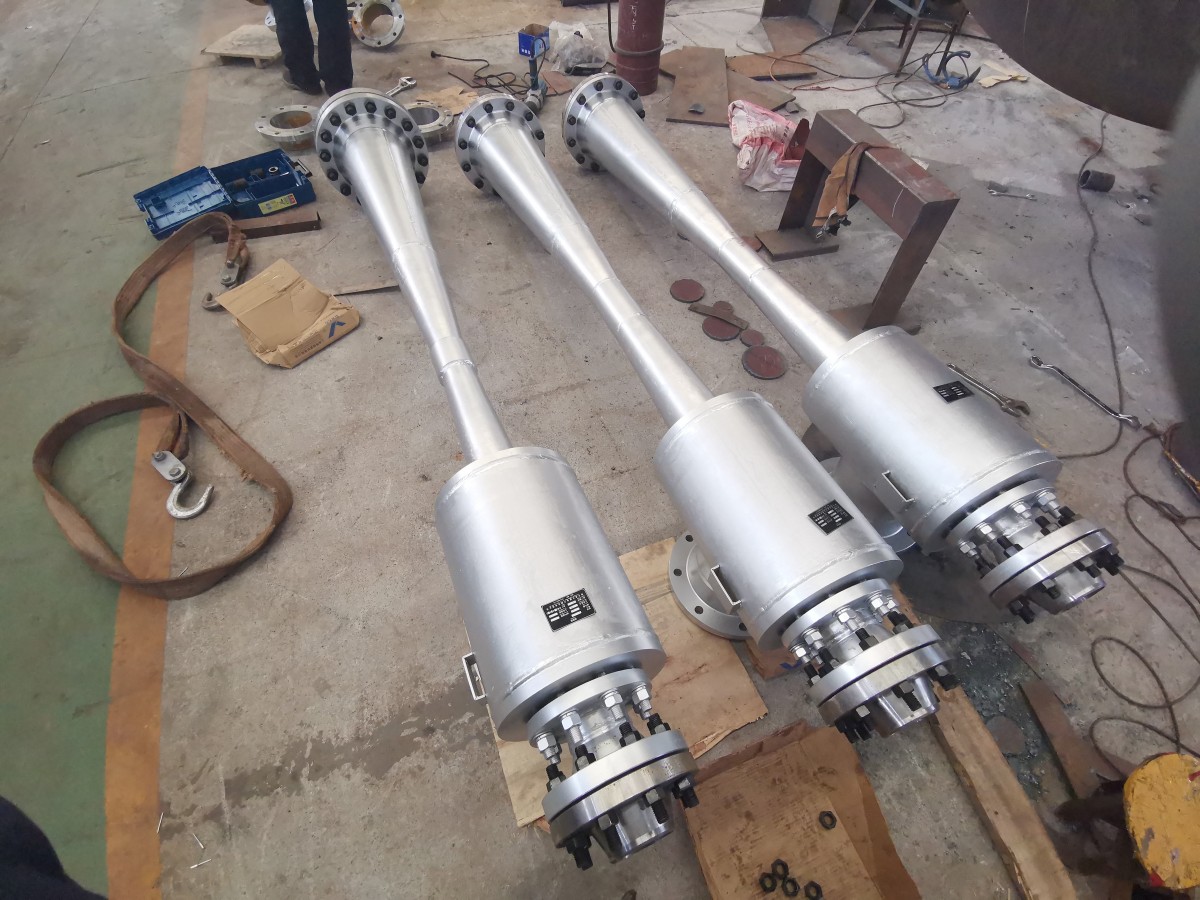
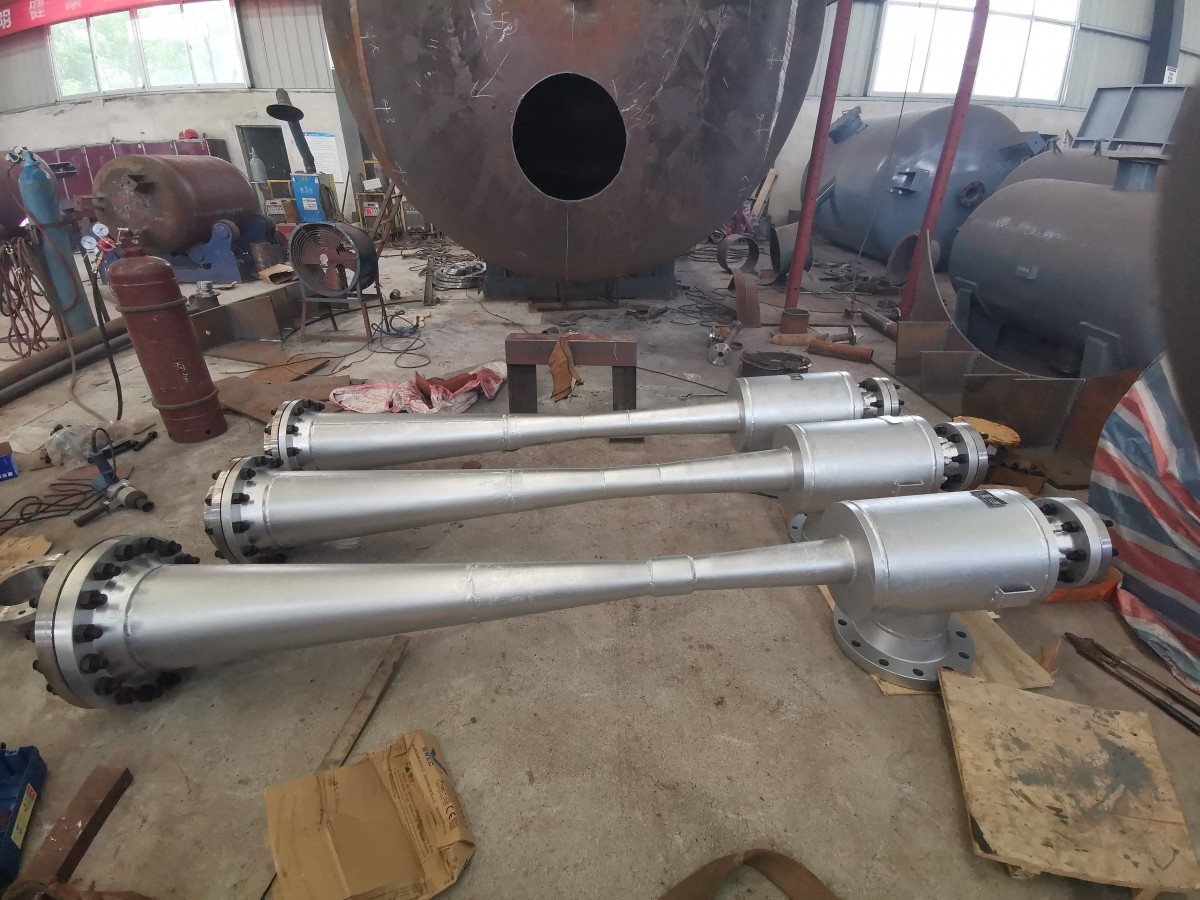
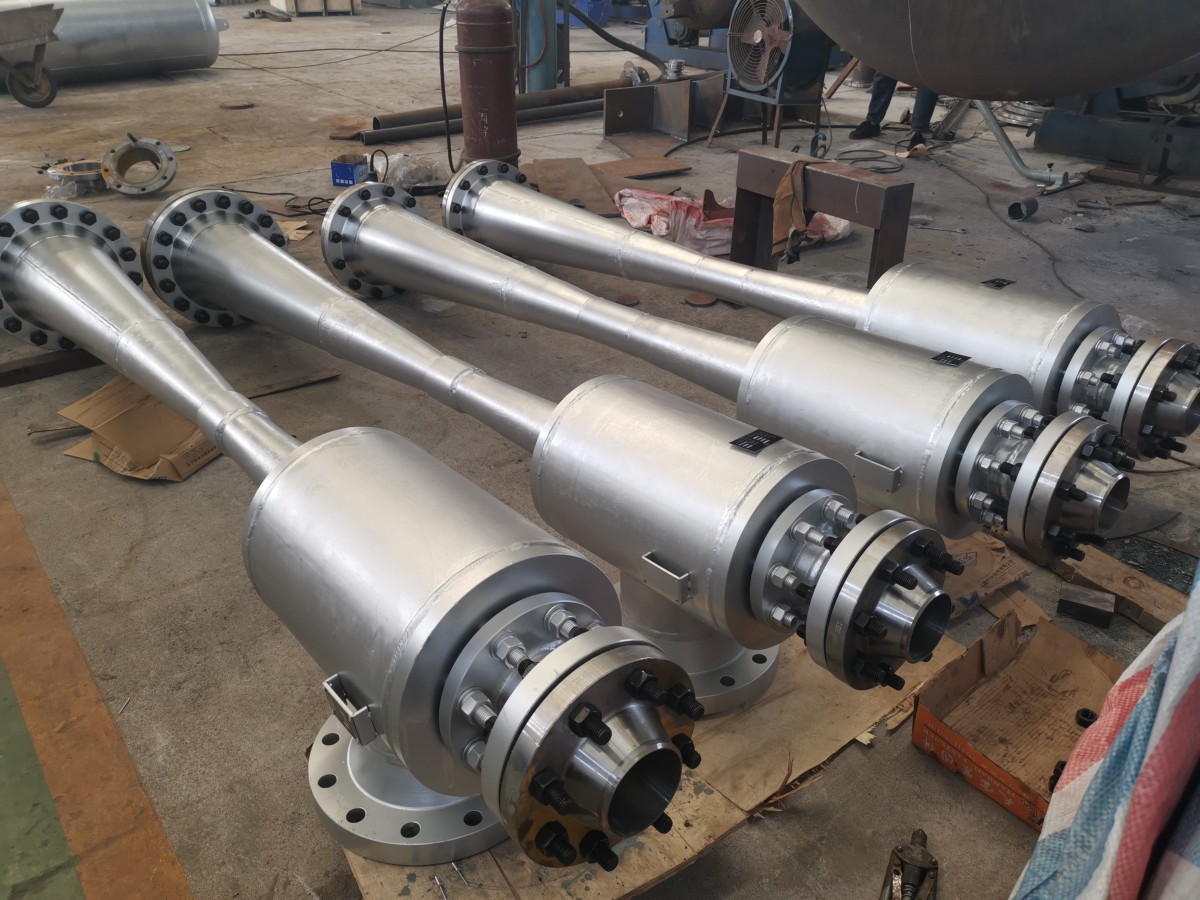
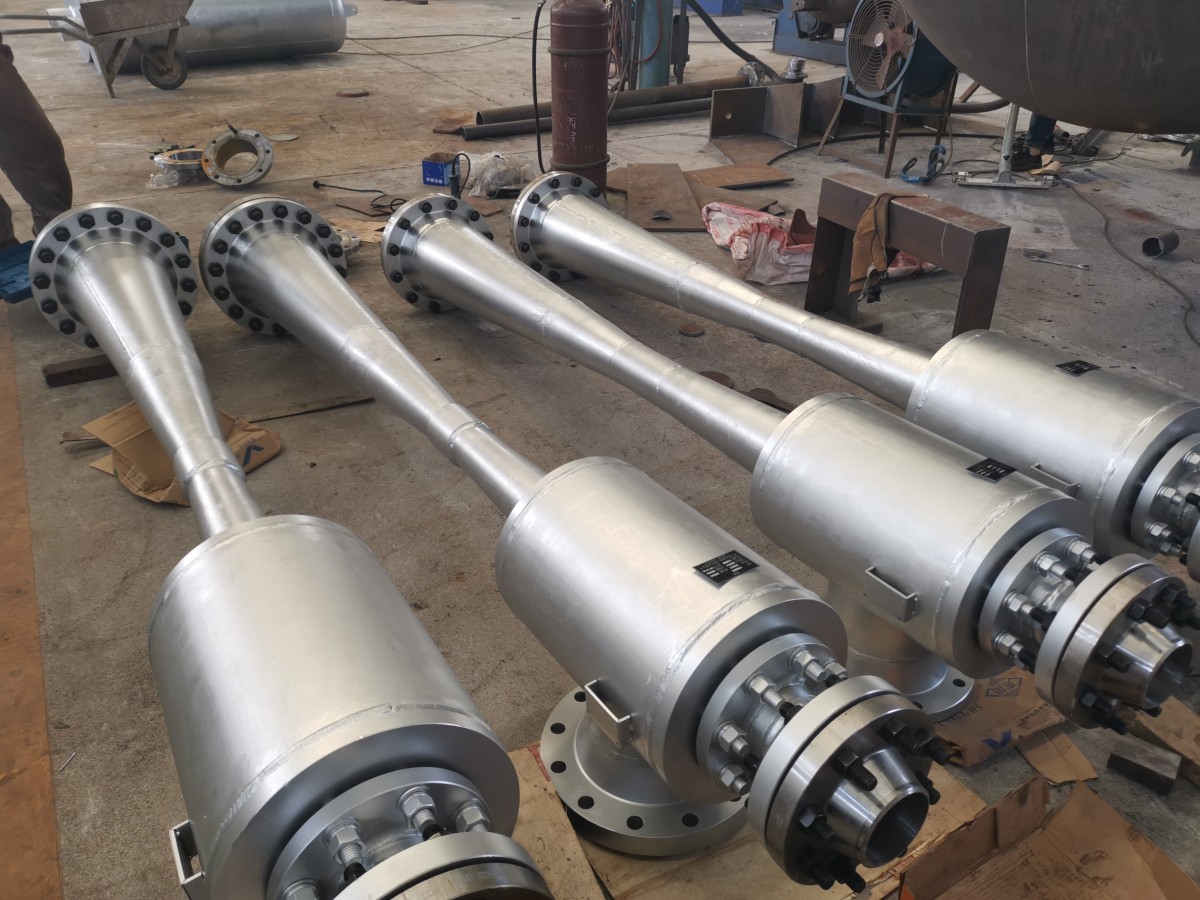
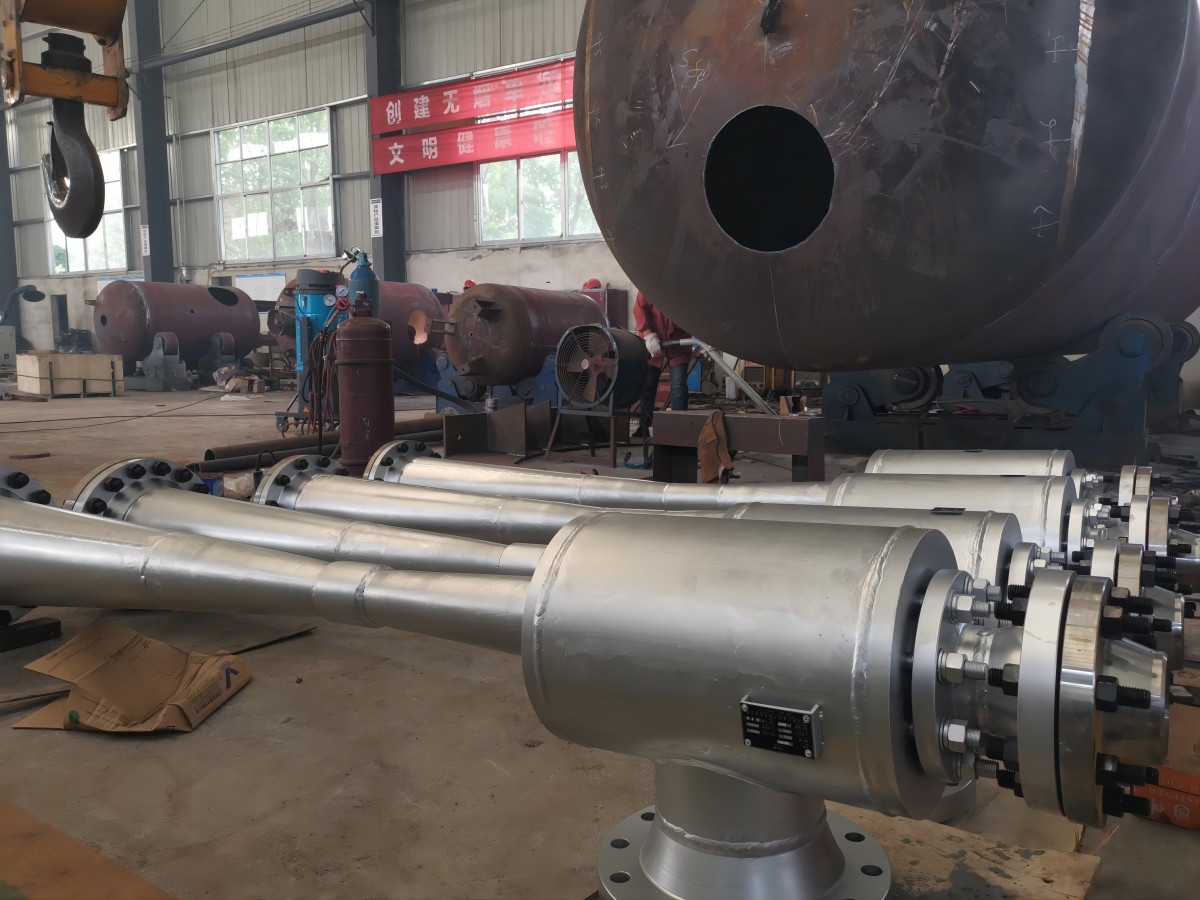
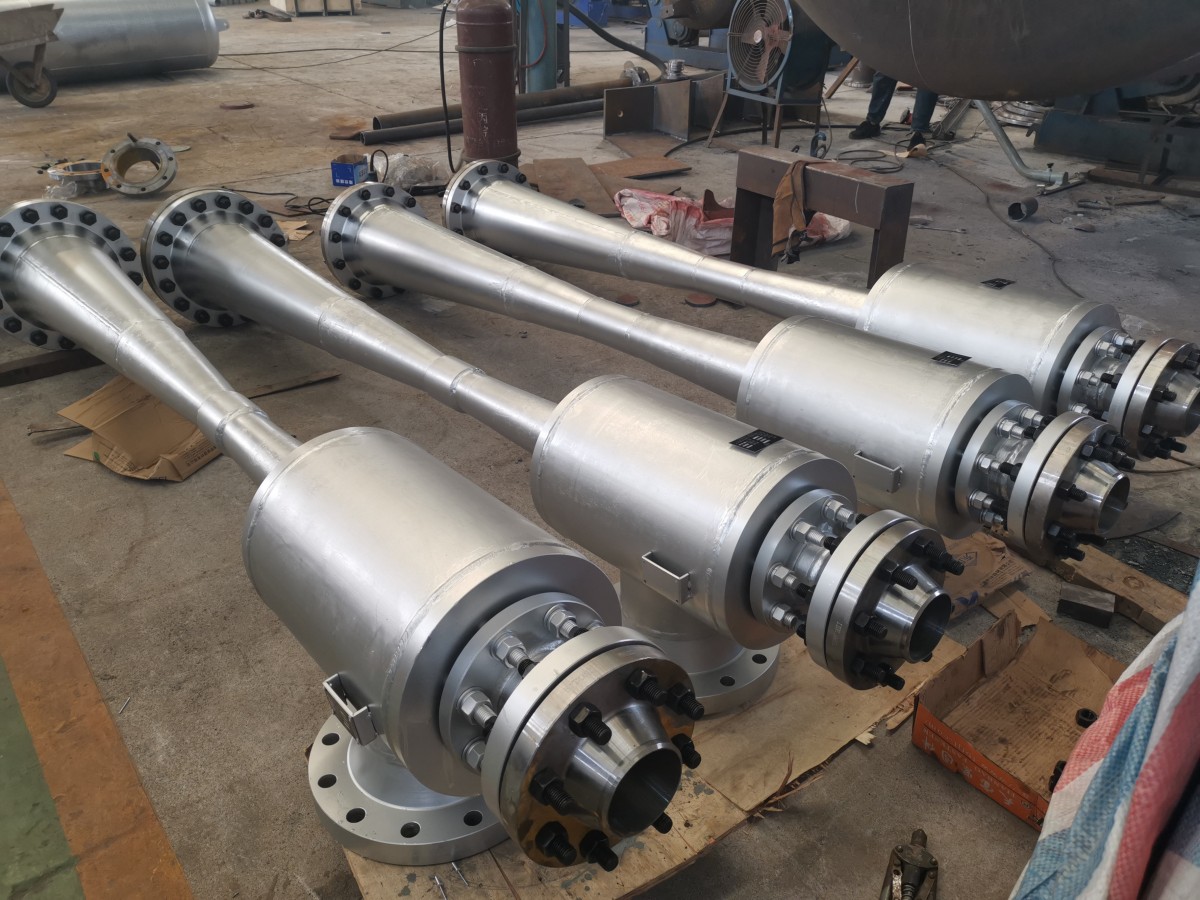
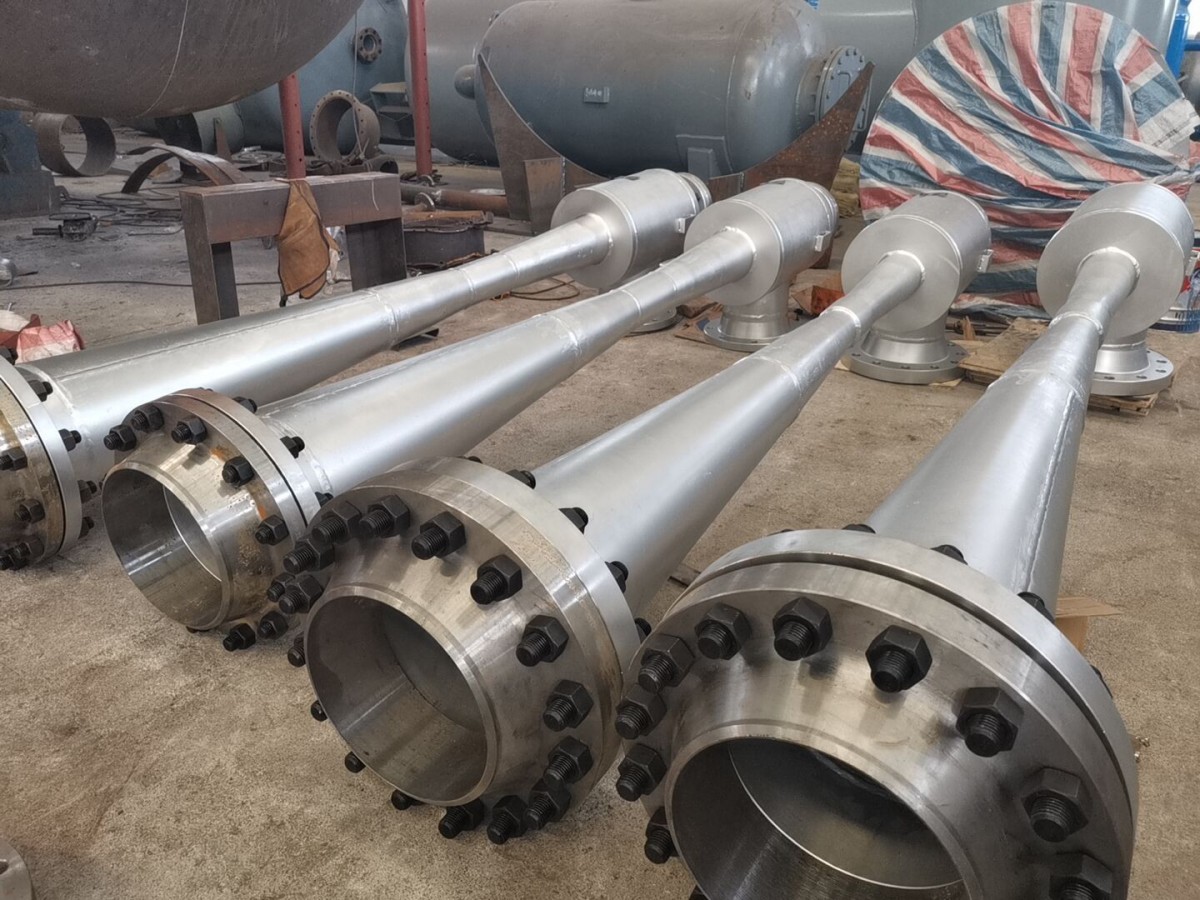
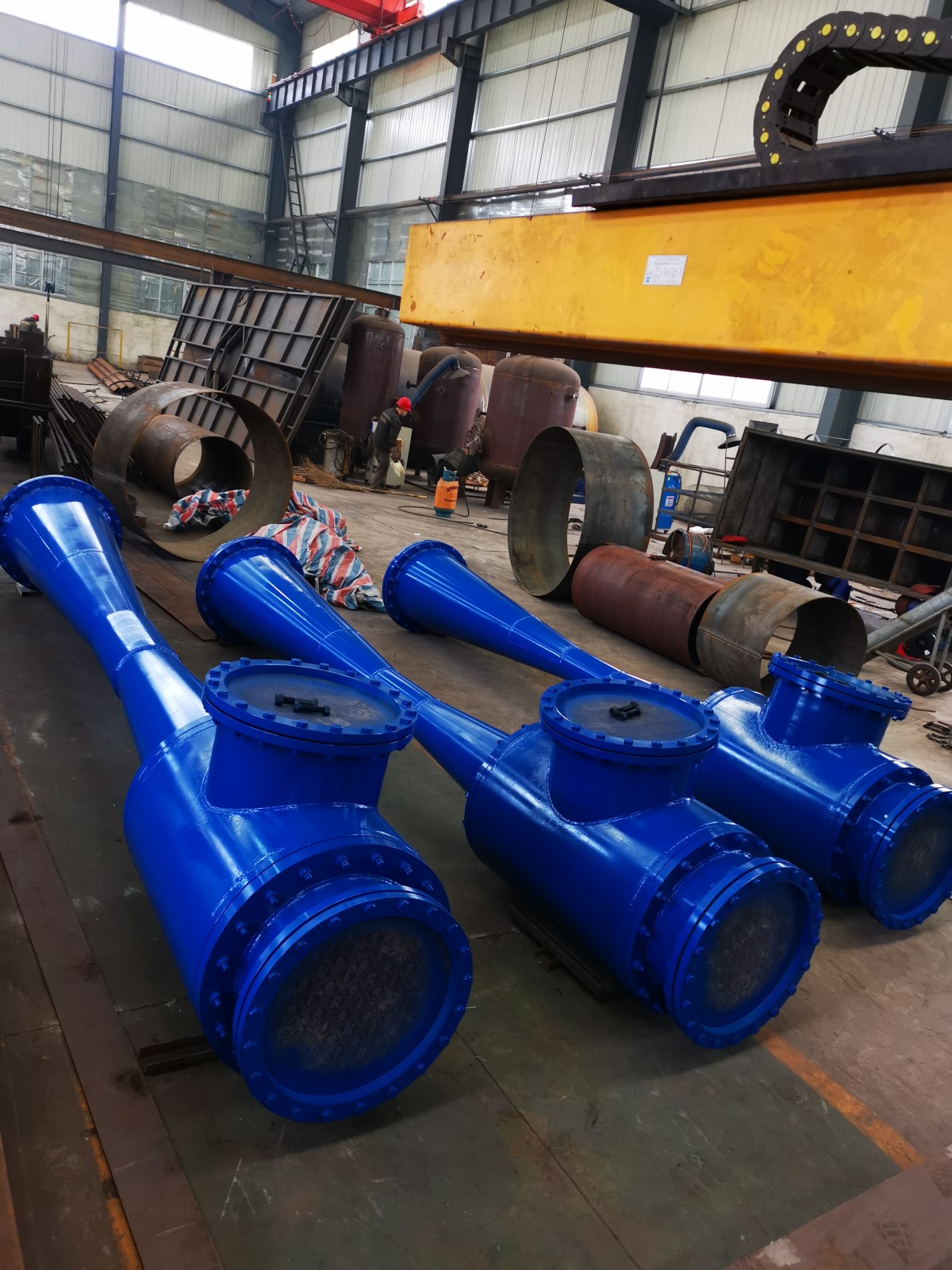
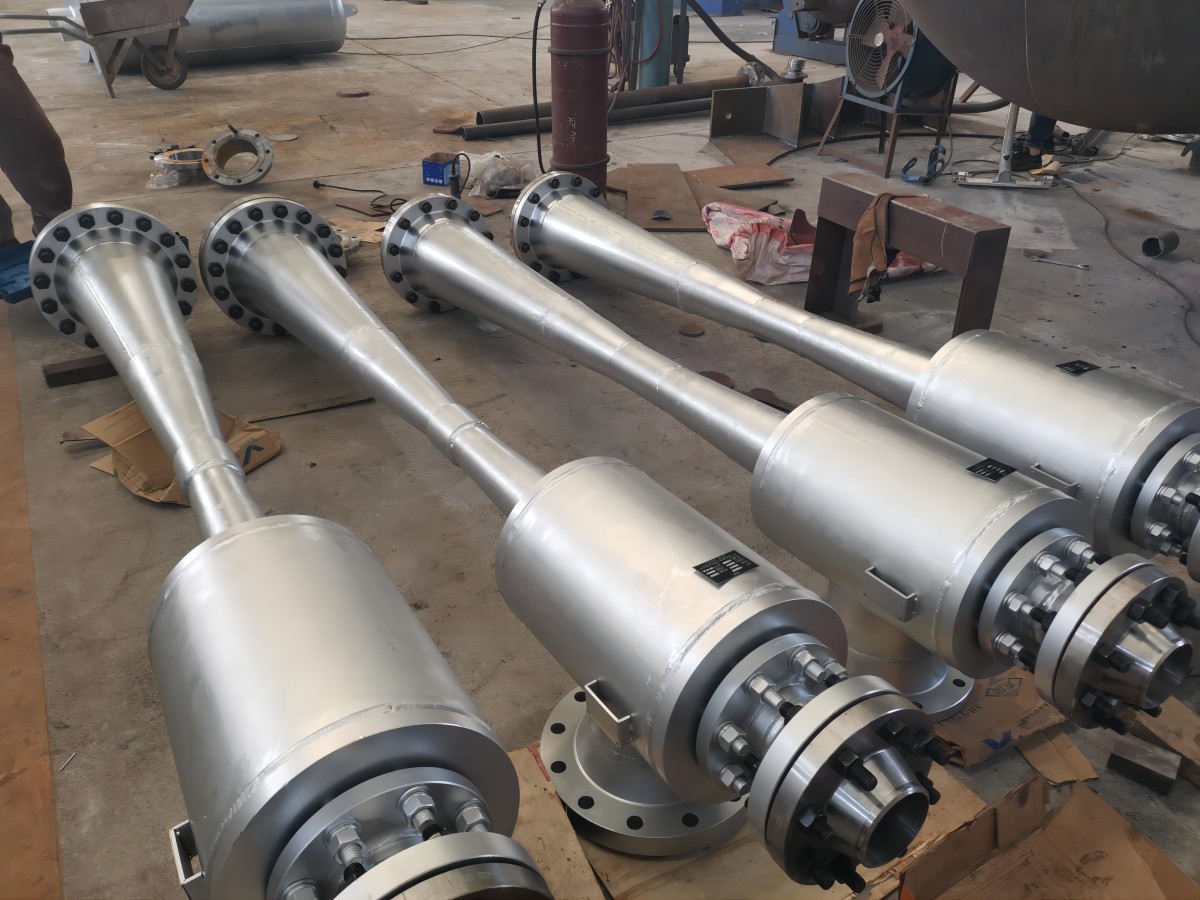
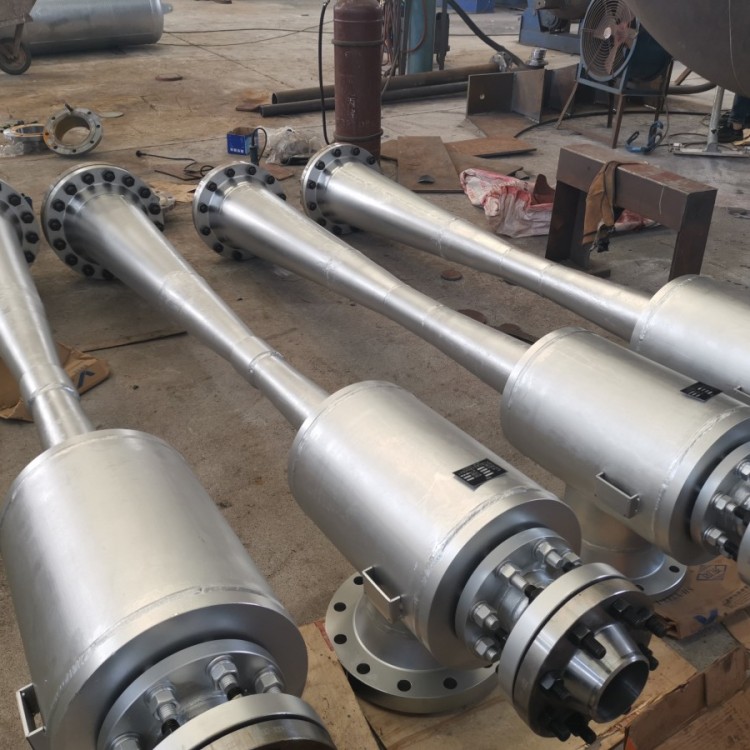
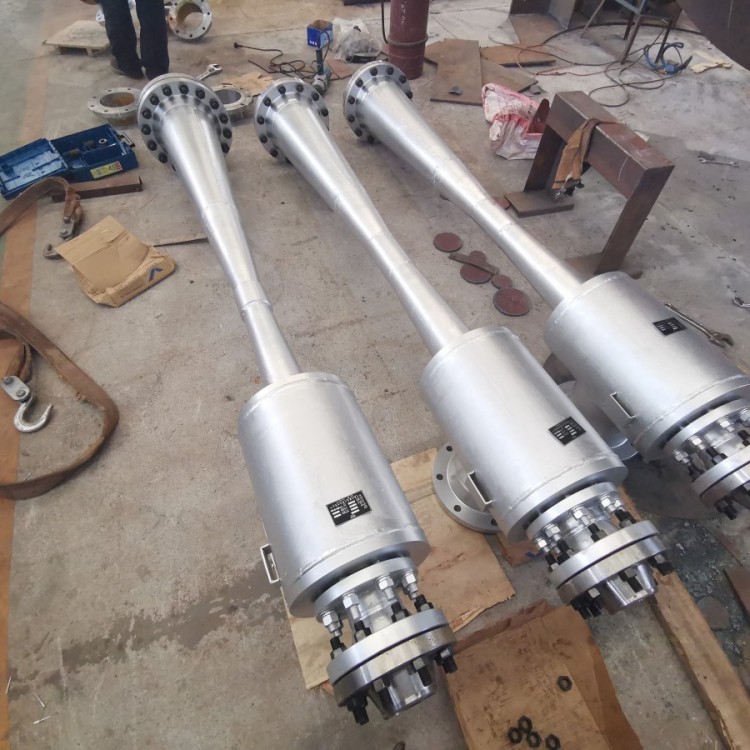
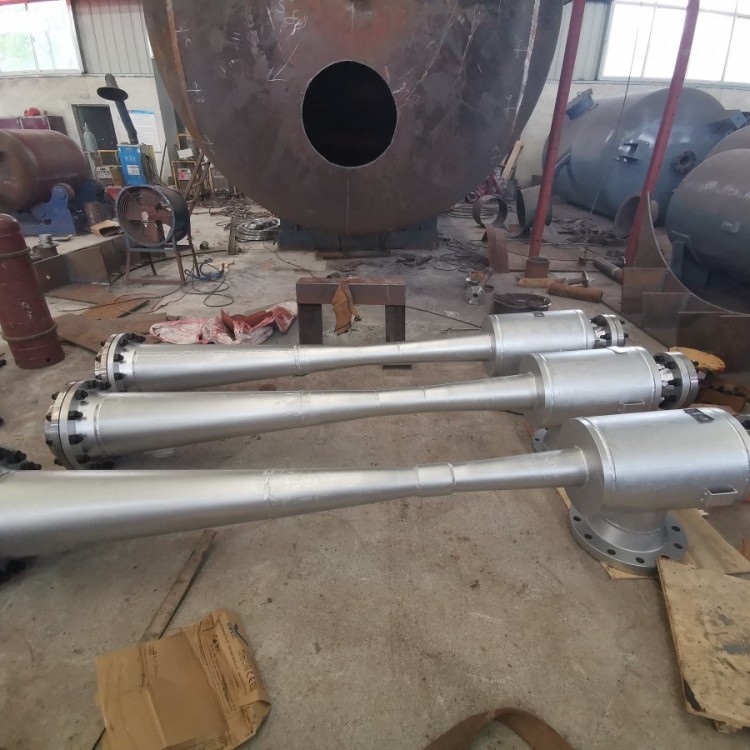
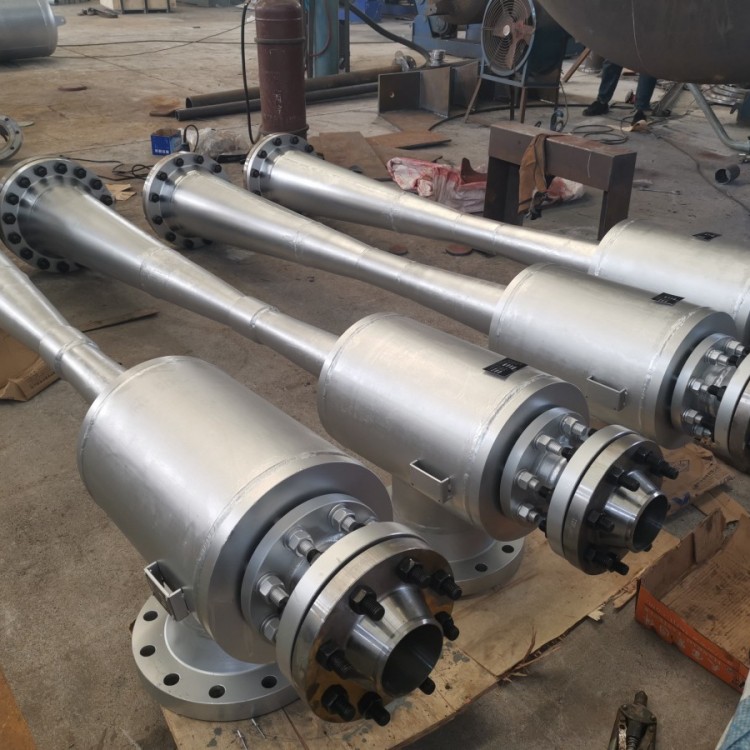
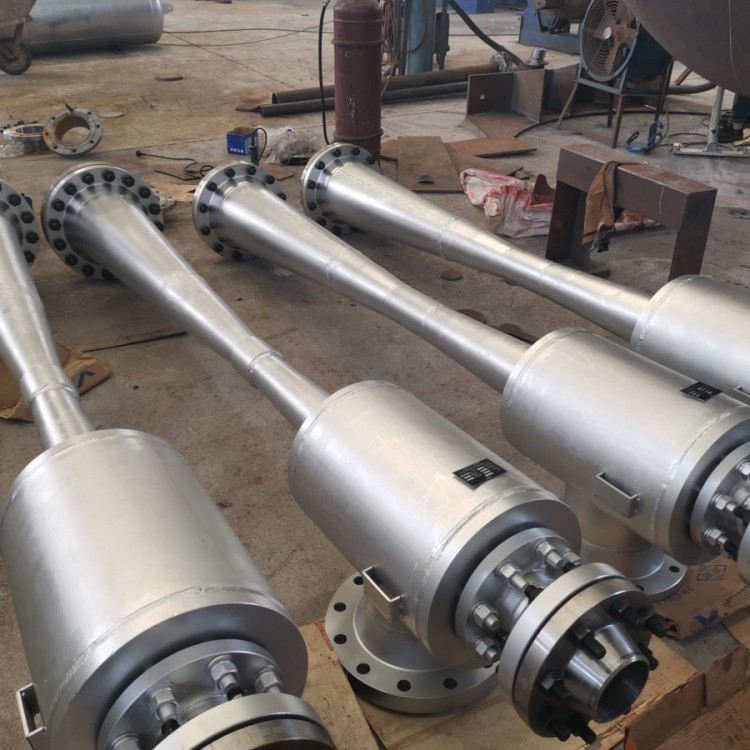
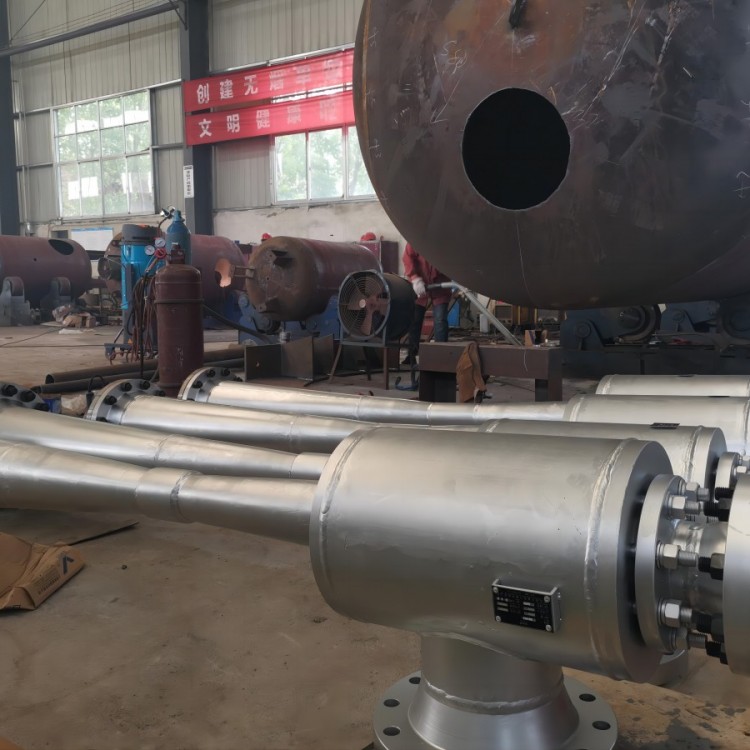
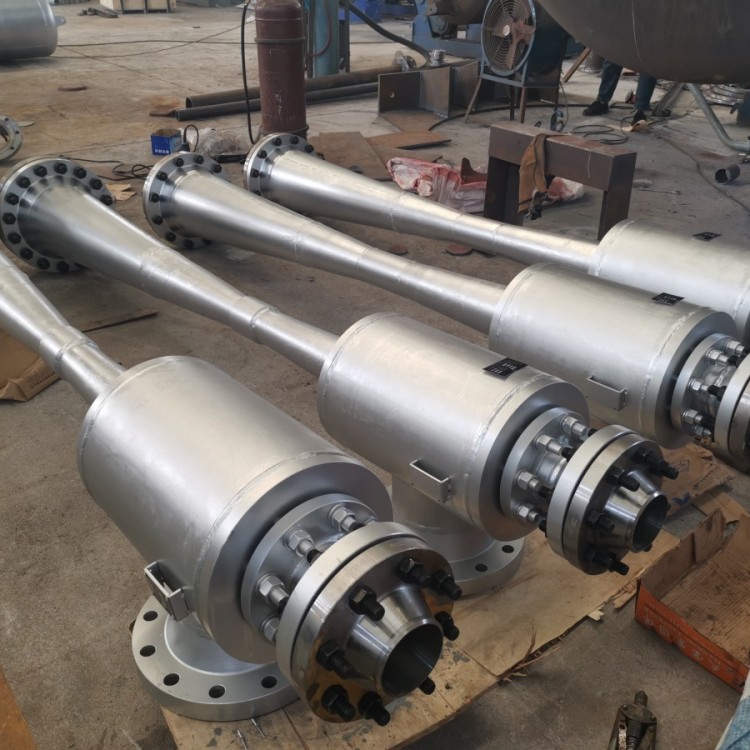
In modern power plants, the widely used vacuum pump is the jet vacuum pump, which boasts compact layout, simple structure, easy maintenance, reliable operation, and the ability to establish the required vacuum quickly. Jet vacuum pumps can be divided into steam jet vacuum pumps and water jet vacuum pumps based on different working mediums. Both types of vacuum pumps operate on the same principle, with the only difference being the working medium. The working medium for a steam jet vacuum pump is pressurized steam, while for a water jet vacuum pump, it is pressurized water. Small capacity units often use steam jet vacuum pumps. For high parameter, large capacity units, since they all use slide parameter startup methods, there is no possibility of having sufficient steam supply for the steam jet vacuum pump before the unit starts up. Moreover, it is necessary to use throttling from high-pressure steam to...1.2-1.6MPaPressure steam jet vacuum pumps are clearly uneconomical, and to recover the working fluid, a jet condenser must also be installed, which complicates the thermal system. Therefore, Currently, large-capacity units in our country all use a water jet vacuum pump, which is mainly composed of working water inlet, working nozzle, mixing chamber, diffuser, and check valve, etc.
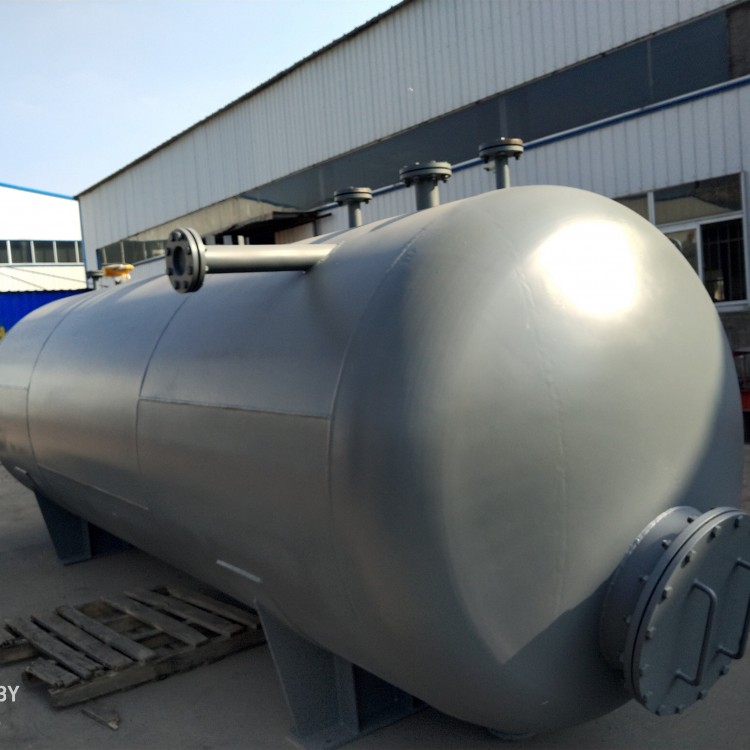
Water Jet Vacuum Pump System. It consists of a water jet vacuum pump, a water jet pump, a water jet tank, and connecting pipes. The exhaust from each low-pressure heater, the condensate pump, and the bleed pump are collected through exhaust pipes and fed into the condenser, which is connected to the working chamber of the water jet vacuum pump. Water from the cycle water or deep well, lifted to pressure by the water jet pump (one in operation and one as a spare), is injected into the water jet vacuum pump. The high-speed water jet emitted by the nozzle in the pump creates a high vacuum in the working chamber, extracting the gas-vapor mixture from the condenser. This mixture is then expanded and returned to the water jet tank.
ThreeModel Description

4. Product and Equipment Matching Table