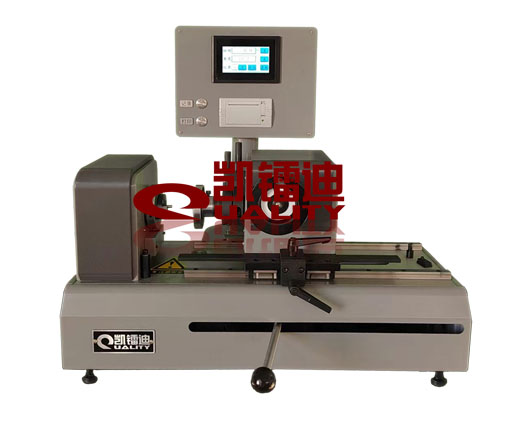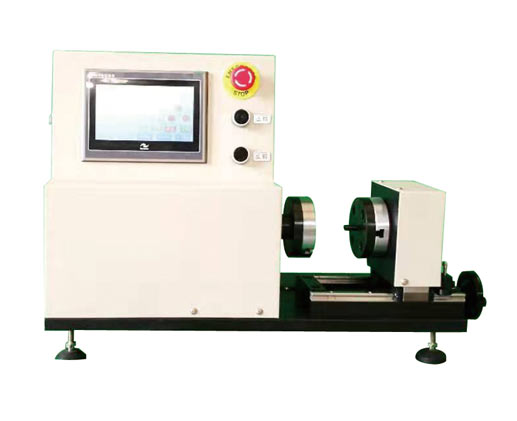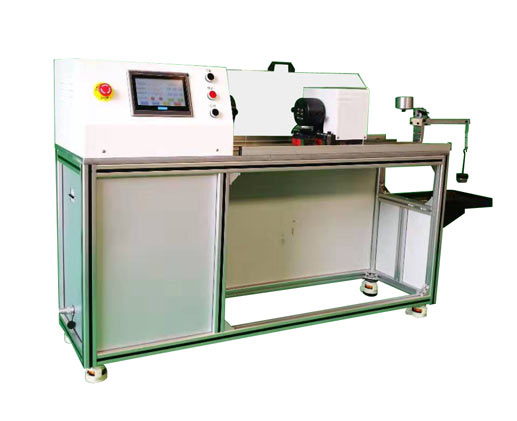
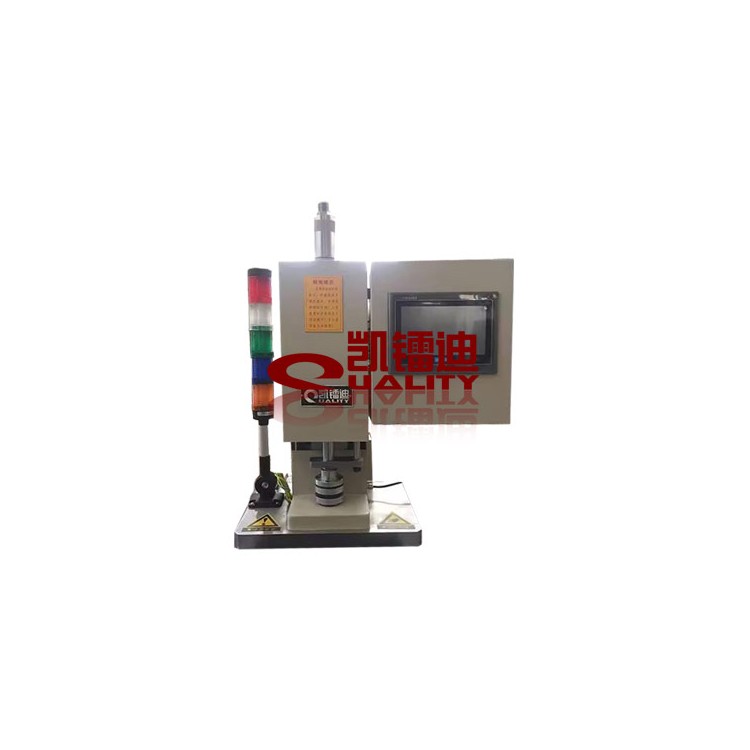
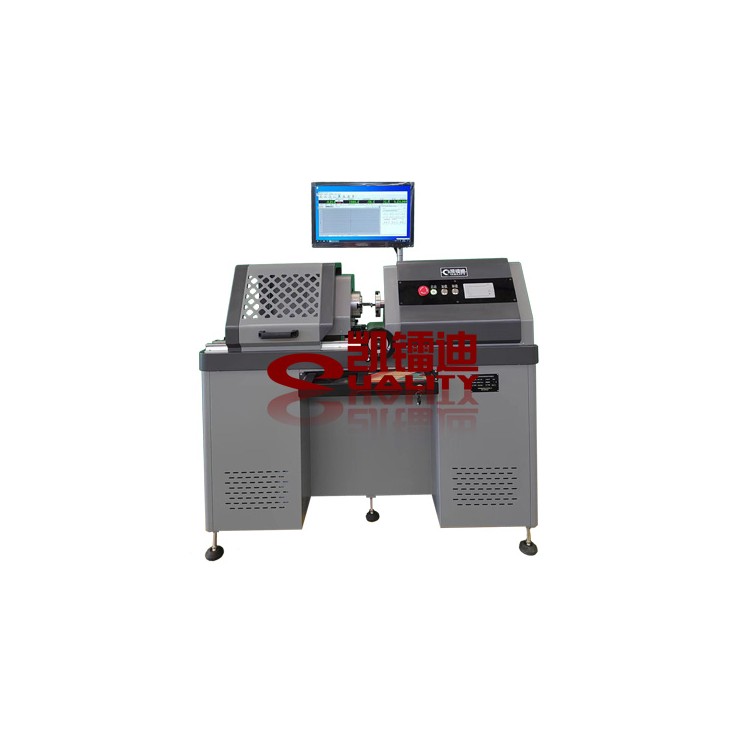
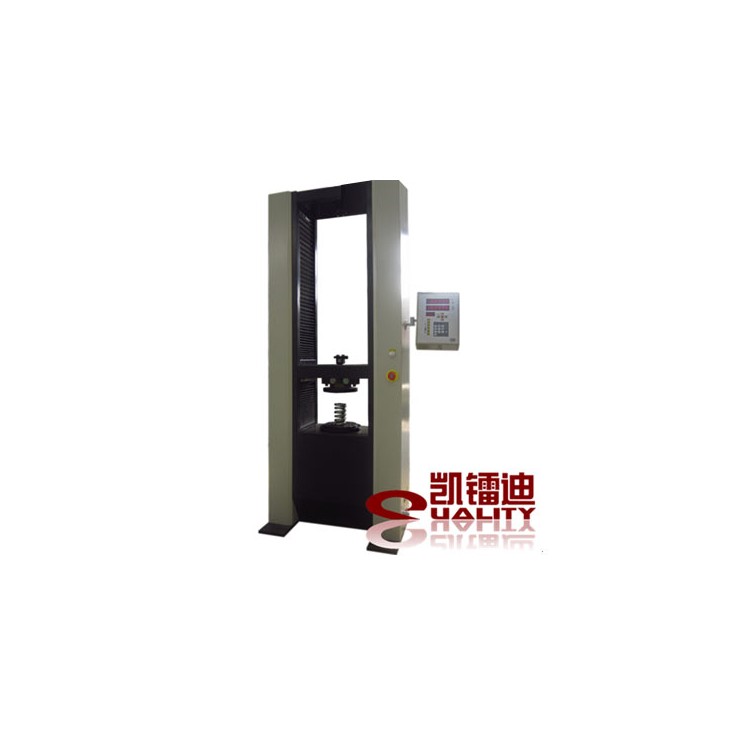
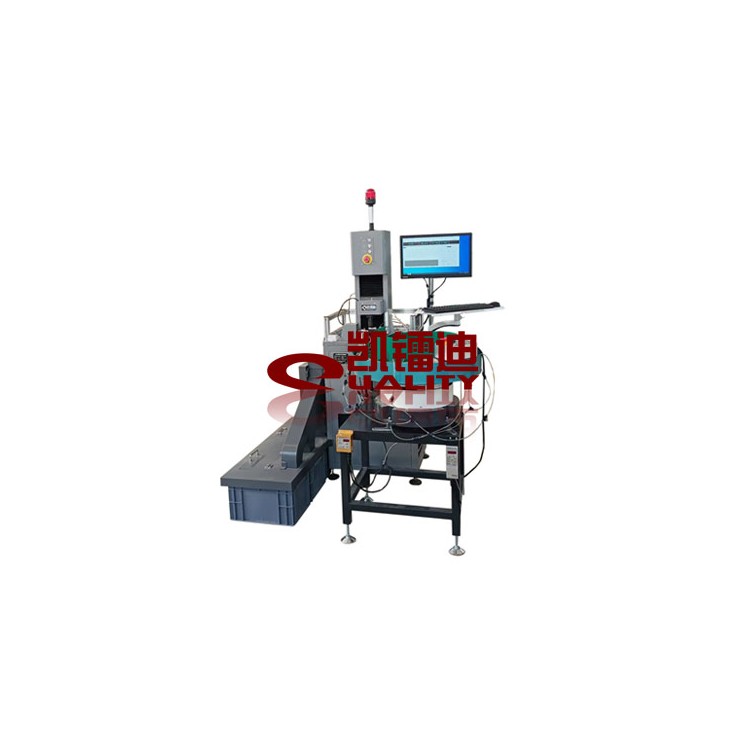







Steering wheel fatigue tester
One,DesignIn accordance with
The design meets the requirements of the "Stress Deformation Test" as specified in Article 2.3 of the "China National Automotive Industry Standard" QC/T563-1999. The machine is capable of performing the "Steering Wheel Static Torque Characteristic Test, Static Bend Strength Test, and Fatigue Test under Variable Twisting and Bending" as stipulated in the standard.
Section II: Tester Function
Steering wheel static torque test (including static strength and static torsion tests)
2. Static bending strength test.
3. Fatigue tests under alternating torsion and bending.
4. Plot relevant test curves and read, record, and print the test results.
5. Features include oil source overpressure protection; oil temperature interlock protection; counter preset value interlock protection; load and displacement upper and lower limit setting for overload protection; motor overcurrent protection, and more.
6. Working Conditions: Power supply requires 380V ±10% voltage, three-phase; total power supply of 15KW; ambient temperature of 20±10°C, humidity not exceeding 80%, and surroundings free of corrosive media.
ThreeTechnical Performance Features
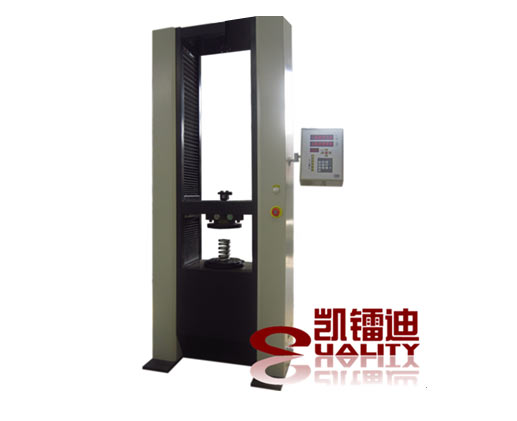
The mainframe utilizes the popular double-column gate frame structure favored in modern fatigue testing machines, offering excellent rigidity, compact design, simple appearance, and precise processing.
The two columns are heat treated and then surface-hard chrome polished, offering high hardness, wear resistance, and corrosion resistance.
The connecting rod and workbench are joined using bolt clamping technology, making the installation holes easy to locate. They are machined simultaneously with the locking holes of the moving beam, ensuring that the centerlines of the two components are coaxial.
The high-strength mobile beam is hydraulically lifted and lowered throughout by a high-quality engineering cylinder, and it is interlocked with a locking cylinder, making it easy to move, accurately positioned, and securely locked.
Servo oil sources are now serialized, allowing users to select according to the characteristics of the test frequency and amplitude (displacement) requirements.
FourKey Technical Parameters
1. Dynamic Load: ±5 kN
2. Static Load: ±20 kN
3. Static Load Accuracy: ±1% (F.S.)
4. Actuator Displacement: ±125mm
5. Displacement Measurement Accuracy: ±1% (F.S.)
6. Loading Speed: 10-60 mm/min or 10-500 N/min (adjustable)
7. Load Frequency: 0.01 ~ 5 Hz (sine wave)
8. Loading Waveform: Sine Wave
V. Main Configuration:
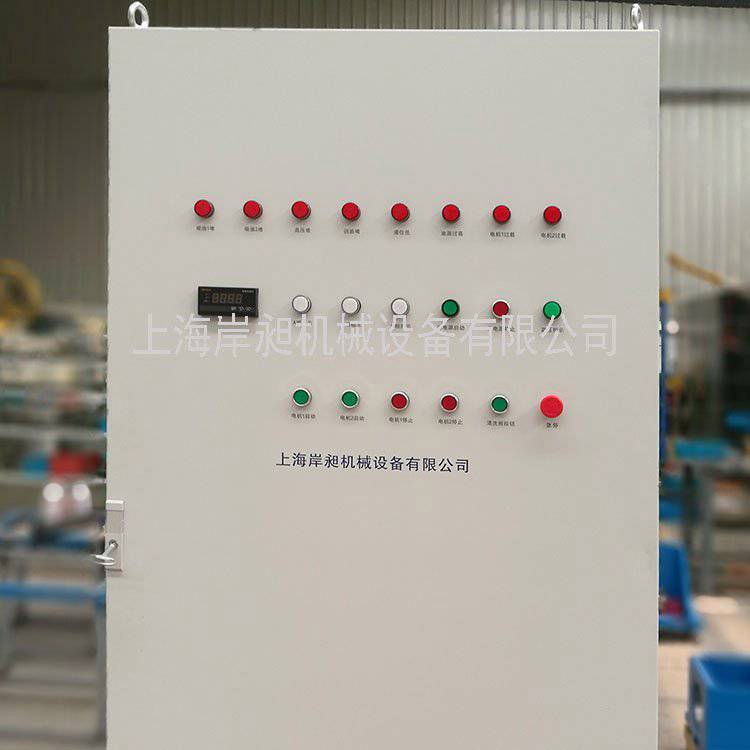
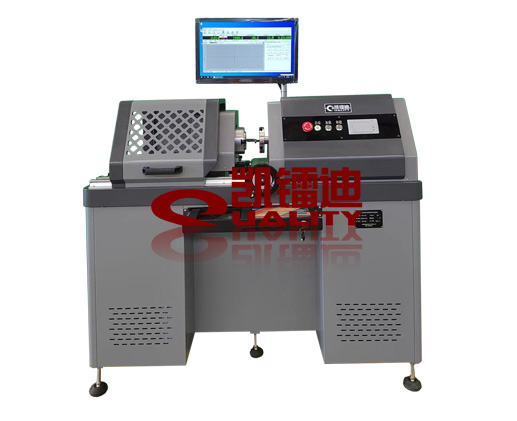
1. One main test bench unit
2. A set of steering wheel test fixture.
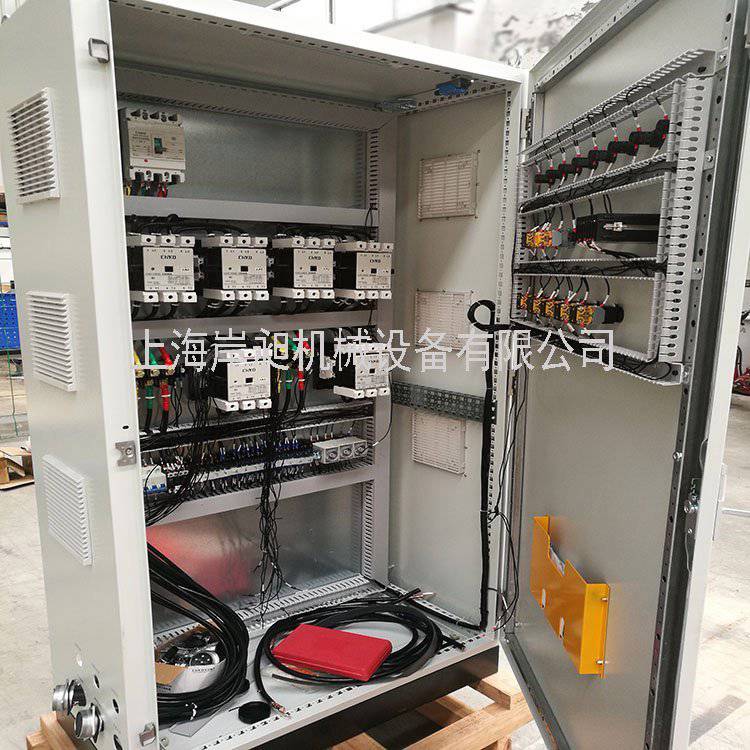
3. Servo Control System - Set
4. A set of computer data processing system
5. Hydraulic Power System - Set
Six. Quality Assurance
1. The warranty period is one year from the final acceptance. During the warranty period, if any quality issues arise with the equipment, the supplier will provide free replacement and repair. In case the quality issues are caused by the buyer's improper operation, the buyer shall pay the supplier for the cost of repair. The supplier will provide spare parts for this equipment.
2. Supplier must respond within 1 hour upon receiving notification, provide a repair solution within 2 hours; resolve general malfunctions within 6 hours.
If necessary, we can be on-site within 24-48 hours to repair or replace defective goods or parts, with all costs covered by the supplier.
3. Our company has dedicated after-sales service staff who proactively monitor and provide dynamic support. They periodically review equipment operation based on records, promptly identify issues, and eliminate potential hazards.
4. Free software upgrades provided, along with training or guidance for operators.