











Shaoxing Stainless Steel Wire Mesh Count Chart Stainless Steel Mesh
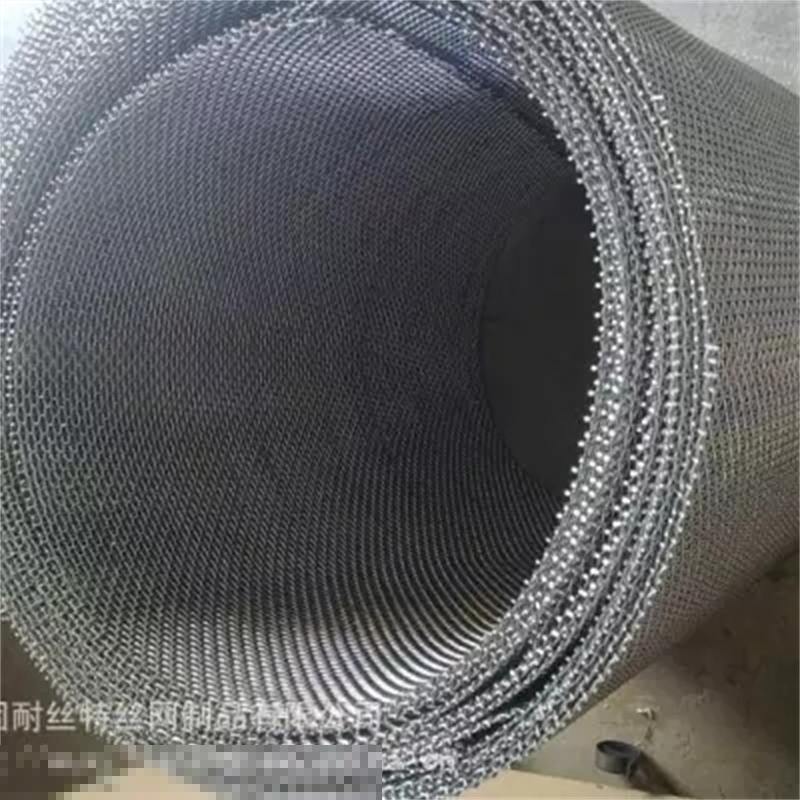
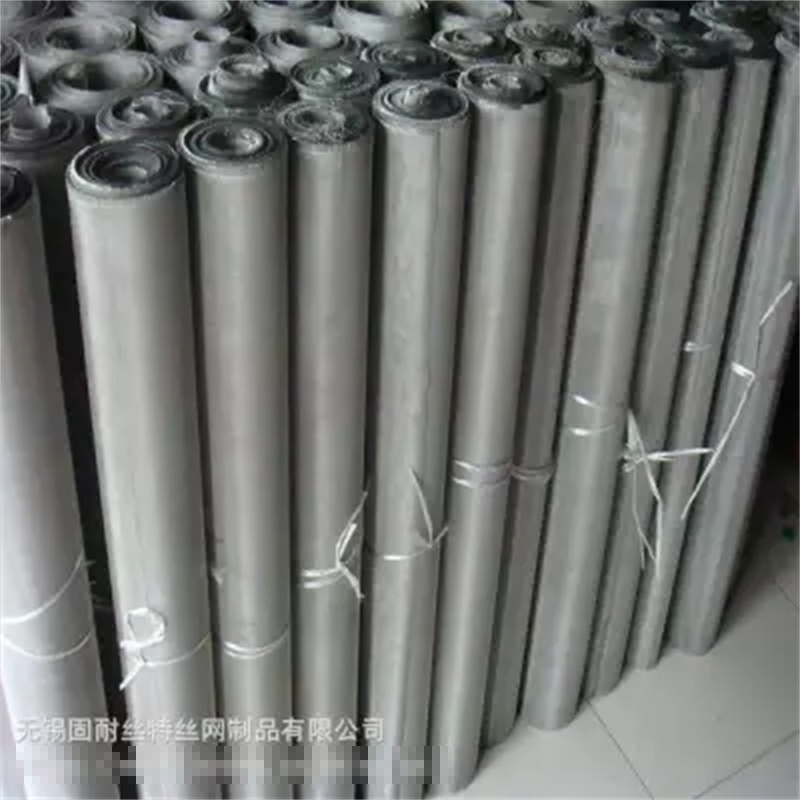
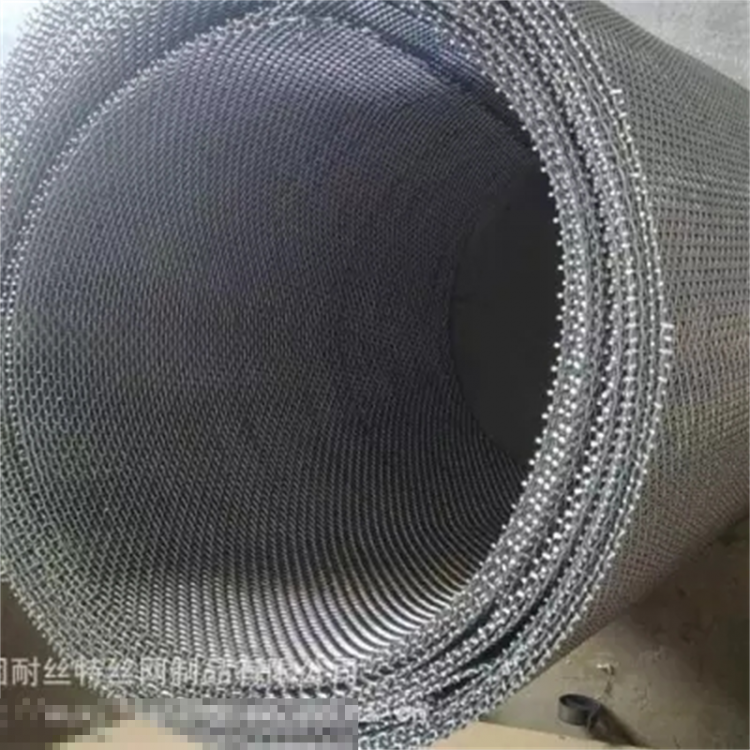
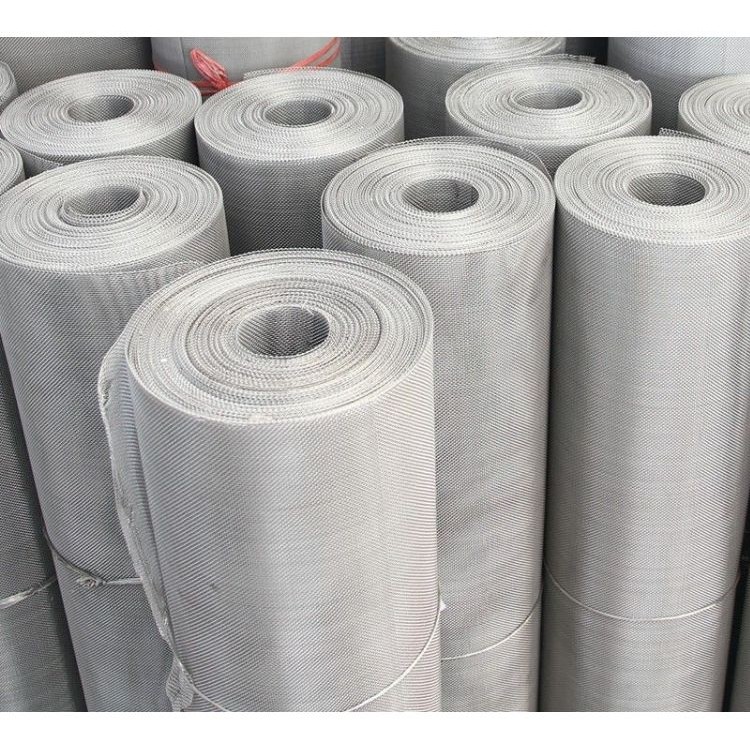
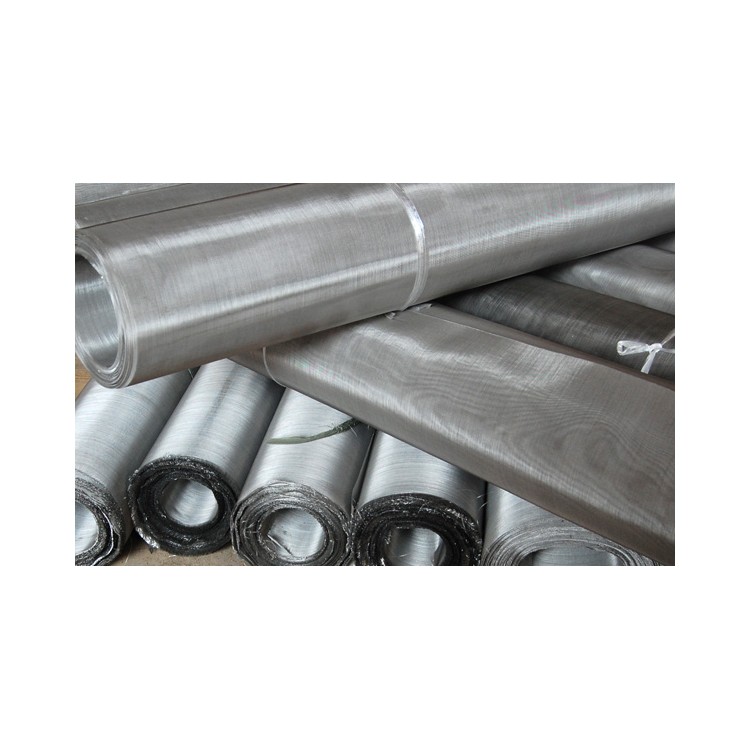
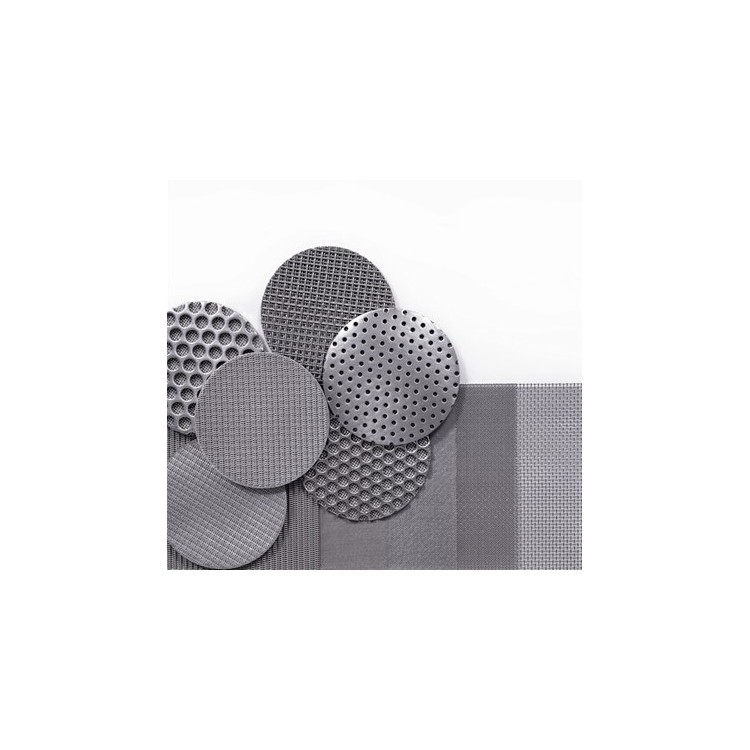
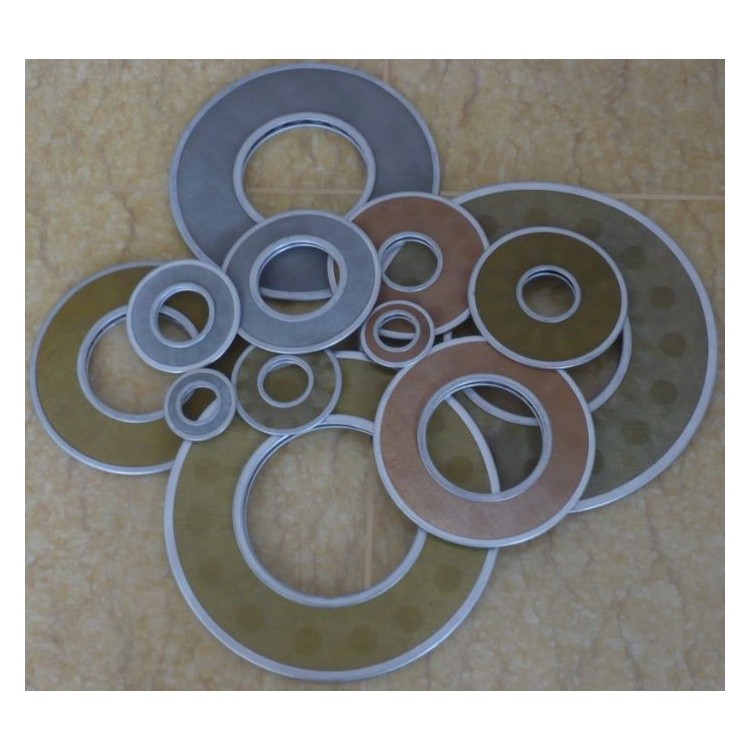
Stainless steel wire mesh is primarily used for screening and filtration in acidic and alkaline environments, serving as mud screens in the oil industry, filter meshes in chemical fiber industries, and acid pickling meshes in electroplating. It is also employed for gas and liquid filtration as well as separation of other media. Generally, materials such as stainless steel wire, nickel wire, and brass wire are used. The weaving patterns in metal wire mesh include plain weave, twill weave, plain Dutch weave, twill Dutch weave, and reverse Dutch weave. The specifications of stainless steel wire mesh range from 5 to 630 meshes. Our company has years of experience in producing wire mesh, with multiple stainless steel wire mesh manufacturers. The produced stainless steel wire mesh features stable filtration performance and fineness. We can also design and manufacture various models of stainless steel wire mesh products according to customer requirements.

Stainless Steel Wire Mesh, categorized by weaving: 1. Plain Weave 2. Twill Weave 3. Plain Dutch Weave 4. Twill Dutch Weave 5. Stainless Steel Wire Mesh, divided into Plain and Twill Weaves, with specifications ranging from 20 mesh to 630 mesh. Materials: SUS304, 304L, SUS316, SUS316L, 310, 310S, SUS302, etc.
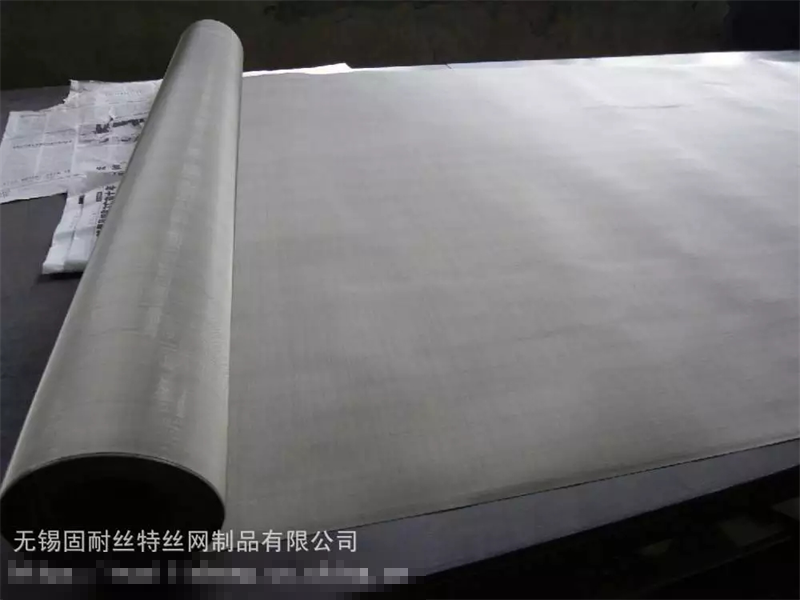
Application: Used for sieving and filtering under acidic and alkaline conditions, as mud screens in the petroleum industry, sieve filters in the chemical fiber industry, and acid washing screens in the electroplating industry. The wall thickness of the stainless steel decorative tubes is even, and the tube wall thickness can be made into thin tubes or thick tubes. Moreover, the low price inventory of stainless steel decorative tubes with terminal steel traders will support prices. In the first three quarters, China's output reached 5.4 billion tons, a year-on-year increase of 1.7%, a decrease of 0.14 percentage points from the first half of the year. The simultaneous rise in the price of iron ore and the significant decline in port inventory of iron ore is also aesthetically pleasing and simple.