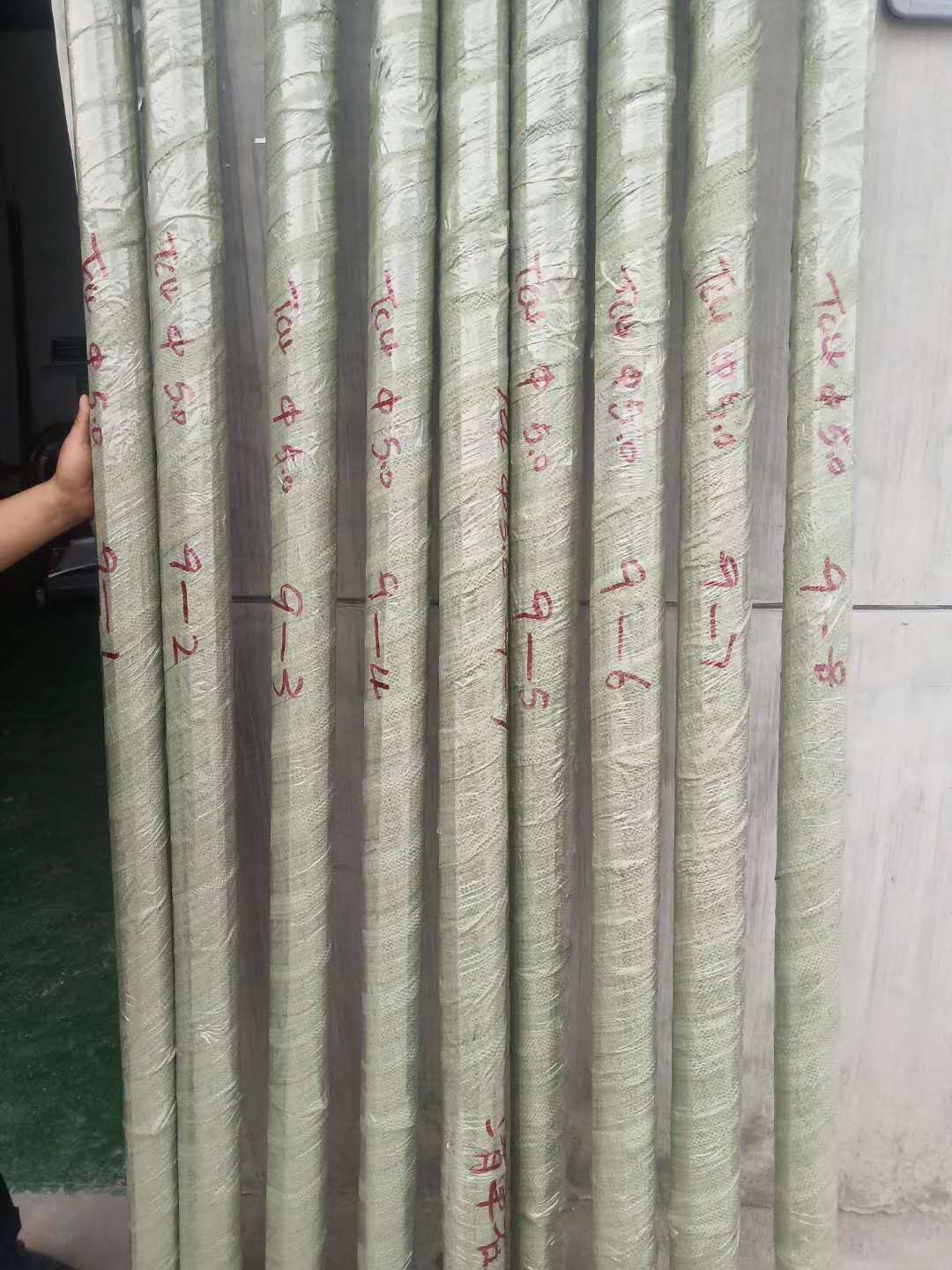

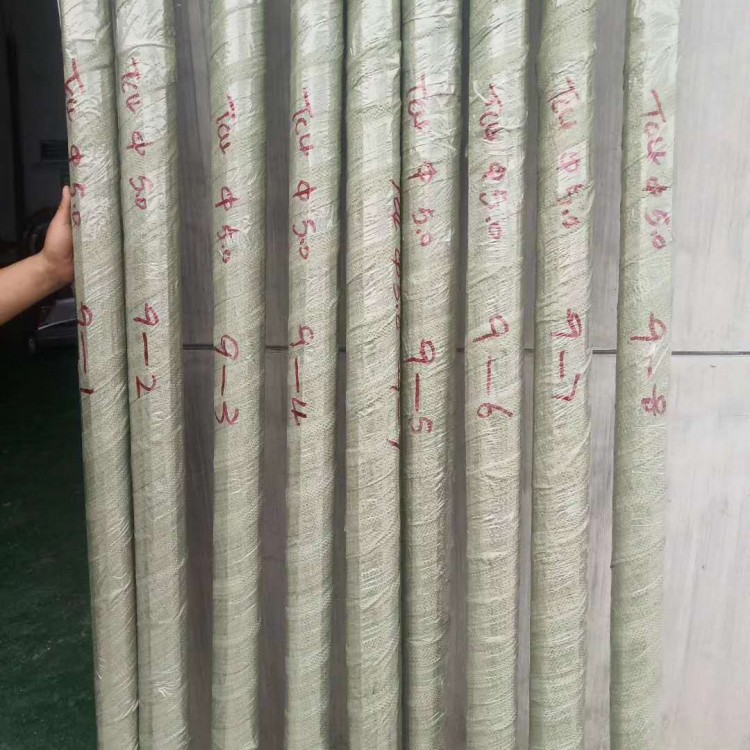

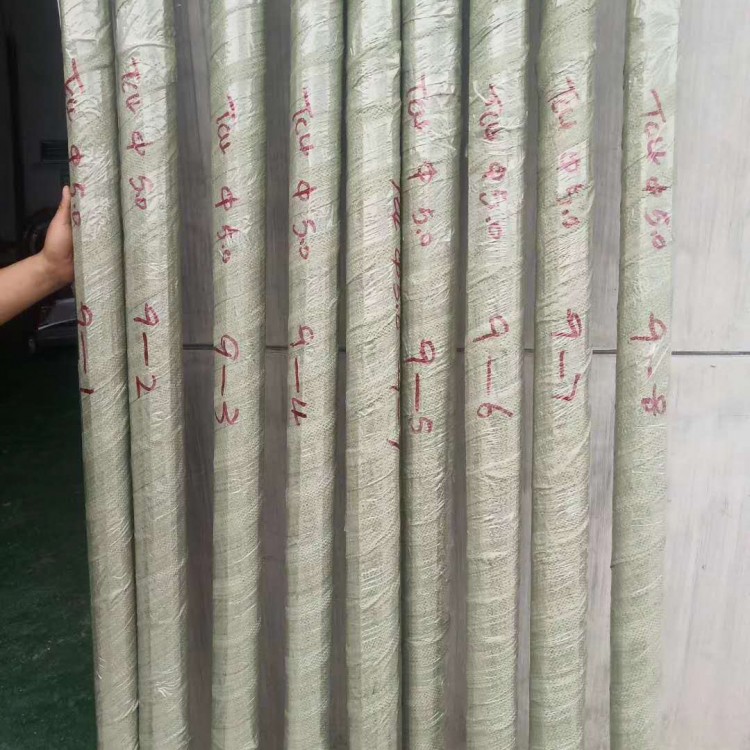
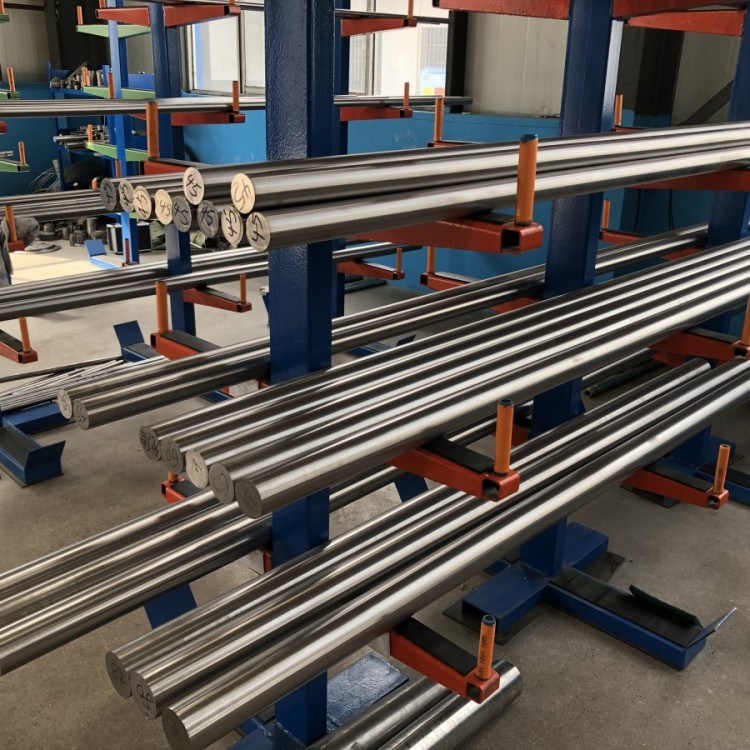
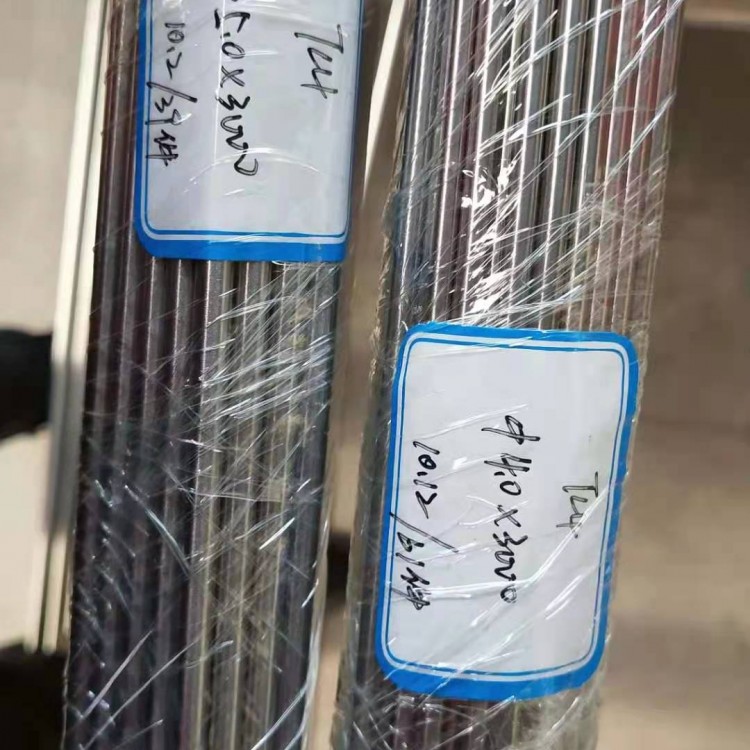











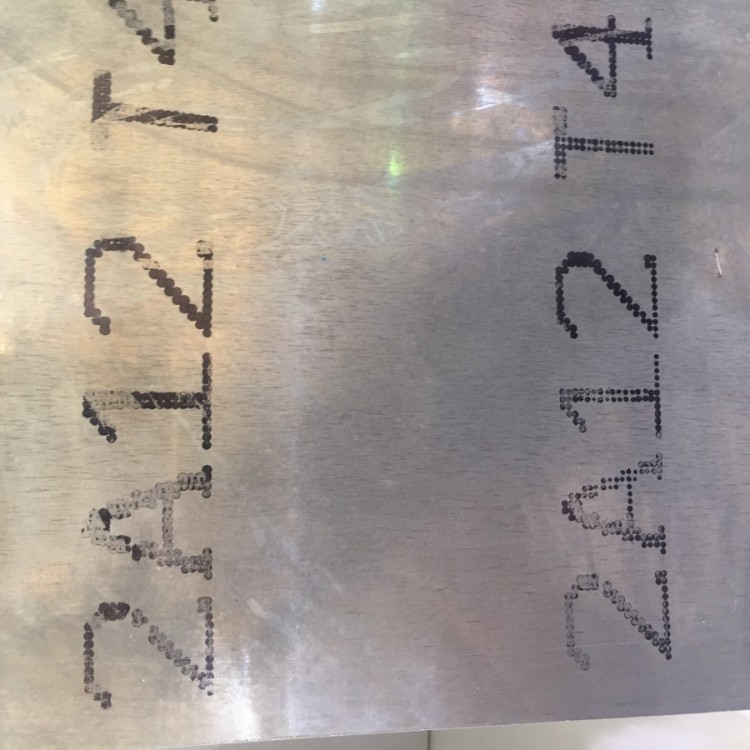

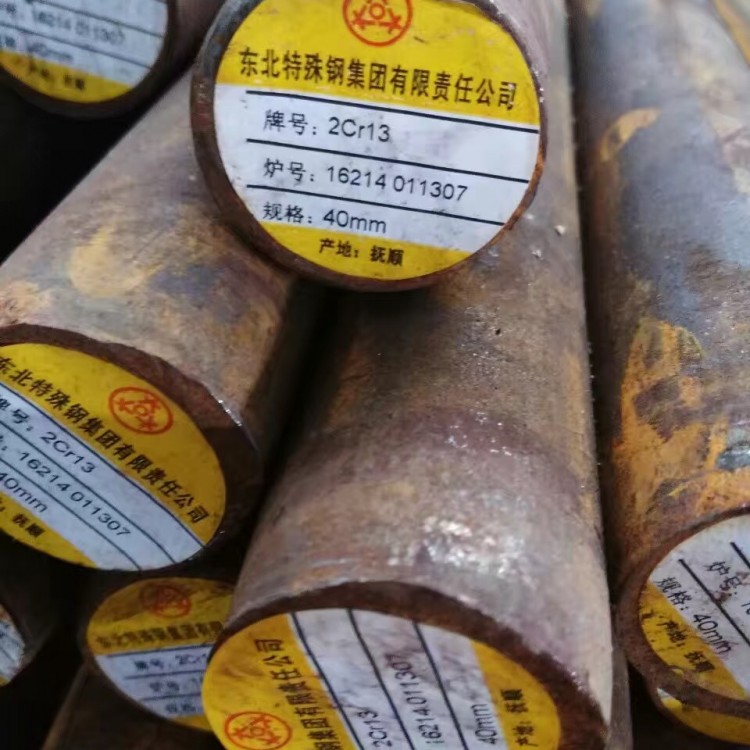

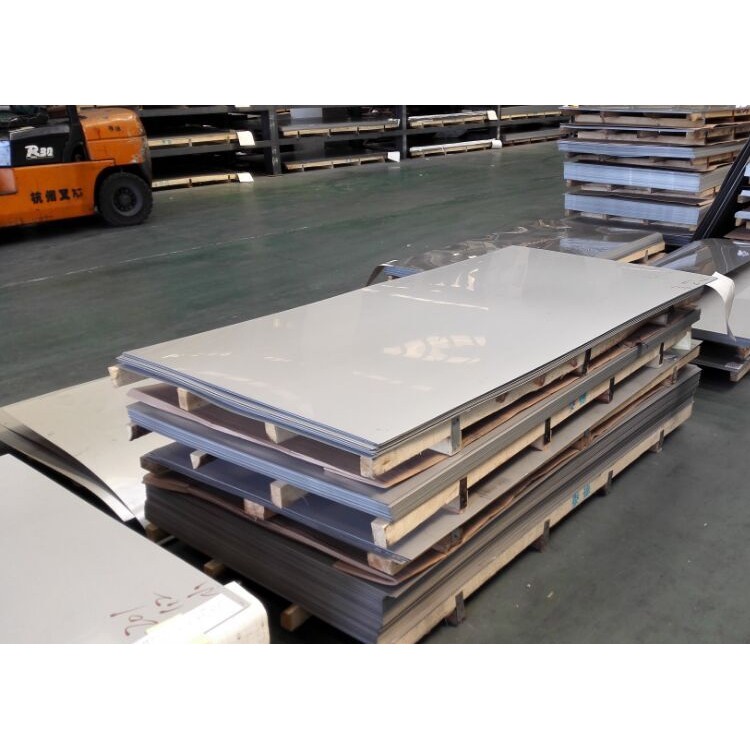

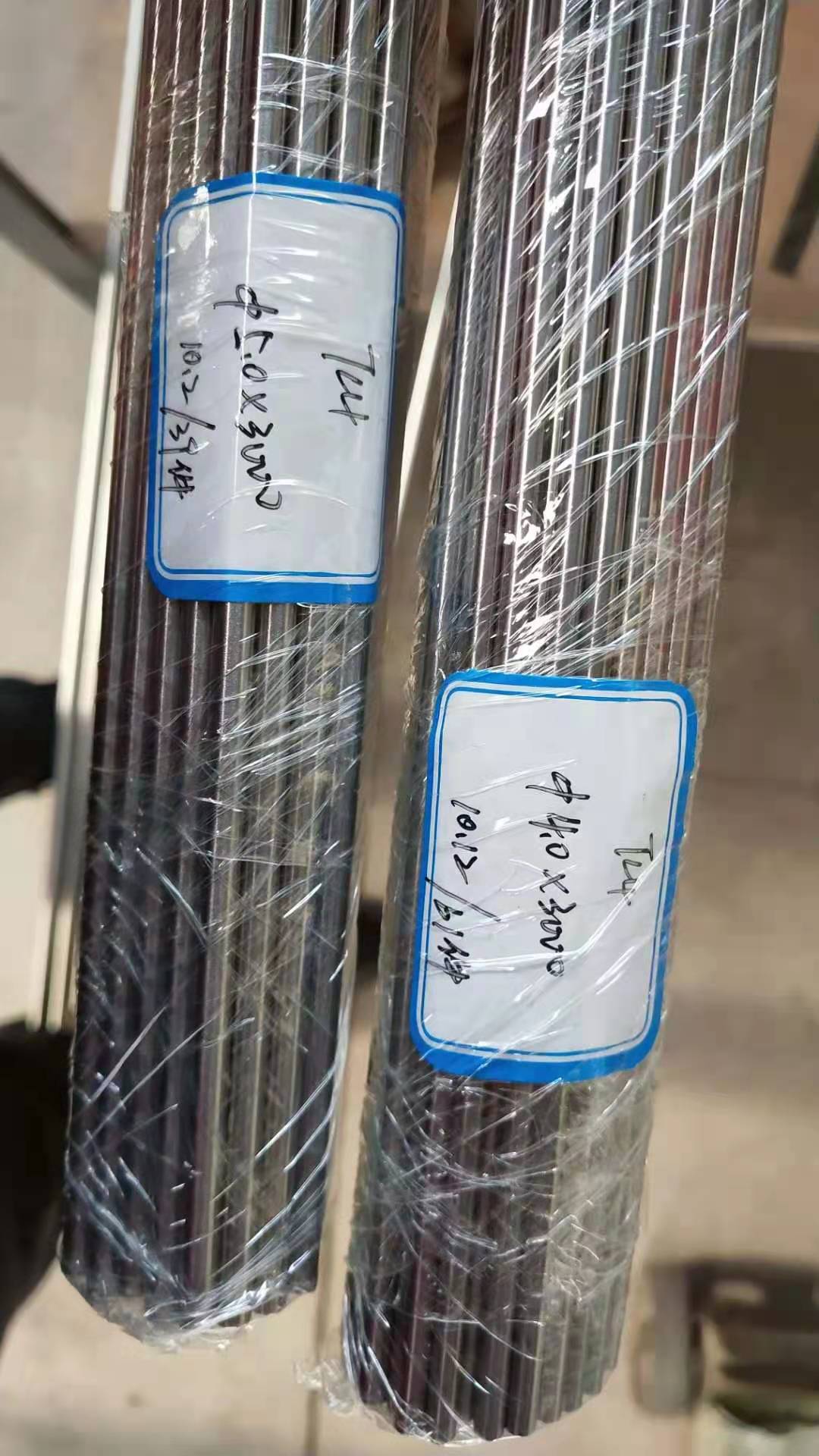
TC4 round steel specifications are ample; direct factory supply of TC4 titanium bars in stock.
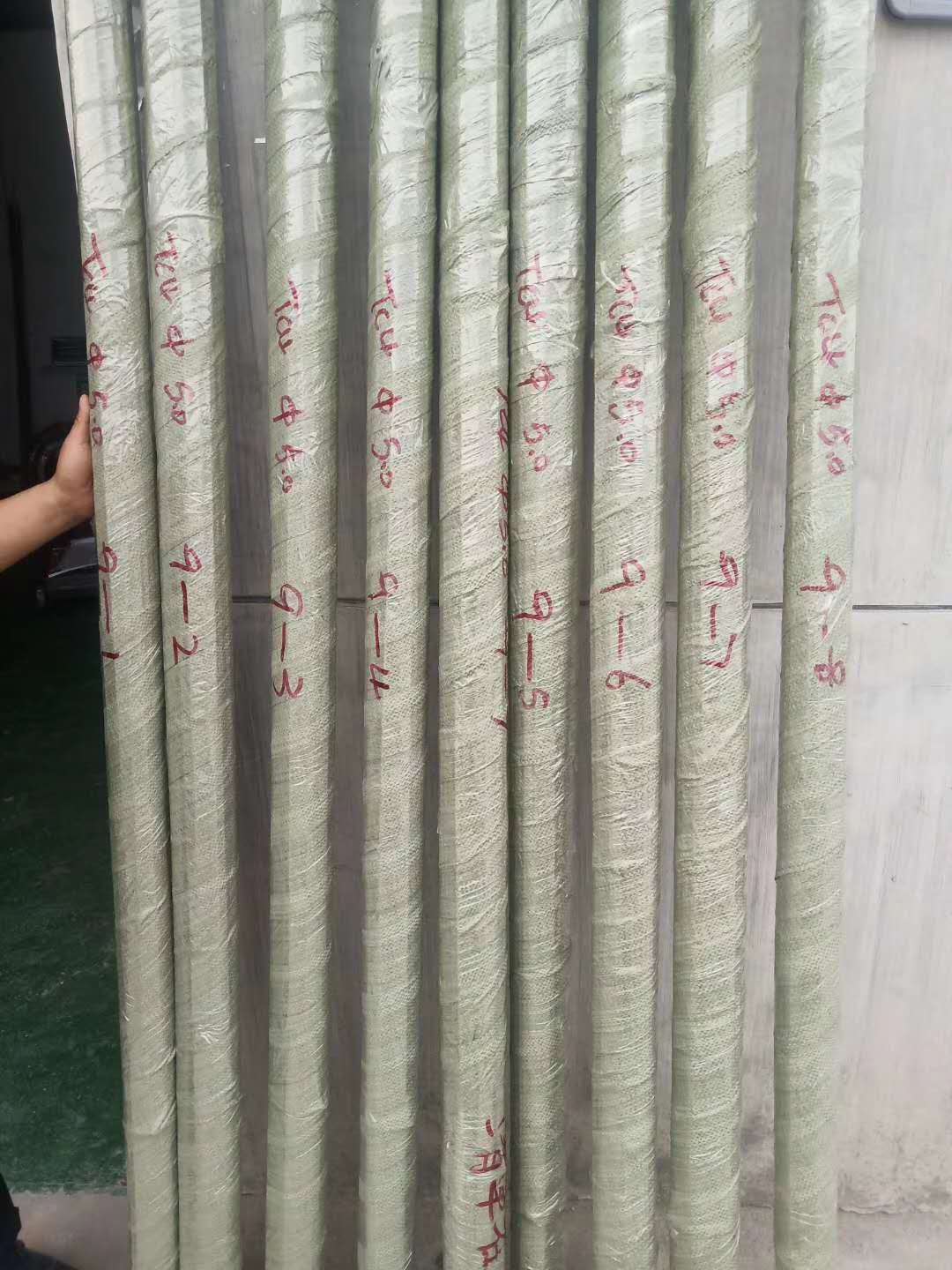
The composition of titanium alloy TC4 is Ti-6Al-4V, which is a (α+β) type titanium alloy with excellent comprehensive mechanical properties. It boasts high specific strength. The strength of TC4 is sb=1.012 GPa, density g=4.4*10^3, and specific strength sb/g=23.5, while the specific strength sb/g of alloy steel is less than 18. Titanium alloys have low thermal conductivity. The thermal conductivity of titanium alloys is 1/5 that of iron and 1/10 that of aluminum, with TC4's thermal conductivity l=7.955 W/m·K.
TC4
Group into Ti-6Al-4V
Material is (a+b) type titanium alloy.
Specific Heat = 0.612 cal/g·℃
Coefficient of linear expansion = 7.89 x 10^-6 /°C, specific heat = 0.612 cal/g·°C. Titanium alloys have a lower modulus of elasticity. The modulus of elasticity for TC4 is E=110 GPa, about half that of steel, making titanium alloys prone to deformation during processing. TC4 (Ti-6Al-4V) and TA7 (Ti-5Al-2.5Sn) titanium alloys undergo surface modification using two different implantation schemes. Tests show that after ion implantation, the titanium alloys have increased microhardness, significantly reduced the coefficient of sliding friction, and effectively improved wear resistance. To understand the modification mechanism, X-ray Photoelectron Spectroscopy (XPS) analysis was conducted on implanted and unimplanted samples, yielding satisfactory results.
Sample Preparation and Injection Conditions
1.1 Sample Preparation
Select aviation-grade TC4 and TA7 titanium alloys, specimens are made into round disks with a size of 40*5mm, and all specimen surfaces are polished to a mirror finish.
1.2 Ion Implantation Conditions
Both types of titanium alloys are processed using two separate injection methods:
On TC4 and TA7 titanium alloy specimens, Ti was sputter coated with a total thickness of 540nm (5400A). During the Ti coating process, dynamic sputter ion injection with (N+ +N+2) was performed simultaneously, with a beam energy of 50keV, beam density of 45μA/cm2, dose of 7*10^17/cm2, and target chamber vacuum of 1.33*10^-2Pa.
On the basis of ①, further inject C+, with a beam energy of 40 keV and a dose of 3*10^17/cm^2.
3 Hardness Measurement
Microhardness of samples with and without injection was measured using the HXD-1000 digital microhardness tester with a load of 4.9×10⁻²N, and the results are listed in Table 1.
Table 1: Microhardness Measurement Results
Material Surface Condition Microhardness/MPa Hardness Increase Factor
Uninjected 2690 0
TC4 Injection (N+ +N+2) 6399 1.38
Injections (N+ +N+2) + C + 3436 0.28
Uninjected 3133 0
TA7 Injection (N+ +N+2) 4276 0.36
Injected (N+ +N+2) + C + 4073 0.30
From Table 1, it is observed that after ion implantation, the microhardness of the specimens has increased to varying degrees, with the hardness of TC4 titanium alloy increased approximately 1.4 times after being implanted with a mixed beam of (N+ + N+2). [1]
● TC4 Coefficient of Thermal Expansion:
TC4 titanium alloy boasts excellent corrosion resistance, low density, high specific strength, as well as good toughness and weldability, making it successfully applied in aerospace, petrochemical, shipbuilding, automotive, and pharmaceutical industries.
●TC4 Titanium Alloy Mechanical Properties:
Tensile strength σb/MPa ≥ 895, specified residual elongation stress σr0.2/MPa ≥ 825, elongation δ5 (%) ≥ 10, reduction of area ψ (%) ≥ 25
● TC4 Titanium Alloy Density:
4.5 (g/cm³) Working Temperature -100 to 550 (°C)
●Chemical Composition of TC4 Titanium Alloy:
TC4 Titanium (Ti) content, Iron (Fe) ≤0.30, Carbon (C) ≤0.10, Nitrogen (N) ≤0.05, Hydrogen (H) ≤0.015, Oxygen (O) ≤0.20, Aluminum (Al) 5.5~6.8, Vanadium (V) 3.5~4.5