














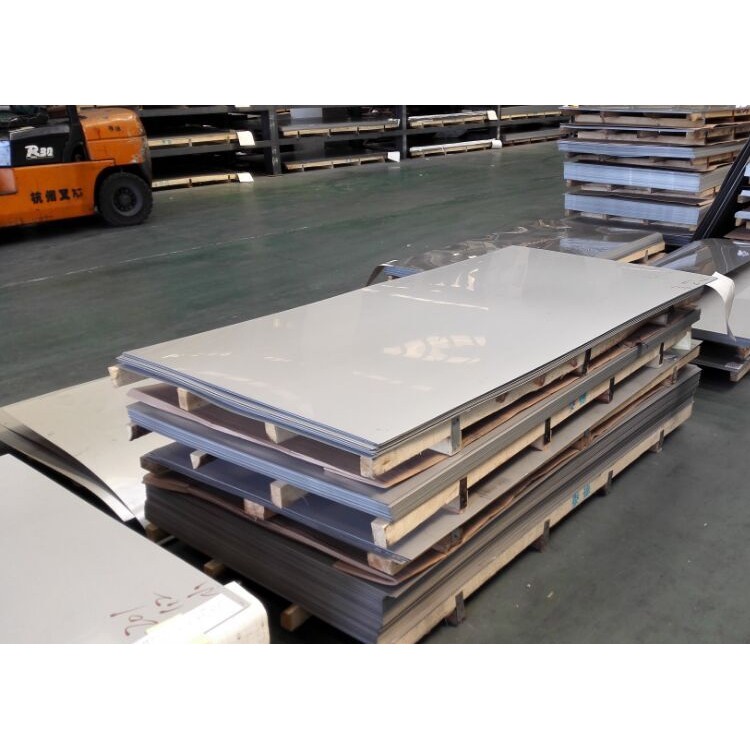

30Cr13 Stainless Steel Manufacturer Warranty | 3Cr13 Military Standard Stainless Steel Round Bar Supply
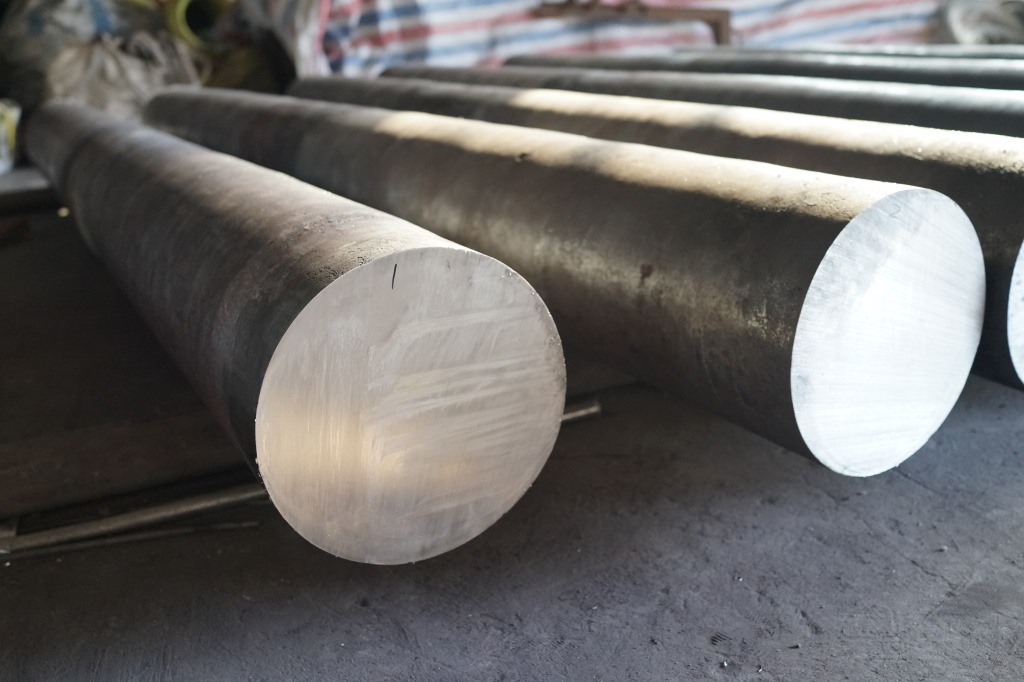
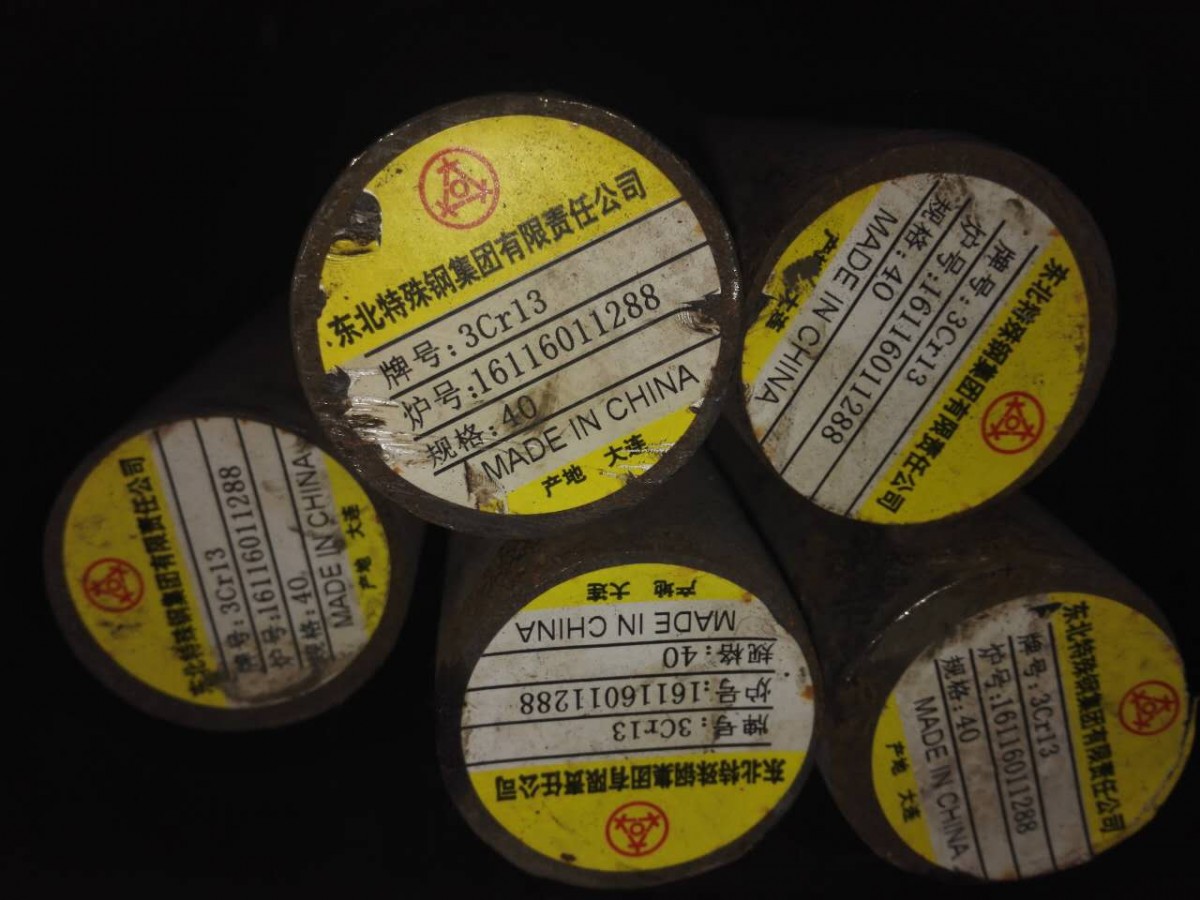
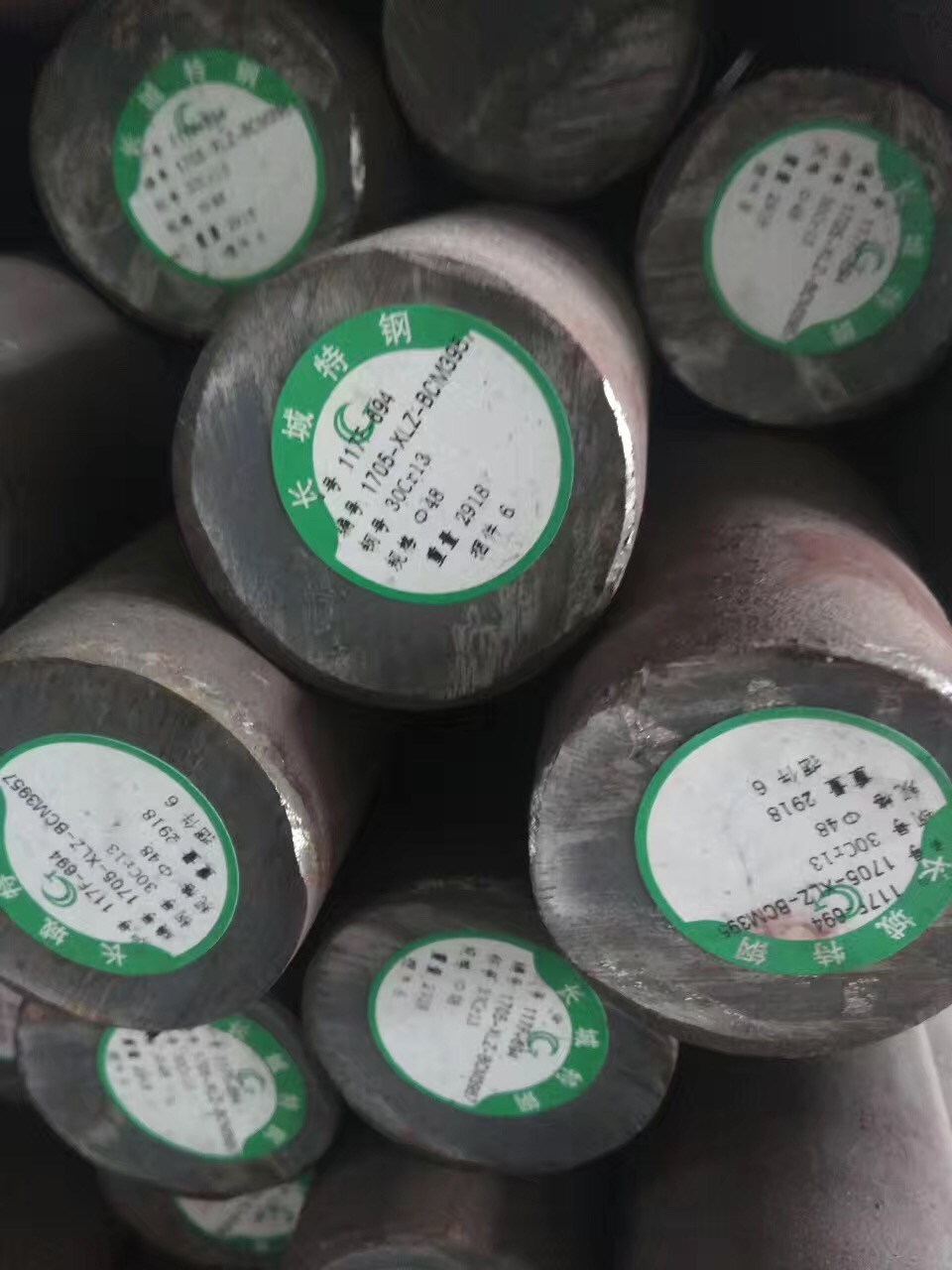
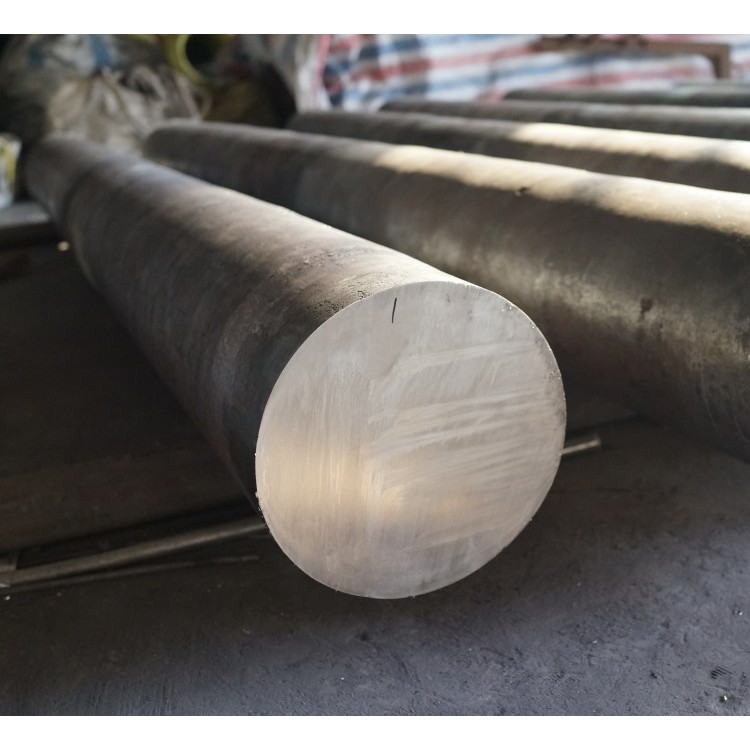
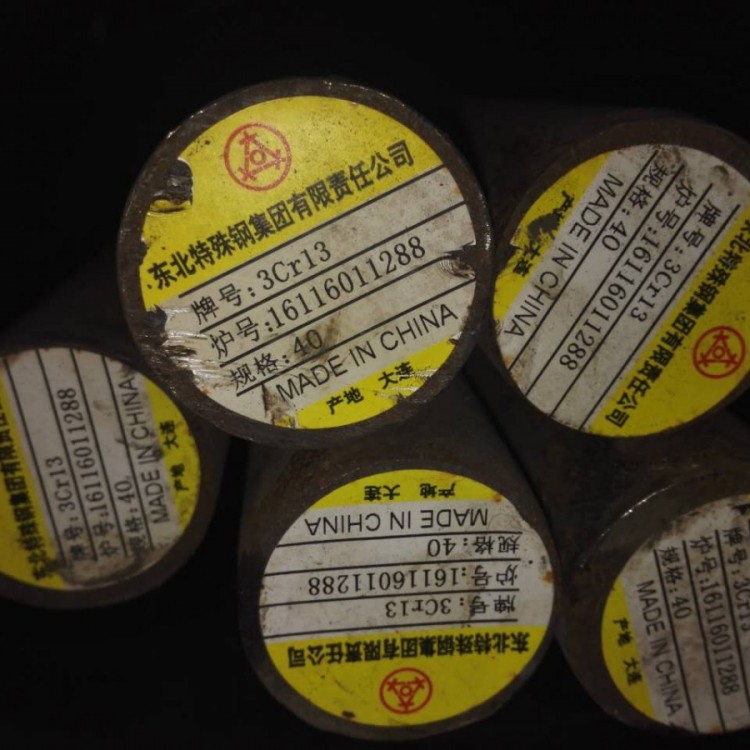
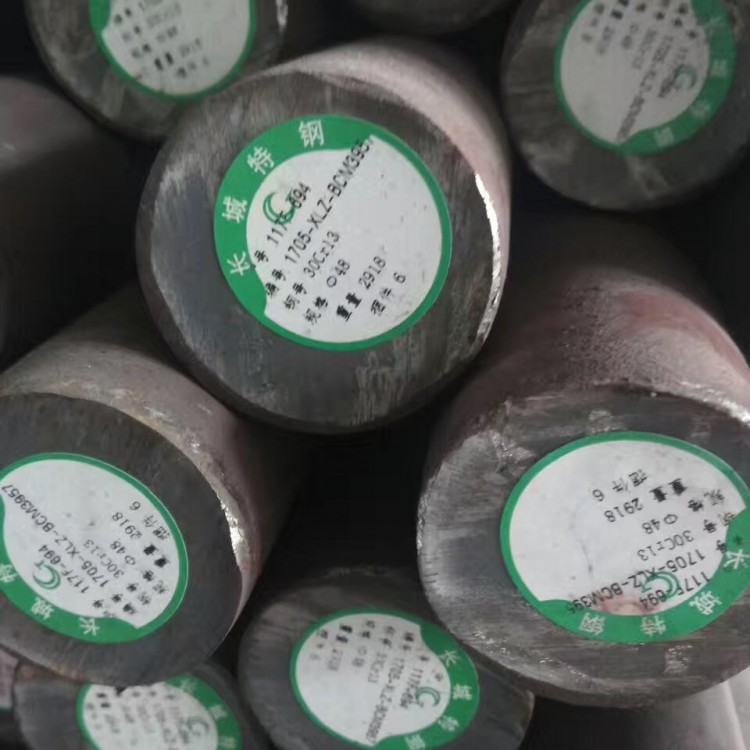
Guoshuo introduces the 3Cr13 military standard stainless steel round bar!
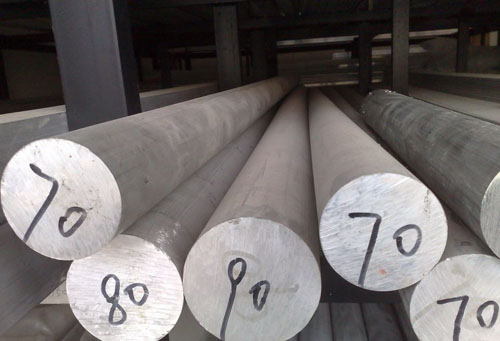
Mechanical properties of 3Cr13:
Tensile Strength σb (MPa): Quenched and tempered ≥ 735
Condition yield strength σ0.2 (MPa): Quenching and tempering ≥ 540
δ5 (%): Quench and temper ≥ 12% elongation
Section shrinkage rate ψ (%): Quenching and tempering ≥ 40
Impact Energy Akv (J): Hardening and tempering ≥ 24
Hardness: Annealed ≤ 235HB; Quenched and tempered 48~53HRC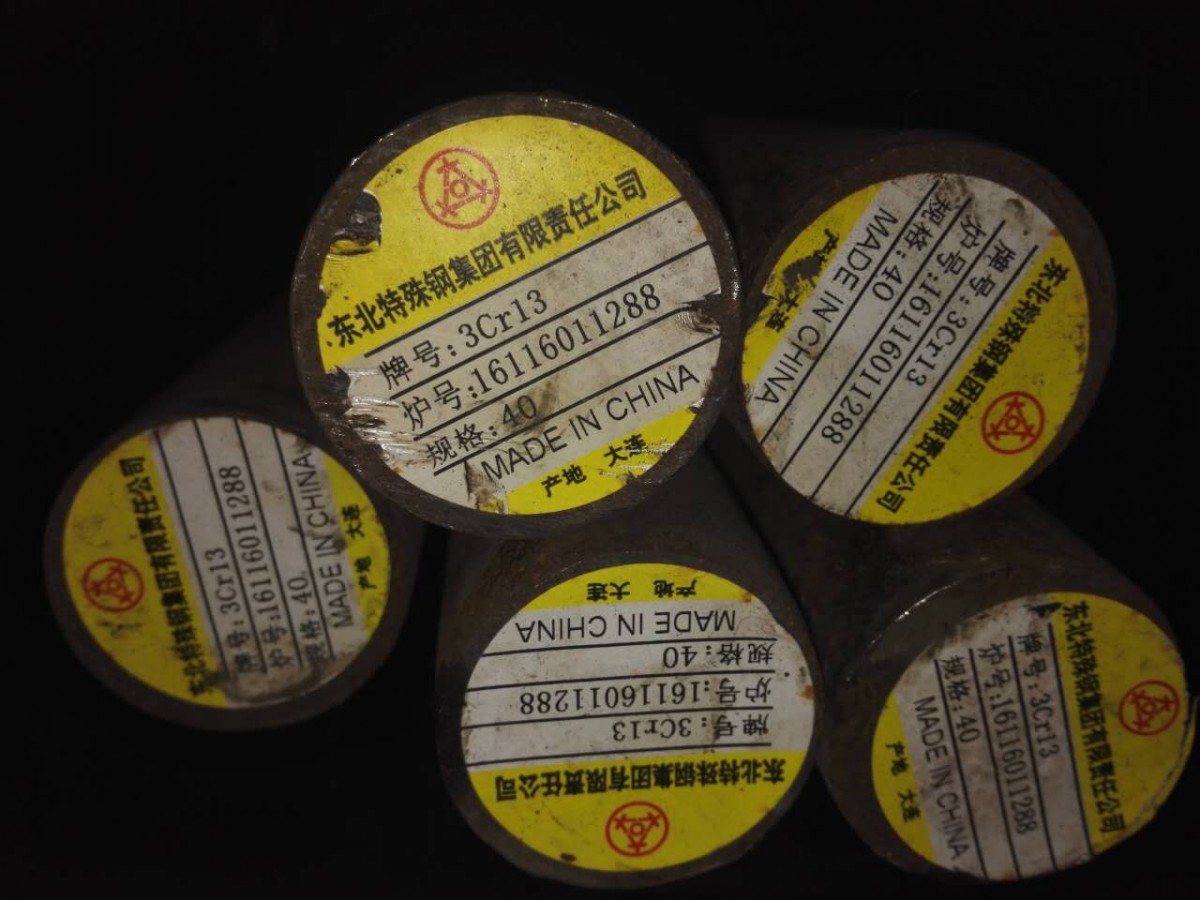
30Cr13 is a type of stainless steel, belonging to the martensitic stainless steel category.
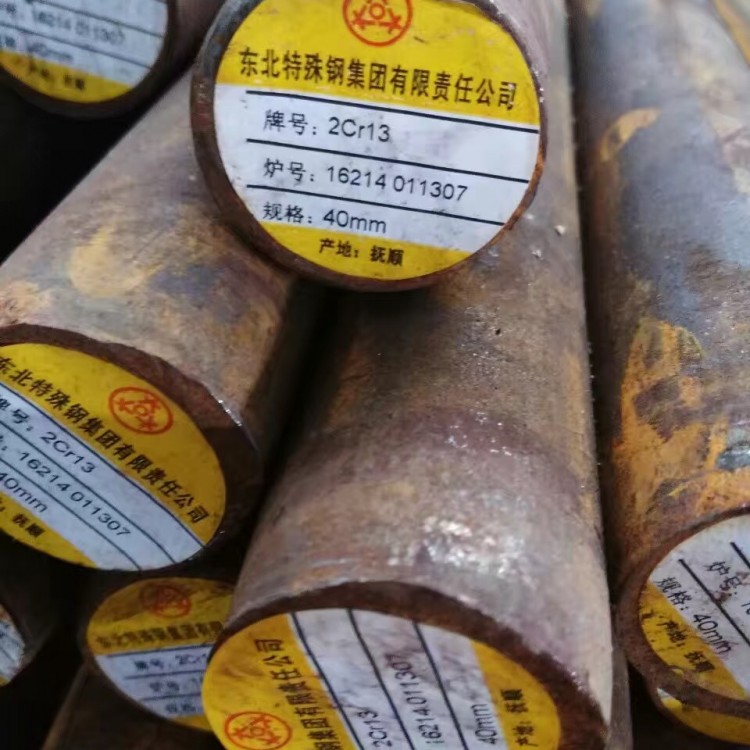
The corrosion resistance of martensitic stainless steel primarily depends on the chromium content, while the carbon in the steel, which forms a stable chromium carbide, indirectly affects the steel's corrosion resistance. Therefore, in 13% Cr steel, the lower the carbon content, the higher the corrosion resistance. In the four types of steel - 1Cr13, 2Cr13, 3Cr13, and 4Cr13 - the order of their corrosion resistance and strength is exactly the opposite.
Martensitic stainless steels commonly used include 1Cr13, 3Cr13, etc. Due to their higher carbon content, they offer excellent strength, hardness, and wear resistance, although their corrosion resistance is slightly inferior. They are used in parts with high mechanical property requirements and moderate corrosion resistance, such as springs, turbine blades, cutting tools, nozzles, valve seats, valves/water pressure valve seats, etc. These steels are used after quenching and tempering treatments.
3Cr13 Stainless Steel Tube Standard:
GB/T1220-1992 is a martensitic type stainless steel with excellent machinability. After heat treatment (quenching and tempering), it boasts superior corrosion resistance, high polishing performance, strength, and wear resistance, making it suitable for manufacturing plastic molds that withstand high loads, high wear, and exposure to corrosive media.
The 3Cr13 material, after tempering with a hardness below HRC30, exhibits good machinability and is easy to achieve a high surface quality. However, parts machined with a hardness above HRC30 have a better surface quality, but are prone to tool wear. Therefore, after the material enters the factory, it should be tempered to achieve a hardness of HRC25-30 first, followed by the machining process.
Shanghai Gouhuo welcomes your call for inquiries!