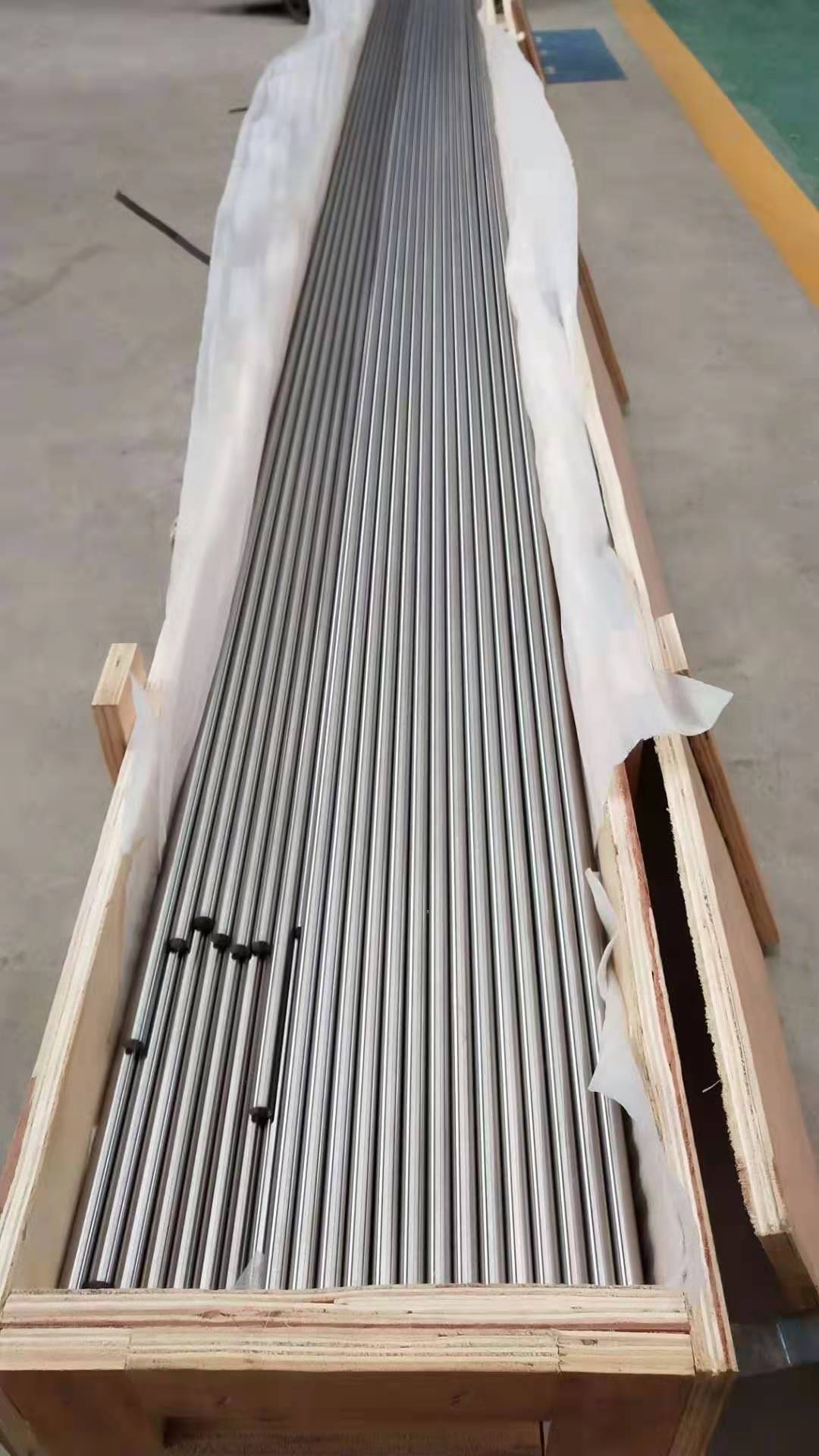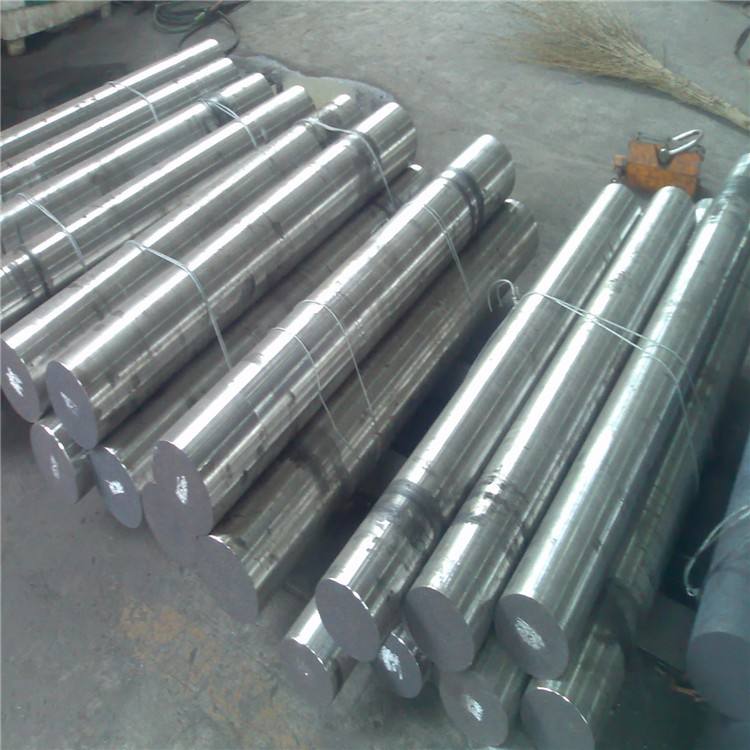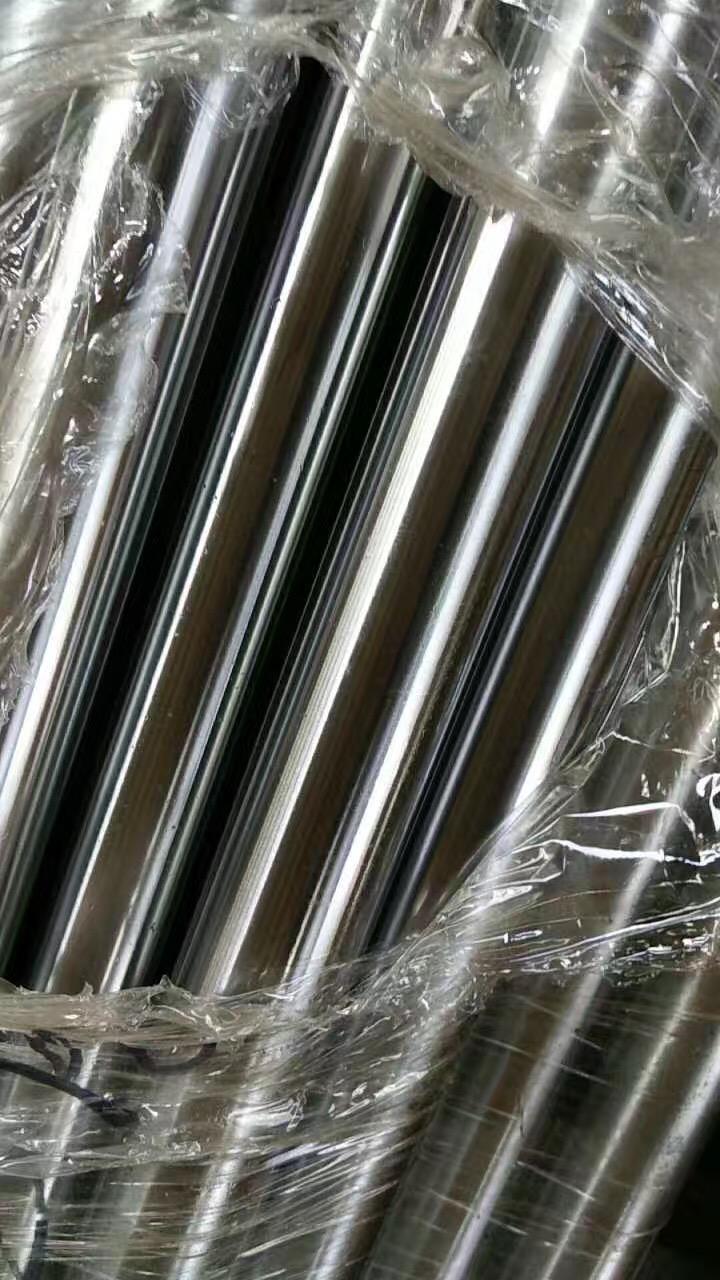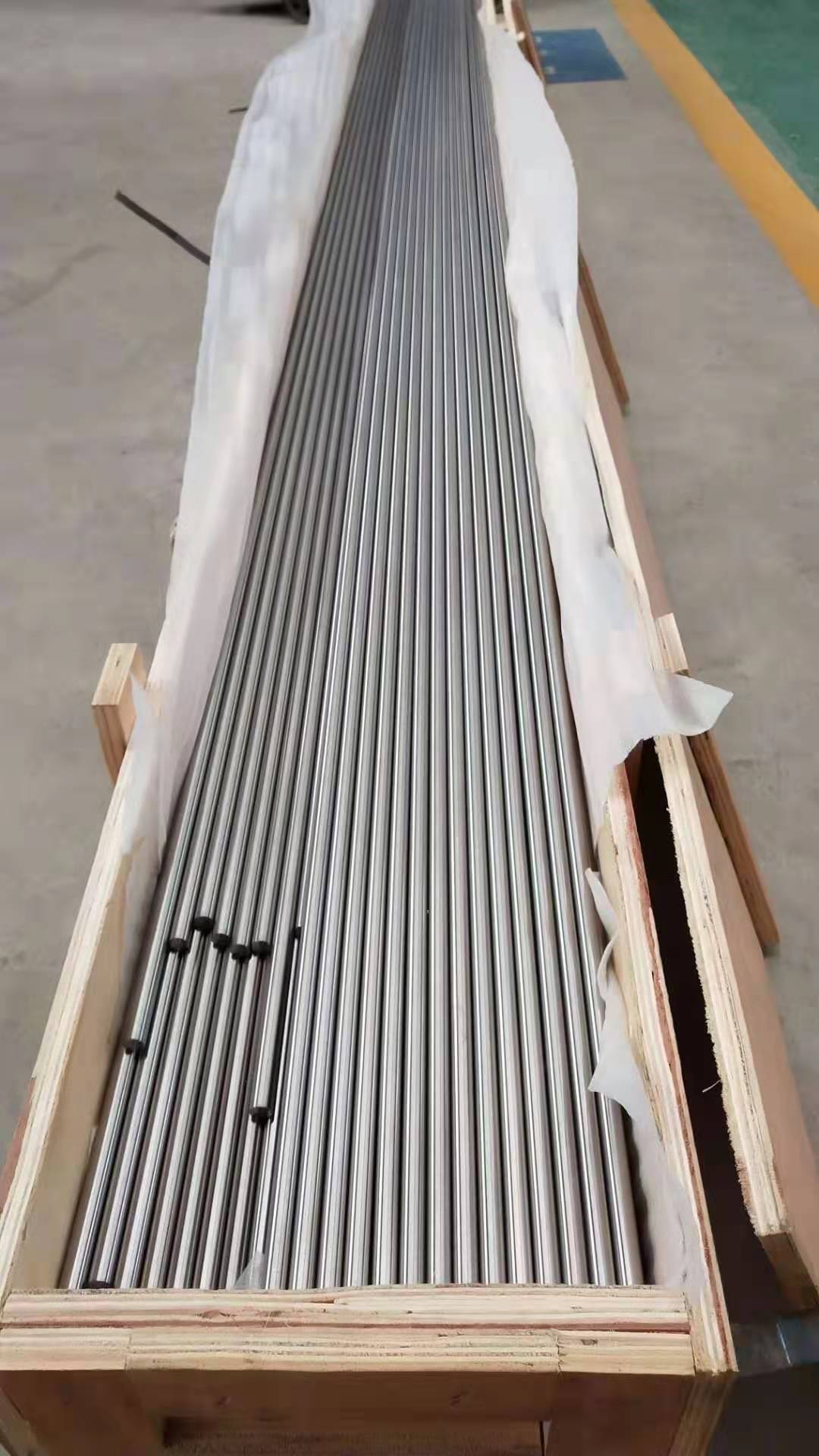

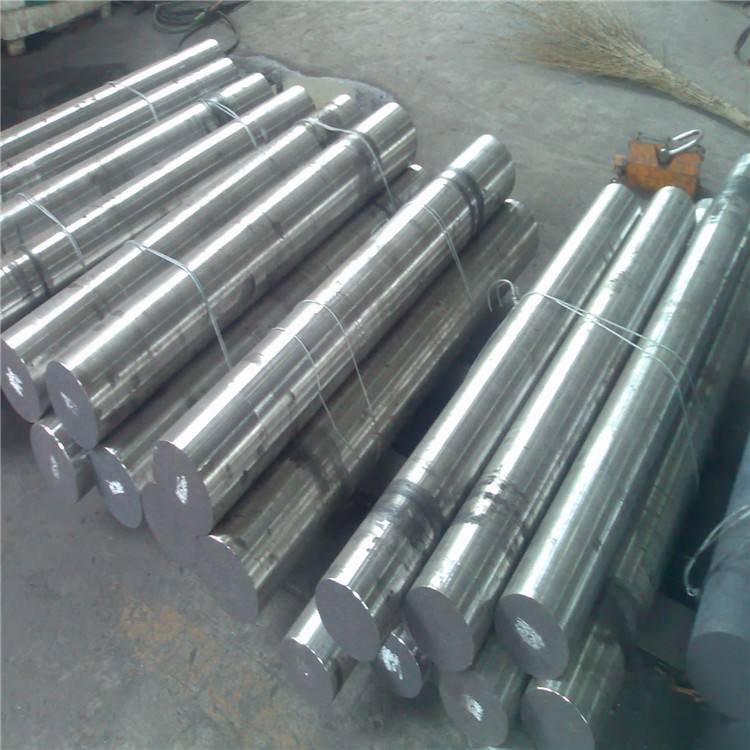

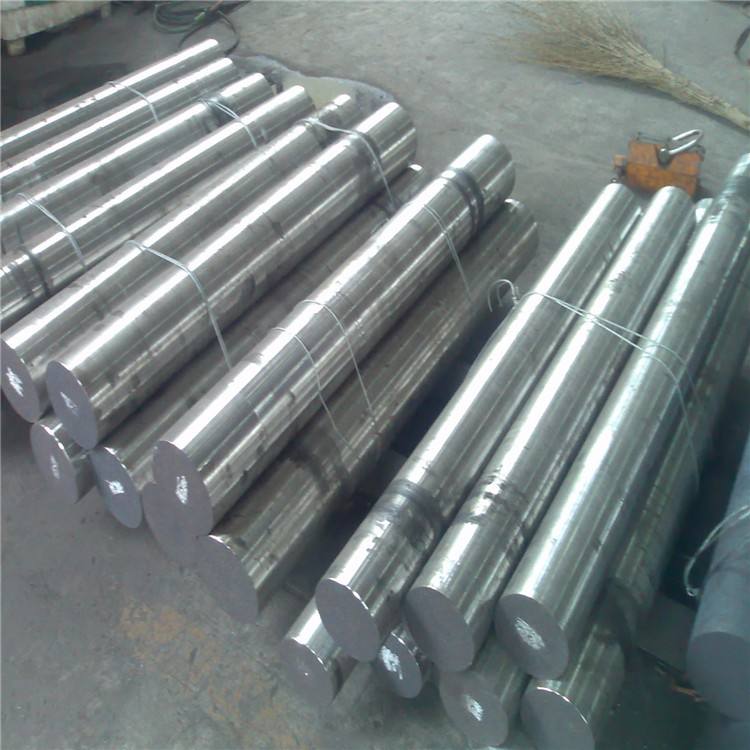

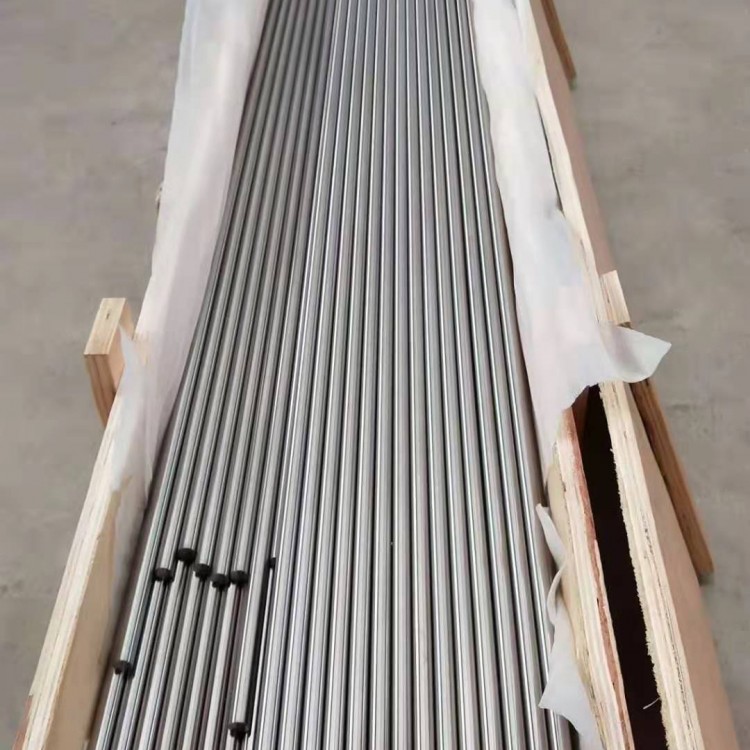














Haynes 188 Round Bar Heat Treatment, Manufacturer's Price for Haynes 188 Rods
Haynes 188 heat treatment process:
A) Forged bars, ring pieces, cooled at 1180℃±10℃ to ensure the product meets the required mechanical properties at a rate suitable for HB≤293.
B) Cold-rolled sheets and strips, quenched at 1165-1230°C, followed by rapid air cooling;保温 time based on product cross-sectional thickness.
Hot rolled sheets, 1170°C-1190°C, air-cooled, HV≤282.
Haynes 188 alloy material specifications:
This alloy is a solid-solution cobalt-based superalloy, reinforced with 14% tungsten for excellent high-temperature strength. It also contains a higher amount of chromium and trace amounts of lanthanum, providing good high-temperature oxidation resistance. Additionally, it offers satisfactory formability and welding characteristics, making it suitable for manufacturing parts on aircraft engines that require high strength below 980°C and oxidation resistance below 1100°C.
Haynes 188 alloy welding process
The HAYNES188 alloy is easily weldable using gas tungsten arc (TIG), gas metal arc (MIG), shielded metal arc (coated electrode), electron beam welding, and resistance welding techniques. Its welding characteristics are similar to those of the HAYNES25 alloy. Arc welding is not recommended due to the high heat input characteristics into the base metal and the slow cooling of the weld seam.
Alloy 188 is a cobalt-based special alloy with unique high-temperature strength and oxidation resistance, retaining sufficient ductility even after prolonged exposure to temperatures between 1400-1600°F. Compared to nickel-based alloys, cobalt-based alloys inherently possess excellent high-temperature creep properties.