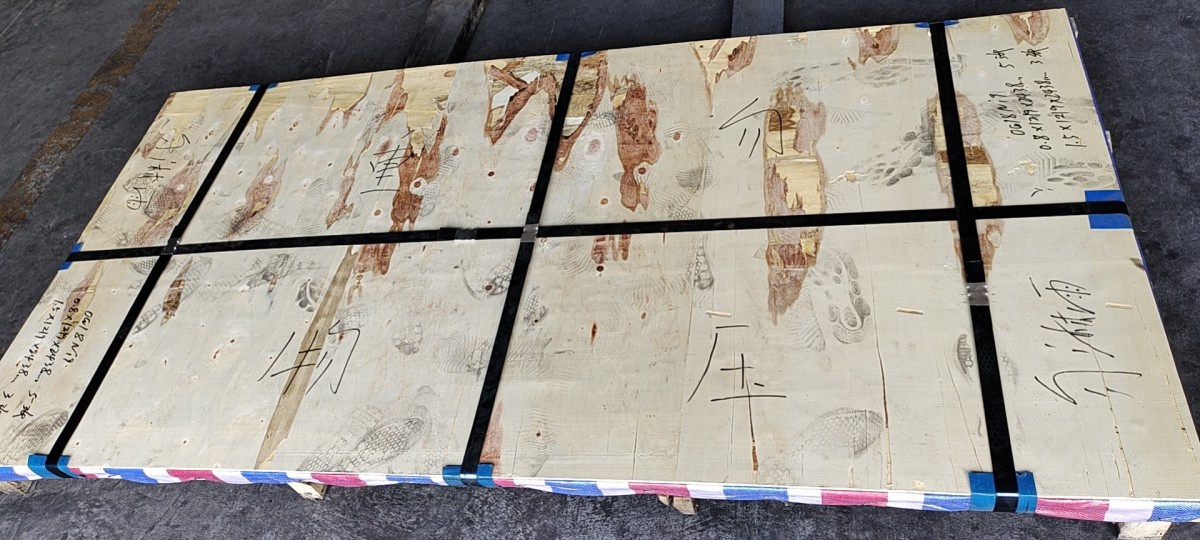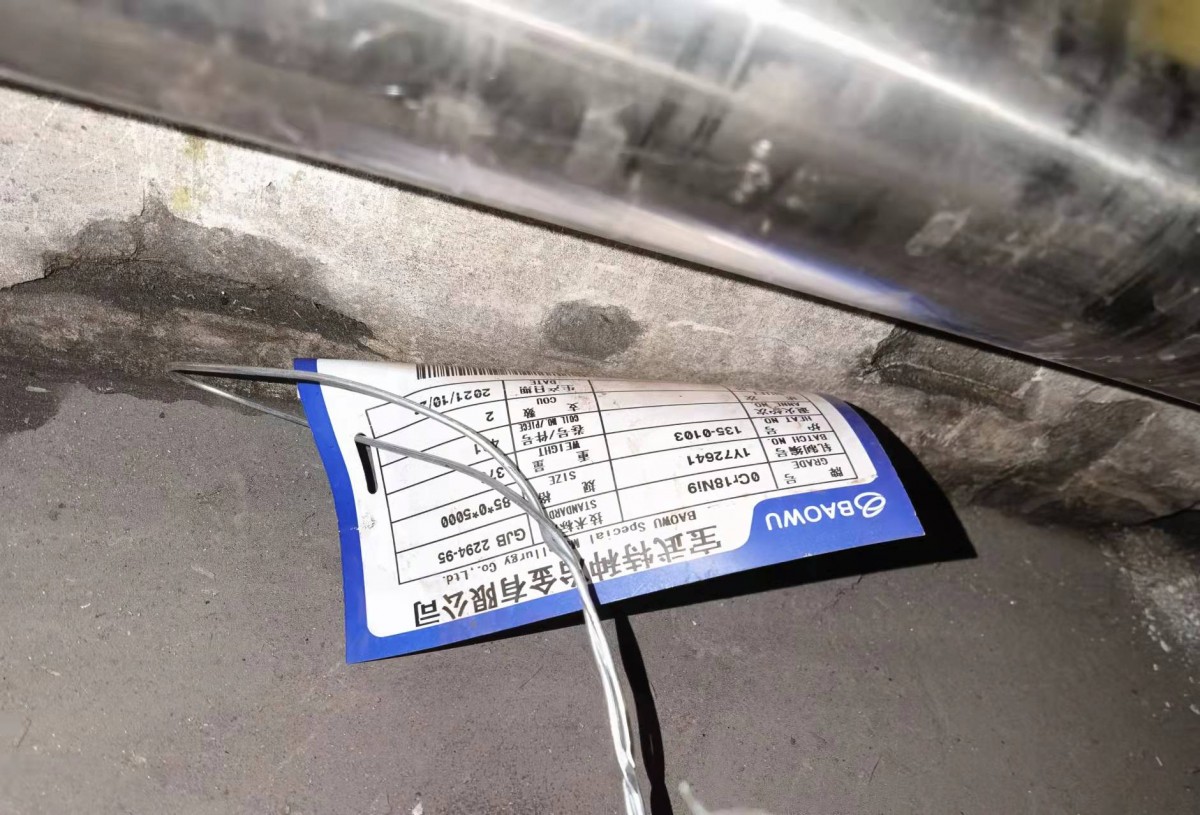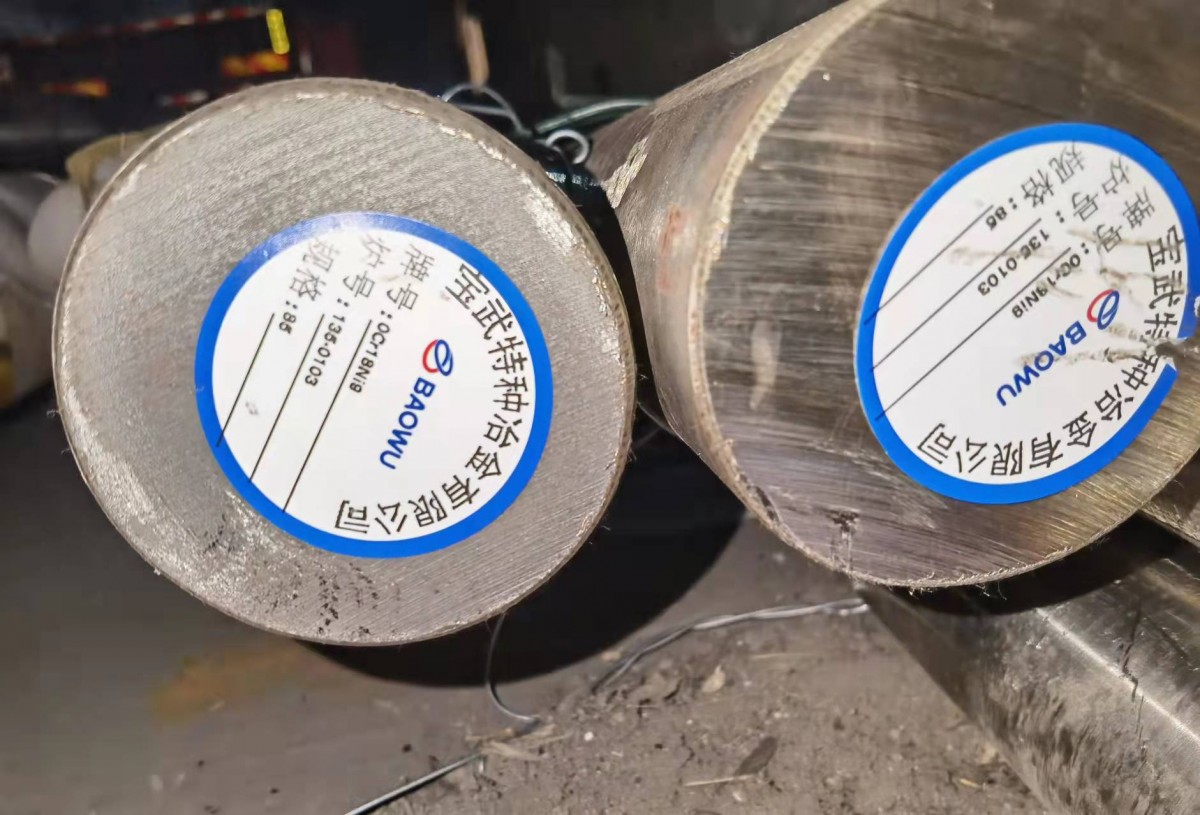















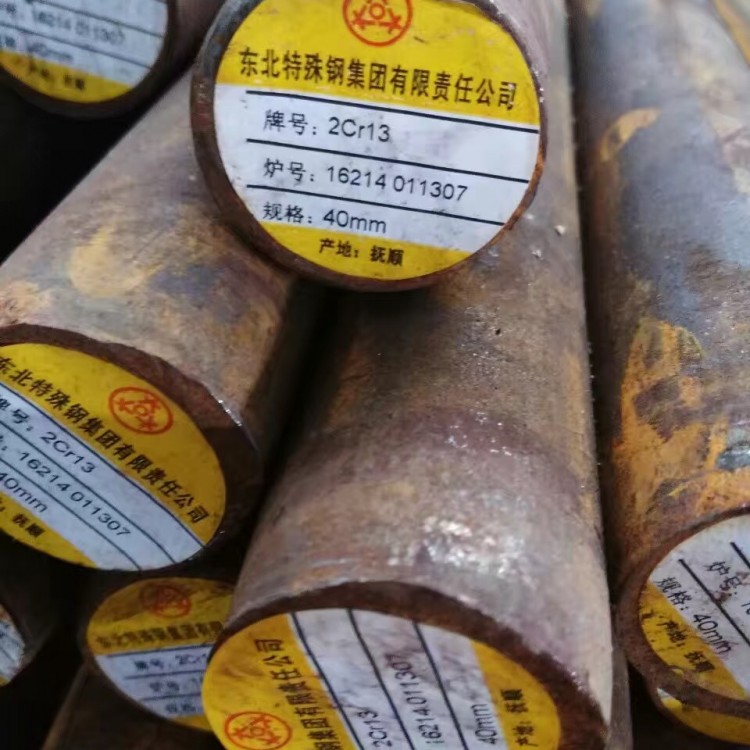

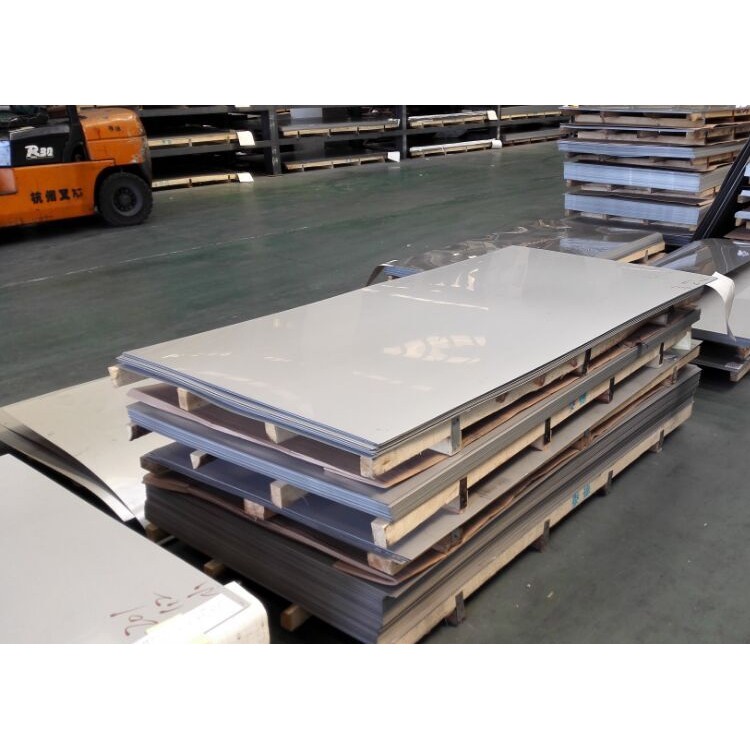

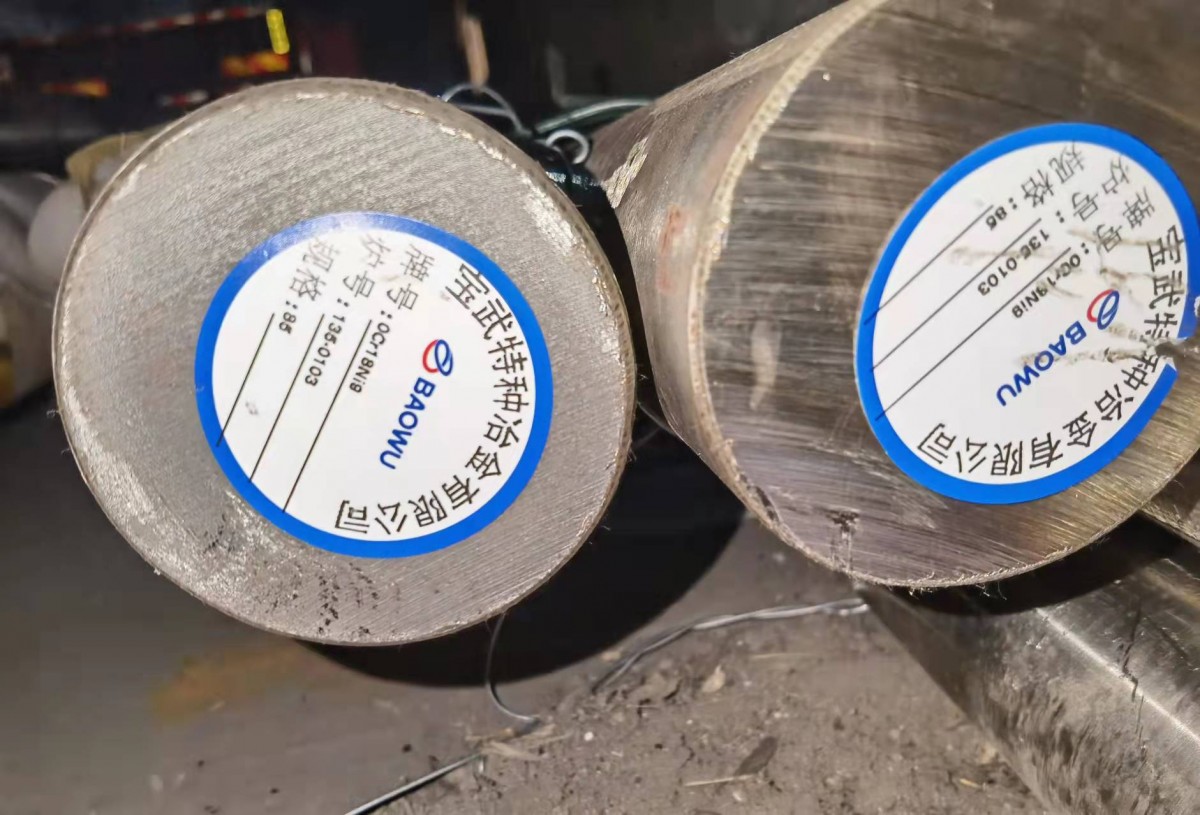
GN Standard 0Cr18Ni9 Sheet in Stock, 0Cr18Ni9 GN Standard Round Bar Available
Features
Excellent corrosion resistance, heat resistance, low-temperature strength, and mechanical properties; good hot processing characteristics such as stamping and bending, no hardening after heat treatment, and non-magnetic.
Usage
Household goods, cabinets, indoor piping, water heaters, boilers, bathtubs, car accessories, medical equipment, construction materials, chemicals, food industry, agriculture, ship parts.
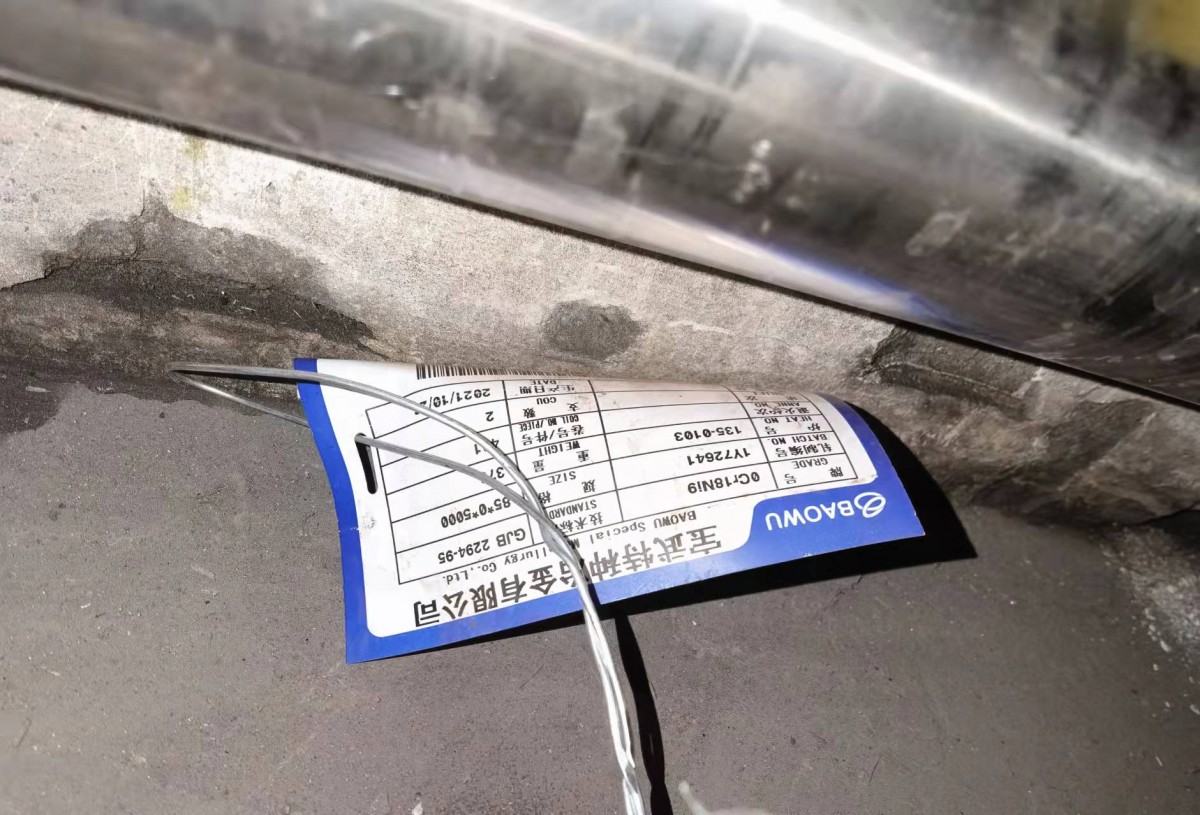
Chemical Composition
Carbon C: ≤0.08
Silicon (Si): ≤1.00
Manganese (Mn): ≤2.00
Sulfur (S): ≤0.030
Phosphorus (P): ≤0.045
Chromium (Cr): 18.00~20.00
Nickel (Ni): 8.00-10.50
Mechanical properties
Tensile Strength σb (MPa): ≥520
Condition Yield Strength σ0.2 (MPa): ≥205
Tensile elongation δ5 (%): ≥40
Sectional reduction rate ψ (%): ≥60
Hardness: ≤187HBS; ≤90HRB; ≤200HV
Processing Technique
Heat Treatment Specification: Austenitize at 1010-1150°C and rapidly cool.
Metallographic Structure: Characterized by Austenitic grain structure.
Due to its high nickel content and austenitic single-phase structure at room temperature, it boasts superior corrosion resistance compared to Cr13 stainless steel. It exhibits high ductility and toughness at low, room, and high temperatures, as well as good cold working and welding properties. However, its strength at room temperature is lower, with a greater tendency for intergranular corrosion and stress corrosion, and poor machinability. Austenite does not undergo phase transformation upon heating, so it cannot be strengthened through heat treatment. Heat treatment can only be used to enhance the steel's corrosion resistance.
1) Solution Treatment; its purpose is to fully dissolve the carbides and retain them in the austenite at room temperature, thereby obtaining a single-phase austenitic structure at room temperature and enhancing the steel's corrosion resistance.
The heating temperature for solution heat treatment is generally high, ranging from 1050 to 1100°C, with appropriate adjustments made based on the carbon content. Due to the poor thermal conductivity of 18-8 stainless steel, not only must quenching heating be carried out after preheating, but the holding time during solution heat treatment (quenching heating) must also be prolonged. During solution heat treatment, it is crucial to prevent carbon pick-up, as it will increase the intergranular corrosion tendency of 18-8 steel. The cooling medium typically used is plain water. The microstructure after solution heat treatment is generally single-phase austenite, but for stainless steels containing titanium, niobium, and molybdenum, especially castings, there is also a small amount of ferrite. The hardness after solution heat treatment is generally around 135HBS.
2) Stress-relieving; to eliminate residual stresses after cold working, the treatment is conducted at lower temperatures. Generally, the heating is up to 250-425°C, with 300-350°C being commonly used. For steel without titanium or niobium, the temperature should not exceed 450°C to prevent the precipitation of chromium carbides and intergranular corrosion.
To eliminate residual stress after welding and reduce the steel's susceptibility to stress corrosion, the treatment is usually carried out at higher temperatures. The heating temperature is generally not below 850°C. For steels containing titanium or niobium, they can be air-cooled directly; for those without titanium or niobium, they should be water-cooled to 500°C before air-cooling.
3) Stabilization Treatment; To prevent the reduction of intergranular corrosion resistance in austenitic stainless steel containing titanium and niobium during welding or solution heat treatment due to the decrease of TiC and NbC, the stainless steel must be heated to a certain temperature (where the carbides of chromium are completely dissolved in the austenite, while TiC and NbC are only partially dissolved) and then slowly cooled. During the cooling process, ensure that carbon in the steel fully combines with titanium and niobium, precipitating stable TiC and NbC without the formation of chromium carbides, thereby eliminating the intergranular corrosion tendency of 18-8 austenitic stainless steel. This treatment process is known as stabilization treatment.