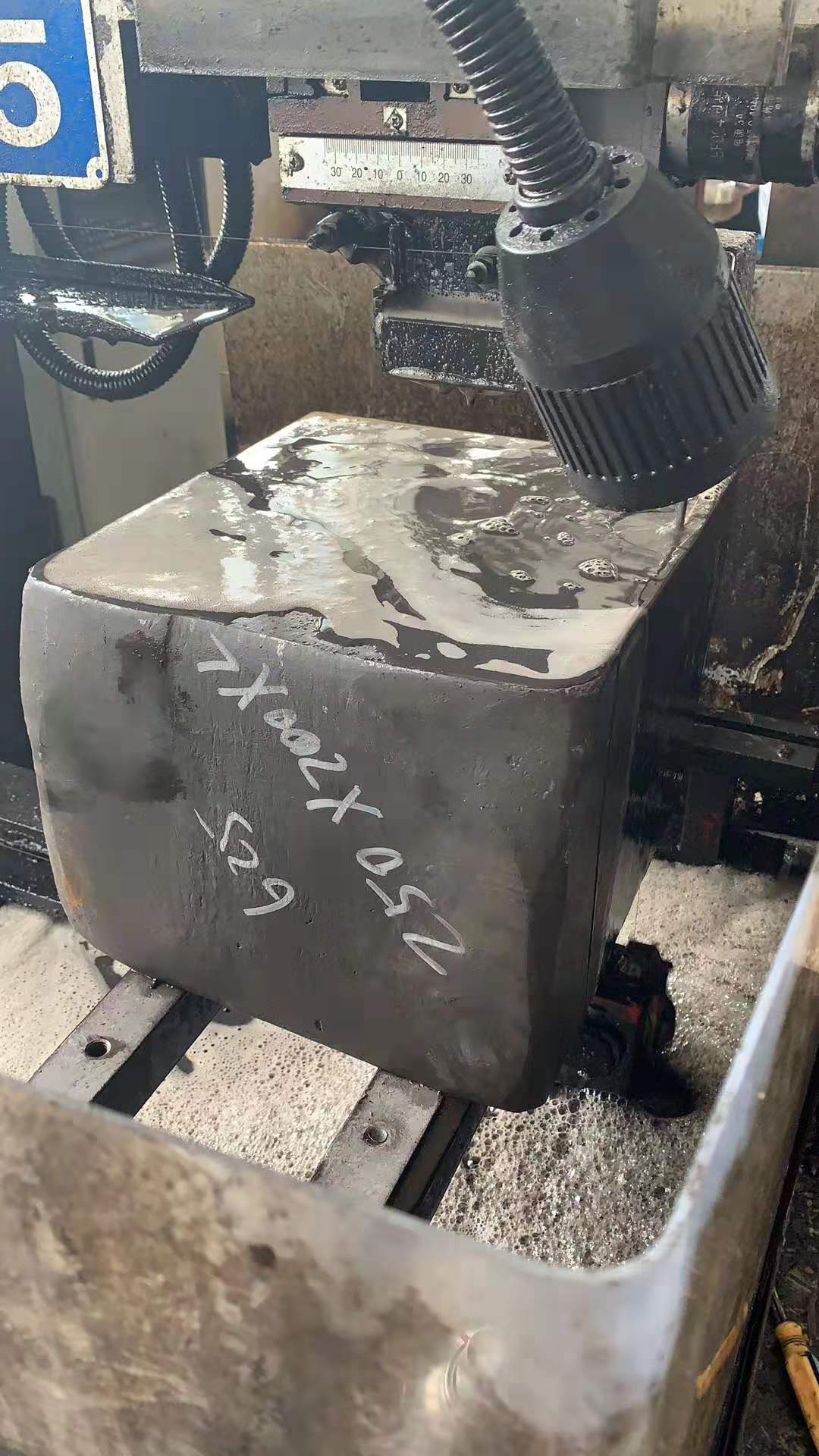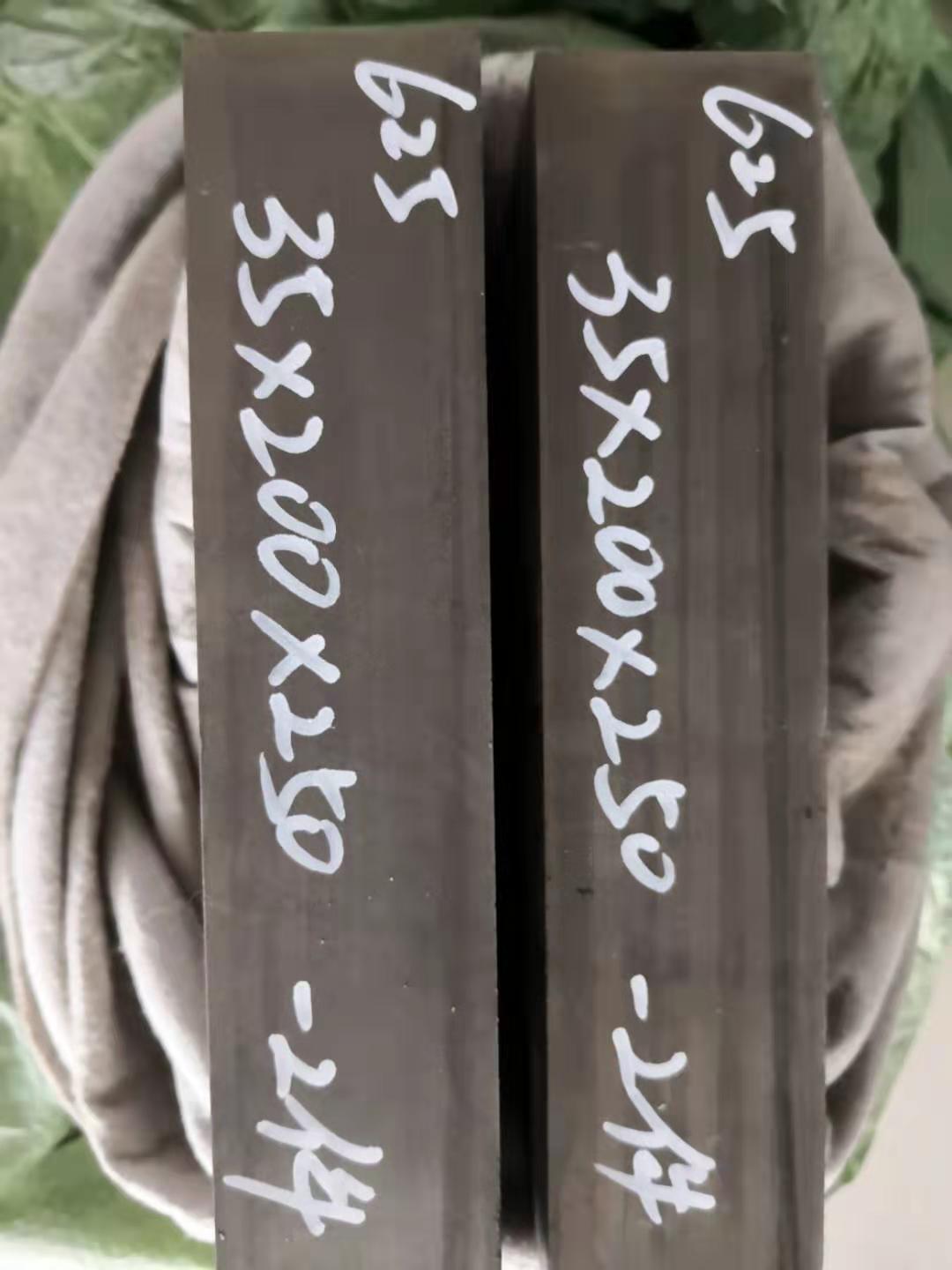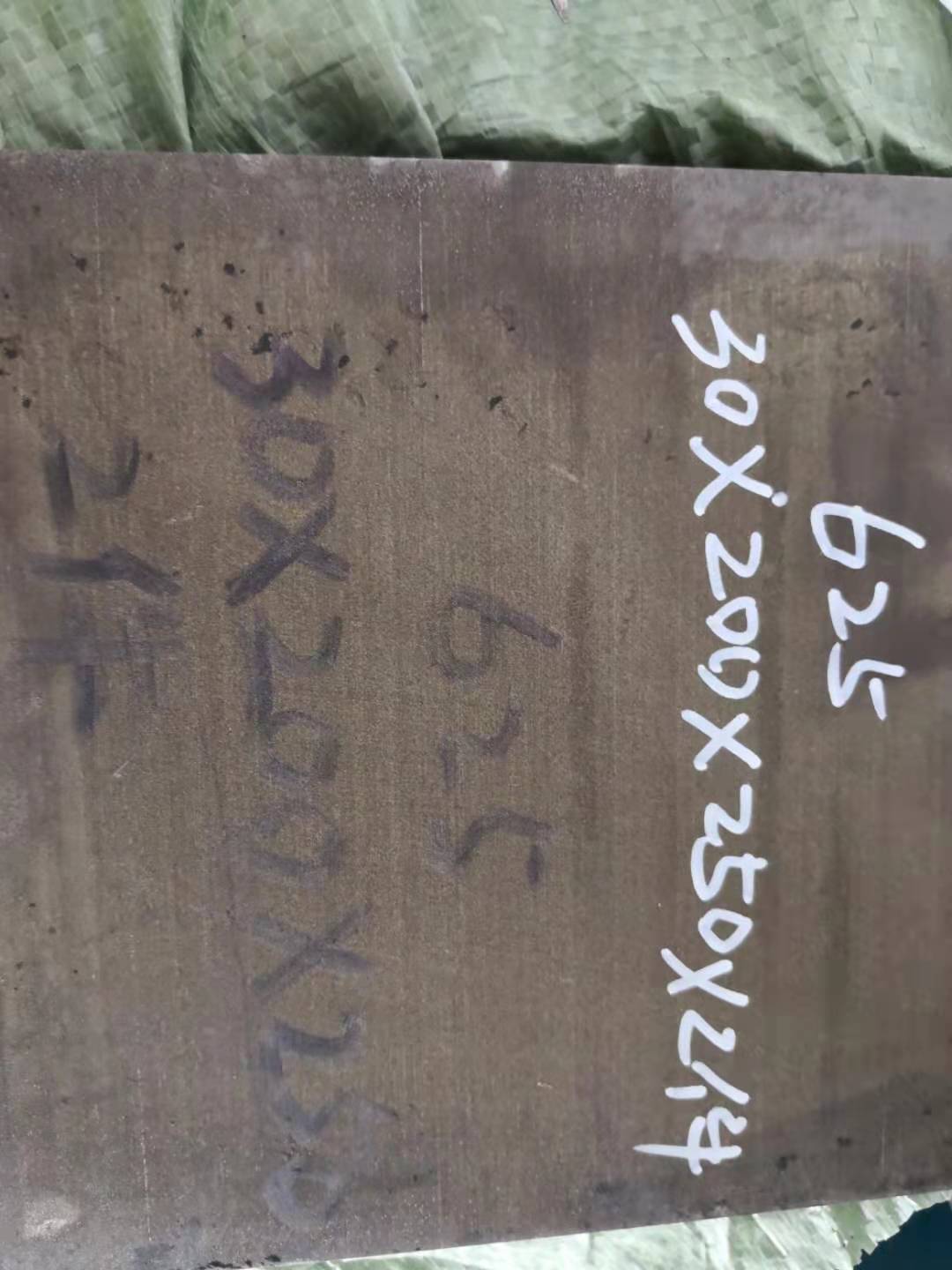
















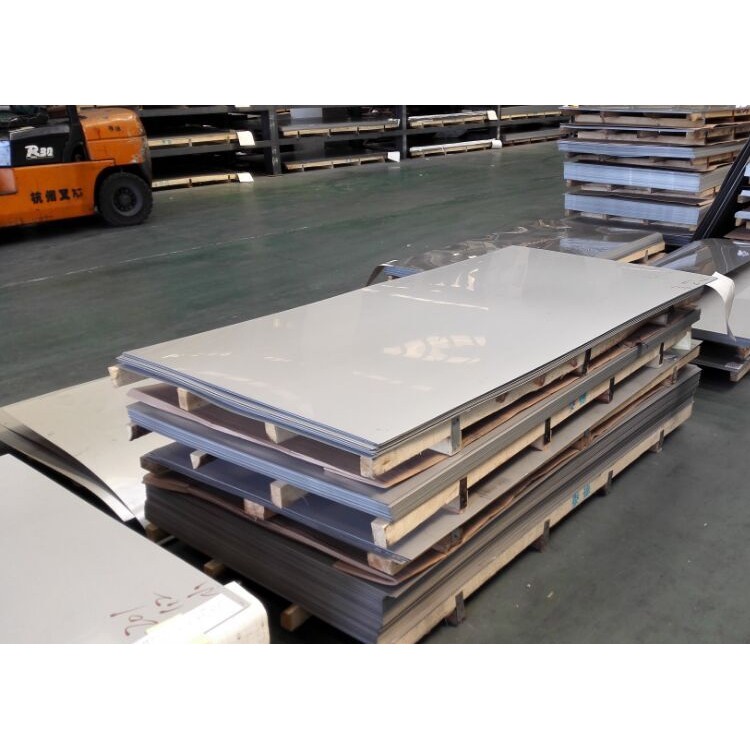

High-Temperature Alloy Plate Detailed Description - Inconel 625 Nickel-Based Alloy Plate Manufacturer Supply
Introduction
Inconel 625 (UNS N06625) is an austenitic-based high-temperature alloy. Although developed for high-temperature strength, its high-alloy composition offers general corrosion resistance to various oxidizing and non-oxidizing environments. It boasts excellent wear resistance to oxidation and corrosion under a range of corrosive conditions, including jet engine environments and numerous other corrosive conditions in aerospace and chemical processing applications. The alloy maintains exceptional strength and toughness across a temperature range from low temperatures to 2000°F (1093°C). The NO625 alloy also exhibits superior fatigue resistance. It derives its strength from the solid-solution strengthening effect of molybdenum and niobium on the *chromium-based matrix.

Inconel 625 alloy characteristics
Excellent mechanical properties at both relatively low and high temperatures.
Excellent resistance to pitting, crevice, and intergranular corrosion.
Almost completely unaffected by chloride-induced stress corrosion cracking.
Highly resistant to oxidation at temperatures up to 1050°C.
Excellent tolerance to acids such as phosphoric acid, sulfuric acid, hydrochloric acid, and * allows for the construction of thin, high-heat-conducting structural components.
Inconel 625 alloy composition
C:≤0.10
Si:≤0.50
Mn:≤0.50
Cr:20.0-23.0
Ni:≤58
Mo:8.0-10.0
Al:≤0.40
Nb:3.15-4.15
Ti:≤0.4
Fe:≤5.00
S:≤0.015
P:≤0.015
Inconel 625 solution treated mechanical properties (minimum values)
Tensile Strength σb/MPa: 830
Yield Strength σp0.2/MPa: 410
Tensile elongation σ5?/%: 30
Beloit Hardness (HBS): ≤290

Physical Properties of Inconel 625 Alloy
Melting Point: 1290-1350°C
Density: 8.5 g/cm³
Specific Heat: 410 Joules/kg·°K
Permeability: (75°F, 200 oersted): 1.0006
Inconel 625 Microstructure
The alloy exhibits an Austenite matrix with a small amount of TiN, NbC, and M6C phases in the solid solution state. After long-term aging at 650~900°C, the precipitated phases are γ*, δ, M23C6, and M6C.
Inconel 625 Process Performance and Requirements.
1. This alloy boasts excellent cold and hot forming properties, with ingot forging heating temperature at 1120°C.
2. The average grain size of this alloy is closely related to the deformation degree of the forging and the final forging temperature.
3. The alloy exhibits excellent welding properties, allowing for tungsten electrode or self-alloy filler material to be used in argon arc welding under protective atmosphere. Soldering and resistance seam welding can also be employed for connection.
4. Surface Treatment Process: First wash off the oxide scale on the alloy surface, then proceed with acid washing in a solution of nitric acid and hydrofluoric acid-water.
5. When the processing amount exceeds 15% during cold working of the alloy, annealing treatment must be conducted after hot working.
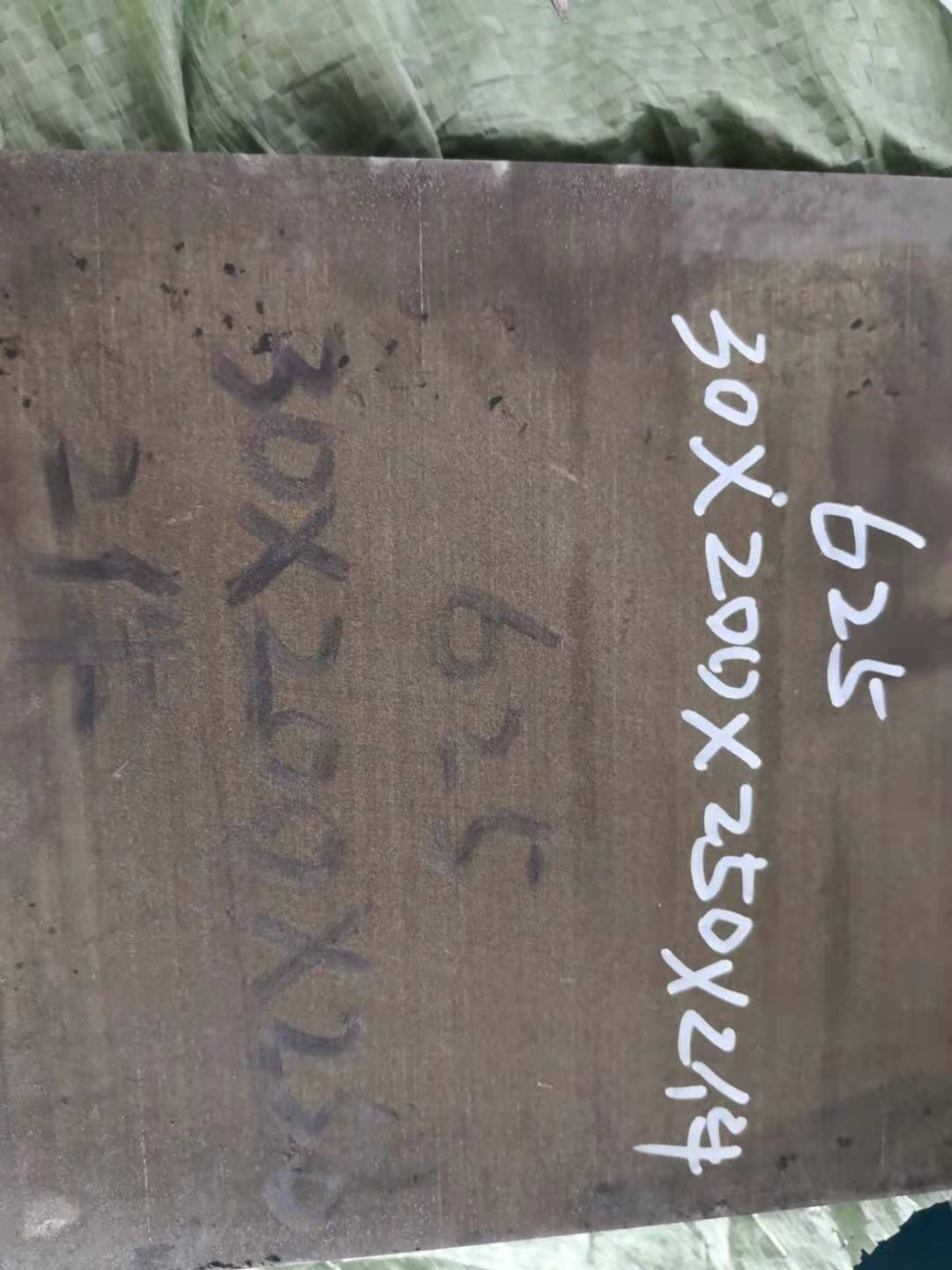
Inconel 625 Alloy Applications
Components requiring exposure to seawater and high mechanical stress.
Hydrogen sulfide and elemental sulfur gas production occur when the temperature exceeds 150°C.
Components exposed to flue gas or desulfurization equipment.
Flare stack on an offshore oil platform.
Hydrocarbon processing for tar sand and oil shale recovery projects.