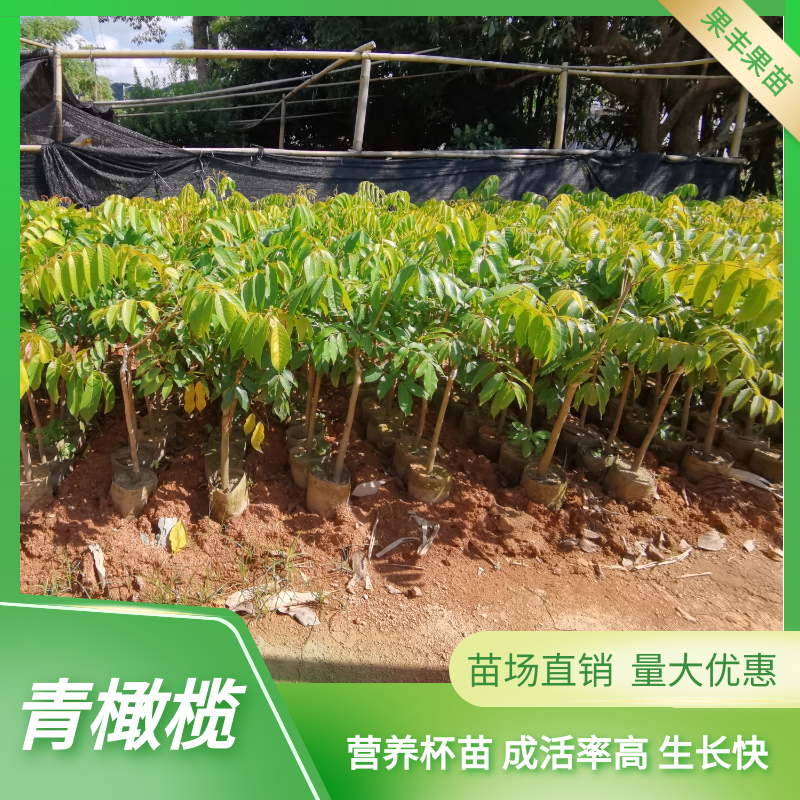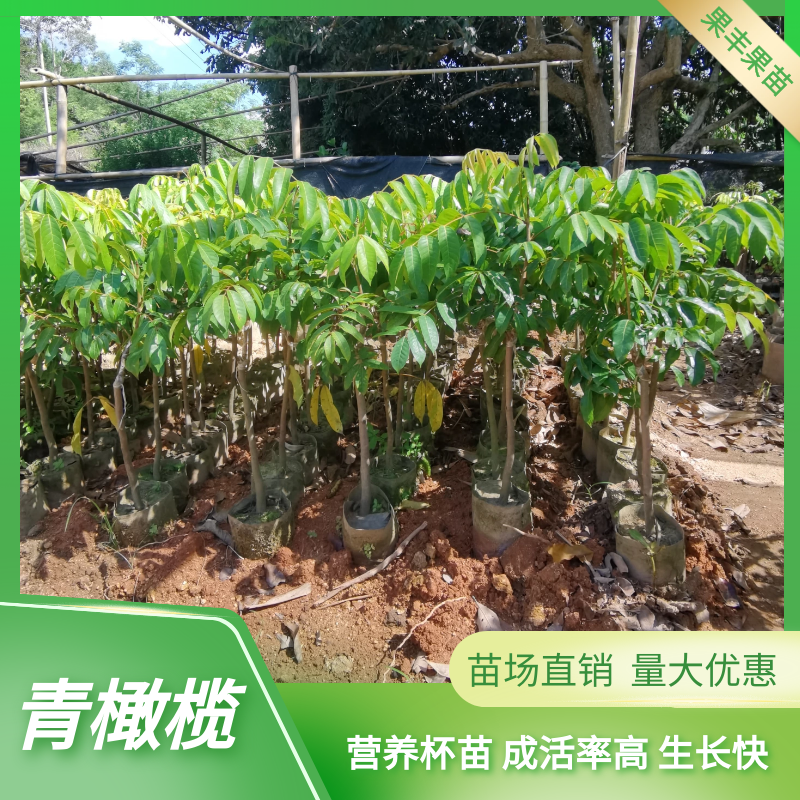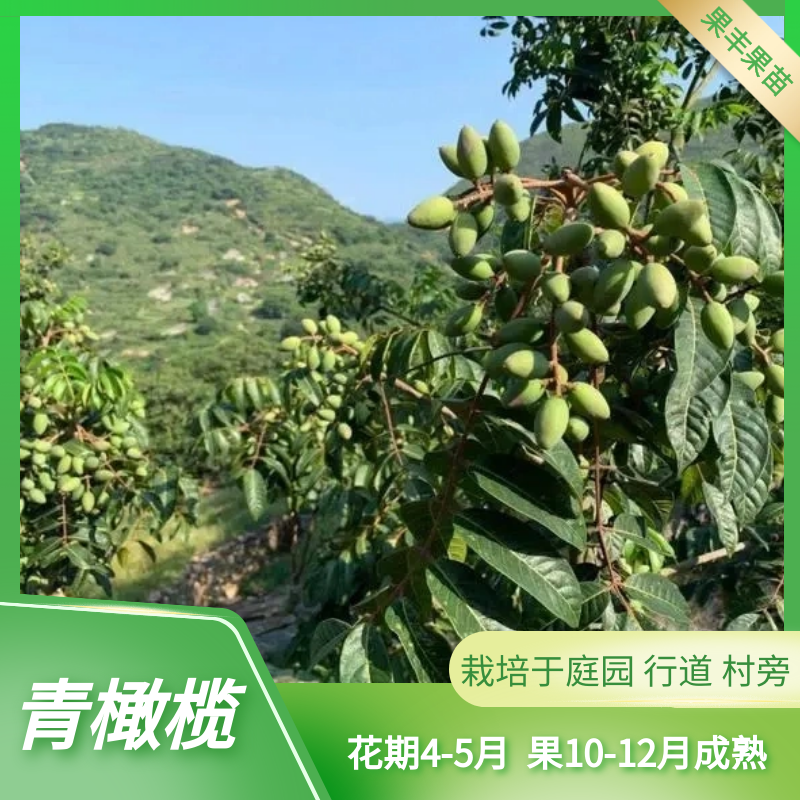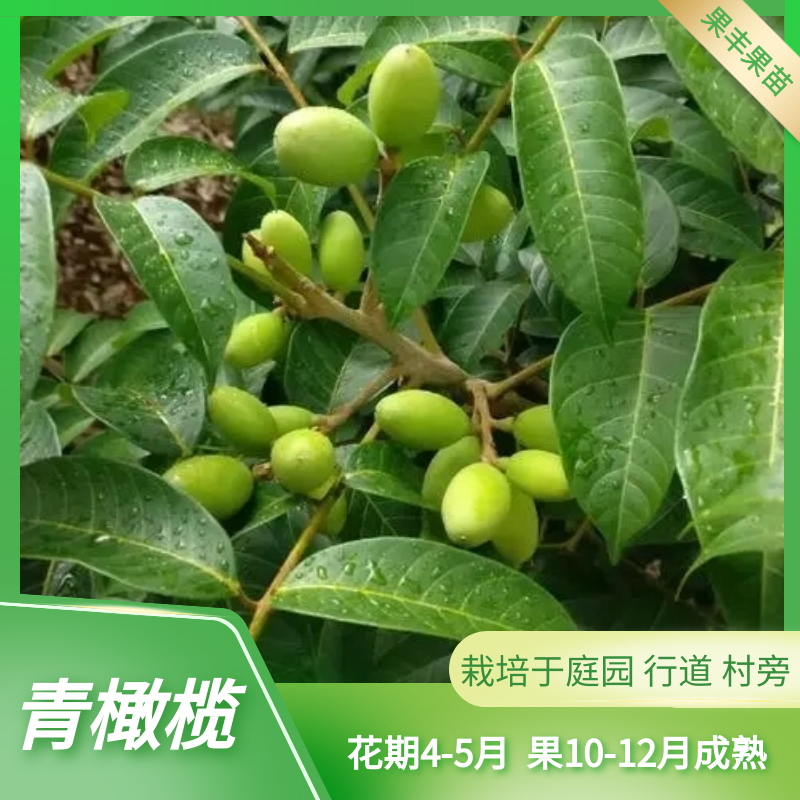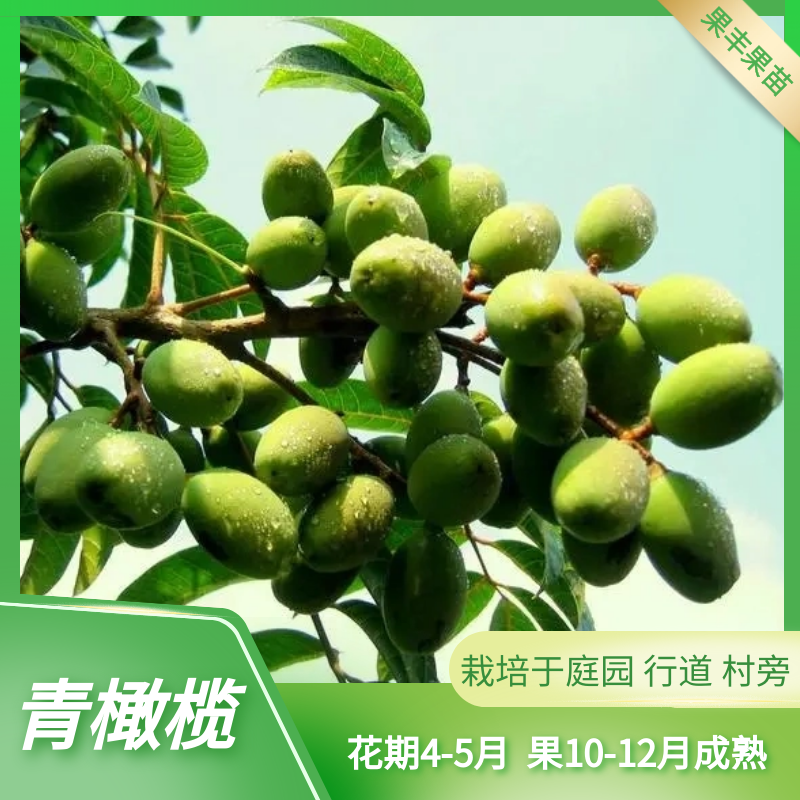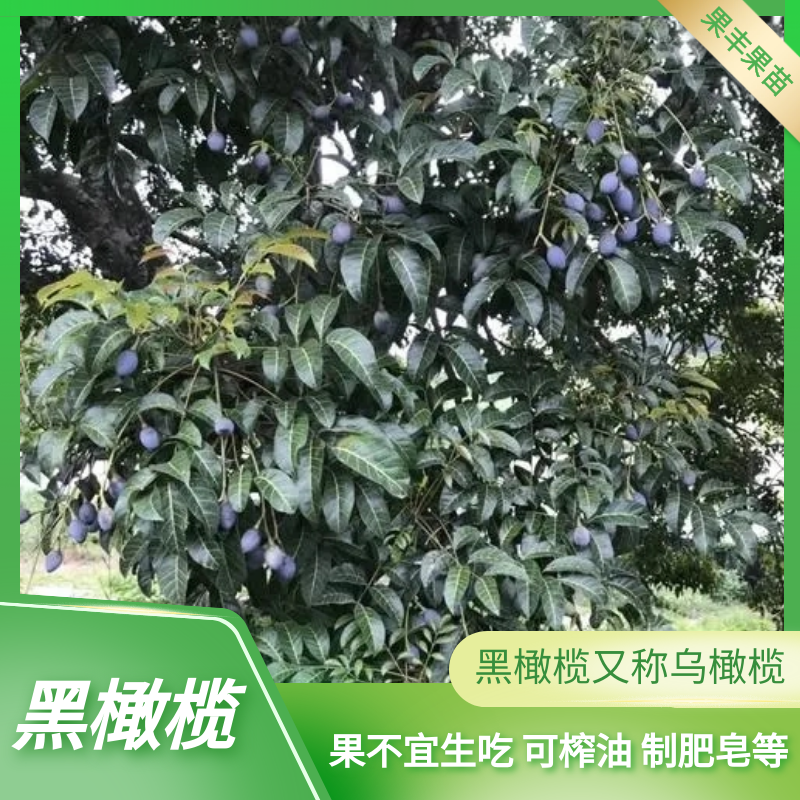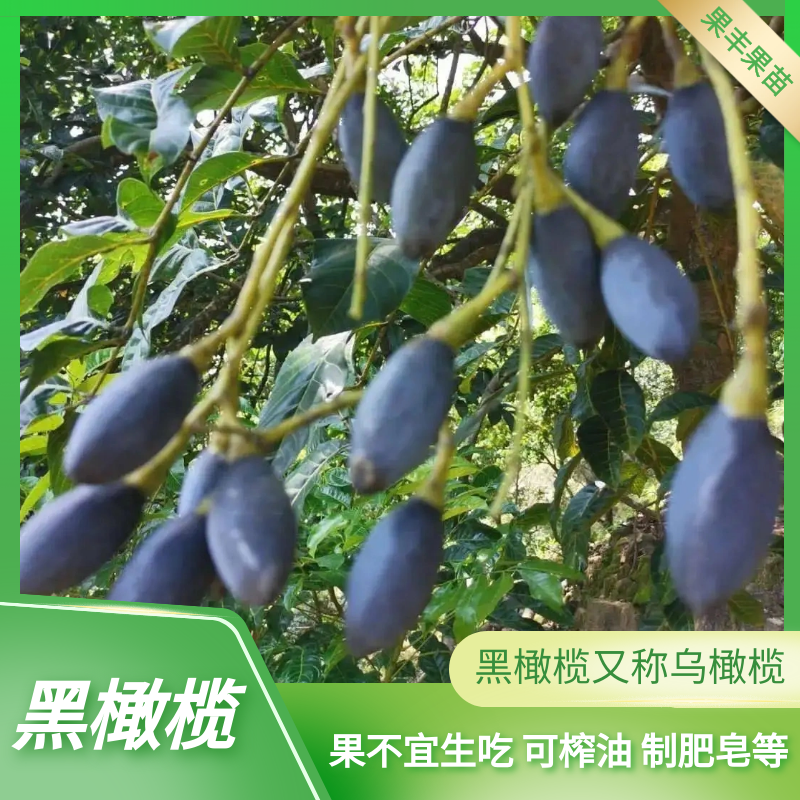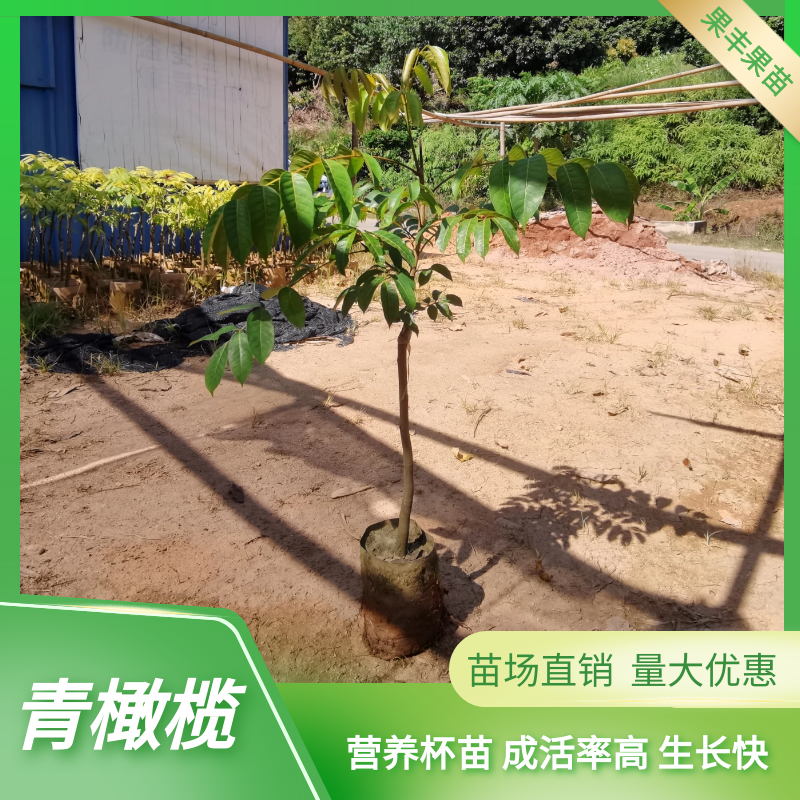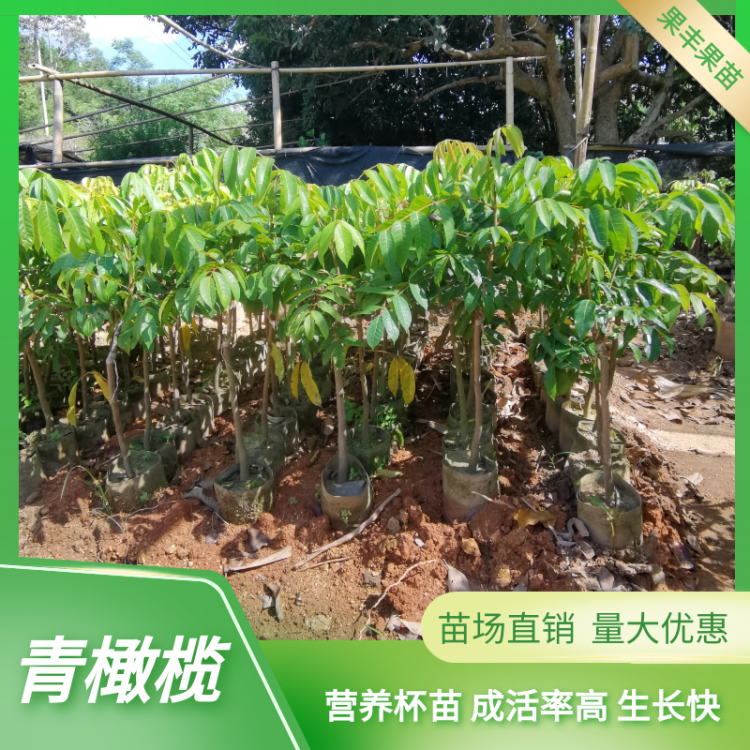

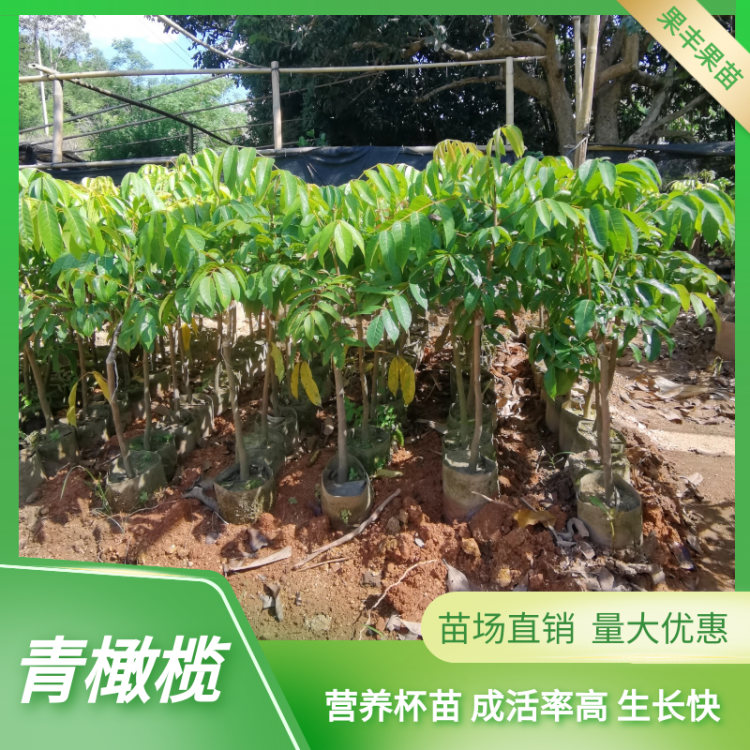
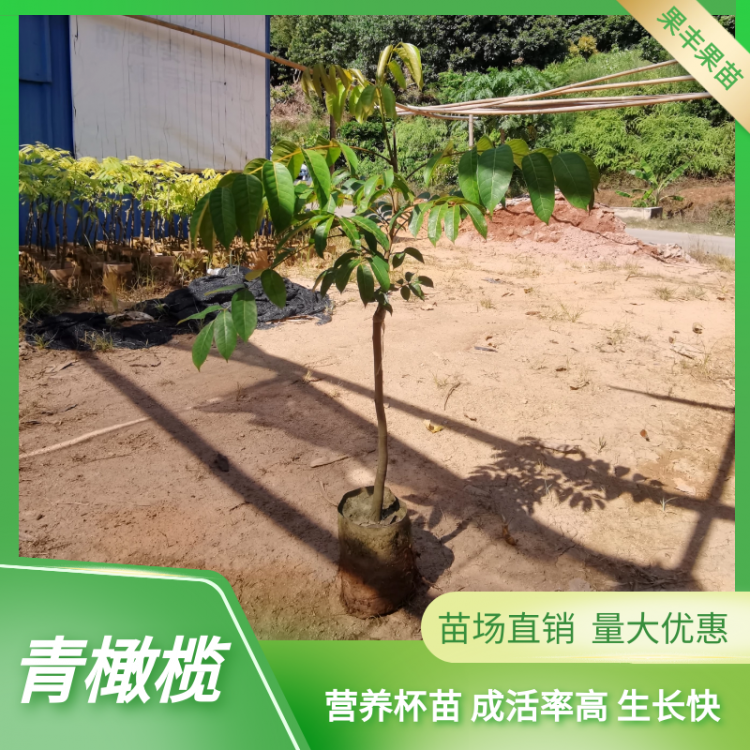
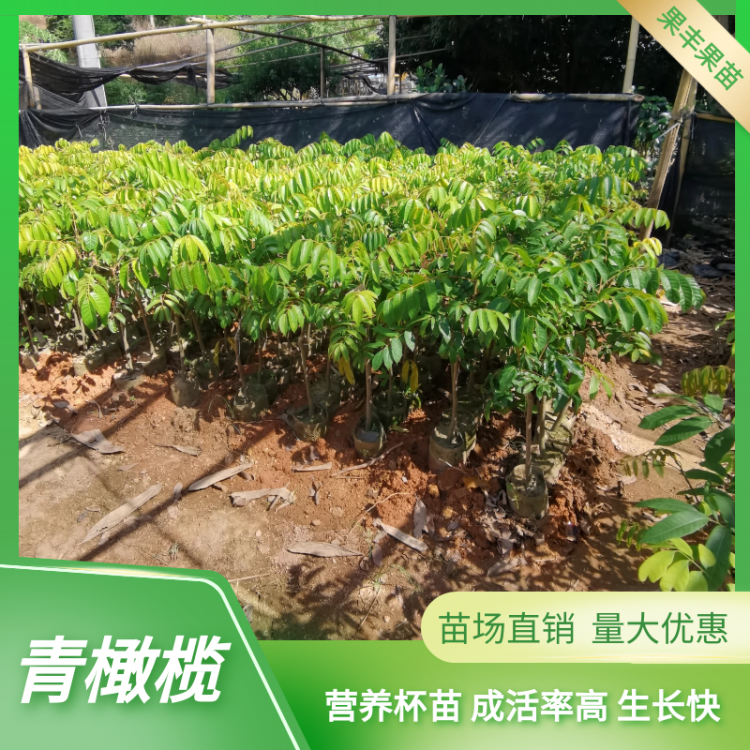


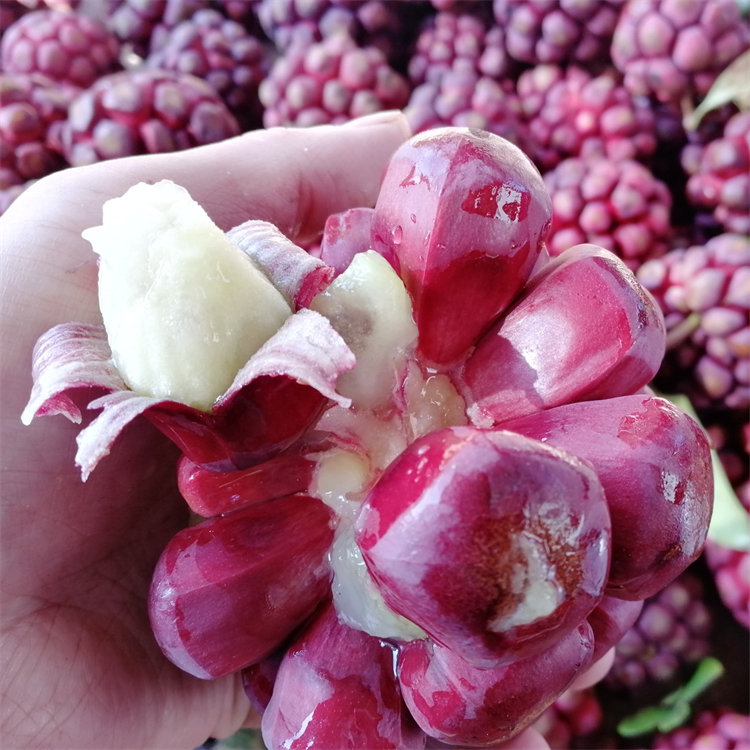
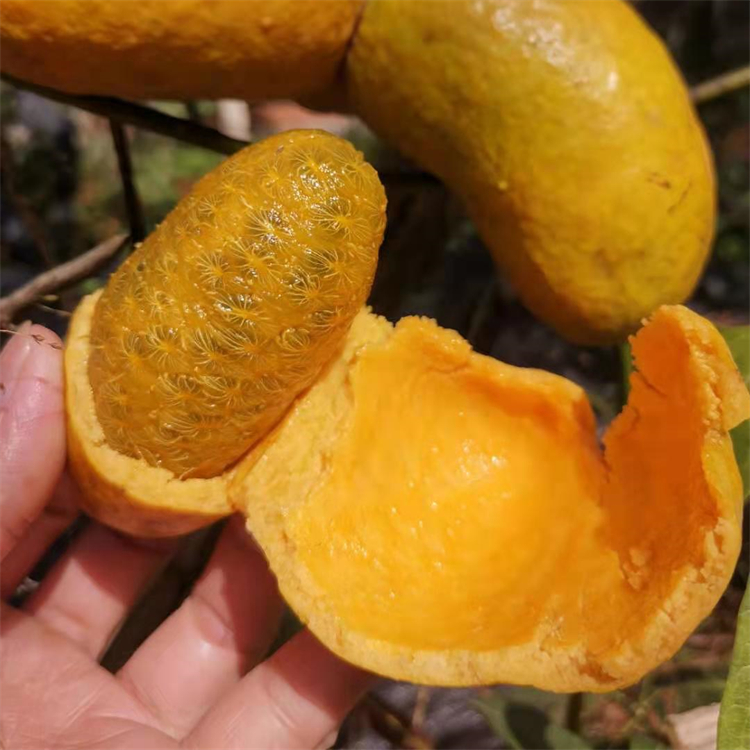

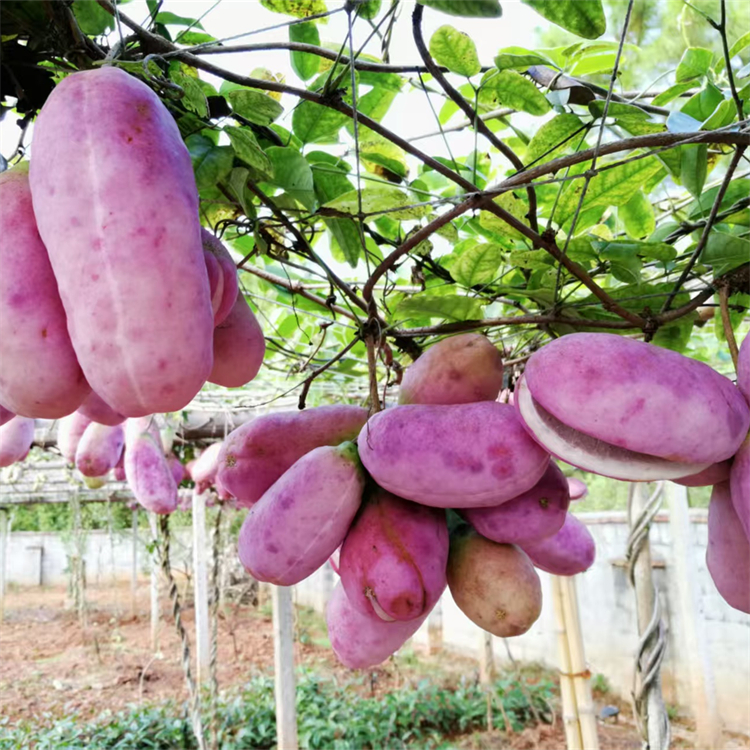






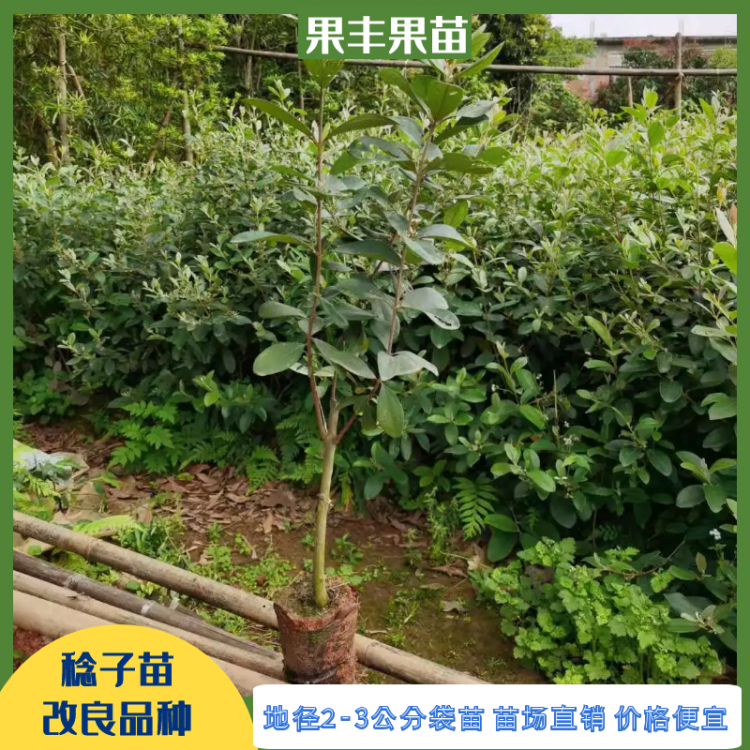



Olive (scientific name: Canarium album (Lour.) Raeusch.), a tree of the Olive family and genus Canarium. It can reach a height of up to 35 meters and a breast diameter of up to 150 centimeters. The leaves are 3-6 pairs, papery to leathery, with lateral veins 12-16 pairs. The fruiting spikes are 1.5-15 centimeters long, bearing 1-6 fruits. The fruits are ovoid to spindle-shaped, turning yellow-green when ripe, with thick exocarp, hard kernels, and pointed ends, with a roughened kernel surface. Flowering occurs from April to May, and fruits mature from October to December. Olives are native to southern China, cultivated in Fujian, Taiwan, Guangdong, Guangxi, Yunnan, Japan (Nagasaki, Okinawa), and the Malay Peninsula, etc. They are found in wild forests on valleys and slopes below an altitude of 1300 meters, or cultivated in gardens and nearby villages. Olives are excellent windbreak trees and street trees. The wood is used for shipbuilding, railway sleepers, furniture, agricultural tools, and construction materials. The fruits can be eaten raw or preserved, and are used in traditional medicine to treat laryngitis, hemoptysis, thirst, and enteritis diarrhea. The kernels are used for carving and are also used in medicine, being effective for fish bone throat obstruction.