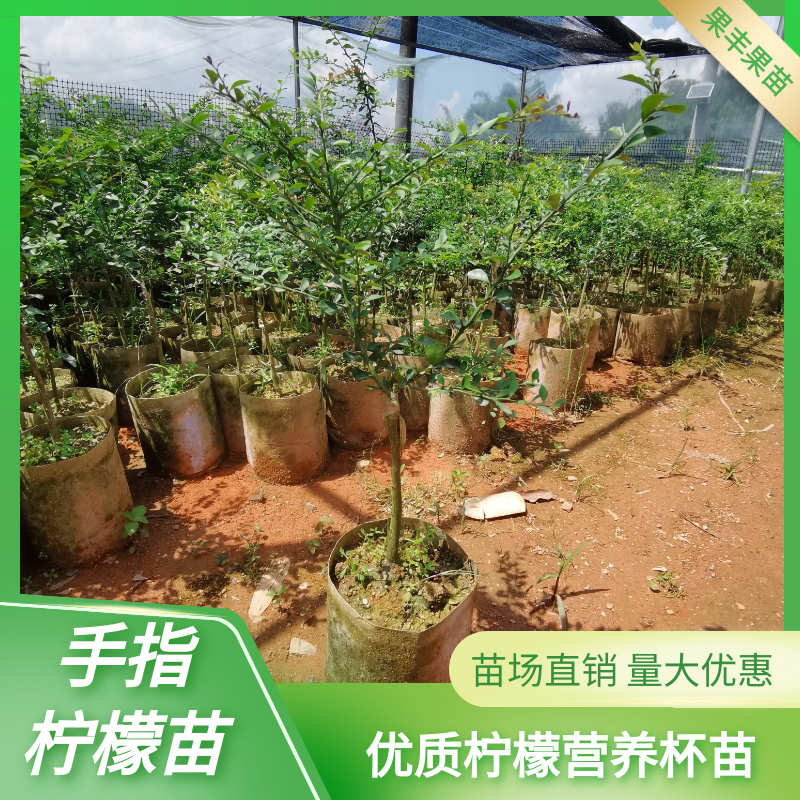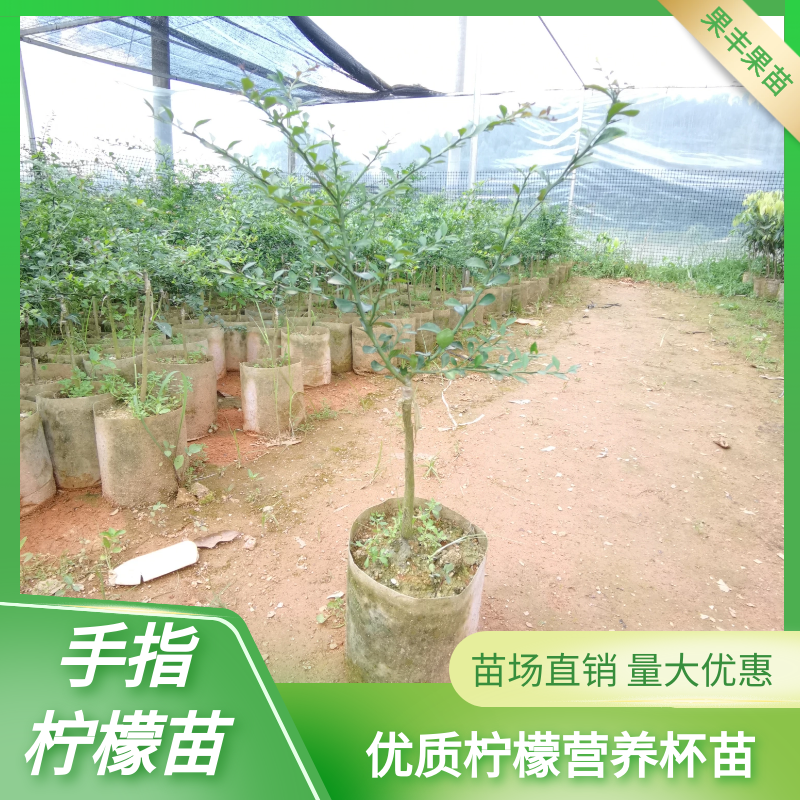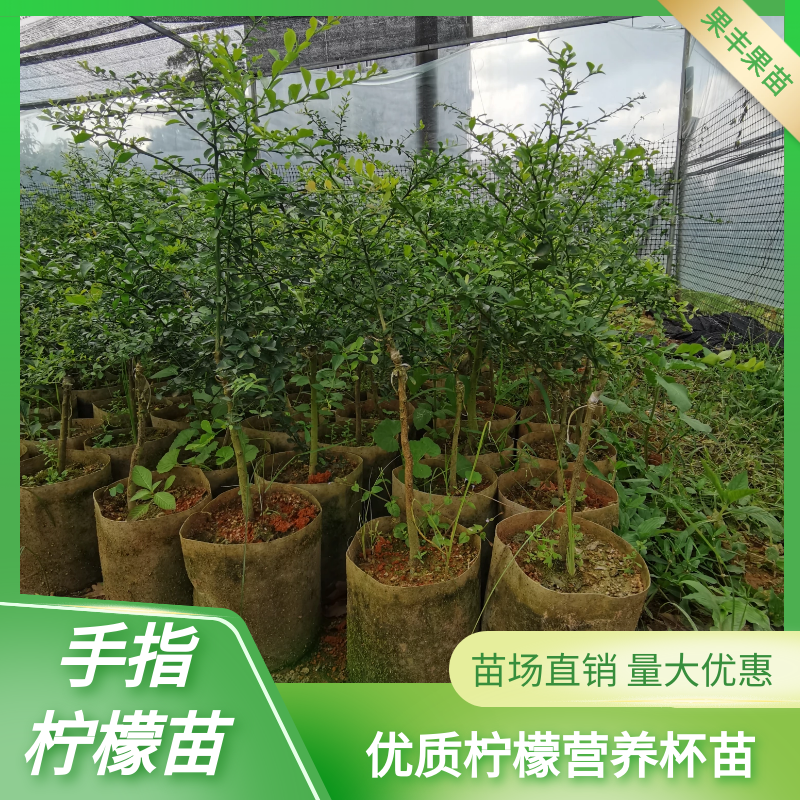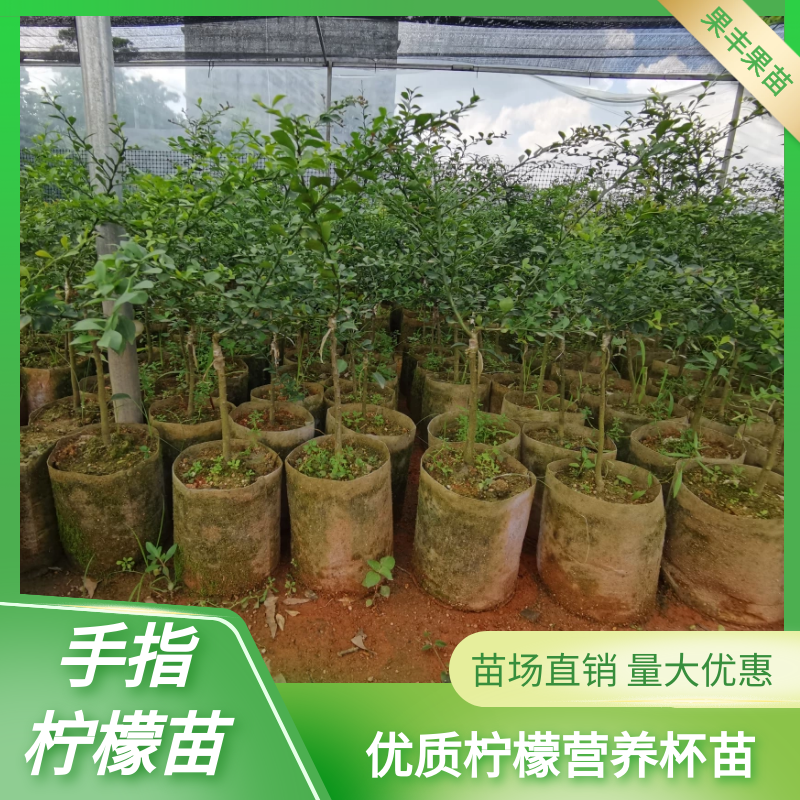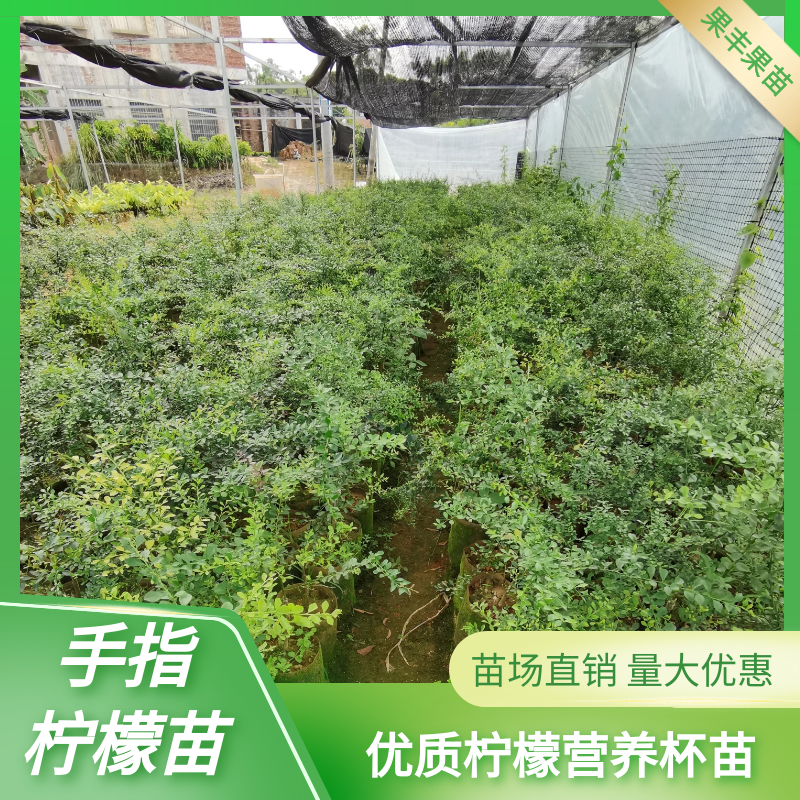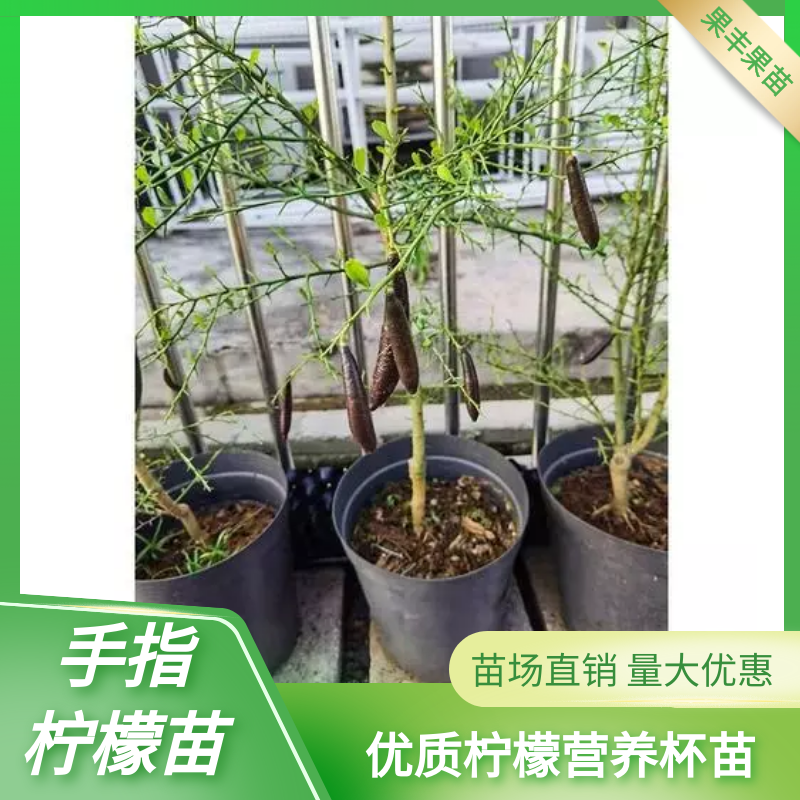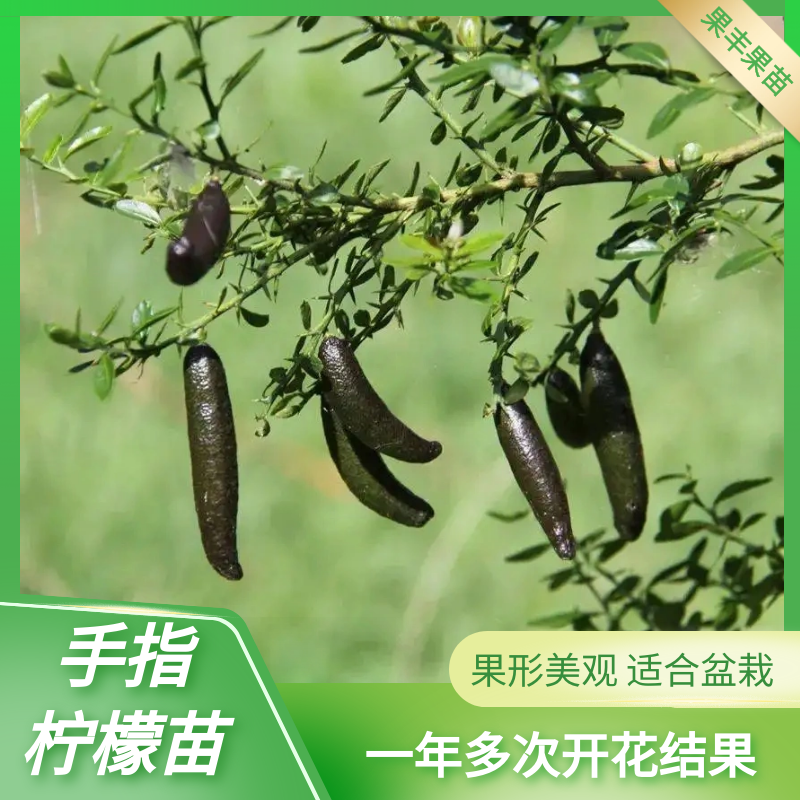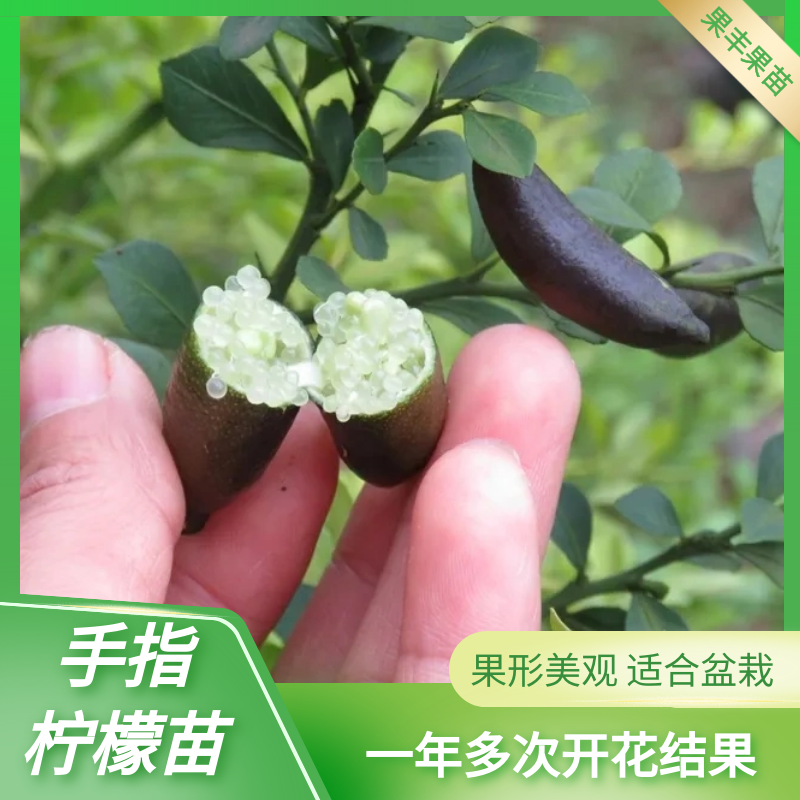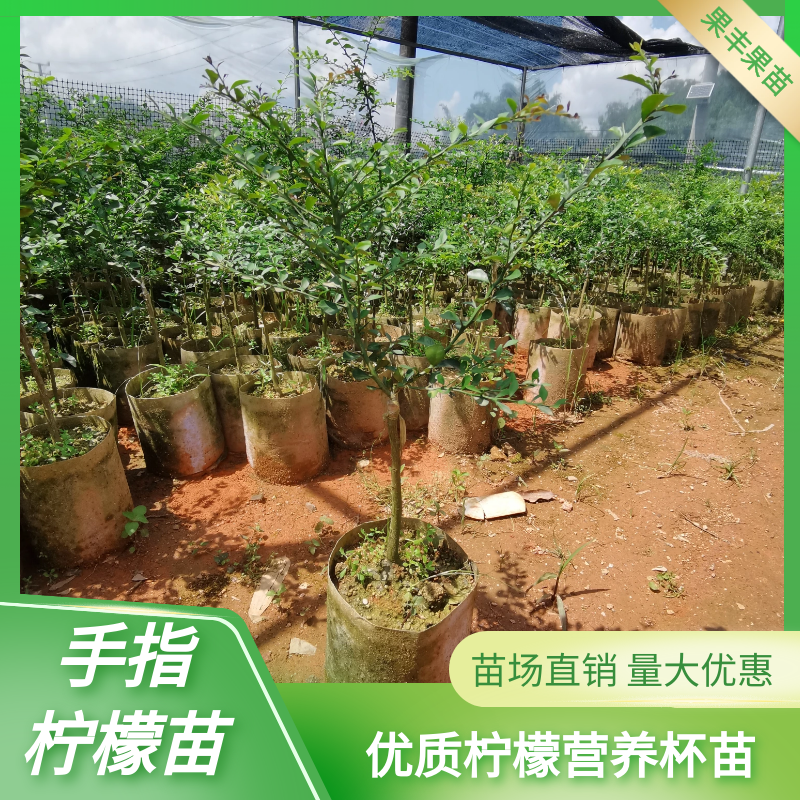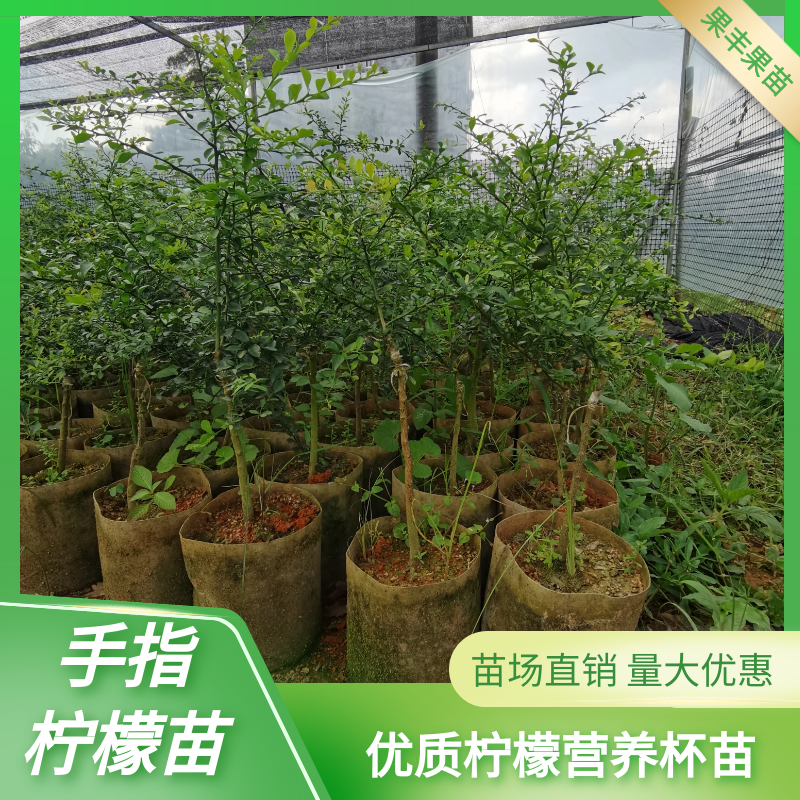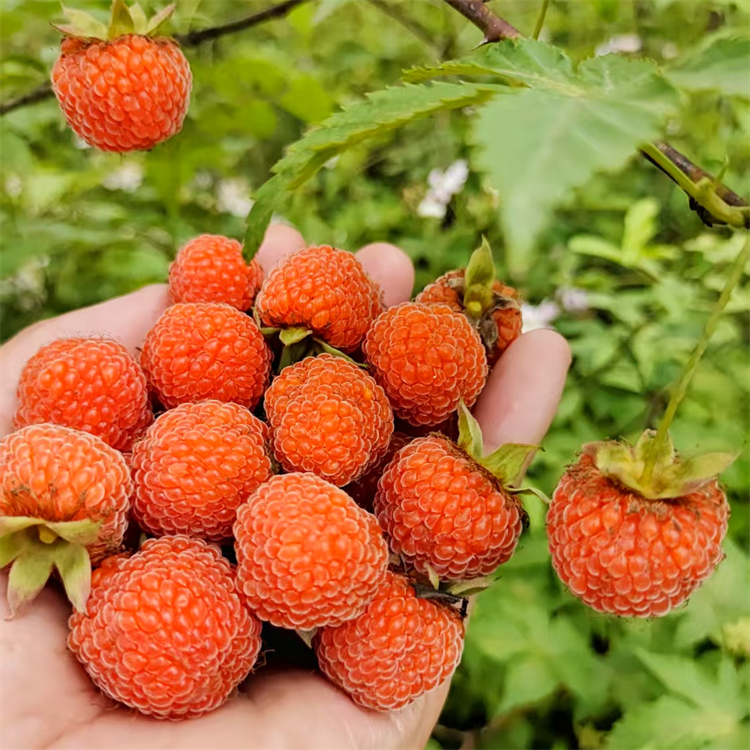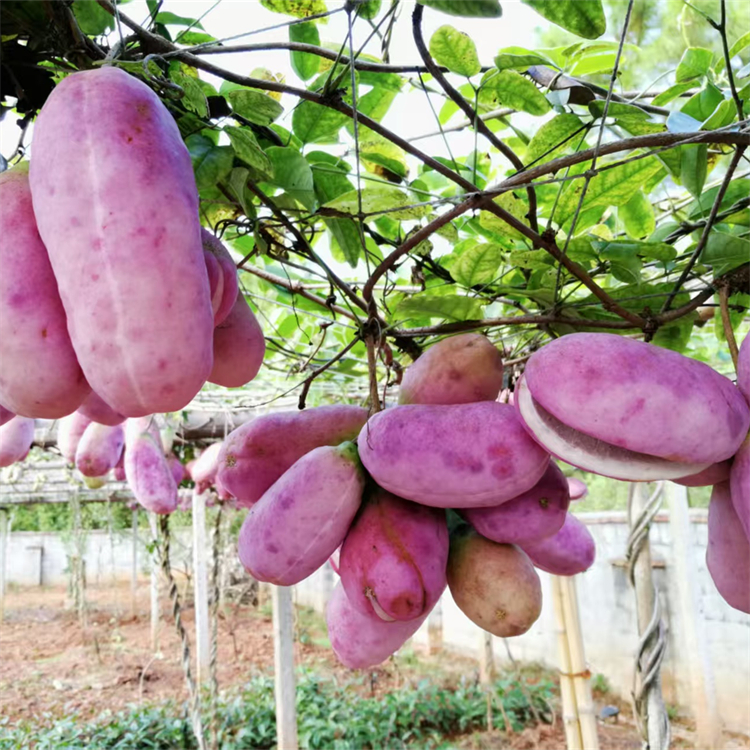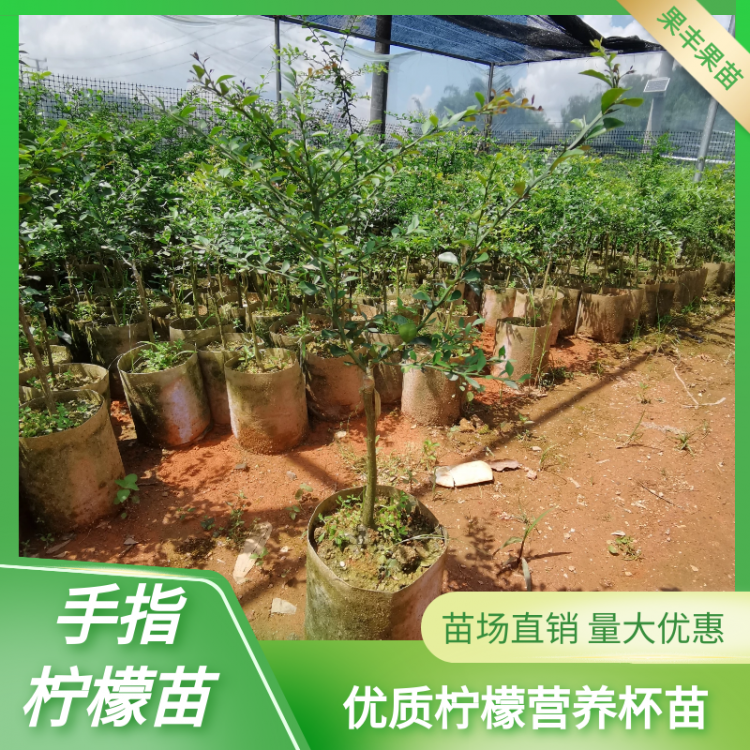

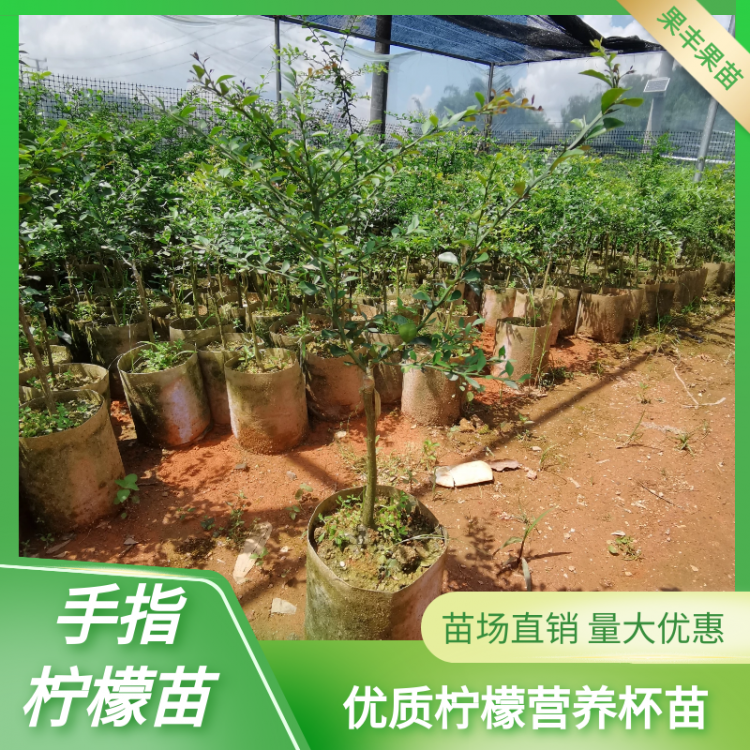
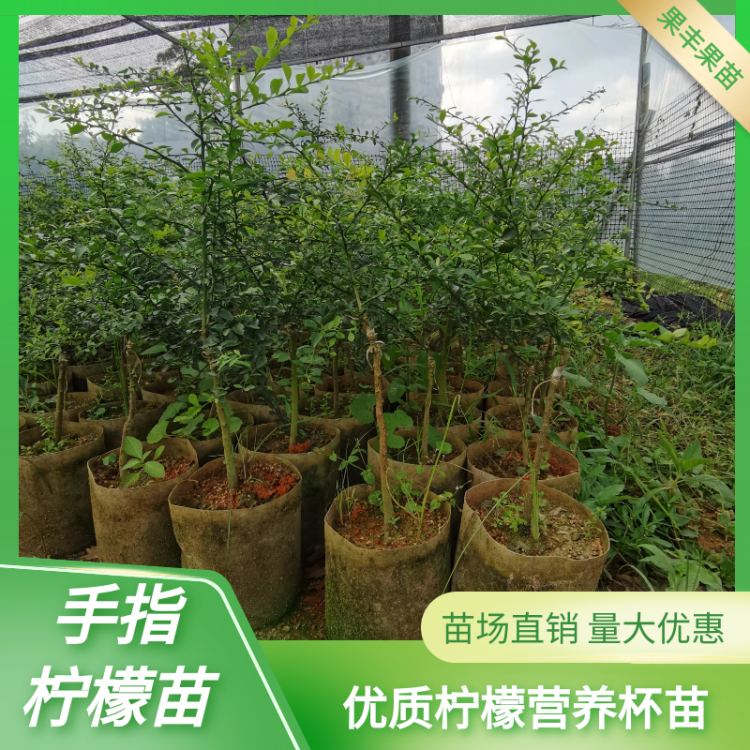


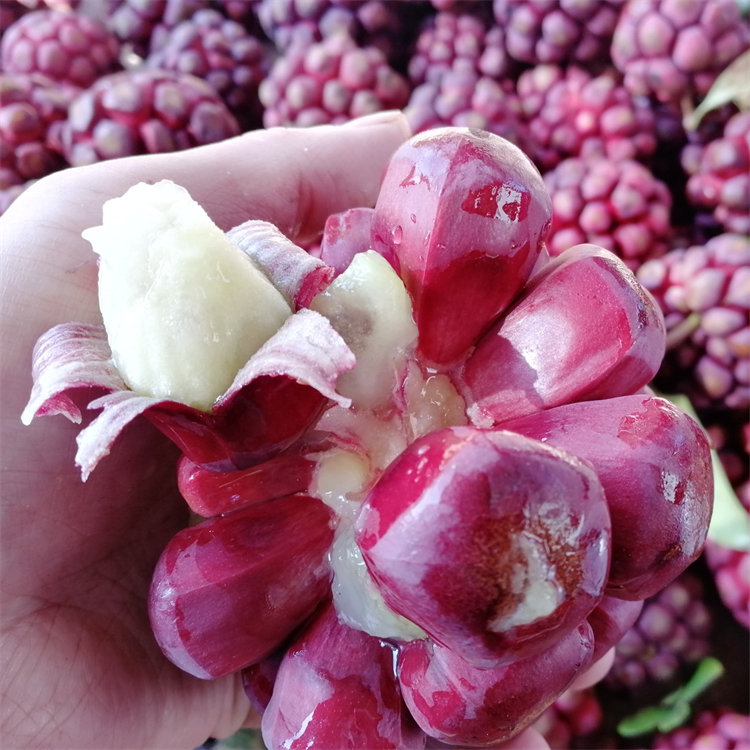
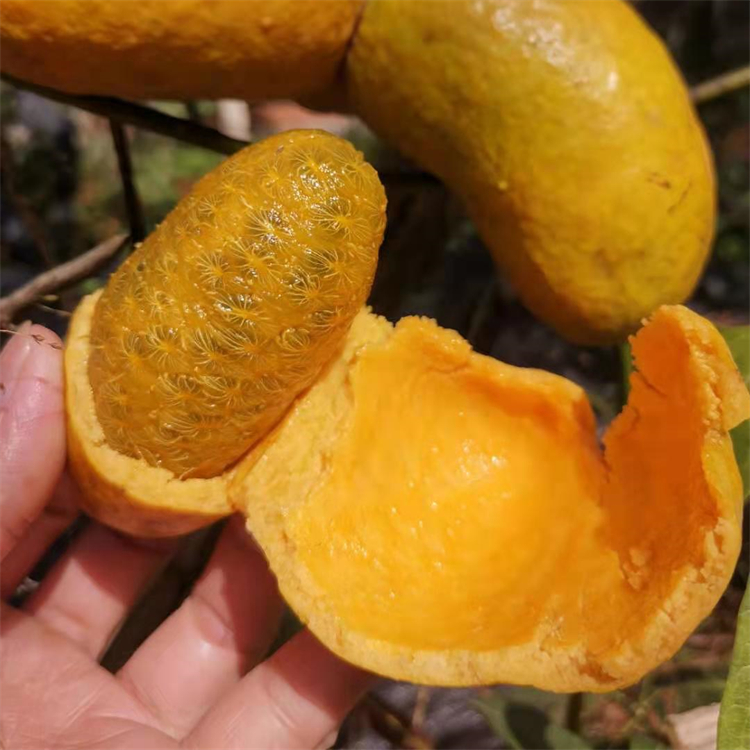






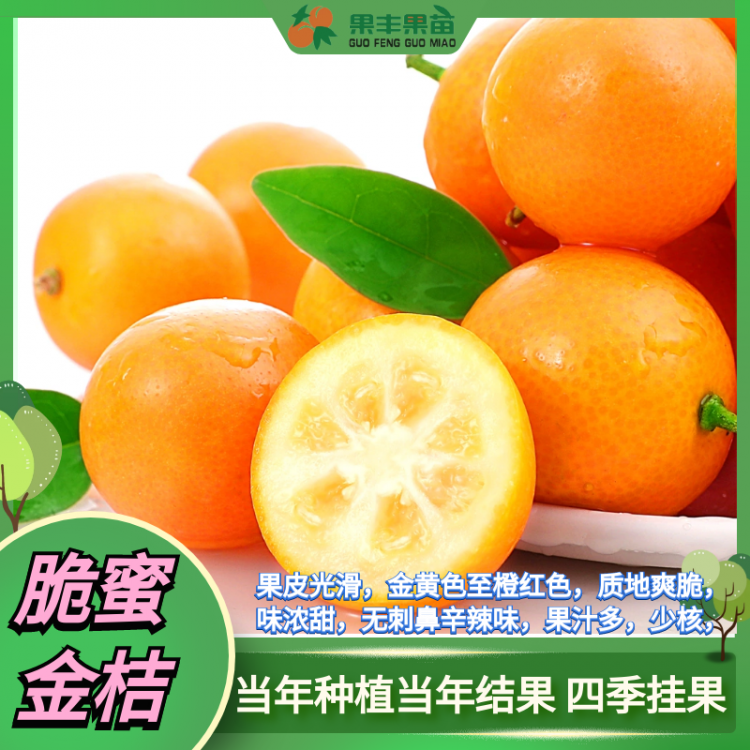


finger limes, native to the eastern part of Australia and the southeastern part of New Guinea, are mainly concentrated in a small area in the northern part of New South Wales and the tropical rainforest region in the southern part of Queensland. A few countries, such as France, the United States, and Japan, have introduced finger oranges for cultivation in plantations. The Chinese delegation visiting the United States first introduced them in 1977. Sown in the spring of 1978, they have been carefully cultivated over the years. They thrive in warm climates, are not tolerant of cold, and poor growth and leaf shedding can occur below 10°C. Finger oranges are excellent for pot cultivation and ornamental purposes. They can be used as parents for citrus hybridization to cultivate new varieties. The fruits can be processed into syrup, juice concentrate, jam, and vinegar. Additionally, they are used in the production of vodka and gin. Finger oranges are also rich in citric acid and vitamin C. After grinding finger oranges into a paste, applying it to the face daily can effectively remove acne and spots, keeping the skin fair and delicate. Finger oranges also have certain medicinal value and can be used as a food therapy for those with weak digestive function. However, although finger oranges offer many benefits to the human body, excessive consumption can harm the liver and cause symptoms such as fever.