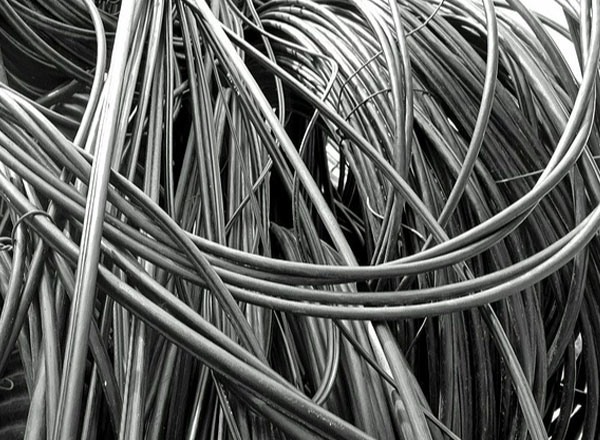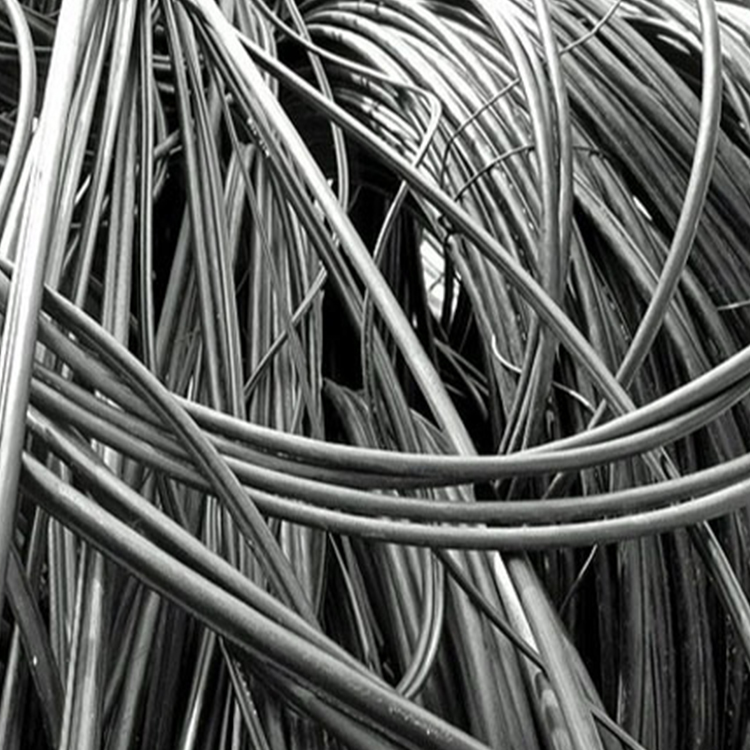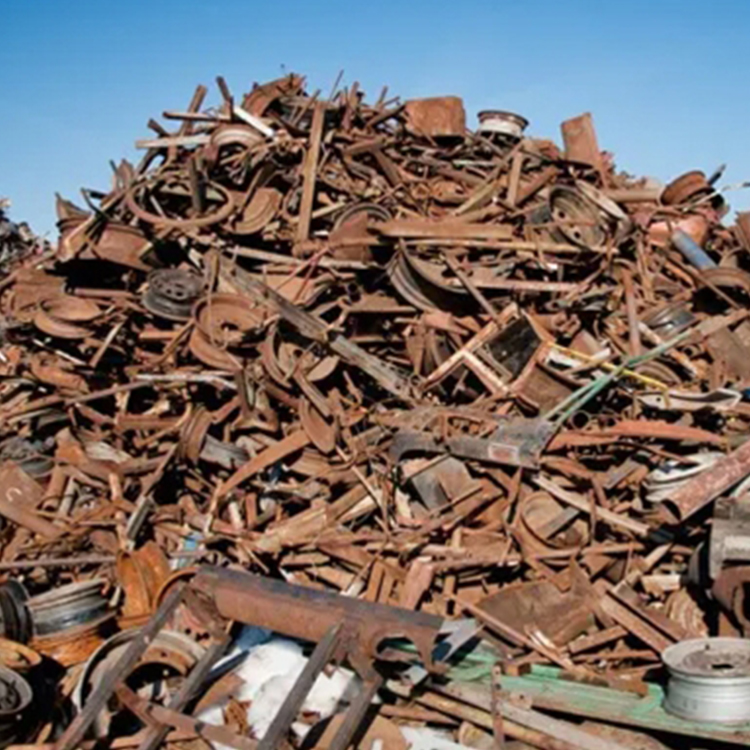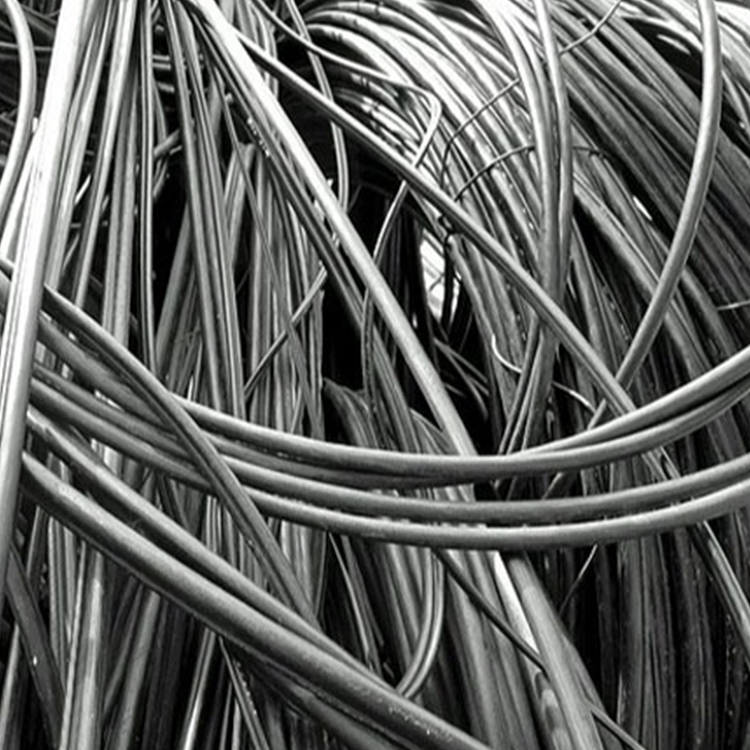

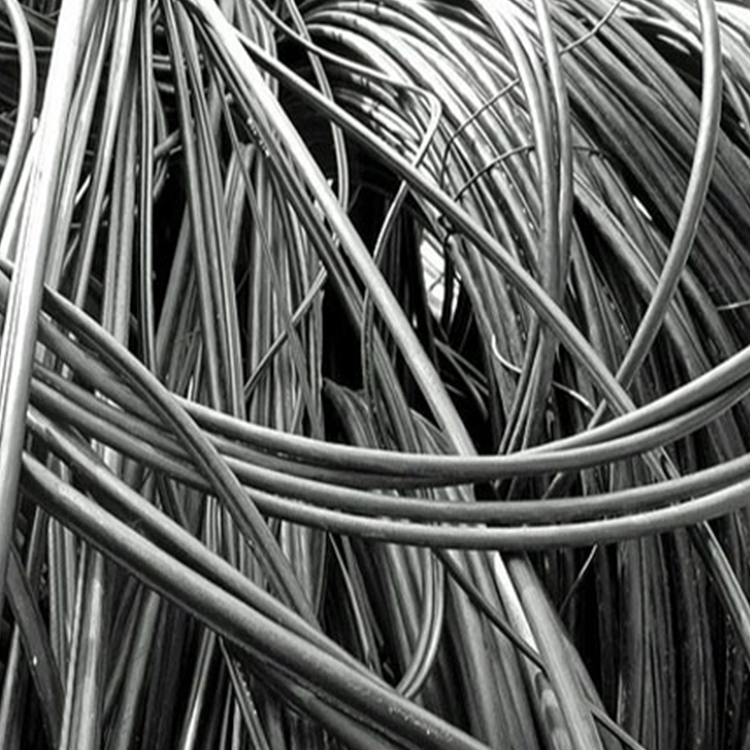
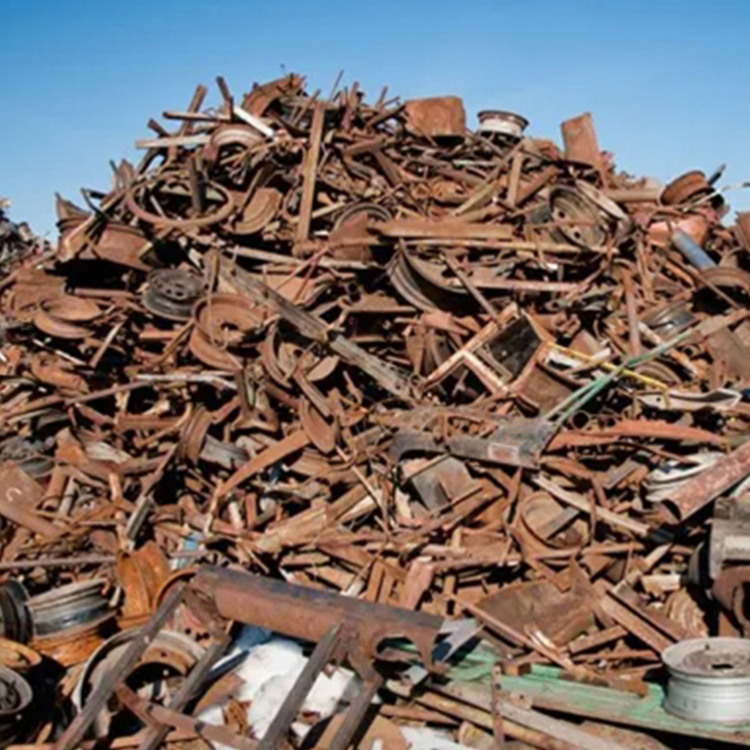











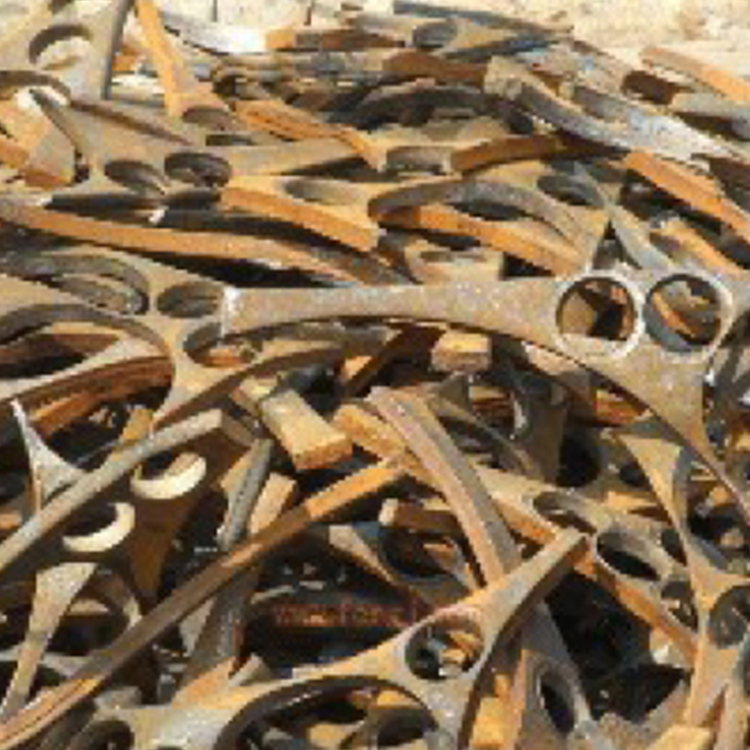
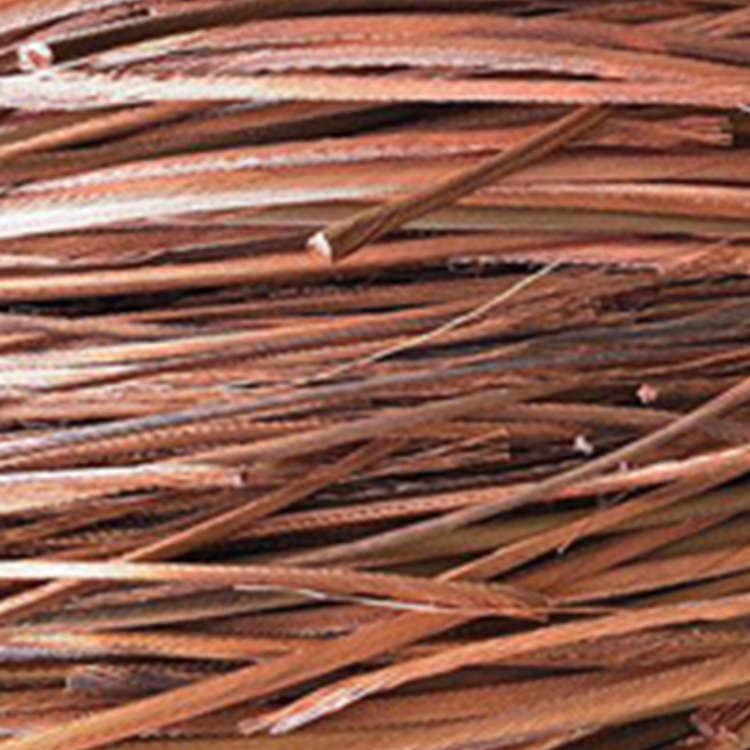
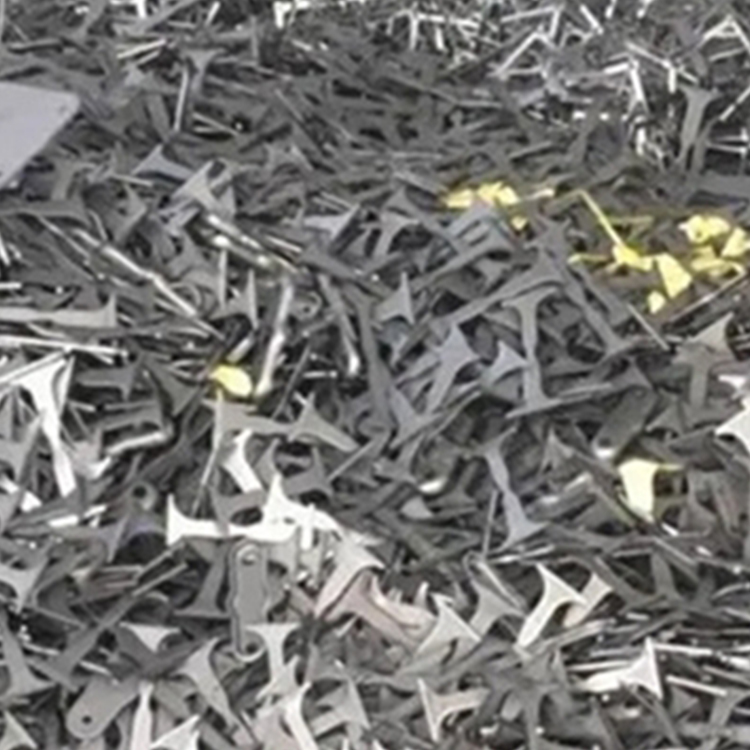
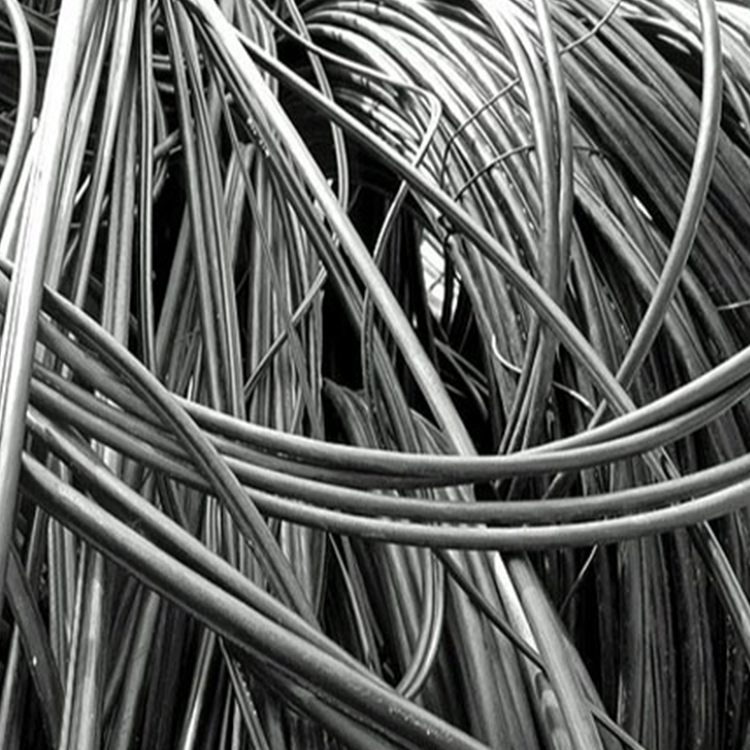
The recycling of scrap iron in Yantai is not for additional rewards, but to comply with social policies and make due contributions to environmental protection; the utilization of Yantai's scrap iron recycling also correspondingly reduces the natural pressure.
In everyday life, iron is used extensively. Over time, unused iron accumulates and turns into scrap. Without the existence of the Yantai scrap iron recycling industry, what would society look like? Scrap iron isn't just iron; it also contains oil and grease, which, due to their slow evaporation, can contaminate metals. Rusty iron shavings can lead to rust, affecting the quality of the shavings. These by-products have a significant impact on environmental pollution. This illustrates the high functionality of Yantai's scrap iron recycling. Today, metals are widely used in life, from construction steel to various applications. During use, a large amount of scrap metal is generated, which needs to be recycled. Some metals, if not recycled, can release toxic substances into the natural environment. Recycling metals promotes the recovery of metal resources, prevents waste, and safeguards environmental quality.
Metal products are commonly used in society, such as packaging for various small craft items and some as everyday utensils. Once discarded, they are often left unused, leading to rust over time, which forms when iron is exposed to the air. If rust seeps into the soil, it can cause environmental pollution. Therefore, these scrap metals should be recycled promptly to prevent further environmental contamination. Scrap metal is also a resource that can be recycled and reused.