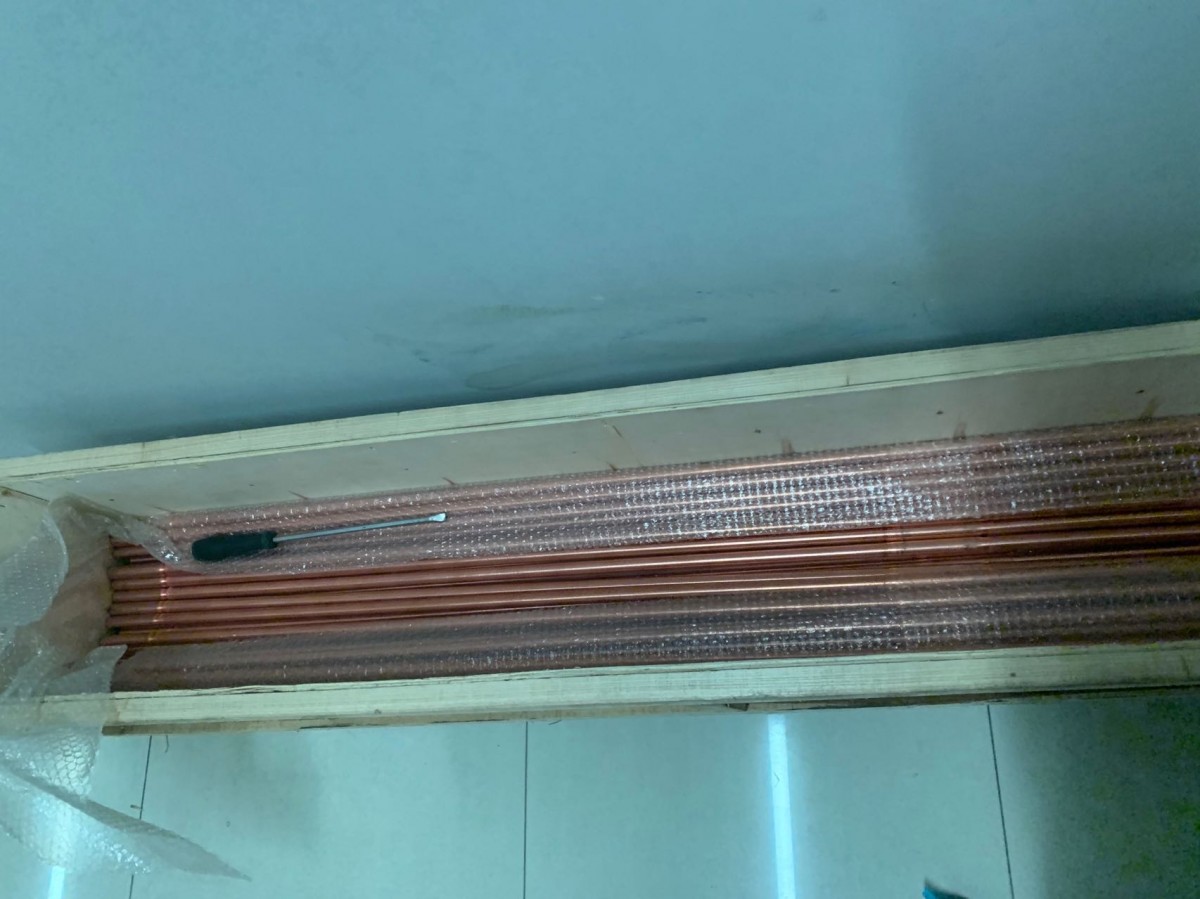

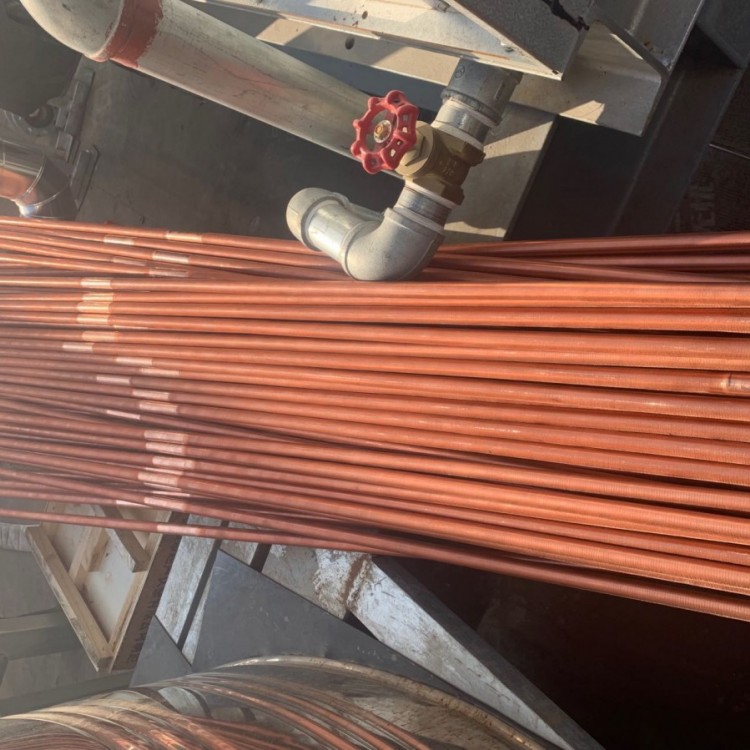


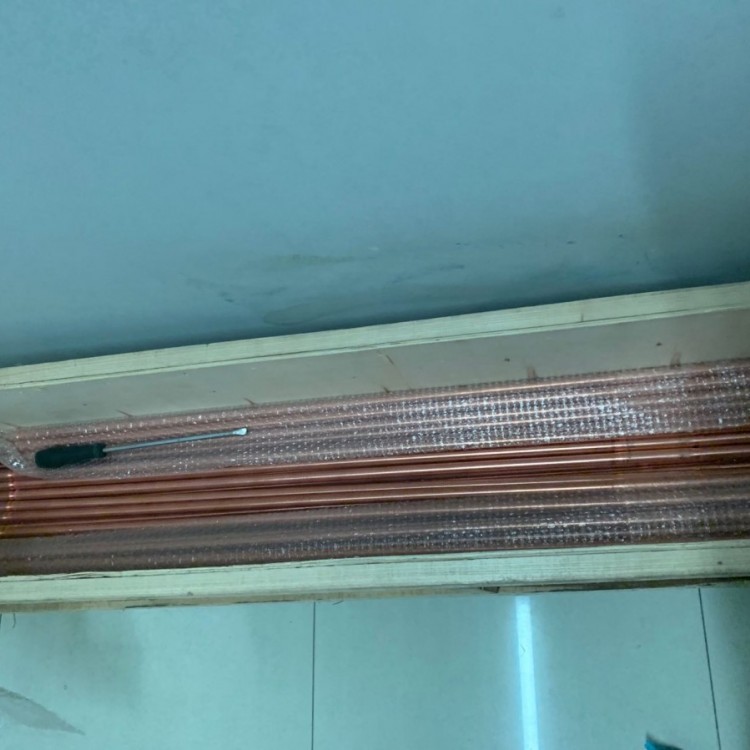










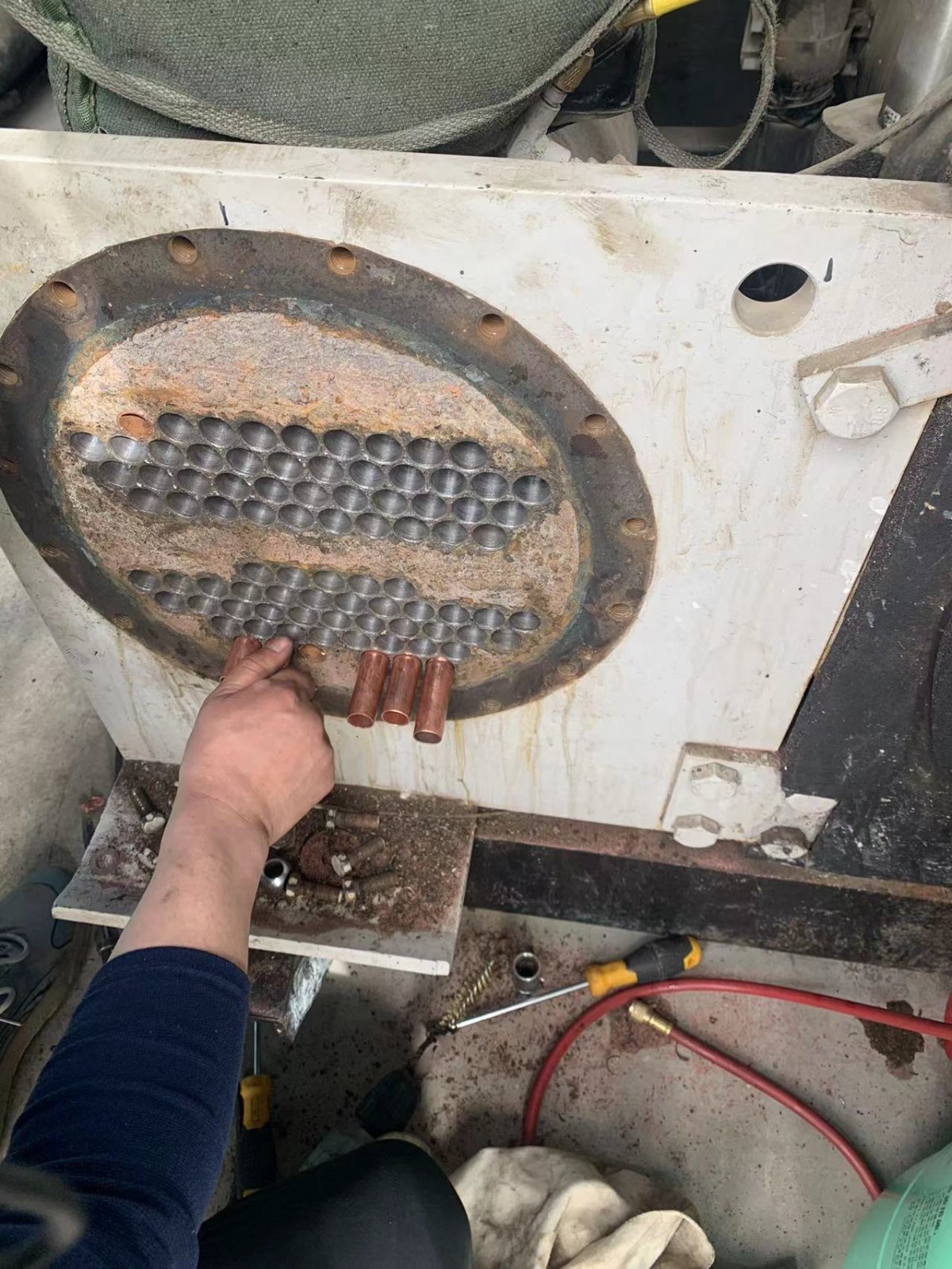
1. Measure the specifications and dimensions of the condenser copper tube to be replaced.
To elaborate, it's essential to be familiar and have a detailed understanding of the inner diameter, wall thickness, and even the material of the copper tube, otherwise, the tube bender chosen will definitely be unsuitable.
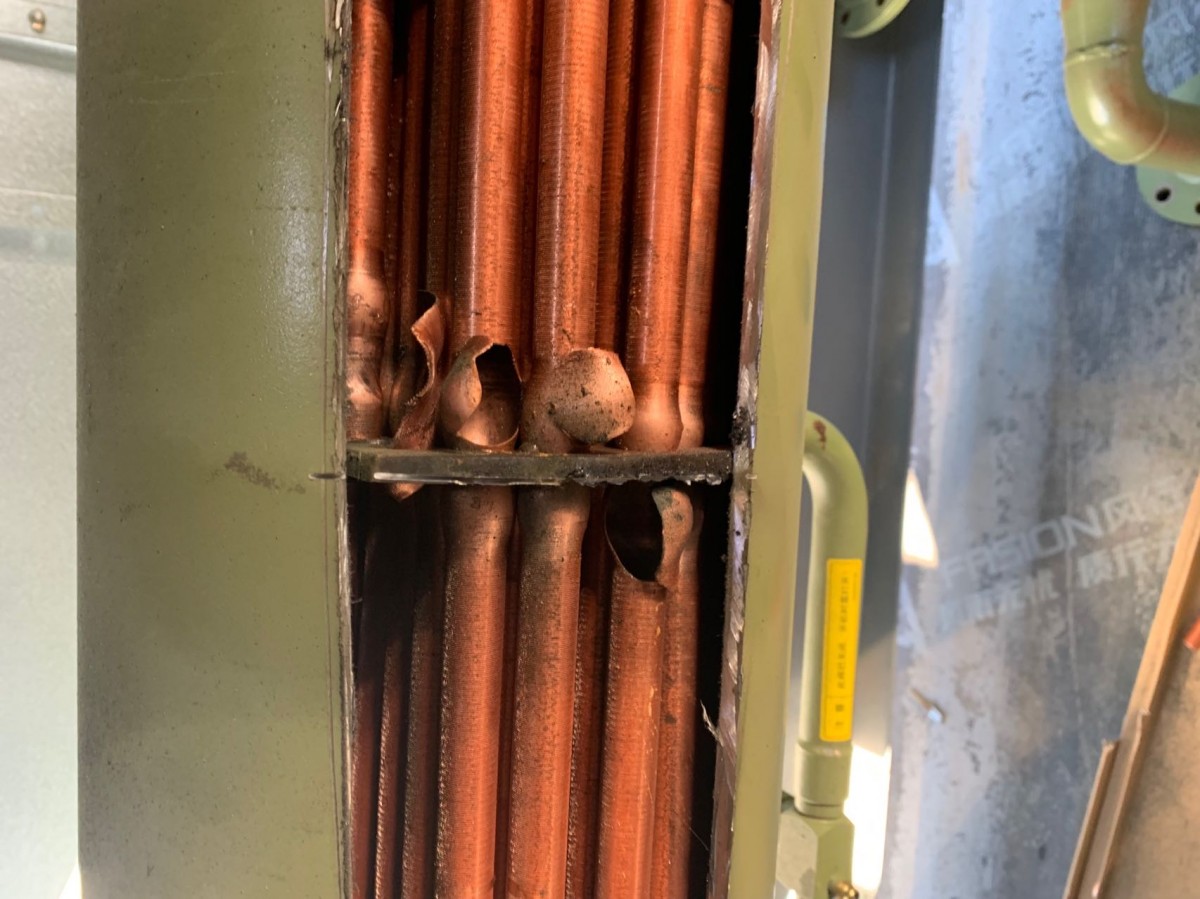
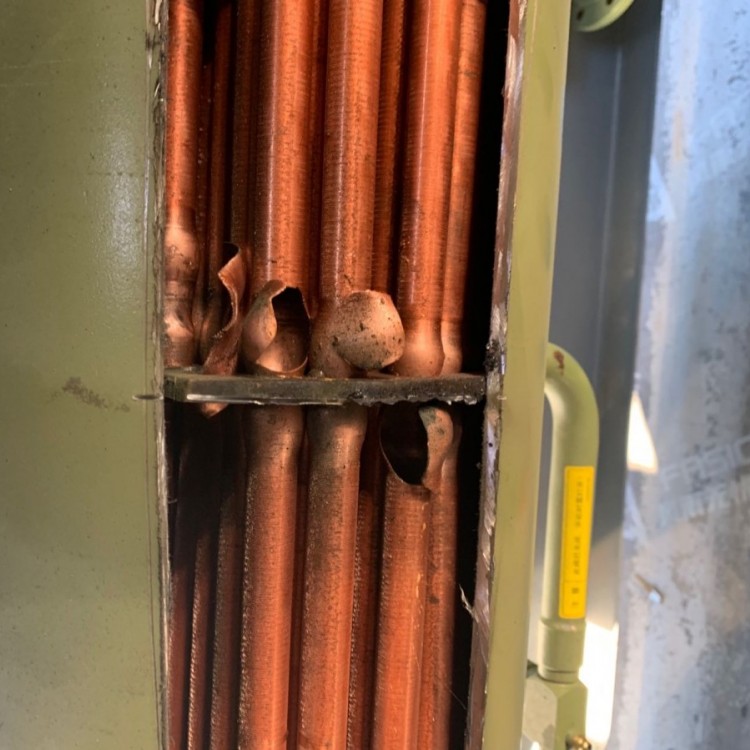
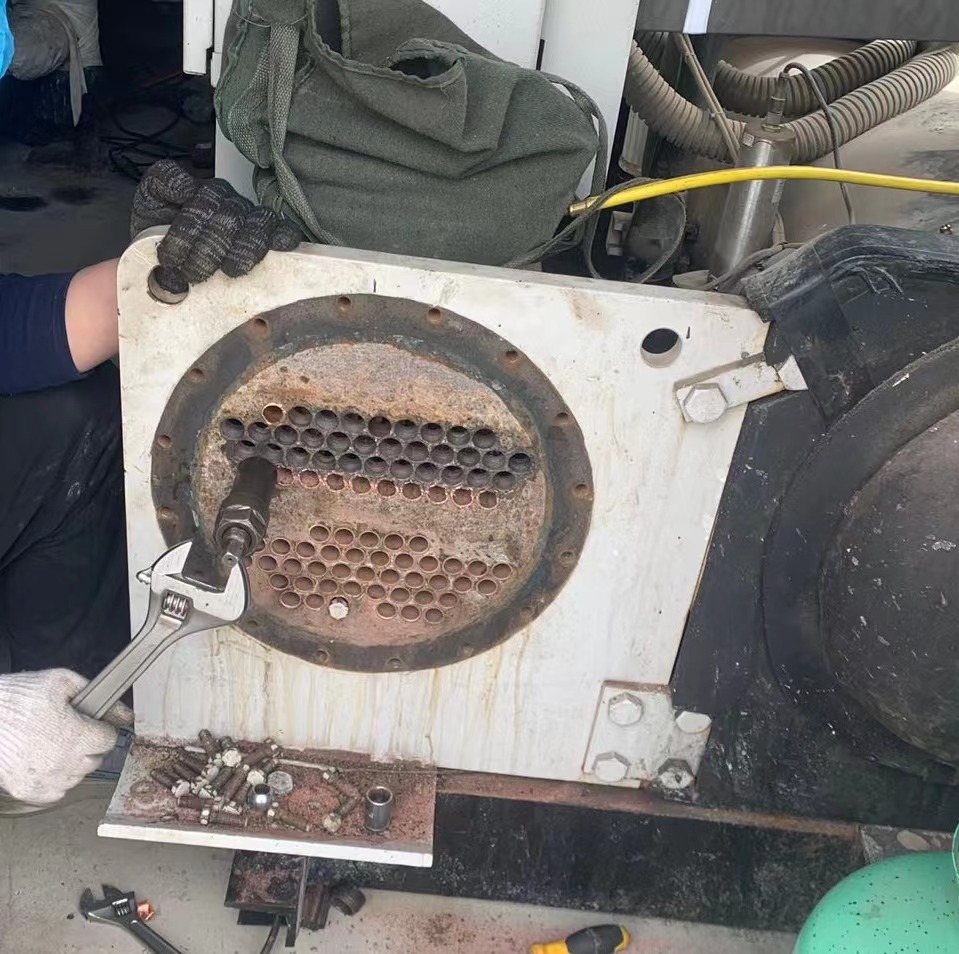
2. Initially deduce, judge, and predict the location of the copper tube's breakage to determine the main direction for tube extraction.
Large-scale frost cracks in condensers and evaporators are always regular; this has been repeatedly verified through practical work and maintenance, so there is no need to doubt. Try to pull out a tube located in the dense area of damaged copper pipes to easily identify the damaged location, and choose the copper tube's exit end face.
3. Use a hydraulic pipe extractor for the construction.
Replacing a few (3-5) won't make much difference, but if you replace more than 10, the difference is significant, and with a larger quantity, it's a whole different story.
4. Clean the shell side of condensers and evaporators.
After removing the necessary replacement pipes, the cleaning task turns into a job. At this point, the evaporator and condenser shell are prone to rust and have a lot of sludge due to water entry. Choose high-pressure water or other volatile solvents for cleaning, and try to remove any unnecessary impurities that may increase the difficulty of maintenance.