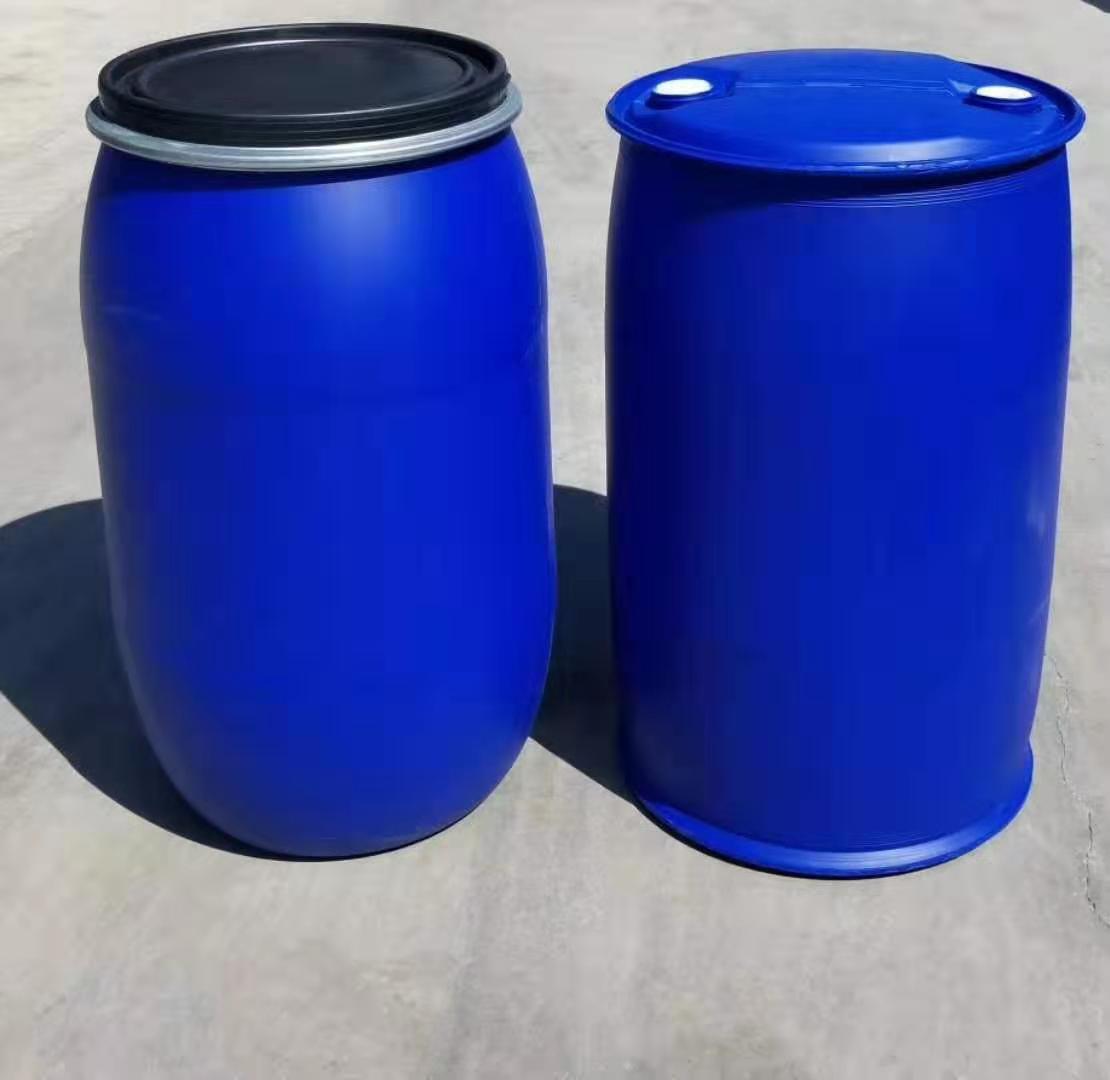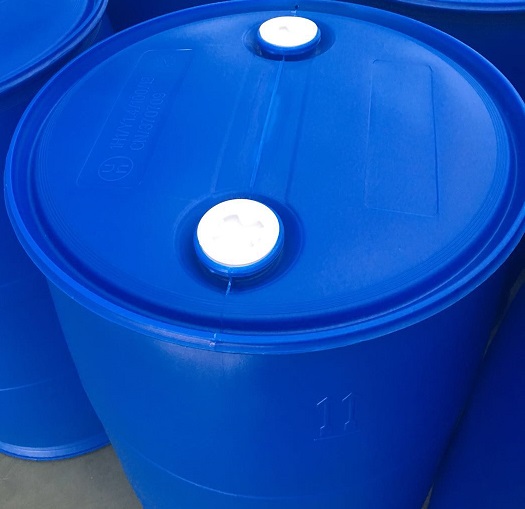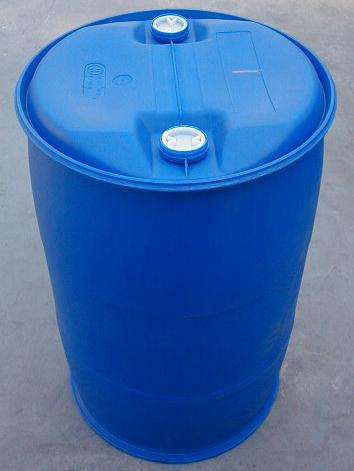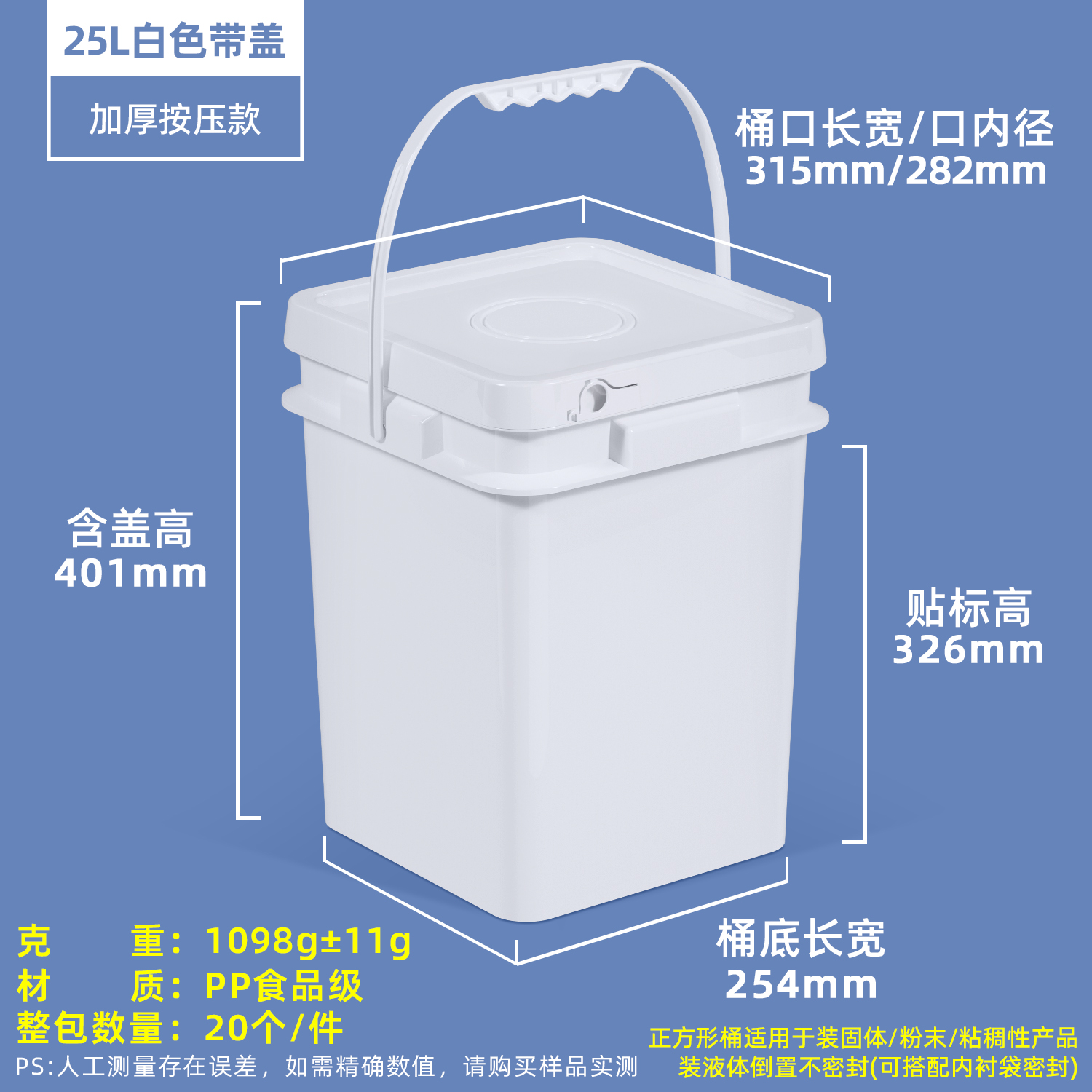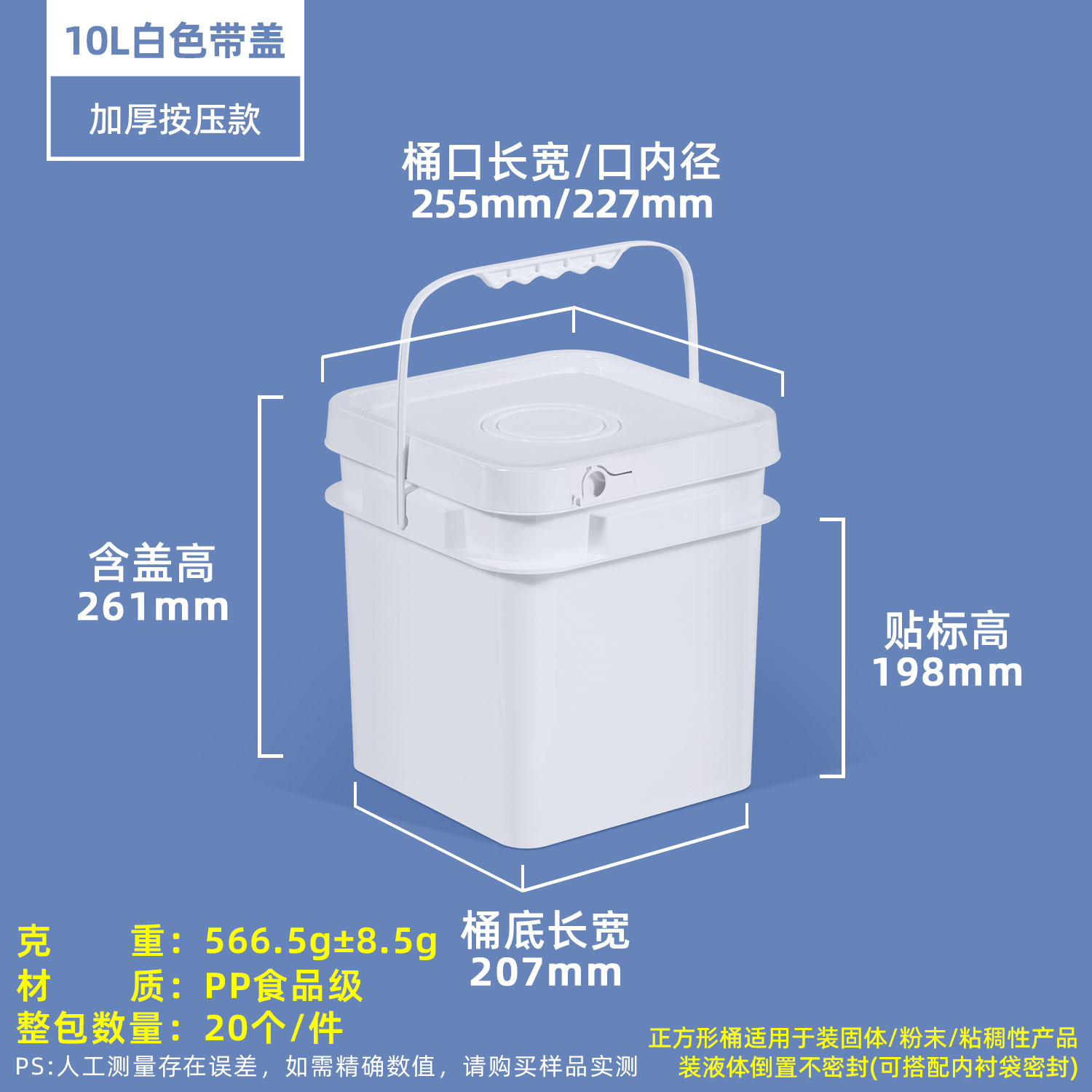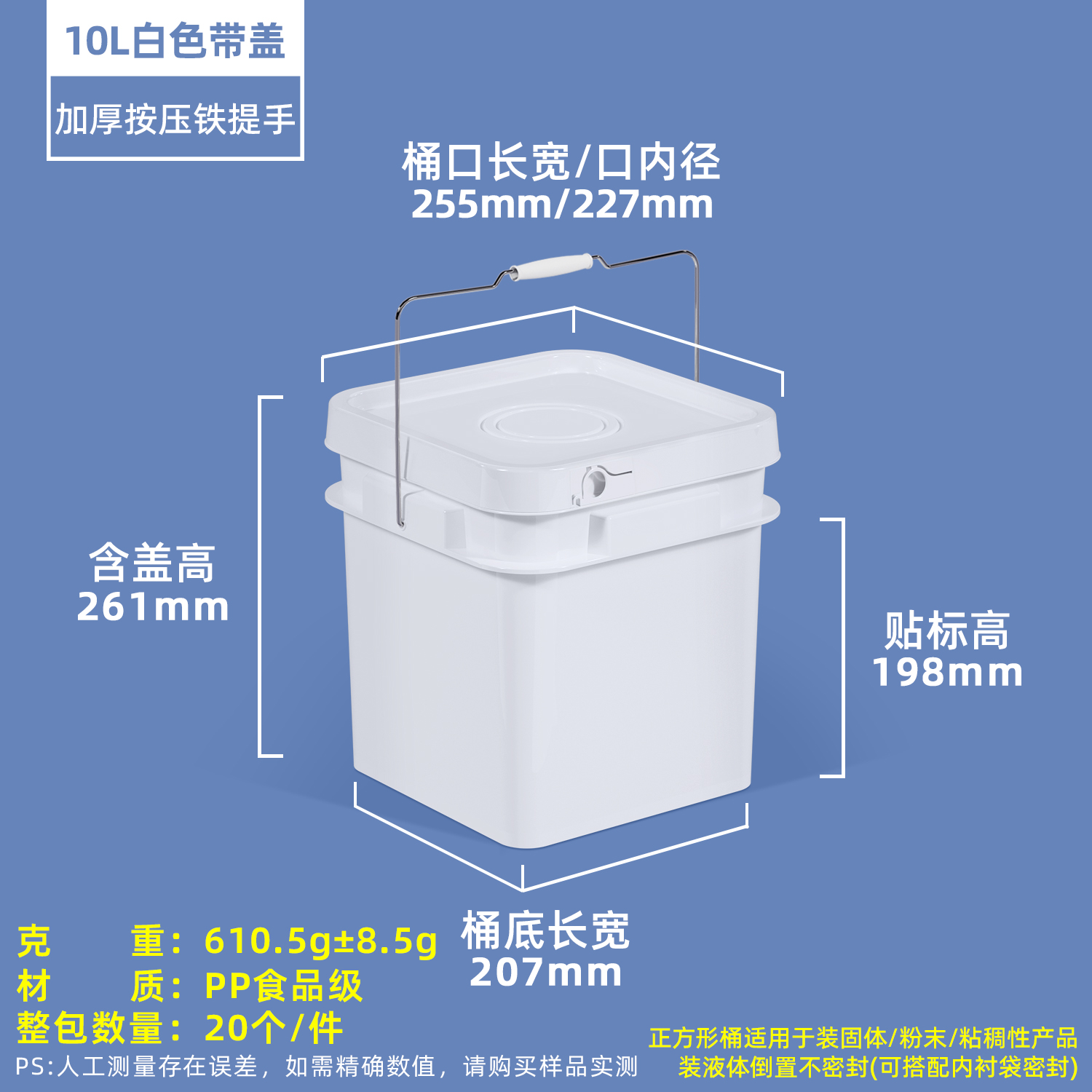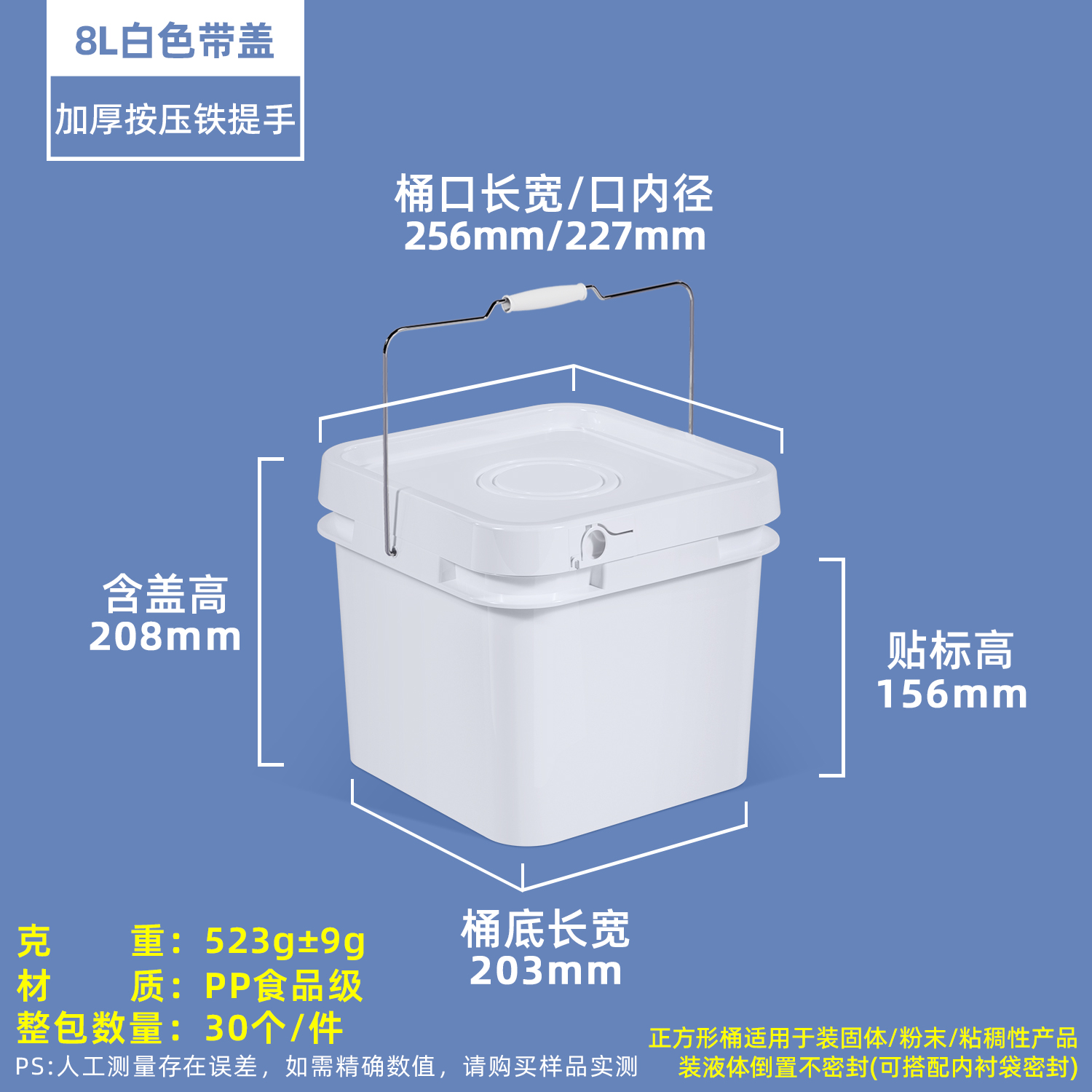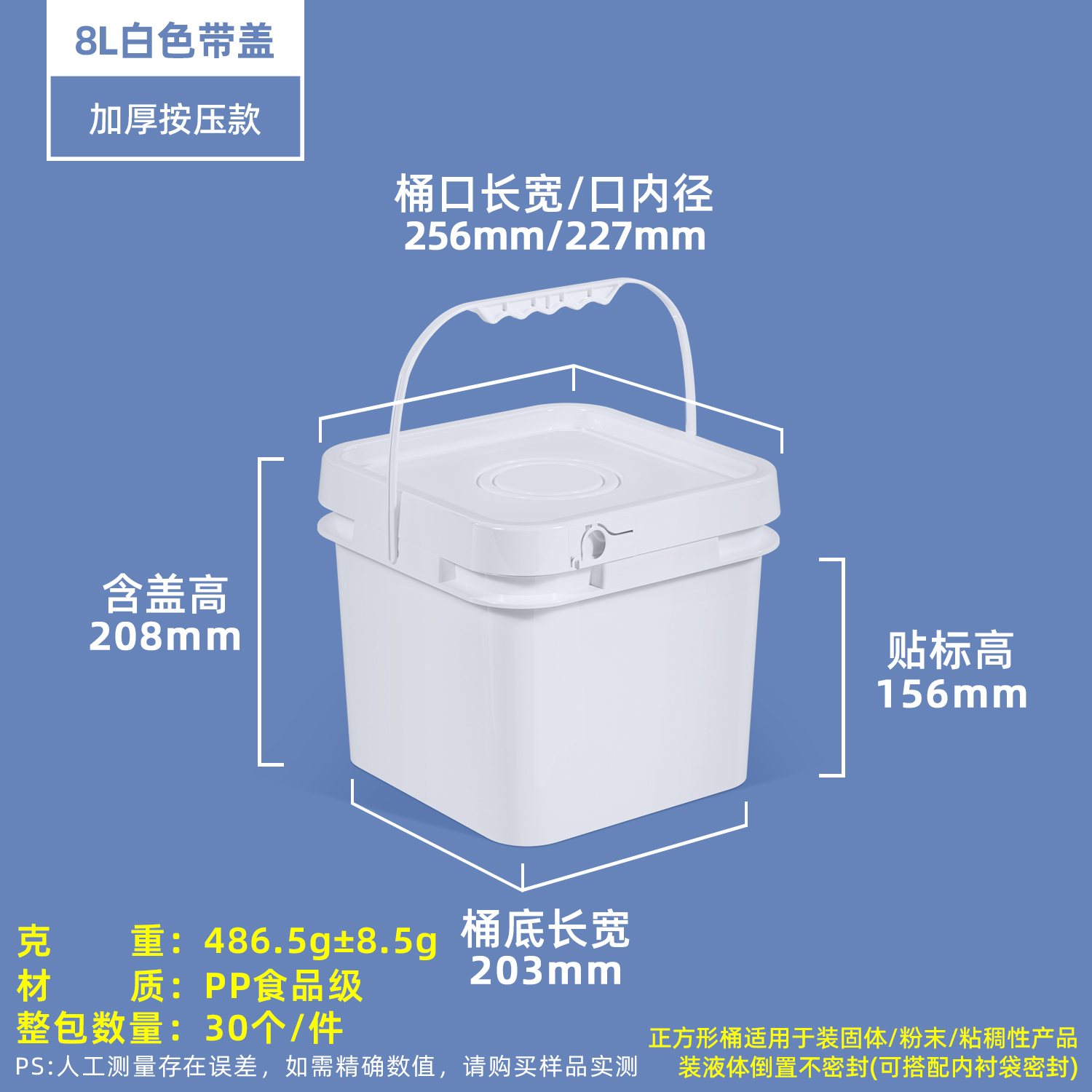

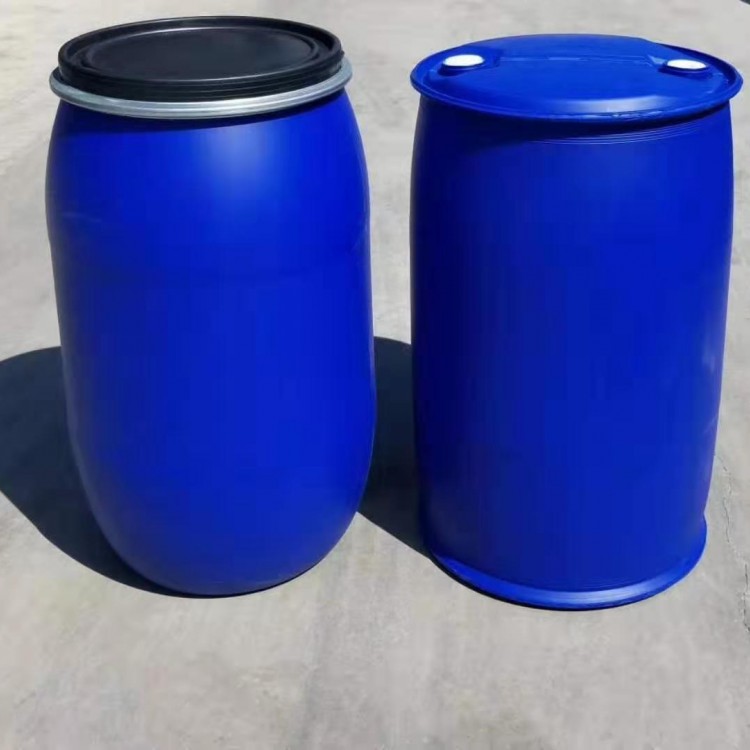

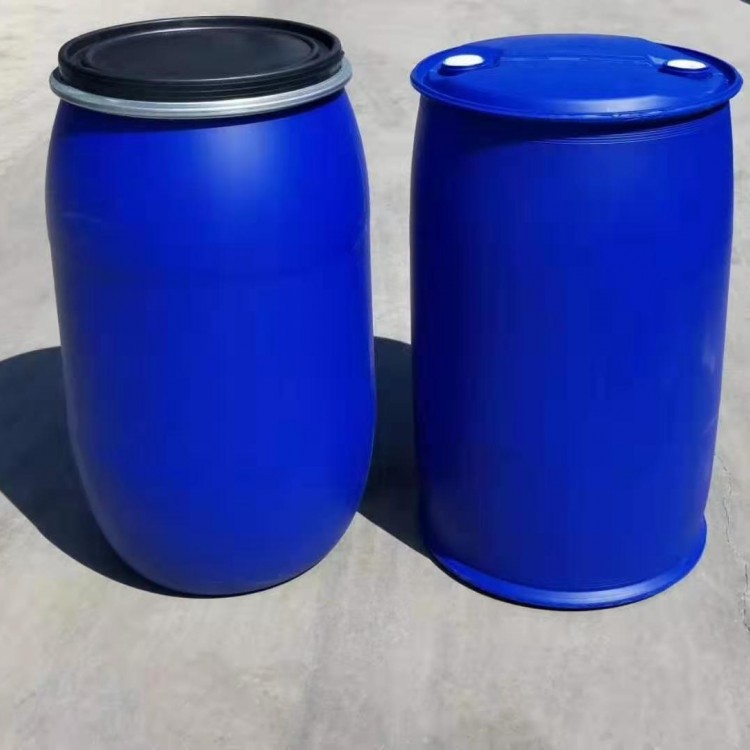
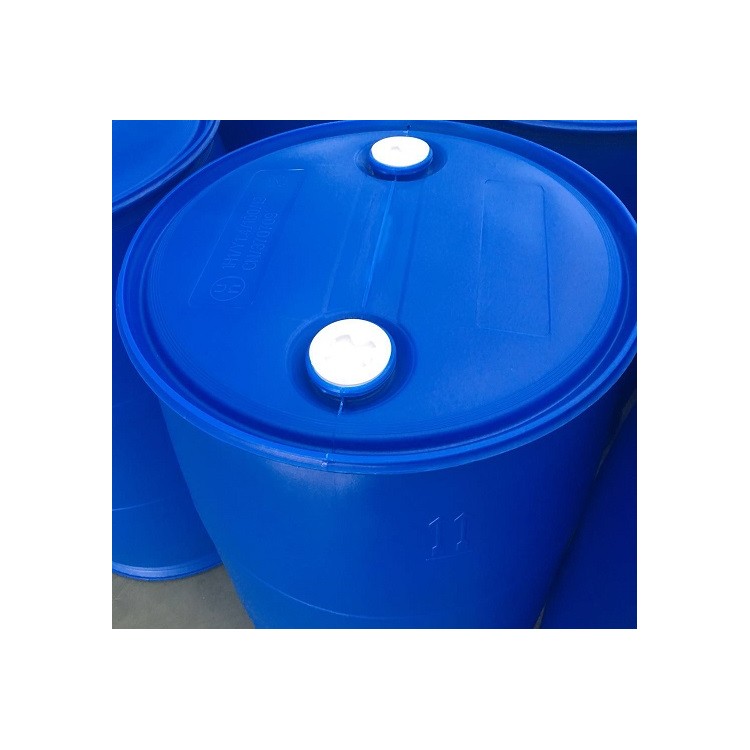
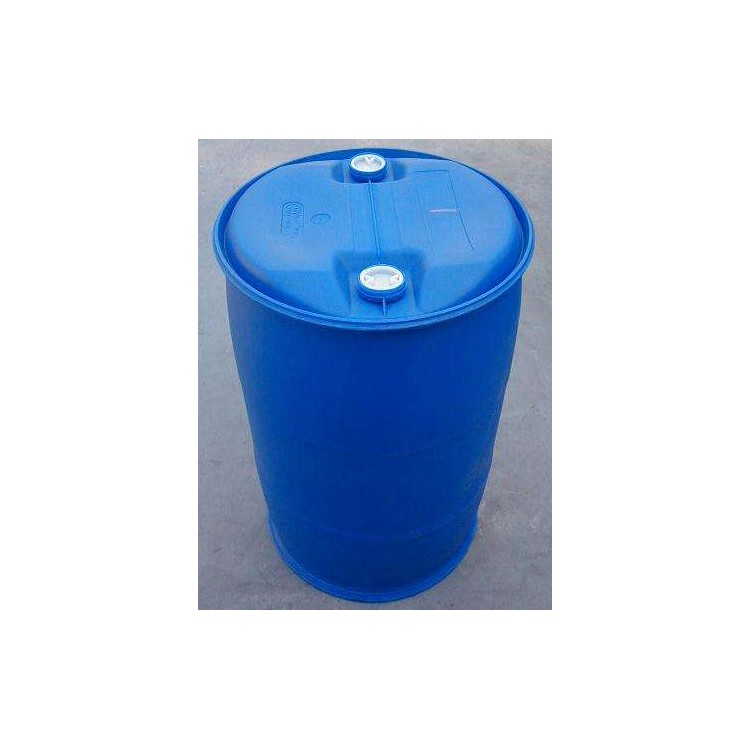


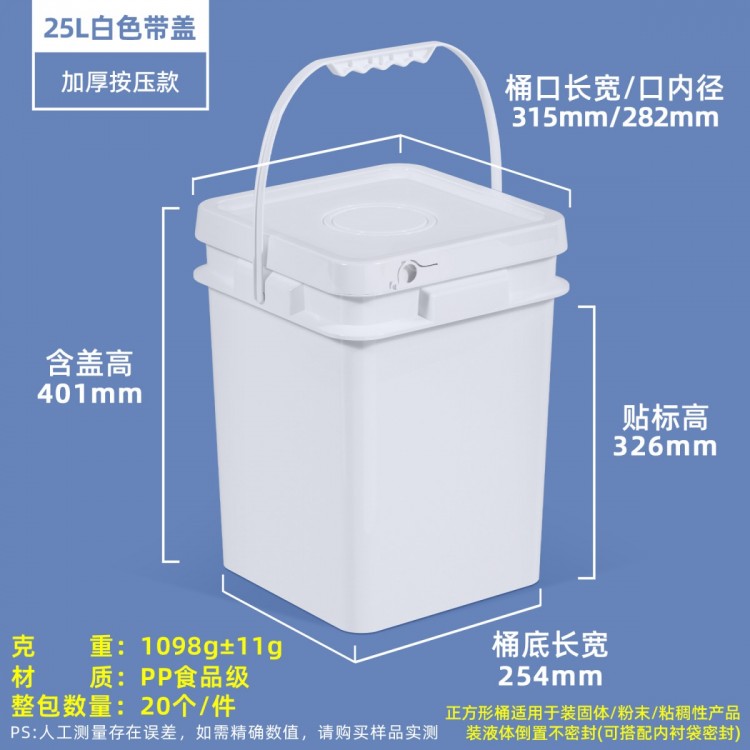
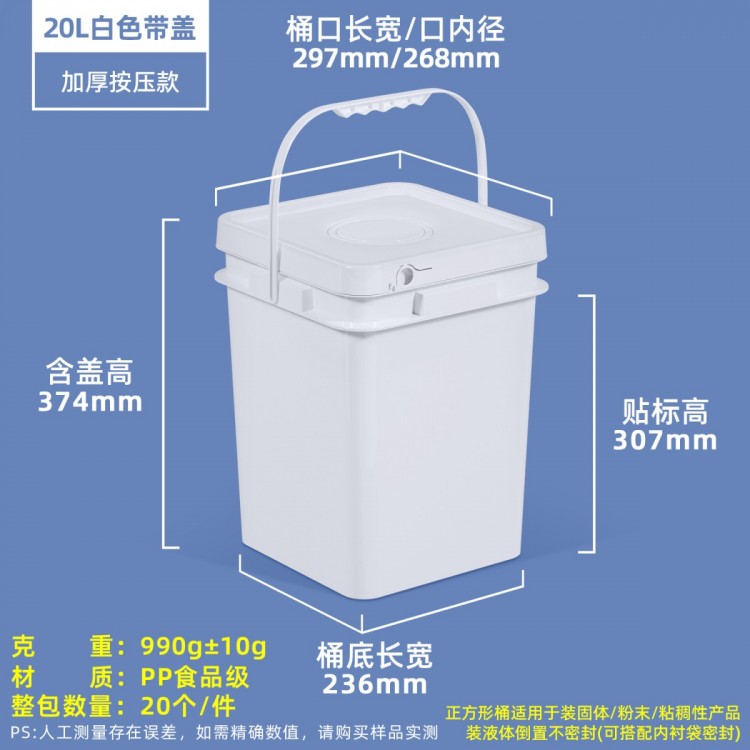
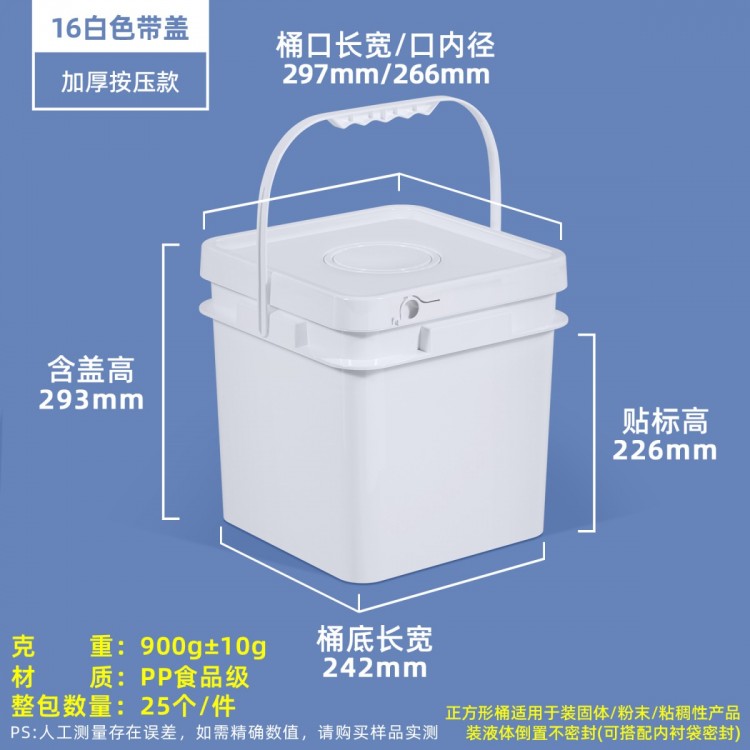





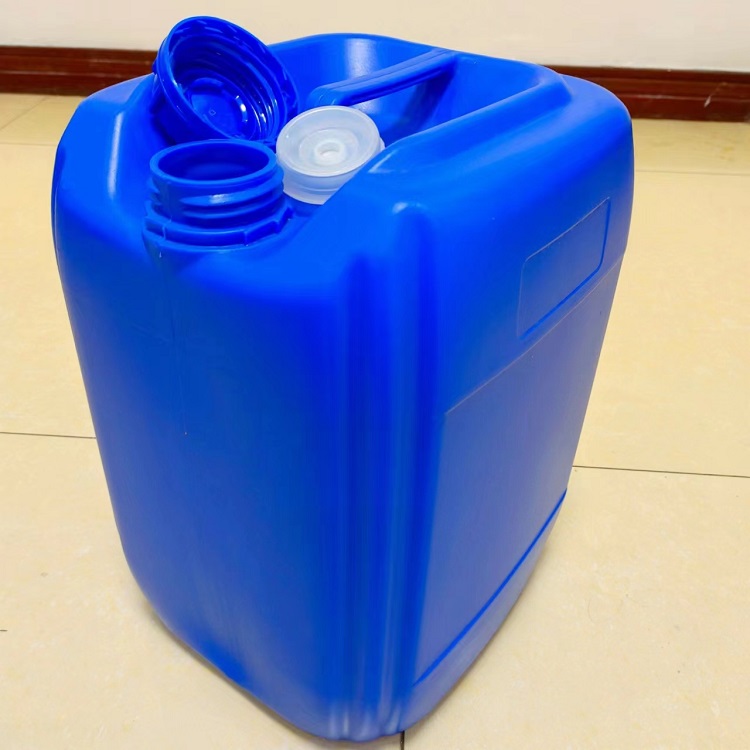

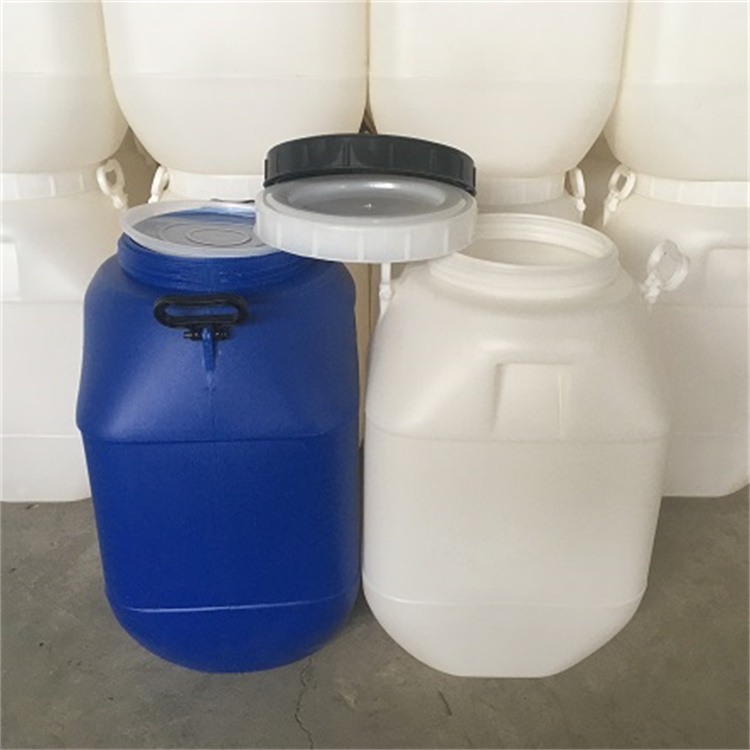
Manufactured from HDPE (high-density polyethylene) material using blow molding technology, widely applicable, suitable for packaging in industries such as chemicals and food. The product meets the requirements of UN Standard II for hazardous goods packaging.
Filling
Remove the lid and insert a tube with an outer diameter smaller than the sealing diameter for filling.
2. The filling liquid temperature should not exceed 50°C. After the internal liquid cools to room temperature, tighten the outer cap, and then apply the inner cap if it has one.
3. To ensure the tight seal of the drum opening, it is recommended to tighten the drum cap with a torque wrench; the required torque varies depending on the sealing material, and you can inquire with our customer service department for the specific torque value.
II. Storage and Stacking
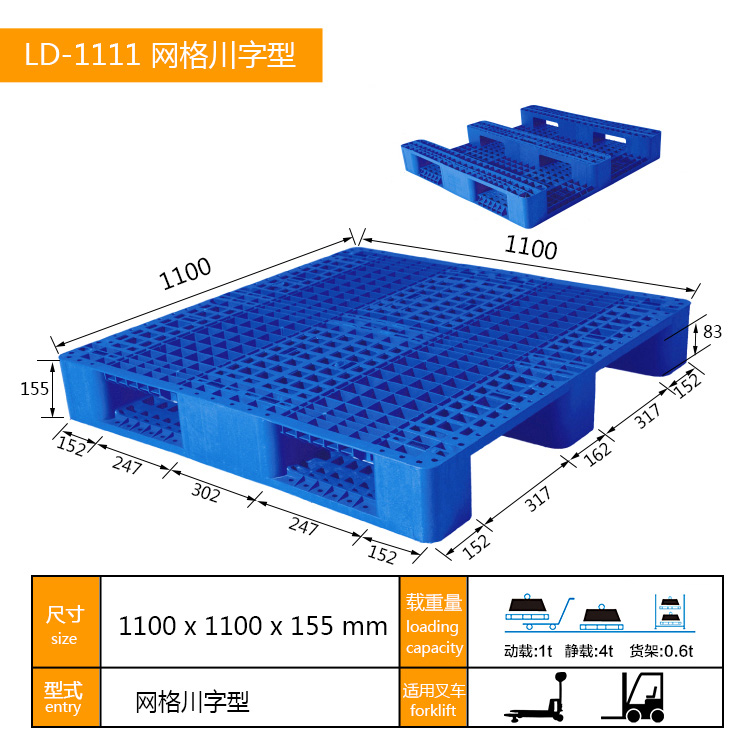
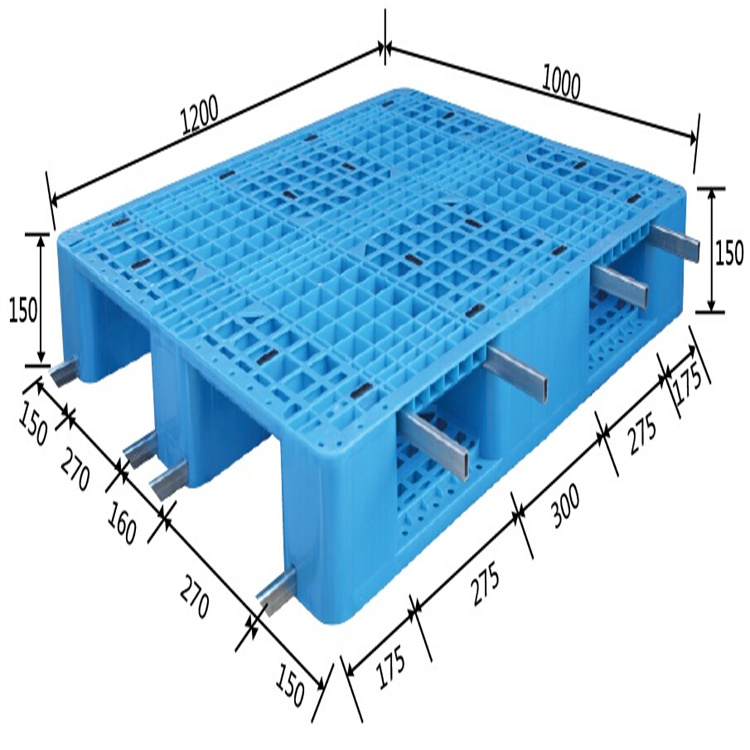
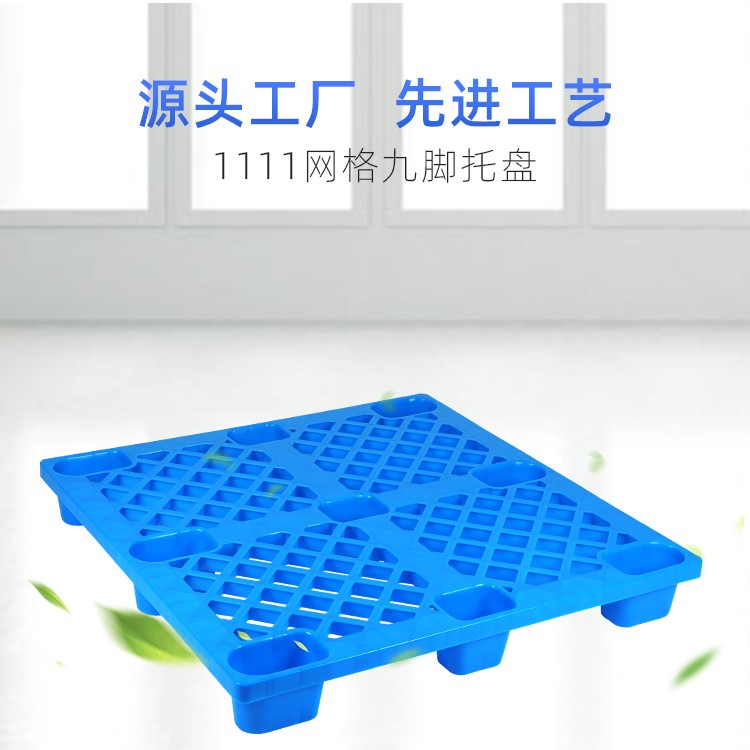
1. After packaging, the barrels are stacked on double-sided flat pallets, with no more than 3 layers per pallet. The barrels between the layers must be aligned properly, ensuring the parts fit together; the number of barrels per layer depends on the size of the pallet.
2. Buckets placed on pallets are to be wrapped and secured with stretch film; after packaging, the number of layers on the pallet should not exceed 2. When stacking the pallets with buckets, the upper and lower layers should align to distribute the weight of the upper layer evenly onto the lower one. The ground at the storage area should be level and in a horizontal position.
3. The drums should be stored under a canopy to prevent direct sunlight exposure. Storage temperature should be below 40°C and above -18°C.
Section 3: Loading and Transportation
When packing hazardous goods for long-distance transport:
1) Pallets should be used for stacking, with the dimensions of the pallets not exceeding 1.3 meters, and the rim of the drums must not overhang the edges of the pallet.
2) Containers should be loaded into shipping containers or vehicles, ensuring that layers are aligned vertically to prevent uneven stacking and instability. The container or vehicle must have rigid walls and railing at least as tall as the containers to prevent them from toppling over.
2. Confirmation of Chemical Compatibility: It is essential to verify the chemical compatibility between the liquid being filled and the material of the container and sealing components. In case of any doubt regarding compatibility, tests should be conducted; inquiries are welcome. We do not assume responsibility for compatibility issues caused by the liquid filled independently by the customer without our confirmation.
Four, Instructions for Use
1. Prevent the liquid inside from splashing out during filling to avoid injury to the operator.
2. Before screwing on the cap, check if the seal ring is properly installed and for any signs of detachment; when screwing, align the threads to prevent leakage at the bucket opening due to misaligned or slipping threads.
3. Avoid collision with hard and sharp objects during transportation and prevent from falling or dropping.