











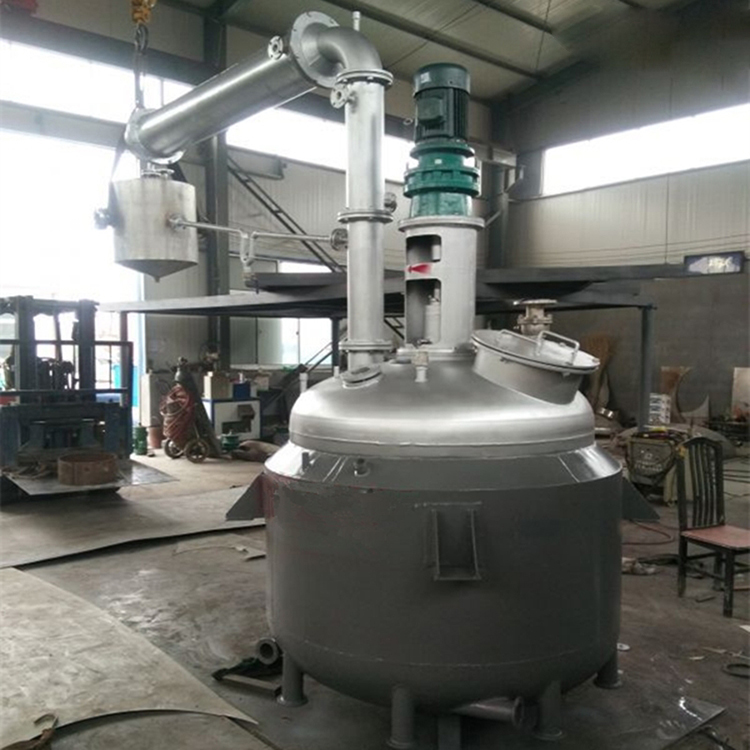
Working Principle:
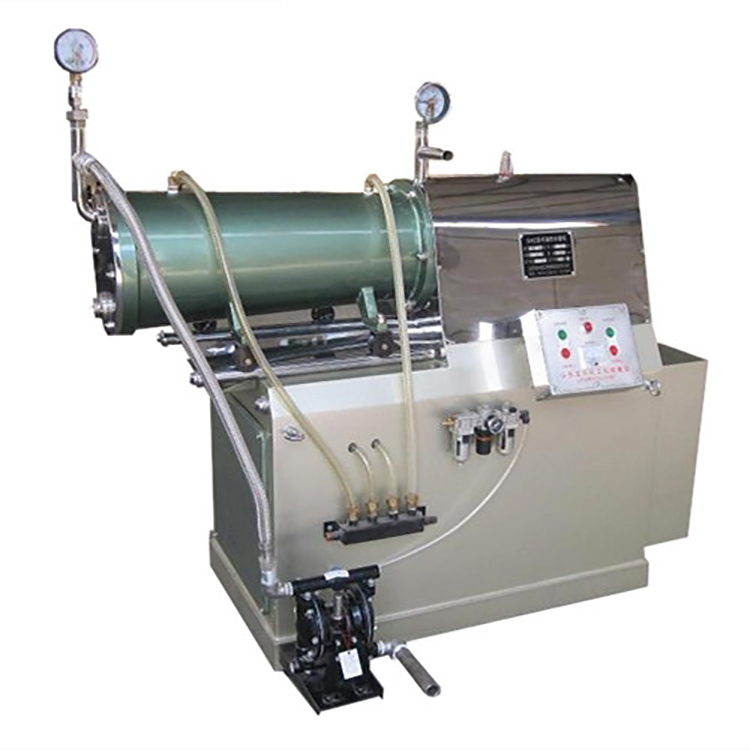
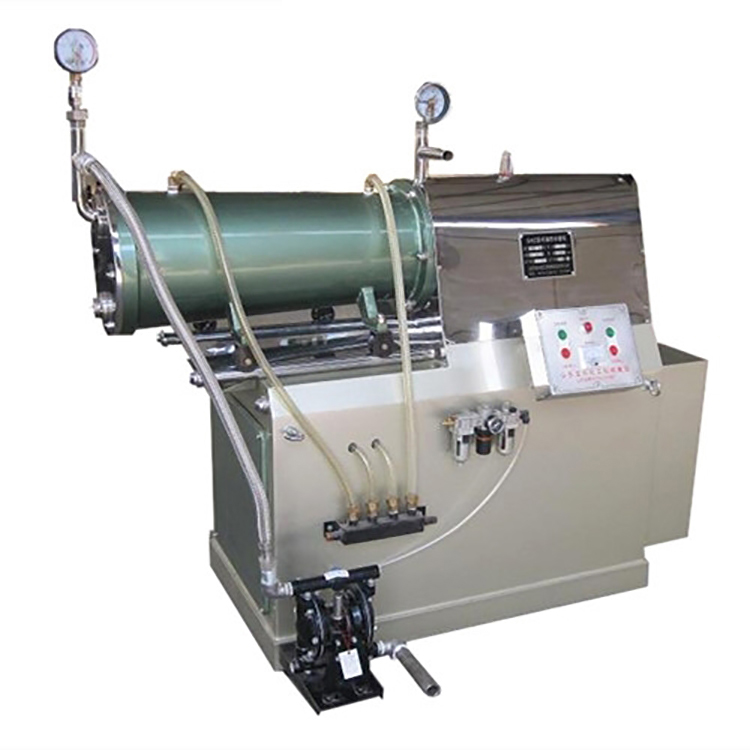
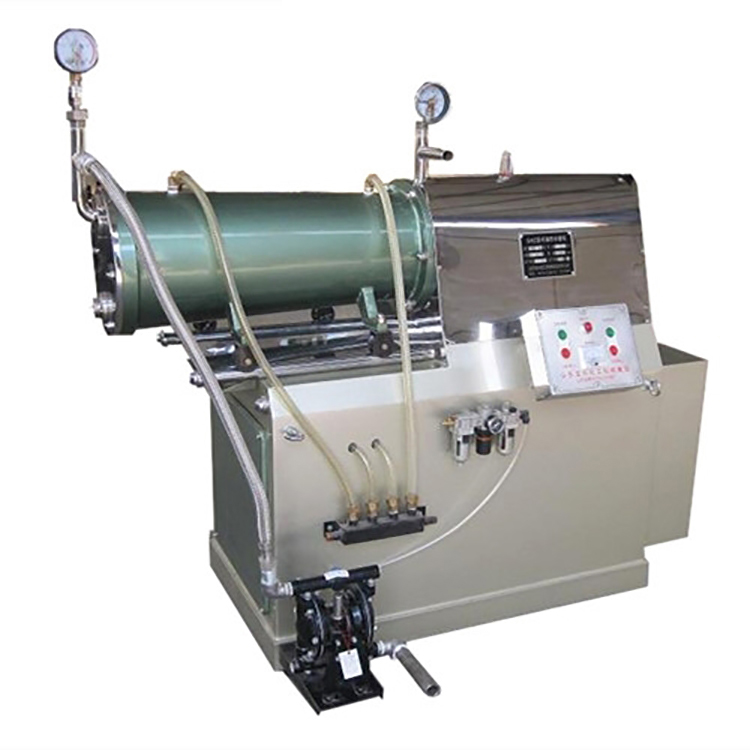
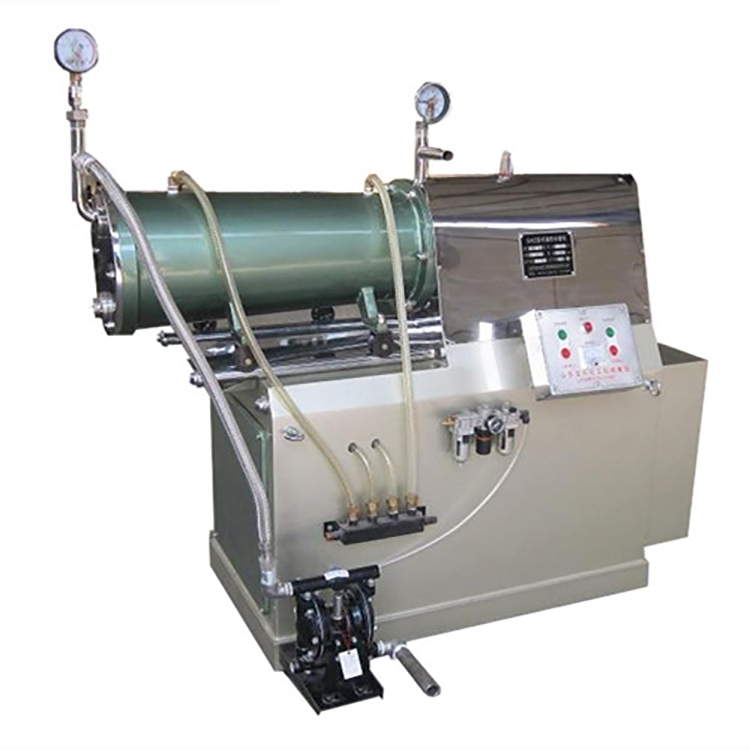
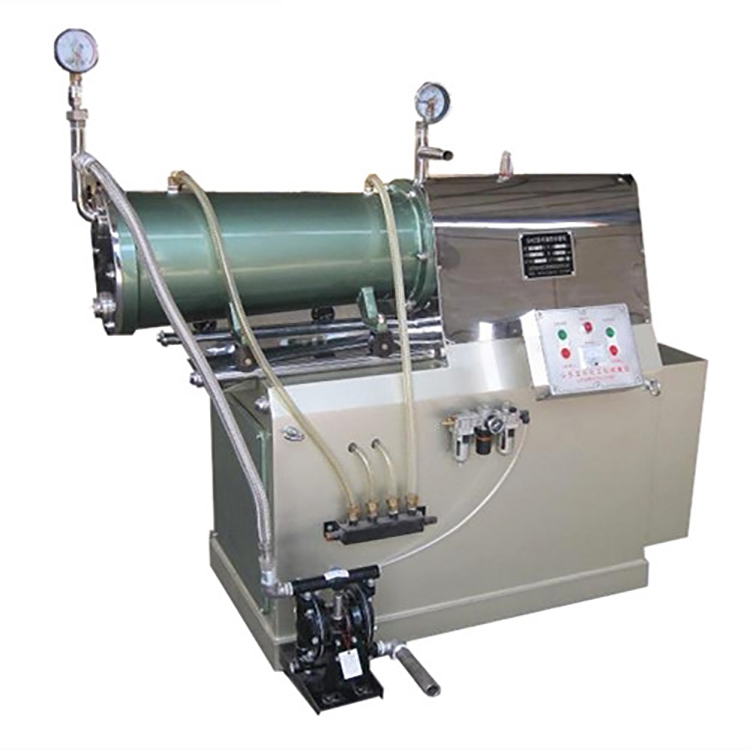
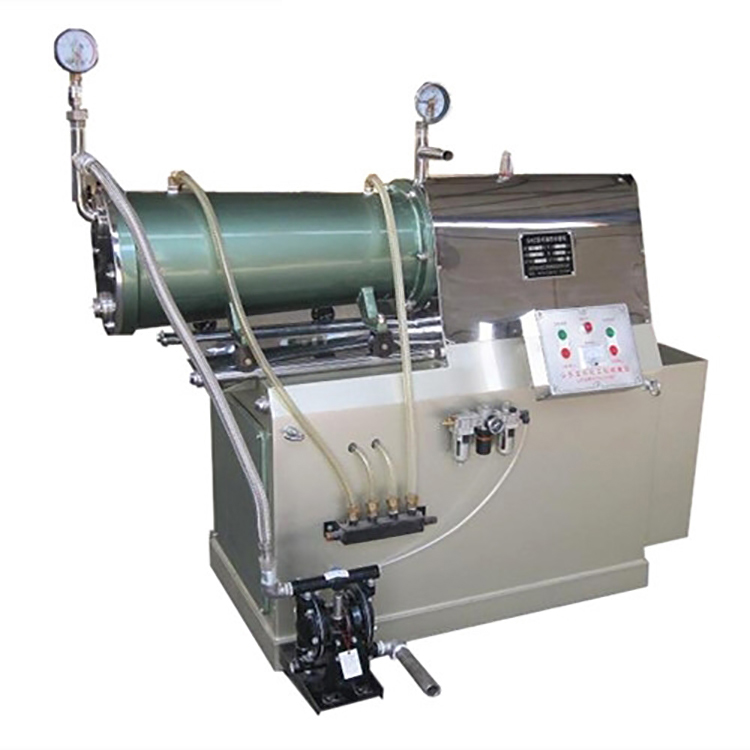
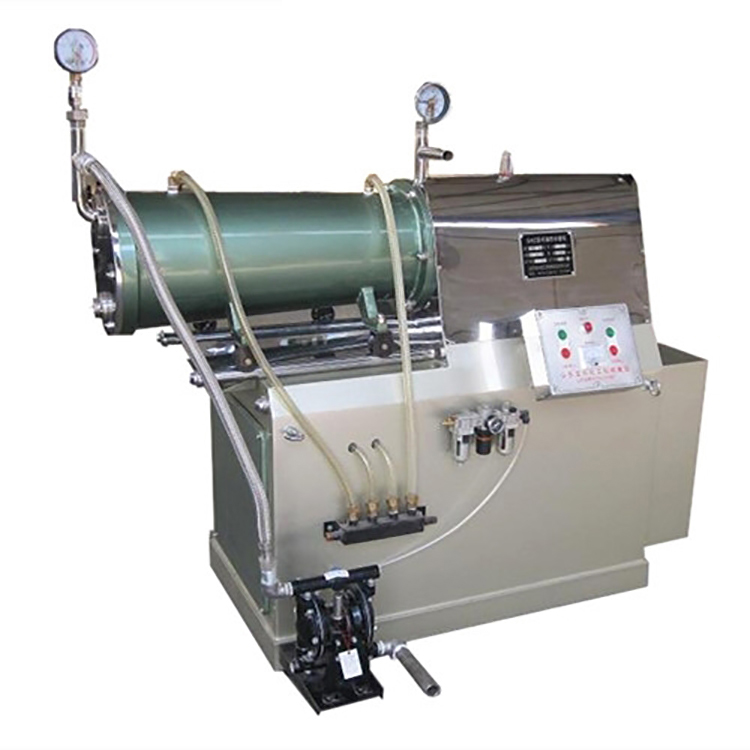
Material is fed into the cylinder from the bottom valve, and the dispersion disk is rotated by the dispersion shaft, causing the grinding balls to move rapidly. The strong stirring increases the shearing force of the balls, resulting in the material being impacted and sheared by the grinding medium.
Performance Features:
The machine is easy to operate, boasts high continuous production efficiency, features easy color change, and is simple to clean. The interior cylinder and dispersal disk of the Longteng vertical sand mill can be customized to be made of carbon steel, stainless steel, or聚氨酯-lined materials according to customer requirements.
The Widespread Applications of the Longteng Vertical Sand Grinder:
Building coatings, alkyd resins, dyes, printing inks, industrial coating paints, rust preventive primers, road marking paints, and wet grinding and dispersing equipment for the papermaking, leather, and other chemical industries.
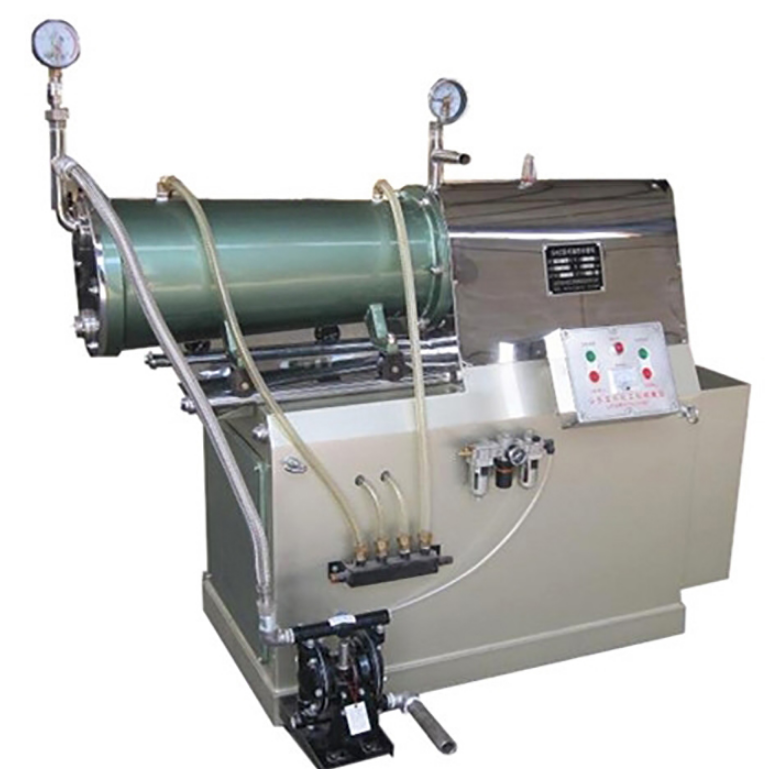
Category:
The sand mill is a wet ultra-fine grinding equipment that has evolved from ball mills. It is widely used in the dispersion and grinding of pigments in the ink production process. Sand mills can be classified in various ways:
According to the structural shape of the agitator shaft, it can be categorized into plate-type, rod-type, and rod-plate-type (also known as bulge-type).
Based on the arrangement of the grinding cylinder, it can be classified into vertical and horizontal types.
Based on cylinder volume, they can be categorized as laboratory, small, medium, large, and extra-large.
Separable by medium separation method, there are static and dynamic sand grinding separators.
Energy density (unit volume installed power) classification includes low/high energy density sand grinding machines.
We produce inks of various types, and the structure of the sand mill used varies accordingly. Generally, gravure inks are produced using rod mills (5-50 liters) or disk sand mills (10-100 liters). Rotogravure inks typically use vertical rod mills (5-130 liters) or horizontal disk sand mills (60-500 liters), while high-viscosity sheet-fed inks often employ high-energy density conical sand mills or three-roll machines. For spray inks (ink and pigment solvent-based), we generally use high-energy density rod mills (horizontal or vertical) and centrifugal turbine rotors (new products).