











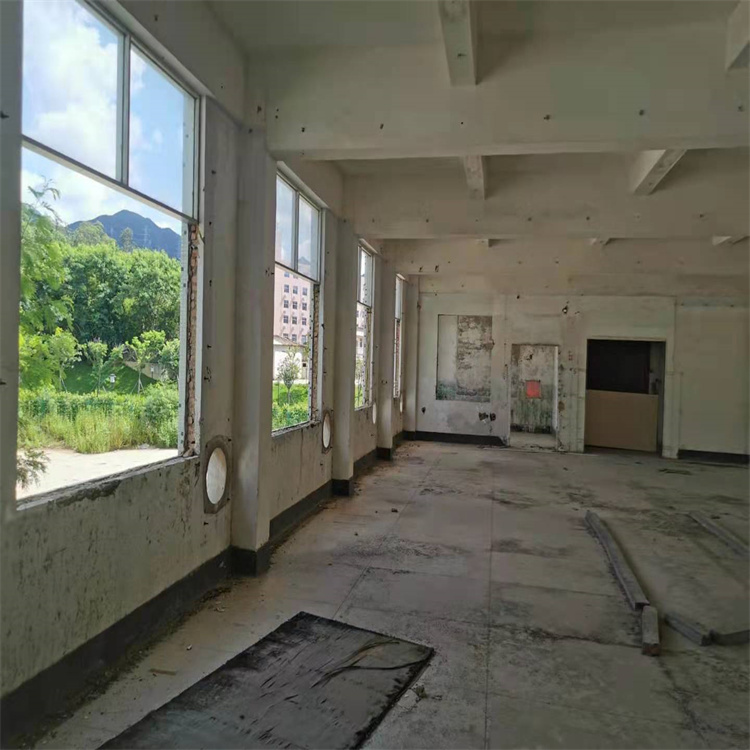
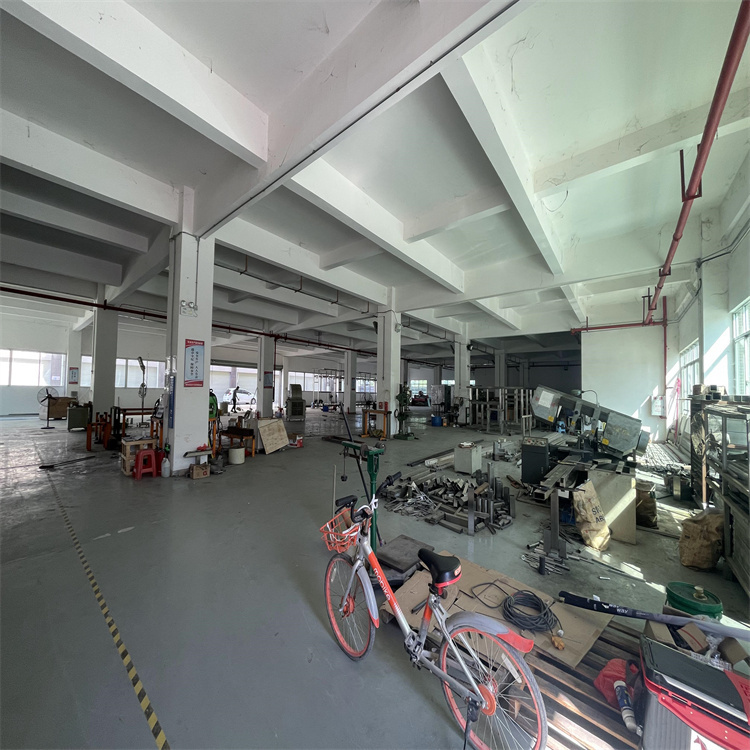
Factory floor load-bearing capacity safety inspection and certification
During building inspections, the assessment of floor load-bearing capacity is a crucial aspect. This is due to the potential for deformation and cracking over time as floors bear weight. Prolonged neglect can lead to a series of safety hazards. Nowadays, testing floor load-bearing capacity is a necessary step for expanding production. Factories looking to expand their production lines will inevitably need to purchase more machinery and equipment, or replace existing ones, especially for multi-story factory buildings. It is a safe practice to expand production only after inspection.
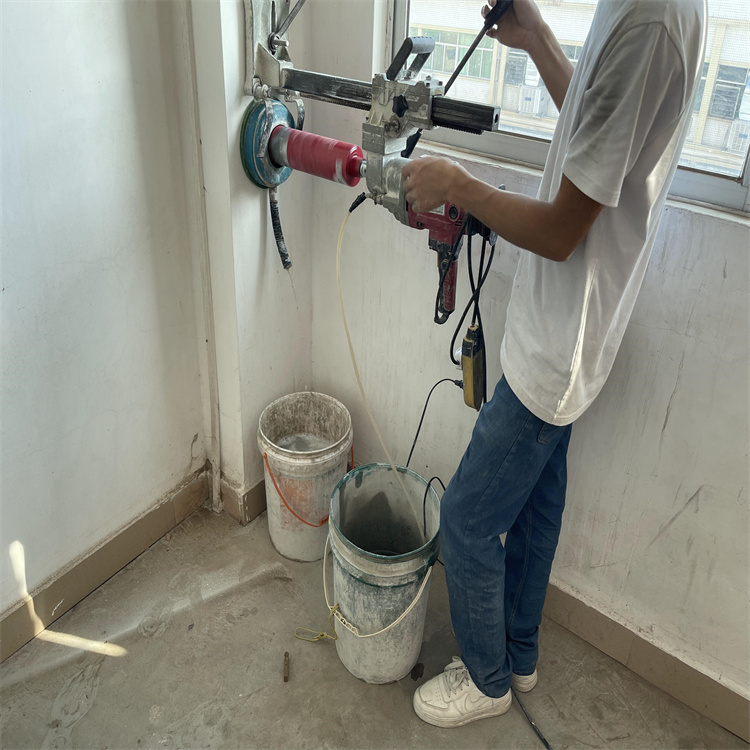
(I) Project Overview
Client Unit: China Railway Beijing Engineering, Project Manager for Guizhou-Nanning High-Speed Railway CNZQ-7 Section
Part Two Division
Type of Identification: Safety Identification of Surrounding Buildings for Construction
Certification Scope: Entire Structure
Project Location: Du'an Yao Autonomous County, Hechi City, Guangxi Zhuang Autonomous Region
(II) Purpose of Identification
Due to the mountain blasting construction of the CNZQ-7 section of the Guinan High-Speed Railway in the Duan'an Yao Autonomous County of Hechi City, Guangxi Zhuang Autonomous Region, which is being carried out on the mountain to the southeast of the house, there is a suspicion that it has affected the house. In order to assess the current safety condition of the house, clarify the responsibility for any damage, and preserve evidence, our company, upon the request of the Second Branch of the CNZQ-7 Project Management Department of China Railway Beijing Construction Co., Ltd., has dispatched an appraisal team to conduct a safety assessment of the house.
Section 3: Appraisal Content
1. Conduct an investigation into the usage history and construction documents of the property.
2. Conduct on-site investigation of the blasting operation site to understand the geological conditions at the blasting location, the structure of the buildings, and the topographical and geomorphological characteristics of the blasting area, and collect relevant data.
3. Conduct a detailed inspection of the integrity of each load-bearing component of the upper structure of the building on-site, and photograph any damaged components for record-keeping.
4. Conduct an on-site investigation of the house's exterior and internal and external environment.
5. Conduct on-site inspection of the overall deformation of the house, analyze and judge the working condition of its foundation.
6. Analyze the causes of the current cracks in the property and clearly define the responsibility for the existing damage.
7. Based on the aforementioned inspections and results, evaluate the integrity grade of the property in accordance with the "Residential Property Integrity Rating Standards" (City Res. [84] No. 678), propose feasible treatment suggestions for components that do not meet safety requirements, and issue a "Residential Property Integrity Assessment Report."