











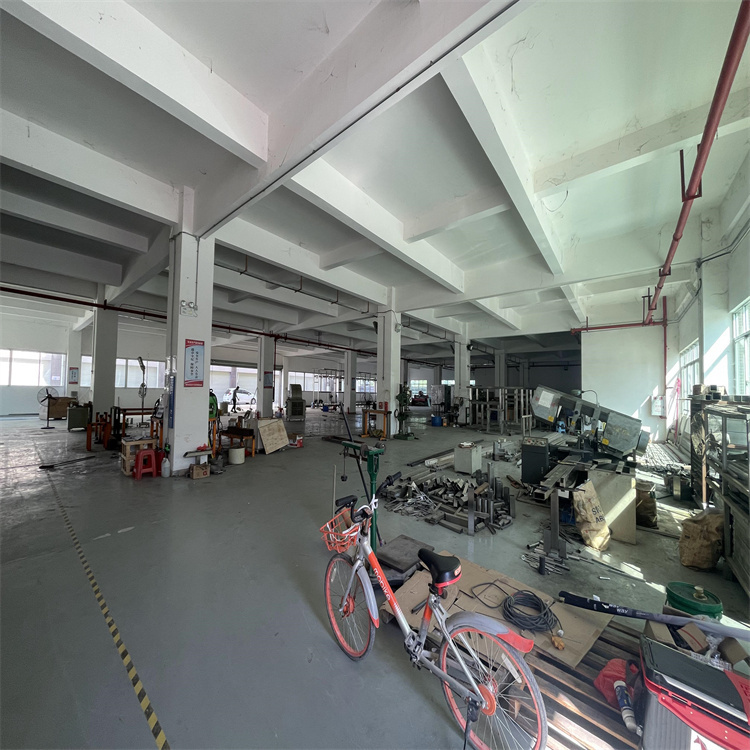
Factory Building in Industrial Park Floor Load Capacity Assessment
Floor bearing capacity testing, also known as a specialized floor inspection, doesn't mean testing the floor alone, does it? Absolutely not. The load change testing of the floor involves not only inspecting the floor itself but also the beams and columns beneath it. Since the floor, beams, and columns form a concrete monolithic structure, the pressure the floor bears is transferred to the beams, then to the columns, and finally down to the foundation. If a floor is in perfect condition but the beams and columns beneath it cannot withstand the pressure transferred from the floor, the collapse of the beams and columns would pose a safety risk to the building's use. Therefore, when conducting load change testing on the floor, ensure thorough inspections, including the floor, beams, and columns, as well as other load-bearing components.
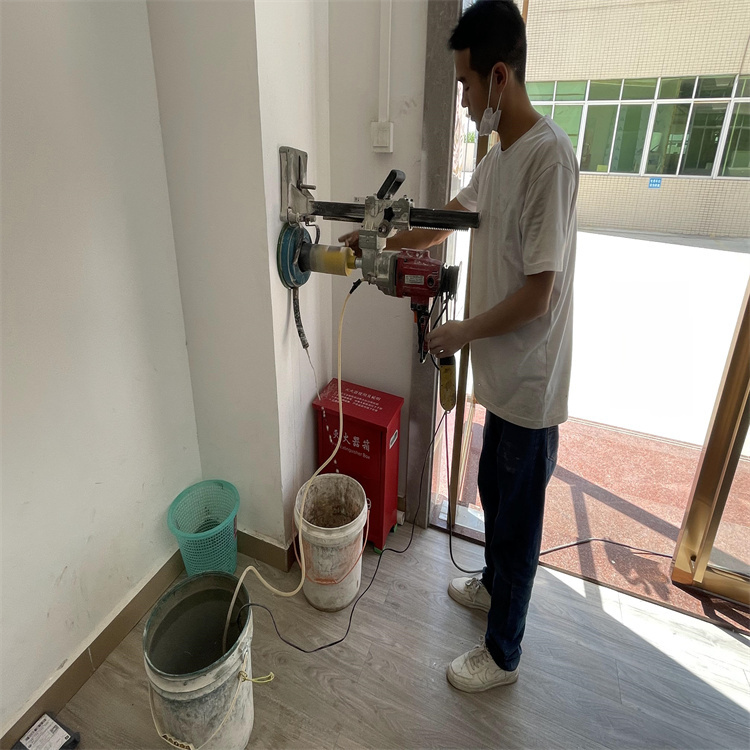
Factory Load Capacity Testing and Assessment – Concerning Factory Load-bearing Inspection
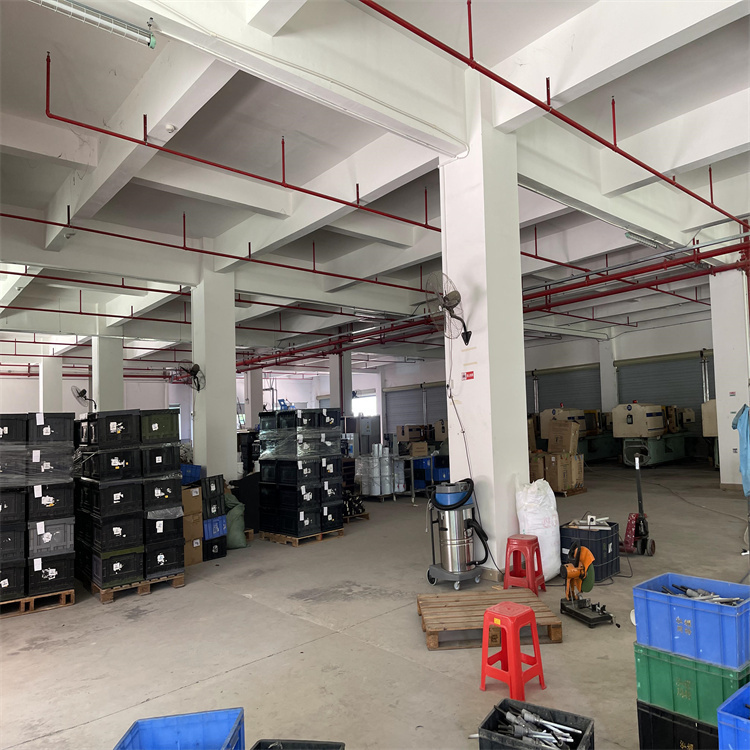
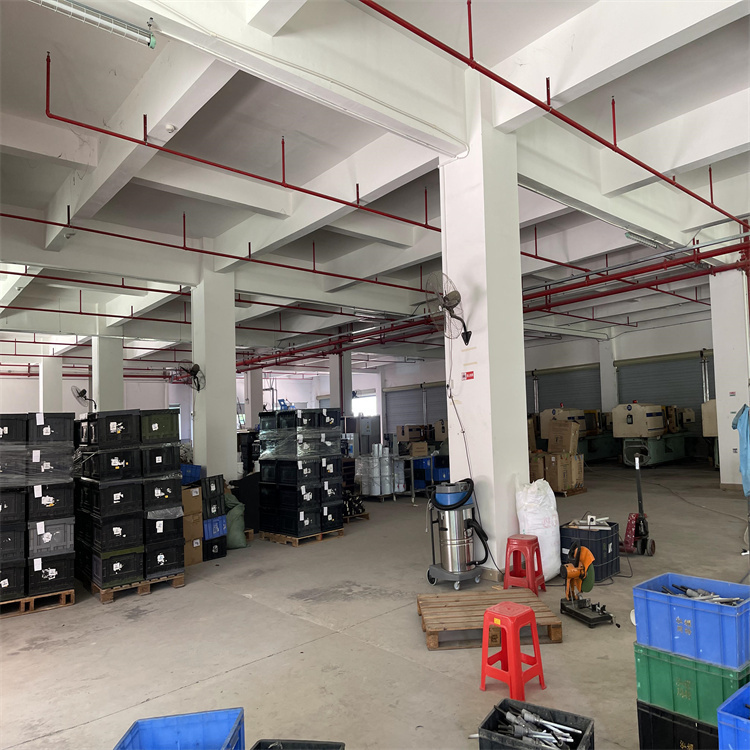
1. The main steel structure of the A district factory is generally intact, with the layout of structural components, axis dimensions, and cross-sectional dimensions of major structural components all in accordance with the original design, showing no significant changes. No apparent structural or durability damage was found in the main load-bearing components above.
2. Based on the measured results, the strength grade of the southern house truss columns can be ascertained to be Q345.
3. The measured deflection of the rigid beam shows slight downward bending, within the permissible limit specified by the standard.
4. The tilt and height difference measurements of the column and column base indicate that the house shows no significant tilt tendency, with overall tilt being minimal. The measured tilt rate is 2.6%, within the reference limit of 4%. It is concluded that there are no obvious anomalies in the foundation of the house. The height differences at each measurement point of the column bases do not show a clear pattern. Considering the influence of construction and measurement errors, and also noting that there are no significant twists, deformations, or cracks at the connections between the surrounding protective components and the main structure of the house, it can be deemed that the foundation settlement is stable with minimal differential settlement.
5. The structural calculation results indicate that the main steel structure construction measures of the A cross-regional factory building meet the specification requirements, and the bearing capacity also satisfies the specification requirements.