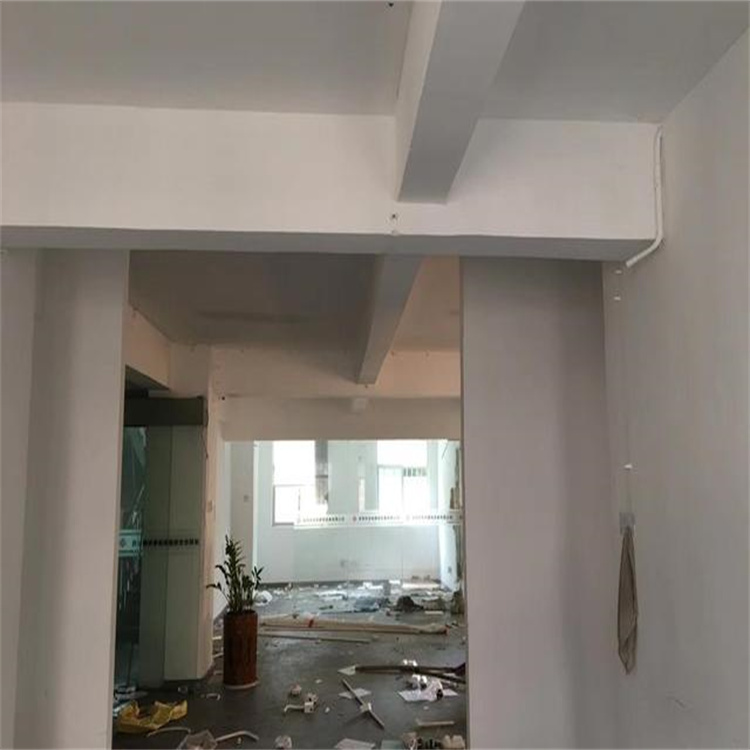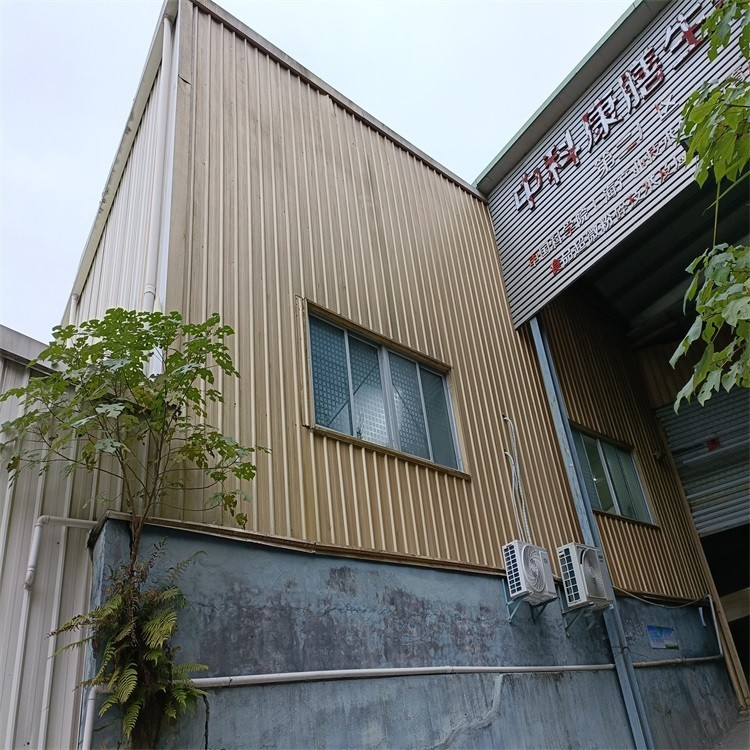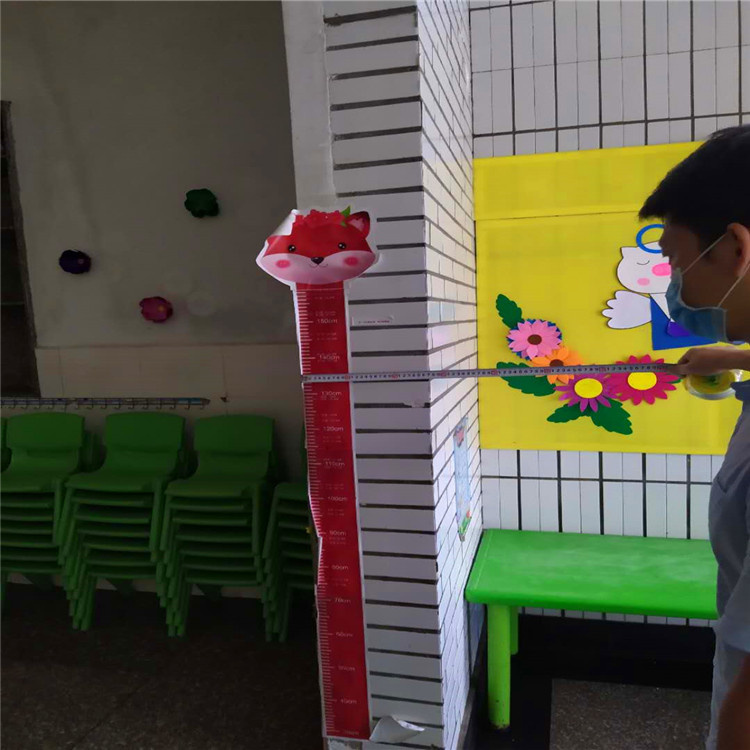













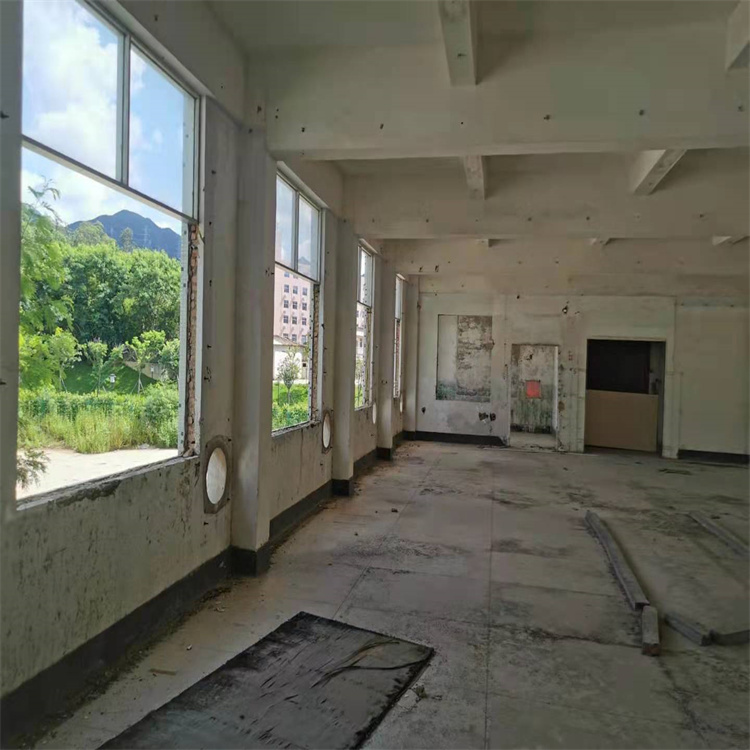
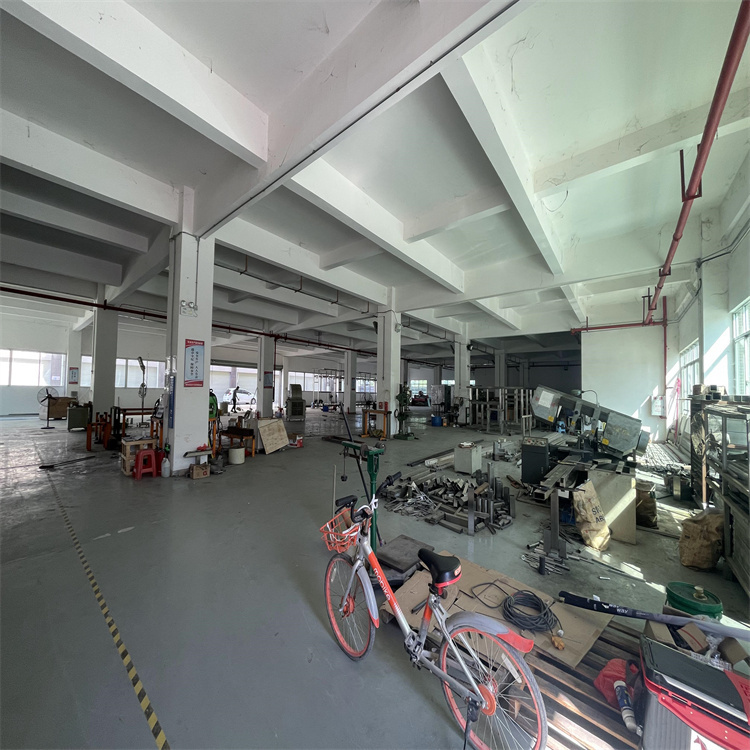
Opening a store requires a building safety inspection and certification report.
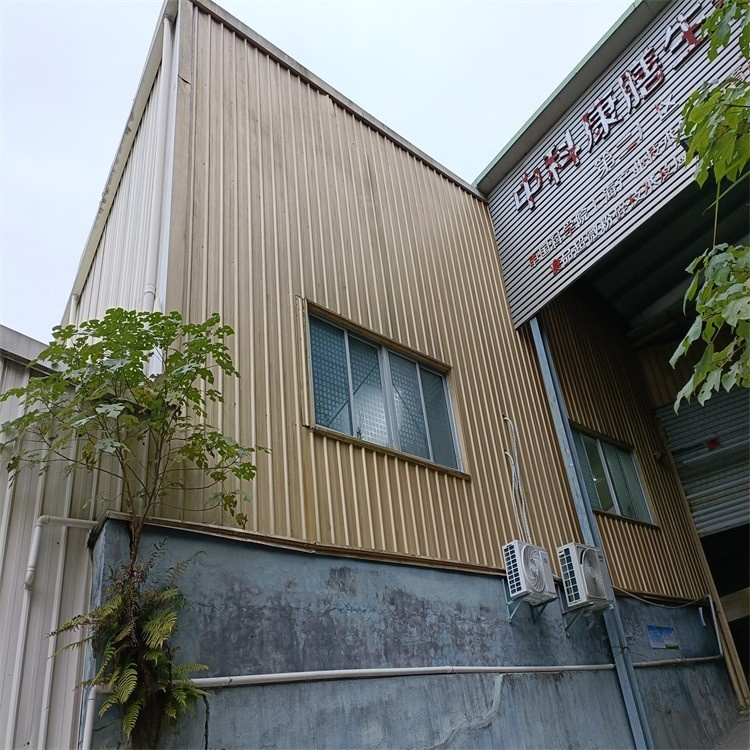
Reason for industrial workshop floor load-bearing capacity inspection and assessment:
1. Property performance assessment prior to changes in use, increased load, structural alterations, or addition of floors.
2. Re-examination and certification of the construction quality, structural safety, durability, and usability of the house.
The demand for living environments is ever increasing, and the quality of residential housing directly impacts the safety of our living conditions.
In fact, it's not necessary to wait until a house is in a dangerous condition to conduct a structural safety assessment. In reality, regularly inspecting houses for safety in everyday life can prevent potential issues and determine the safety level of the residence.
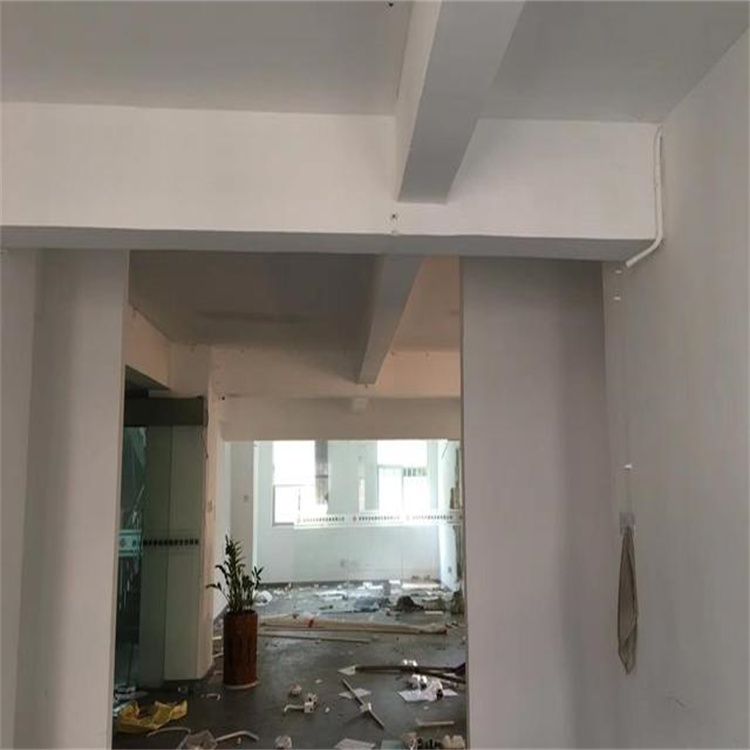
Structural cracks
Cracks not only affect the overall aesthetics of the walls but also compromise the residential safety of the house. If cracks are found in the walls, beams, and columns of the house, especially in ground and wall cracks, these cracks will not remain unchanged. If they are not repaired promptly, they can significantly impact the future safety of the house. When cracks are discovered in the house, it is necessary to promptly contact a floor bearing inspection engineer to inspect the quality of the house.
2. Structural deformation
Structural deformation in buildings can be difficult to detect with the naked eye, especially for minor changes. If visible deformation is observed, it indicates a serious quality issue with the house. Severe structural deformation not only leads to cracks but also reduces the functionality of the structure and decreases the overall safety of the building.
3. Insufficient structural load-bearing capacity
Each house is composed of numerous structural components, and when the original function of the house changes, the usage function of some structural components will also alter, as will the load-bearing capacity of the structure. Different usage functions of a house require different load-bearing capacities for its structural components. Therefore, for houses whose usage functions have changed, their load-bearing capacities generally change as well. To understand the load-bearing capacity of a house, structural inspections are necessary, making the load-bearing capacity of the house closely related to its structure.
4. Structural Function Degradation
For buildings that have been in use for many years, there are inevitably various quality issues, and the environment can erode the external structural components of the house, such as exposed steel reinforcement corrosion, etc. Buildings with functional degradation due to structural damage require timely quality and safety inspections.
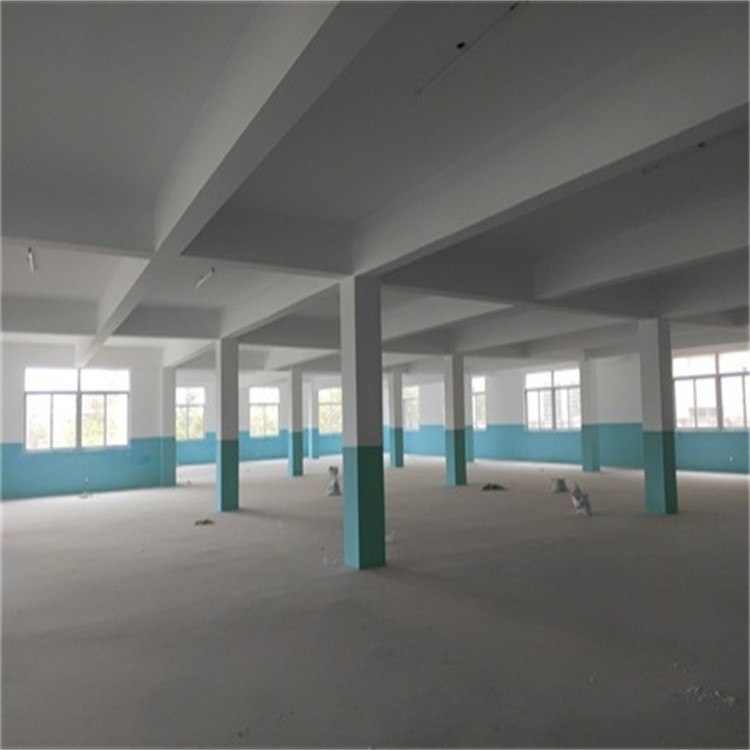
Floor Load-Bearing Inspection and Assessment Procedure
1. Review Materials: Retrieve and verify completion drawings and documents; Conduct architectural structure survey for the inspected part of the house: Based on familiarization and mastery of existing original drawings and documents, establish architectural plans, elevations, sections, and typical...
Building construction, foundation plans, structural plans, typical cross-sections and joint constructions of structural components, especially the connection and reliability of the added structure to the original structure.
2. Review of building axis, structural member dimensions, and architectural layout drawings
3. Property Condition Inspection
4. House Tilting Detection
5. Uneven Settlement Detection of Buildings
6. Floor integrity and crack distribution inspection.
7. Material Strength Testing:
Concrete Strength – Non-destructive testing by rebound method; core drilling method for verification when on-site conditions permit.
Reinforcement bars - Surface hardness method used.
8. Structural dimensions and reinforcement verification checks; component cross-sectional dimensions are subject to general survey. Reinforcement is tested using a combination of ultrasonic testing and localized excavation, with random checks as the primary method. The focus is on verifying the reinforcement of typical components, with areas where the load may be increased being the key areas for inspection.
9. Floor Safety Calculation: Determine if the floor safety meets the requirements based on on-site inspection results.