
















Safety Load Capacity Test Report for Industrial Factory Floor
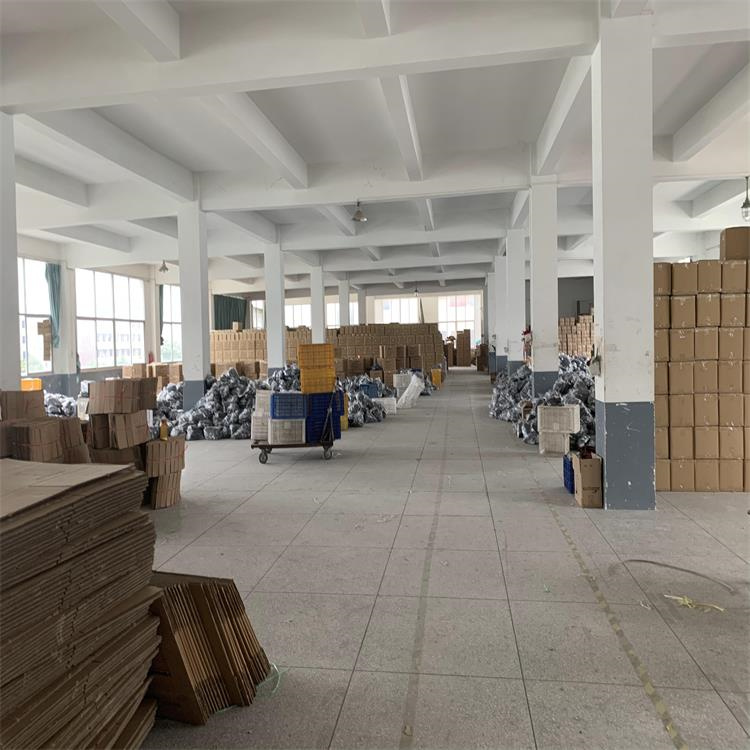
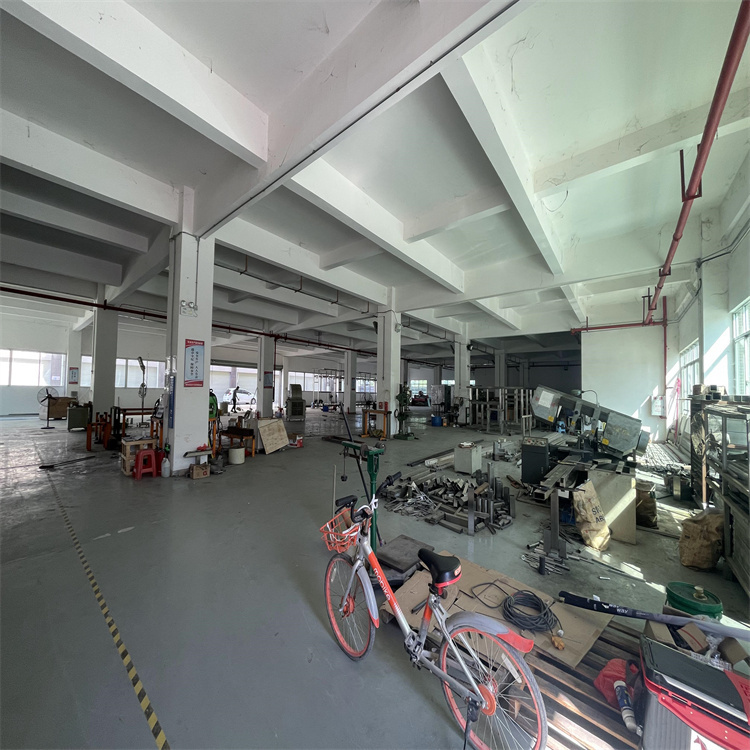
How to Test the Floor Load-Bearing Capacity of Factory Buildings - During the design of factory buildings, there is a load-bearing capacity limit. Based on the size of this limit, factories are generally categorized into light, medium, and heavy-duty factories. Typically, the load-bearing capacity limit for light-duty factory floors is 3.5 kN/㎡, while for heavy-duty floors, it's above 7.5 kN/㎡, with the intermediate category being medium-duty factories. Due to the national conditions, the load-bearing capacity limits of early industrial factory floors were too low and are no longer sufficient to meet the equipment placement requirements of modern industrial production scales. This necessitates that load-bearing capacity testing units provide scientifically accurate test values to ensure safe placement and use of equipment in the factory buildings.
Industrial workshop floor load-bearing capacity testing/quality testing of concrete by the inspection and certification unit is a concern for many. So, how should we conduct the testing?

1. Concrete Internal Condition Inspection
During actual construction, technical management and negligence often lead to issues such as looseness, voids, and construction joints in the internal structure of ready-mixed concrete. Therefore, internal condition inspections can promptly propose remedial measures. Currently, ultrasonic testing is commonly used, where changes in ultrasonic parameters such as sound time, amplitude, and waveform are analyzed to determine the compactness, uniformity, and local defects of the structural ready-mixed concrete.
If there are defects, there will be discontinuity of the medium on the ultrasonic transmission and reception channel, causing the sound wave path to lengthen. Therefore, the difference in sound velocity is a parameter for judging defects.
② The first parameter is the amplitude of the initial wave, as the acoustic impedance of different media varies significantly, causing irregular scattering of the projected sound waves and resulting in substantial ultrasonic loss. The signals reaching by diffraction are weak, leading to a decrease in the amplitude of the initial wave.
③ The variation of frequency components in the received signal is also a research direction in ultrasonic flaw detection, due to the uneven internal defects in the commodity concrete structure, which causes reflection and refraction of the detection pulses during propagation.