










To open a store, a house safety inspection report is required.
Our company is a third-party building safety assessment institution certified by the national housing quality certification authority, and also listed as a building inspection service provider for factory safety assessments.
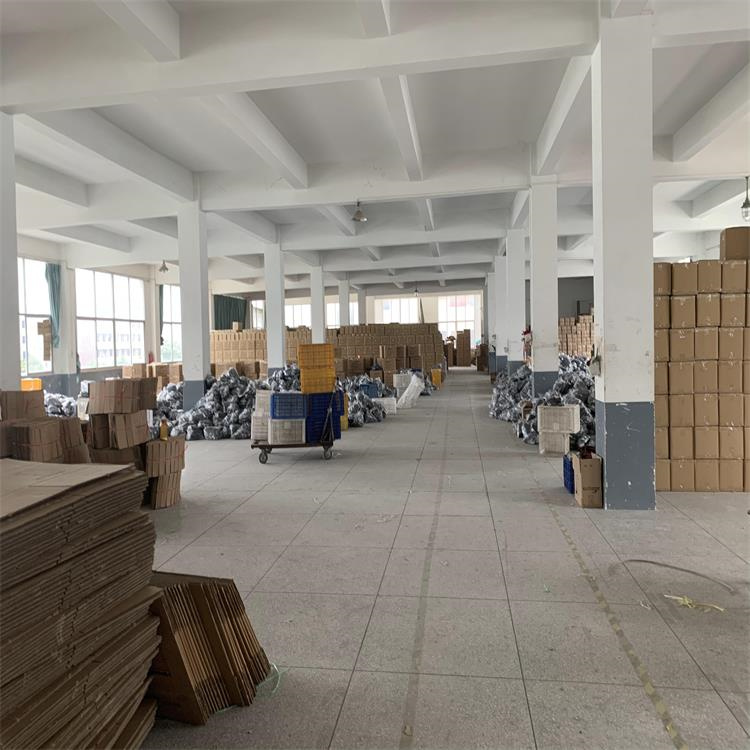
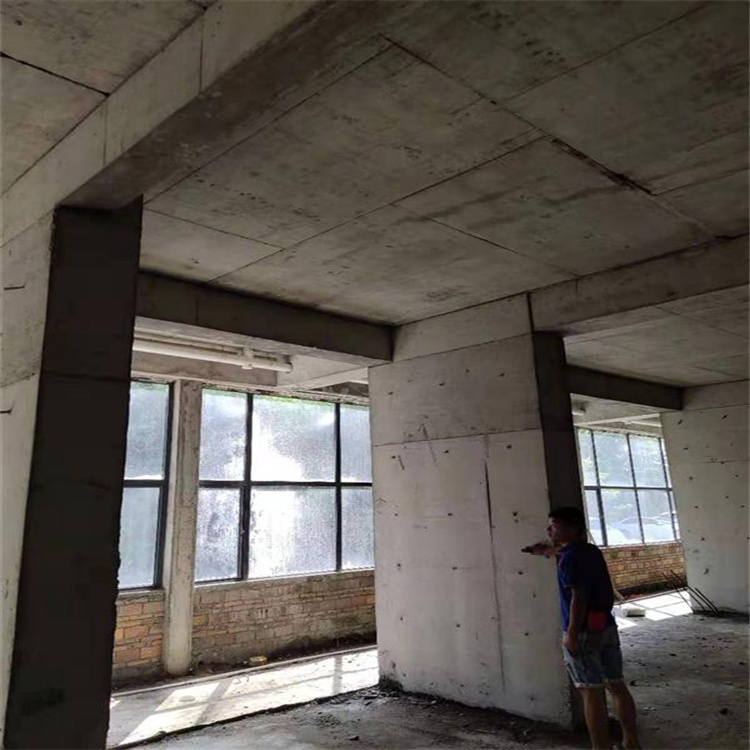
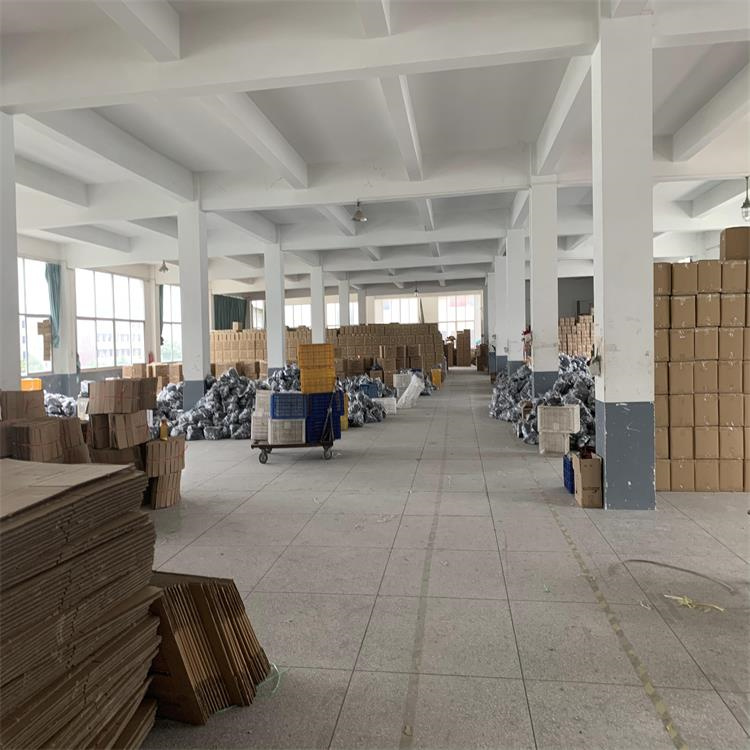
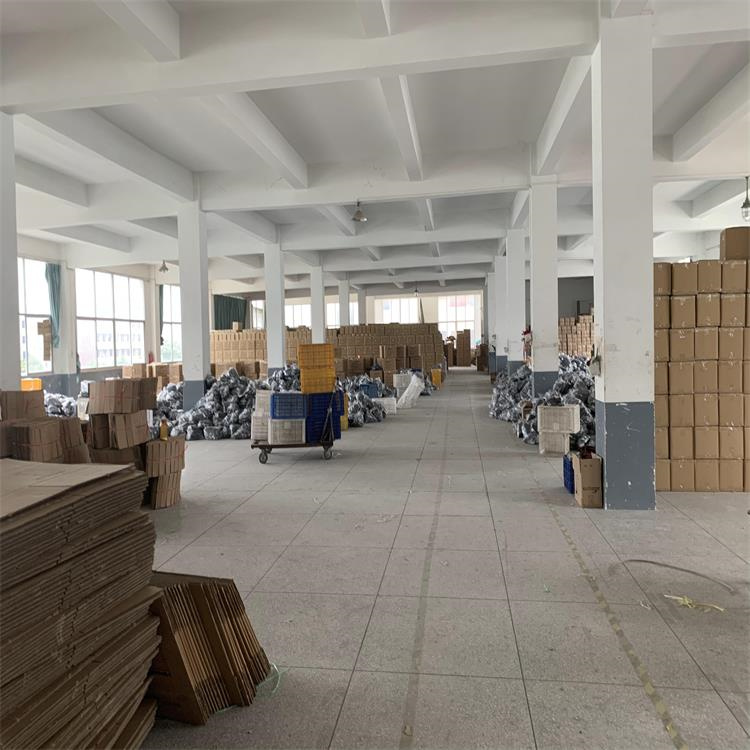
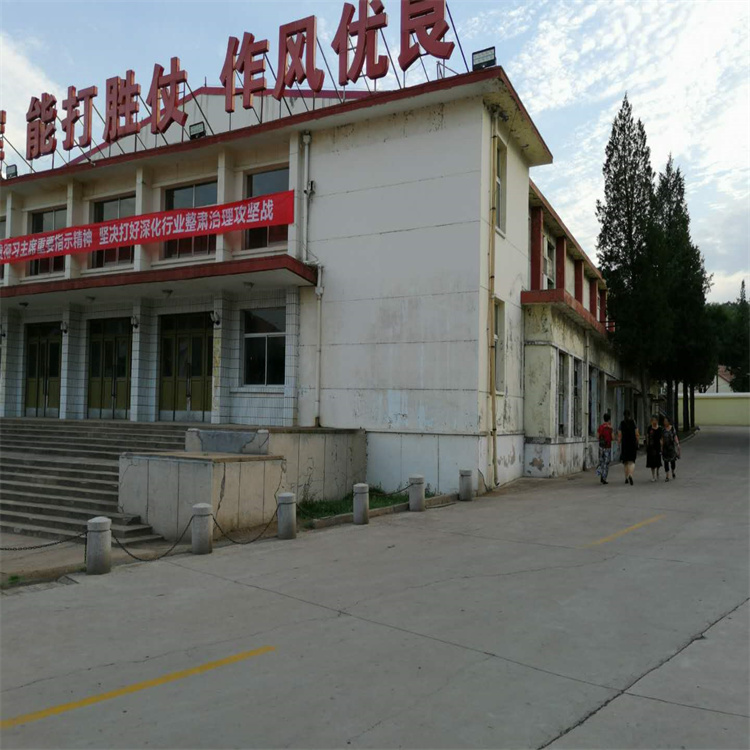
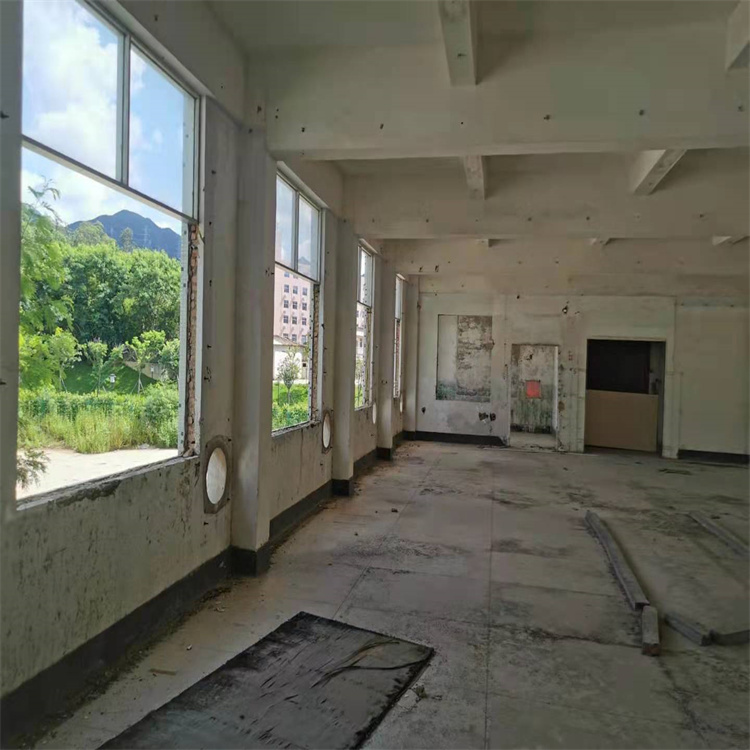
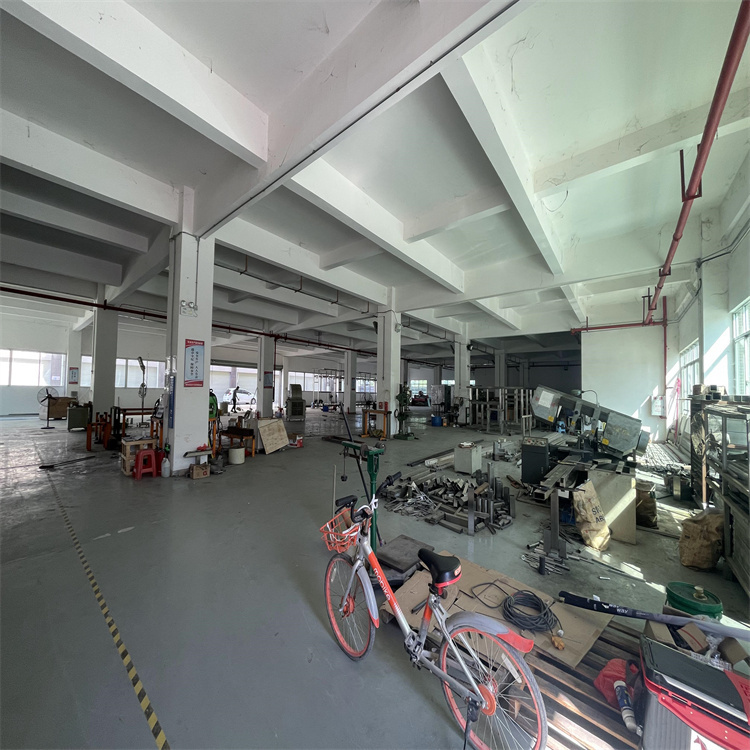
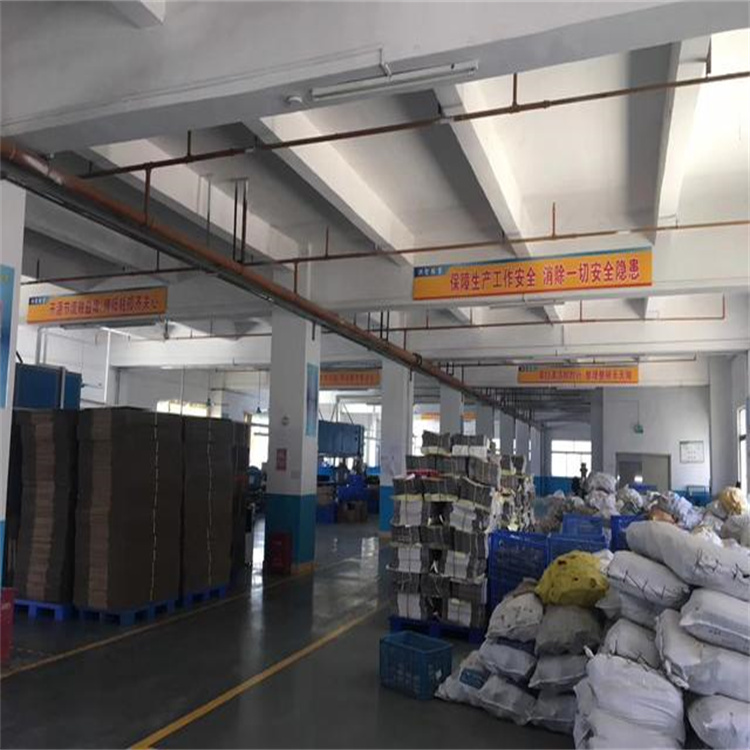
A section of the factory in Province X requires space for filing purposes. The structural load test of the house file storage room is located at No. 2, Ningbo City, Province X. The house was previously used as a comprehensive building, featuring a 10-story reinforced concrete frame structure, with a plane shape resembling an L.
The fifth floor of the factory is partially used for a computer room, and there is still an increase in files. To understand the current safety status of the fifth floor's structural integrity and the potential reinforcement measures required, it is proposed to conduct a safety inspection of the archive storage and adjacent areas' floor structures. This will include investigations into future usage loads and load-bearing capacity, providing technical support for the subsequent use of the building.
Based on the inspection requirements, the following inspection and identification plan is determined:
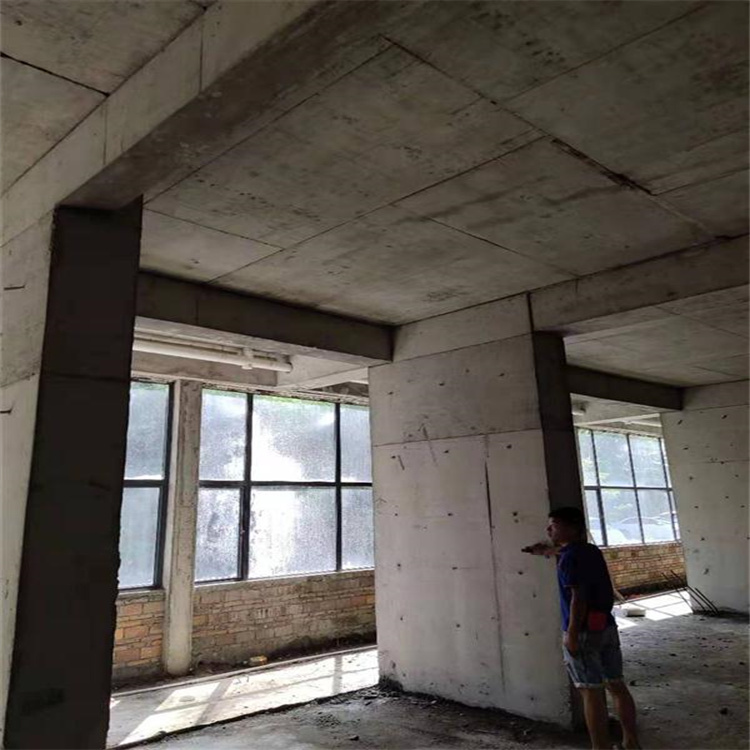
(1) Reverification and surveying of the current status of the area for property assessment. Necessary reverification and surveying of the building structures and structural drawings within the detection range, checking structural dimensions, component cross-sections, reinforcement arrangements, connection types, and architectural layouts, based on on-site conditions.
(2) Structural Damage Investigation and Testing. Conduct an inspection and record of the current damage status of the inspected structure. This includes: cracks, deformations, damage, and reinforcement corrosion in components, and a full check is performed, with the causes of the damage analyzed.
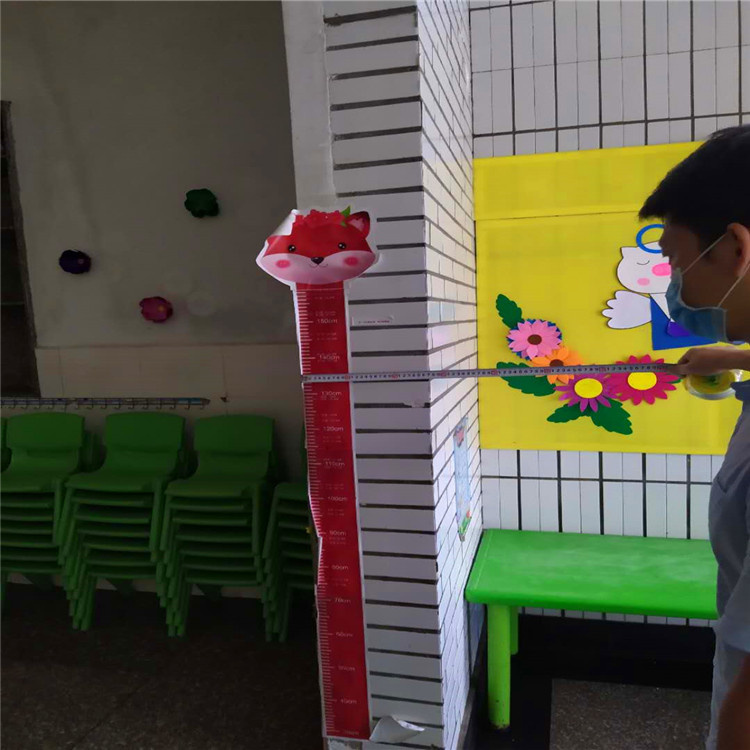
(3) Floor Level Difference Deformation Inspection. By detecting the floor level differences in the area where new equipment is to be added, determine the relative floor level differences to provide technical reference for the subsequent addition of equipment.
(4) Residential Assessment: Concrete Strength Testing. Testing the concrete strength is conducted using the rebound method.
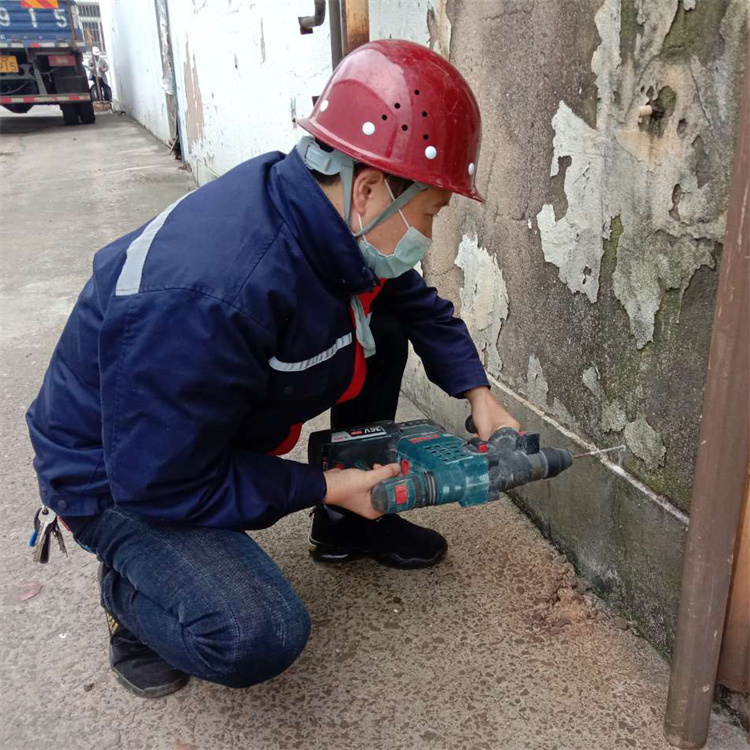
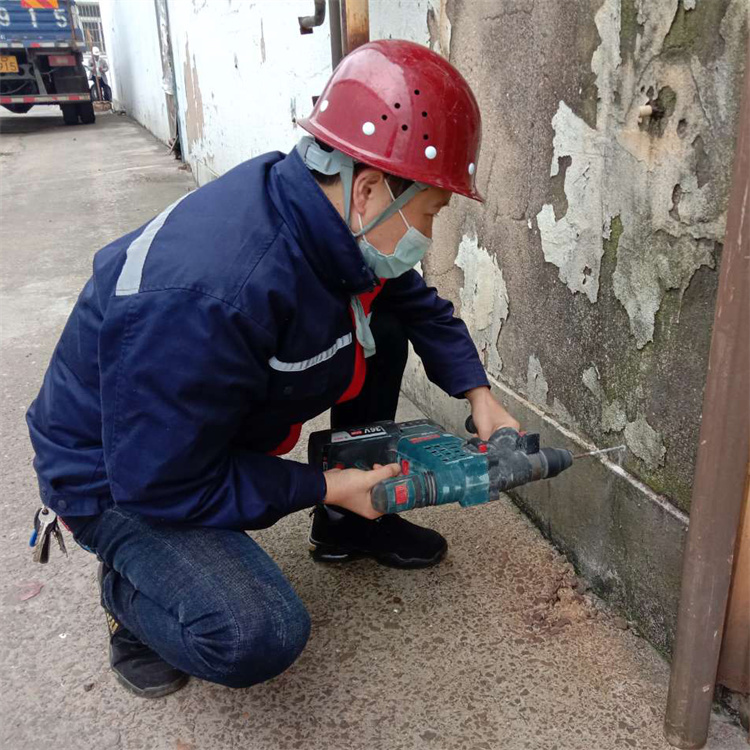
(5) Concrete Carbonation Depth Test. Create small holes in the concrete and spray phenolphthalein reagent onto the new concrete surface. Determine the carbonation depth by observing the surface color.
(6) Floor Slab Quality Assessment: Reinforcement Component Inspection. Re-examine the arrangement of main structural reinforcement, with a focus on inspecting the reinforcement of the proposed new equipment area.
(7) Investigation of floor loading conditions for board safety assessment. Includes additional loads from exterior renovations and floor usage loads, which serve as a basis for structural reliability analysis and calculations.
(8) Conduct structural calculations and analysis based on the current condition of the floor structure, including: analysis of the building's structural system, determination of the loads for structural calculations and other references, and assessment of the building's safety and load-bearing capacity.
(9) Provide a structural floor inspection and evaluation report, detailing the current floor's specific load-bearing capacity and offering treatment suggestions and recommendations.