










Wall Advertisement Billboard Safety Inspection, Appraisal, and Assessment Center
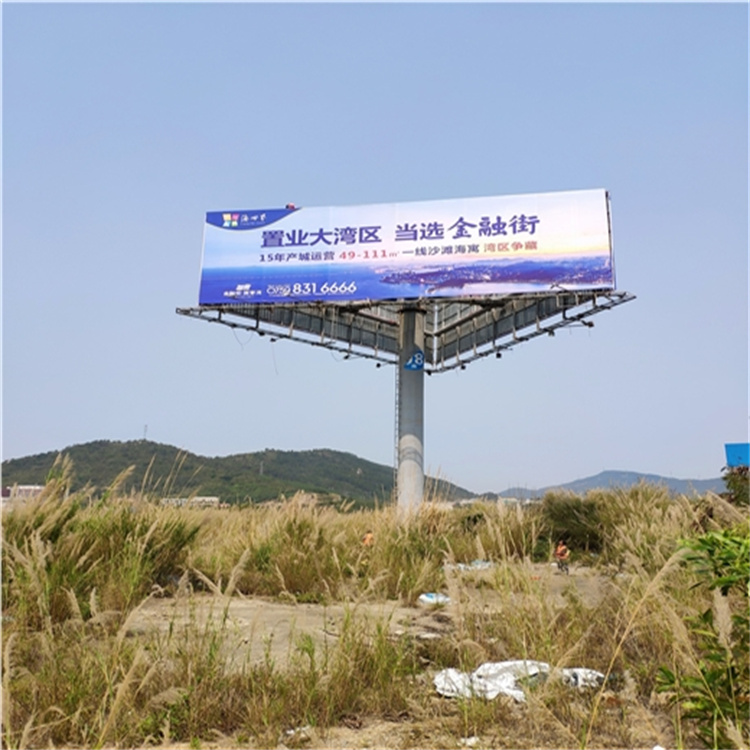
The company primarily offers safety inspections and certifications for billboard owners and users, covering but not limited to the following: assessing the structural stability of billboards to ensure they do not vibrate or detach during normal use; evaluating the materials and strength of billboard components to confirm stability in adverse weather conditions; and inspecting the quality of the billboard's exterior coating to prevent cracking or peeling.
Billboard safety inspections can promptly identify and resolve potential hazards. Some billboards, exposed to natural elements like storms and lightning over time, may suffer structural and support system damage, posing potential safety risks. Additionally, lighting fixtures on some billboards might have issues like short circuits and overloads, which could lead to fires and other safety accidents. Billboard safety inspections can detect and address these problems early on, thus preventing accidents.
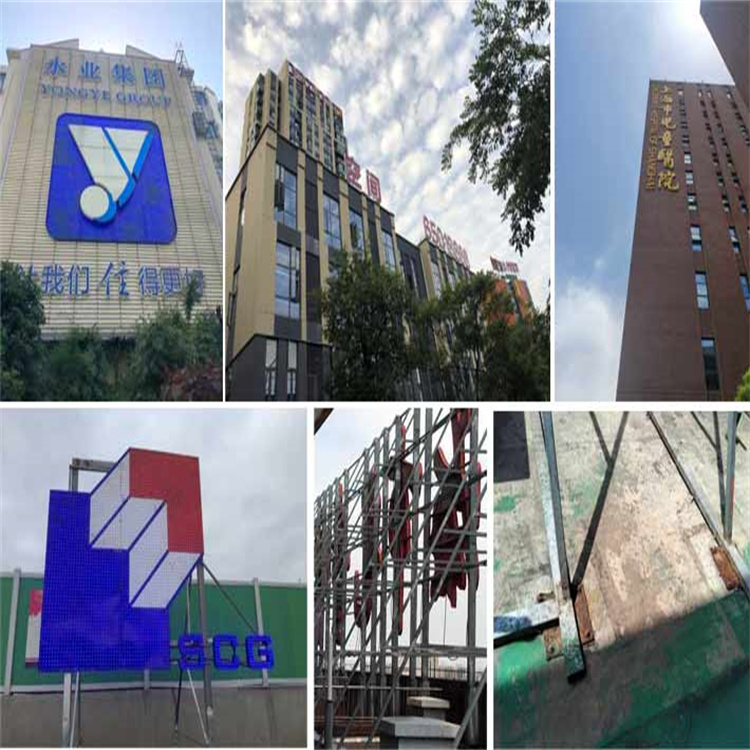
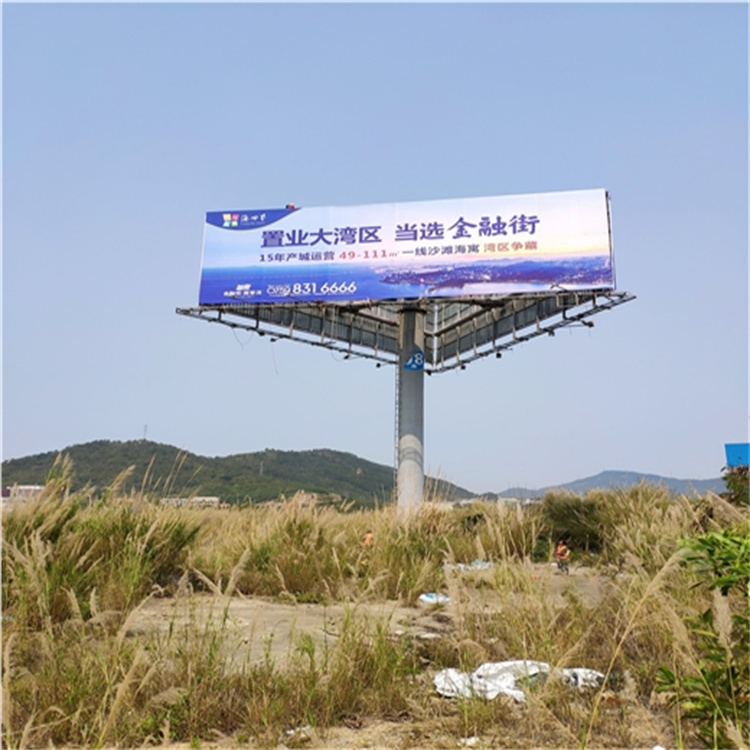
Billboards are getting taller or located on rooftops. Most of these outdoor billboards are made of steel structures, which are prone to corrosion by rain. Under heavy storms in summer, they are particularly susceptible to collapse, causing damage to surrounding buildings. Therefore, safety inspections and certifications for outdoor billboards are necessary.
01 Basic Inspection
1. Surface paint peeling and rusting on billboard steel columns
2. Footing anchor bolt nuts, nut tightening with anchor rods, etc.
3. Signboard truss rod paint peeling and rust condition
4. Billboard's axis grid size,
5. Steel column wall thickness.
02 Material Inspection
1. Concrete column strength testing and steel structure performance testing.
2. The strength of concrete columns can be tested using the rebound method to determine if it meets the requirements of the "Outdoor Advertising Facilities Inspection Specification."
3. Structural steel performance testing includes strength, corrosion resistance, joint connections, tensile strength, and more.
4. When the tensile strength does not meet the requirements, additional sampling for tensile testing should be conducted. The supplementary test should classify steel bars of the same specification and type as a batch, with 3 samples taken per batch.