











Outdoor Advertising Sign Safety Inspection and Certification Report Materials
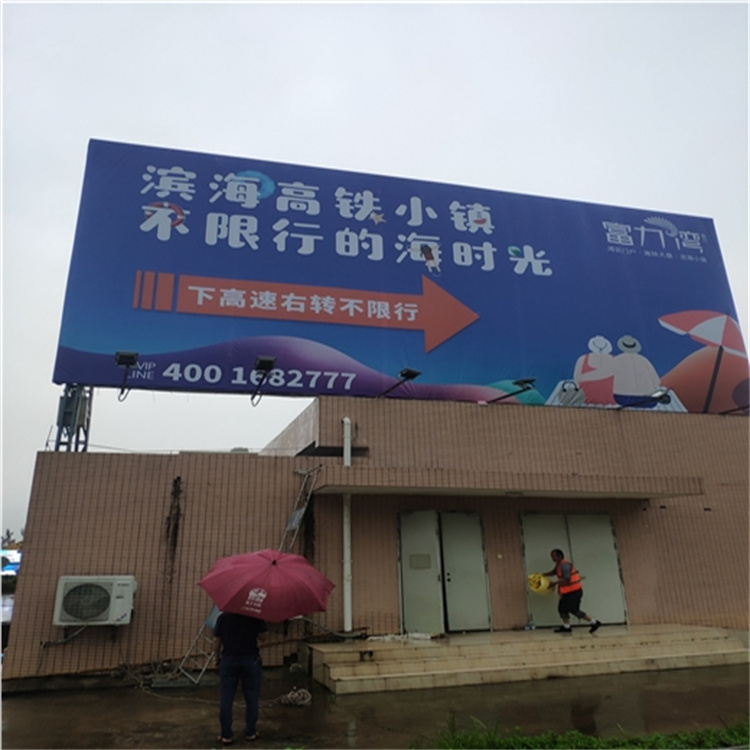
Outdoor advertisers are responsible for the safety management of outdoor advertising facilities and should conduct regular safety inspections, strengthen maintenance, and ensure their stability and safety. In the event of severe weather such as strong winds, safety precautions should be taken. During the installation period, the installer shall, in accordance with relevant safety technology standards, carry out annual safety inspections of billboards and submit safety inspection reports to the city's safety production supervision and management department, the city's construction planning administration department, and the city's urban appearance administration department. For outdoor advertising facilities with不合格 billboard safety inspections, the installer shall immediately repair or dismantle them. For billboard safety inspections, it is necessary to contact a testing institution with the corresponding qualification for testing.
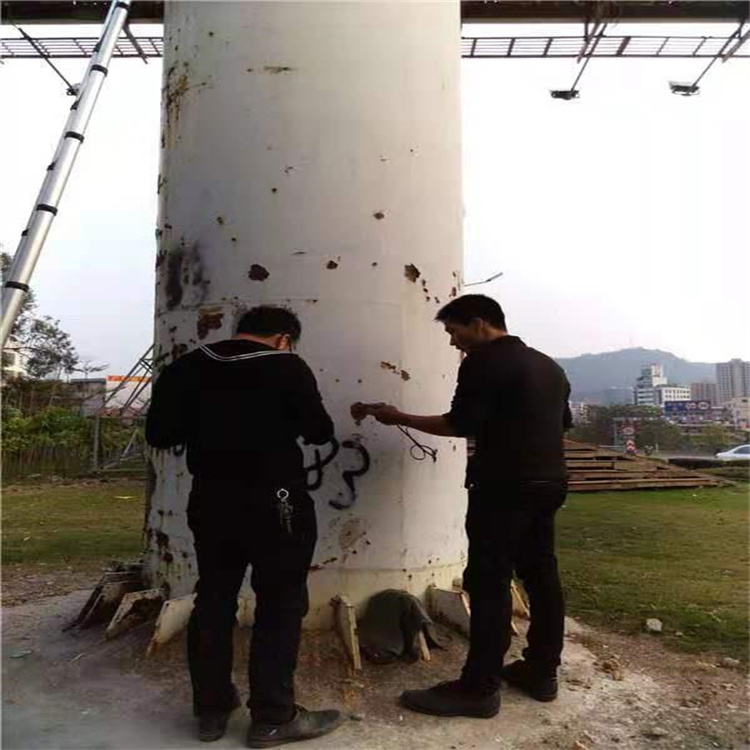
Billboard connection quality and performance testing includes:
Welded joints, rivet joints, bolted connections, and high-strength bolted connections, etc.
For the quality of full penetration welds for Class 1 and 2 seams, as well as for steel sections that do not require design specifications, and for strong weld joints without design requirements, ultrasonic testing can be employed to inspect.
04 Billboard Slope Detection
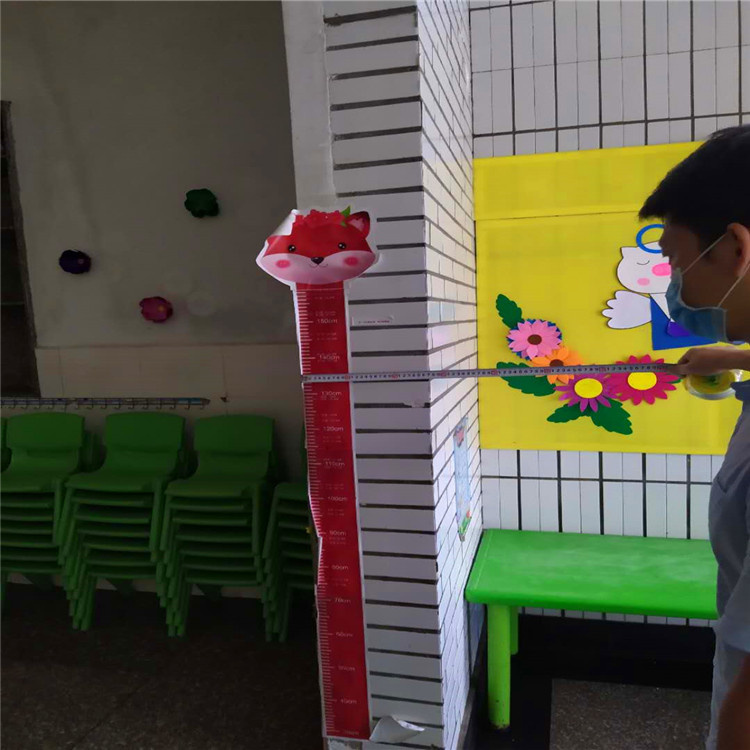
Utilize a total station, following the relevant regulations for the point-setting method in deformation measurements, to measure the offset value of the top of the billboard steel column relative to the base.
05 Billboard Power Characteristics
Perform power tests on billboards to obtain vibration frequency, amplitude, etc., and analyze the dynamic characteristics between the billboard and surrounding buildings.
06 Billboard Structure Load Test
For large and complex steel structural systems, on-site non-destructive load testing can be performed to directly assess structural performance.
When in doubt about the load-bearing capacity of structures or components, prototype or full-scale model load tests can be conducted. The tests should be entrusted to specialized institutions with adequate equipment capabilities. A detailed test plan should be established prior to the test, including the test objectives, selection or fabrication of specimens, loading equipment, arrangement of measuring points and testing instruments, loading steps, and the evaluation method for test results.
The stress of steel structural members can be measured using resistive strain gauges or other effective methods, as per actual conditions.