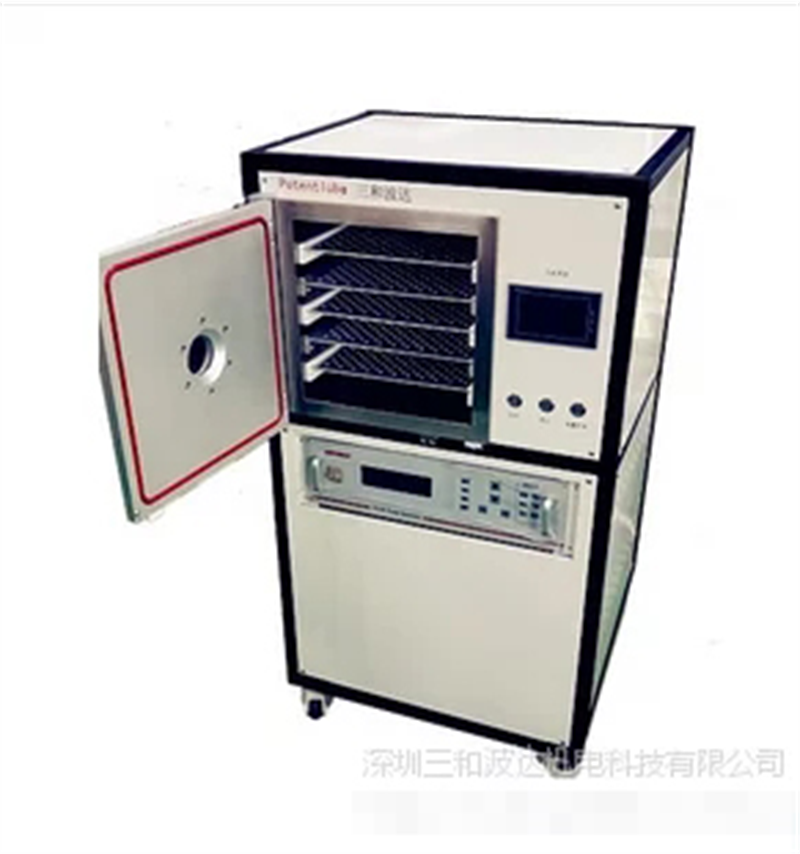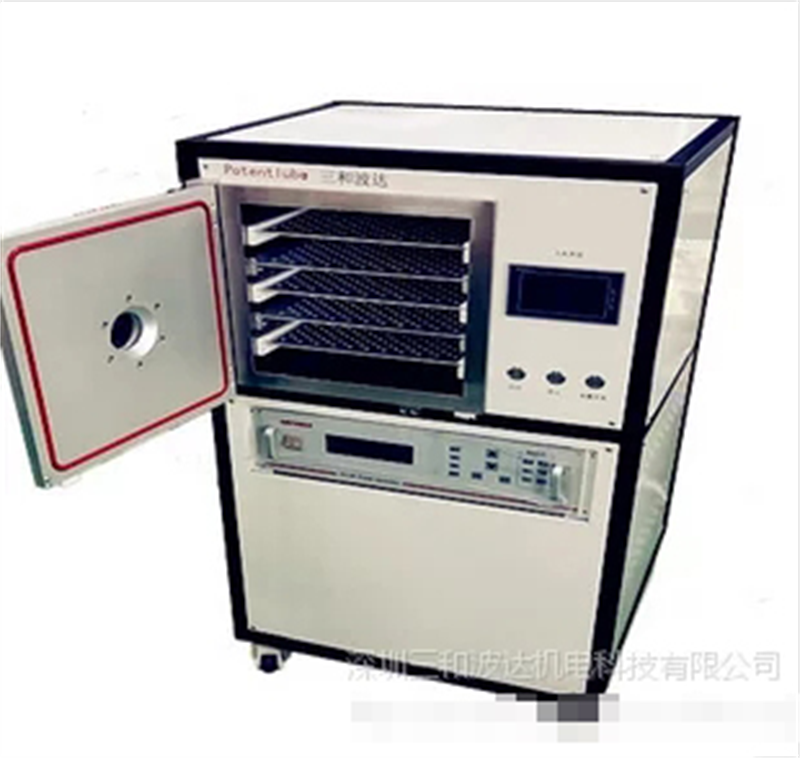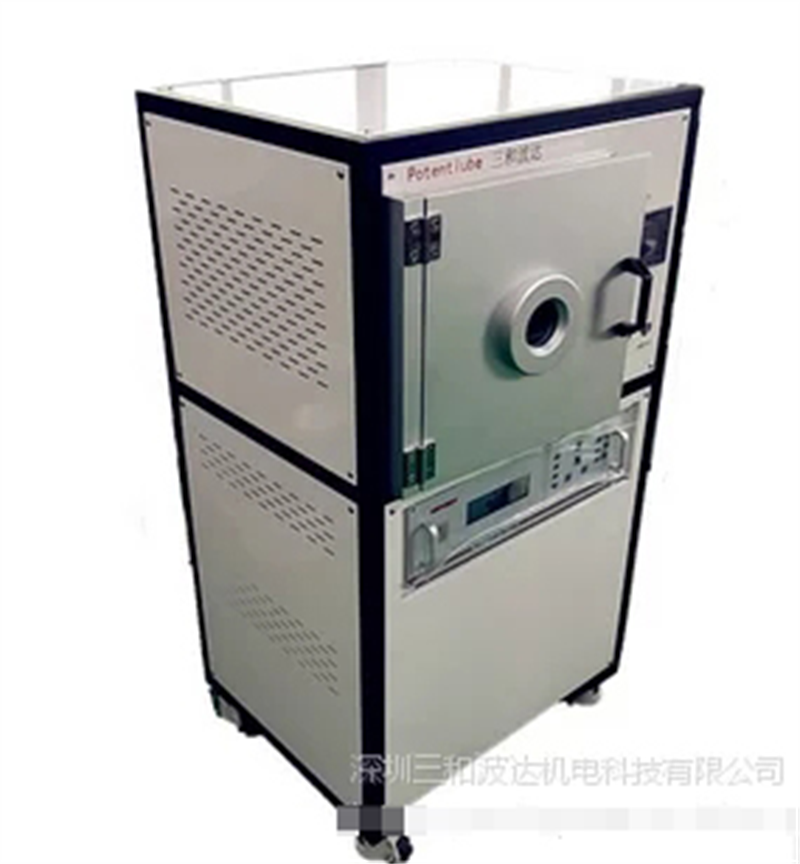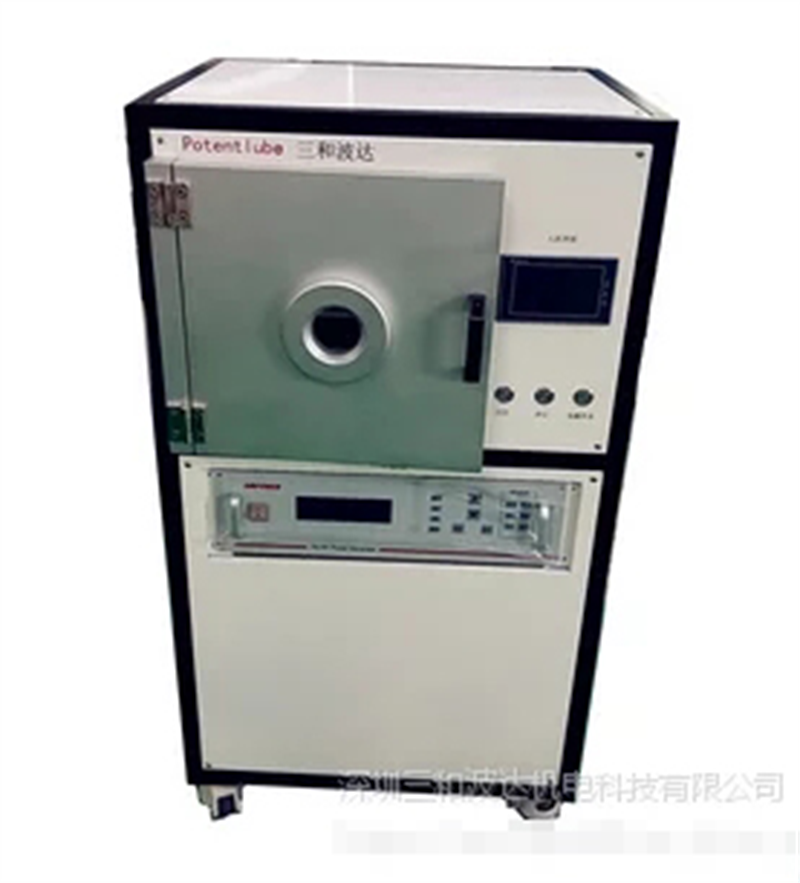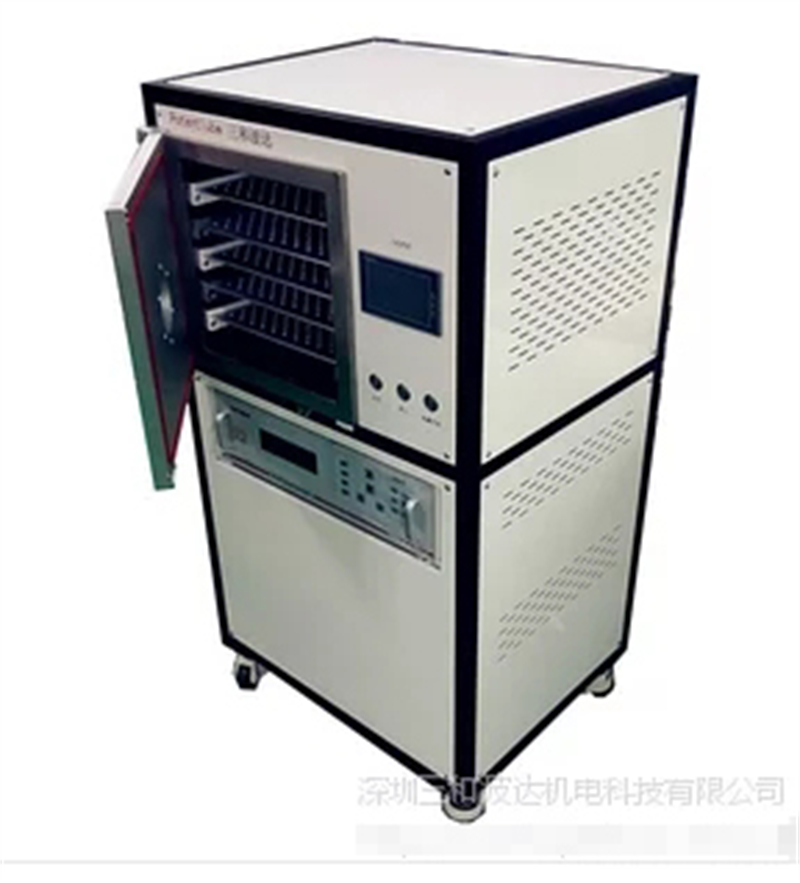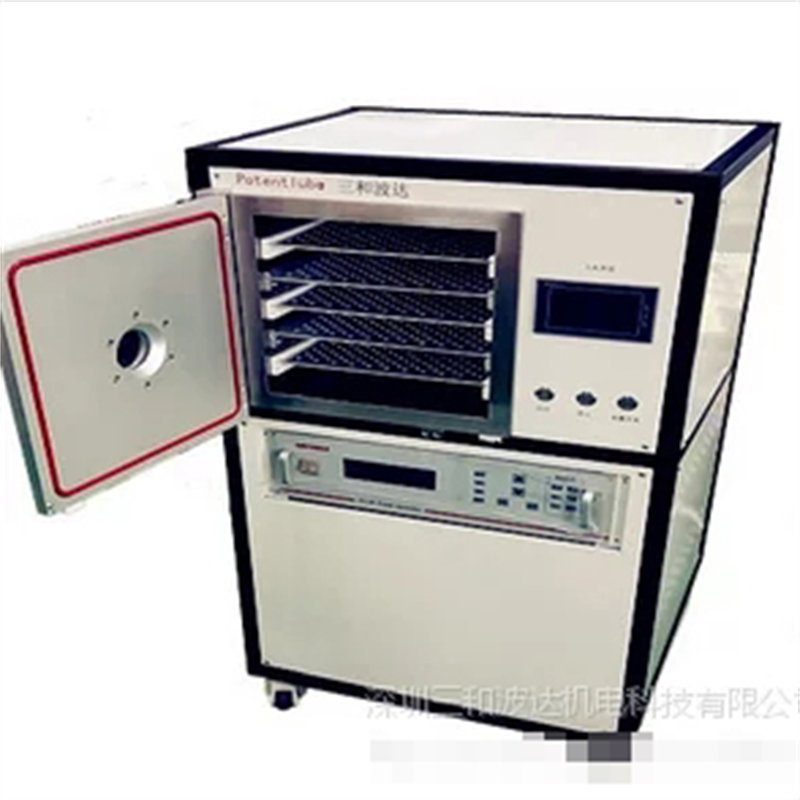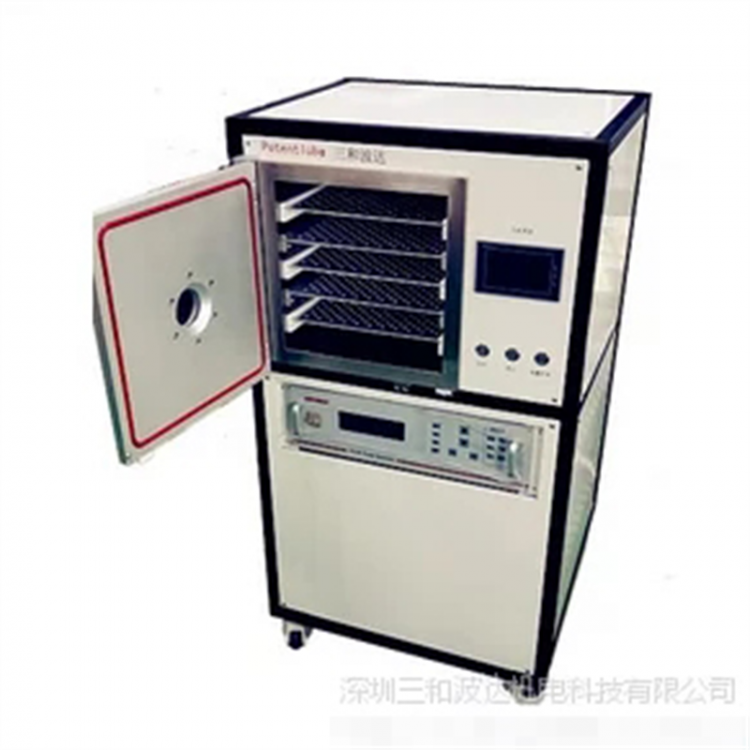

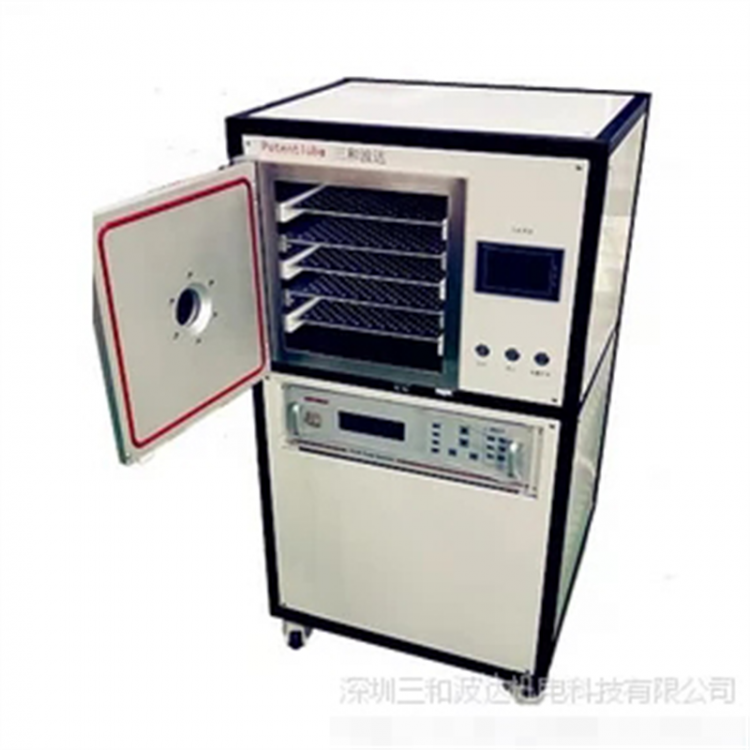
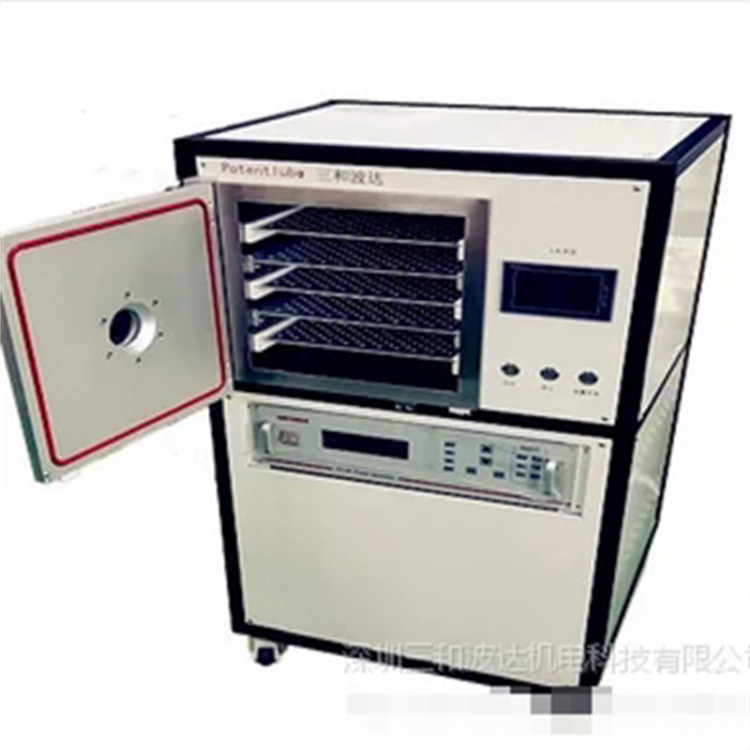
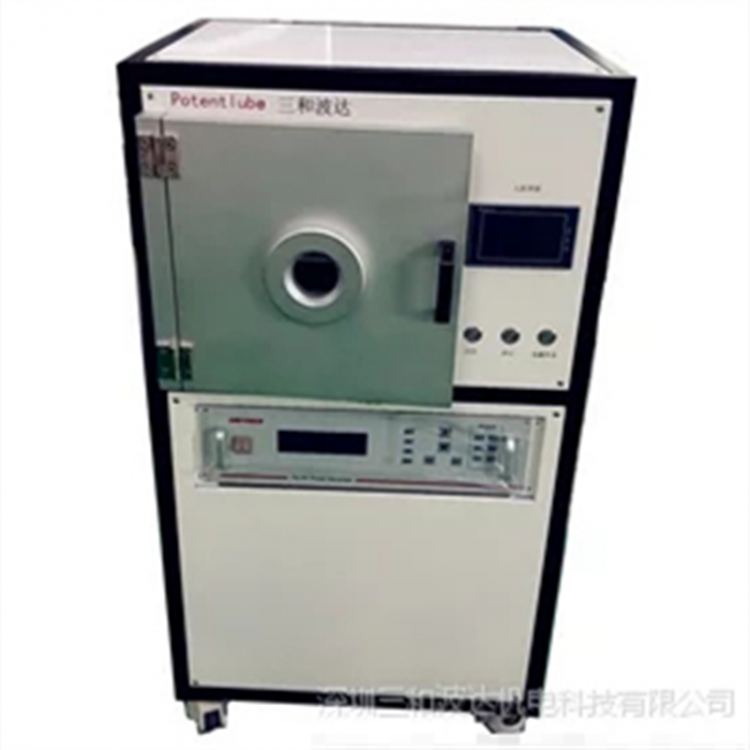


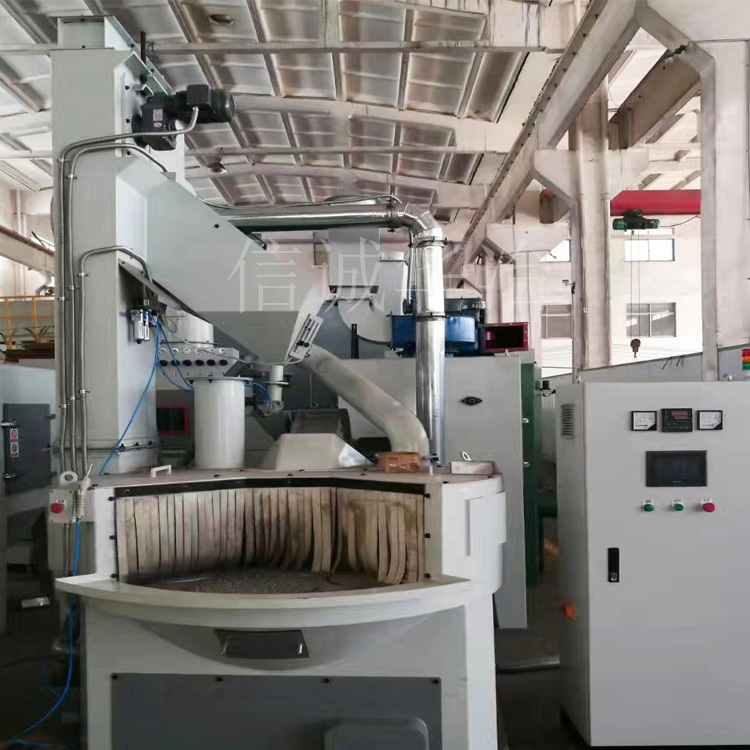





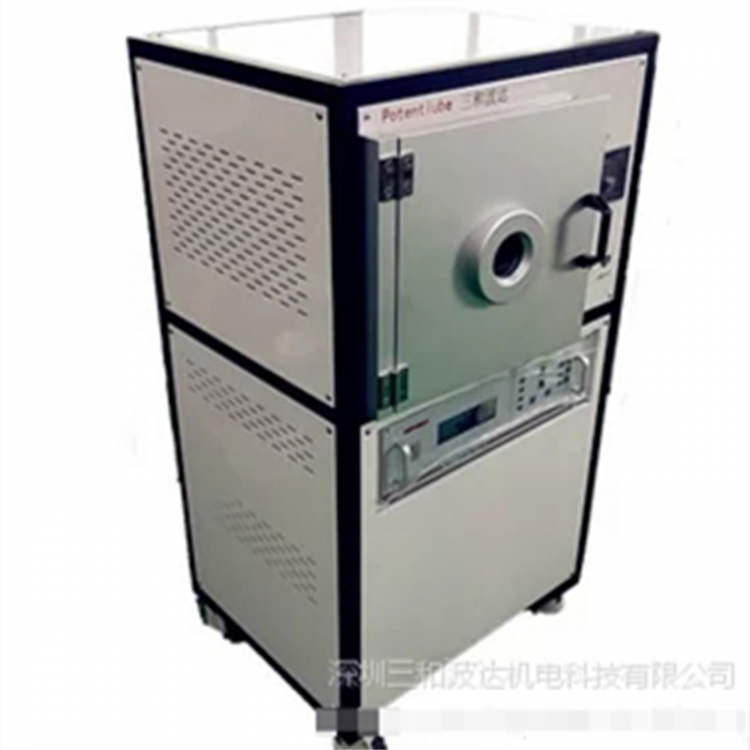
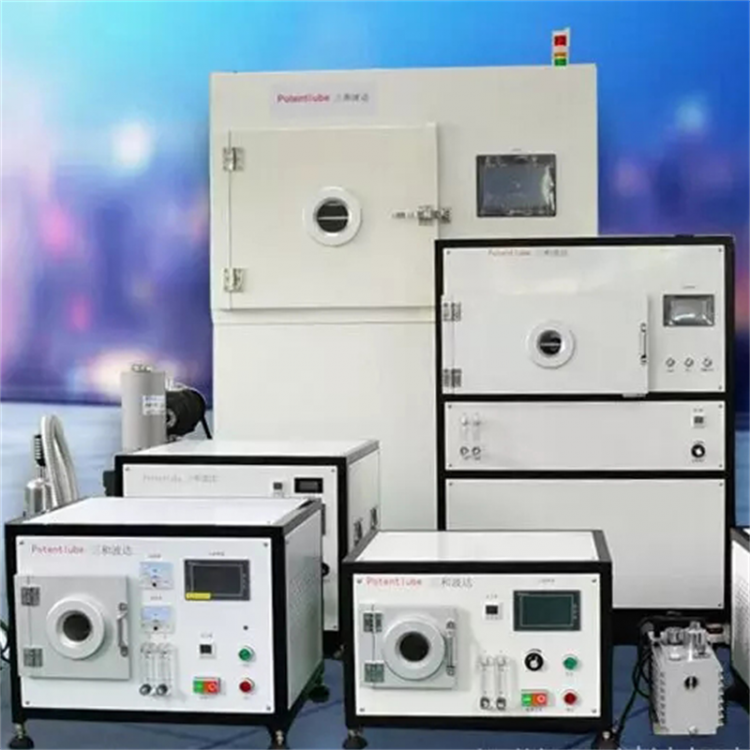
RF Power Supply Vacuum Plasma Cleaning Machine, LED Mounting Bracket Pre-treatment
One, the cleaning object is dry after plasma cleaning and does not require further drying before being sent to the next process. This can improve the overall efficiency of the production line.
Two, plasma cleaning allows users to stay away from the harm of harmful solvents to the human body, and also avoids the problem of easily damaging the cleaning object during wet cleaning; Three, avoiding the use of harmful solvents like trichloroethylene (ODS), which ensures that no harmful pollutants are produced after cleaning, making this cleaning method an environmentally friendly green cleaning technique. Its importance becomes more apparent in the global focus on environmental protection.
Four, the plasma generated by high-frequency radio waves is different from direct light such as lasers. The plasma lacks strong directional properties, allowing it to penetrate into the fine pores and recesses of objects to perform cleaning tasks, thus eliminating the need to consider the shape of the object being cleaned extensively. Moreover, the cleaning effect on these difficult-to-clean areas is similar to, if not better than, that of Freon cleaning.
Five, using plasma cleaning can enhance the cleaning efficiency. The entire cleaning process can be completed in minutes.
Six, plasma cleaning requires a vacuum level of approximately 100Pa, which is easily attainable. Consequently, the equipment cost is not high for this device, and since no expensive organic solvents are needed during the cleaning process, the overall cost is lower than traditional wet cleaning methods.
Seven, utilizing plasma cleaning avoids the handling of cleaning fluid for transportation, storage, and disposal, thus making it easy to maintain cleanliness and hygiene at the production site.
Plasma cleaning is versatile and can be applied to a wide range of materials, including metals, semiconductors, oxides, and high polymers such as polypropylene, polyvinyl chloride, polytetrafluoroethylene, polyimide, polyester, and epoxy resins. It is particularly suitable for materials that are heat and solvent-sensitive. Moreover, it allows for selective partial cleaning of materials, whether it's the entire piece, specific areas, or complex structures.
IX. While accomplishing cleaning and stain removal, it also enhances the material's surface properties, such as improving wettability and membrane adhesion, which is crucial in many applications.
Model
PL-DW30
PL-DW60
PL-DW80
Cavity Material
Surface Treatment of 316 Stainless Steel
Cavity Size
300 ×335×300mm
L×W×H
350 ×430×400mm
L×W×H
400 ×450×450mm
L×W×H
Chamber Capacity
30L
60L
80L
Dimensions
700×650×1200mm
L×W×H
750×700×1250mm
L×W×H
800 ×750×1400mm
L×W×H
Power Frequency
13.56MHz (Automatic Matching Integrated)
Power Supply Rating
0-500W (Continuous adjustable)
0-600W (continuously adjustable)
0-800W (Continuous adjustable)
Flow meter
2-way electronic flow meter
Vacuum Gauge
High-vacuum gauge tube for measurement and real-time display
Control Process
Fully Automatic Control and Manual (PLC Human-Machine Interface)
Washing Time
0- 99,999S adjustable
Vacuum Degree
1-30pa
Cavity Temperature
<30℃
Supply Voltage
380V
Vacuum Pump
BSV30 (Flow Rate 10 L/S)
BSV40 (Flow Rate 13 L/S)
BSV60 (Flow Rate 20 L/S)