








This product is a water-based emulsion made from a copolymer of acrylic and methacrylic esters, utilizing special technology along with emulsifiers and additives.
Technical Specifications
Appearance: | Creamy, sediment-free liquid |
Solid Content (%): | 39~41 |
Viscosity (Paint-Four cup, 25°C/second): | 12.6±0.5s |
Density: | ≥1.056g/cm3 |
Storage Stability: | 5~40°C, no significant precipitation for three months |
Features and Applications
Polyester emulsion is used to produce polymer cement mortar in anti-corrosion construction projects. Polyester emulsion cement mortar, also known as polyacrylic emulsion mortar, boasts excellent adhesion, impermeability, aging resistance, and corrosion resistance.
Polypropylene mortar has a higher bonding strength with steel than ordinary cement mortar.Over 1X, with 2-4X higher bonding strength compared to traditional mortar. The alkali-resistant, carbonation resistance, and compactness of the alkali-resistant mortar are significantly improved over ordinary cement mortar. The alkali-resistant mortar also exhibits excellent frost resistance.
Usage Instructions
Reference mixing ratio for acrylic emulsion putty and mortar:
Acrylic Emulsion Putty, Acrylic Emulsion Mortar525 Ordinary Silicate Cement, 100-100 Acrylic Emulsion, 25-35-25-38 Defoamer, 0.3-0.3 Calcium Carbonate Powder, 100-200-100-150 Sand, 0.1-10 Water
Stir the cement and sand or powder together first, then add the acrylic emulsion and water. The mixed material should be used within...45 minutes to use up.
The subgrade must be clean during construction, and the surface should be moist but free of waterlogging. Post-construction, the material should be kept moist for curing.
Packaging and Storage
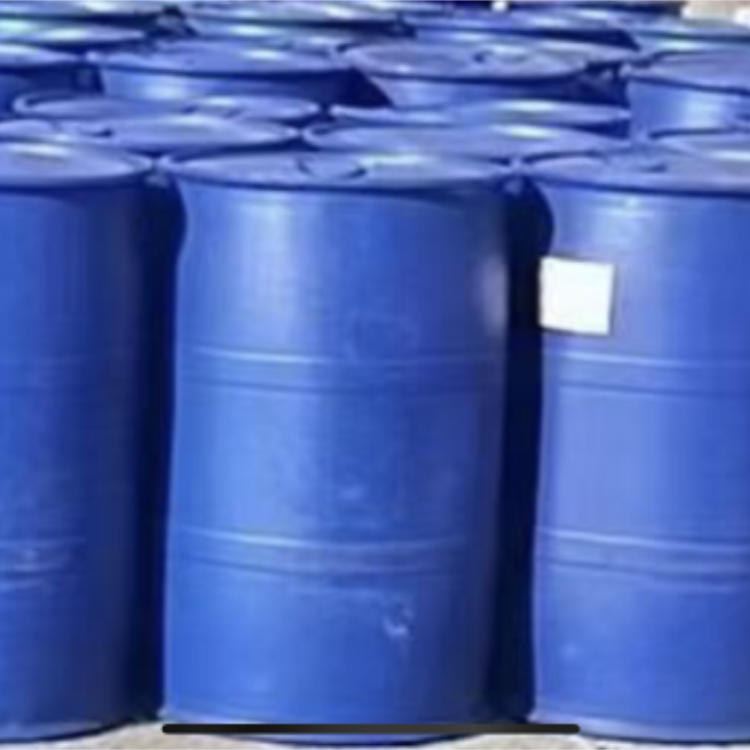
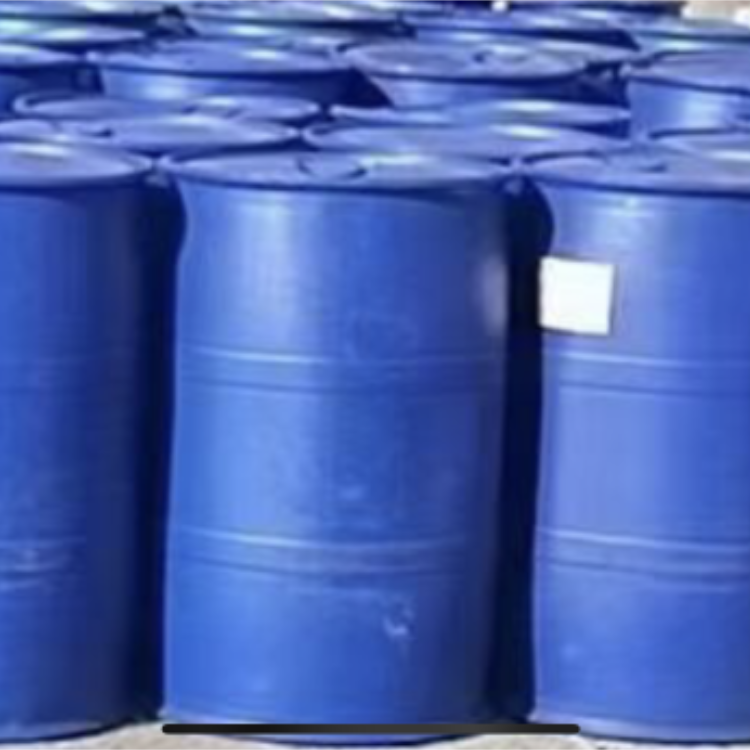
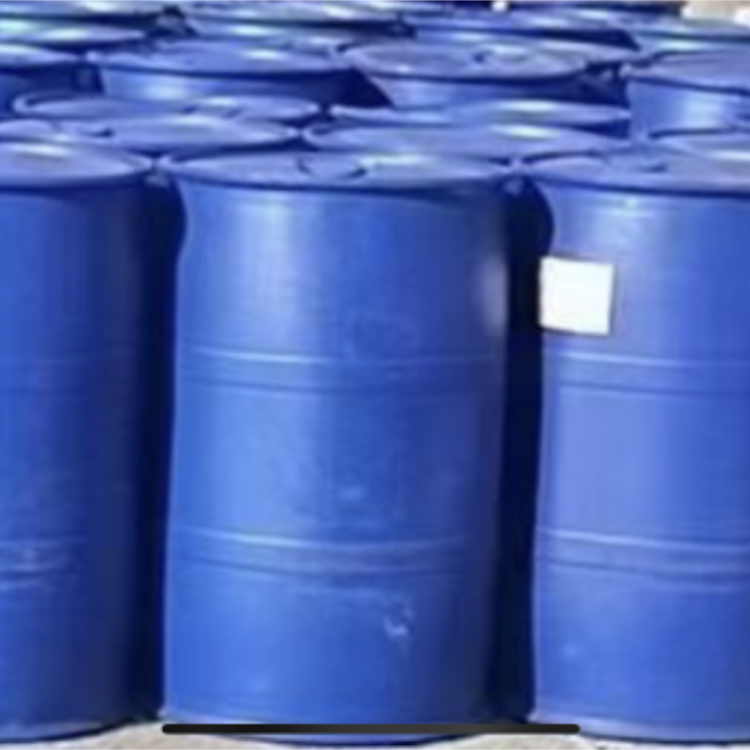
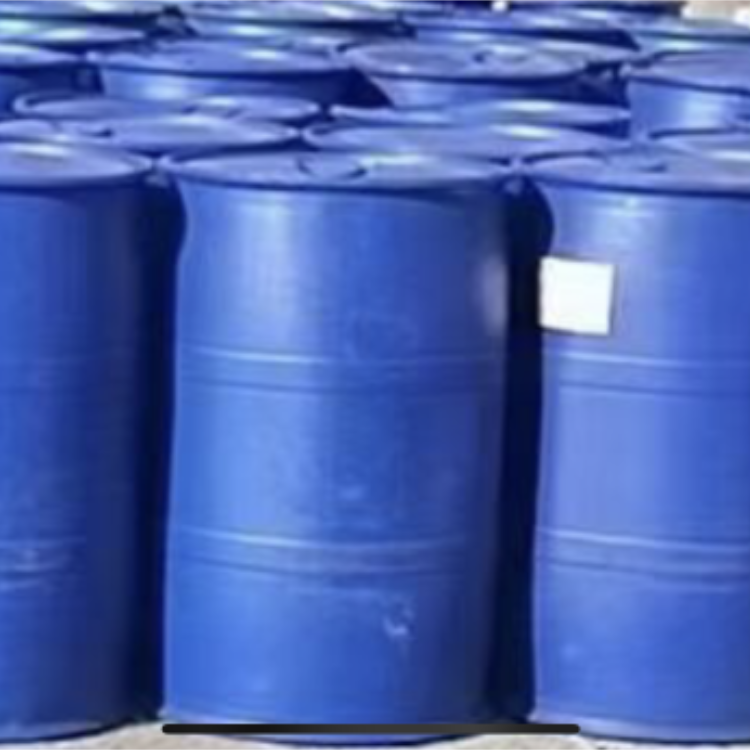
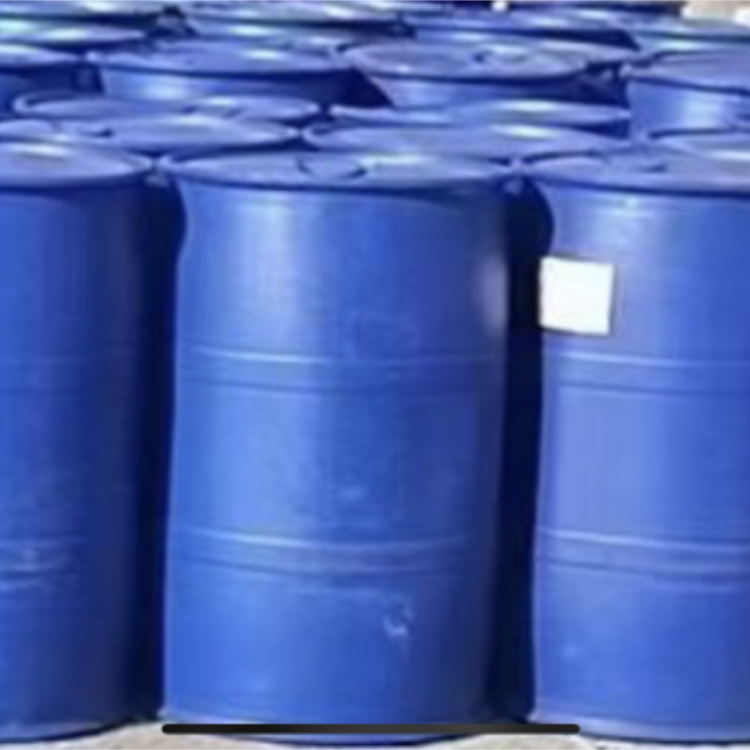
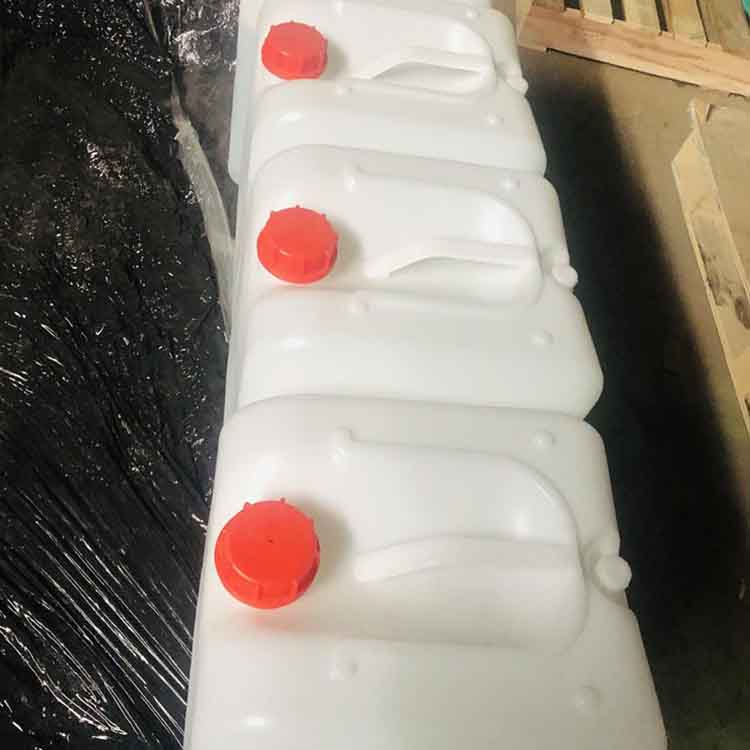
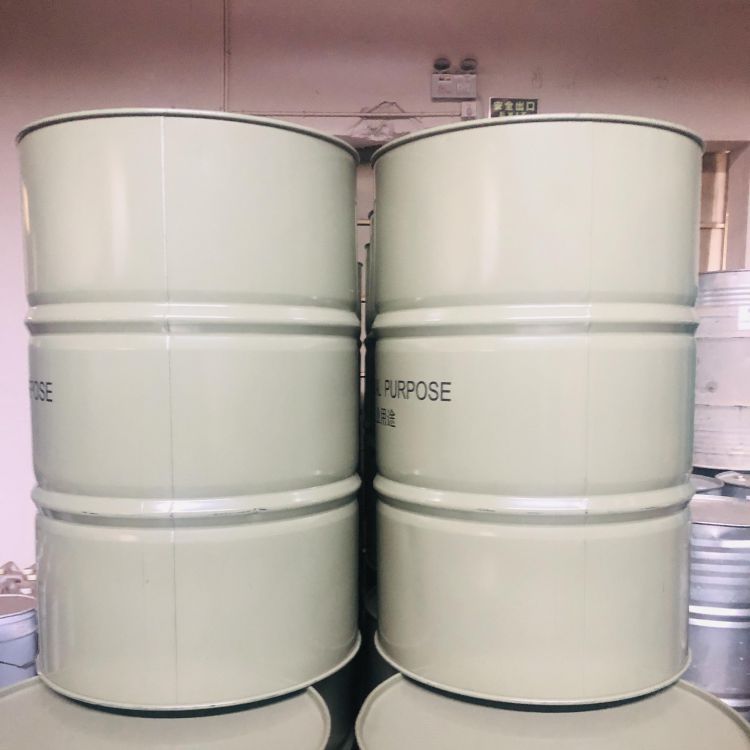
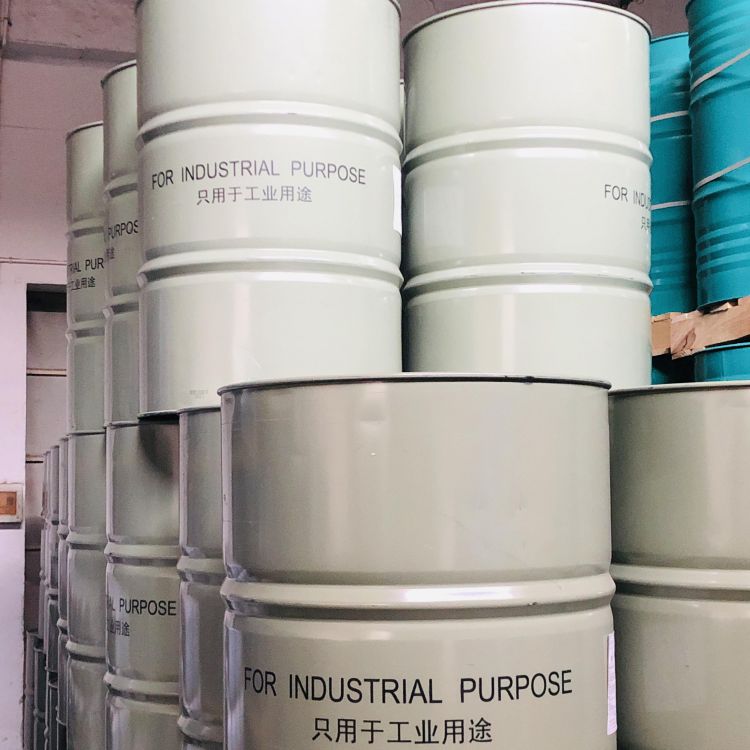
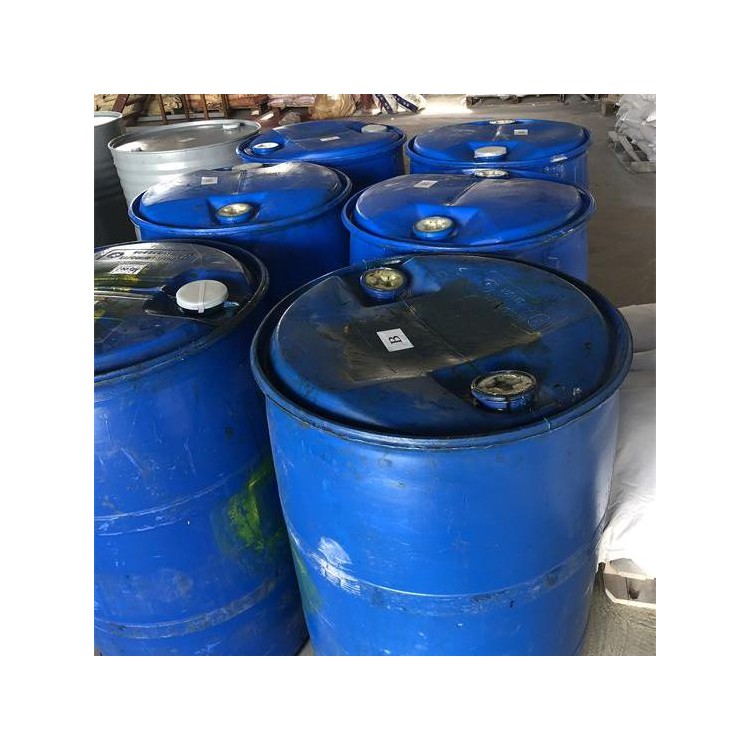
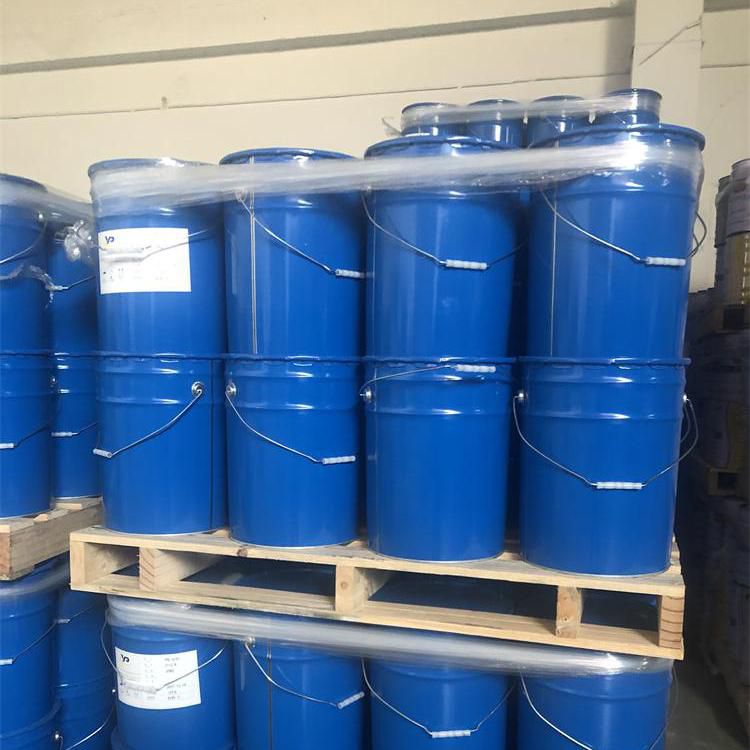
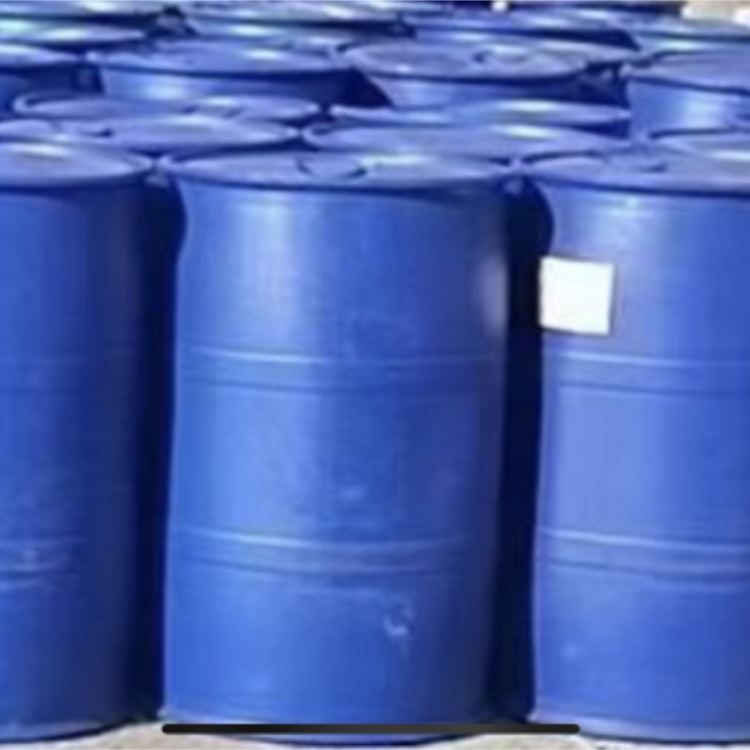
50Kg plastic drums or 200Kg plastic packaging
This product should be stored in a well-ventilated, dry room, protected from direct sunlight.Transport and storage at 5-30°C.
Valid for six months from the date of manufacture.