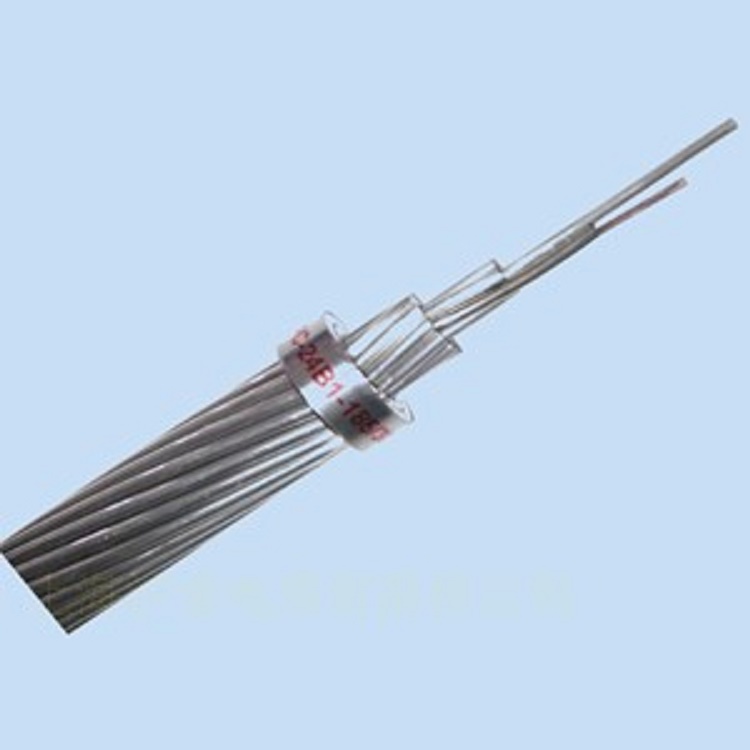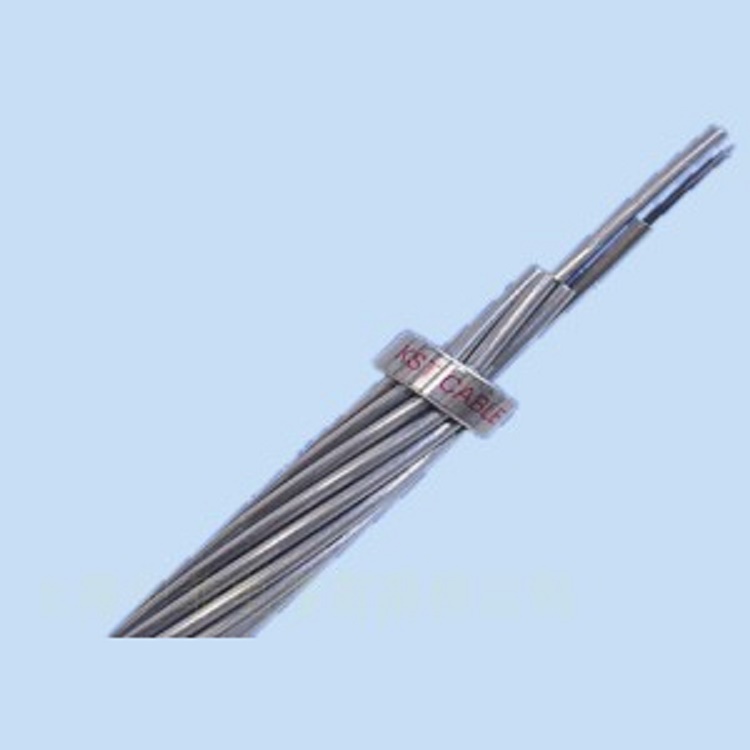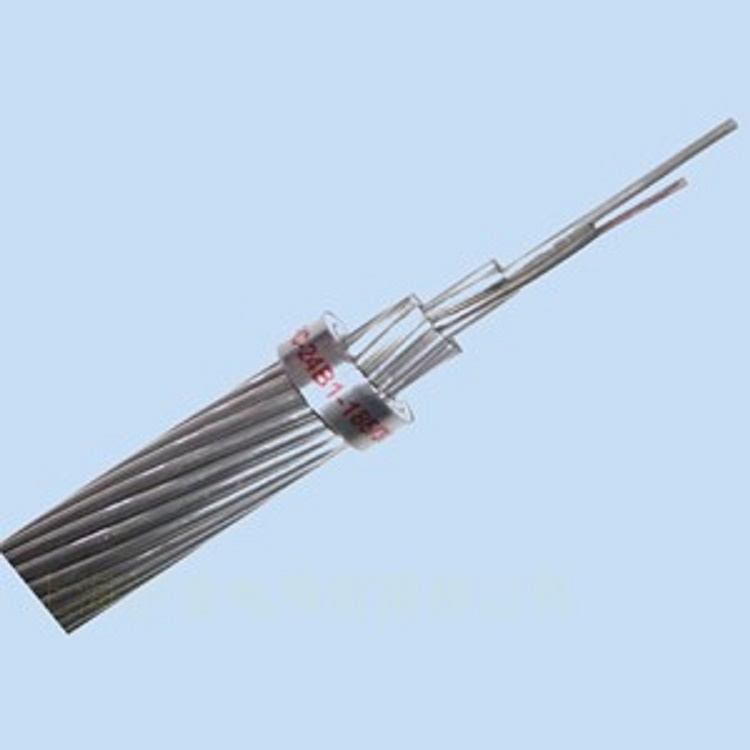


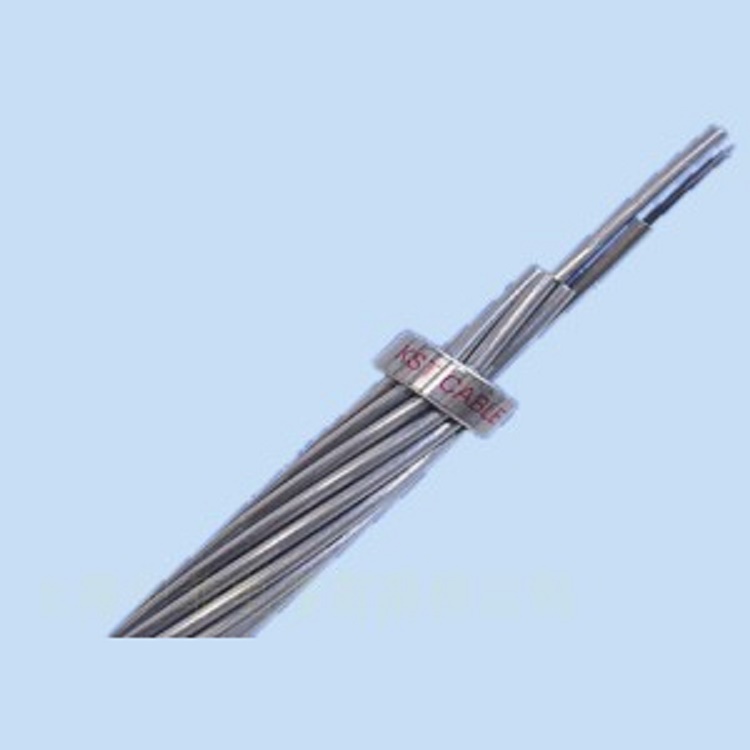










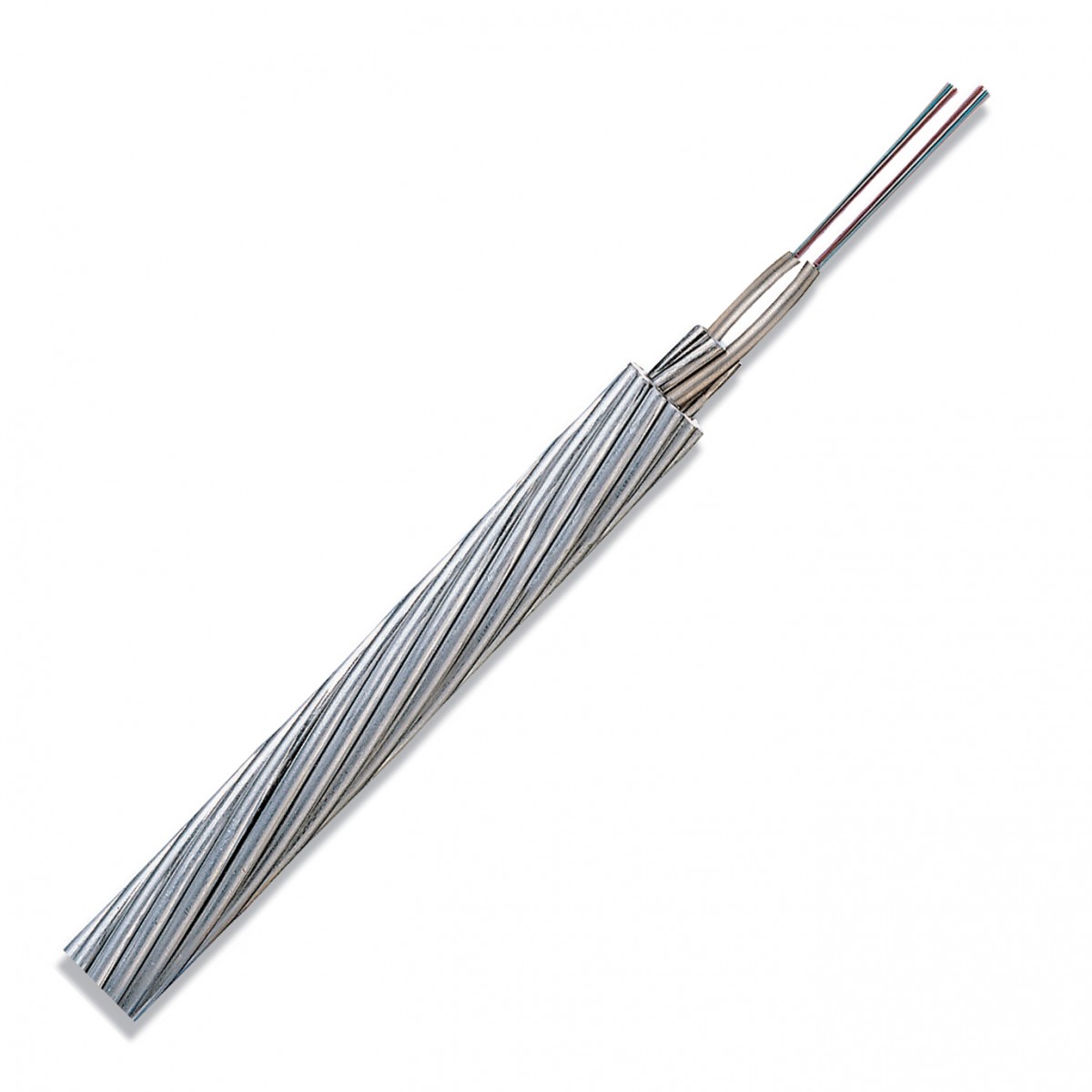
1. The OPPC fiber optic cable design is suitable for any new medium and low-voltage transmission lines.
2. OPPC optical cables share a similar structure to OPGW but, due to their phase conductor function, are designed for long-term power transmission. Consequently, the long-term operating temperature's impact on the transmission performance and lifespan of the optical fibers is considered.
3. The mechanical and electrical properties of the OPPC should match those of the adjacent conductors, such as similar DC resistance or impedance, to maintain three-phase balance in voltage variation at the far end.
4. OPCPs installed in high-voltage systems require their installation hardware and accessories (such as tension insulators, suspension insulators, and terminal junction boxes) to be insulated. Clamp connections can utilize corresponding insulated tension string or insulated suspension string. Photovoltaic insulation/separation and connection require special technology, with relatively high construction requirements.
Structure: Double-stranded braided stainless steel tube optical fiber unit structure with number of optical fibers |
24 |
48 |
Fiber Optic Unit Specs |
φ2.5 mm |
φ3.2 mm |
Fiber Optic Cable Outer Diameter | φ12.60 mm | φ16.20 mm |
Aluminum-clad steel cross-sectional area | 29.85 | 49.29 |
Aluminum alloy cross-sectional area | 58.90 | 96.51 |
Total Cross-sectional Area | 89 mm2 | 146 mm2 |
Self-weight | 376 kg/km | 606 kg/km |
Nominal Tensile Strength (RTS) | 47 kN | 76 kN |
20°C DC Resistance | 0.418Ω/km | 0.255Ω/km |
Safe Load Capacity | 287 A | 390 A |
Linear thermal expansion coefficient | 17.1×10⁻⁶/℃ | 17.0×10⁻⁶/℃ |
Young's Modulus | 91.7 kN/mm2 | 91.8 kN/mm2 |
Corresponding wire specifications | LGJ-50/30 IEC:A1/S1A-50-12/7 | LGJ-95/55 IEC:A1/S1A-95-12/7 |
Double-stranded braided stainless steel tube fiber unit structure
Fiber Core Count | 24 | 48 |
Fiber Optic Unit Specifications | φ2.5 mm | φ3.2 mm |
Optical Cable Outer Diameter | φ22.0 mm | φ22.6 mm |
Aluminum-clad steel cross-sectional area | 29.85 | 49.29 |
Aluminum alloy cross-sectional area | 244.29 | 241.27 |
Total Cross-sectional Area | 274 mm2 | 291 mm2 |
Self-weight | 877 kg/km | 997 kg/km |
Nominal Tensile Strength (RTS) | 76 kN | 100 kN |
20°C DC resistance | 0.114 Ω/km | 0.112 Ω/km |
Safe Load Capacity | 626 A | 635 A |
Coefficient of linear expansion | 20.4×10⁻⁶/℃ | 19.3×10⁻⁶/℃ |
Young's Modulus | 67.5 kN/mm2 | 74.0 kN/mm2 |
Corresponding wire specifications | LGJ-240/30 | LGJ-240/55 |
Customers can provide the following information, and our company will handle the structural design selection for the customer.
Weather Conditions | |||
Temperature (°C) | Wind Speed (m/s) | Ice Thickness (mm) | |
Low temperatures | |||
Average Annual Temperature | |||
High wind speed | |||
Frost thickness | |||
High temperatures | |||
Installation | |||
Mechanical and electrical performance requirements for OPGW/OPPC | |||
Diameter * | mm | Nominal Tensile Strength (RTS)* | kN |
Weight * | kg/km | Maximum Allowable Tension (MAT) | %RTS |
Direct Current Resistance (20℃) | Ω/km | Average Annual Operating Tension (EDS) | %RTS |
Short-circuit Current Rating* | I2t | Short-circuit current value | kA |
Short Circuit Time* | s | Short-Circuit Initiation Temperature* | ℃ |
Short-circuit Termination Temperature* | ℃ | ||
Key transmission characteristics requirements for OPGW/OPPC | |||
Fiber Optic Quantity * | Fiber Type* | ||
Transmission Attenuation* | 1310nm: dB/km; 1550nm: dB/km; | ||
Chromatic Aberration | 1310nm: ps/nm.km; 1550nm: ps/nm.km | ||