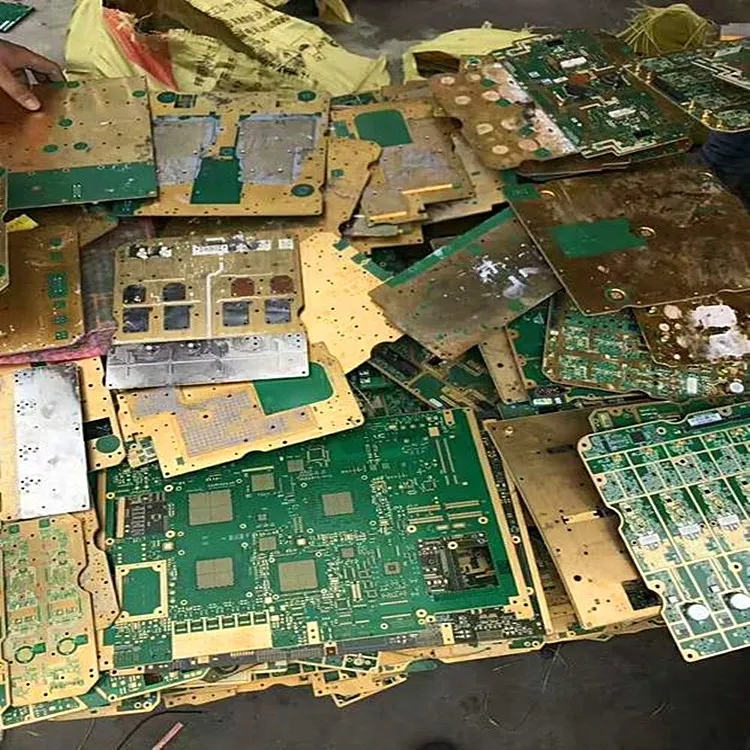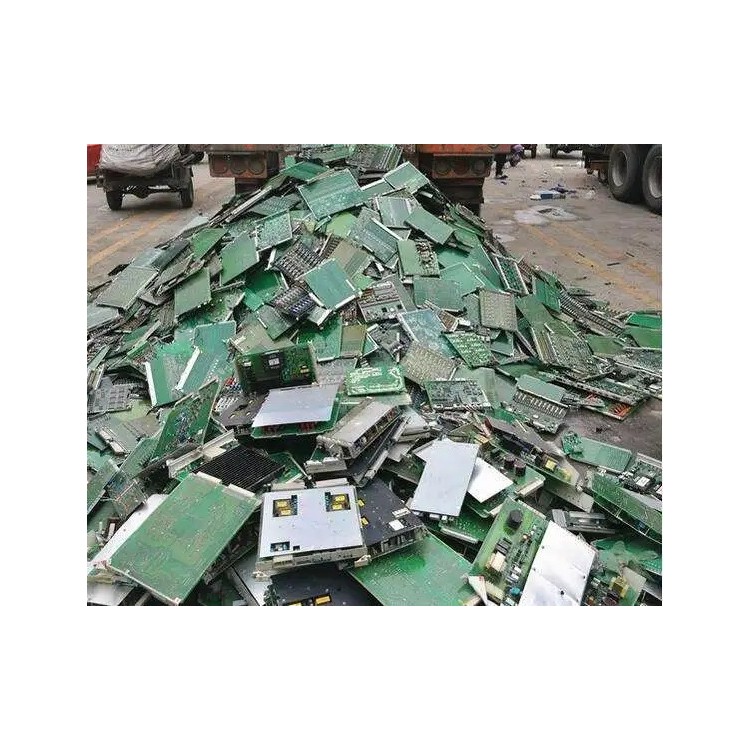

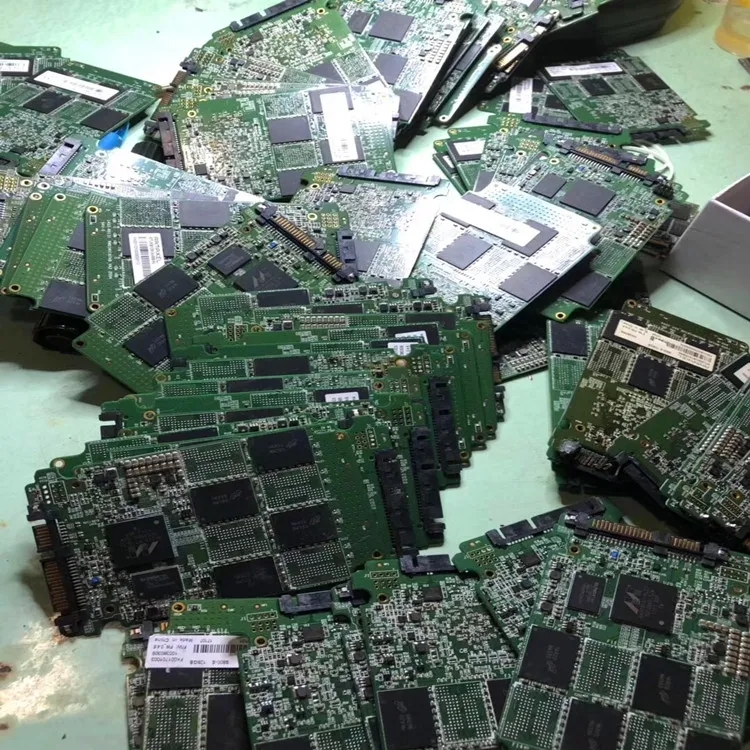











Electronic Component Recycling and Processing Methods:
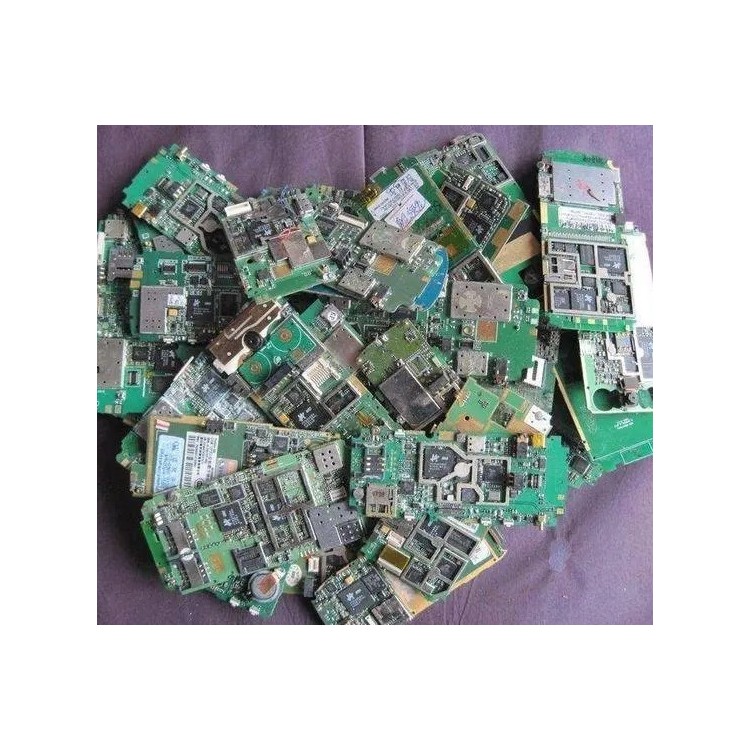
1. Disassembly: After the recycling of items like circuit boards, the standard procedure is to disassemble them. This involves separating and testing electronic components for usability. If they're usable, they're retained; otherwise, they're shredded into a specific particle size using incineration methods. The shredded electronic waste is then sent to a primary incinerator, where organic components are decomposed, separating gases from solids. The residue from the incineration, which consists of bare metal, its oxides, and glass fibers, is crushed further and can be recovered through physical and chemical means. Gases containing organic components are processed and emitted after secondary incineration. A drawback of this method is the generation of a large amount of waste gases and toxic substances.
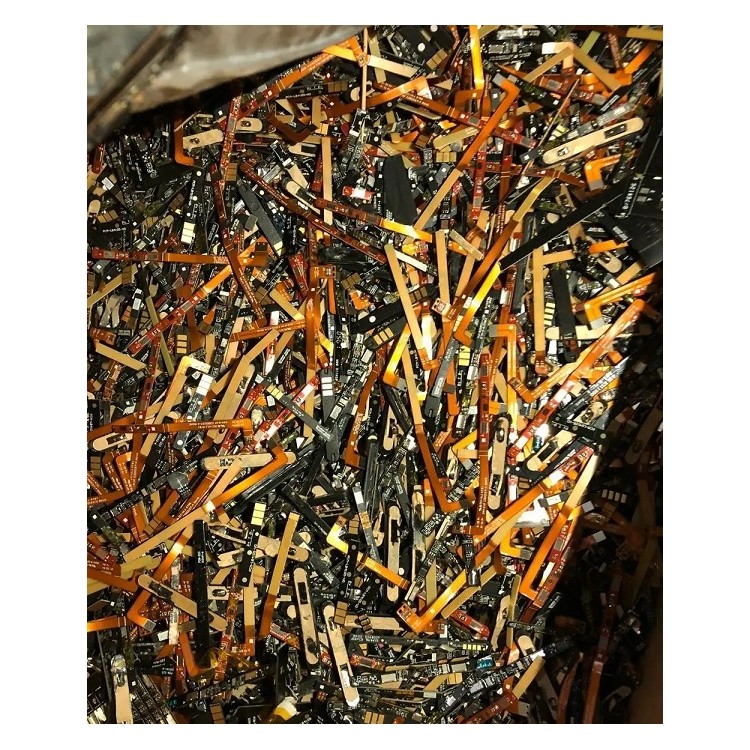
2. Repair: Many people have little knowledge about this. When electronic components are damaged, they are often deemed scrap and sold off. Recycling these components involves repairing the faulty ones; if they cannot be fixed, a heat treatment method is employed, which uses high temperatures to separate organic materials from metals.
3. Assembly: As we all know, Huaqiangbei is a bustling electronics market in China, where many people purchase second-hand products and components. Recycled stock electronic components can regain value through reassembly, but of course, these are only suitable for sale as second-hand goods. The common method is biotechnology processing, which utilizes the adsorption of microorganisms on mineral surfaces and their oxidizing action to address metal recycling issues. Microbial adsorption can be categorized into two types: using metabolic products of microorganisms to fix metal ions and using microorganisms to fix metal ions directly.
4. Refining: This refers to the refining of precious metals, which is often used as wiring in the integrated circuits of some electronic computers. Inside the chips, there are many fine gold wires, which are invisible to the naked eye but can be refined. After technical processing, the gold wires on the chip can be displayed one by one.
Module Recycling Center shares the above four methods with everyone. Actually, the value of used electronic components is quite significant, so they can be effectively preserved and properly disposed of.