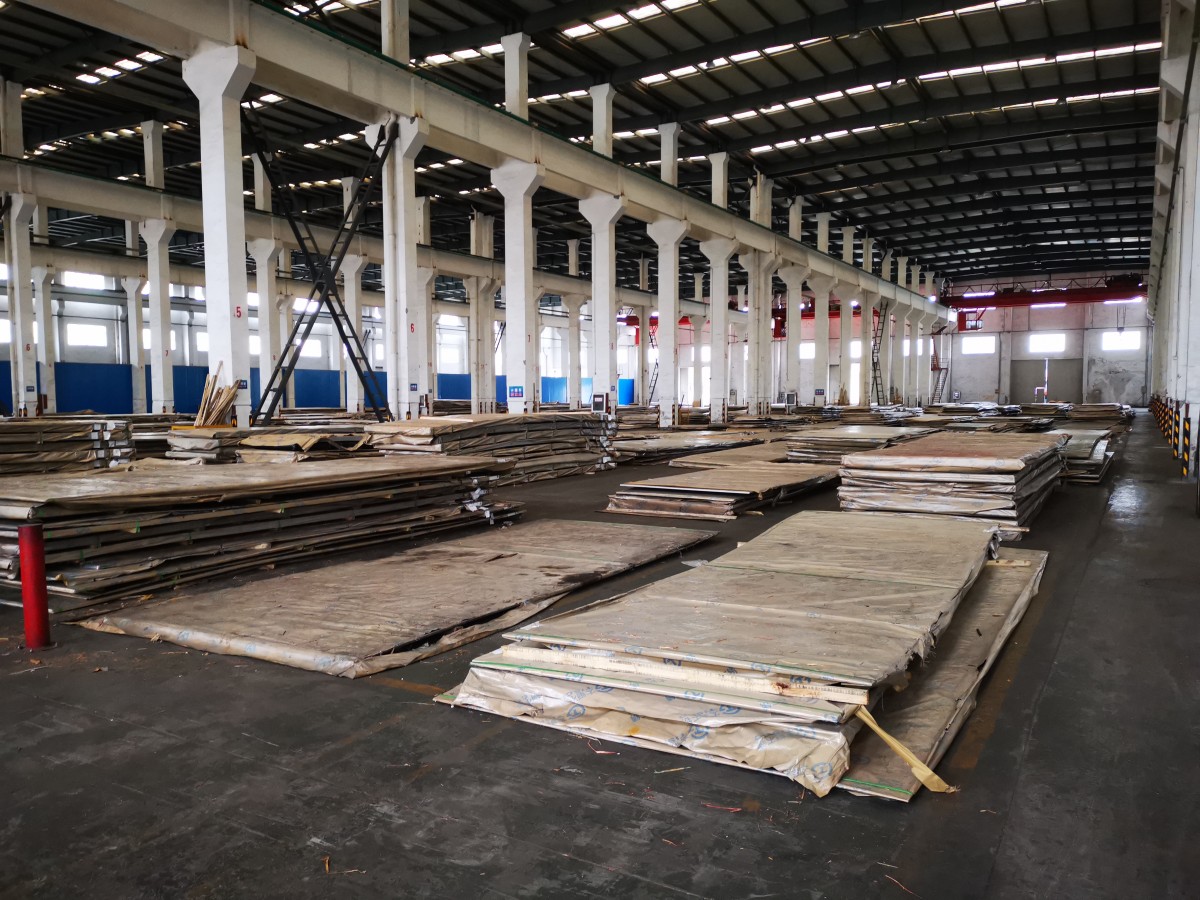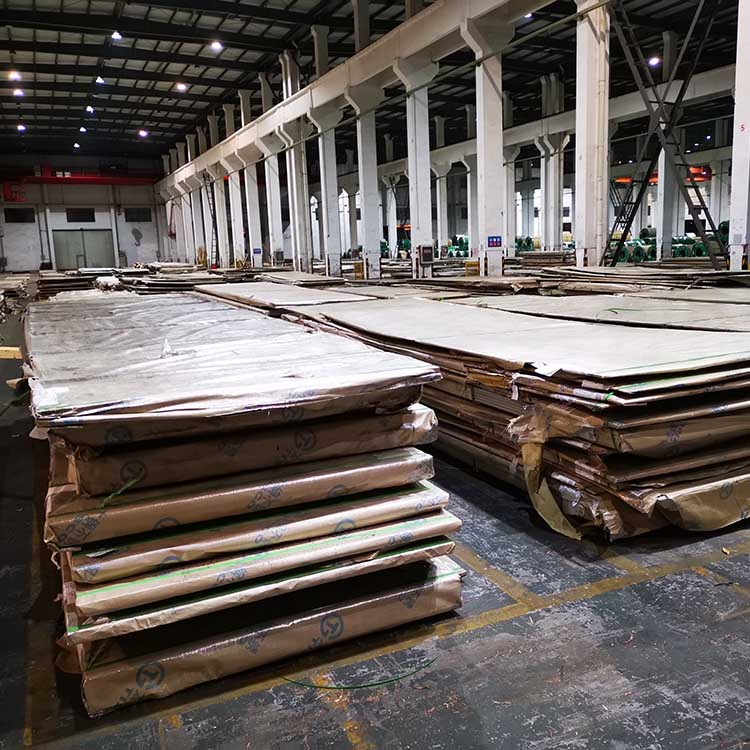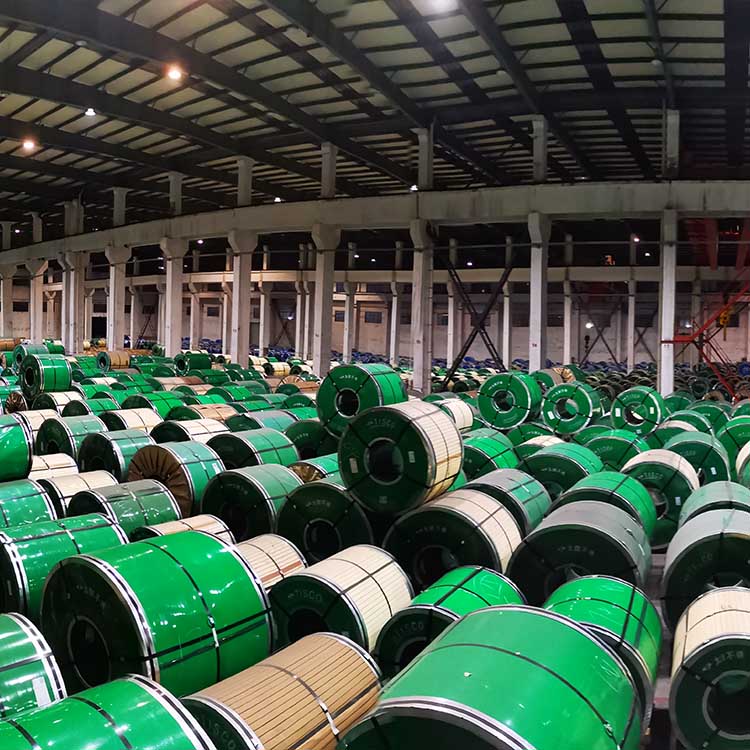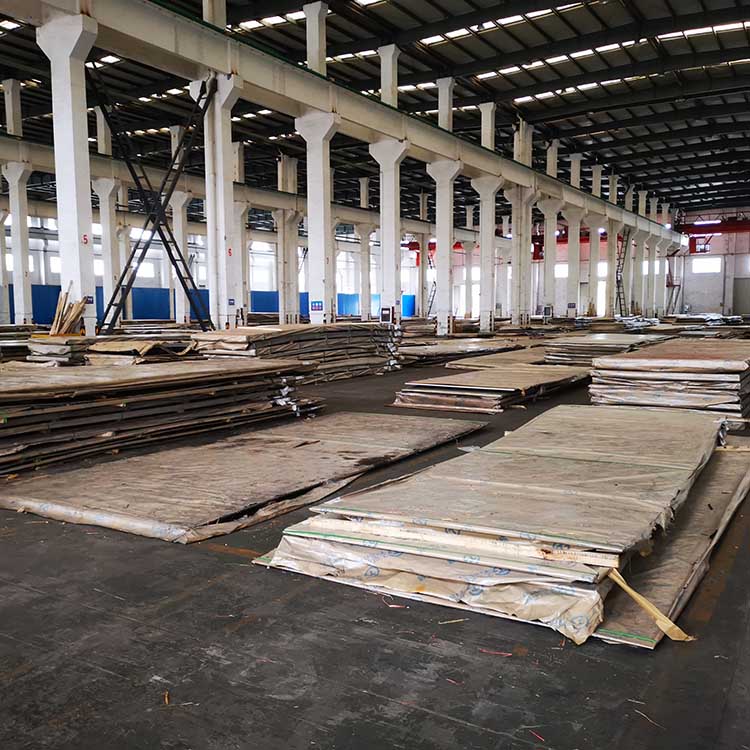

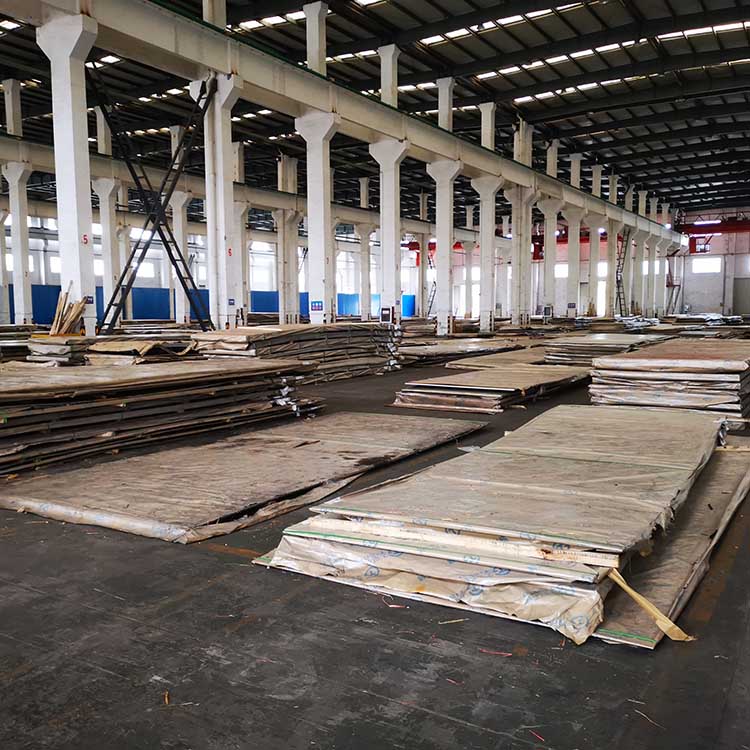
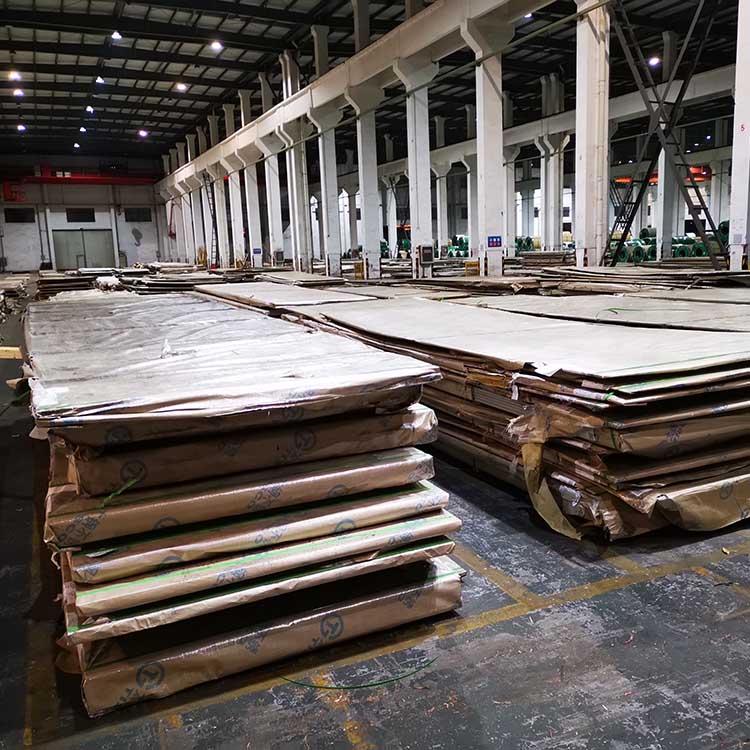











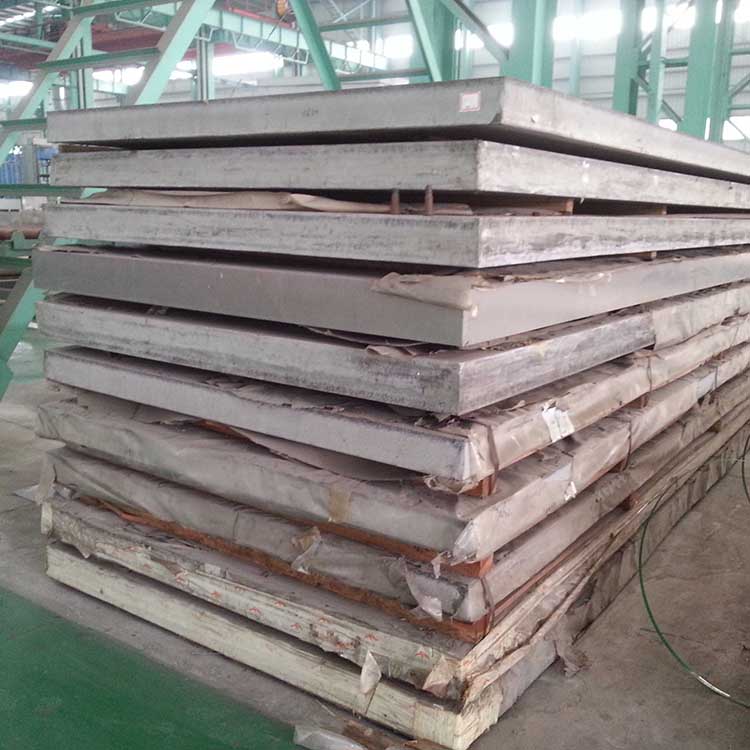
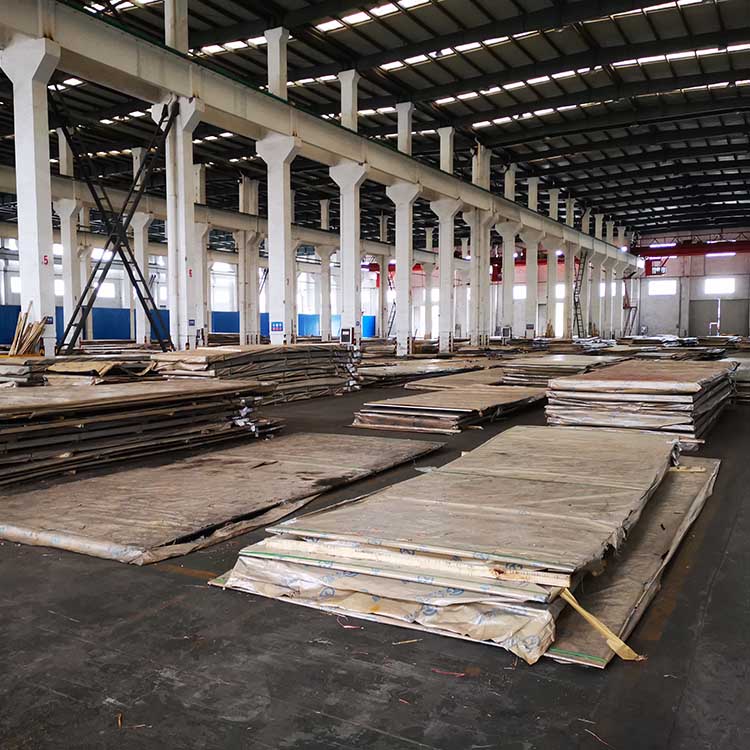


Stainless steel patterned plate
Stainless Steel Diamond Plate is a product obtained by pressing patterns onto stainless steel sheets using machinery, creating a textured surface. Initially produced in small batches by large European rolling mills in the early 1960s, it gained popularity across various industries due to its excellent corrosion resistance and slip resistance. Early patterns were characterized by crisscrossing horizontal and vertical stripes, with domestic manufacturers like Shanxi Taigang and Shanghai Baosteel Group producing them. Over the following 20-30 years, researchers developed better slip-resistant patterns through continuous experimentation and improvement, leading to large-scale production and application. In recent years, the uses of Stainless Steel Diamond Plate have continually evolved, innovated, and transformed, with an increasing number of industries and product models adopting it, and a faster pace of product upgrades and replacements.
Production Process Flow
Stainless steel patterned plates are divided into two main categories:
One type is produced by steel mills through rolling in rolling mills during the production of stainless steel. These products mainly range in thickness from 3-6mm and are in the heat-treated, pickled, and oiled condition after hot rolling. The process is as follows:
Stainless steel billet → Hot-rolling mill black coil → Heat treatment and acid pickling line → Leveler, tensioning machine, polishing machine → Cross-cutting line → Hot-rolled stainless steel embossed sheet
These embossed boards have one flat side and one patterned side. They are commonly used in applications requiring strength, such as in chemical industries, railway vehicles, platforms, etc. This type of product is mainly imported, typically from Japan and Belgium, with products from domestic companies like Taigang and Baosteel also falling into this category.
The second category includes processing enterprises in the market. They purchase hot-rolled or cold-rolled stainless steel sheets from steel mills, which are then mechanically pressed into patterned sheets. These products have one concave and one convex side and are commonly used for general civilian decoration. Cold-rolled products are more prevalent in this category, with most 2B/BA cold-rolled stainless steel patterned sheets in the market falling under this type.
Global Innovation Trends
With increasing research and development investments, the applications of stainless steel patterned plates are no longer limited to professional fields like anti-slip and anti-corrosion, nor to specific industry applications. These plates are now innovatively used in various sectors such as building facades, decoration, rail transit, and mechanical manufacturing. They have also given rise to over 20 international standard patterns and models, including square, diamond, leather, tile, stone brick, and ripple designs. On top of these products, new ones like colored, coated, composite, nano-coated, super anti-corrosive, anti-bacterial, and wear-resistant stainless steel patterned plates are continuously meeting the demands for high-quality human life and industry innovation.
Super-smooth, anti-stick, self-concealing scratch-resistant stainless steel patterned plate first entered the Chinese market in August 2010. The main innovative models are: 2, 3, 5, 6, and WL series, originating from the UK, Sweden, and the USA. The surface of these stainless steel sheets features raised dots, which are 30-40% more efficient in glide than standard stainless steel plates. The 3WL series' NANO and SUPER models are 40-60% more efficient than regular plates. This new type of stainless steel patterned plate perfectly solves the long-standing problem of low glide efficiency in the domestic machinery and equipment industry.