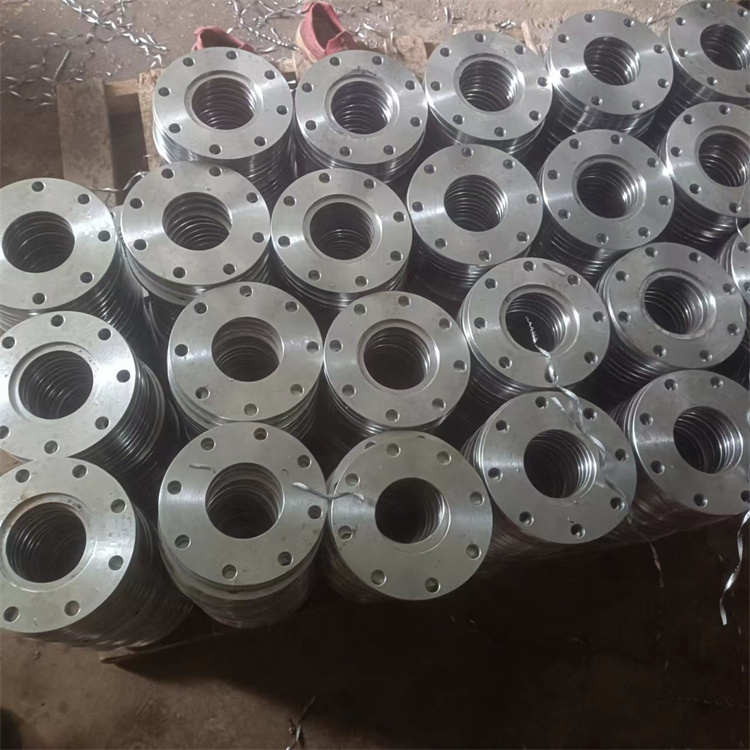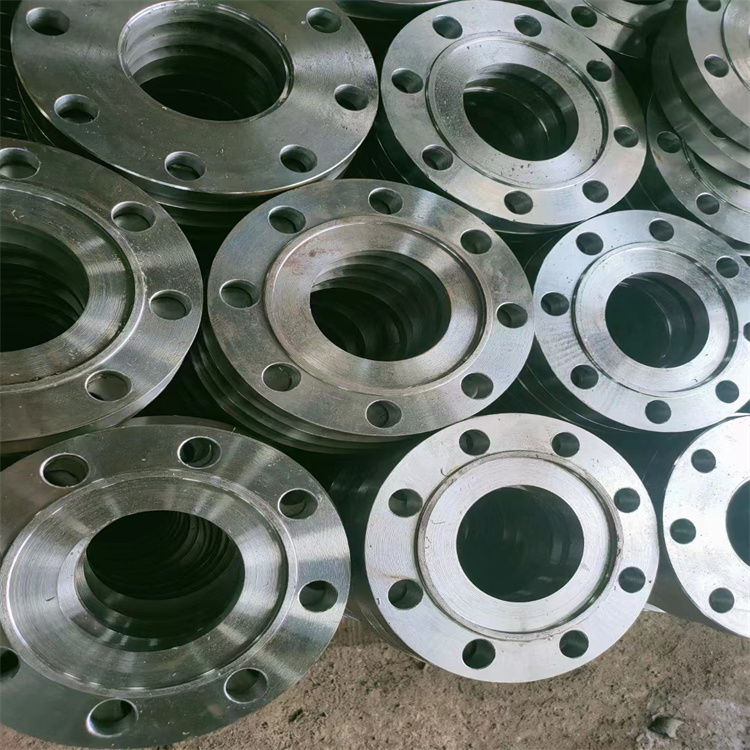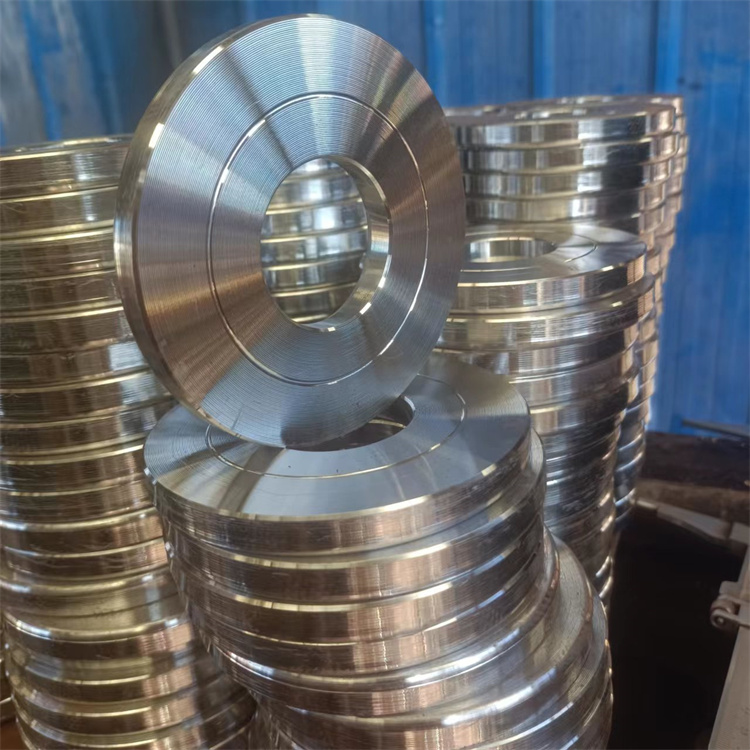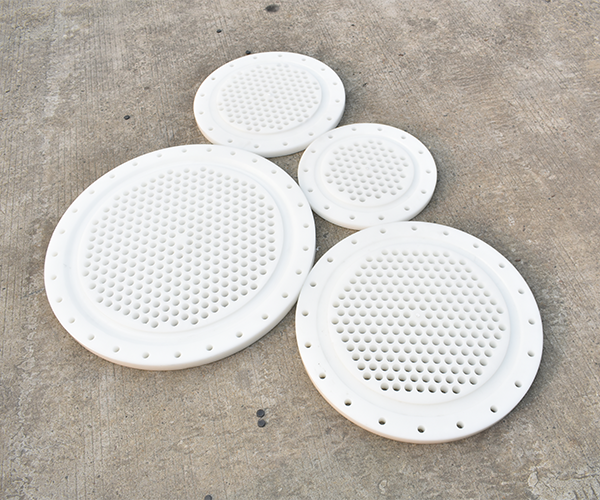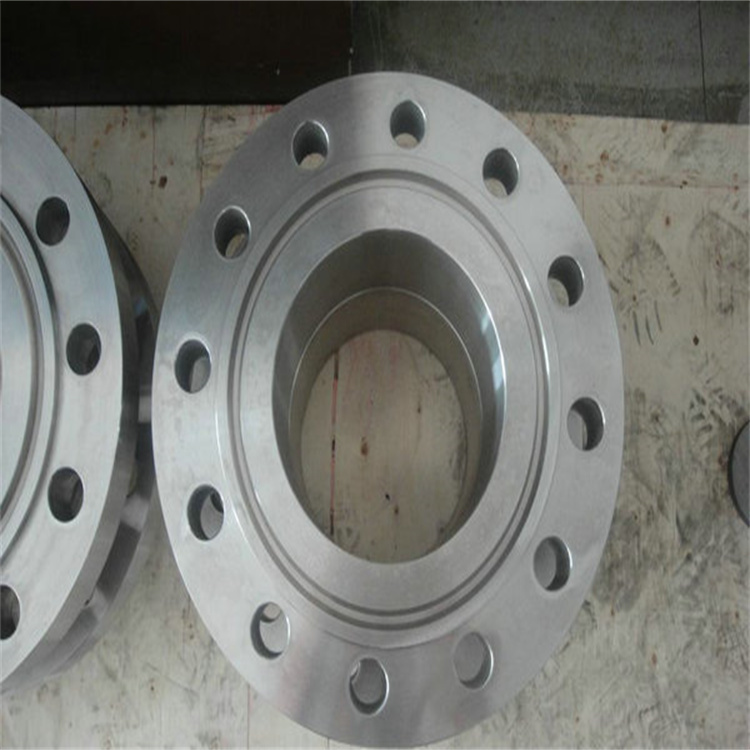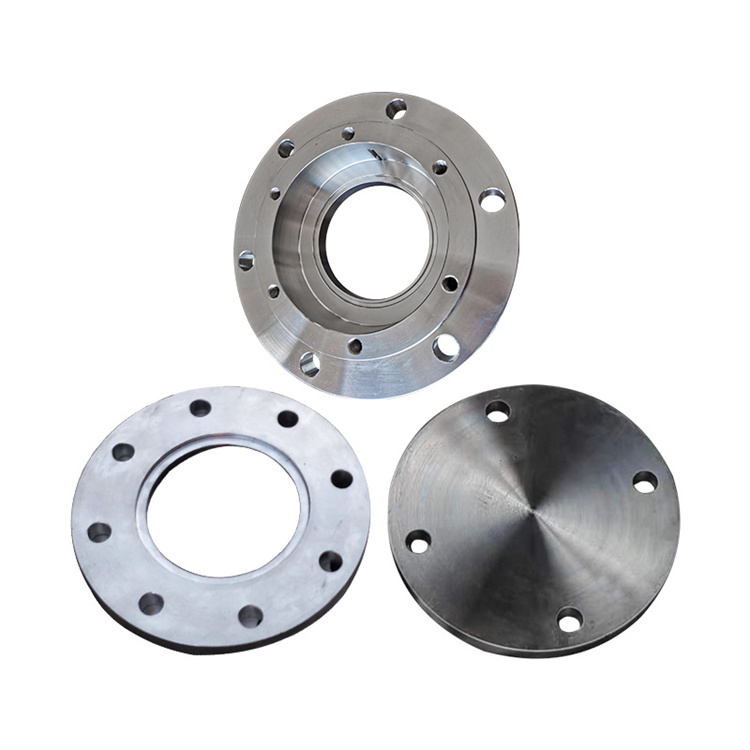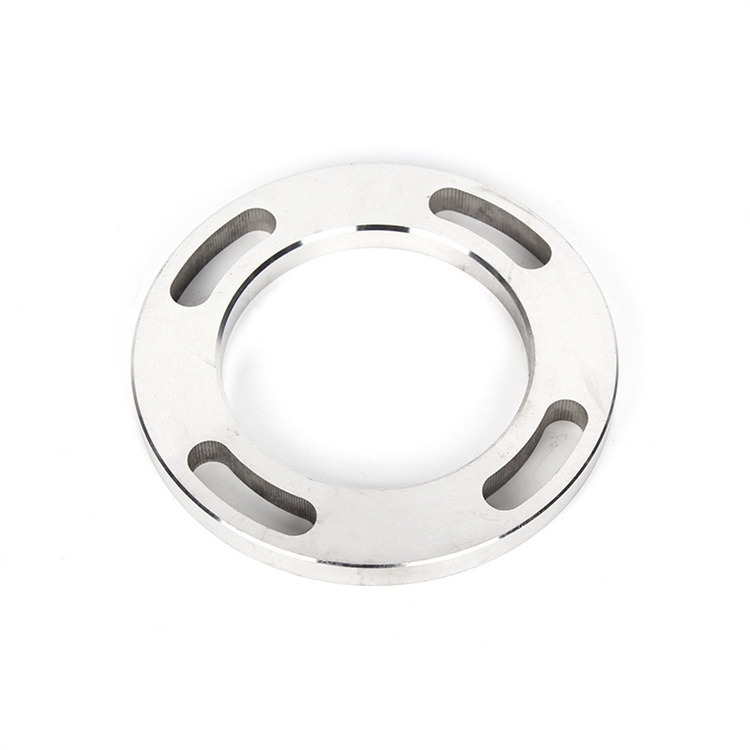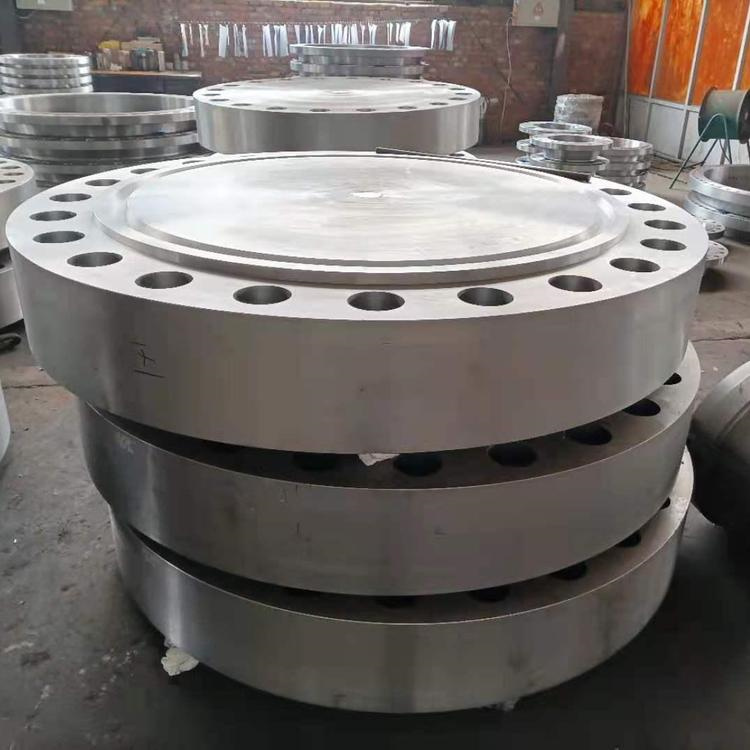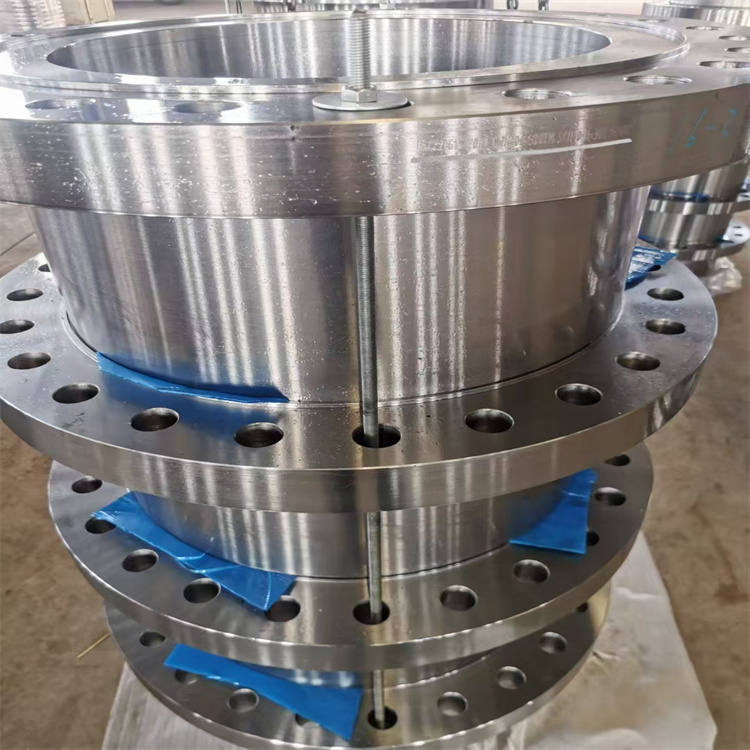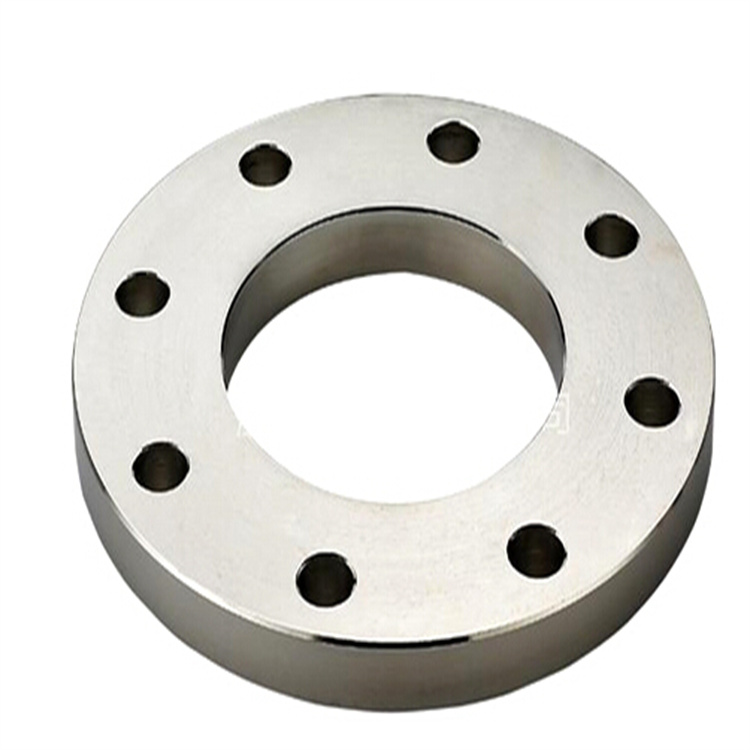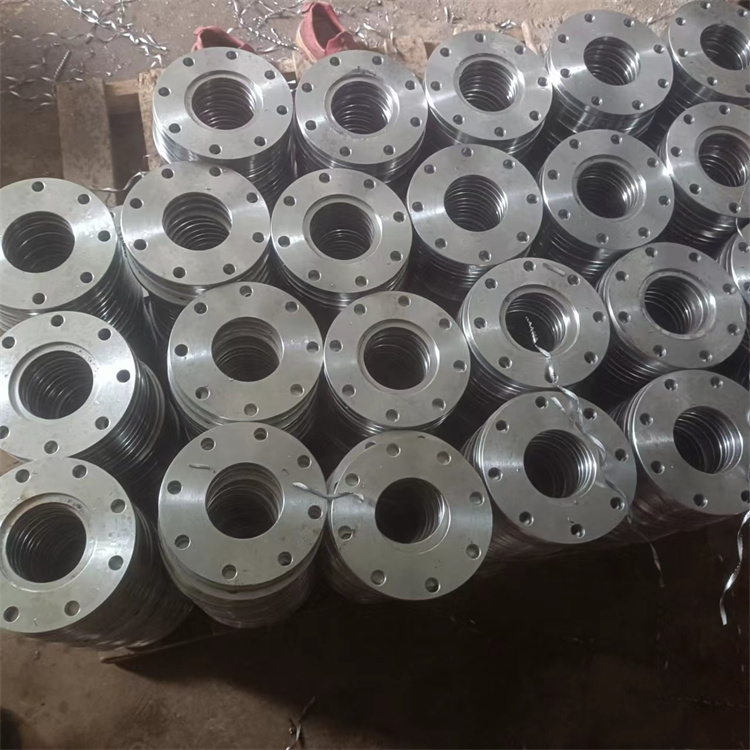

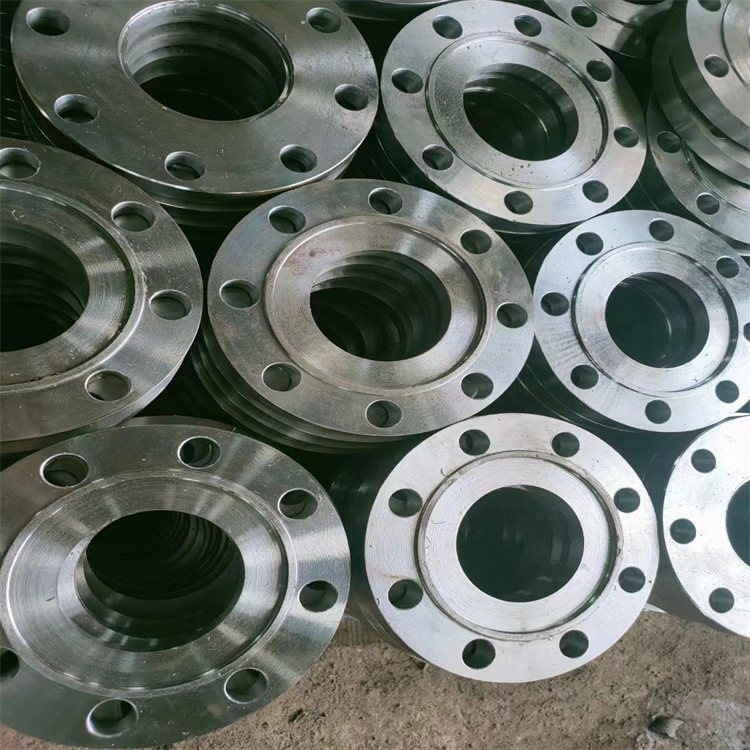
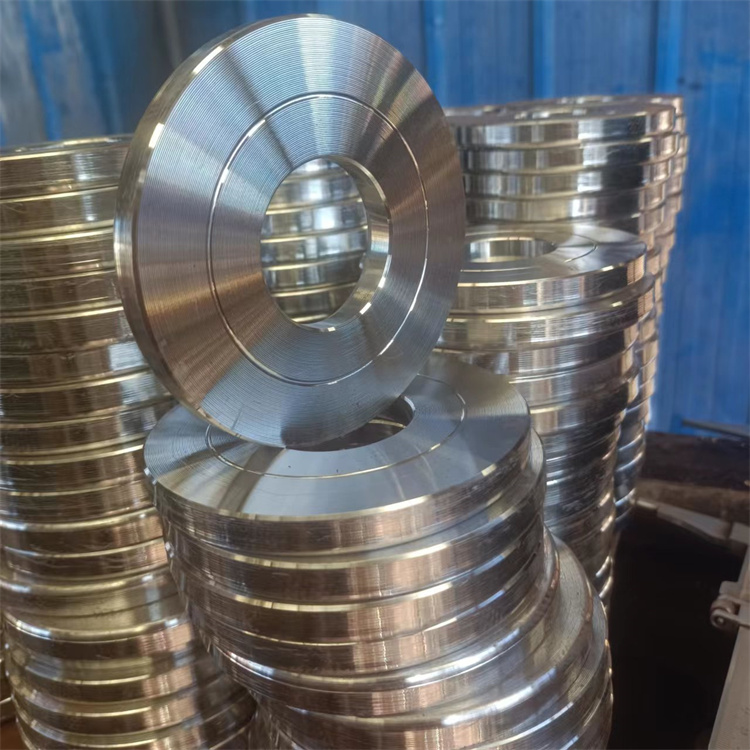


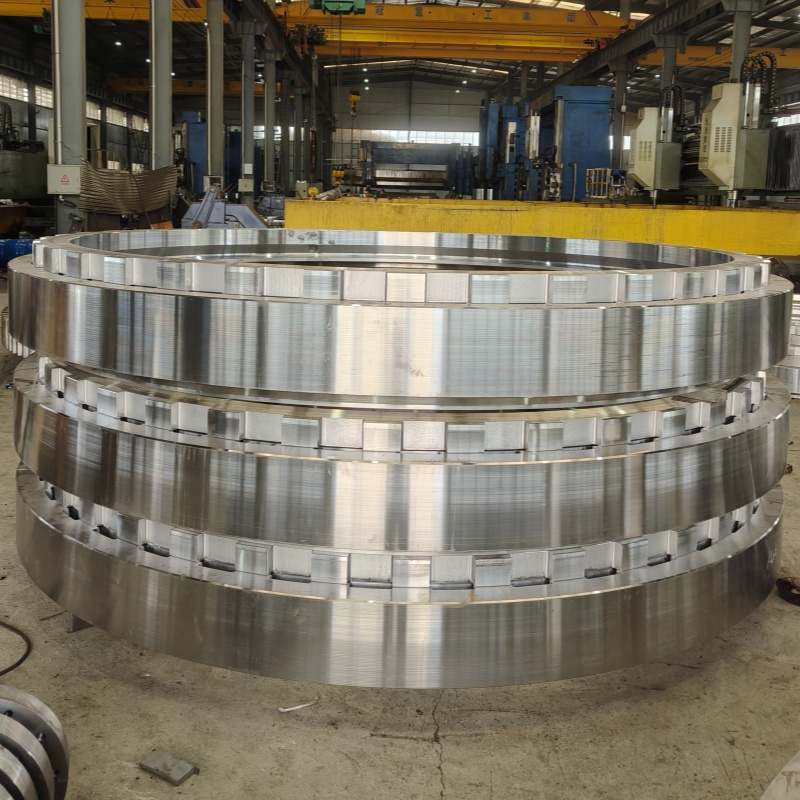

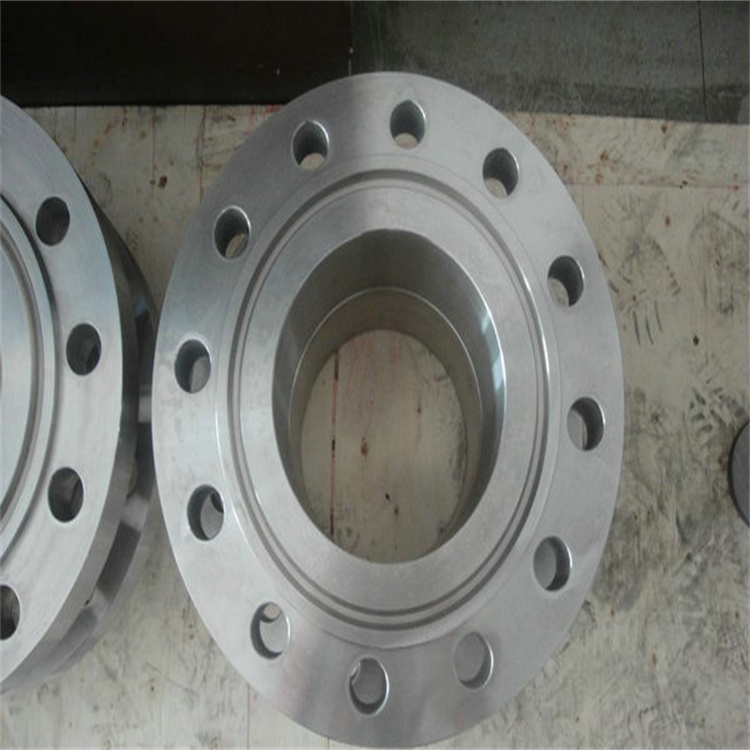
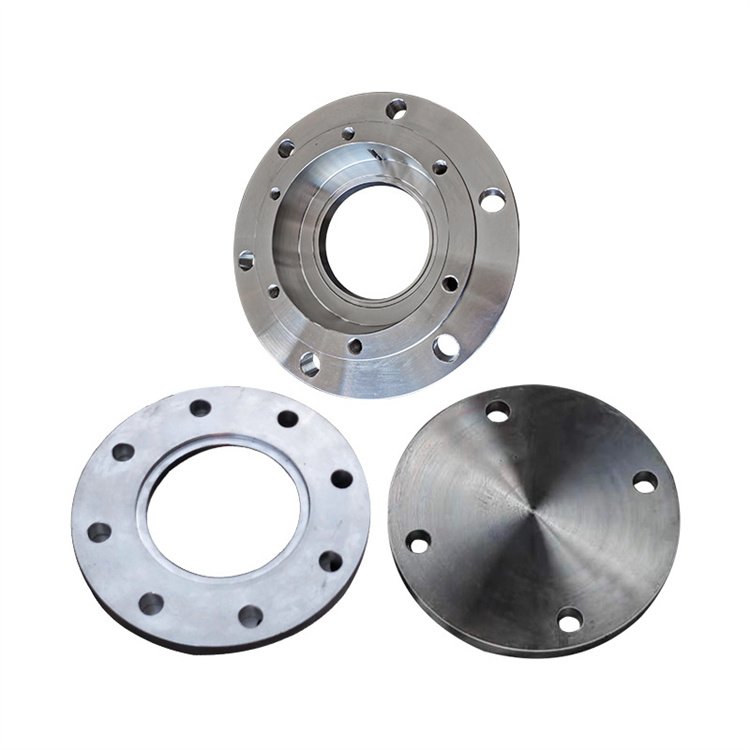
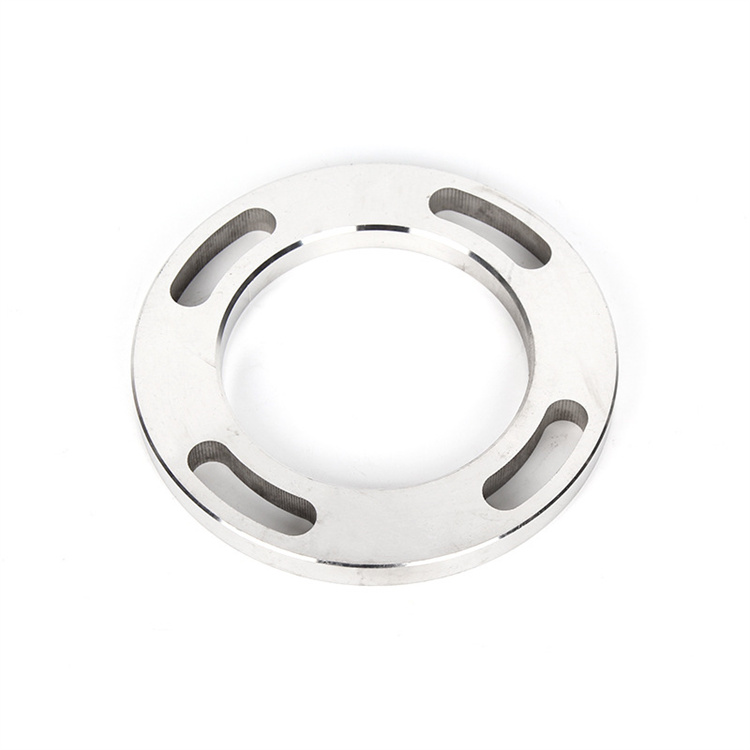





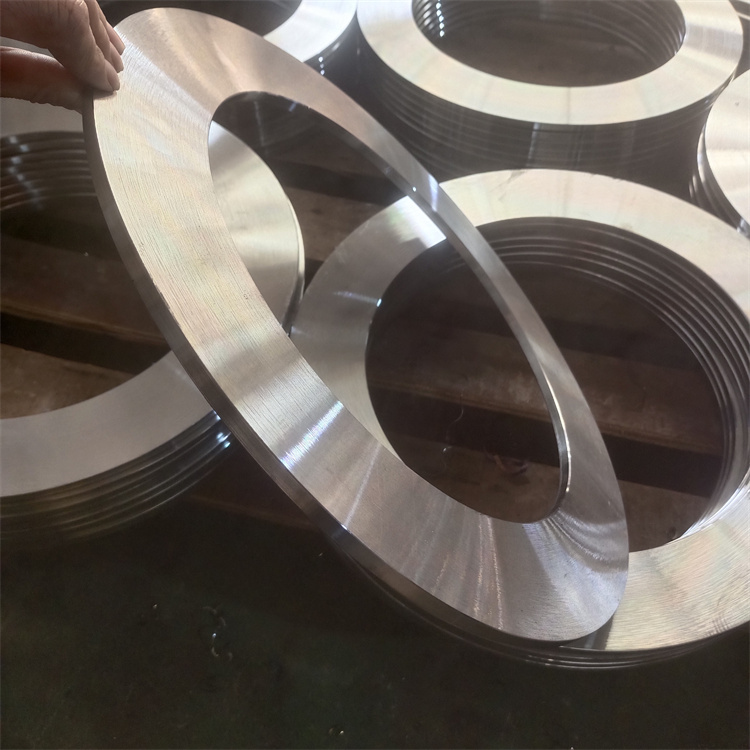
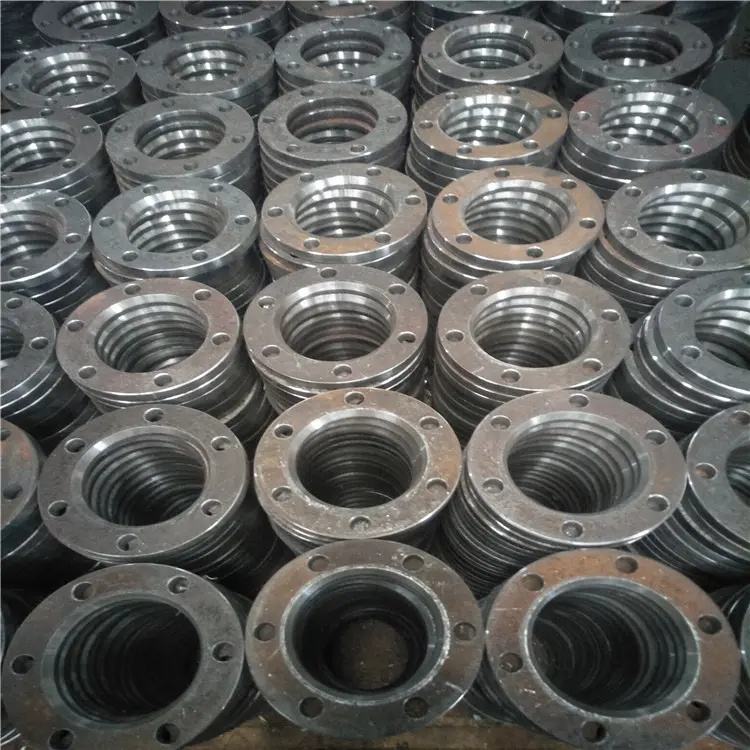
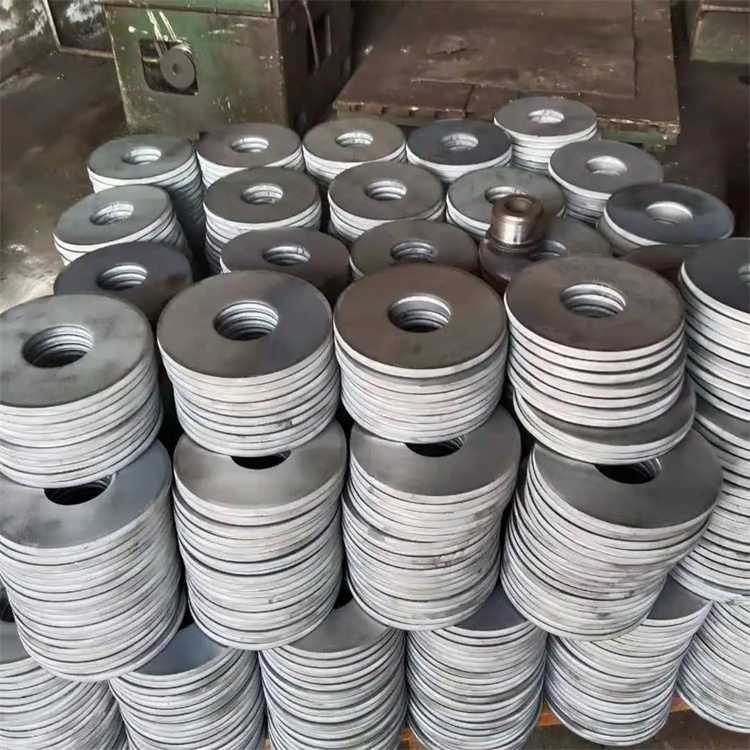
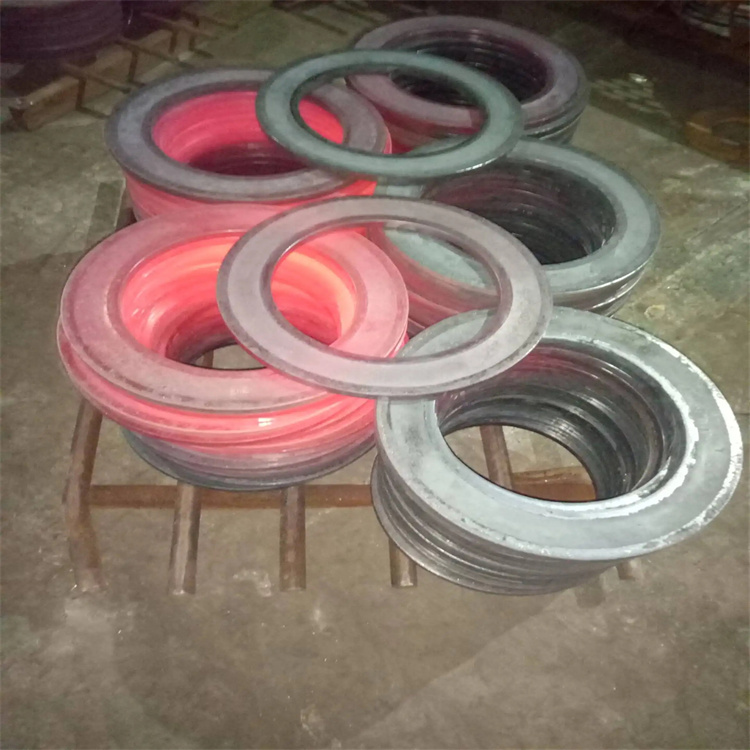
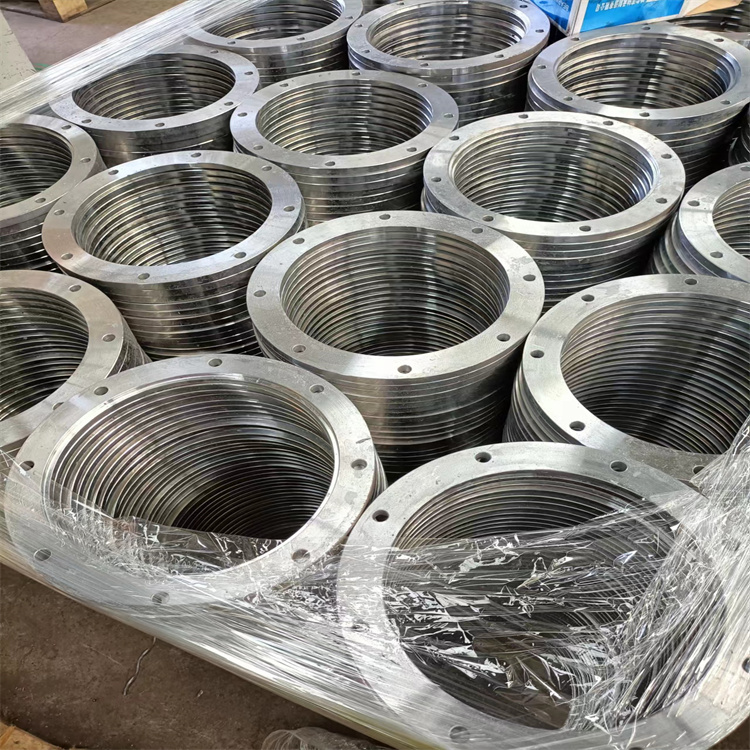
 Common flanges vary in pressure ratings depending on their applications. For instance, large stainless steel flanges are commonly used in chemical engineering for high-temperature pipelines, thus demanding high material pressure-bearing performance.
Therefore, customers often request forged flanges, as the material's density is increased through forging, which also enhances its pressure-bearing capacity.
In both domestic and international standards, there are clear pressure ratings for large stainless steel flanges. Large stainless steel flanges are generally categorized as: PN25, PN6, PN10, PN16, PN25, PN40, and so on. The most commonly used types are PN10 and PN16. A flange, also known as a flange hub or boss, is a component that connects shafts to each other, used for connecting pipe ends; there are also flanges used at equipment inlets and outlets for connecting two pieces of equipment, such as reducer flanges.
Flange connection or flange joint. It refers to a removable connection that consists of a combination of flange, gasket, and bolt, all three interconnecting to form a sealed assembly.
The pressure class of a flange is related to its design pressure, but they are not the same. It represents a series of the flange's strength. The higher the pressure class, the stronger the flange.
To be precise, given the material, design temperature, and design pressure, we can select a pressure class for a type of piping within a process unit based on the temperature-pressure curves on the flange standard, and thereby determine the pressure class for valves and other piping components.