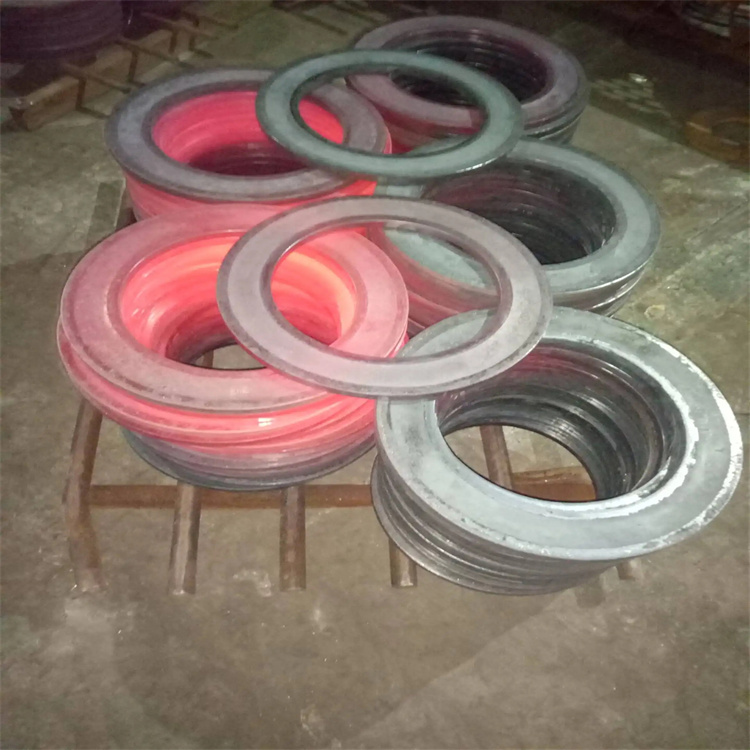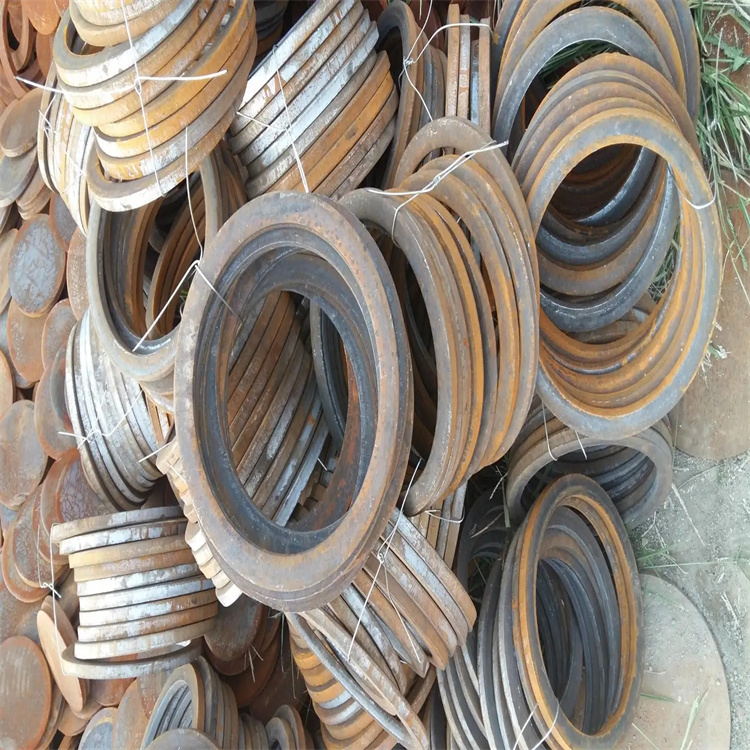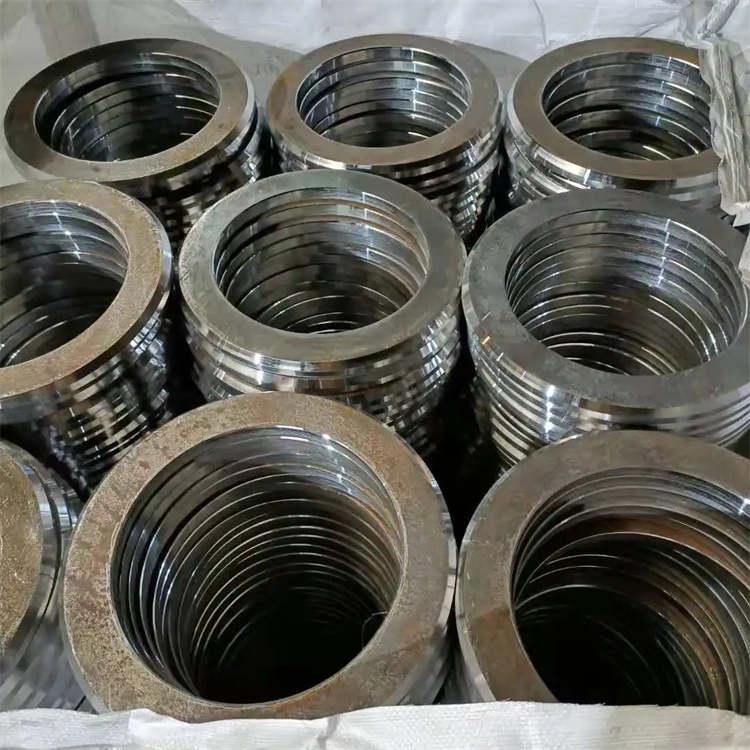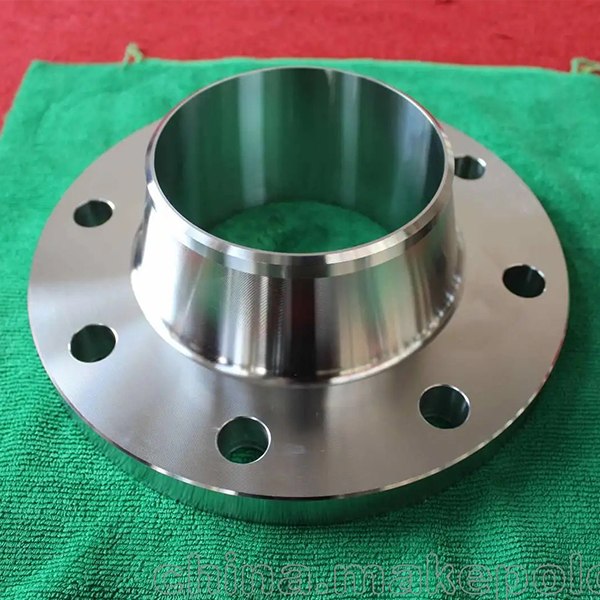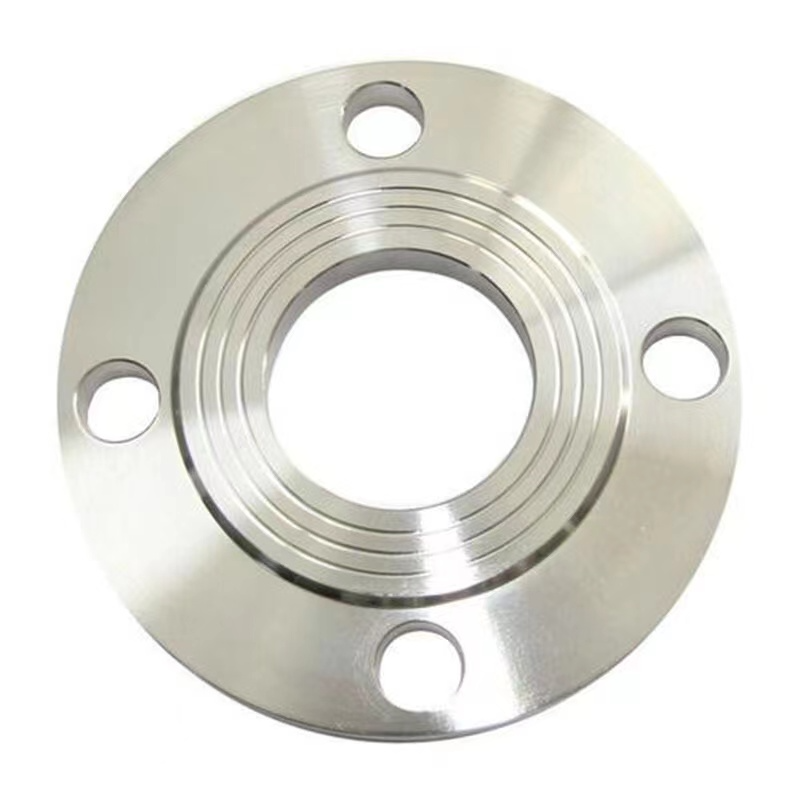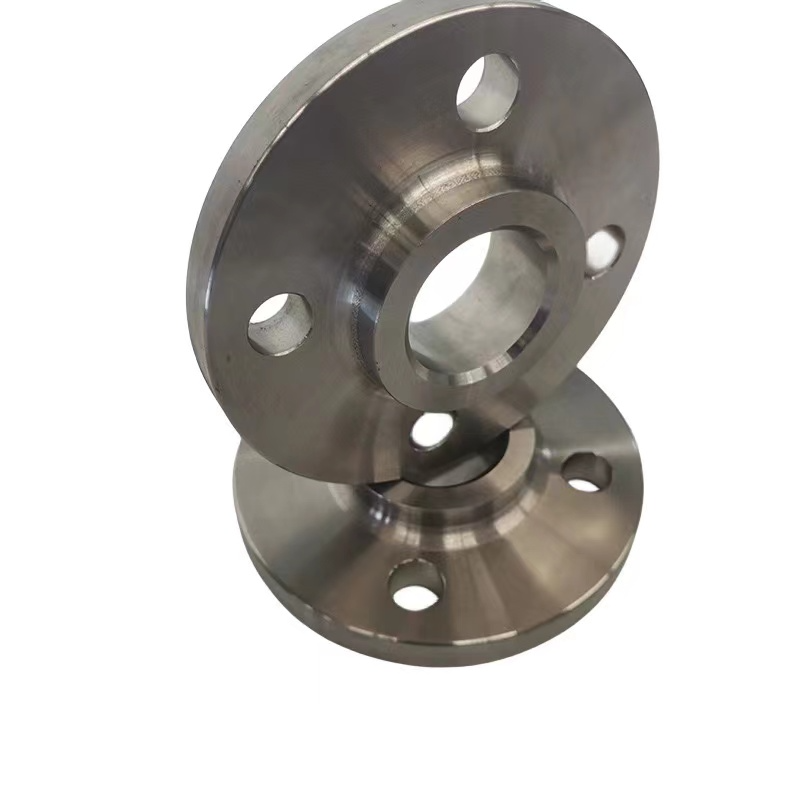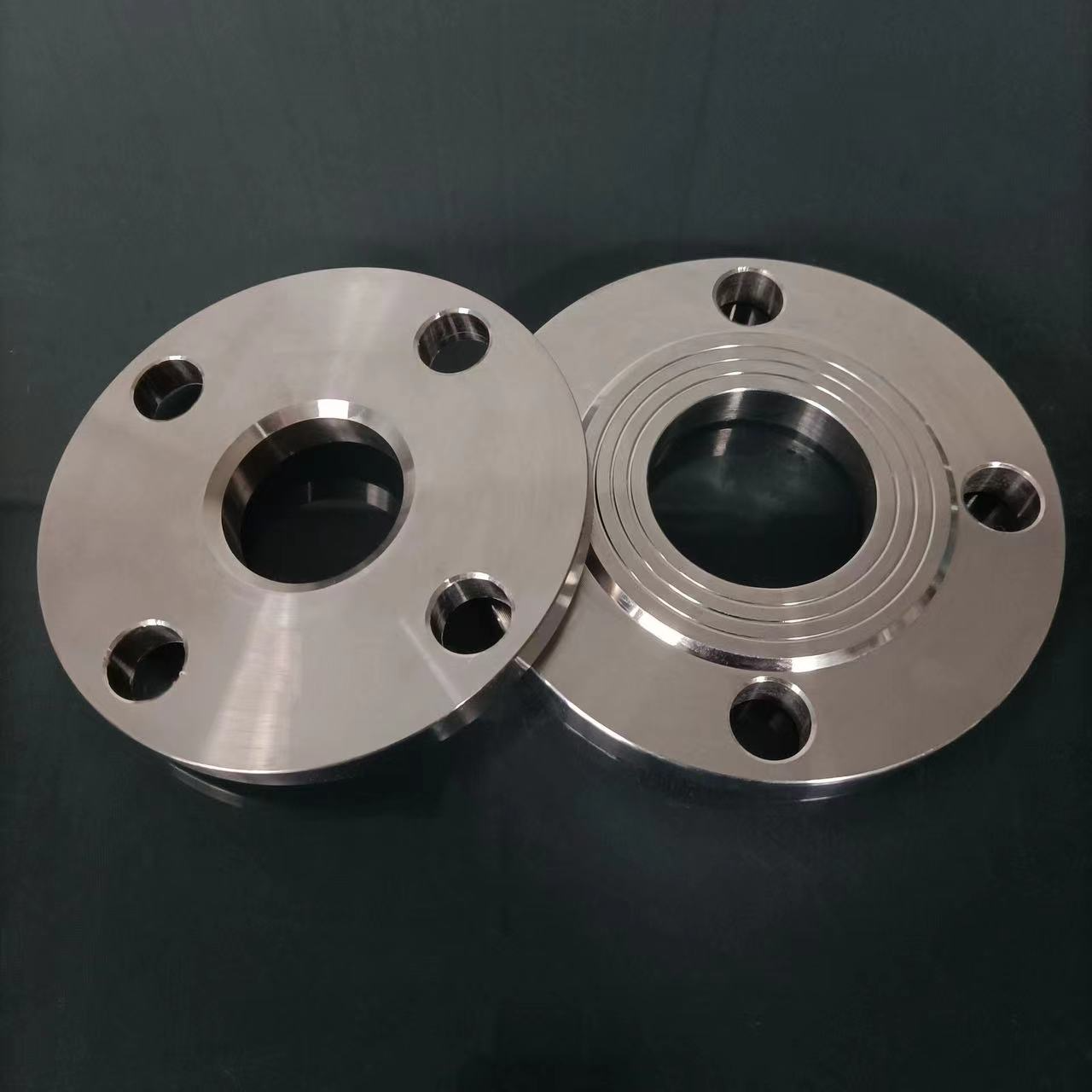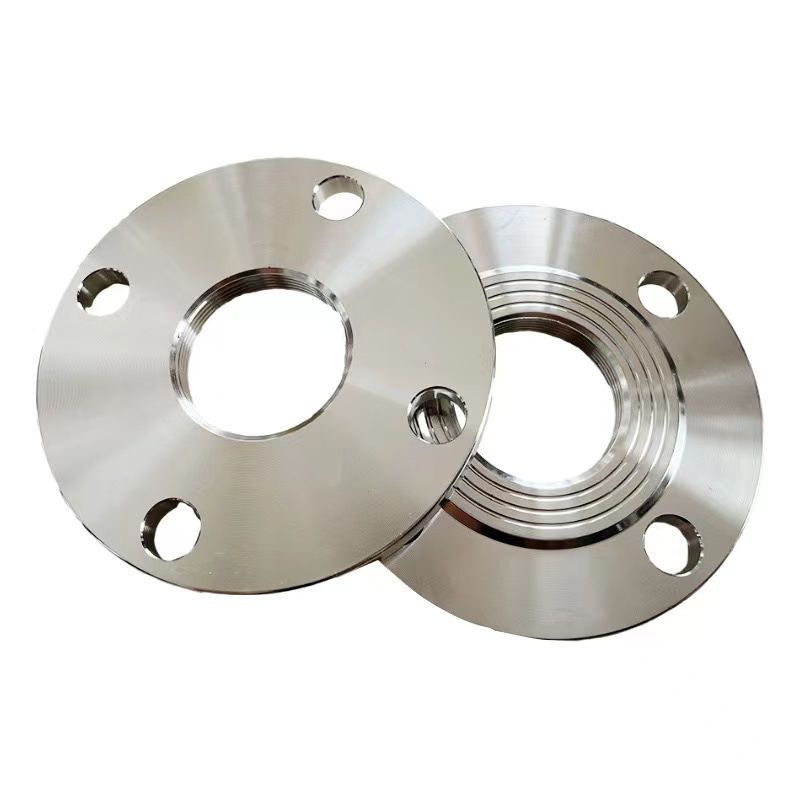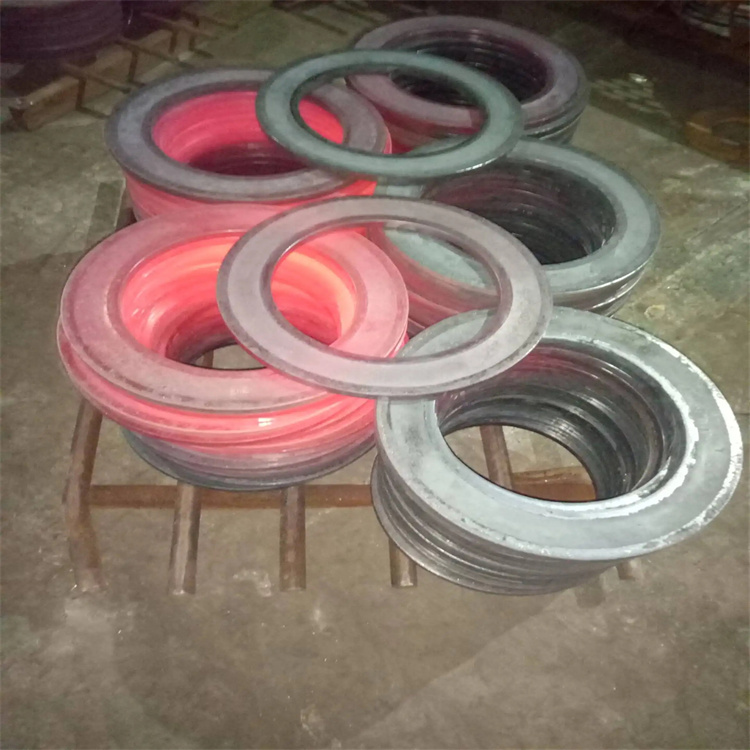
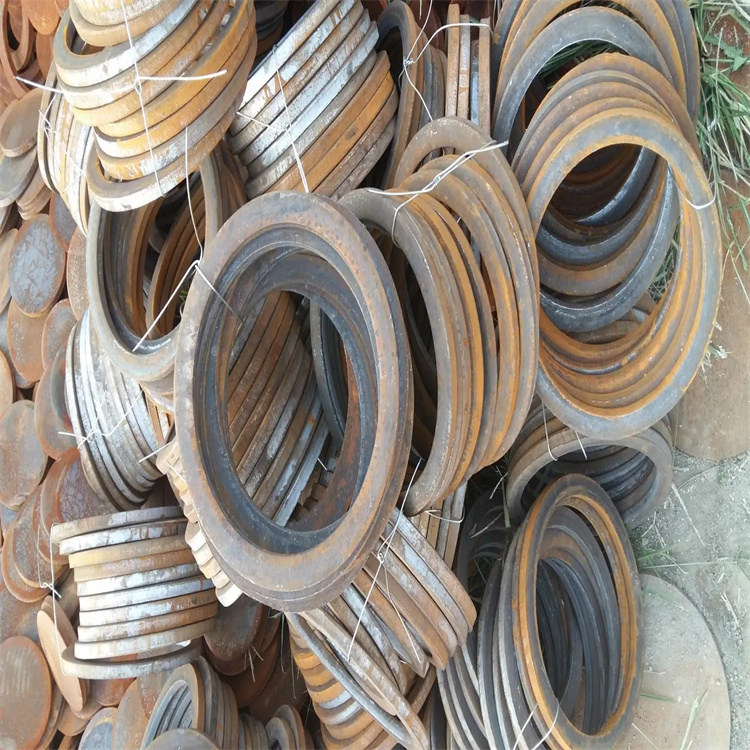
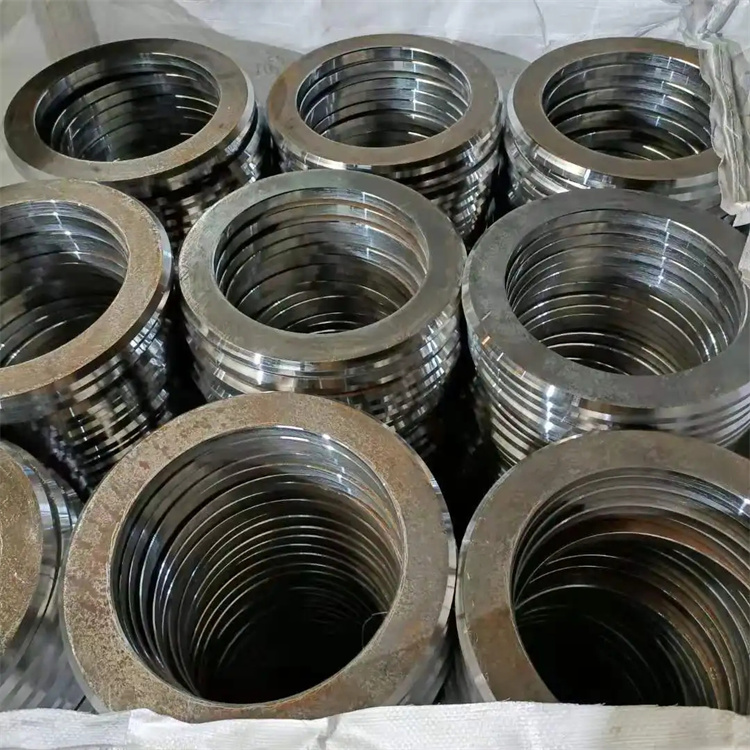


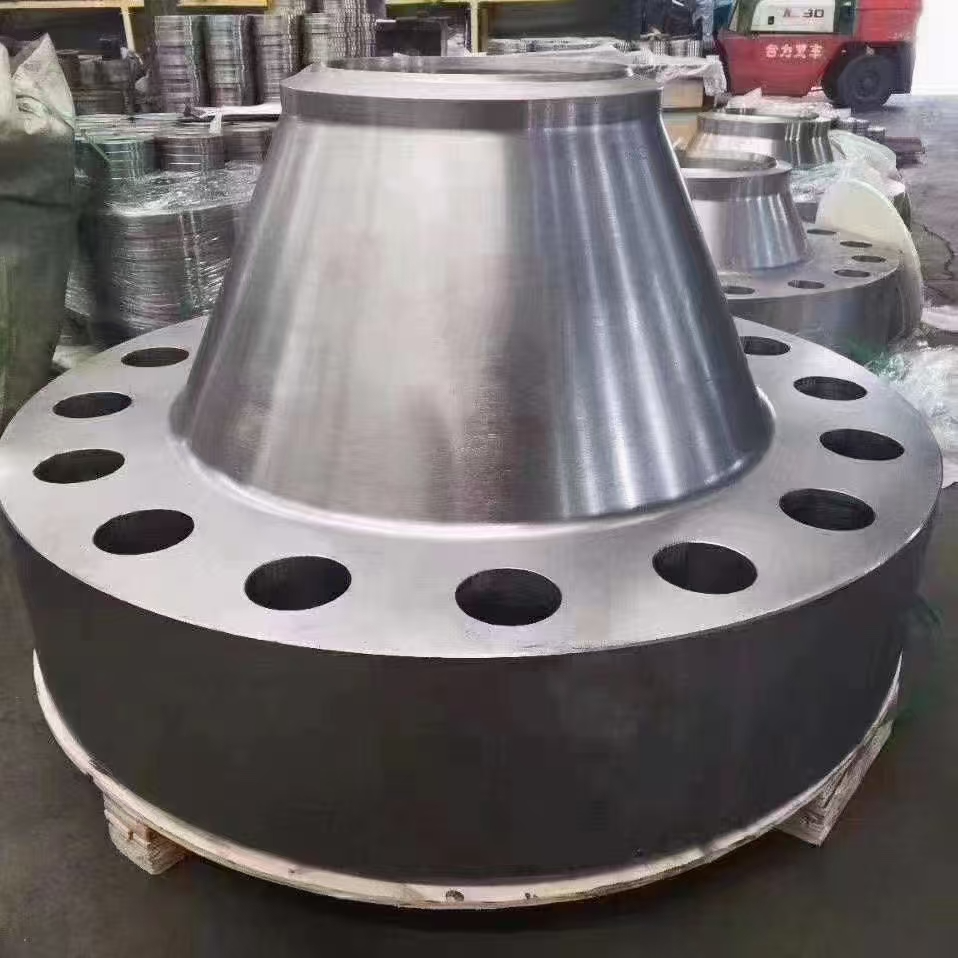





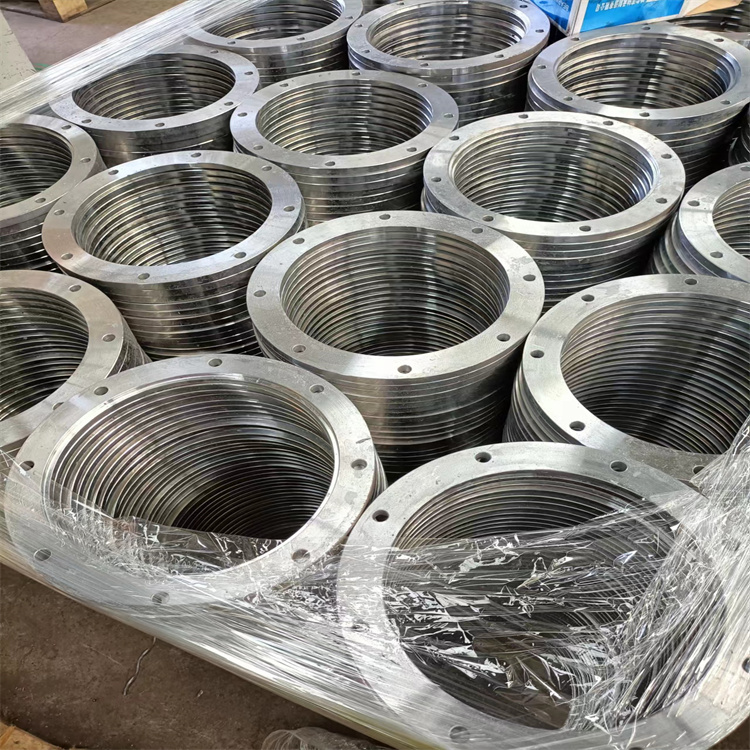
 Firstly, the difference in price: The flanges sold on the market are the cheapest, followed by cast-forged ones, and those made entirely by forging are the most expensive.
This refers to the conclusion you can draw after comparing prices at various stores. Secondly, perform destructive analysis: cut the flange in half, cast flanges have sand holes, while forged flanges do not.
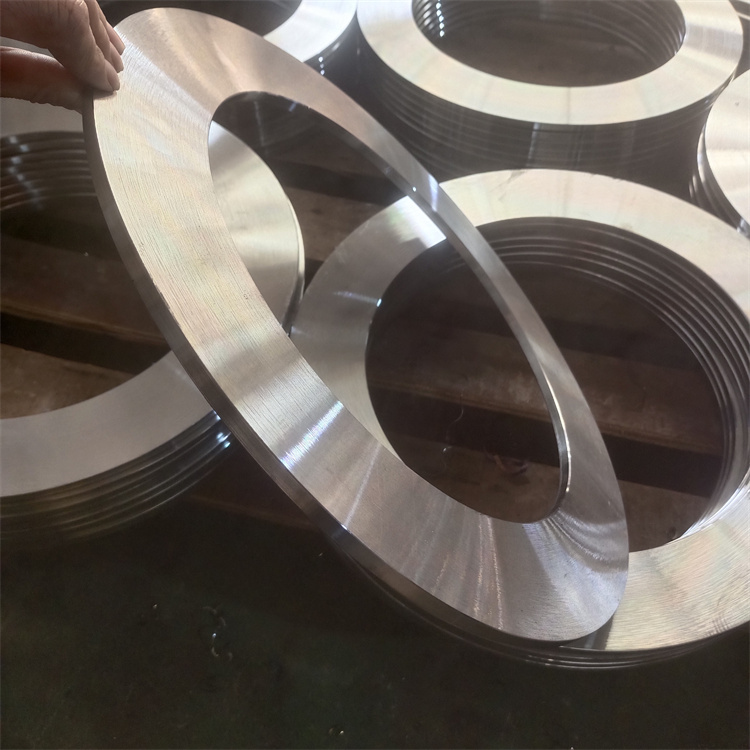
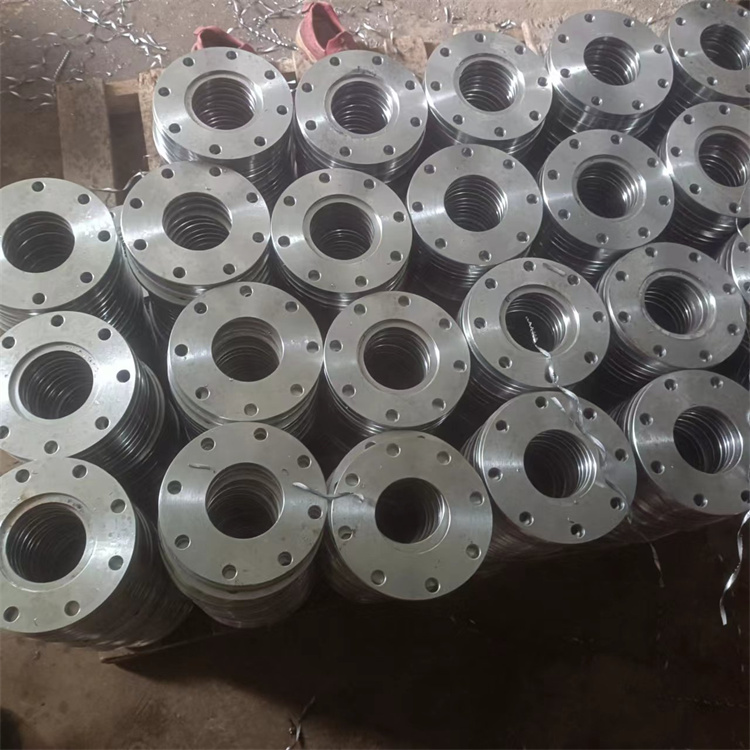
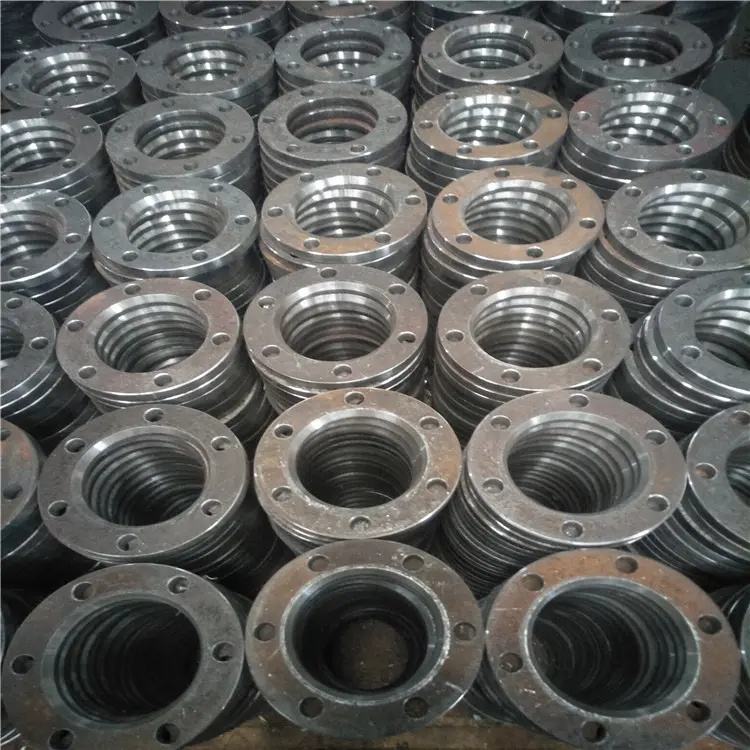
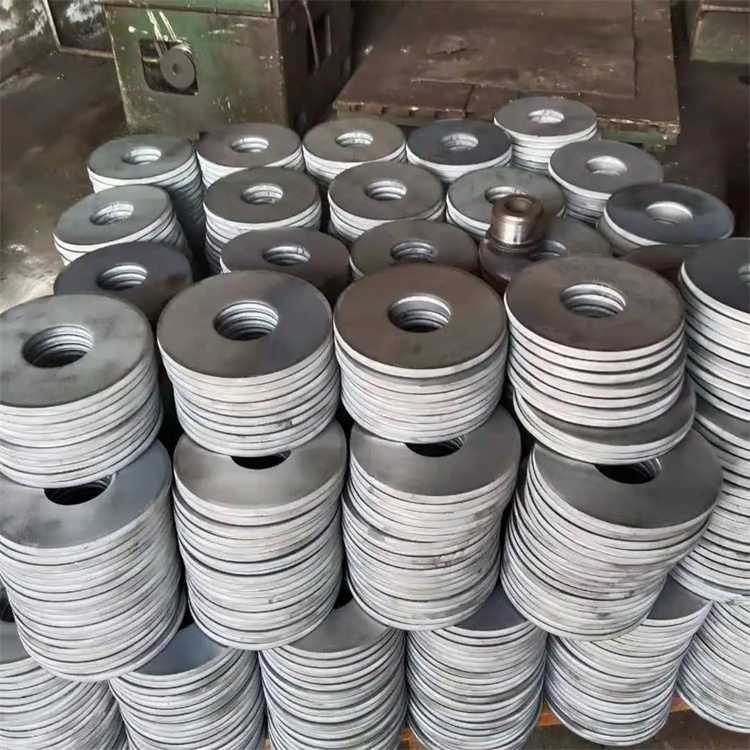
Forged flanges sometimes exhibit cracks. Thirdly, distinguish between the size and finish of the flange (this is not easily noticeable by an amateur): cast flanges on the market generally have a negative tolerance of 1-5mm in size, irregular chamfered edges, and rough burrs on the side holes. The workmanship is not as refined due to the low price.
Forged flanges feature tight tolerances or positive tolerances.
Distinguishing cast iron flanges from cast steel flanges: Cast iron flanges are less ductile, usually they can be cracked by hammering.
The material of flanges is usually close to low carbon, otherwise welding can easily cause cracking.