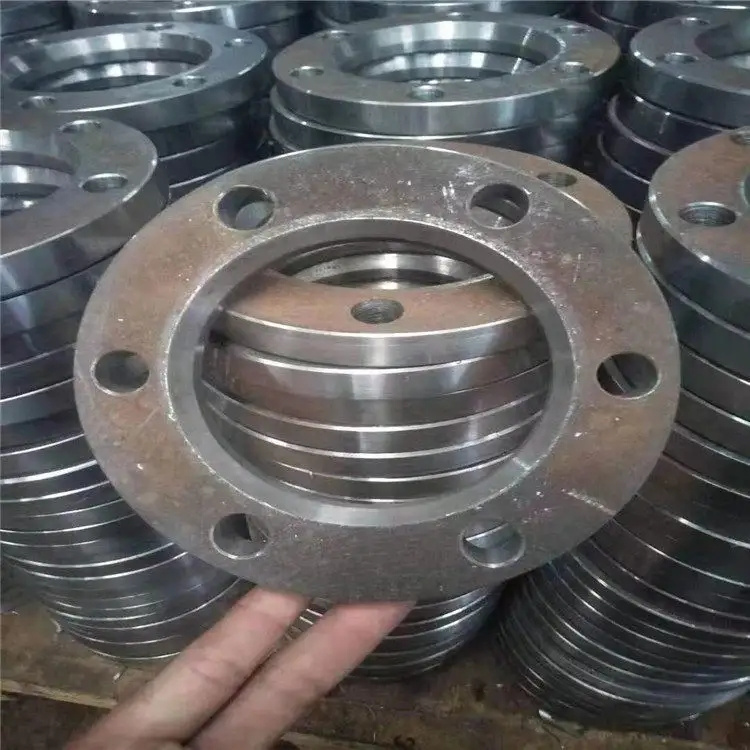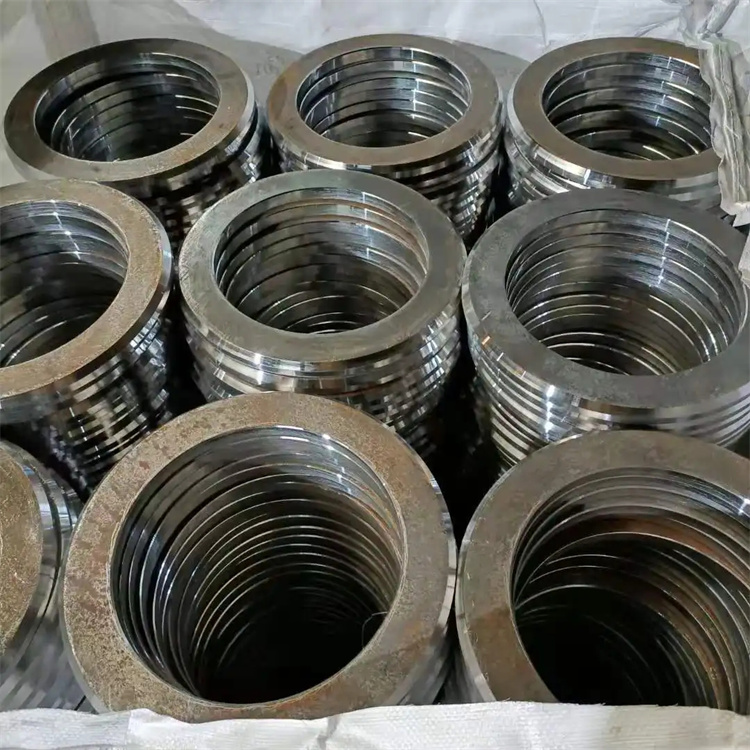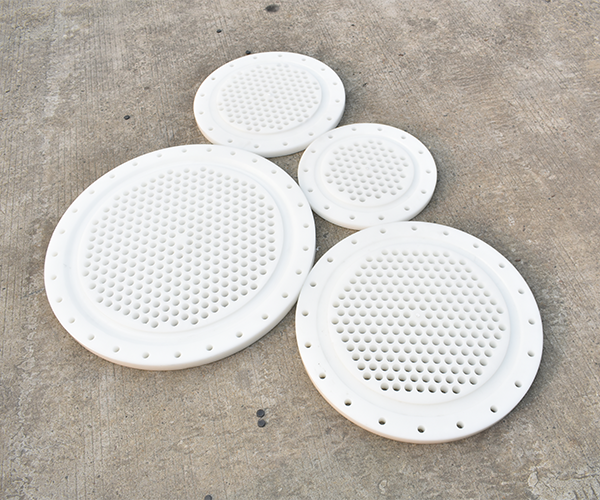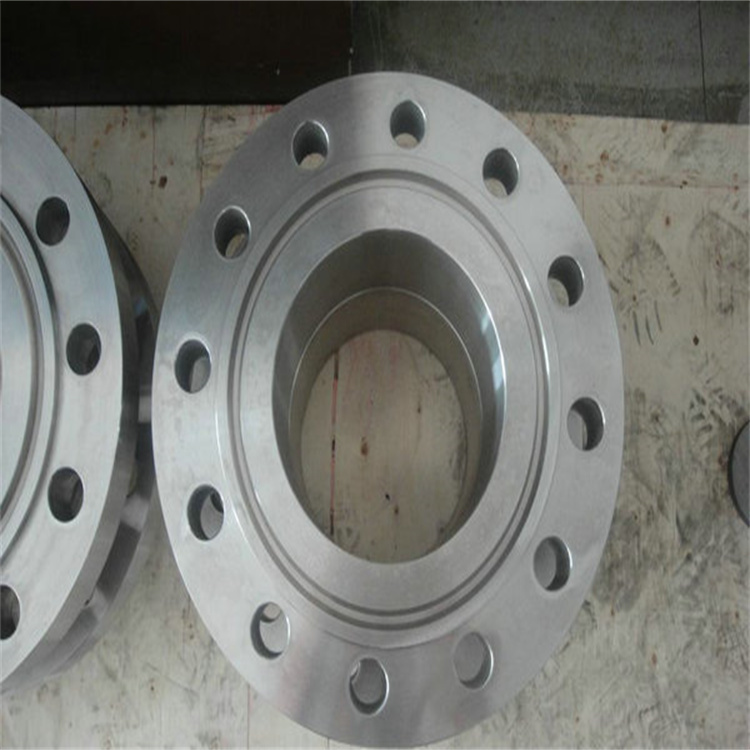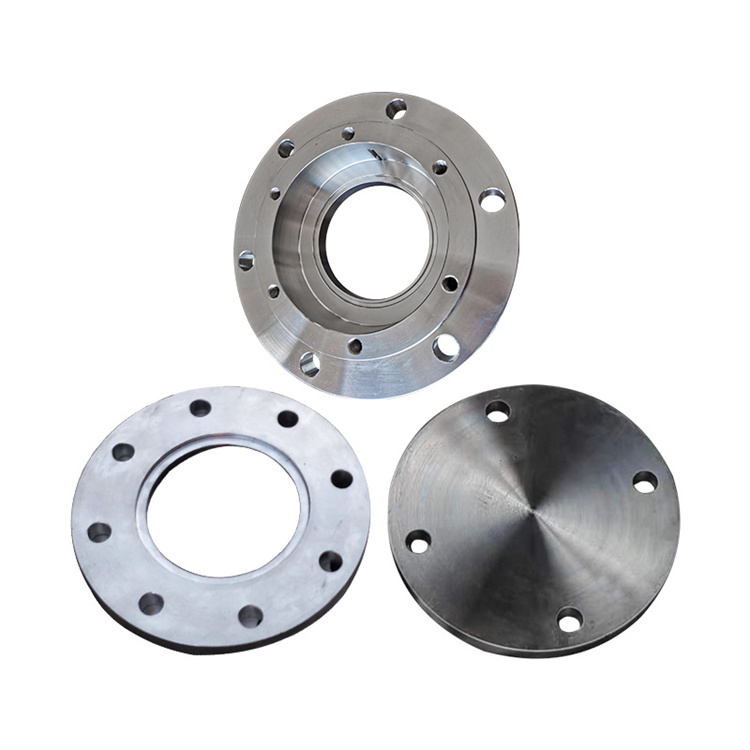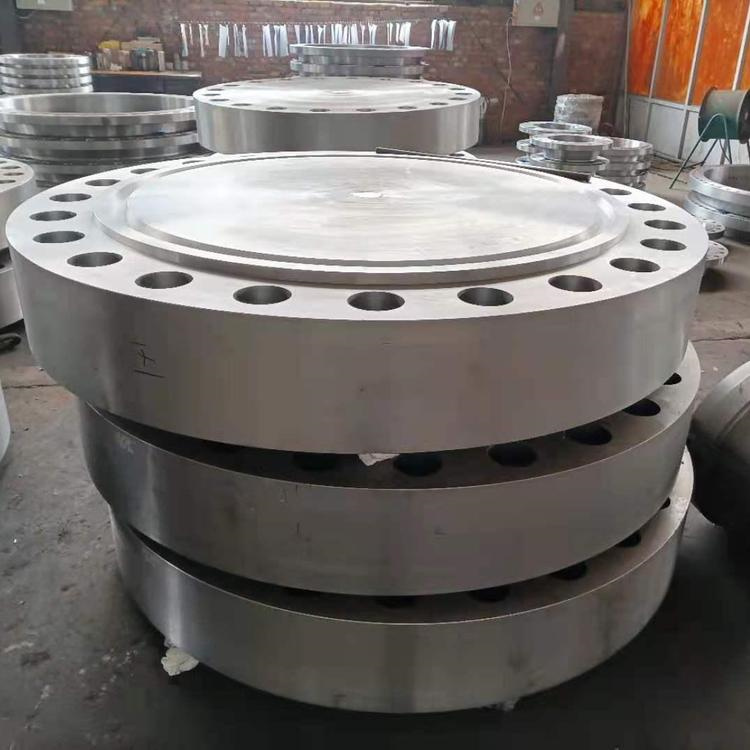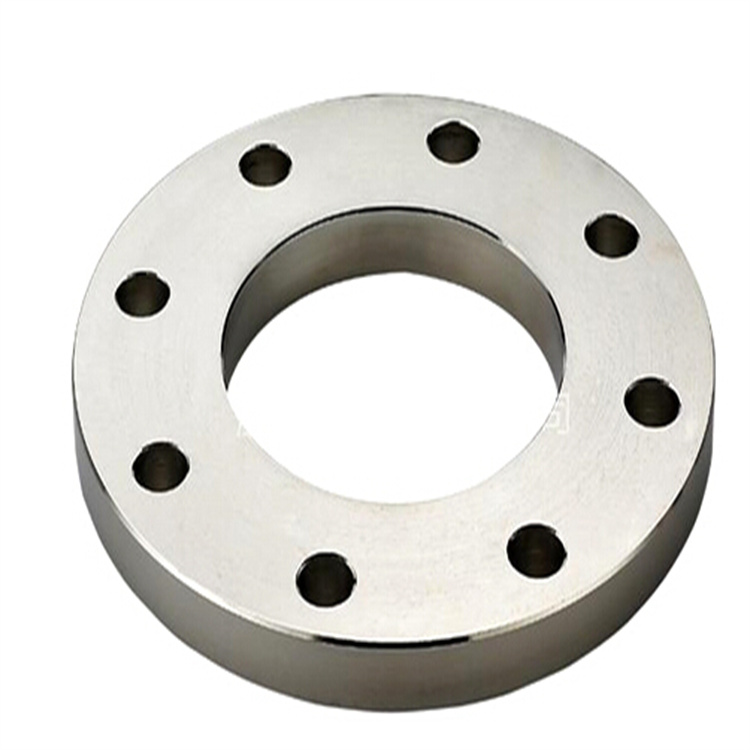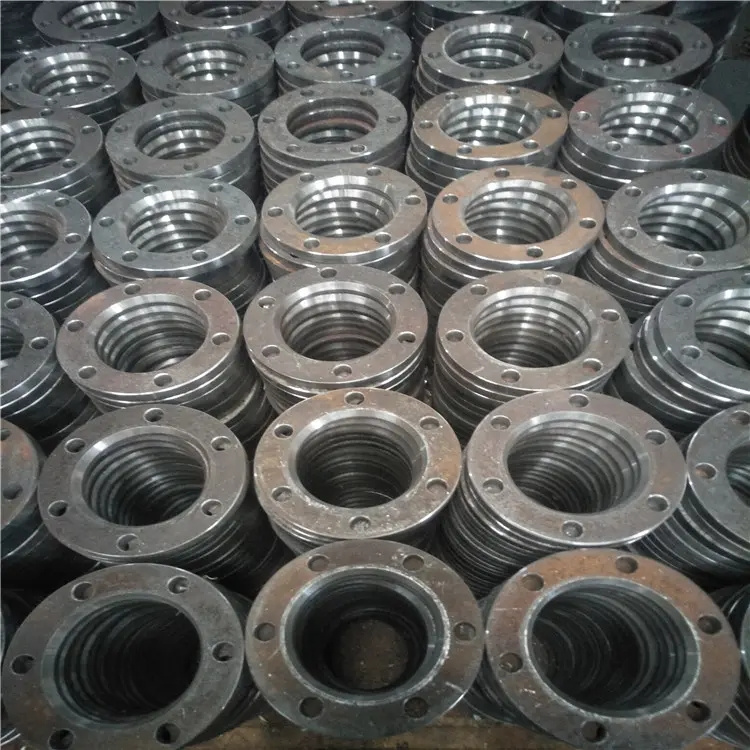

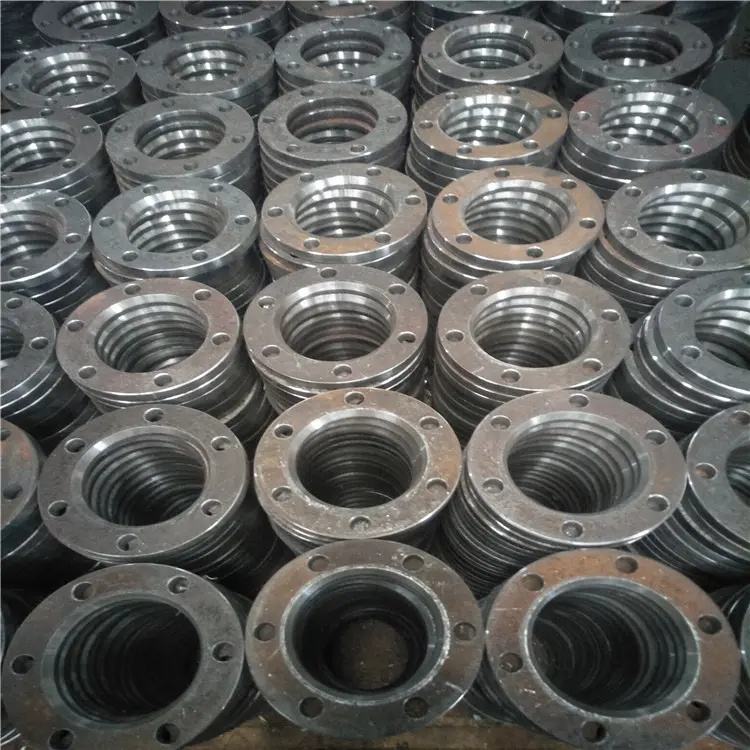
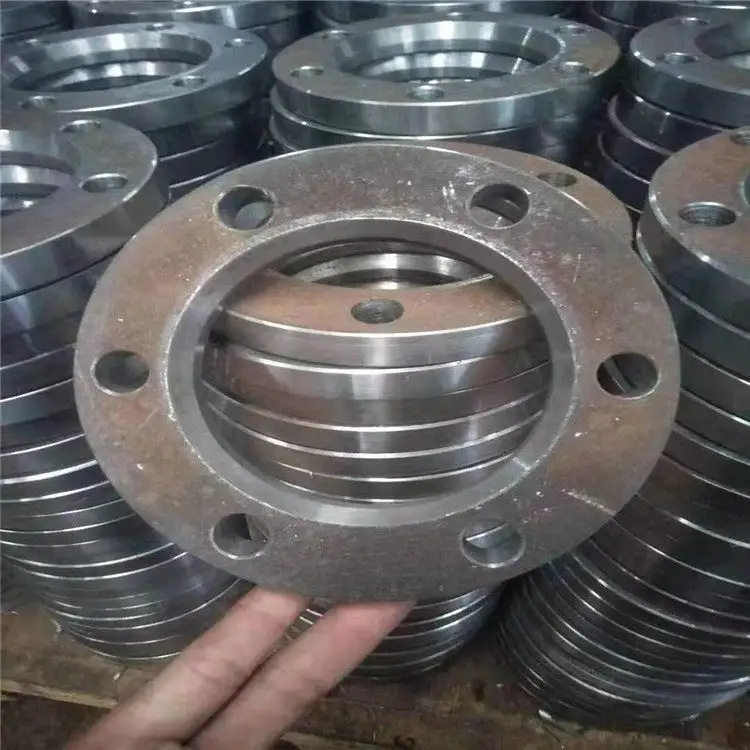


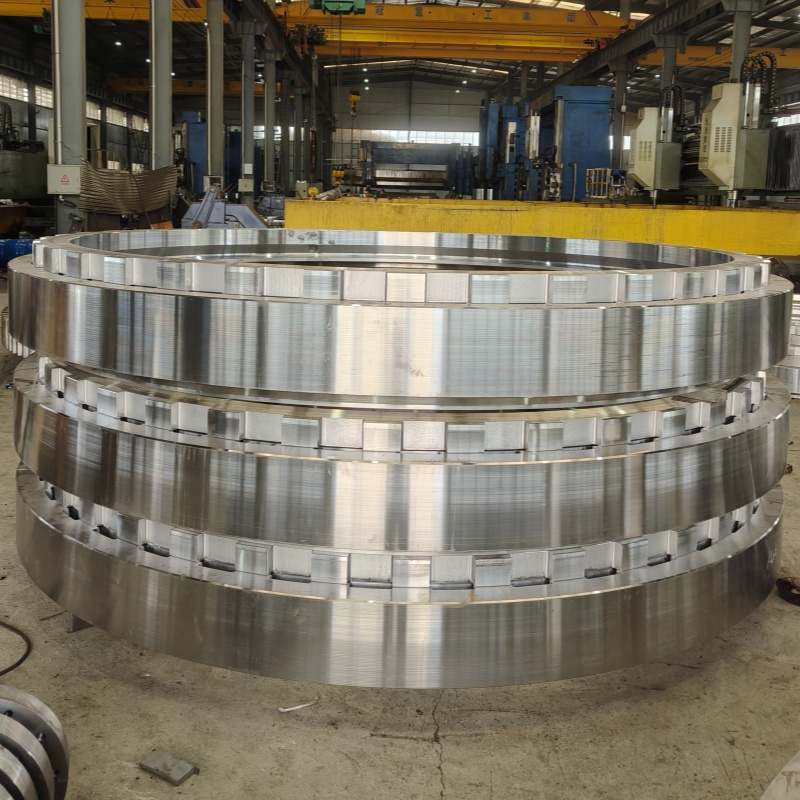

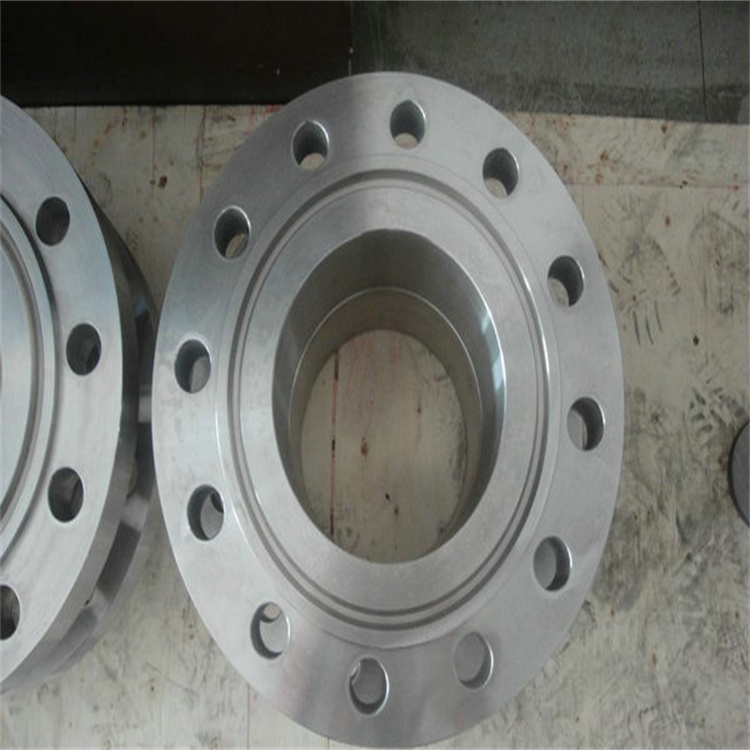
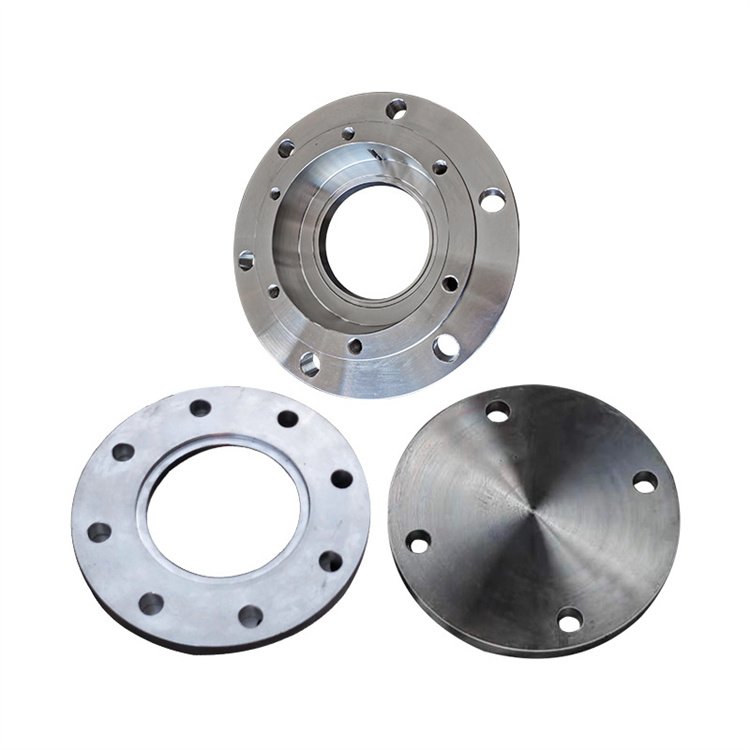
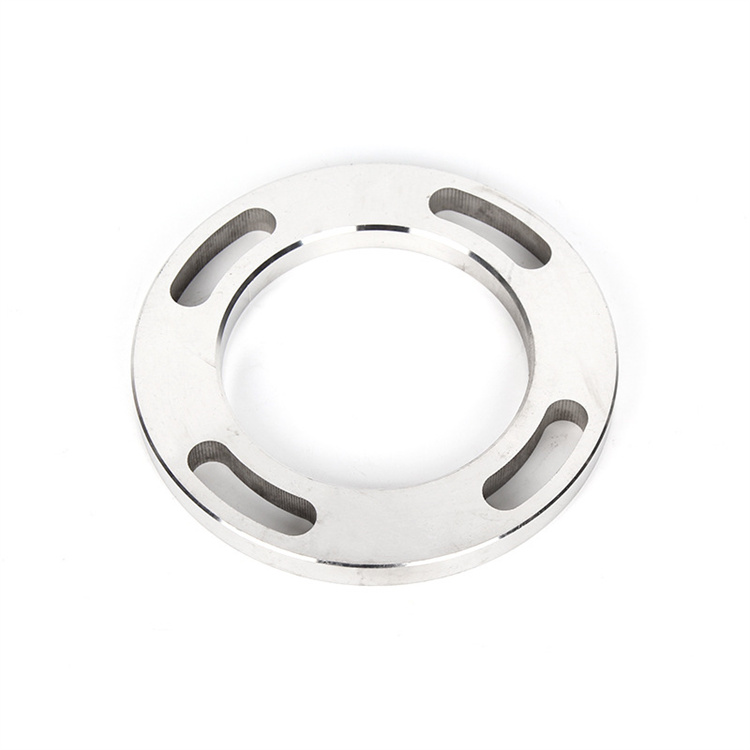





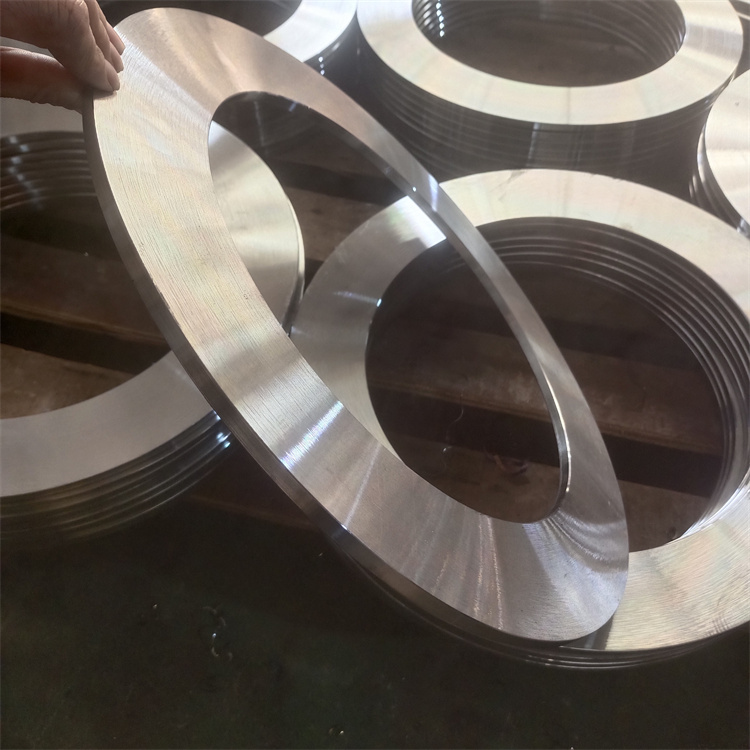
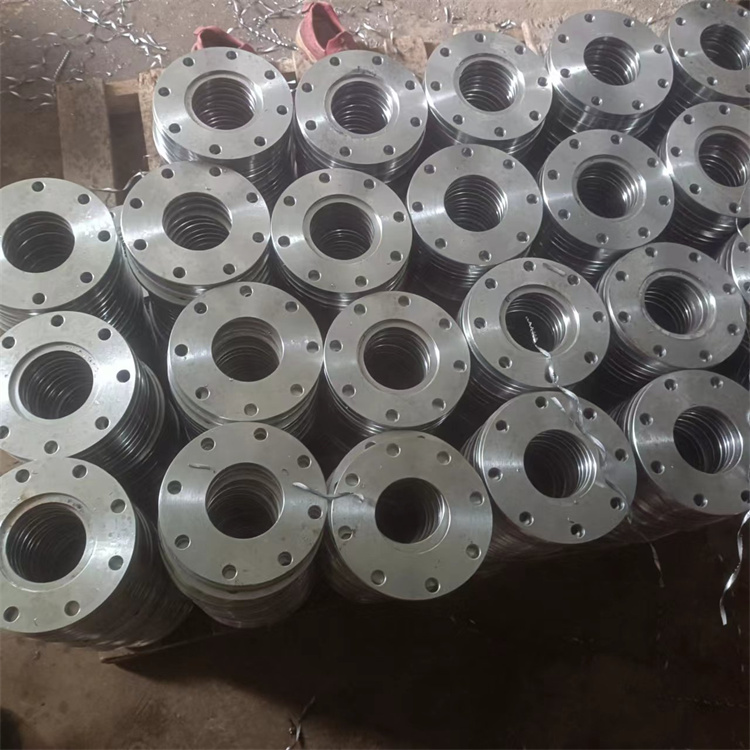
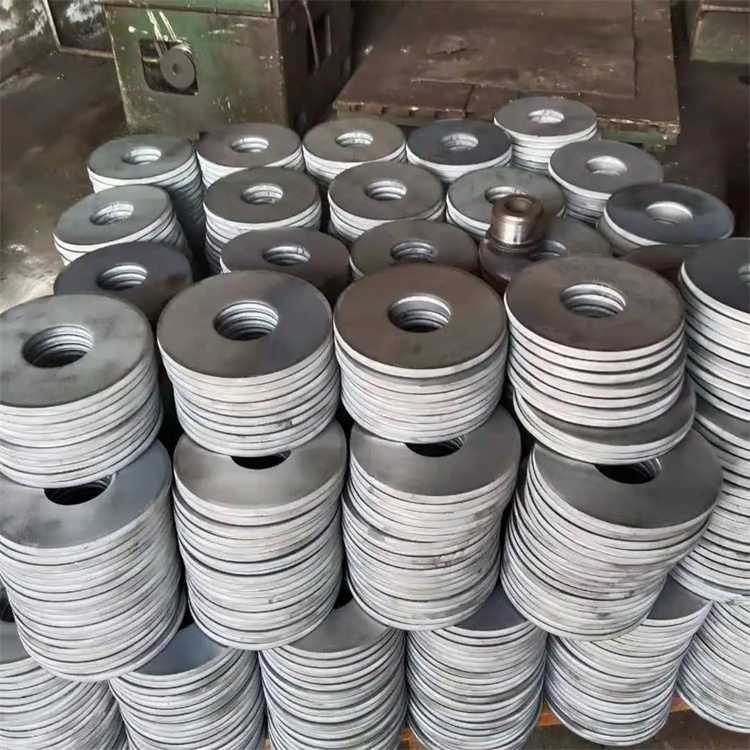
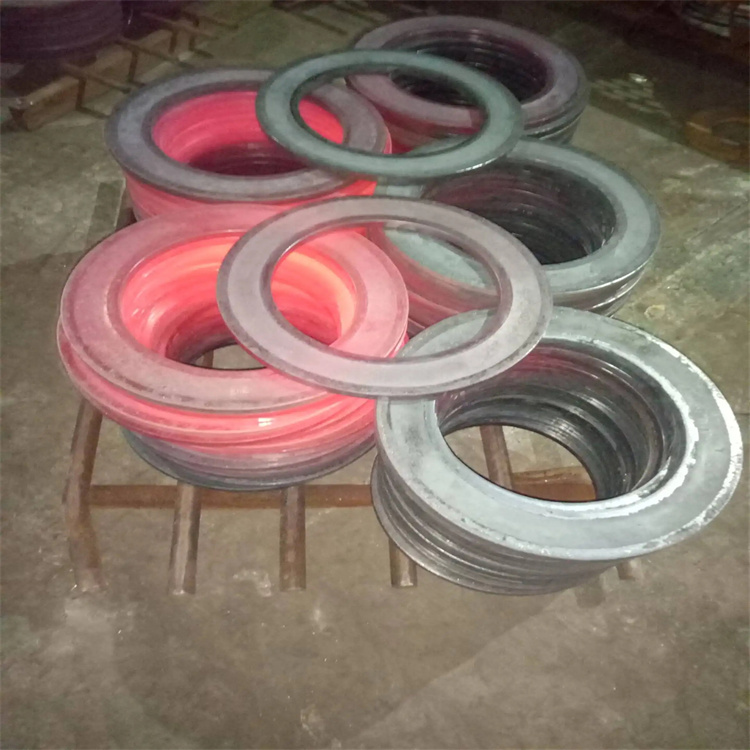
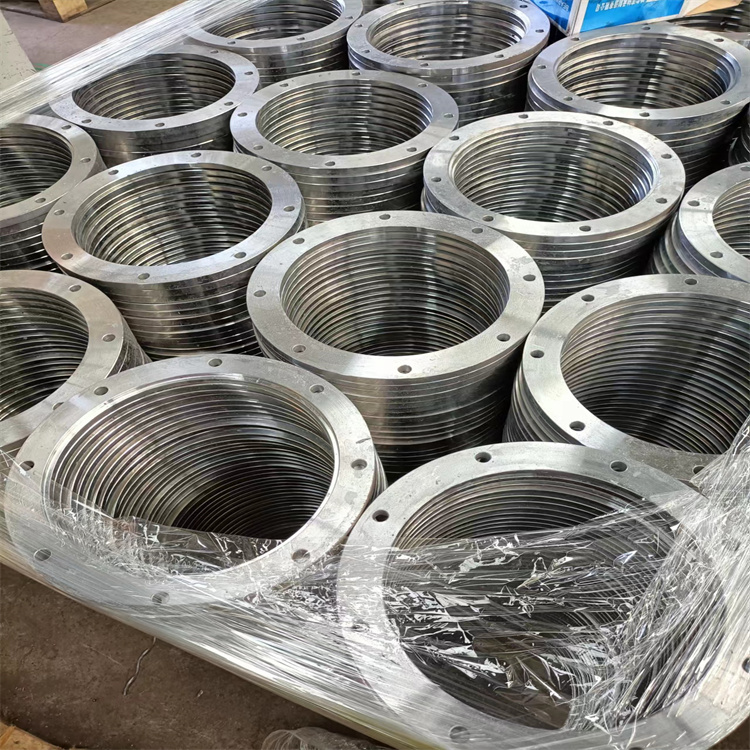
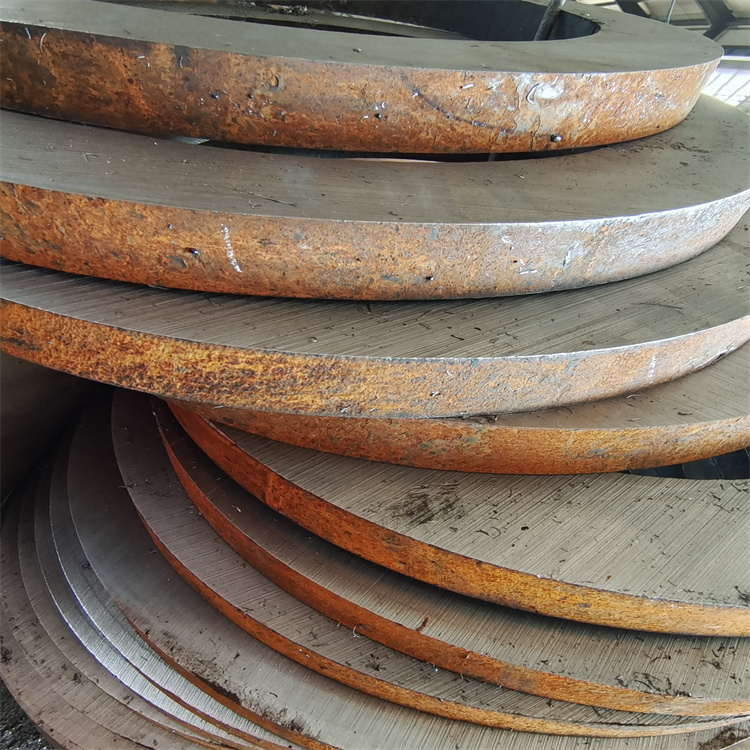
 Extruded alloy flange, loose flange, alloy flange manufacturer's flat face sealing surface: This is a widely used type, commonly used in conjunction with socket welding and blind flange types. In "American flanges," it is commonly used in pressure classes of PN2.0, PN5.0, and some PN10.0 MPa; in "European flanges," it is commonly used in pressure classes of PN1.6 and PN2.5 MPa.
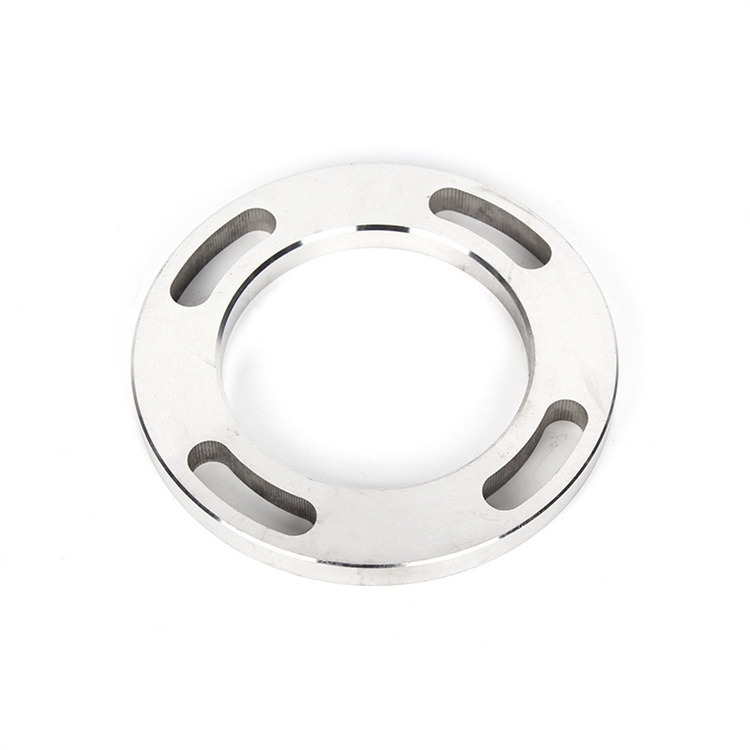
Oval and grooved alloy flanges, face-to-face sealing surface: Often used in conjunction with butt welding and socket welding types, they are not commonly used in American flanges but are frequently employed in European flanges at PN4.0 and PN6.4MPa pressure classes. However, they are not convenient for gasket replacement.
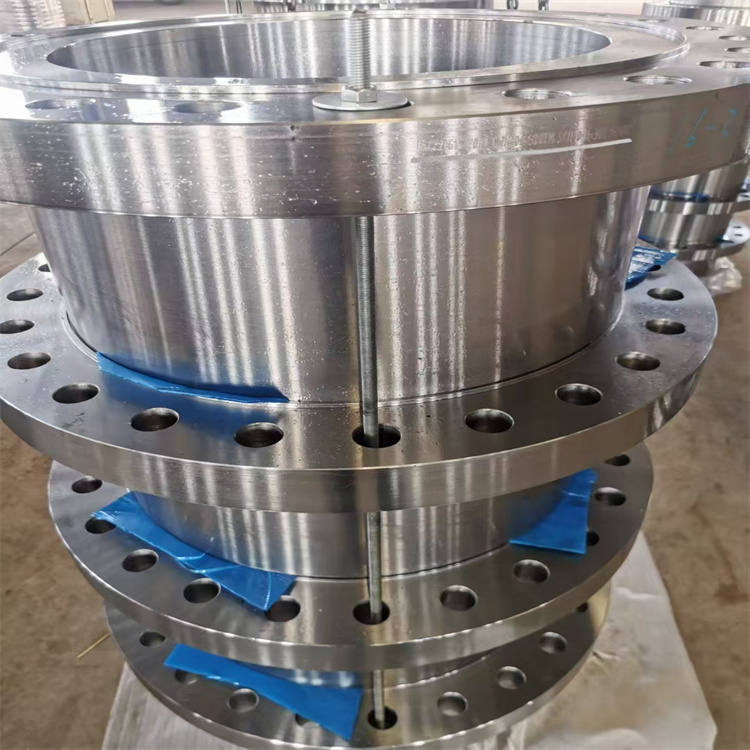
Alloy flanges, loose flanges, are commonly used in material changes for connections. Loose flanges are fitted onto pipe ends using flanges, steel rings, etc., allowing the flange to move on the pipe end. The steel ring or flange is the sealing surface, and the flange's function is to compress them tightly. It can be seen that due to being blocked by the steel ring or flange, the loose flange does not come into contact with the medium. Loose flanges are suitable for connecting steel, aluminum, and other non-ferrous metals as well as stainless acid-resistant steel containers and corrosion-resistant pipelines.