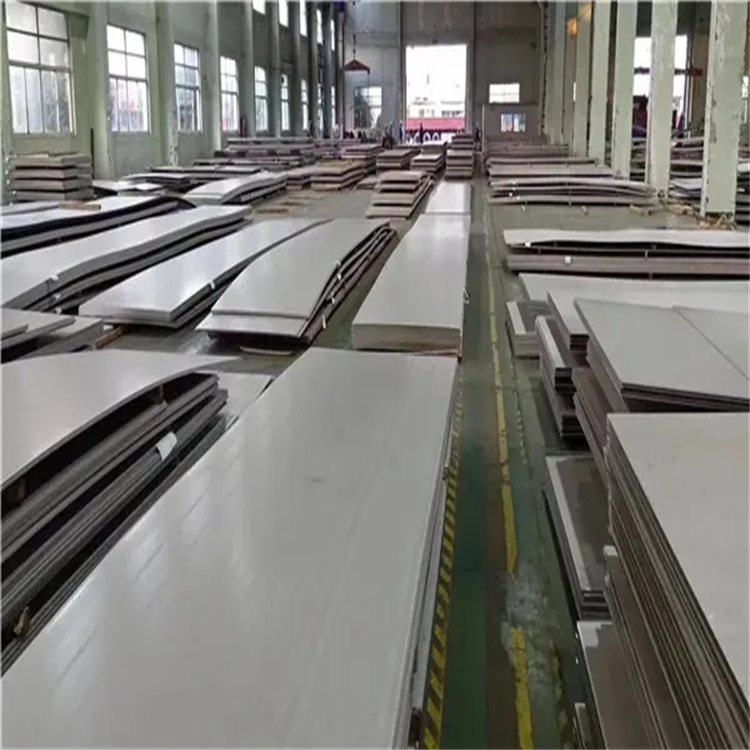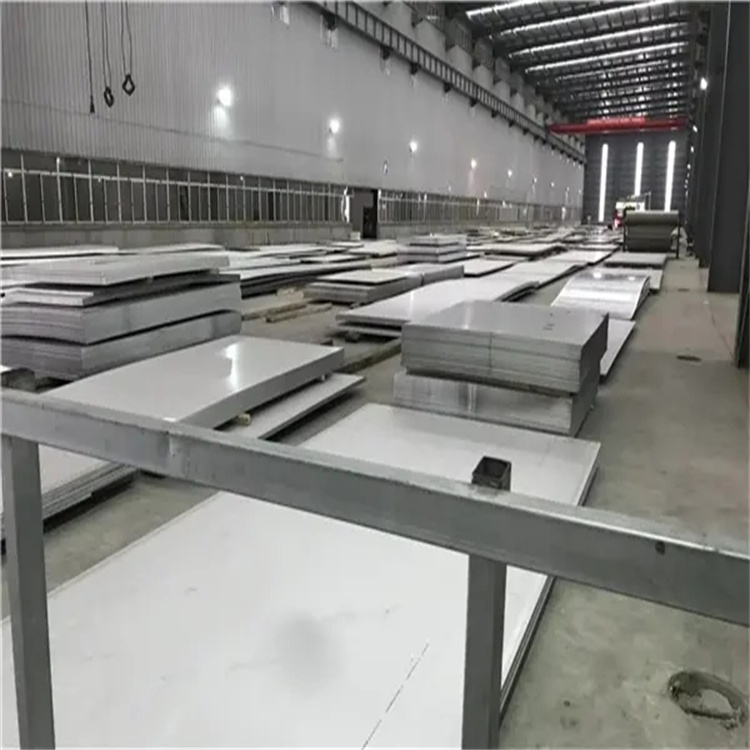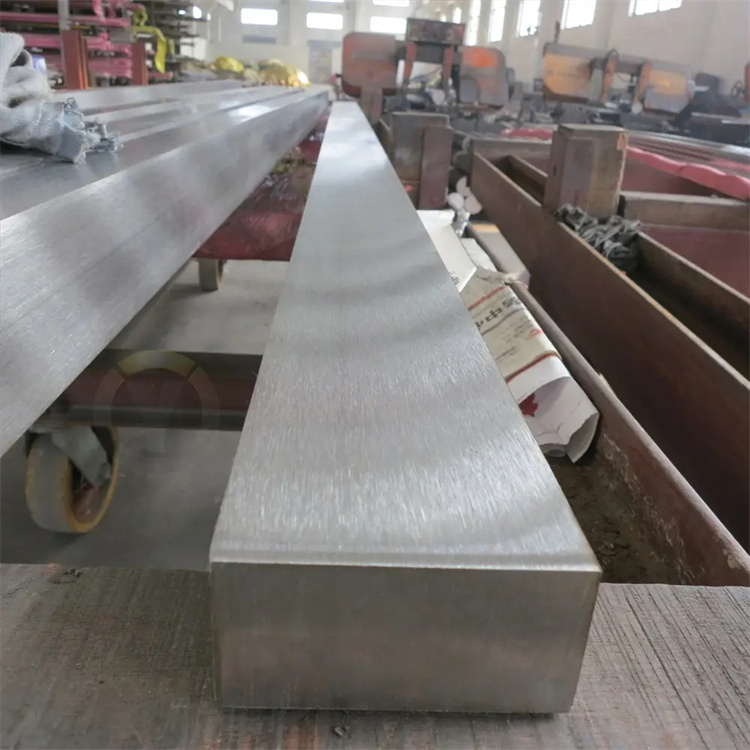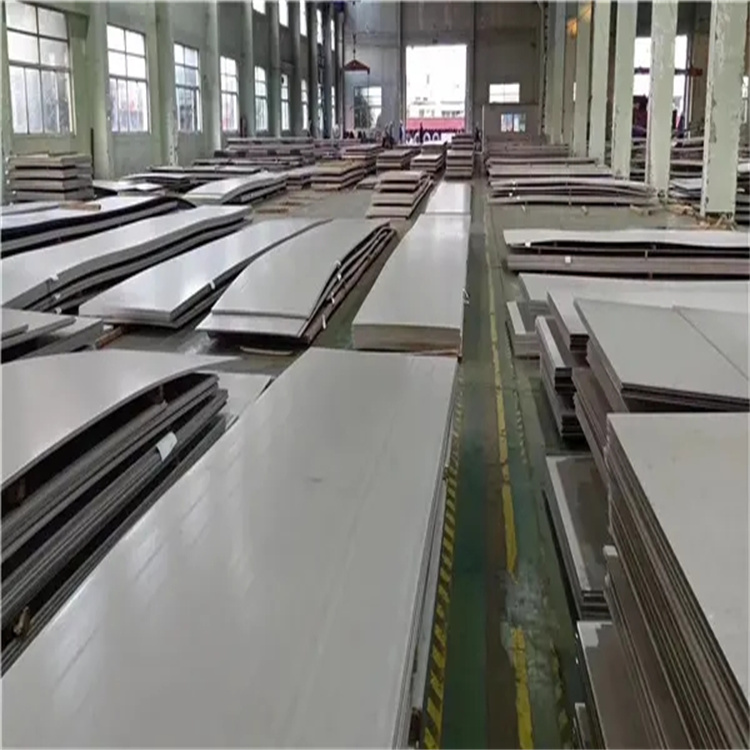











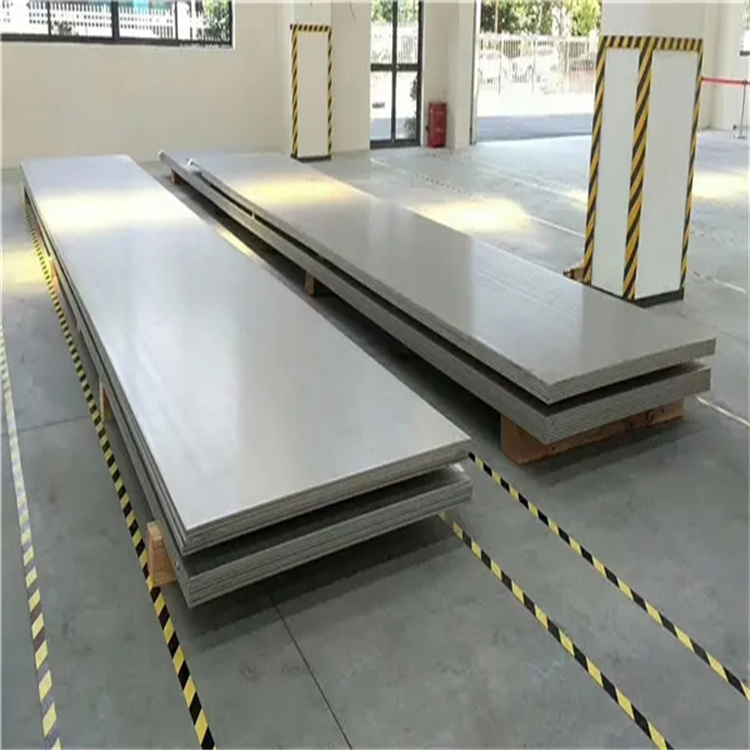


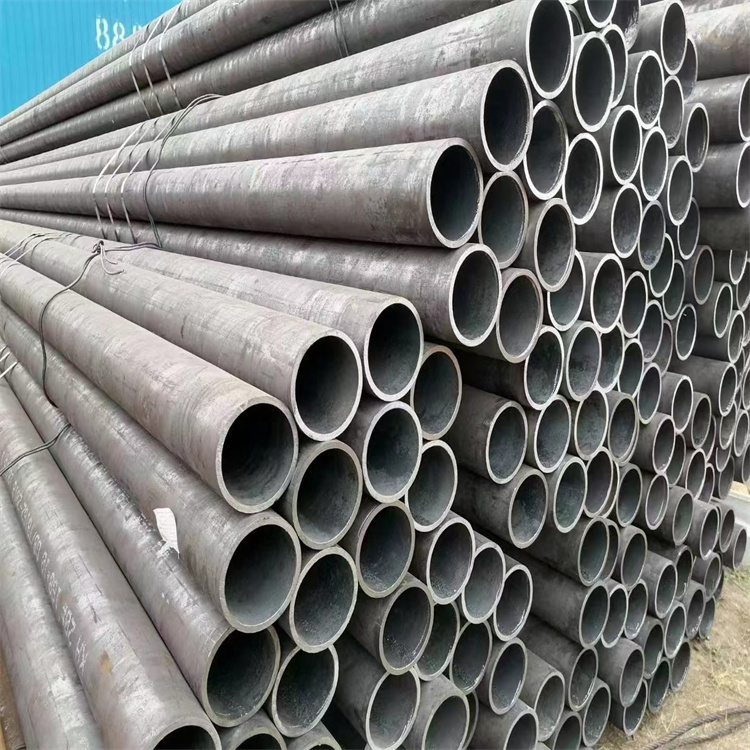
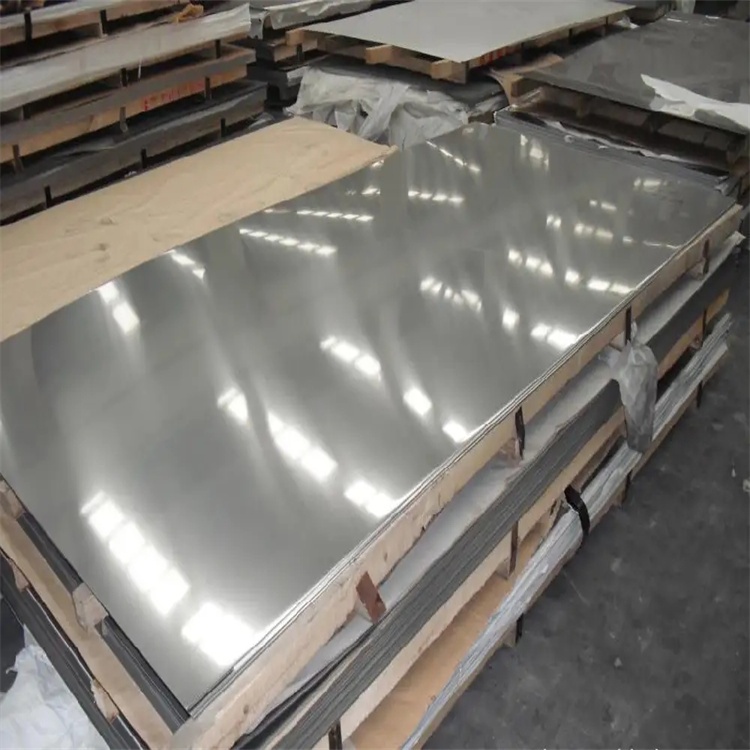
 1. Hot Rolled: Following hot rolling, non-metallic inclusions within stainless steel (mainly sulfides, oxides, and silicates) are compressed into thin sheets, resulting in a分层 phenomenon in stainless steel sheets. This can deteriorate the tensile properties of stainless steel along the thickness direction and may also cause interlaminar tearing during weld shrinkage. The local strain induced by weld shrinkage is often several times the yield point strain, much greater than the strain caused by loading.
2. Subsequently, uneven cooling after hot rolling processing will produce residual stresses. Residual stresses refer to the internally self-balanced stresses within stainless steel without the application of external forces. Such residual stresses are present in hot-rolled steel sections of various cross-sections, and typically, the larger the section size of the steel, the greater the residual stress. Although residual stresses are self-balanced, they can still have a certain impact on the performance of stainless steel components under the action of external forces. For example, they can have adverse effects on deformation and stability.
3. Cold Rolling: Although no hot plastic deformation occurs during the forming process, residual stresses still exist within the cross-section, which will undoubtedly affect the overall and local buckling characteristics of the stainless steel sheet.
4. Next, cold-rolled steel shapes typically have open cross-sections, which results in lower torsional rigidity of the section. They tend to twist easily under bending and experience bending-torsional buckling under compression, demonstrating poor torsional resistance.
5. Additionally, cold-rolled shaped steel has a thinner wall thickness, and there is no reinforcement at the corners where sheet components join, so its ability to bear localized concentrated loads is not very high.