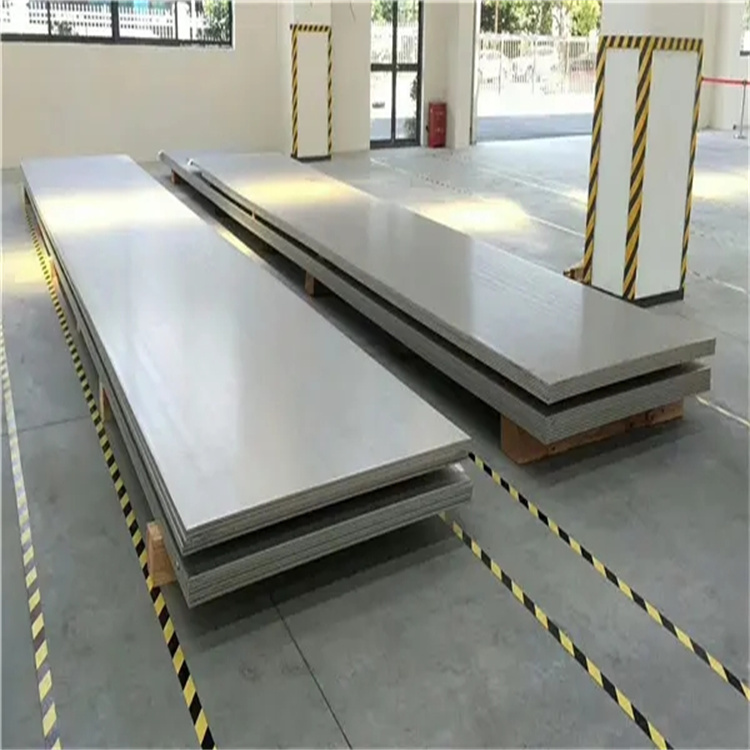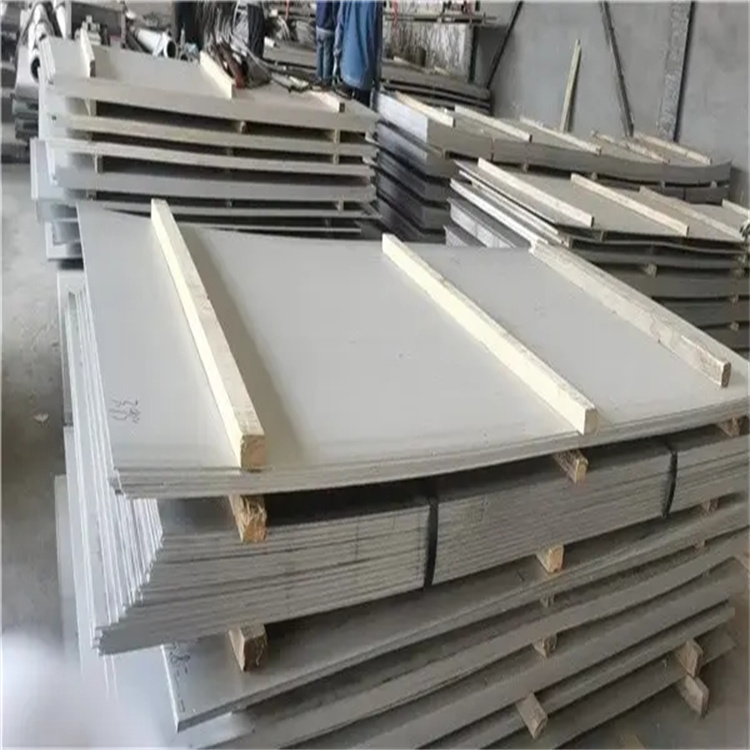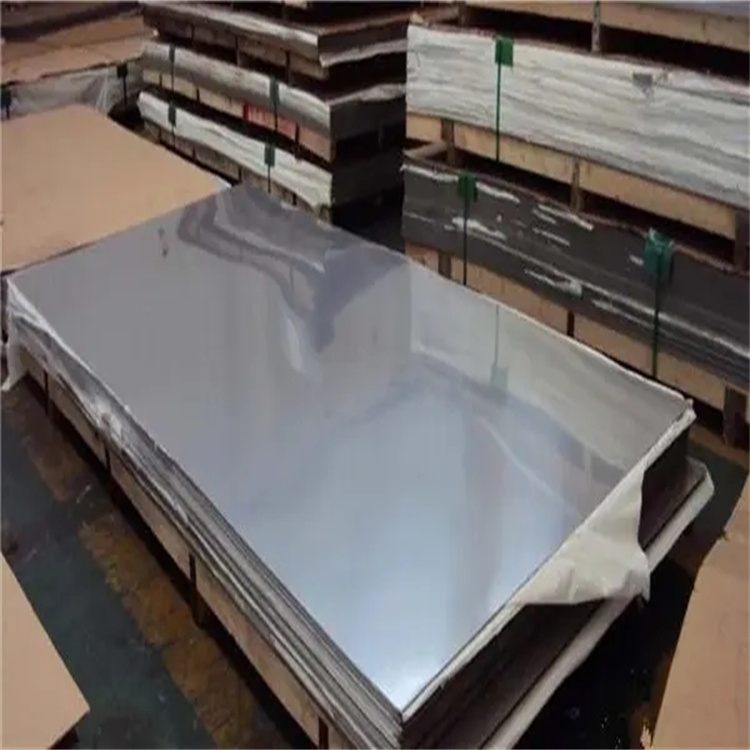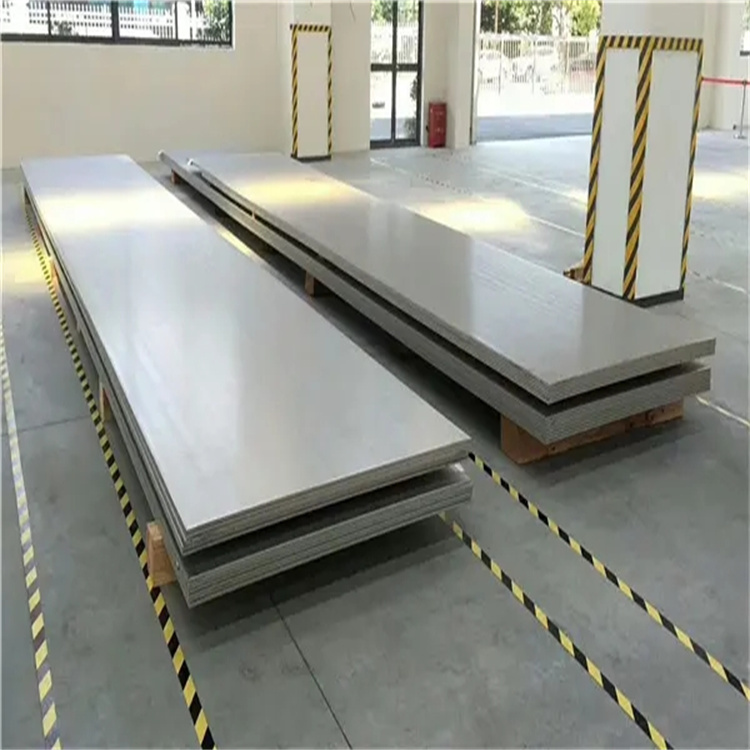

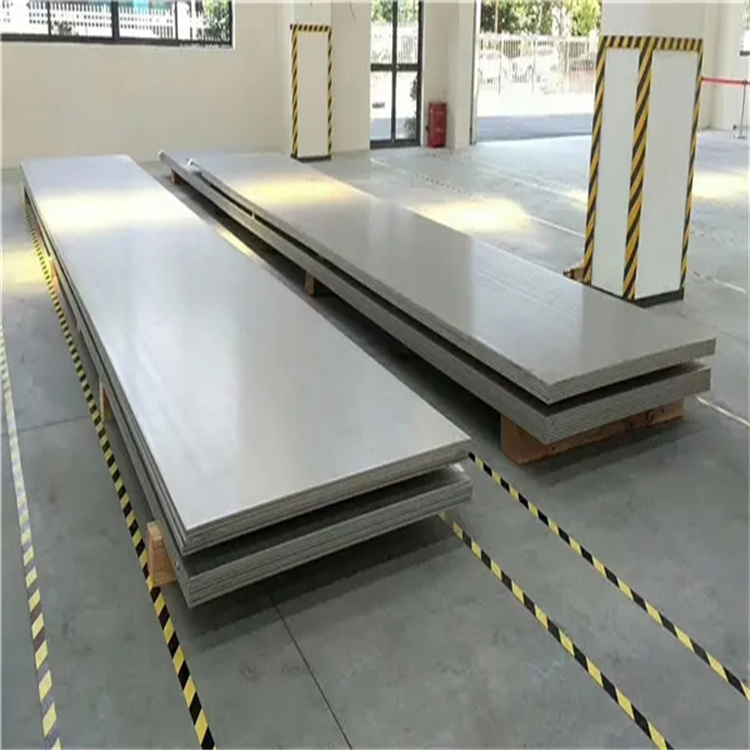











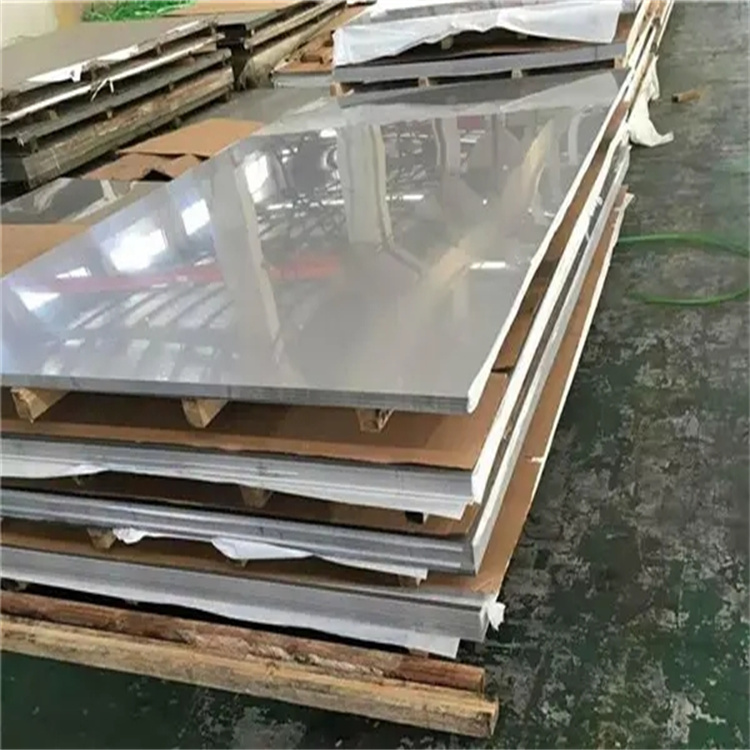
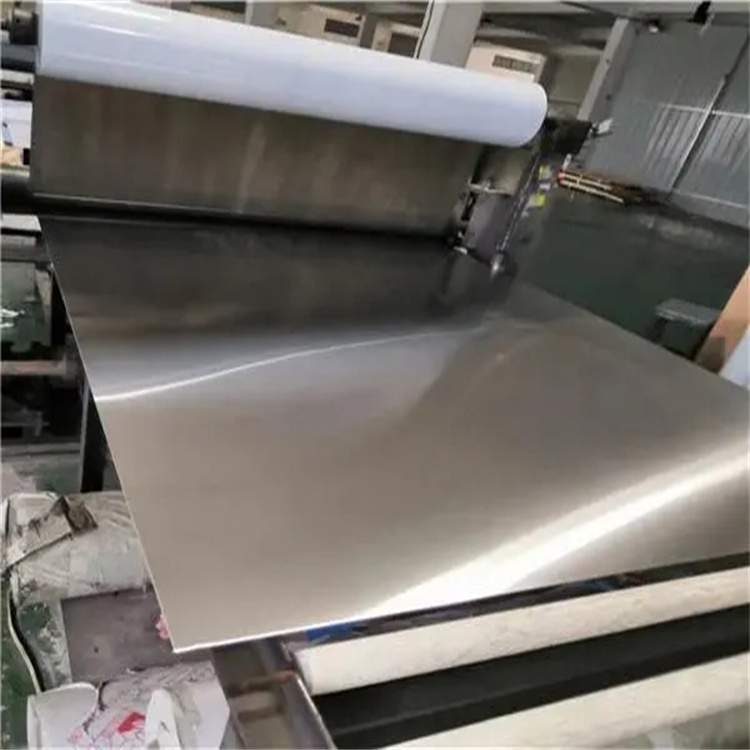


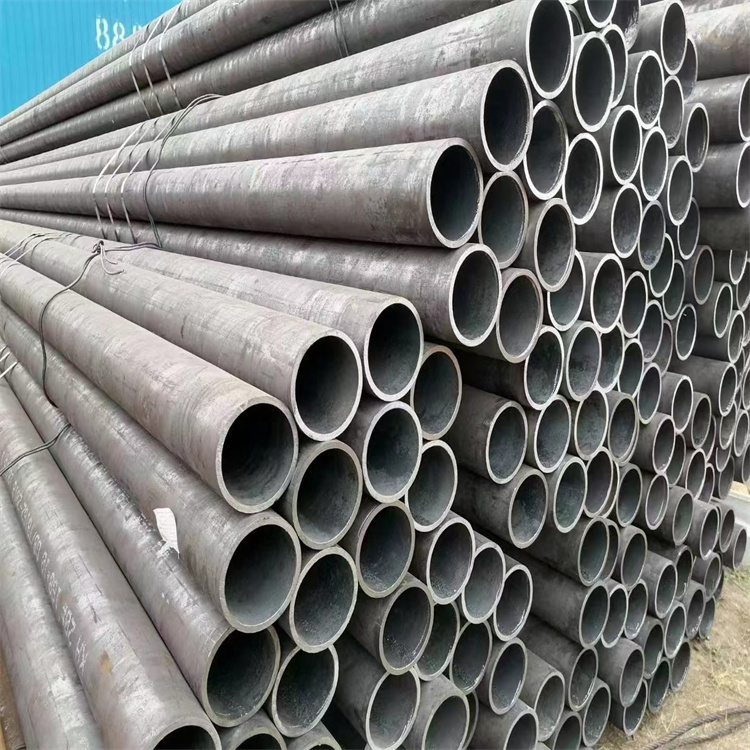
 Stainless steel plates generally refer to a collective term for stainless steel plates and acid-resistant steel plates. Stainless steel plates are steel plates that resist corrosion from atmospheric, steam, and other media, while acid-resistant steel plates are steel plates that can withstand corrosion from acidic, alkaline, and saline chemical media. Let's delve into the essentials of selecting stainless steel plates.
The surface of the stainless steel plate is smooth, with high plasticity and mechanical strength, and is resistant to corrosion from acidic, alkaline gases, solutions, and other media.
Selection Tips; When choosing stainless steel sheets, consider the operating conditions such as manual or automatic operation, the performance and type of hot pressing machine, and the quality requirements for the material being pressed, such as hardness and luster. Also, take into account economic calculations, the number of times a newly ground steel plate can produce quality decorative panels.
When selecting the appropriate thickness of steel plates, consider their usage time, quality, and rigidity first. Also, take into account the strength requirements under compression, thermal conductivity, pressure distribution, and the size specifications of the pressing plate. If the steel plate is too thin and prone to bending, it will definitely affect the decorative panel production. If the steel plate is too thick and heavy, it not only increases the cost of the steel plate but also brings unnecessary trouble during operation. Moreover, consider the allowance for processing or usage of stainless steel plates. The thickness of copper plates is not uniform, but strive to make the thickness as consistent as possible on the same sheet, with general sawn plates having a thickness tolerance of 0.05 to 0.15 millimeters. If the requirements are too strict, the grinding costs will also increase.
Stainless steel plates have been in existence for over 90 years since their introduction at the beginning of the 20th century. The invention of stainless steel plates is a significant achievement in the history of metallurgy, laying the material and technological foundation for the development of modern industry and scientific and technological progress.
WeChat Official Account

Scan to follow Official Account