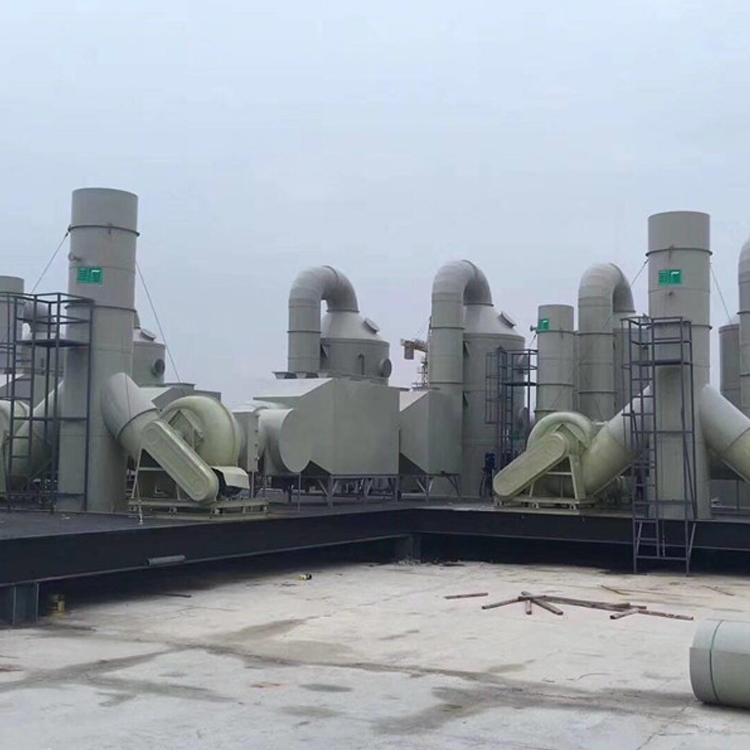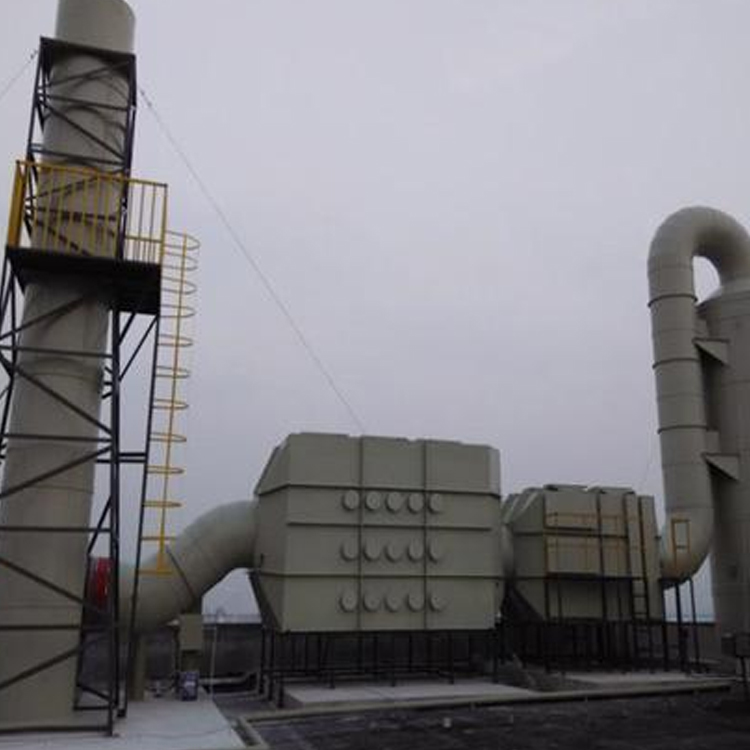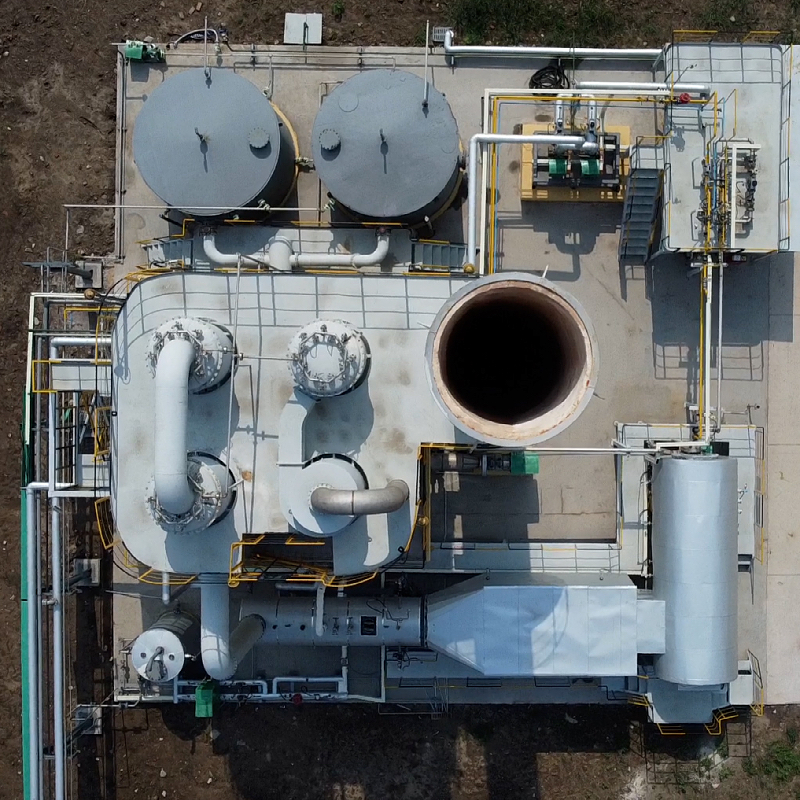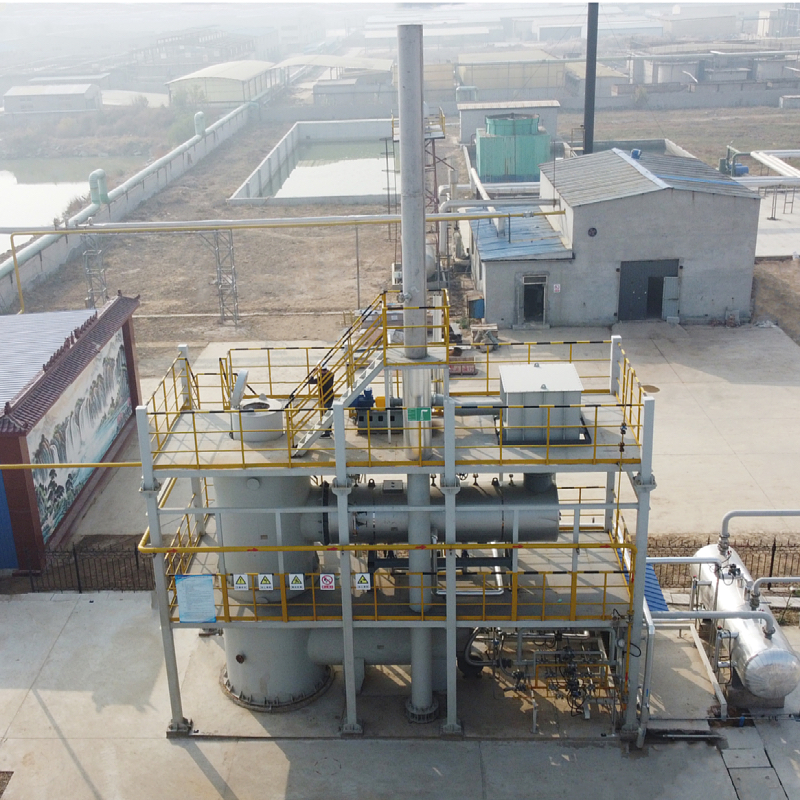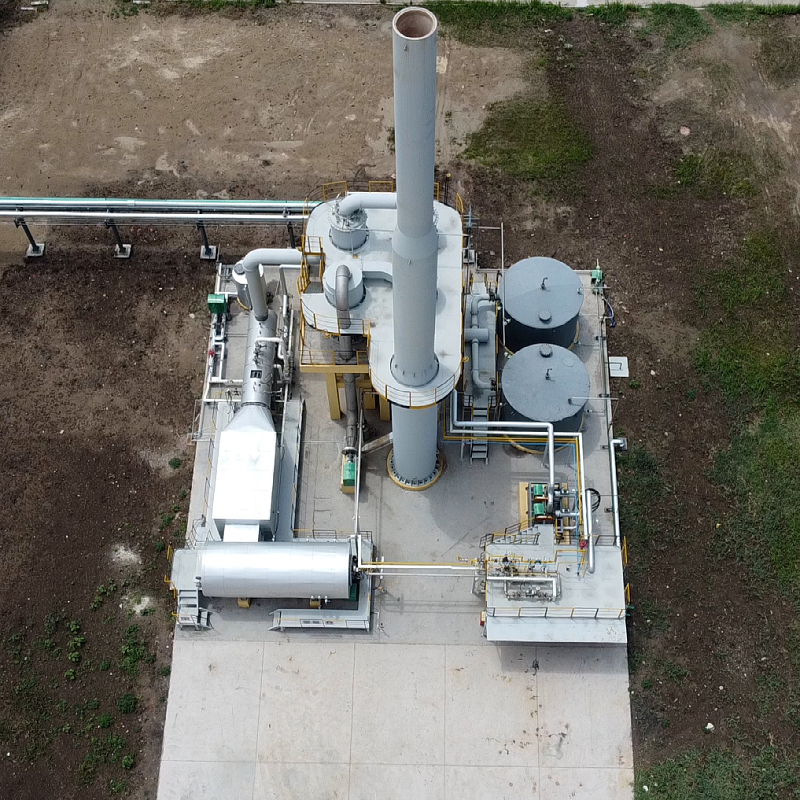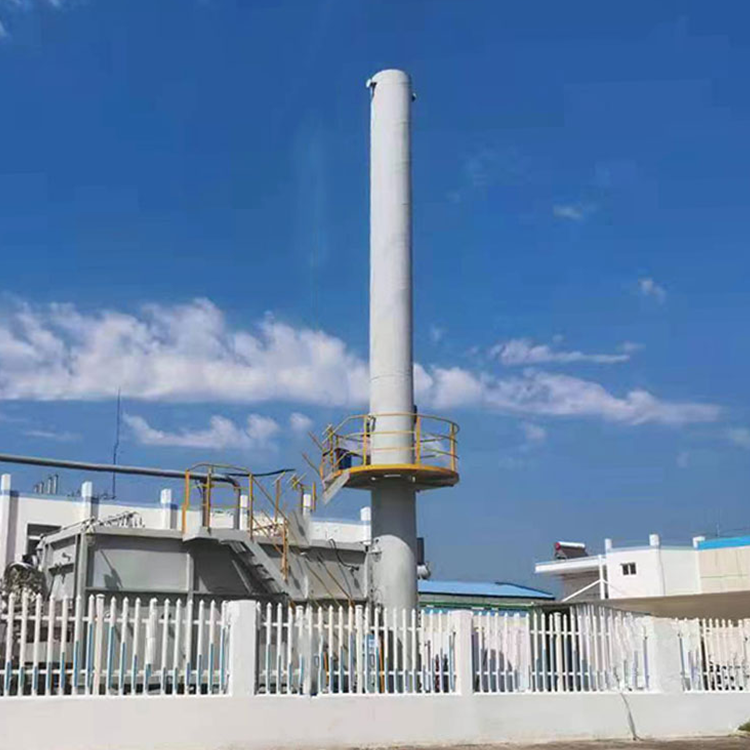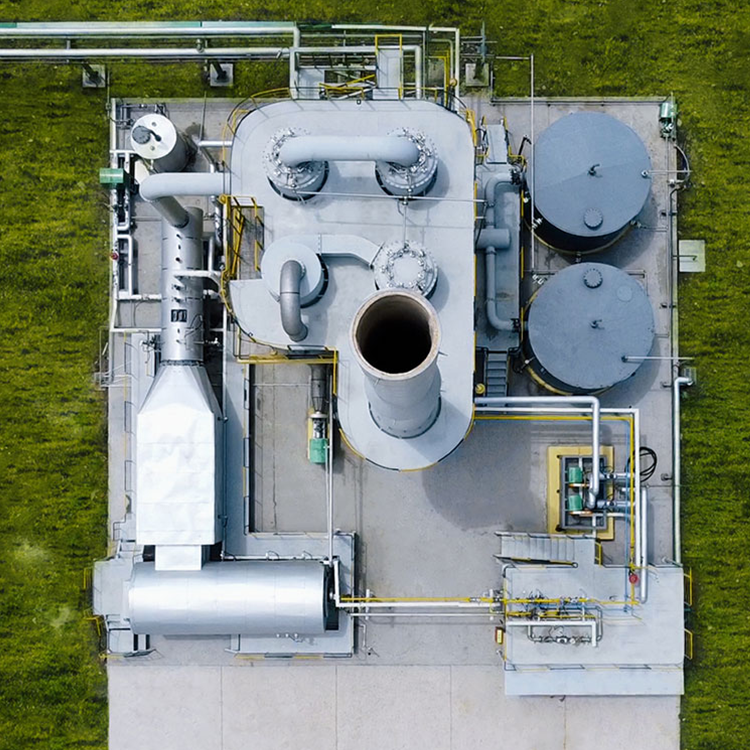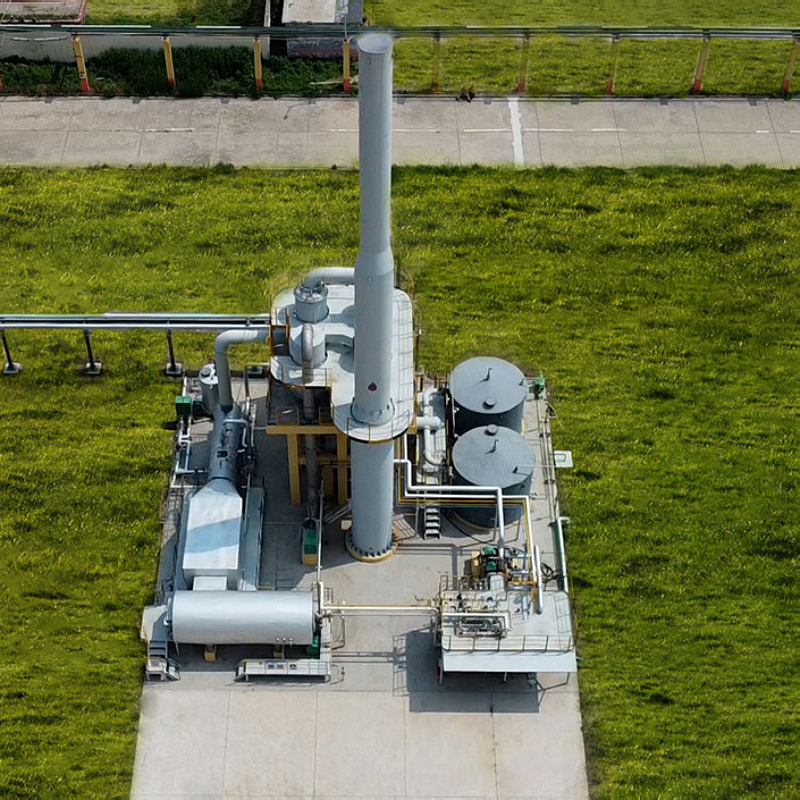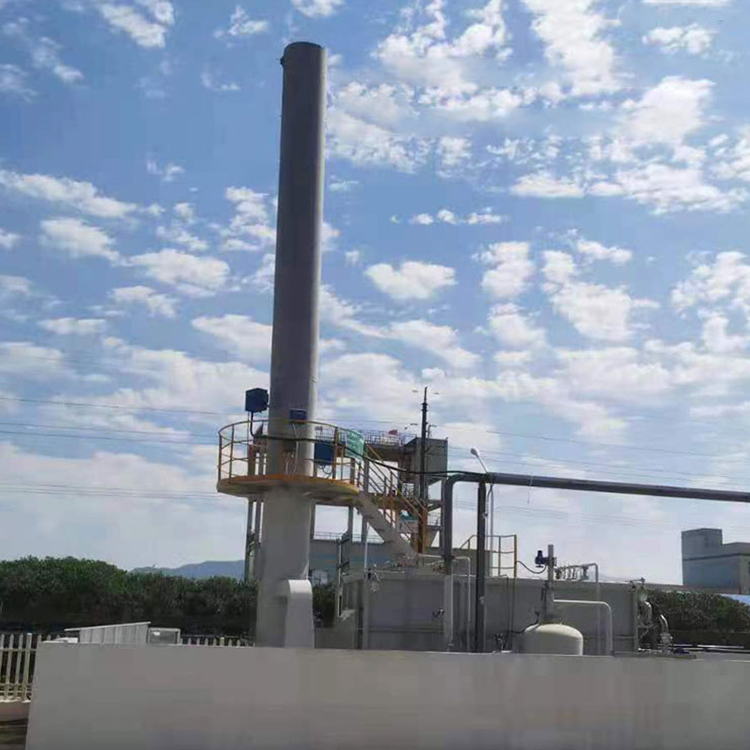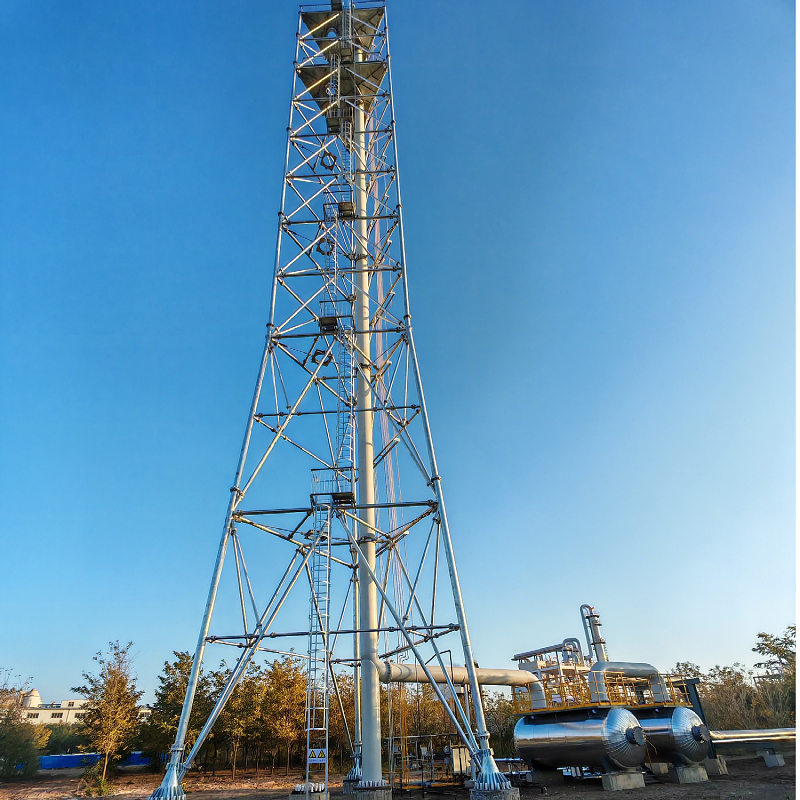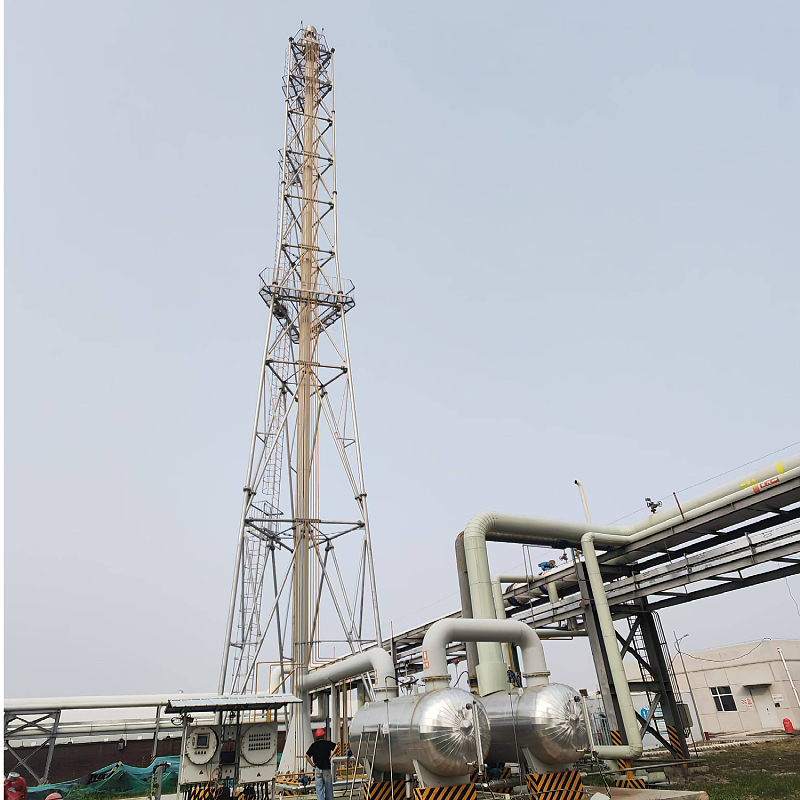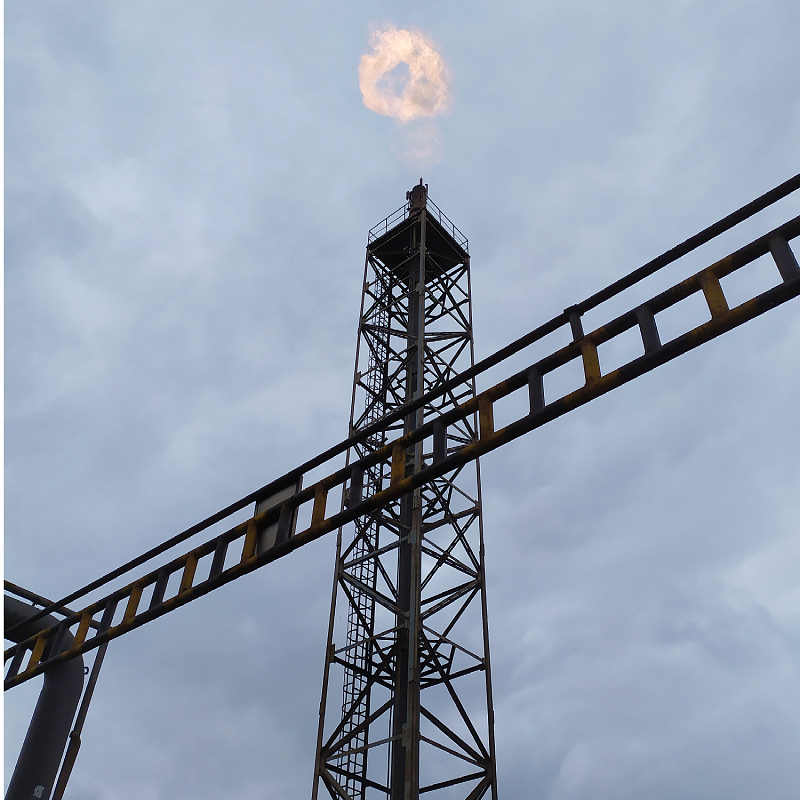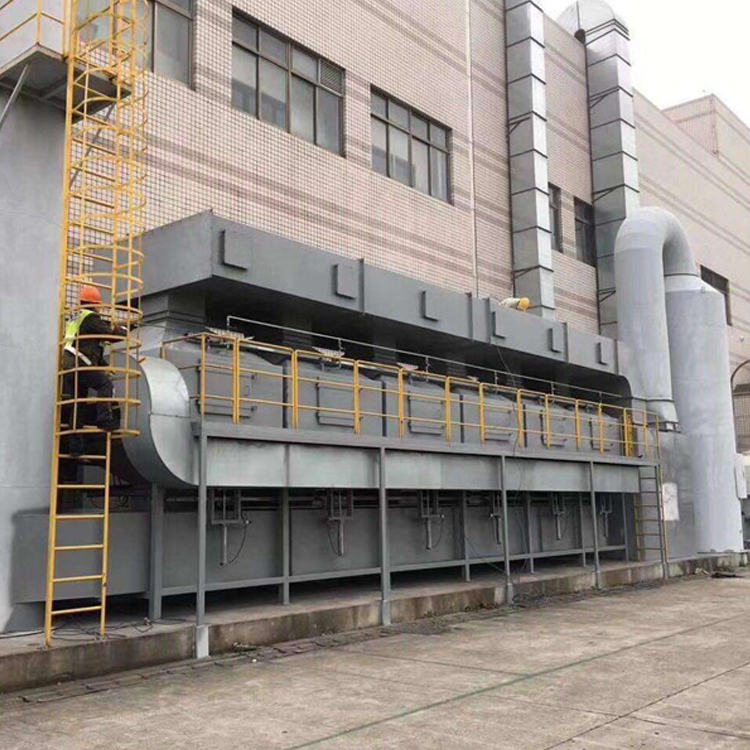


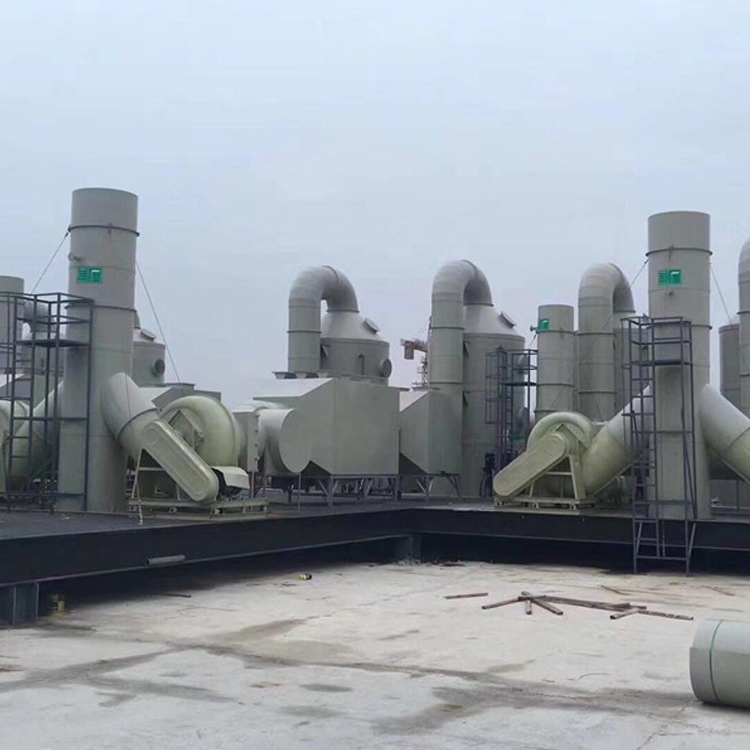
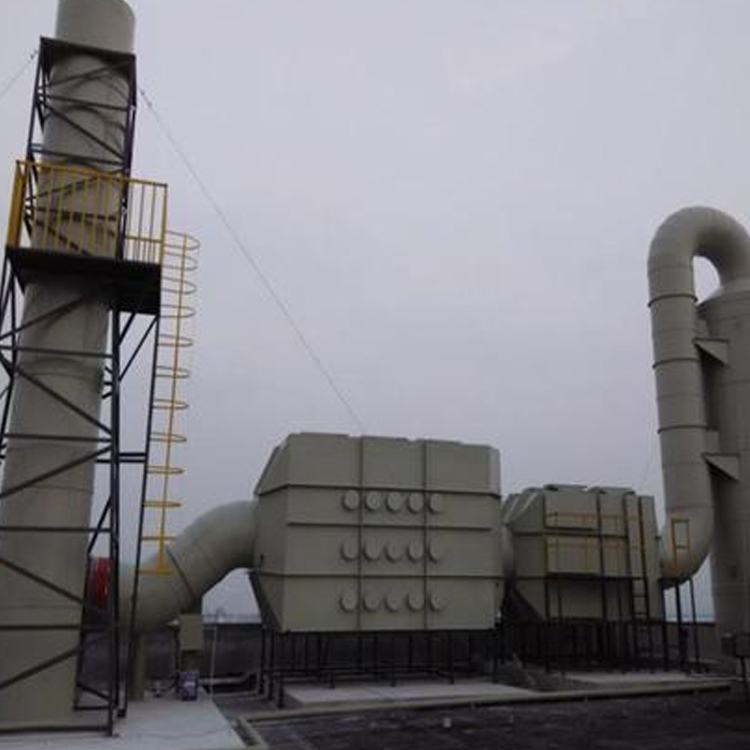







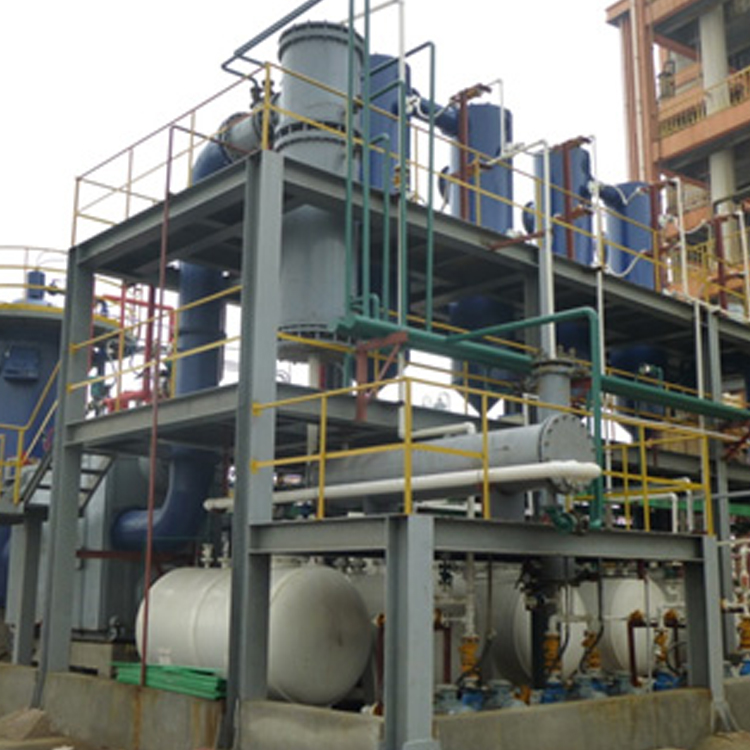
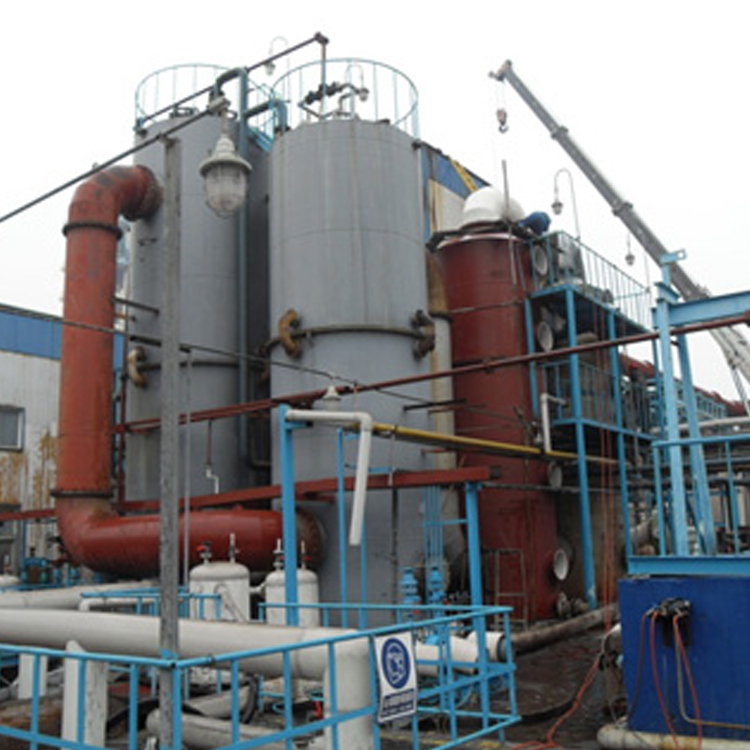
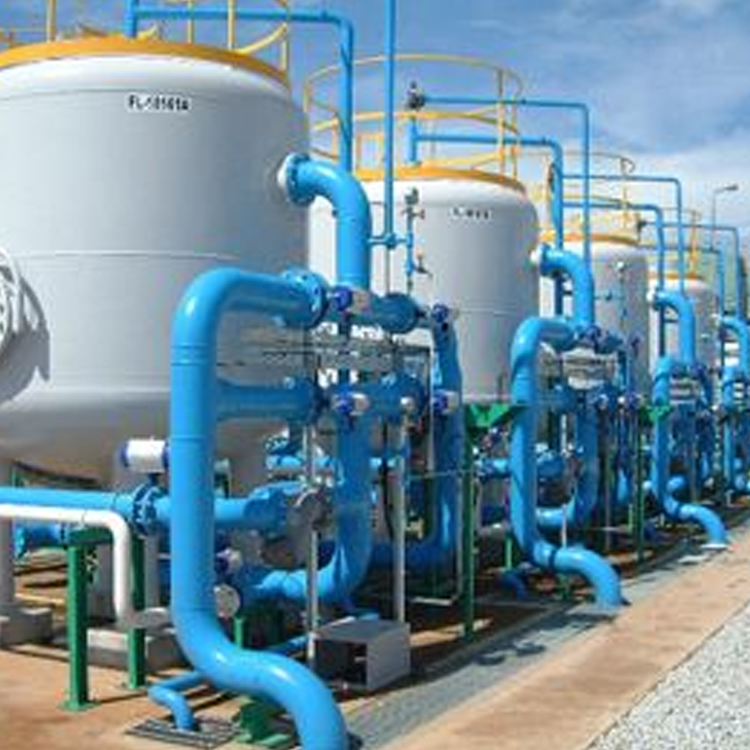

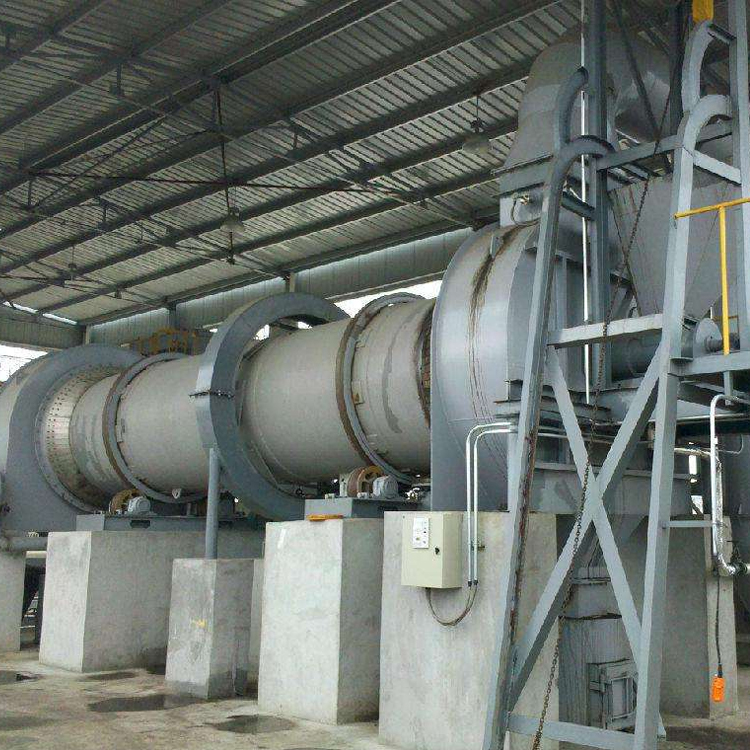
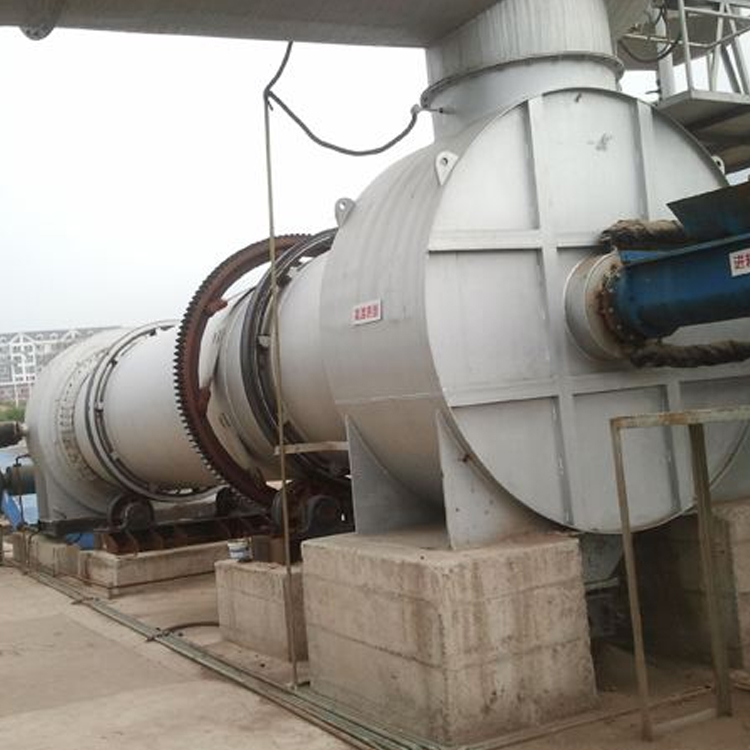

Characteristics of Organic Waste Incinerator:
(1) Utilizing a regenerative heat exchanger, the heat storage medium directly exchanges heat with the gas, with the furnace radiant temperature
High pressure, fast heating speed; significant heat exchange effect at low temperatures, thus with particularly high heat exchange efficiency; maximally recovers sensible heat from the oxidation products. High thermal efficiency, low exhaust gas temperature, and significant energy-saving effect. Reducing fuel consumption also means reducing greenhouse gas emissions.
(2) The temperature inside the heat storage room is evenly graded and increased, enhancing heat transfer within the furnace and improving heat exchange efficiency. Consequently, for an oxidizing furnace with the same processing capacity, the furnace volume can be reduced, significantly lowering the equipment's cost.
(3) Since the flame is not produced within the burner but starts to gradually oxidize in the high-temperature heat storage medium of the furnace, there is no high-temperature front, resulting in low oxidation noise.
(4) Expanded the high-temperature flame oxidation area, with the flame boundary nearly reaching the furnace chamber's edge, ensuring uniform temperature inside. This not only enhances purification efficiency but also extends the furnace chamber's lifespan.
(5) Different thermodynamic conditions from traditional combustion processes, employing staged oxidation technology to delay the release of heat energy; even temperature rise within the furnace with low heat loss; heating efficiency consumption. There are no local high-temperature and high-oxygen areas that occur in traditional combustion processes; inhibits the formation of thermal nitrogen oxides (NOX), resulting in excellent environmental protection effects.
(6) The temperature inside the oxidation chamber is generally higher and more evenly distributed; the furnace temperature can reach 760~800°C. The airflow speed is low, the oxidation rate is fast, and the flue gas stays in the furnace for a long time at high temperature, leading to complete oxidation and decomposition of organic matter. The environmental protection effect is remarkable.
(7) The system employs PLC automatic oxidation control, featuring high automation, stable operation, and high safety and reliability.
(8) According to the exhaust gas conditions, rationally set up a heat recovery unit, connecting a heat exchanger, a thermal oil furnace, or a waste heat boiler in the high-temperature oxidation chamber; the low-temperature flue gas is used to heat the exhaust gas, fully utilizing the remaining heat in the exhaust gas treatment.